
From Seeds to Sustenance: How Ancient India Revolutionized Agriculture

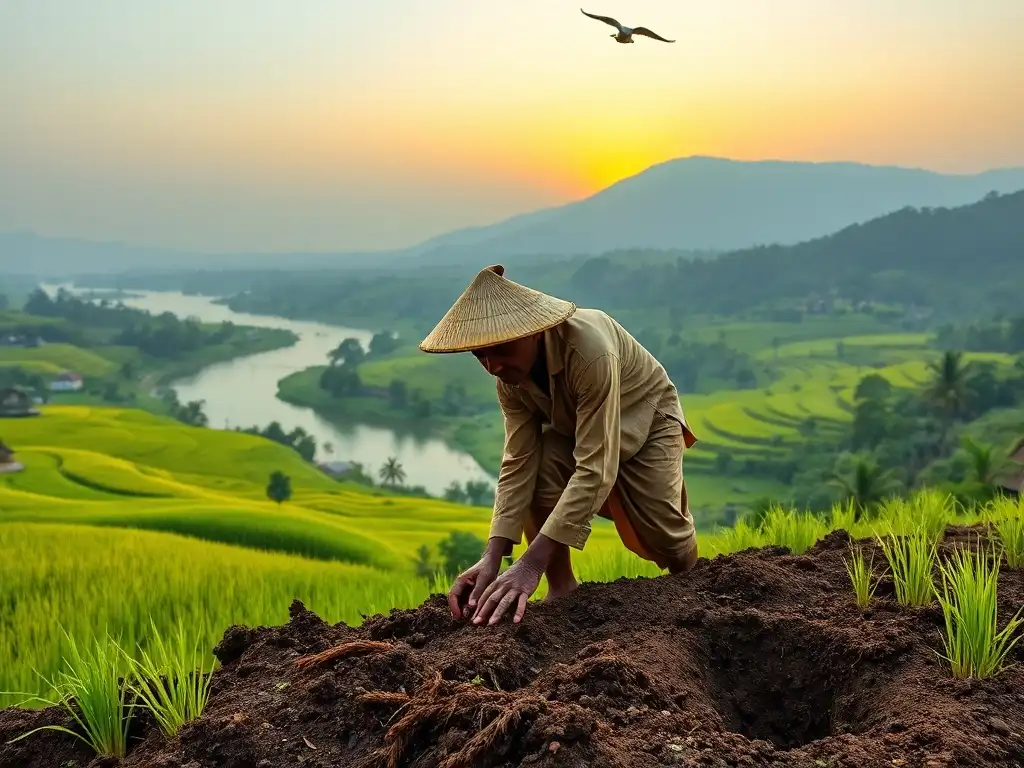
Welcome to Ancient India History, where we embark on a fascinating journey through the rich tapestry of India's past. In our featured article, From Seeds to Sustenance: How Ancient India Revolutionized Agriculture, we delve into the groundbreaking agricultural innovations that transformed the lives of ancient civilizations. Discover how the ingenuity of the Indus Valley and the advancements during the Gupta Empire laid the foundation for sustainable farming practices that resonate even today. Are you ready to unearth the secrets that shaped a civilization? Let's cultivate your curiosity as we explore the remarkable contributions of ancient India!
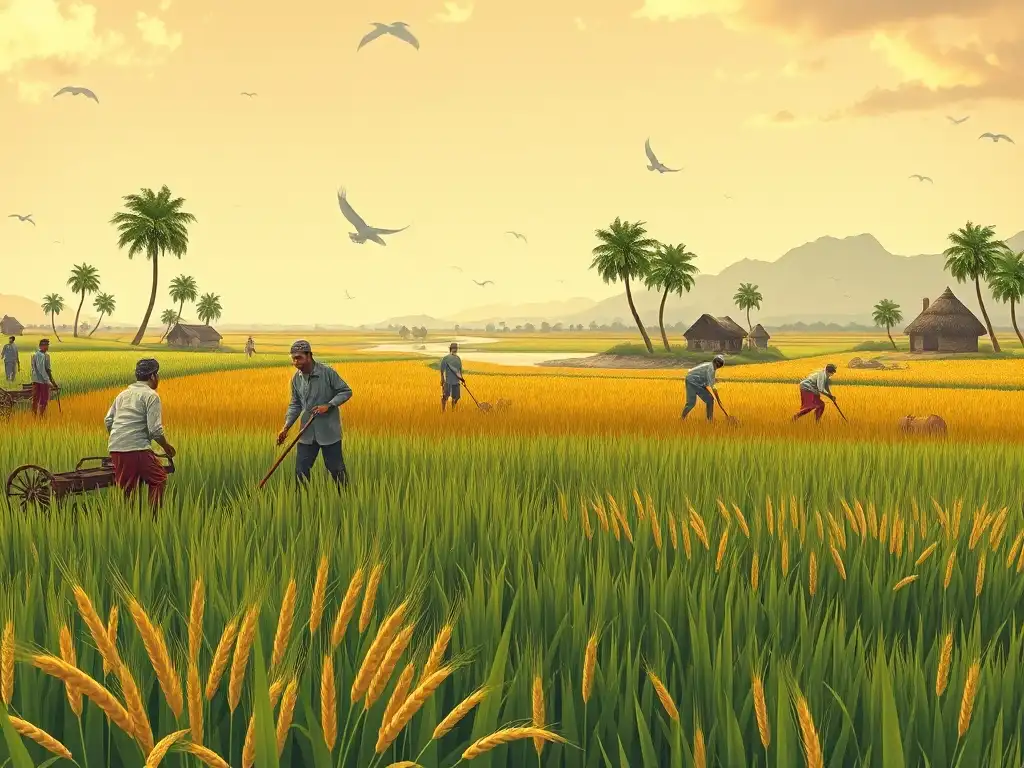
Introduction to Ancient India Agricultural Innovations
Agriculture is often regarded as the bedrock of civilization, and nowhere is this more evident than in ancient India. The agricultural innovations developed during this era not only ensured food security for burgeoning populations but also laid the foundation for complex societies and rich cultural traditions. From the domestication of crops to pioneering irrigation techniques, ancient Indian civilizations made significant contributions that transformed the agricultural landscape. This article explores the remarkable advancements in agriculture that emerged in ancient India, highlighting their impact on society and their enduring legacy.
Overview of Agricultural Practices in Ancient India
Ancient Indian agricultural practices were diverse and sophisticated, reflecting the varied climatic and geographical conditions of the subcontinent. Farmers utilized a range of methods, tools, and techniques to cultivate crops and manage resources effectively. Key practices included:
- Crop Rotation: This technique involved alternating different crops in the same field to maintain soil fertility and yield.
- Irrigation Systems: Ancient Indians developed intricate irrigation systems, including canals and wells, to support agriculture in arid regions.
- Use of Fertilizers: Natural fertilizers, such as animal manure and compost, were employed to enhance soil fertility.
These practices not only maximized agricultural output but also contributed to the sustainability of farming in ancient India.
Importance of Agriculture in Ancient Indian Civilizations
Agriculture played a crucial role in the development of ancient Indian civilizations. It was not merely a means of subsistence but also a driver of economic and social progress. The surplus food produced allowed for:
- Population Growth: Reliable food sources supported larger communities and urbanization.
- Trade and Economy: Agricultural surplus facilitated trade, both within and beyond regional boundaries, contributing to economic prosperity.
- Cultural Development: The stability provided by agriculture fostered advancements in art, philosophy, and technology.
Understanding the significance of agriculture helps contextualize the innovations that emerged during this period.
The Origins of Agriculture in Ancient India
The origins of agriculture in ancient India trace back thousands of years, marking a pivotal transition in human history.
The Transition from Hunter-Gatherer to Farming Societies
The shift from hunter-gatherer lifestyles to settled farming communities was monumental. This transition, which began around 7000 BCE, marked the beginning of a new era characterized by:
- Settlements: Communities began to form around fertile land, leading to the establishment of villages and towns.
- Domestication of Plants and Animals: Key staples such as rice, wheat, barley, and pulses were cultivated, while animals like cattle and goats were domesticated.
This evolution not only altered food production but also transformed social structures and ways of life.
Early Evidence of Agricultural Practices in the Indus Valley
The Indus Valley Civilization, flourishing around 2500 BCE, provides some of the earliest evidence of advanced agricultural practices. Archaeological findings reveal:
- Planned Urban Agriculture: Cities like Harappa and Mohenjo-Daro featured sophisticated layouts with designated agricultural zones.
- Storage Granaries: Large granaries indicate the importance of surplus storage and management of agricultural produce.
- Crop Diversity: Evidence of various cultivated crops suggests a well-developed agricultural system capable of supporting a thriving civilization.
These findings underscore the ingenuity and adaptability of ancient Indian societies in harnessing agriculture for their development.
Key Agricultural Innovations in Ancient India
Ancient India made significant strides in agriculture, laying the groundwork for modern practices. The region's diverse climate and geography required innovative approaches to farming, leading to a series of agricultural innovations that transformed the way food was produced. Among the most notable advancements were irrigation techniques, crop domestication, and soil management practices. These innovations not only enhanced productivity but also contributed to the social and economic development of ancient Indian civilizations.
Development of Irrigation Techniques
Irrigation was crucial in ancient India, especially in regions prone to drought or inconsistent rainfall. The earliest evidence of irrigation systems dates back to the Indus Valley Civilization (approximately 2500–1900 BCE), where advanced canal networks were developed to distribute water efficiently to fields. Techniques such as:
- Canal Systems: Large-scale canals were constructed to divert water from rivers to agricultural lands.
- Wells and Tanks: Deep wells and water storage tanks were built to harness groundwater, ensuring year-round irrigation.
- Floodwater Farming: Farmers in regions like the Ganges utilized seasonal floods to irrigate fields, practicing a form of floodwater farming that depended on the monsoon.
These innovations allowed ancient Indian farmers to cultivate a variety of crops, significantly increasing agricultural output and thereby supporting larger populations.
Crop Domestication and Selection
Ancient India was at the forefront of crop domestication, with evidence suggesting that early farmers selectively bred plants for desirable traits. Key developments included the domestication of staple crops such as:
- Rice: Cultivated primarily in the eastern regions, rice became a staple due to its adaptability to monsoon conditions.
- Wheat: The cultivation of wheat flourished in the northern plains, particularly in Punjab, through selective breeding of wild varieties.
- Millets and Pulses: Various millets and legumes were also domesticated, providing essential protein sources for the population.
Farmers practiced methods of seed selection that ensured higher yields, leading to a more stable food supply. The ability to cultivate diverse crops not only improved nutrition but also played a crucial role in the development of trade networks.
Use of Fertilizers and Soil Management
To enhance soil fertility and maximize agricultural productivity, ancient Indian farmers employed various natural fertilizers and soil management practices. These included:
- Organic Fertilizers: Cow dung, compost, and green manure were commonly used to enrich the soil with nutrients.
- Crop Rotation: Farmers practiced crop rotation to maintain soil health and prevent nutrient depletion.
- Terracing: In hilly regions, terracing techniques were developed to minimize soil erosion and manage water runoff effectively.
These practices demonstrated an early understanding of sustainable agriculture, allowing for the continuous cultivation of land without exhausting its resources.
Impact of Ancient Indian Agricultural Innovations
The agricultural innovations of ancient India had far-reaching effects on both the economy and society. They played a pivotal role in shaping the cultural and economic landscape of the region, facilitating trade, and fostering community development.
Economic Growth and Trade Developments
The advancements in agriculture directly contributed to economic growth in ancient India. Increased agricultural productivity allowed for surplus production, which in turn led to:
- Trade Expansion: Surplus crops were traded both locally and with distant regions, including the Middle East and Southeast Asia, leading to the establishment of vibrant trade networks.
- Urbanization: As agriculture became more productive, it supported the growth of cities, allowing urban centers to thrive as hubs of commerce and culture.
- Specialization of Labor: With an abundance of food, not all members of society needed to be involved in agriculture, leading to the specialization of labor and the emergence of various crafts and professions.
These economic developments laid the foundation for a prosperous civilization that could invest in arts, architecture, and education.
Social and Cultural Implications of Agricultural Advancements
Agricultural innovations also had profound social and cultural implications. They influenced various aspects of daily life and societal structure, including:
- Community Organization: The need for irrigation and crop management fostered cooperation and community-oriented practices among farmers, leading to the formation of organized societies.
- Cultural Practices: Agricultural cycles dictated festivals and rituals, with numerous harvest festivals celebrated across regions reflecting the deep connection between agriculture and culture.
- Social Hierarchies: The accumulation of wealth from agricultural surplus contributed to the rise of social classes, affecting political structures and societal roles.
Through these advancements, agriculture became a cornerstone of ancient Indian civilization, deeply intertwined with its cultural identity and social fabric.
Comparative Analysis of Ancient Indian Agriculture
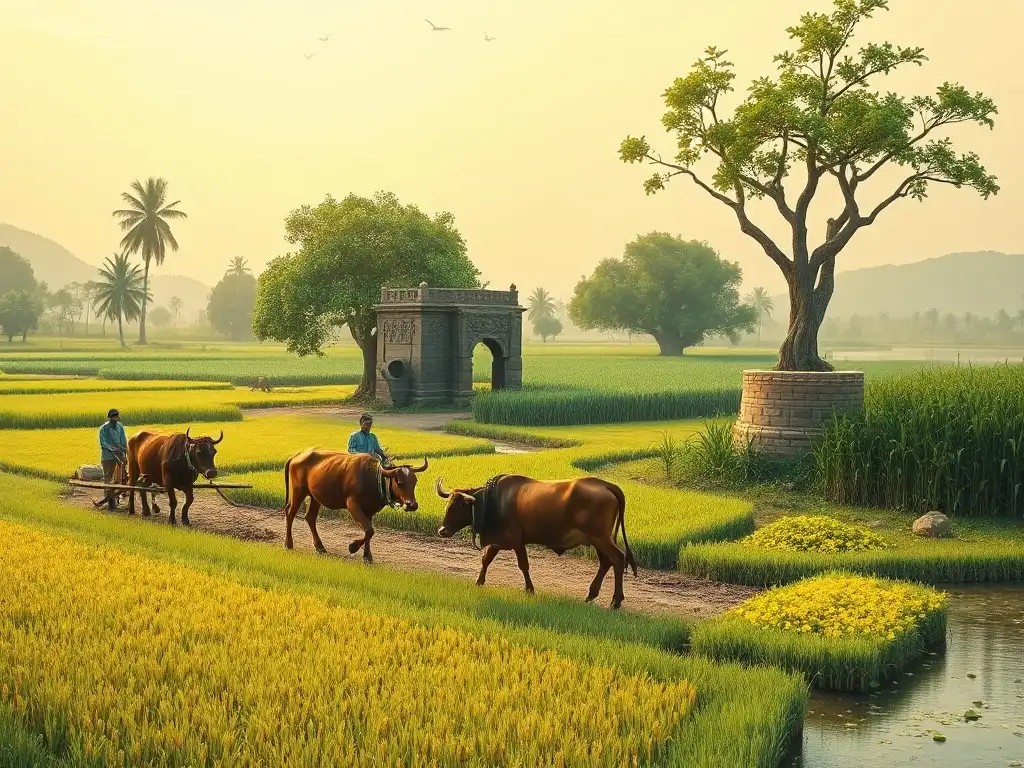
Ancient Indian agriculture was characterized by a remarkable blend of innovation, adaptation, and sustainability that set it apart from other ancient civilizations. The agricultural practices in India evolved over thousands of years, influenced by the diverse climatic conditions and geographical features of the subcontinent. A significant aspect of these innovations included the development of irrigation techniques, crop rotation, and the domestication of various crops which contributed to the agricultural productivity of the region.
One of the most notable features of ancient Indian agriculture was the extensive use of monsoonal rains for irrigation. The civilization harnessed the seasonal rains through the construction of reservoirs and canals, which allowed them to cultivate a variety of crops even during drier periods. This was a stark contrast to some contemporaneous civilizations that relied heavily on river systems, such as the Nile in Egypt or the Tigris and Euphrates in Mesopotamia. The ability to adapt to and make the most of seasonal variations showcased the ingenuity of ancient Indian farmers.
Additionally, ancient Indian agricultural techniques included the use of organic fertilizers and crop rotation. These practices not only enhanced soil fertility but also helped in pest control, promoting a more sustainable approach to farming. The understanding of plant cycles and soil health was advanced for its time, reflecting a deep knowledge of environmental stewardship that is often overlooked in historical analyses.
Comparison with Other Ancient Civilizations
When comparing ancient Indian agriculture with that of other civilizations, several distinctions emerge. For instance, while the Egyptians concentrated on cultivating cereal grains like wheat and barley along the Nile, ancient Indian farmers diversified their crops significantly, growing rice, pulses, and oilseeds. This diversification contributed to a more balanced diet and greater resilience against crop failures.
In Mesopotamia, agriculture relied heavily on irrigation from the Tigris and Euphrates rivers, which were subject to unpredictable flooding. In contrast, ancient Indian farmers utilized a more decentralized system of irrigation, adapting their practices to local conditions. This allowed for greater flexibility and reduced reliance on a single water source, showcasing a sophisticated understanding of regional hydrology.
Furthermore, the social structure surrounding agriculture in ancient India was often more egalitarian compared to the hierarchical systems seen in other civilizations. The communal practices in farming, such as sharing labor and resources among villagers, fostered a strong sense of community and collective responsibility towards sustainable agriculture.
Conclusion: Legacy of Ancient Indian Agricultural Innovations
The legacy of ancient Indian agricultural innovations is profound and continues to resonate in contemporary agricultural practices. The techniques developed during this period laid the groundwork for sustainable farming methods that are still relevant today. Innovations such as crop rotation, organic farming, and water management techniques have influenced modern agricultural practices, emphasizing the importance of sustainability and ecological balance.
Lasting Impact on Modern Agricultural Practices
Modern agriculture can trace many of its practices back to ancient Indian innovations. For instance, the principles of intercropping, which involve planting different crops in proximity, are rooted in ancient techniques that aimed to maximize land use and enhance soil fertility. This method not only increases productivity but also reduces the risk of pest infestations, a practice that aligns with contemporary organic farming principles.
Additionally, the ancient methods of water conservation, such as rainwater harvesting and the use of temporary reservoirs, are seeing a resurgence in areas facing water scarcity. As modern agriculture grapples with the challenges of climate change and resource depletion, the wisdom of ancient practices offers valuable insights into sustainable farming.
Reflections on Sustainable Agriculture Inspired by Ancient Techniques
Reflecting on the agricultural practices of ancient India reveals a wealth of knowledge that can inspire modern sustainable agriculture. The integration of crop diversity, organic practices, and community engagement in farming can serve as a blueprint for addressing current challenges in food security and environmental sustainability.
As we confront the realities of a growing population and diminishing natural resources, revisiting and adapting ancient agricultural techniques can lead to more resilient and sustainable farming systems. The emphasis on harmony with nature, as practiced by ancient Indian farmers, urges us to rethink modern agricultural methodologies and move towards a more sustainable future. In doing so, we honor the innovative spirit of our ancestors while paving the way for generations to come.
References and Further Reading on Ancient Indian Agricultural Innovations
To gain a deeper understanding of the agricultural innovations in ancient India, it is essential to explore a variety of scholarly resources. This section provides a curated list of suggested books, articles, and online resources that detail the advancements in agriculture throughout ancient Indian history.
Suggested Books and Articles
-
"The Agricultural History of India: From the Earliest Times to the Present Day" by D. N. Jha
This comprehensive book examines the historical development of agriculture in India, discussing various techniques, crops, and the socio-economic impact of farming practices throughout different eras.
-
"Seeds of Change: Five Plants That Transformed Mankind" by Henry Hobhouse
A thought-provoking analysis of how certain crops, including those cultivated in ancient India, have shaped human civilization. This book highlights the significance of these plants and their contributions to agriculture and diet.
-
"Indian Agriculture: A Historical Perspective" by A. B. Mukherjee
This article delves into the evolution of agricultural practices in India, focusing on the innovations introduced during the Vedic period and their lasting impact on subsequent agricultural methods.
-
"Ancient Indian Agriculture: An Overview" in the Journal of Ancient Indian History
A scholarly article that discusses the agricultural practices of ancient India, including irrigation systems, crop rotation, and the development of various agricultural tools.
-
"Crops and Cultivation in Ancient India" by R. K. Sharma
This insightful publication chronicles the types of crops cultivated in ancient India, along with the farming techniques that were employed, providing context for their agricultural innovations.
Online Resources for Further Exploration
-
Digital South Asia Library (DSAL)
A comprehensive online resource that offers access to a wealth of historical documents, maps, and images related to South Asian history, including topics on agriculture and its innovations in ancient India.
-
Ancient History Encyclopedia - Agriculture in Ancient India
This online article provides an overview of agricultural practices in ancient India, including innovations, crop cultivation, and the use of technology. It also links to several related topics for further reading.
-
The Indian Agricultural Research Institute (IARI)
While primarily focused on modern agricultural research, IARI's website includes sections on traditional agricultural practices and innovations in ancient India, highlighting the continuity and evolution of farming techniques.
-
The British Library - India: A History
This digital archive hosts various texts and manuscripts that discuss the agricultural advancements in ancient India, allowing users to explore primary sources that offer insights into historical practices.
-
YouTube - Ancient Indian Agricultural Techniques
A collection of educational videos that explore the various agricultural techniques used in ancient India, providing visual context and explanations of innovations and their impacts on society.
These resources will enhance your understanding of how ancient Indian civilizations revolutionized agriculture and continue to influence modern practices.
- Introduction to Ancient India Agricultural Innovations
- The Origins of Agriculture in Ancient India
- Key Agricultural Innovations in Ancient India
- Impact of Ancient Indian Agricultural Innovations
- Comparative Analysis of Ancient Indian Agriculture
- Conclusion: Legacy of Ancient Indian Agricultural Innovations
- References and Further Reading on Ancient Indian Agricultural Innovations
- What were some key agricultural innovations in ancient India?
- How did the Indus Valley Civilization influence agriculture?
- What role did the Gupta Empire play in agricultural advancements?
- How did ancient Indian agricultural practices affect societal development?
- Are there any modern practices that originated from ancient Indian agriculture?
Frequently Asked Questions
What were some key agricultural innovations in ancient India?
Ancient India introduced innovative farming techniques, including the use of crop rotation and irrigation systems that significantly improved crop yields and sustainability.
How did the Indus Valley Civilization influence agriculture?
The Indus Valley Civilization is known for its advanced drainage systems and granary structures, which facilitated effective crop storage and water management, setting a foundation for future agricultural practices.
What role did the Gupta Empire play in agricultural advancements?
During the Gupta Empire, there was a notable enhancement in agricultural productivity through the introduction of new crops and the promotion of scientific farming methods, which boosted food security.
How did ancient Indian agricultural practices affect societal development?
The advancements in agriculture led to increased food production, which supported population growth, urbanization, and the development of trade networks, ultimately shaping ancient Indian society.
Are there any modern practices that originated from ancient Indian agriculture?
Many modern agricultural practices, such as companion planting and the use of organic fertilizers, can trace their roots back to ancient Indian techniques that emphasized sustainability and biodiversity.
Final Reflection: The Lasting Legacy of Ancient India's Agricultural Innovations
The agricultural innovations of Ancient India are not just relics of the past; they are the foundation upon which modern farming practices stand. Today, as we face challenges like climate change and food security, the wisdom of our ancestors becomes increasingly relevant. The techniques developed thousands of years ago, such as crop rotation and irrigation systems, continue to inform sustainable practices that are essential for feeding a growing global population. The echoes of these innovations resonate in our fields and on our plates.
The influence of Ancient India's agricultural advancements extends far beyond the fields; they have shaped cultures, economies, and societies. The intricate relationship between agriculture and civilization is evident in the way communities have flourished around these practices. As we reflect on this legacy, we recognize that the seeds of knowledge sown by our ancestors have blossomed into the diverse agricultural landscape we see today. Agriculture is the foundation of civilization and any stable economy.
This quote encapsulates the profound impact of agricultural innovations, reminding us that our progress is deeply rooted in the practices of the past.
As we move forward, I invite you to consider how you can integrate the lessons learned from Ancient India's agricultural innovations into your own life. Whether through supporting sustainable farming practices, advocating for food security, or simply appreciating the origins of the food on your table, every action counts. Reflect on the interconnectedness of our past and present, and let the wisdom of those who came before us inspire you to cultivate a more sustainable future.
Embrace Your Green Future Today!
Thank you for joining us on this journey through the innovative agricultural practices of ancient India. We hope you found inspiration in how these early advances can still inform our sustainable practices today. Now, let’s take action together!
- Start your own garden! Even if it’s just a small herb pot on your windowsill, growing your own food connects you to these timeless traditions.
- Explore local farmers’ markets. By supporting sustainable agriculture in your community, you can discover fresh, locally sourced produce.
- Share your knowledge! Engage with friends and family about the significance of ancient agricultural wisdom; inspire them to adopt sustainable practices.
How can you integrate these time-honored farming principles into your daily life? We’d love to hear your thoughts!