
Epic Literature
Discover the timeless world of Epic Literature 📜, where heroic journeys, sacred wisdom, moral dilemmas, and legendary battles illuminate the history and culture of ancient India. Explore influential Sanskrit traditions and enduring narratives that shaped Indian philosophy, society, mythology, and storytelling, offering valuable insights into the civilizations that flourished from the Vedic age to the Gupta era. ✨
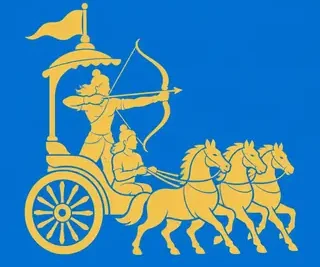


Epic Literature of Ancient India offers a fascinating journey through the sacred texts, heroic narratives, philosophical teachings, and cultural traditions that shaped Indian civilization. This category explores the most influential works of ancient Indian literature, including the Ramayana, the Vedas, and the Mahabharata.
Readers can discover how these timeless texts preserve stories of kings, sages, gods, warriors, family duties, moral dilemmas, and spiritual knowledge. Alongside mythology and storytelling, this collection examines the historical context, religious ideas, social values, literary traditions, and continuing influence of Indian epics across South Asia.
Whether you are researching Hindu scriptures, studying ancient Indian culture, or exploring the origins of Sanskrit literature, this category provides accessible and informative resources. Learn how epic literature shaped concepts such as dharma, karma, devotion, kingship, righteousness, and the ideal society.
📖 Ramayana
The Ramayana is one of the most important Sanskrit epics of ancient India. This subcategory explores the story of Rama, Sita, Lakshmana, Hanuman, and Ravana, while examining major themes such as duty, loyalty, honor, sacrifice, devotion, and the triumph of good over evil.
Readers can learn about the composition traditionally attributed to Valmiki, the epic’s major episodes, and its influence on Indian religion, art, drama, literature, and regional cultures. Articles may also explain different versions of the Ramayana and how the story continues to shape festivals, performances, and popular traditions.
🔥 Vedas
The Vedas are among the oldest surviving sacred texts of India and form the foundation of Vedic religious tradition. This subcategory introduces the Rigveda, Samaveda, Yajurveda, and Atharvaveda, with a focus on their hymns, rituals, philosophical ideas, deities, and historical importance.
Explore how the Vedic texts reveal information about ancient Indian society, religious ceremonies, oral traditions, language, cosmology, and early philosophical thought. Readers can also discover the significance of Brahmanas, Aranyakas, and Upanishadic ideas in the development of Hindu philosophy and Sanskrit literature.
⚔️ Mahabharata
The Mahabharata is one of the world’s longest and most influential epic narratives. This subcategory examines the conflict between the Pandavas and Kauravas, the role of Krishna, the Kurukshetra War, and the complex relationships that drive the epic’s unforgettable story.
Readers will encounter profound discussions of dharma, justice, fate, leadership, family conflict, warfare, ethics, and spiritual liberation. Special attention is also given to the Bhagavad Gita, the epic’s philosophical centerpiece, as well as influential characters such as Arjuna, Draupadi, Bhishma, Karna, and Yudhishthira.
❓ Frequently Asked Questions About Epic Literature
What is epic literature in ancient India?
Epic literature in ancient India refers to large-scale poetic and narrative works that preserve stories of heroes, gods, kings, dynasties, battles, moral struggles, and spiritual teachings. The Ramayana and Mahabharata are the best-known Indian epics, while the Vedas represent an earlier and foundational body of sacred literature.
What are the two major Sanskrit epics?
The two major Sanskrit epics are the Ramayana, traditionally attributed to Valmiki, and the Mahabharata, traditionally associated with Vyasa. Both works contain narratives, ethical teachings, religious concepts, political ideas, and descriptions of ancient Indian society.
Why are the Vedas important in Indian history?
The Vedas are important because they preserve some of the earliest recorded religious hymns and ritual traditions of ancient India. They provide valuable insights into Vedic society, Sanskrit language, religious practices, social organization, and early Indian philosophy.
How are the Ramayana and Mahabharata different?
The Ramayana primarily follows Rama’s life, exile, rescue of Sita, and battle with Ravana, emphasizing ideals of duty and righteous conduct. The Mahabharata presents a broader and more complex account of dynastic rivalry, war, moral uncertainty, and spiritual knowledge, including the Bhagavad Gita.
How does ancient Indian epic literature influence modern culture?
Ancient Indian epics continue to influence religious festivals, classical dance, theatre, television, cinema, visual art, regional literature, education, and philosophical discussions. Their characters and themes remain relevant because they explore universal questions about justice, responsibility, loyalty, leadership, family, and moral choice.