
The Spiritual Connection Between Ancient Indian Agriculture and the Earth


Welcome to Ancient India History, where we embark on a captivating journey through the rich tapestry of ancient Indian civilizations. Here, we delve into the intriguing connection between agriculture and spirituality, a vital aspect of life that shaped the very essence of society from the fertile plains of the Indus Valley to the flourishing Gupta Empire.
What sacred practices intertwined with the rhythms of farming, and how did they influence the cultural landscape? Prepare to uncover the profound relationship between ancient Indian agriculture and the Earth, as we invite you to explore the depths of history and innovation that continue to resonate today.
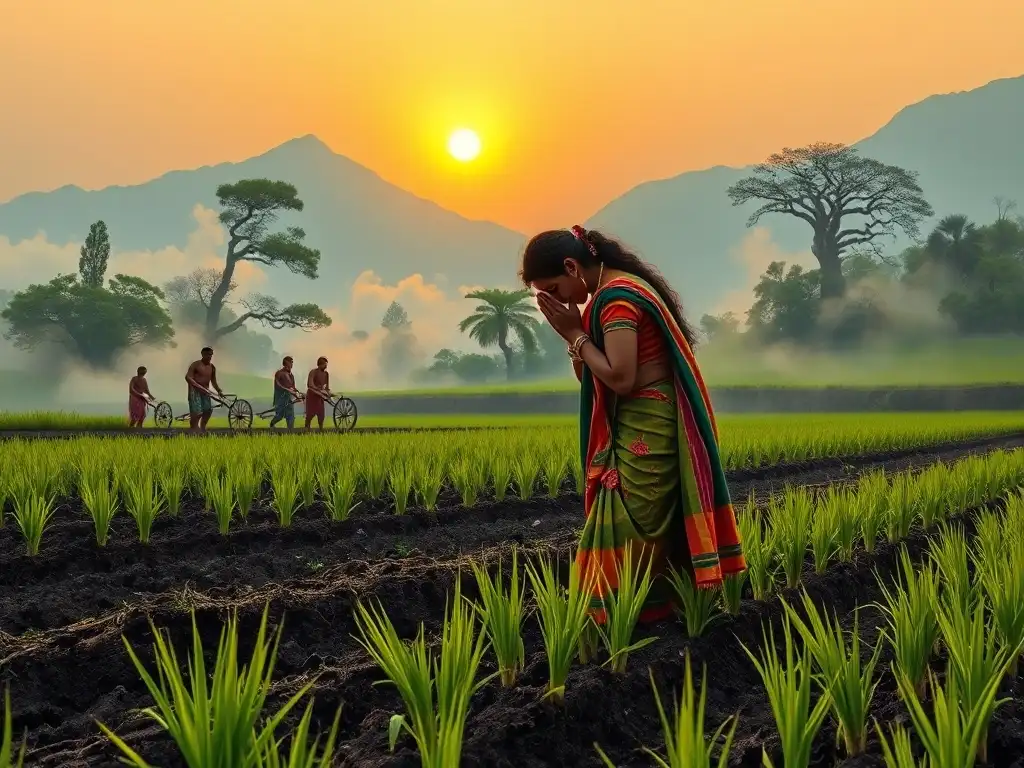
Introduction to Ancient Indian Agriculture Spirituality
The interplay between spirituality and agriculture in ancient India presents a rich tapestry of beliefs, practices, and innovations that shaped the civilization. Ancient Indian agriculture was not merely a means of sustenance; it was deeply intertwined with the spiritual fabric of society. Farmers viewed their relationship with the earth as sacred, recognizing that their livelihoods depended on the harmony between human endeavors and natural forces. This article explores the profound spiritual connection that ancient Indian civilizations had with agriculture, delving into how these beliefs influenced farming practices, rituals, and the broader cultural landscape.
Overview of Agricultural Practices in Ancient India
Ancient Indian agriculture was characterized by a variety of techniques and crops that reflected the geographical diversity of the subcontinent. The Indus Valley Civilization, known for its advanced urban planning, also showcased sophisticated agricultural practices. Key crops included:
- Wheat
- Barley
- Rice
- Millets
- Legumes
Farmers employed methods such as crop rotation and irrigation, often guided by the changing seasons and celestial events. The use of tools like the plow, which was often made from wood or metal, marked a significant advancement in agricultural productivity. Additionally, the introduction of various farming techniques laid the foundation for sustainable agricultural practices that resonated with spiritual beliefs.
Importance of Spirituality in Ancient Indian Culture
Spirituality in ancient India permeated every aspect of life, including agriculture. The agricultural calendar was filled with rituals and festivals that honored deities associated with fertility, rain, and harvest. These practices reflected a profound respect for the land, where farming was considered a sacred duty. Notable festivals included:
- Pongal: Celebrated in Tamil Nadu to honor the sun god for a bountiful harvest.
- Makar Sankranti: A festival marking the end of winter solstice, symbolizing the transition of the sun.
Through these rituals, farmers sought blessings for their crops, emphasizing the belief that successful agriculture was a gift from the divine. This spirituality fostered a sense of community and connection among farmers, enhancing their relationship with the earth and each other.
The Role of Nature in Ancient Indian Agricultural Practices
Understanding the Relationship Between Agriculture and Nature
In ancient Indian thought, nature was viewed as a living entity, deserving of reverence and care. The principles of Ahimsa (non-violence) extended to farming practices, promoting sustainable methods that preserved the land and its resources. Farmers believed that a harmonious relationship with nature would lead to prosperous yields. This belief system encouraged practices such as:
- Organic farming: Utilizing natural fertilizers and pest control.
- Biodiversity conservation: Maintaining a variety of crops to enhance resilience.
Ancient texts, such as the Vedas and Upanishads, emphasized the interconnectedness of all living beings, reinforcing the notion that harming the earth would ultimately lead to detrimental consequences for humanity.
Sacred Elements of Farming in Ancient Indian Beliefs
Farming in ancient India was imbued with sacredness, where specific rituals were performed to honor the earth and seek divine favor. Key elements included:
- Sacred groves: Protected areas within agricultural lands dedicated to deities, fostering biodiversity.
- Ritual offerings: Presenting the first fruits of the harvest to deities as a symbol of gratitude.
- Consecrated tools: Blessing agricultural implements before use to ensure success.
These practices underscored the belief that agriculture was not simply a mechanical process but a spiritual journey, deeply rooted in the reverence for nature and the divine. The spirituality of ancient Indian agriculture remains a testament to the profound respect for earth and its cycles, illuminating the enduring connection between humanity and nature.
Spiritual Rituals and Agricultural Cycles
Ancient Indian agriculture was deeply intertwined with spirituality, reflecting a profound respect for nature and the rhythms of the earth. Farmers believed that their agricultural practices were not just about cultivating crops but also about maintaining a harmonious relationship with the environment. This belief was manifested through various spiritual rituals that accompanied different phases of agricultural cycles, from sowing to harvesting. These rituals were seen as essential for ensuring that the crops flourished and the earth remained fertile.
In ancient India, agricultural activities were often governed by the lunar calendar, with rituals timed according to specific phases of the moon. This connection to celestial bodies underscored the belief that agricultural success was influenced by divine forces. Farmers would often hold ceremonies to invoke blessings from deities associated with fertility and abundance, emphasizing the spiritual dimension of their labor.
Seasonal Festivals and Their Agricultural Significance
Seasonal festivals played a crucial role in ancient Indian agricultural practices, acting as both spiritual observances and communal celebrations of agricultural life. Festivals like Makar Sankranti, Pongal, and Baisakhi marked significant points in the agricultural calendar, celebrating the transition from one season to another and the associated agricultural activities.
- Makar Sankranti: Celebrated in January, it marks the end of the winter solstice and the beginning of longer days, signaling the time for harvesting.
- Pongal: A four-day festival in Tamil Nadu, dedicated to the sun god, during which farmers express gratitude for the harvest and prepare special dishes from newly harvested rice.
- Baisakhi: Marked in April, it celebrates the harvest of wheat in Punjab and is a time for communal gatherings, feasting, and thanksgiving.
These festivals not only fostered community spirit but also reinforced the spiritual connection between agriculture and the earth, as they were often accompanied by rituals to honor the gods and seek blessings for future crops.
Rituals for Fertility and Bountiful Harvests
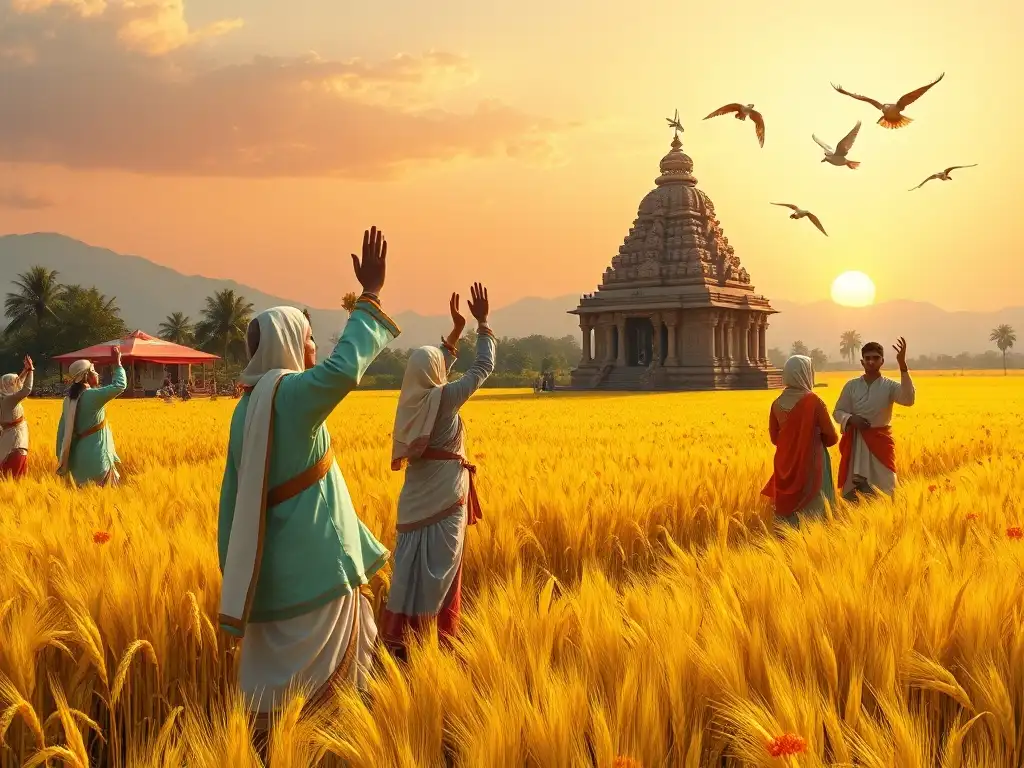
To ensure fertility and bountiful harvests, various rituals were performed throughout ancient India. These rituals often involved offerings and prayers to specific deities believed to govern aspects of agriculture, such as fertility, rain, and soil health.
For instance, in many regions, farmers would create symbolic representations of fertility, such as clay idols or images of the goddess of harvest, and place them in the fields. Offerings like grains, fruits, and flowers were made to these deities to invoke their blessings. The belief was that these spiritual practices would not only enhance crop yields but also foster a sense of protection against natural calamities, pests, and diseases.
Additionally, rituals often included the chanting of mantras and the recitation of sacred texts, believed to infuse the land with positive energy. This holistic approach to agriculture emphasized the interconnectedness of life, spirituality, and the environment.
The Influence of Vedic Texts on Agricultural Spirituality
The Vedic texts, composed between 1500 and 500 BCE, are a foundational aspect of ancient Indian spirituality and philosophy. These texts encompass hymns, rituals, and commentary that highlight the spiritual significance of agriculture and its relationship with the earth.
The Vedas present agriculture not merely as a means of sustenance but as a sacred duty that connects individuals to the cosmos. They emphasize the importance of respect for nature and the cyclical processes of life, which align closely with sustainable agricultural practices.
Key Vedic Concepts Related to Agriculture and Earth
Several key concepts from the Vedic texts underscore the spiritual connection between agriculture and the earth:
- Dharmic Duty: Agriculture is viewed as a dharma (duty) that supports life and sustains the community, emphasizing the moral obligation to treat the earth with respect.
- Rita: This concept represents the cosmic order and natural law, where agriculture is seen as part of a larger ecological balance that must be maintained.
- Yajna: Ritual sacrifices and offerings to deities symbolize the interconnectedness of humans, nature, and divine forces, where the act of farming is considered a form of worship.
These concepts not only shaped agricultural practices but also instilled a sense of responsibility towards environmental stewardship.
Spiritual Teachings on Soil and Sustainability
The Vedic texts also impart spiritual teachings that promote the sustainability of soil and agricultural practices. They advocate for practices that honor the earth, such as crop rotation, natural fertilization, and the preservation of biodiversity.
The underlying philosophy is that healthy soil is vital for sustaining life, and thus, it should be treated with reverence. The teachings emphasize the importance of living in harmony with nature, recognizing that one’s actions can have profound effects on the environment. This approach aligns with modern sustainable agricultural practices, illustrating the timeless relevance of ancient wisdom in addressing contemporary ecological challenges.
The spirituality inherent in ancient Indian agriculture reflects a deep-seated recognition of the earth's sanctity and the interconnectedness of all life. Through rituals, seasonal festivals, and Vedic teachings, ancient Indian civilizations cultivated a profound respect for nature, laying the groundwork for sustainable practices that resonate even in today's agricultural discourse.
The Legacy of Ancient Indian Agricultural Spirituality
The spirituality of ancient Indian agriculture is deeply intertwined with the land and its cycles. This connection is reflected in various cultural practices, rituals, and festivals that celebrated the agricultural process. Farmers viewed the earth not merely as a resource but as a living entity deserving of respect and reverence. The Vedic texts, which form the foundation of Hindu philosophy, emphasize the importance of nature and agriculture as sacred pursuits. Agriculture was considered a gift from the gods, and thus, rituals like Yajnas (sacrificial offerings) were performed to seek blessings for bountiful harvests.
The agricultural practices of ancient India were often aligned with astrological events and seasonal rhythms. For instance, the timing of sowing and harvesting was influenced by lunar cycles. This holistic view not only enhanced productivity but also fostered a profound respect for the environment. The ancient Indian agrarian societies cultivated a sense of community, where collective efforts in farming were seen as spiritual acts that bonded individuals to each other and to the earth. Through these practices, ancient Indians created a legacy that continues to influence agricultural spirituality today.
How Ancient Practices Influence Modern Agriculture
Ancient Indian agricultural spirituality has left a lasting mark on contemporary farming methods. Modern farmers are increasingly recognizing the value of sustainable practices that echo ancient wisdom, such as crop rotation, intercropping, and the use of organic fertilizers. These techniques not only improve soil health but also align with the spiritual principles of balance and harmony with nature.
Moreover, the resurgence of interest in organic farming can be traced back to the spiritual ethos of ancient agricultural practices. Farmers today are adopting methods that prioritize ecological balance and biodiversity, principles that were central to ancient Indian agriculture. Practices such as Vrikshayurveda (the science of tree life) emphasize the spiritual connection between plants and the environment, advocating for a symbiotic relationship that modern farmers are now embracing.
Incorporating rituals and celebrations into contemporary agriculture, such as harvest festivals, has also gained popularity. These events serve to reconnect farmers with their spiritual roots, enhancing their appreciation for the land and its resources. By integrating ancient spiritual practices into modern agriculture, farmers can foster a deeper connection to their work and promote sustainability.
Preserving Spiritual Traditions in Contemporary Farming
As the world shifts towards industrialized agriculture, preserving the spiritual traditions of ancient farming practices becomes essential. Various organizations and communities are working to keep these traditions alive through education and outreach. Workshops on traditional farming techniques and spiritual practices are being offered to new generations of farmers, emphasizing the importance of respecting the land.
Additionally, community-based initiatives are promoting the revival of ancient rituals associated with farming. These initiatives not only serve to educate but also to create a sense of identity and belonging among farmers. By celebrating ancient agricultural festivals, communities can reconnect with their heritage, fostering a collective consciousness around the significance of spirituality in agriculture.
Furthermore, documentaries and literature exploring the spiritual aspects of ancient farming are gaining traction. These resources provide valuable insights into the interplay between agriculture and spirituality, inspiring individuals to adopt more mindful practices in their agricultural endeavors.
Conclusion: The Enduring Spiritual Connection to Agriculture
The spiritual connection between ancient Indian agriculture and the earth is a profound aspect of India's cultural heritage. This connection underscores the significance of viewing agriculture as not just a means of sustenance but as a spiritual journey that fosters a relationship with the environment. The lessons learned from ancient practices continue to resonate in modern times, urging us to respect and honor the land we cultivate.
Reflections on the Importance of Spirituality in Agriculture Today
In today's fast-paced world, the importance of spirituality in agriculture cannot be understated. As farmers face challenges such as climate change and resource depletion, a spiritual approach can provide guidance and resilience. Emphasizing a connection to the earth encourages sustainable practices that nurture both the land and the community.
Moreover, the integration of spirituality in agriculture promotes mental well-being among farmers. Engaging in practices that honor the earth can lead to a greater sense of purpose and fulfillment in their work. As farmers reconnect with their spiritual roots, they are more likely to adopt practices that are beneficial for the environment and society as a whole.
Future Prospects for Integrating Spirituality into Sustainable Farming Practices
Looking ahead, the integration of spirituality into sustainable farming practices holds great promise. As awareness of ecological issues grows, there is an opportunity for farmers to blend ancient wisdom with modern techniques. This fusion can lead to innovative approaches that respect the earth while ensuring food security.
Educational institutions and agricultural organizations can play a crucial role by incorporating spirituality into agricultural curricula. By teaching the importance of spiritual practices alongside scientific methods, future generations of farmers can be equipped to navigate the complexities of modern agriculture with a holistic perspective.
Furthermore, collaborations between spiritual leaders and agricultural experts can foster a deeper understanding of the interconnectedness of life. These partnerships can lead to the development of programs that promote sustainable practices rooted in spiritual traditions, ensuring that the legacy of ancient Indian agricultural spirituality continues to thrive for years to come.
- Introduction to Ancient Indian Agriculture Spirituality
- The Role of Nature in Ancient Indian Agricultural Practices
- Spiritual Rituals and Agricultural Cycles
- Seasonal Festivals and Their Agricultural Significance
- Rituals for Fertility and Bountiful Harvests
- The Influence of Vedic Texts on Agricultural Spirituality
- The Legacy of Ancient Indian Agricultural Spirituality
- Conclusion: The Enduring Spiritual Connection to Agriculture
- What is the significance of agriculture in ancient Indian civilization?
- How did spirituality influence ancient Indian agricultural practices?
- What were the main crops cultivated in ancient India?
- How did the Indus Valley Civilization contribute to agricultural practices?
- What role did the Gupta Empire play in agricultural advancements?
Frequently Asked Questions
What is the significance of agriculture in ancient Indian civilization?
Ancient Indian agriculture was vital for sustaining communities, providing food security, and supporting the growth of civilizations. It played a central role in the economic and social structures.
How did spirituality influence ancient Indian agricultural practices?
Spirituality was deeply intertwined with agriculture, as rituals and ceremonies were conducted to honor the Earth and ensure abundant harvests. Farmers often sought blessings from deities related to fertility and soil.
What were the main crops cultivated in ancient India?
Ancient Indians cultivated a variety of crops, including rice, wheat, barley, and pulses. These crops were essential for sustaining the population and were often linked to spiritual rituals.
How did the Indus Valley Civilization contribute to agricultural practices?
The Indus Valley Civilization is known for its advanced agricultural techniques, including irrigation systems and crop rotation, which laid the foundation for future agricultural development in India.
What role did the Gupta Empire play in agricultural advancements?
During the Gupta Empire, there was significant growth in agricultural production due to improvements in farming techniques and the promotion of trade, which enriched both the economy and the spiritual life of the society.
Final Reflection: Embracing the Spiritual Legacy of Ancient Indian Agriculture
The profound relationship between ancient Indian agriculture and spirituality is not just a relic of the past; it is a vital thread woven into the fabric of our modern existence. Today, as we grapple with environmental challenges and seek sustainable practices, the wisdom of ancient agricultural methods offers us invaluable insights. The spiritual connection that ancient Indian farmers had with the Earth serves as a powerful reminder of our responsibility to nurture and protect the environment that sustains us.
Culture and spirituality are inextricably linked, and the practices of ancient Indian agriculture continue to resonate in contemporary society. The rituals, respect for nature, and holistic approaches of these early agrarians have laid the groundwork for sustainable farming practices that many are now rediscovering. As Mahatma Gandhi once said, “To forget how to dig the earth and to tend the soil is to forget ourselves.” This quote encapsulates the essence of our ongoing journey to reconnect with the land and the spiritual dimensions of our existence.
As we reflect on the lessons of ancient Indian agriculture, let us challenge ourselves to cultivate a deeper relationship with the Earth in our daily lives. Consider how you can incorporate the principles of sustainability and spirituality into your own practices, whether through mindful consumption, community gardening, or simply appreciating the natural world around you. The legacy of ancient Indian agriculture is not just a historical account; it is a call to action for each of us to honor our connection with the Earth and to foster a more harmonious existence for generations to come.
Reconnect with Nature: Embrace the Wisdom of Ancient Agriculture
Thank you for journeying with us through the profound links between ancient Indian agriculture and our planet. Your interest in this topic not only enriches your understanding but also honors the wisdom of practices that have sustained life for millennia. Now, it’s time to take that knowledge and put it into action!
Here are a few steps you can take to deepen your connection with the earth and support sustainable practices:
- Explore local farming initiatives that promote traditional agricultural methods. Your participation can make a real difference in preserving these ancient traditions.
- Share this article with friends and family, sparking conversations about sustainable living and the importance of respecting our planet's resources.
- Consider integrating one sustainable practice from ancient traditions into your own gardening or farming approach, such as crop rotation or companion planting.
How do you plan to embrace the wisdom of ancient practices in your daily life? Let’s keep the conversation going!