
Women in the Shadow of Kings: The Challenges and Triumphs of Ancient Royal Women

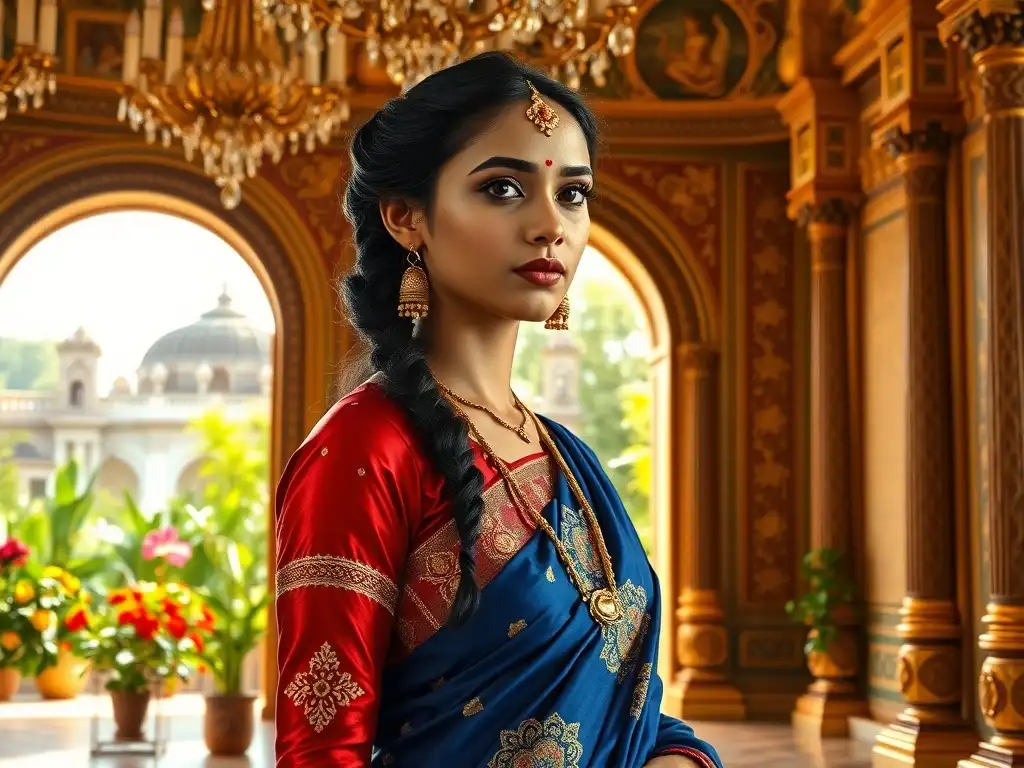
Welcome to Ancient India History, where we journey through the fascinating tapestry of India's past, illuminating the remarkable stories and contributions of its ancient civilizations. In our featured article, “Women in the Shadow of Kings: The Challenges and Triumphs of Ancient Royal Women,” we delve into the lives of royal women who navigated the intricate dynamics of power and influence. Their stories are not just tales of struggle; they are also narratives of resilience and triumph that shaped the very fabric of their societies.
Join us as we uncover the hidden legacies of these extraordinary figures, and discover how their influence resonates through history. Prepare to be captivated!
Introduction to Royal Women of Ancient India
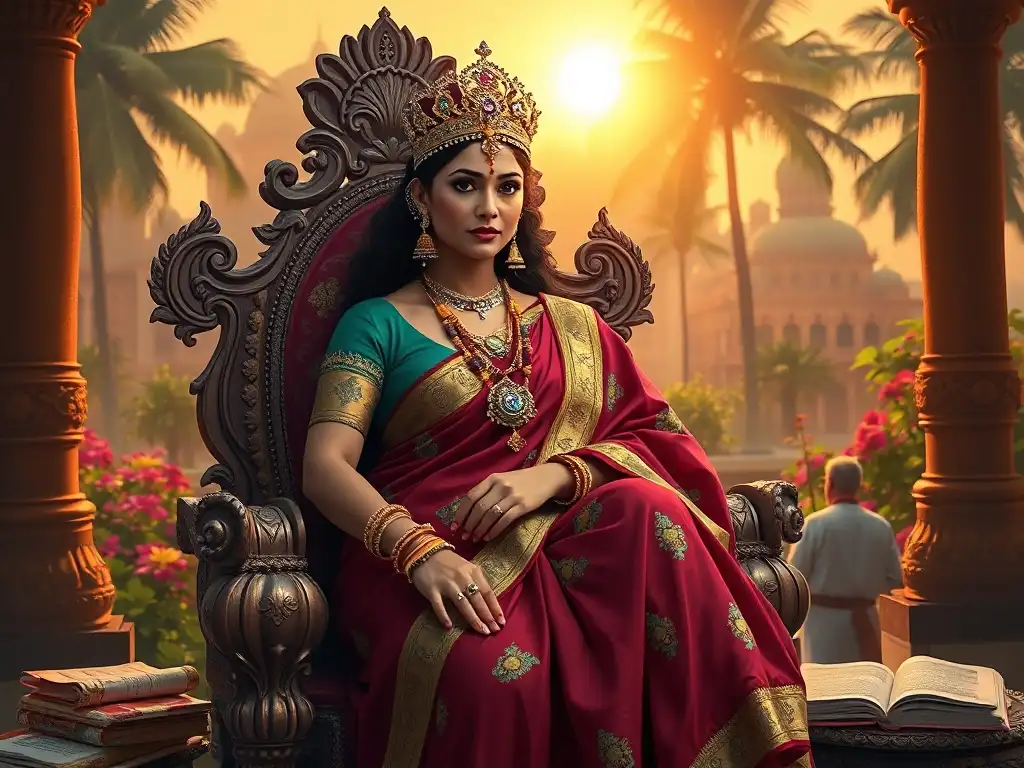
The history of ancient India is not just a tale of great kings and their conquests; it is also a rich tapestry woven with the stories of royal women who played pivotal roles in shaping the socio-political landscape of their time. These women, often overshadowed by their male counterparts, navigated a world defined by patriarchal norms while simultaneously wielding considerable influence and power. From queens and princesses to regents and advisors, the royal women of ancient India faced numerous challenges but also achieved remarkable triumphs that have left an indelible mark on the course of history.
Definition and Significance of Royal Women in Ancient Indian History
Royal women in ancient India were not merely passive figures in the backdrop of royal courts; they were integral to the functioning of dynastic politics and cultural life. They served multiple roles, including:
- Political Advisors: Many royal women actively participated in political decision-making, advising kings and even ruling in their stead during times of crisis.
- Cultural Patrons: They were influential patrons of the arts, literature, and religion, often commissioning temples and works of art that reflected their values and aspirations.
- Diplomatic Figures: Marriages were often used as political tools to forge alliances, with royal women serving as key links between powerful families and kingdoms.
The significance of these roles cannot be overstated, as they often determined the stability and prosperity of their realms.
Overview of Their Roles in Ancient Indian Society
The roles of royal women varied significantly across different regions and periods, influenced by the prevailing social norms and political structures. Some key aspects include:
- Marriage and Alliances: Royal women were frequently married off to strengthen political ties, which often placed them in complex positions where their loyalty was tested.
- Motherhood and Succession: The expectation of producing heirs was a critical aspect of their roles, as the continuation of dynasties depended on their ability to bear children, particularly male heirs.
- Religious Influences: Many royal women were deeply involved in religious activities, both as devotees and as leaders of religious institutions, which provided them with a platform for influence and authority.
The Historical Context of Royal Women in Ancient India
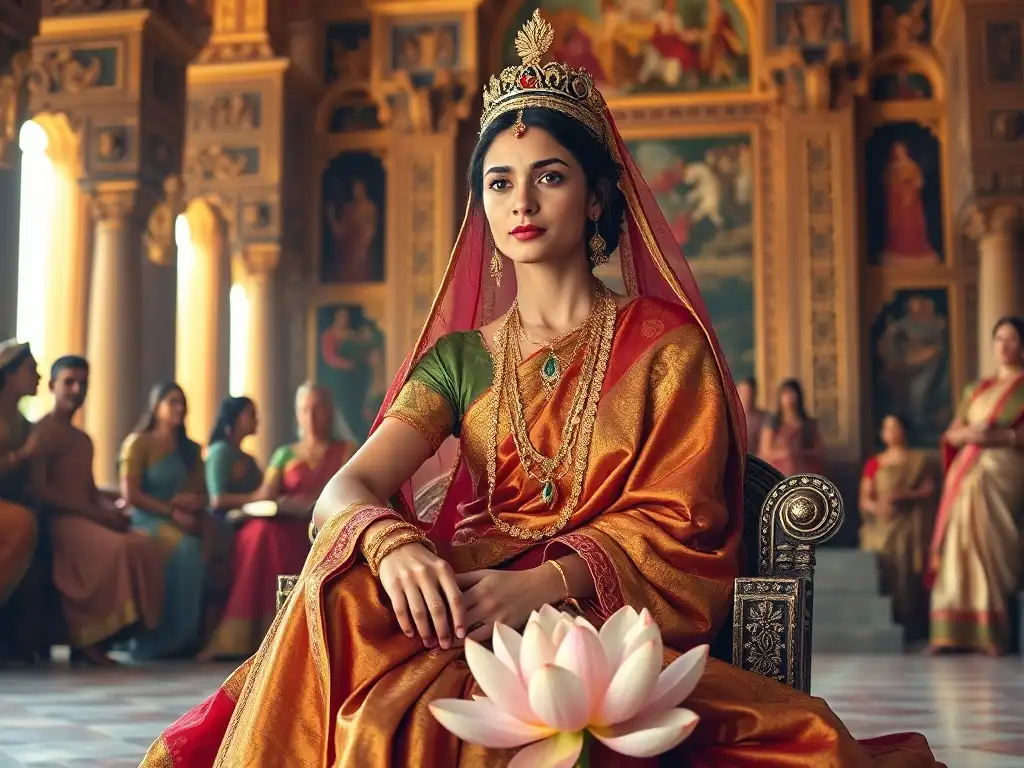
Understanding the challenges and triumphs of royal women requires a deep dive into the historical contexts in which they lived. The evolution of their roles can be traced through various eras, each bringing its own complexities and transformations.
The Status of Women in Ancient Indian Civilizations
The status of women in ancient Indian civilizations fluctuated greatly depending on factors such as class, region, and historical period. While some texts suggest that women enjoyed considerable freedom and respect, others indicate a more restrictive environment. Key points to consider include:
- Variability: The status of women was not monolithic; it varied widely from the matrilineal societies of the south to the patriarchal structures prevalent in the north.
- Legal Rights: Some royal women had access to legal rights and could own property, manage finances, and even divorce, though these rights were often contingent on their social standing.
Key Historical Periods and Their Influence on Women's Roles
Several key historical periods shaped the roles of royal women in ancient India:
| Period | Influence on Women's Roles |
|---|---|
| Indus Valley Civilization | Evidence suggests women held significant societal roles, possibly as priestesses. |
| Maurya Empire | Women like Chandragupta's queens wielded considerable political influence. |
| Gupta Empire | The period saw a resurgence of women's roles in arts and culture, with notable figures like Durgavati. |
These periods reveal a dynamic landscape where royal women navigated their positions with resilience, contributing to the legacy of ancient India in profound ways.
Challenges Faced by Royal Women in Ancient India
Royal women in ancient India navigated a complex landscape marked by both privilege and profound challenges. While they enjoyed certain advantages due to their royal status, they were also bound by societal norms and expectations that often limited their freedoms and agency. Understanding these challenges sheds light on their multifaceted roles within the royal courts and society at large.
Societal Expectations and Limitations
The societal expectations placed upon royal women were stringent and multifaceted. These women were often seen as symbols of their family’s honor and status, leading to a significant pressure to conform to traditional gender roles. Their primary responsibilities revolved around marriage, motherhood, and maintaining household harmony.
- Marriage Alliances: Marriages were often strategically arranged to forge alliances between kingdoms, requiring royal women to prioritize familial interests over personal desires.
- Limited Education: Although some royal women received education, it was primarily focused on arts and domestic skills rather than statecraft or governance, limiting their ability to engage in political matters.
- Cultural Norms: Cultural norms dictated that women should be modest and submissive, which often relegated them to the background in decision-making processes.
These expectations created a dual existence for royal women—one of privilege within the palace walls, yet constrained by the rigid frameworks of society.
Political Manipulations and Intrigues
Royal courts were often arenas of intense political maneuvering, where power struggles were rife. Royal women frequently found themselves at the center of these intrigues, sometimes as pawns, but occasionally as key players in political strategies.
- Manipulation by Male Kin: Many royal women were manipulated by their fathers, brothers, or husbands, who would use their marriages or positions to consolidate power or eliminate rivals.
- Regency and Governance: In some cases, when kings were incapacitated or young, royal women, particularly queens, were thrust into positions of regency, leading to a temporary consolidation of power. This often sparked jealousy and conflict among male heirs and courtiers.
- Influence Behind the Throne: Some royal women, such as Rani Durgavati and Rani Lakshmibai, became symbols of resistance and led their kingdoms against invaders, showcasing their ability to wield influence despite the challenges.
These manipulations highlight the precarious position of royal women, who had to navigate a treacherous landscape while asserting their agency.
The Impact of Patriarchy on Royal Women
Patriarchy pervaded all aspects of ancient Indian society, shaping the lives of royal women significantly. The systemic subordination of women often manifested in various forms:
- Legal Restrictions: Women had limited rights concerning property and inheritance, often dependent upon male relatives for economic security.
- Social Stigmas: Women who defied societal norms or sought power outside traditional roles faced harsh repercussions, including ostracism or violence.
- Cultural Representations: Literature and art from the period often depicted women in stereotypical roles, reinforcing the idea that their primary value lay in their relationships with men.
Despite their royal status, many women faced the relentless pressures of a patriarchal society that sought to diminish their roles in governance and cultural life.
Triumphs of Royal Women in Ancient India
While royal women faced significant challenges, many also achieved remarkable triumphs that highlighted their resilience and capabilities. Their contributions to politics, culture, and society were profound and lasting.
Political Power and Influence
Royal women occasionally wielded substantial political power, especially during times of transition or crisis. Some notable examples include:
- Queens as Rulers: Queens like Rani Rudrama Devi and Rani Padmini not only ruled in their own right but also led military campaigns and negotiated treaties, demonstrating their political acumen and leadership.
- Strategic Advisors: Many royal women served as trusted advisors to their husbands or sons, influencing critical decisions and shaping policies that affected their kingdoms.
- Crisis Management: During periods of instability, such as invasions or succession disputes, royal women often took on leadership roles, rallying support and maintaining order within their realms.
These instances illustrate that royal women were not merely passive figures; rather, they were integral to the political landscape of their times.
Cultural Contributions by Royal Women
Royal women made significant cultural contributions that enriched the artistic and intellectual heritage of ancient India. Their patronage and involvement in the arts were pivotal in shaping cultural narratives.
- Patrons of the Arts: Many royal women acted as patrons of literature, music, and dance, commissioning works that celebrated their culture and heritage. They often sponsored poets, musicians, and artists, fostering a vibrant cultural environment.
- Religious Influence: Royal women often played key roles in religious practices, contributing to temple construction, rituals, and the dissemination of religious texts, which reinforced their influence in spiritual spheres.
- Literary Works: Some women, such as the poetess Akka Mahadevi, emerged as significant literary figures, challenging societal norms through their writings and advocating for women’s rights and spiritual independence.
Through these contributions, royal women not only enriched their cultures but also carved out spaces for their voices within the historical narrative of ancient India.
The Legacy of Royal Women in Ancient Indian History
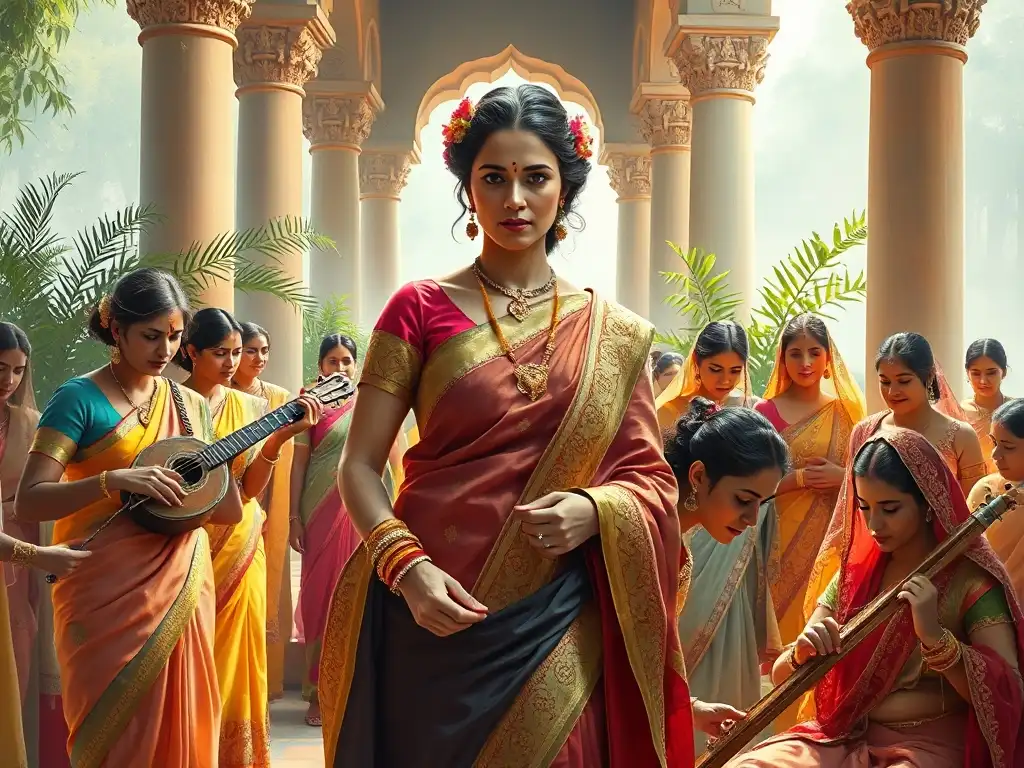
Royal women in ancient India played a significant role in shaping the socio-political landscape of their times. Their influence extended beyond the confines of the palace, impacting the realms of governance, culture, and religion. Many royal women were not merely consorts of kings but were active participants in state affairs, often serving as regents or advisors. The legacy they left behind is multifaceted, encompassing architectural contributions, patronage of the arts, and involvement in significant political decisions.
For instance, queens like Rani Durgavati of Gondwana and Rudrama Devi of Kakatiya are celebrated for their military prowess and administrative capabilities. Their actions and leadership challenged the gender norms of their eras, showcasing that women could wield power effectively. Furthermore, the royal women often acted as cultural ambassadors, promoting literature, art, and religious practices that enriched the cultural tapestry of ancient India. Their legacies are preserved in the monuments, literature, and oral traditions that continue to inspire generations today.
How Their Actions Shaped Future Generations
The actions of royal women in ancient India laid the groundwork for future generations, influencing both the perception of women's roles in society and the political landscape. By stepping into leadership roles and exhibiting courage in times of crisis, they established a precedent for women's involvement in governance. This legacy of female empowerment can be traced through various dynasties, where women were seen not just as passive figures but as active contributors to statecraft.
Additionally, the educational initiatives sponsored by royal women facilitated the advancement of women's education and literacy. Many royal women were patrons of scholars and poets, fostering an environment where knowledge thrived. This emphasis on education gradually shifted societal views, allowing women to take on more prominent roles in various fields over time. Thus, the influence of royal women resonated through centuries, shaping societal norms and expectations for future generations.
The Representation of Royal Women in Historical Texts and Literature
The portrayal of royal women in historical texts and literature is crucial for understanding their roles in ancient Indian society. Ancient epics, such as the Mahabharata and Ramayana, often depict women in complex roles, ranging from dutiful wives to fierce warriors. These narratives provide insight into the values and expectations placed upon women, highlighting their strength and resilience in challenging circumstances.
Moreover, inscriptions and chronicles from various dynasties often mention queens and princesses, celebrating their contributions to state affairs and their patronage of arts and culture. However, it is essential to critically analyze these representations, as they can sometimes reinforce stereotypes or overlook the contributions of women from non-royal backgrounds. The nuanced portrayal of royal women in literature thus serves as a reflection of the broader societal attitudes towards women and their capabilities.
Conclusion: The Enduring Impact of Royal Women in Ancient India
The enduring impact of royal women in ancient India extends beyond their immediate contributions; it shapes our understanding of gender roles and societal structures in historical contexts. Their stories, marked by both challenges and triumphs, highlight the complexities of women's experiences in a patriarchal society. By examining these narratives, we gain a deeper appreciation for the resilience and agency of women throughout history.
Reflection on Their Challenges and Triumphs
Reflecting on the challenges faced by royal women, we see that they navigated a landscape fraught with political intrigue, familial obligations, and societal expectations. Despite these obstacles, many succeeded in asserting their influence, leading troops into battle, managing vast estates, or negotiating treaties. Their triumphs serve as powerful reminders of the potential within women to effect change, even in the most restrictive environments.
This duality of struggle and success is what enriches their legacy, encouraging contemporary society to revisit and reassess the contributions of women throughout history. Celebrating these accomplishments not only honors their memory but also inspires current and future generations to recognize the importance of women's voices in shaping history.
The Importance of Recognizing Women’s Contributions in History
Recognizing the contributions of royal women in ancient India is crucial for a holistic understanding of history. Their involvement in governance, culture, and society challenges the traditional narratives that often marginalize women's roles. Acknowledging their contributions allows us to appreciate the diverse tapestry of India’s past, where women played pivotal roles alongside men.
By bringing these stories to the forefront, we can foster a more inclusive historical discourse that honors the complexities of women's experiences. It serves as a call to action to reclaim the narratives of women who have been overlooked, ensuring that their legacies continue to inspire and educate future generations about the rich history of royal women in ancient India.
Further Reading on Royal Women of Ancient India
To gain a deeper understanding of the roles, challenges, and triumphs of royal women in ancient India, a variety of resources are available. These sources provide insights into the lives of influential queens, princesses, and noblewomen who shaped the history and culture of their time. Below are some recommended books, articles, documentaries, and additional resources that explore the subject in detail.
Recommended Books and Articles
-
"Women in Ancient India" by V. S. Rao
This book offers a comprehensive overview of women's roles throughout Indian history, with specific chapters dedicated to royal women. It highlights significant figures and their contributions to society and governance.
-
"The Queens of India: The Royal Women of the Mughal Empire" by Ruby Lal
This work focuses on the Mughal era, detailing the lives of powerful queens like Nur Jahan and their influence on politics and culture. Lal’s research illuminates the complexities of life behind palace walls.
-
"The Role of Women in Early Indian History" by R. Champakalakshmi
This article provides an analysis of women's societal roles from ancient times, emphasizing the impact of royal women on historical events and their status in the eyes of contemporary society.
-
"Royal Women in Ancient India: A Study of Gender and Power" by Anjali Kumar
This scholarly article examines the intersection of gender and power, exploring how royal women navigated their positions within patriarchal structures to exert influence and authority.
-
"The Great Indian Queens" by R. Sharma
This book chronicles the lives of various queens across different dynasties, detailing their achievements, struggles, and the legacies they left behind.
Suggested Documentaries and Resources
-
"Women of the Raj" (Documentary)
This documentary explores the lives of women during the British Raj, including reflections on earlier royal women in Indian history. It offers visual insights into the cultural context and societal challenges faced by these figures.
-
"The Queens of India" (Series)
This series delves into the lives of notable queens throughout Indian history, showcasing their contributions and the political dynamics of their eras. Each episode highlights a different queen, providing depth and context.
-
"Heroines of History" (YouTube Series)
This online series features episodes dedicated to the lives of prominent royal women in ancient India, discussing their influence on politics, culture, and society.
-
"Women in Ancient Indian Society" (Online Course)
Offered by various educational platforms, this course covers the roles of women in ancient India, focusing on royal women and their contributions to governance and culture.
-
Archives and Museums
Visiting museums with ancient Indian artifacts or archives that house historical documents can provide valuable context. Institutions such as the National Museum in Delhi often have exhibitions focused on royal heritage, including that of women.
These resources collectively contribute to a richer understanding of the royal women of ancient India, shedding light on their pivotal roles in shaping history, culture, and society.
- Introduction to Royal Women of Ancient India
- Definition and Significance of Royal Women in Ancient Indian History
- Overview of Their Roles in Ancient Indian Society
- The Historical Context of Royal Women in Ancient India
- Challenges Faced by Royal Women in Ancient India
- Triumphs of Royal Women in Ancient India
- The Legacy of Royal Women in Ancient Indian History
- Conclusion: The Enduring Impact of Royal Women in Ancient India
- Further Reading on Royal Women of Ancient India
- What roles did royal women play in ancient Indian societies?
- How did the status of royal women vary across different dynasties?
- What were some of the challenges faced by royal women in ancient India?
- Can you name some notable royal women from ancient India?
- How did royal women contribute to the cultural heritage of ancient India?
Frequently Asked Questions
What roles did royal women play in ancient Indian societies?
Royal women in ancient India often held significant political power and influence, particularly as regents or advisors to kings. They could also engage in diplomacy and manage state affairs during their husbands' absences.
How did the status of royal women vary across different dynasties?
The status of royal women varied considerably across different dynasties and regions in ancient India. For instance, the Gupta Empire saw women enjoying more autonomy and rights compared to earlier periods, while in some regions, their roles were more restricted.
What were some of the challenges faced by royal women in ancient India?
Royal women often faced challenges such as political intrigue, pressure to uphold family honor, and limitations on personal freedom. Their lives were often dictated by patriarchal norms that restricted their choices.
Can you name some notable royal women from ancient India?
Yes, notable figures include Rani Durgavati, a warrior queen, and Rani Rudrama Devi, who ruled as a king in her own right. These women are celebrated for their leadership and contributions to their kingdoms.
How did royal women contribute to the cultural heritage of ancient India?
Royal women played a crucial role in the patronage of arts and literature, influencing cultural developments. They commissioned temples, literature, and artistic works, which enriched the cultural heritage of ancient India.
Final Reflection: The Enduring Legacy of Royal Women in Ancient India
The stories of royal women in ancient India resonate profoundly today, as they remind us of the strength and resilience that exist even in the shadows of power. These women navigated complex social and political landscapes, often wielding influence that belied their positions. Their challenges and triumphs serve as a testament to the multifaceted roles women have played throughout history, and their legacies continue to inspire contemporary discussions about gender and power dynamics.
The impact of these royal women extends far beyond their historical context, shaping cultural narratives and societal expectations even in modern times. The struggles they faced and the victories they achieved are echoed in the ongoing fight for women's rights and representation today.
As we reflect on their lives, we are reminded of the words of the renowned historian, "History is not just about kings and queens; it is about the lives of those who lived in their shadows." > This quote encapsulates the essence of our exploration, urging us to recognize the importance of every voice in the tapestry of history.
As we conclude this exploration of royal women in ancient India, I invite you to reflect on the lessons their stories impart. Consider how you can honor their legacy by advocating for equality and empowerment in your own life and community. Each of us has the power to challenge the status quo and uplift those around us, ensuring that the voices of women—both past and present—are heard and celebrated. Let us carry forward the spirit of these remarkable women, transforming their struggles into our collective strength for a brighter future.
Unveil the Legacy of Royal Women in History!
Thank you for taking the time to explore the captivating world of ancient royal women. Your interest in their challenges and triumphs highlights the incredible strength and resilience these figures embodied. Now, it's time to transform that inspiration into action!
Here are a few ways you can further engage with this compelling topic:
- Dive deeper into one woman's story: Select a historical figure from our discussion and research her life. Write a brief summary or even a blog post about her contributions; we would be thrilled to feature your insights!
- Share your thoughts! Post a comment below or on your social media about which aspect of these women's lives inspired you the most.
- Join our community: Subscribe to our newsletter for more articles like this and connect with fellow history enthusiasts who share your passion.
What do you believe is the most powerful lesson we can learn from the lives of these ancient royal women today?