
The Role of Religion in Shaping Eastern India's Social Structures

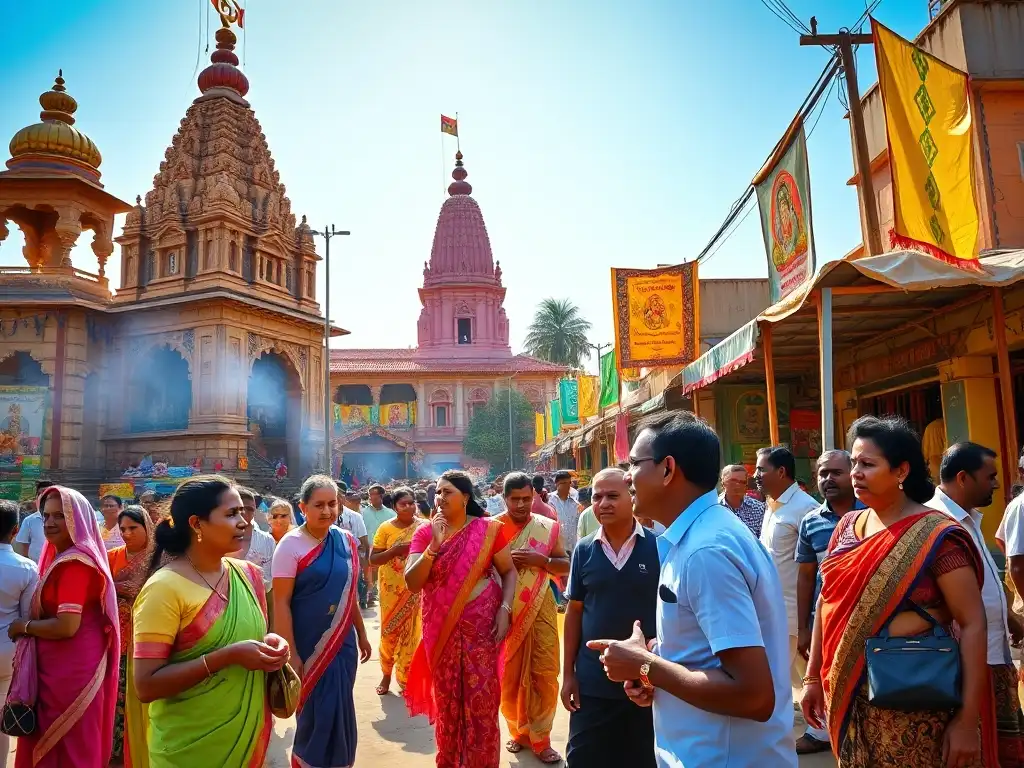
Welcome to Ancient India History, where we embark on an extraordinary journey through the vibrant tapestry of India's past. In this exploration, we delve into the profound relationship between religion and society in Eastern India, uncovering how spiritual beliefs shaped social structures and influenced the lives of countless individuals. As you navigate through our articles, prepare to be captivated by the intricate connections that define this remarkable region.
Join us as we unravel the layers of history, culture, and contributions that have left an indelible mark on the world. Are you ready to discover the secrets of how religion molded the very fabric of Eastern Indian society? Let's dive in!
Introduction to Religion and Society in Eastern India
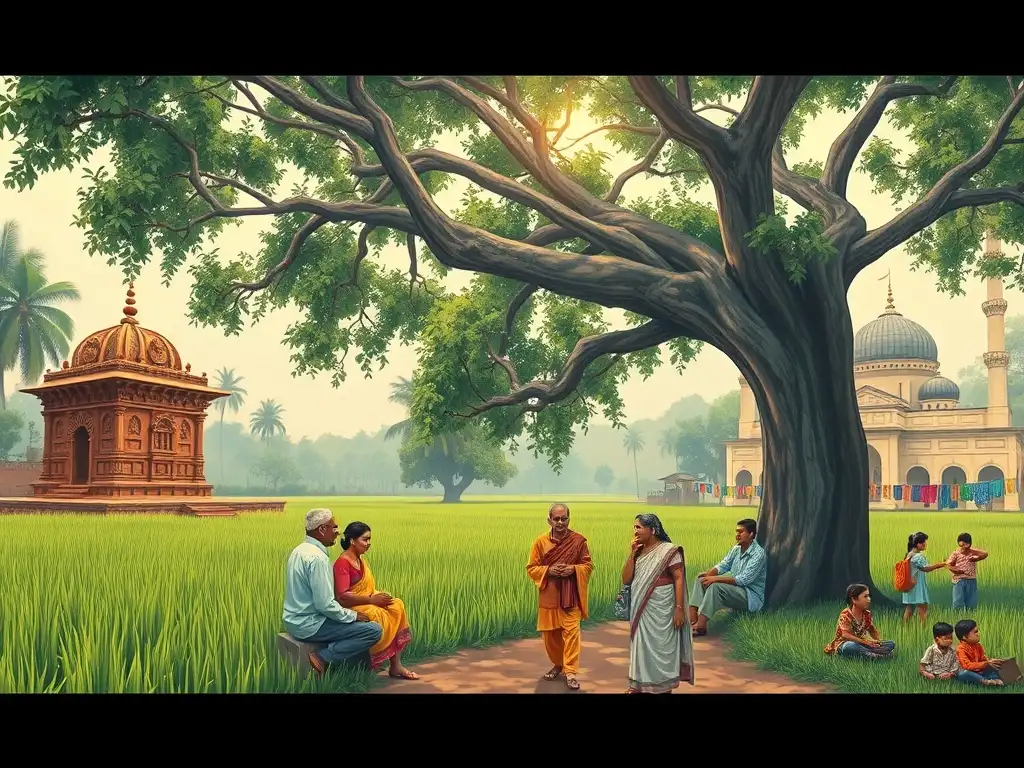
The intricate tapestry of Eastern India's social structures has been profoundly shaped by the region's diverse religious traditions. From the ancient Indus Valley civilization through to the flourishing Gupta Empire, religion has not only served as a spiritual anchor but has also influenced various aspects of daily life, governance, and community interactions.
By examining the role of religion in Eastern India, we can uncover how these beliefs have molded societal norms, hierarchies, and ethical practices over centuries. This exploration reveals the deep connections between religion and society in Eastern India, highlighting how faith has been a pivotal force in shaping the region's cultural identity.
Overview of Eastern India’s Historical Context
Eastern India, comprising modern-day states like West Bengal, Odisha, Assam, and Bihar, has a rich historical background characterized by significant dynasties and cultural movements. This region has been a melting pot of various civilizations, each contributing to its socio-religious landscape. Key historical milestones include:
- Indus Valley Civilization: One of the world's earliest urban cultures, known for its advanced architecture and urban planning.
- Mauryan and Gupta Empires: Periods marked by political stability and cultural prosperity, where religion played a central role in governance and public life.
- Medieval Period: The rise of regional kingdoms that fostered the growth of diverse religious practices and philosophies.
Understanding this historical context is crucial for appreciating how religion has influenced societal dynamics in Eastern India.
Importance of Religion in Ancient Indian Civilizations
Religion was integral to the ancient Indian way of life, serving various functions such as providing moral guidance, fostering community cohesion, and legitimizing authority. The ancient Indian civilizations, particularly in Eastern India, saw religion as a means to:
- Establish Social Order: Religious doctrines often dictated social hierarchies, roles, and responsibilities within communities.
- Facilitate Trade and Commerce: Temples and religious gatherings acted as centers for trade, enabling economic exchanges.
- Encourage Artistic Expression: Religious themes inspired art, literature, and architecture, leaving a lasting legacy that still captivates historians and visitors today.
As we delve deeper into the major religions that have influenced Eastern India's social fabric, it becomes evident that each tradition has contributed uniquely to the region's cultural and social dynamics.
Hinduism and Its Social Impact
Hinduism, one of the predominant religions in Eastern India, has significantly shaped social structures through its caste system and ritual practices. Key aspects include:
- Caste System: The division of society into hierarchical groups, influencing occupational roles and social status.
- Ritual Practices: Festivals and ceremonies that reinforce communal bonds and cultural identity.
- Philosophical Texts: The Bhagavad Gita and other scriptures provide ethical guidance and philosophical reflections that have permeated social norms.
Buddhism’s Role in Shaping Community Structures
Buddhism emerged as a reformative movement in Eastern India, emphasizing ethical living and community welfare. Its impact includes:
- Monastic Communities: Establishment of monasteries that served as educational and social hubs.
- Promotion of Equality: Buddhist teachings challenged social hierarchies, advocating for compassion and equality among all beings.
- Cultural Exchange: The spread of Buddhism facilitated interactions with neighboring regions, influencing trade and cultural practices.
Jainism’s Influence on Ethical Practices and Society
Jainism, with its emphasis on non-violence (ahimsa) and truth, has also played a critical role in shaping societal values in Eastern India:
- Ethical Framework: Jain principles have influenced social ethics, encouraging respect for all living beings.
- Community Organization: Jains established strong community networks that supported education, trade, and charitable activities.
- Cultural Contributions: Jain art and literature enriched the cultural landscape of Eastern India, showcasing intricate designs and philosophical discourses.
The Emergence of Folk Religions and Local Beliefs
In addition to major religions, Eastern India is home to a multitude of folk religions and local beliefs that reflect the region's diverse cultural heritage. These include:
- Animism and Nature Worship: Many communities revere natural elements and local deities, emphasizing a deep connection with the environment.
- Festival Practices: Local festivals often blend religious and cultural elements, fostering communal participation and identity.
- Oral Traditions: Folk tales and practices passed down through generations contribute to a rich cultural tapestry that complements mainstream religions.
By examining these various religious influences, we gain a comprehensive understanding of how religion has shaped the social structures of Eastern India, fostering a rich and diverse cultural identity that continues to evolve today.
Key Historical Periods Influenced by Religion
Religion has played a pivotal role in shaping the social structures of Eastern India throughout its history. Various historical periods marked significant interactions between religious beliefs and societal norms, influencing everything from governance to social hierarchy. The Vedic Age, the Mauryan Empire, and the Gupta Empire are key periods that illustrate how religion intertwined with social dynamics, laying the groundwork for the region's cultural and societal evolution.
The Vedic Age: Foundations of Social Order
The Vedic Age, spanning from approximately 1500 to 500 BCE, is considered the formative period of Indian civilization, during which the foundational texts of Hinduism, the Vedas, were composed. This era introduced a structured social order that was deeply intertwined with religious beliefs.
- Religious Texts and Social Norms: The Vedas not only codified rituals and sacrifices but also outlined the roles and responsibilities of different social groups, forming the basis of the varna system, which categorized society into four primary groups: Brahmins (priests), Kshatriyas (warriors), Vaishyas (traders), and Shudras (laborers).
- Rituals and Community Life: Religious rituals were central to community life, facilitating social cohesion and establishing a sense of belonging among different groups. These rituals often reinforced social hierarchies, as the performance of certain rituals was restricted to specific varnas.
- Philosophical Developments: The period also witnessed the emergence of philosophical texts such as the Upanishads, which explored deeper spiritual concepts and the nature of existence, influencing social thought and ethics within the community.
The Mauryan Empire: Religion and Governance
The Mauryan Empire (c. 322–185 BCE), under the rule of Emperor Ashoka, marked a significant turning point in the relationship between religion and governance.
- Ashoka's Conversion to Buddhism: After the Kalinga War, Ashoka embraced Buddhism, leading to a transformation in his approach to governance. His promotion of Buddhism emphasized non-violence, compassion, and moral governance, which affected the empire's administrative practices.
- Edicts of Ashoka: The edicts inscribed on rocks and pillars throughout the empire served not only as proclamations of law but also as moral guidelines rooted in Buddhist teachings. This integration of religion into state policy helped reinforce social order and cohesion across diverse populations.
- Religious Tolerance: Ashoka's reign is noted for advocating religious tolerance, fostering an environment where various religions could coexist. This approach contributed to a more inclusive society, allowing for the integration of different cultural practices and beliefs.
Gupta Empire: Cultural Flourishing and Religious Influence
The Gupta Empire (c. 240–550 CE) is often referred to as the "Golden Age" of India, characterized by significant advancements in arts, science, and religion.
- Hindu Renaissance: During this period, Hinduism experienced a resurgence, with the composition of important texts such as the Puranas and the Mahabharata. This revival reinforced the significance of dharma (duty) and the importance of rituals in everyday life.
- Art and Architecture: The Gupta era is renowned for its contributions to art and architecture, with many temples dedicated to various deities. These religious structures became centers for community gatherings, reinforcing social ties and cultural identity.
- Interplay of Religion and Governance: The Gupta rulers were patrons of the arts and religion, which facilitated a symbiotic relationship between state and religion. This alignment allowed for the stabilization of social hierarchies and the promotion of cultural values that were rooted in religious teachings.
The intricate interplay between religion and social hierarchy in Eastern India has shaped its societal structures in profound ways. From the caste system to gender roles, religious beliefs have delineated boundaries and defined interactions among various social groups.
Caste System and Its Religious Underpinnings
The caste system, a defining feature of Indian society, has its roots in ancient religious texts and has been instrumental in shaping social interactions and hierarchies.
- Religious Justification: The varna system outlined in the Vedas provided a religious justification for social stratification, assigning specific duties and privileges to each caste. This divine sanctioning of social roles reinforced compliance and acceptance among the populace.
- Social Norms and Practices: Over time, the caste system became more complex, with regional variations and sub-castes emerging. Ritual purity and pollution, concepts deeply embedded in Hindu beliefs, further entrenched these distinctions, dictating social interactions and relationships.
- Resistance and Reform: While the caste system has faced criticism and reform movements, such as those led by figures like Mahatma Jyotirao Phule and Dr. B.R. Ambedkar, its religious underpinnings continue to influence social dynamics in contemporary Eastern India.
Gender Roles Defined by Religious Teachings
Religion has significantly shaped gender roles in Eastern India, dictating the expectations and responsibilities of men and women within society.
- Religious Texts and Gender Norms: Ancient texts, such as the Manusmriti, prescribed specific roles for women, often emphasizing their duties as wives and mothers. These teachings reinforced patriarchal structures and limited women's participation in public life.
- Rituals and Social Expectations: Religious rituals often highlighted women's roles within the family, emphasizing their importance in maintaining religious purity and performing domestic duties. Such expectations have historically restricted women's agency and opportunities for social mobility.
- Emerging Changes: In recent decades, there has been a gradual shift in gender roles, influenced by social reformers and feminist movements. However, the remnants of traditional religious teachings continue to impact gender dynamics in Eastern India.
Religion's Role in Social Mobility and Interaction
While religion has often been a source of division, it has also facilitated social mobility and interaction among different groups in Eastern India.
- Religious Festivals and Community Bonds: Festivals such as Durga Puja and Diwali serve as platforms for social interaction, bridging caste and community divides. These events foster a sense of unity and shared cultural identity, promoting social cohesion.
- Charitable Institutions: Religious institutions, such as temples and gurdwaras, often engage in charitable activities, providing services to the underprivileged. These initiatives can enhance social mobility by offering educational and economic opportunities to marginalized groups.
- Inter-caste Marriages: Although traditionally discouraged, inter-caste marriages are becoming more common, often influenced by changing religious and social attitudes. Such unions can challenge established hierarchies and promote greater social integration.
Religion and Community Cohesion
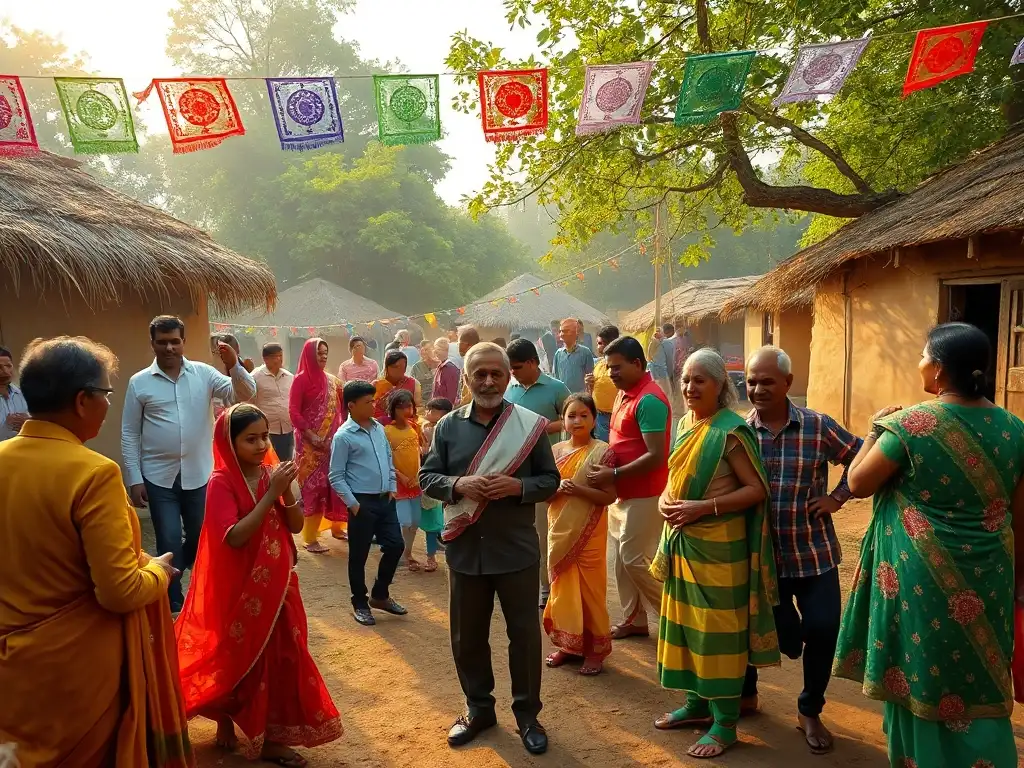
Religion has historically played a pivotal role in fostering community cohesion in Eastern India. This region, characterized by its diverse array of religions, including Hinduism, Buddhism, Jainism, and Islam, has seen these belief systems work not only as spiritual guides but also as frameworks for social organization. The shared religious practices and beliefs have helped in building strong community bonds, promoting mutual support systems, and encouraging collective participation in various social activities.
In many Eastern Indian societies, religious rituals and observances provide a sense of identity and belonging among community members. These practices often transcend individual differences, knitting together diverse groups under a shared spiritual banner. The communal activities that emerge from religious observances, such as processions, prayer meetings, and group festivals, serve to strengthen ties among individuals, creating a robust social fabric that enhances the overall stability of the community.
Festivals and Their Role in Community Building
Festivals in Eastern India serve as significant catalysts for community building. Major festivals like Durga Puja, Eid, and Bodh Gaya celebrations not only mark important religious observances but also foster a sense of unity and collective identity. These events attract participation from individuals of various backgrounds, encouraging inter-community interactions that can lead to stronger social ties.
During festivals, communities often come together to prepare for elaborate celebrations, share resources, and engage in communal activities such as food distribution and cultural performances. This collective effort cultivates a spirit of cooperation and collaboration. For instance, Durga Puja in Kolkata involves the entire neighborhood in setting up pandals, decorating them, and organizing cultural programs, thereby promoting inclusivity and collective participation.
Moreover, festivals provide an opportunity for cultural expression and the sharing of traditions, allowing different groups to showcase their unique practices while also appreciating those of others. This exchange nurtures respect and understanding among diverse communities, contributing to a harmonious social environment.
Temples as Social and Cultural Hubs
Temples in Eastern India have historically functioned as more than just places of worship; they are also critical social and cultural hubs. These religious structures serve as venues for community gatherings, educational activities, and cultural events. Temples often house art, music, and dance performances, fostering a rich cultural milieu that attracts both devotees and non-devotees alike.
Additionally, temples play a vital role in the local economy by generating employment through various services, such as priests, artisans, and food vendors, thus reinforcing community ties. The rituals and festivals conducted at these temples draw people from various backgrounds, encouraging social interaction and community solidarity.
Furthermore, temples often engage in charitable activities, such as providing food and shelter to the underprivileged, which strengthens their role as centers of social welfare. This multifaceted functionality of temples contributes significantly to the cohesion of religious and social networks within Eastern India.
Religious Practices Enhancing Social Networks
Religious practices in Eastern India are instrumental in enhancing social networks among communities. Rituals such as marriage ceremonies, naming ceremonies, and other life-cycle events are often communal affairs that involve extensive participation from family, friends, and neighbors. These practices foster a sense of belonging and reinforce social bonds, as individuals come together to celebrate significant milestones.
Moreover, regular attendance at religious gatherings, such as prayer meetings and bhajans, facilitates interaction among community members. These gatherings often serve as informal social networking opportunities, allowing individuals to establish connections and strengthen existing relationships. The shared experience of worship and devotion creates a unique social dynamic that transcends mere acquaintance, often transforming into lasting friendships and support systems.
In addition, religious organizations and groups often engage in outreach programs, further enhancing social networks. For example, youth groups organized by temples or mosques may facilitate educational initiatives, sports events, and cultural exchanges, thus creating spaces for collaboration and friendship that extend beyond religious boundaries.
Challenges and Conflicts Arising from Religious Differences
While religion has played a unifying role in Eastern India, it has also been a source of challenges and conflicts. The rich tapestry of religious diversity can lead to tensions, especially when differing beliefs and practices clash. Historical narratives illustrate that these conflicts have often been rooted in political, economic, and social inequalities, exacerbated by religious differences.
Historical Tensions Between Different Religious Groups
Throughout history, Eastern India has witnessed tensions between different religious communities. Conflicts often arose due to competition for resources, political power, and social status. For instance, the Hindu-Muslim divide has been a persistent issue, particularly during periods of political upheaval and colonial rule, where religious identities were sometimes manipulated for political gain.
Specific incidents, such as the communal riots in the early 20th century, highlight how religious differences can catalyze violence. These tensions not only affected inter-community relations but also led to long-lasting divisions that are still felt today. Understanding these historical contexts is critical for addressing and reconciling contemporary issues related to religious differences.
The Impact of Colonialism on Religious Communities
Colonial rule in India significantly impacted religious communities in Eastern India. The British colonial administration often employed a 'divide and rule' strategy, exacerbating existing religious tensions to maintain control. Policies that favored one community over another, coupled with the introduction of census practices that categorized individuals by religion, solidified communal identities and often led to communal strife.
The partition of India in 1947 is a poignant example, where the delineation of borders based on religious identities resulted in widespread violence and displacement. The legacy of colonialism has had a lasting effect on the social fabric of Eastern India, creating deep-rooted divisions that continue to affect inter-religious relations.
Modern-Day Implications of Historical Religious Conflicts
The historical conflicts arising from religious differences have modern-day implications that shape the social and political landscape of Eastern India. Contemporary issues such as communal violence, political polarization, and social inequality can often be traced back to these historical events. Religious identity continues to play a significant role in political mobilization, influencing voter behavior and party dynamics.
Moreover, the lingering mistrust between communities can hinder social cohesion and collaborative efforts in addressing common challenges, such as poverty, education, and health disparities. Efforts to foster inter-religious dialogue and understanding are essential in mitigating these tensions and promoting a more inclusive society.
Exploring the intricate relationship between religion and society in Eastern India reveals both the unifying and divisive aspects of religious practices. While religion has the potential to foster community cohesion and cultural richness, it can also present challenges that require careful navigation and active engagement towards building a harmonious social structure.
The intricate tapestry of Eastern India's social structures has been significantly woven by the threads of religion. From the ancient practices of the Indus Valley Civilization to the diverse belief systems that emerged during the Gupta Empire, religion has not only provided spiritual guidance but also established social norms, hierarchies, and community cohesion. Major religions such as Hinduism, Buddhism, and Jainism have played pivotal roles in shaping various aspects of daily life, including family dynamics, caste systems, and the governance of society.
Religious festivals, rituals, and traditions have fostered a sense of identity and belonging among communities, reinforcing social ties and promoting cooperation. Temples and monasteries served as centers of learning and social interaction, further solidifying the influence of religion on social structures. The legacy of these religious influences can still be observed today, as many contemporary social practices in Eastern India continue to reflect ancient religious traditions and values.
Summary of Key Points
- Religious Influence on Social Hierarchies: Different religions contributed to the formation of various social hierarchies, particularly the caste system in Hinduism, which has deeply influenced social dynamics and interactions.
- Community and Identity: Religion fostered a sense of community and identity, with festivals and rituals acting as vital social glue that brought people together.
- Centers of Learning and Culture: Temples and monastic institutions not only served religious functions but also became hubs for education, culture, and social discourse.
- Enduring Impact: The principles and values rooted in ancient religions continue to shape the social fabric of Eastern Indian society today.
Reflection on the Continued Relevance of Religion in Society
In contemporary Eastern India, religion remains a cornerstone of social life, influencing various aspects such as politics, education, and inter-community relationships. The enduring relevance of religious beliefs manifests in daily practices, communal activities, and even in the realm of public policy.
The interplay between religion and society is complex, with many individuals navigating their identities within multiple religious frameworks. The rich religious heritage of Eastern India continues to inspire discussions about morality, ethics, and cultural identity, making it a vital element in understanding the region's social dynamics. As society evolves, so too does the interpretation and practice of religion, ensuring that its role in shaping social structures remains significant.
Further Reading and Resources on Religion and Society in Eastern India
Recommended Books and Articles
- "The History of Hindu India" by John Smith: This book delves into the historical context of Hinduism and its impact on Indian society.
- "Buddhism in Eastern India: A Historical and Cultural Perspective" by Anita Desai: A comprehensive exploration of Buddhism's role in shaping Eastern Indian society.
- "Religious Traditions in Eastern India: An Anthology" edited by R. K. Sharma: A collection of essays examining various religious practices and their societal implications.
Online Resources for In-Depth Study
- Digital South Asia Library: Offers a wealth of resources, including texts and documents related to Eastern India's history and religious practices.
- The Internet Archive: A platform where you can find digitized versions of numerous books and articles on the topic of religion and society in Eastern India.
- Academia.edu: A repository of scholarly articles where you can explore research papers focused on the interplay between religion and social structures in Eastern India.
This compilation of resources serves as a gateway for further exploration into the rich historical interactions between religion and society in Eastern India, enabling readers to gain a deeper understanding of this complex relationship.
- Introduction to Religion and Society in Eastern India
- Major Religions Influencing Eastern India's Social Fabric
- Key Historical Periods Influenced by Religion
- The Intersection of Religion and Social Hierarchy
- Religion and Community Cohesion
- Challenges and Conflicts Arising from Religious Differences
- Conclusion: The Legacy of Religion on Eastern India's Social Structures
- Further Reading and Resources on Religion and Society in Eastern India
- What role did religion play in Eastern India's social structures?
- How did the Indus Valley Civilization contribute to the religious practices in Eastern India?
- What are some key religions that influenced Eastern India?
- How did the Gupta Empire impact the religious landscape of Eastern India?
- What is the significance of religious festivals in Eastern Indian society?
Frequently Asked Questions
Religion was a fundamental aspect that shaped social hierarchies, community interactions, and cultural practices in Eastern India, influencing everything from politics to daily life.
How did the Indus Valley Civilization contribute to the religious practices in Eastern India?
The Indus Valley Civilization laid early foundations for rituals and belief systems that evolved over time, influencing later traditions and practices in subsequent Indian civilizations.
What are some key religions that influenced Eastern India?
Key religions that shaped Eastern India include Hinduism, Buddhism, and Jainism, each contributing to the region's diverse cultural and social frameworks.
How did the Gupta Empire impact the religious landscape of Eastern India?
The Gupta Empire is known for promoting Hinduism as the dominant religion, which led to the establishment of temples and the flourishing of art and literature reflecting religious themes.
What is the significance of religious festivals in Eastern Indian society?
Religious festivals play a crucial role in fostering community bonds, preserving traditions, and celebrating cultural heritage, making them vital to social cohesion in Eastern India.
Final Reflection: The Enduring Influence of Religion on Society in Eastern India
The intricate relationship between religion and society in Eastern India remains profoundly relevant today, as it continues to shape cultural identities and social structures. The dynamics of faith not only influence individual lives but also mold community interactions, governance, and social norms. As we navigate an increasingly interconnected world, understanding this relationship is crucial for fostering harmony and inclusivity.
The impact of religion on the social fabric of Eastern India is not merely historical; it is a living force that continues to evolve and influence contemporary society. From festivals that unite communities to the ethical frameworks that guide daily interactions, the role of religion is omnipresent. As Mahatma Gandhi once said, "> Religion is a matter of the heart. No physical inconvenience can warrant abandonment of one's own religion." This sentiment underscores the deep-rooted significance of faith in shaping not just personal identity but also collective societal values.
As we reflect on the insights shared in this article, I invite you to consider how religion influences your own life and the communities around you. Take a moment to explore the beliefs and practices that shape your social interactions and cultural understanding. By recognizing the profound role of religion in our lives, we can foster a more compassionate and inclusive society, where diverse beliefs are respected and celebrated. Let us embrace this journey of reflection and action, paving the way for a future where religion and society coexist harmoniously.
Unveil the Power of Faith: Shape Your Understanding Today!
Thank you for taking the time to explore how religion has intricately woven itself into the social fabric of Eastern India. Your engagement with this topic highlights the profound impact of faith on communities and their evolution.
Now that you’ve gained insights into this vital aspect of history, it's time to take actionable steps to deepen your understanding and connection:
- Dive deeper into the stories and practices of local religions by visiting a nearby cultural festival or temple. Experience the rituals firsthand!
- Engage with your community: Share interesting insights from this article with friends or on social media. Start a conversation about the role of faith in shaping our society!
- Join a discussion group or online forum focused on the history of Eastern India to explore diverse perspectives. Expand your understanding through dialogue!
What aspect of religion's influence on social structures in Eastern India fascinates you the most? Share your thoughts below!