
How Ancient Indian Innovations in Agriculture Supported Population Growth

Welcome to Ancient India History, where we embark on a fascinating journey through the rich tapestry of India's past! Here, we uncover the remarkable agricultural innovations that not only shaped the lives of ancient civilizations but also laid the groundwork for population growth and cultural flourishing. Ever wondered how the ingenious practices of the Indus Valley and beyond revolutionized farming techniques? Dive deeper with us as we explore the transformative impact of these innovations on society and discover the secrets of an era that continues to influence us today. Your exploration starts here!
- Introduction to Ancient Indian Agricultural Innovations
- Historical Context of Ancient Indian Agriculture
- Key Ancient Indian Agricultural Innovations
- Impact of Agricultural Innovations on Population Growth
- Case Studies of Specific Agricultural Innovations
- The Legacy of Ancient Indian Agricultural Innovations
- Conclusion: The Significance of Ancient Indian Agricultural Innovations
-
Frequently Asked Questions
- What were some key agricultural innovations in ancient India?
- How did ancient Indian agriculture contribute to civilizational growth?
- Which ancient Indian civilization is known for its advanced agricultural practices?
- What impact did climate have on ancient Indian agriculture?
- How did the Gupta Empire influence agricultural advancements?
- Final Reflection: The Enduring Legacy of Ancient Indian Agricultural Innovations
- Embrace the Wisdom of the Past!
Introduction to Ancient Indian Agricultural Innovations
Agriculture has always been a cornerstone of human civilization, serving as the backbone of social and economic development. In ancient India, agricultural practices not only shaped the landscape but also significantly influenced the growth of populations and the rise of complex societies. The innovations in agriculture during this period were groundbreaking, leading to enhanced productivity, sustainability, and food security.
From the advanced irrigation techniques of the Indus Valley Civilization to the crop rotation practices utilized during the Gupta Empire, ancient Indian agricultural innovations played a pivotal role in supporting a growing population and fostering the flourishing of rich cultural and societal frameworks. This article delves into the various agricultural innovations that emerged in ancient India and their profound impact on population growth.
Overview of Agriculture in Ancient India
Agriculture in ancient India was not merely a means of subsistence; it was a dynamic and evolving practice that laid the foundation for civilization. The fertile plains of the Ganges, the Indus Valley, and the Deccan Plateau provided ideal conditions for farming, leading to the cultivation of a variety of crops such as rice, wheat, barley, and pulses.
- Key Regions of Agricultural Development:
- Indus Valley Civilization: Known for its sophisticated urban planning and advanced irrigation systems, which allowed for the effective management of water resources.
- Gangetic Plains: Renowned for its rich alluvial soil, which supported intensive agriculture and diverse crop production.
- Southern India: Introduced innovative techniques such as terracing and mixed cropping, which maximized land use and yield.
The ancient Indian agrarian society was characterized by the use of tools made from wood and metals, such as the plow, which significantly improved efficiency in farming. The invention of irrigation systems, including canals and wells, also facilitated the expansion of agriculture into arid regions.
Importance of Agricultural Innovations in Population Growth
The innovations in agriculture during ancient India were critical in supporting and sustaining population growth. As food production increased due to improved methods, societies experienced a demographic shift, leading to urbanization and the establishment of complex social structures. Here are some key aspects highlighting the significance of these innovations:
- Increased Food Security:
- Enhanced agricultural techniques led to surplus production, which not only fed the growing population but also allowed for trade and economic stability.
- Urbanization:
- As agricultural yields rose, populations began to settle in larger communities, leading to the development of cities and sophisticated governance systems.
- Cultural Flourishing:
- With fewer people engaged in subsistence farming, there was an increase in specialization of labor, which contributed to advancements in arts, science, and philosophy.
Ancient Indian agricultural innovations were not just technical advancements; they were transformative forces that enabled civilizations to thrive, shaping the demographic landscape and laying the groundwork for future developments in society. The legacy of these innovations continues to influence agricultural practices in India and beyond to this day.
Historical Context of Ancient Indian Agriculture
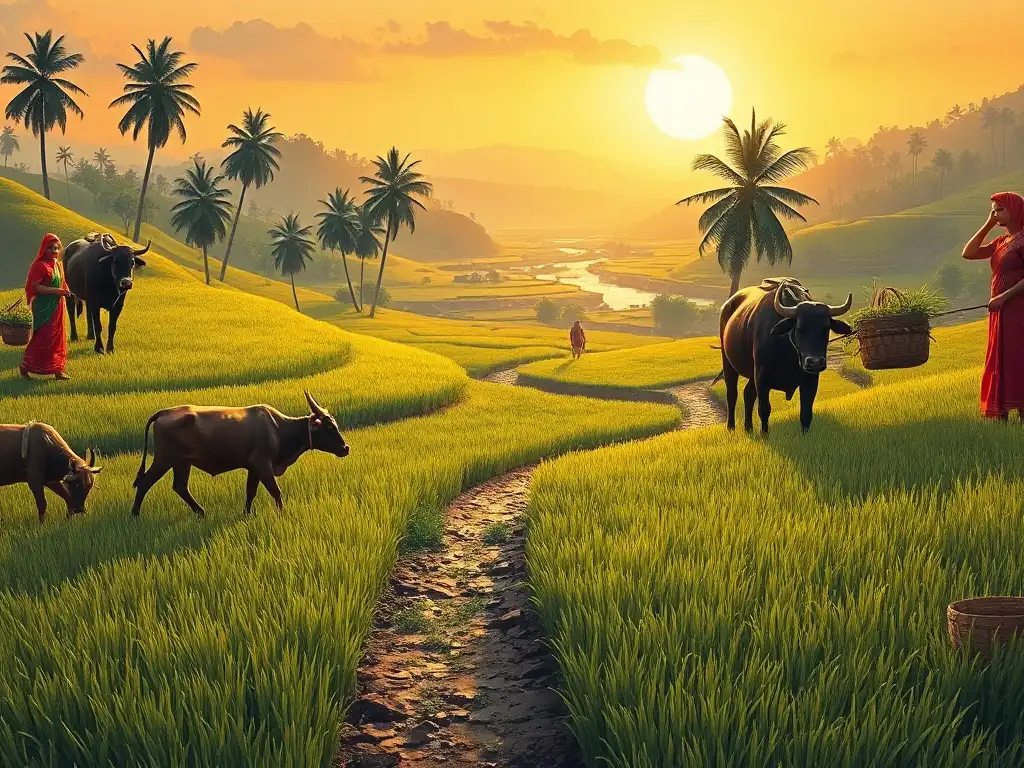
The evolution of agriculture in ancient India is a cornerstone of its civilization, influencing not just the economy but also social structures and cultural practices. The agricultural innovations during different periods laid a foundation for population growth, urbanization, and the development of complex societies.
The Indus Valley Civilization and Early Farming Techniques
The Indus Valley Civilization (approximately 3300–1300 BCE) is one of the earliest urban cultures in the world, and its agricultural practices played a significant role in its development. The civilization thrived in the fertile plains of the Indus River, where the inhabitants cultivated a variety of crops, including wheat, barley, pulses, and cotton.
- Irrigation Systems: The Indus Valley people developed sophisticated irrigation techniques to manage water resources effectively. They built extensive canal systems, which allowed for the distribution of water to fields, ensuring crops could be cultivated even in drier periods. This innovation was pivotal in supporting their population density.
- Crop Rotation and Diversity: Evidence suggests that the Indus farmers practiced crop rotation, which increased soil fertility and yielded better harvests. Furthermore, the cultivation of diverse crops reduced the risks associated with crop failure due to pests or climate conditions.
- Use of Tools: Archaeological findings indicate that the Indus Valley inhabitants used advanced tools made of bronze and stone for farming. Plows, for instance, were an essential innovation, increasing efficiency in tilling the land and facilitating the cultivation of larger areas.
These early agricultural practices laid the groundwork for subsequent developments in farming techniques throughout ancient India, contributing significantly to the civilization's ability to sustain a growing population.
Agricultural Practices in Vedic Period
Following the decline of the Indus Valley Civilization, the Vedic period (approximately 1500–500 BCE) marked a transformative era in ancient Indian agriculture. The Vedic texts provide insights into the agricultural practices and innovations that emerged during this time.
- Introduction of New Crops: The Vedic people expanded their agricultural repertoire by introducing new crops such as rice and various millets. Rice, in particular, became a staple food, especially in the eastern regions of India, contributing to population growth and settlement expansion.
- Farming Techniques and Tools: The Vedic period saw advancements in farming tools, including the development of better plows and sickles. The use of wooden and iron plows improved soil tillage, while sickles made harvesting more efficient.
- Rituals and Agriculture: Agriculture was deeply intertwined with the spiritual beliefs of the Vedic people. They performed rituals and sacrifices to invoke the blessings of deities for bountiful harvests, reflecting the cultural significance of agriculture in their society.
- Community-Based Agriculture: The social structure of the Vedic period promoted communal farming practices. Villages worked together in agricultural activities, fostering cooperation and strengthening community ties, which in turn contributed to the stability and growth of populations.
These agricultural practices during the Vedic period not only enhanced food production but also set the stage for more complex societal structures, paving the way for the flourishing of ancient Indian civilizations.
The innovations in agriculture during the Indus Valley Civilization and the Vedic period were crucial in supporting population growth and establishing a foundation for the rich tapestry of ancient Indian history. The agricultural advancements not only ensured food security but also facilitated trade, urbanization, and cultural development across the subcontinent.
Key Ancient Indian Agricultural Innovations
Introduction of Crop Rotation Techniques
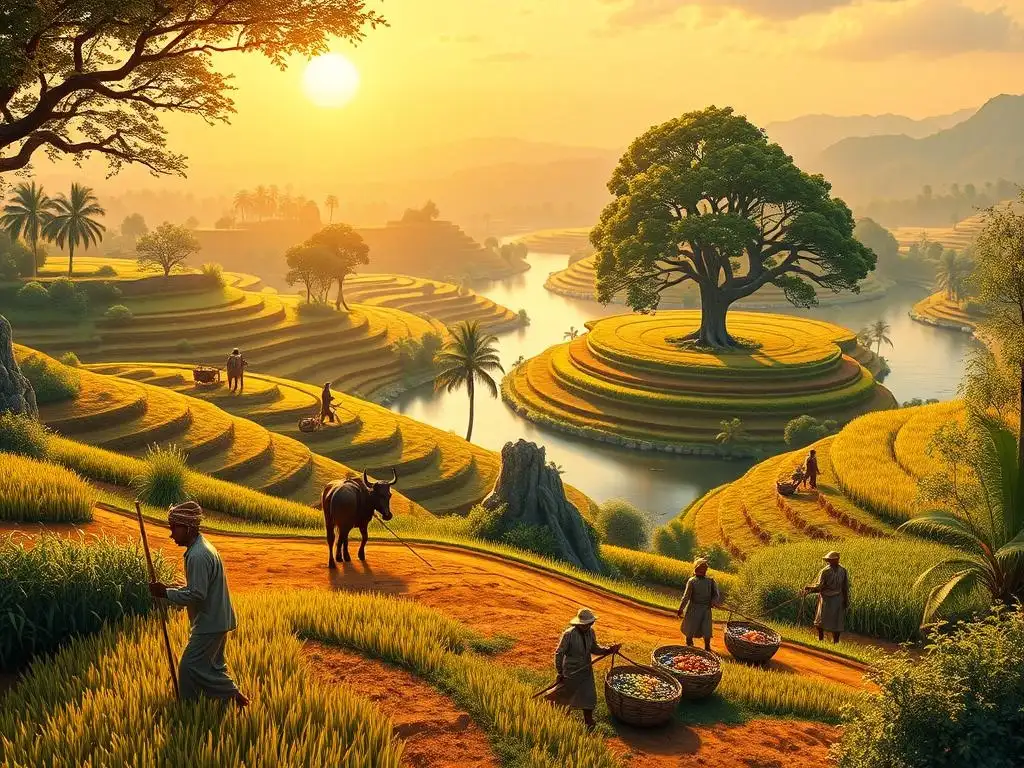
Crop rotation was a pivotal agricultural innovation in ancient India that greatly enhanced productivity and sustainability. This technique involves alternating different crops in the same field across seasons, which helps in maintaining soil fertility and reducing pest infestations. Ancient Indian farmers recognized the benefits of planting legumes, such as lentils and chickpeas, alongside cereal crops like wheat and barley. This practice not only fixed nitrogen in the soil but also improved nutrient availability for subsequent crops, leading to higher yields overall.
For example, a common rotation involved planting wheat followed by pulses, which replenished the soil with essential nutrients while minimizing the risk of crop failure due to pests or diseases. The systematic approach to crop rotation showcased the sophisticated understanding ancient Indian farmers had of their agricultural ecosystems. This knowledge laid the foundation for sustainable practices that are still relevant in modern agriculture.
Development of Irrigation Systems
Irrigation was another key agricultural innovation that significantly contributed to the growth of ancient Indian civilizations. The Harappan civilization, around 2500 BCE, exhibited advanced urban planning that included elaborate drainage and irrigation systems. Archaeological evidence suggests that they constructed canals and reservoirs to harness river water for agriculture, ensuring reliable water supply even during dry seasons.
In regions like the Gangetic plains, farmers developed intricate irrigation techniques utilizing various water sources, including rivers, wells, and tanks. These systems enabled them to cultivate diverse crops, thus supporting a growing population. The implementation of irrigation not only increased agricultural productivity but also promoted trade, as surplus grains could be exchanged for other goods, fostering economic prosperity.
Use of Fertilizers and Soil Enrichment Methods
The use of fertilizers and soil enrichment techniques in ancient India was critical in enhancing crop yields and sustaining agricultural practices. Ancient texts, such as the "Arthashastra" attributed to Kautilya (Chanakya), provide insights into the methods employed by farmers to enrich their soil. They utilized organic materials like animal manure, compost, and green manure from leguminous crops to fertilize their fields.
Additionally, the application of ash from burnt plant material was common, as it provided essential nutrients and improved soil structure. Farmers also practiced various forms of soil conservation, including mulching and the use of cover crops, to prevent erosion and maintain soil health. These practices reflected a deep understanding of ecological balance and contributed to the longevity of agricultural systems in ancient India.
The innovations in agriculture during ancient India not only supported population growth but also laid the groundwork for subsequent advancements in farming techniques. These practices demonstrate the ingenuity and adaptability of ancient Indian civilizations in optimizing their agricultural outputs while ensuring sustainability.
Domestication of Crops and Livestock
The domestication of crops and livestock marked a significant turning point in ancient Indian agriculture, laying the foundation for a stable and prosperous society. This process began around 7000 BCE with the advent of agriculture in the Fertile Crescent, which eventually influenced the Indian subcontinent. The domestication of various species not only transformed food production but also had profound impacts on social organization, trade, and cultural practices.
Domestication of Crops
Ancient Indian farmers were adept at selecting and cultivating various crops that were well-suited to the diverse climates and soils across the region. Notable domesticated crops included:
- Rice: Primarily cultivated in the eastern regions, rice became a staple food due to its high yield and nutritional value. Evidence of rice cultivation dates back to around 2000 BCE in the Gangetic plains.
- Wheat: Grown mainly in the northern plains, wheat thrived in the cooler climates, offering a reliable food source that supported larger populations.
- Barley: This hardy grain was essential for making bread and was cultivated in arid regions, showcasing the adaptability of ancient Indian agriculture.
- Millets: Sorghum and pearl millet were common in the drier southern and western areas, providing nutrition and resilience against drought conditions.
The meticulous selection of seeds and farming practices led to the development of varieties that were more resistant to pests and diseases, which in turn supported population growth and urbanization.
Domestication of Livestock
Alongside crops, ancient Indians also domesticated various livestock species that played crucial roles in agriculture and daily life. Key domesticated animals included:
- Cattle: Integral to agrarian society, cattle were used for plowing fields and as a source of milk. The zebu breed, known for its resilience to heat, was particularly suited for Indian conditions.
- Goats and Sheep: These animals provided meat, milk, and wool, contributing to the economy and dietary variety. Their ability to graze on sparse vegetation made them ideal for the rugged terrains of India.
- Buffalo: Water buffalo were essential for wetland farming and were prized for their strength and milk production, particularly in the riverine regions.
The domestication of these animals not only enhanced agricultural productivity but also fostered social structures revolving around animal husbandry practices. The integration of livestock into farming systems allowed for more efficient land use and diversification of food sources, ultimately supporting a growing population.
The domestication of crops and livestock in ancient India was a pivotal innovation that contributed significantly to agricultural practices. By creating a stable food supply and enhancing productivity, these innovations laid the groundwork for the complex societies that emerged in the region, enabling the flourishing of cultures and civilizations.
Impact of Agricultural Innovations on Population Growth

Increased Food Production and Surplus
Ancient Indian agricultural innovations played a pivotal role in increasing food production, which directly contributed to population growth. One of the most significant advancements was the development of irrigation systems. By harnessing the waters of rivers like the Indus and Ganges, ancient farmers were able to cultivate larger areas of land, ensuring a more reliable and abundant food supply.
- Irrigation Techniques: The construction of canals, reservoirs, and wells allowed for year-round farming, mitigating the effects of seasonal droughts and floods. For instance, the Indus Valley Civilization showcased sophisticated drainage and irrigation systems, which enhanced crop yields.
- Crop Rotation and Diversification: Ancient Indian farmers also practiced crop rotation and introduced a variety of crops, including rice, wheat, barley, and pulses. This not only improved soil fertility but also reduced the risk of crop failure due to pests or diseases. The introduction of legumes, in particular, helped replenish nitrogen in the soil, promoting sustainable farming practices.
As a result of these innovations, food surpluses became common, leading to increased population density. With more food available, communities could support larger families, which contributed to a significant rise in the overall population.
Support for Urbanization and Settlements
The advancements in agricultural practices not only boosted food production but also facilitated the growth of urban centers. As agricultural output increased, it allowed for the emergence of permanent settlements, leading to the rise of cities.
- Formation of Settlements: Villages evolved into towns and cities as people settled in areas with fertile land. For example, cities like Mohenjo-Daro and Harappa became thriving urban centers due to their proximity to productive agricultural lands.
- Social and Economic Structures: With urbanization came the development of complex social structures. Specialized occupations emerged, as not everyone was required to farm. Artisans, traders, and service providers began to flourish, creating a more diversified economy. This specialization further supported population growth, as it attracted people from surrounding areas seeking opportunities.
- Infrastructure Development: The need for storage facilities, markets, and transport systems grew alongside urbanization. Innovations in architecture and urban planning, such as the grid layout of Harappa, showcased how agricultural success laid the groundwork for advanced urban societies.
The synergy between agriculture and urbanization fostered a vibrant cultural and economic landscape, which was essential for sustaining a growing population.
The Role of Trade in Agricultural Expansion
Trade played a crucial role in the expansion of ancient Indian agriculture, as it enabled the exchange of agricultural products, innovations, and knowledge across regions.
- Regional Trade Networks: The establishment of trade routes facilitated the movement of surplus crops to other regions, ensuring that agricultural innovations were shared. For instance, spices, textiles, and grains were traded along routes connecting India to Central Asia and beyond, introducing new agricultural practices and crops.
- Economic Motivations: As towns grew, the demand for diverse food products increased. This demand encouraged farmers to innovate continuously, adopting new techniques and experimenting with different crops to meet market needs.
- Cultural Exchange: Trade not only spread agricultural innovations but also fostered cultural exchange. Farmers learned about crop varieties and farming techniques from traders, enriching the agricultural practices in India. For example, the introduction of new crops like sugarcane and cotton transformed agricultural landscapes and economies.
The interplay between agricultural innovations, urbanization, and trade created a dynamic environment that supported the significant population growth of ancient India. The advancements in agriculture were foundational in shaping the social, economic, and cultural fabric of the time, leaving a lasting legacy that influenced generations to come.
Case Studies of Specific Agricultural Innovations
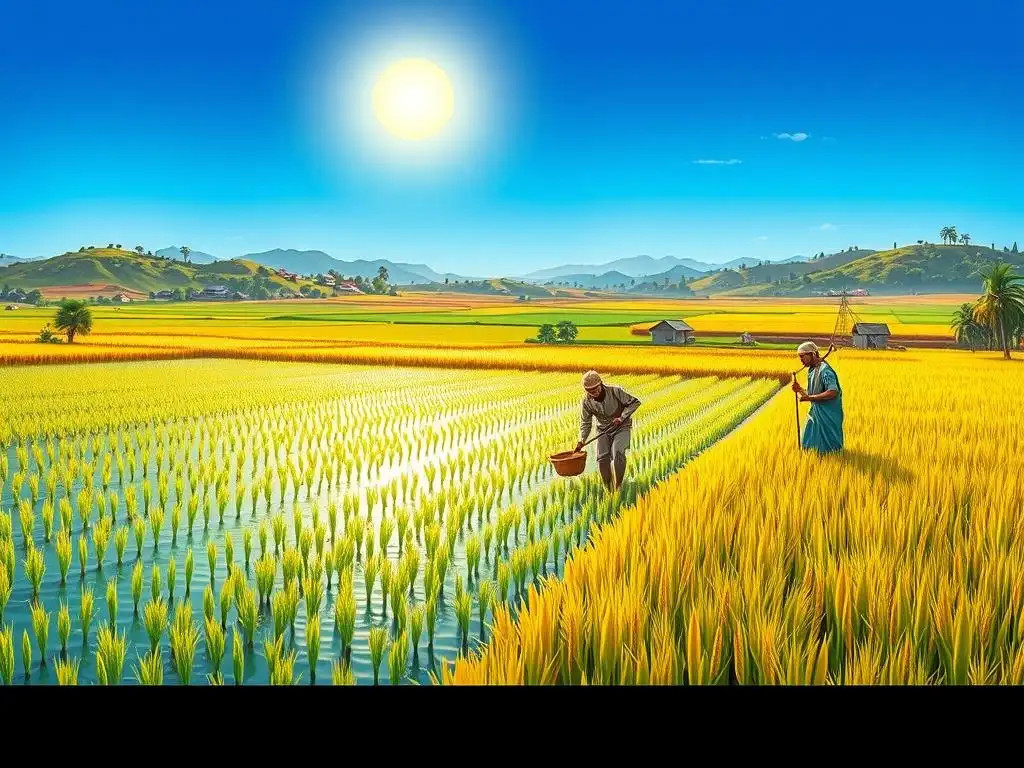
Ancient Indian agricultural innovations played a crucial role in supporting population growth by enhancing productivity and ensuring food security. This section delves into specific case studies that exemplify the remarkable advancements in agricultural practices during ancient times.
The Plough: Transformation of Farming Practices
The introduction of the plough in ancient India marked a significant turning point in agricultural practices. The plough, often made of wood and drawn by oxen, allowed farmers to cultivate land more efficiently and effectively.
- Types of Ploughs: Ancient Indian ploughs varied in design, with wooden ploughs being the most common. Some regions utilized iron-tipped ploughs, which increased durability and efficiency.
- Impact on Agriculture: With the plough, farmers could till larger areas of land, leading to increased crop yields. This innovation facilitated the cultivation of tougher soils and enabled the rotation of crops, which enhanced soil fertility.
The widespread adoption of the plough helped transform agriculture from subsistence farming to a more organized and productive system, significantly contributing to the rise in population during the ancient period.
Water Management Systems in Ancient India
Water management was critical in ancient Indian agriculture, given the region's varied climate and monsoon patterns. Innovative systems were developed to harness and manage water resources effectively.
- Irrigation Techniques: Ancient Indians implemented various irrigation techniques, including:
- Canals: Constructed to divert river water to agricultural fields, particularly in the fertile regions of the Indus Valley.
- Wells and Tanks: These were developed to store rainwater and groundwater, ensuring a steady supply of water even during dry periods.
- Significance of Water Management: Effective water management allowed farmers to cultivate crops throughout the year, reducing reliance on seasonal rains. This not only supported population growth by ensuring food availability but also fostered trade as surplus crops could be exchanged.
The sophisticated water management systems of ancient India underscore the civilization's deep understanding of environmental resources and their application in agriculture.
Crop Diversity and Its Benefits
Ancient Indian agricultural practices were characterized by a remarkable diversity of crops, which played a vital role in sustaining large populations.
- Variety of Crops: Farmers cultivated a wide range of crops, including:
- Cereals: Such as rice, wheat, and barley, which formed the staple diet.
- Pulses: Like lentils and chickpeas, contributing essential proteins to the diet.
- Spices: Including black pepper and turmeric, which not only enhanced flavor but also had medicinal properties.
- Benefits of Crop Diversity:
- Nutritional Security: A diverse crop selection ensured a balanced diet and reduced the risk of famine.
- Economic Stability: Crop diversity allowed farmers to adapt to changing market demands and climatic conditions, fostering economic resilience.
The cultivation of diverse crops was a strategic innovation that supported the sustainability of ancient Indian agriculture, ultimately aiding in population growth and the development of complex societies.
Through these case studies, it is evident that ancient Indian agricultural innovations significantly impacted the civilization's ability to support a growing population, laying the foundation for future advancements in agriculture.
The Legacy of Ancient Indian Agricultural Innovations
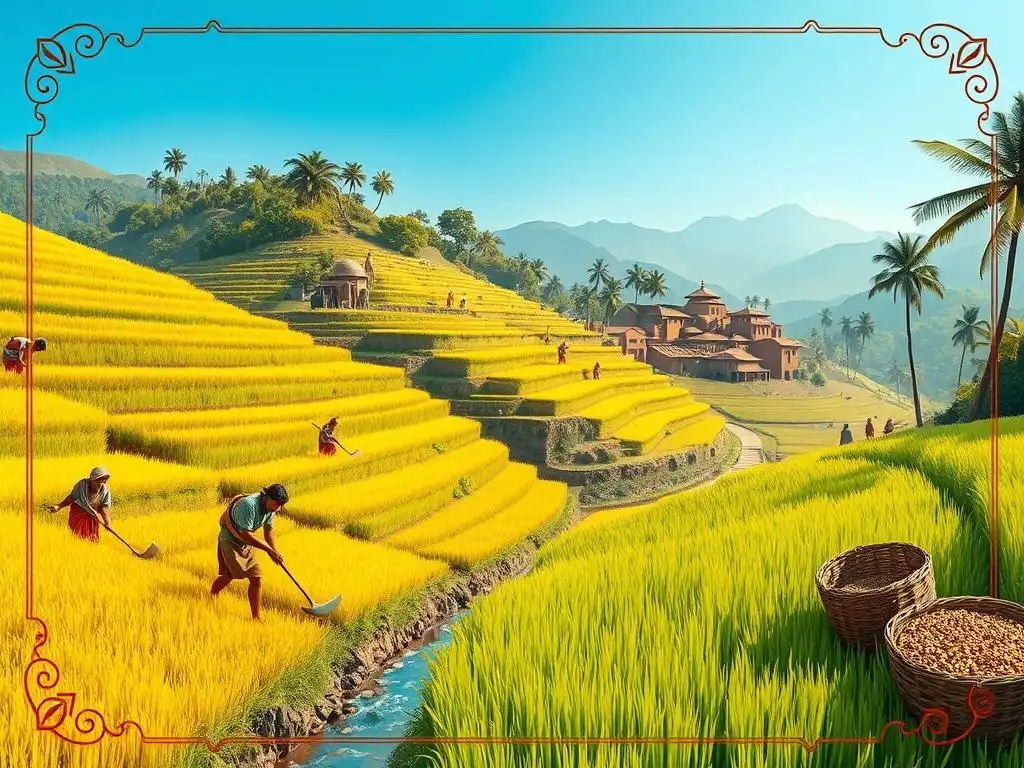
Ancient India is renowned for its significant contributions to agriculture, which played a pivotal role in shaping its civilization and sustaining a growing population. The agricultural innovations developed during this era not only enhanced productivity but also fostered social, economic, and cultural advancements. As we delve into the legacy of these innovations, we can appreciate how they laid the groundwork for sustainable agricultural practices that continue to resonate today.
The Indus Valley Civilization (circa 2500-1900 BCE) is often credited with some of the earliest examples of advanced agricultural systems. The inhabitants utilized a sophisticated irrigation system that harnessed river water for crop cultivation. This innovation allowed for the growth of staple crops such as wheat, barley, and pulses. The use of plows, possibly made from wood, also marked a significant advancement in farming techniques, facilitating more efficient tilling of the soil.
Notable innovations, such as the development of crop rotation, helped maintain soil fertility and increased yields. Ancient texts, such as the Arthashastra by Kautilya, detail various agricultural strategies, including the importance of seasonal planting and the use of different crop varieties to optimize harvests. These practices not only supported the burgeoning population but also contributed to trade, as surplus production allowed for the exchange of goods and resources.
Influence on Modern Agricultural Techniques
The agricultural innovations of ancient India have had a lasting influence on contemporary farming practices. Many techniques that originated in this period are still in use today, adapted to meet modern needs while retaining their foundational principles.
- Irrigation Systems: The ancient systems of canal and tank irrigation developed in regions like the Deccan Plateau laid the groundwork for modern irrigation techniques. Contemporary farmers often employ similar methods, utilizing both traditional and advanced technologies to distribute water effectively across fields.
- Crop Diversity and Rotation: The practice of rotating crops to enhance soil fertility is a technique that has been refined over centuries. Modern sustainable agriculture emphasizes crop diversity, echoing ancient practices that recognized the benefits of planting various species to mitigate pest infestations and improve soil health.
- Organic Farming Practices: Ancient Indian farmers utilized natural fertilizers, such as animal dung and green manures, to enrich the soil. This practice aligns with today's organic farming movements, which seek to eschew synthetic inputs in favor of environmentally friendly alternatives.
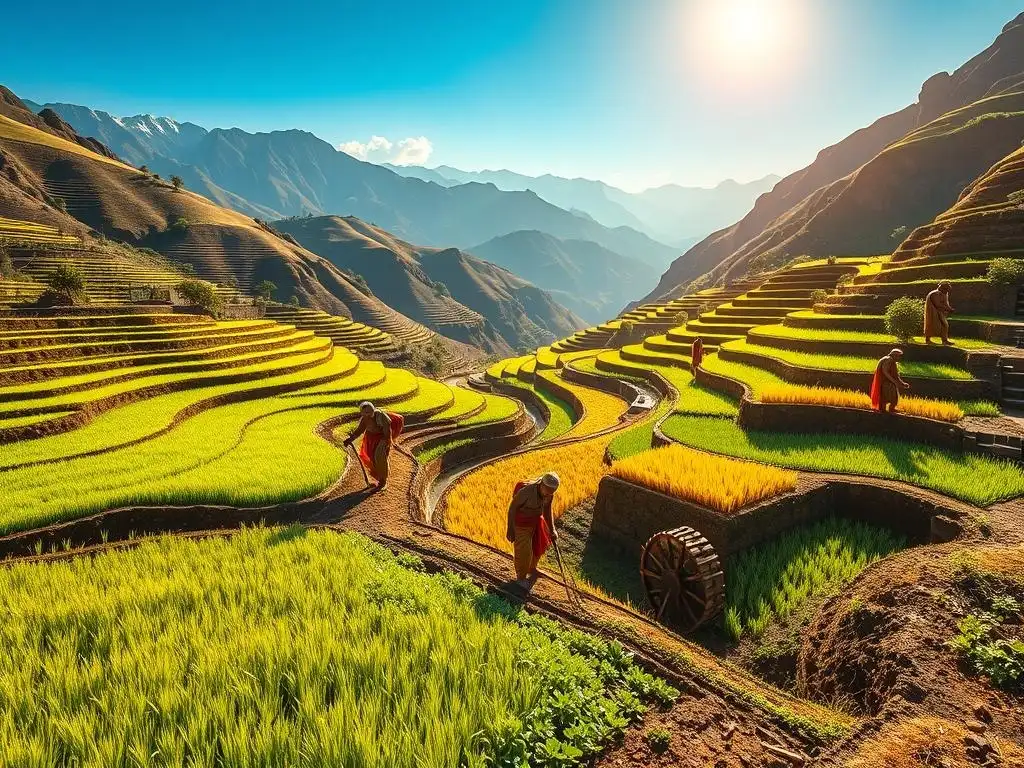
- Terracing: The use of terraced fields, particularly in hilly regions, originated in ancient India as a means to maximize arable land and reduce soil erosion. This traditional method is still prevalent in various parts of the world, showcasing its effectiveness in sustainable land management.
Continuing Cultural Practices in Agriculture
The cultural practices surrounding agriculture in ancient India continue to influence farming communities today. Festivals, rituals, and traditions linked to agriculture are integral to the social fabric of many regions:
- Harvest Festivals: Celebrations like Makar Sankranti and Pongal reflect the historical significance of harvest times, reinforcing community bonds and gratitude for agricultural bounty. These festivals often feature traditional practices and rituals that honor the earth and agricultural gods, fostering a sense of continuity with ancient customs.
- Traditional Farming Techniques: Many rural communities in India still practice ancient farming methods, such as using indigenous seeds and organic fertilizers. These practices not only preserve biodiversity but also promote resilience against climate change, drawing on the wisdom of generations.
- Community-Based Agriculture: The concept of collective farming, where communities work together to cultivate land, has roots in ancient Indian practices. This communal approach enhances food security and is increasingly relevant in contemporary discussions about sustainable agriculture.
The legacy of ancient Indian agricultural innovations is a testament to the ingenuity and adaptability of early civilizations. Their influence on modern techniques and the continuation of cultural practices highlight the enduring impact of these innovations on society and the environment. As we look to the future, the lessons learned from ancient agricultural practices can guide us toward sustainable and resilient farming solutions.
Conclusion: The Significance of Ancient Indian Agricultural Innovations
The agricultural innovations of ancient India played a pivotal role in shaping the socio-economic landscape of the region. These innovations not only enhanced food production but also laid the groundwork for societal growth and stability. By introducing advanced farming techniques, crop rotation, and irrigation systems, ancient Indian civilizations were able to support a burgeoning population. The impact of these innovations extended beyond mere sustenance; they fostered trade, cultural exchange, and the development of urban centers.
The influence of these agricultural practices can still be traced in modern India, where many traditional methods continue to be utilized alongside contemporary farming techniques. The legacy of ancient Indian agricultural innovations is a testament to the ingenuity and adaptability of these early civilizations, demonstrating a profound understanding of the environment and sustainable practices.
Reflection on Contributions to Population Growth
The relationship between ancient Indian agricultural innovations and population growth is a remarkable example of how technological advancements can drive demographic changes. As food production increased due to improved agricultural practices, the ability to sustain larger communities became feasible. Key innovations such as:
- Irrigation techniques:
- The development of sophisticated irrigation systems, including canals and wells, enabled farmers to cultivate larger areas of land.
- Crop diversification:
- The introduction of various crops, including rice, wheat, and legumes, not only improved nutrition but also enhanced soil fertility through crop rotation.
- Use of tools and implements:
- The invention of plows and other farming tools increased efficiency in planting and harvesting, further maximizing yields.
These advancements facilitated a surplus in food production, which in turn supported urbanization and the growth of trade networks. The establishment of larger settlements led to the development of complex societies, where specialized roles emerged, including artisans, traders, and scholars.
As population densities increased, so did the demand for agricultural innovation, creating a cycle of growth and development. The ability to feed larger populations laid the foundation for the flourishing of ancient Indian civilizations, influencing their cultural, political, and economic trajectories.
Future Implications of Ancient Innovations in Agriculture
The significance of ancient Indian agricultural innovations extends beyond their historical context; they offer valuable lessons for contemporary agricultural practices. As the world faces challenges such as climate change, food security, and sustainable development, revisiting these ancient methodologies can inspire innovative solutions.
For instance, the principles of sustainable farming and crop diversity practiced by ancient Indian farmers can inform modern agricultural policies aimed at environmental conservation. Key implications include:
- Sustainable practices:
- Emphasizing the importance of crop rotation and organic farming can enhance soil health and reduce reliance on chemical fertilizers.
- Water management:
- The ancient techniques of irrigation can be adapted to modern contexts, promoting efficient water usage in agriculture, particularly in regions facing drought.
- Preservation of biodiversity:
- The cultivation of indigenous crop varieties can contribute to food security and resilience against pests and diseases.
By integrating these ancient agricultural innovations into contemporary practices, societies can better navigate the complexities of modern agriculture, ensuring both productivity and sustainability. The lessons learned from ancient Indian civilizations serve as a reminder of the enduring relevance of traditional knowledge in addressing current and future agricultural challenges.
The agricultural innovations of ancient India not only fueled population growth and urban development but also continue to inspire sustainable practices in today's world. Recognizing the significance of these innovations is crucial for fostering a deeper understanding of agriculture's role in shaping human history and addressing contemporary challenges.
Frequently Asked Questions
What were some key agricultural innovations in ancient India?
Ancient India saw innovations such as the plow, crop rotation, and the use of fertilizers. These advancements significantly enhanced crop yields and supported population growth.
How did ancient Indian agriculture contribute to civilizational growth?
The development of agriculture allowed for surplus food production, which contributed to the rise of urban centers and supported larger populations. This fostered advancements in art, trade, and culture.
Which ancient Indian civilization is known for its advanced agricultural practices?
The Indus Valley Civilization is particularly noted for its sophisticated agricultural methods, including the use of irrigation systems and crop diversification, which played a key role in its prosperity.
What impact did climate have on ancient Indian agriculture?
The monsoon climate was crucial for ancient agriculture, as it provided the necessary rainfall for crops. Adaptations to these climatic conditions led to the development of resilient agricultural practices.
How did the Gupta Empire influence agricultural advancements?
During the Gupta Empire, there was a notable increase in agricultural productivity due to innovations in tools, crop varieties, and the establishment of trade networks that facilitated the exchange of agricultural goods and techniques.
Final Reflection: The Enduring Legacy of Ancient Indian Agricultural Innovations
The remarkable agricultural innovations of ancient India not only transformed the landscape of their time but also laid the groundwork for sustainable practices that resonate profoundly in today's world. As we grapple with modern challenges such as food security and climate change, the wisdom embedded in these ancient techniques offers invaluable lessons. The ingenuity of early Indian farmers in developing irrigation systems, crop rotation, and diverse cultivation methods underscores the timeless relevance of their contributions to agriculture.
The influence of these innovations extends far beyond historical significance; they continue to shape our cultural and social landscapes. From traditional farming practices still observed in rural India to the global adoption of sustainable agricultural methods, the legacy of ancient Indian agriculture is a testament to human resilience and adaptability. As Mahatma Gandhi once said, "> The future depends on what you do today." This quote encapsulates the ongoing impact of these innovations, reminding us that the choices we make today can echo through generations.
As we reflect on the lessons from ancient Indian agricultural practices, I invite you to consider how these insights can inspire your own actions. What sustainable practices can you adopt in your daily life? Whether it’s supporting local farmers, embracing organic gardening, or advocating for sustainable food systems, every small step contributes to a larger movement. Let us honor the wisdom of our ancestors by nurturing the earth and fostering a future where agriculture thrives in harmony with nature.
Embrace the Wisdom of the Past!
Thank you for taking the time to explore the fascinating innovations of ancient Indian agriculture! By understanding these methods, you've unlocked valuable insights into how ingenuity and resilience can shape society. Now, let’s put that knowledge into action!
- Discover a local community garden: Engage with local agricultural initiatives and learn from contemporary practitioners who draw inspiration from historical techniques.
- Start your own home garden: Even a small space can yield fresh produce; consider researching traditional Indian crops or gardening practices that resonate with you.
- Share your newfound knowledge: Discuss what you've learned with friends, family, or on social media to inspire others to appreciate the rich heritage of agriculture.
Which ancient agricultural technique or innovation will you explore further to enhance your own gardening journey?