
Women as Keepers of Tradition: Oral Histories in Ancient India

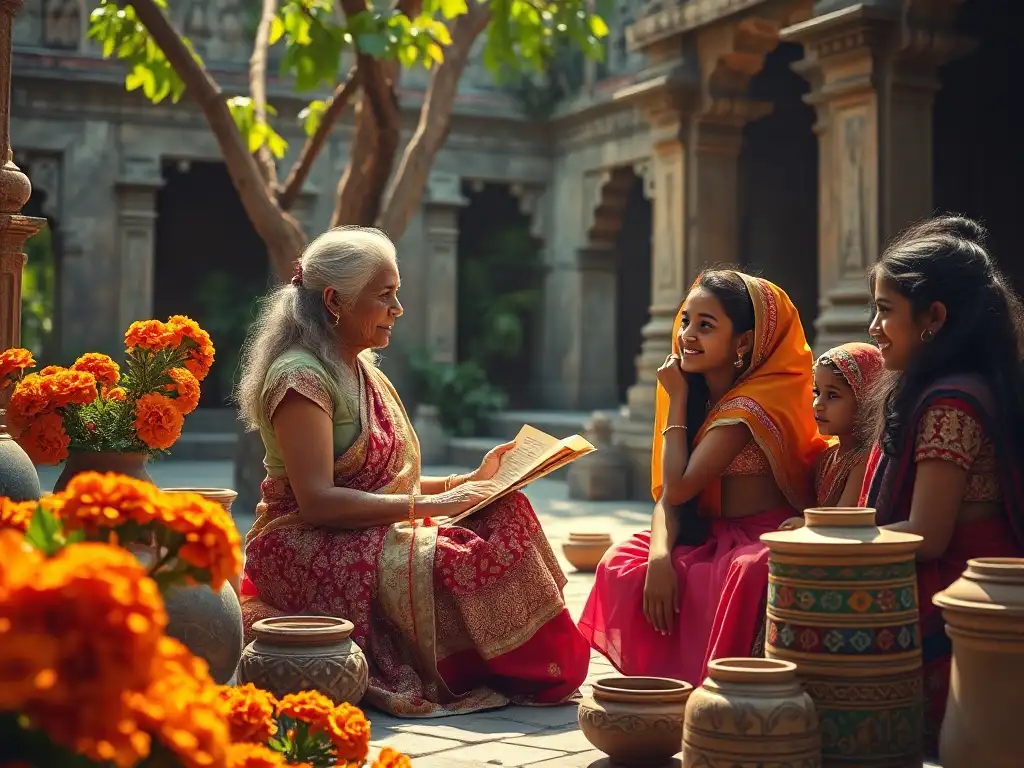
Welcome to Ancient India History, where we embark on a fascinating journey through time, uncovering the rich tapestry of civilizations that shaped the Indian subcontinent. In our featured article, "Women as Keepers of Tradition: Oral Histories in Ancient India," we delve into the often-overlooked roles and contributions of women in preserving the cultural heritage of ancient societies. What stories have been passed down through generations?
How did these women influence traditions and practices? Join us as we explore the vital impact of women in ancient Indian traditions, igniting your curiosity and inviting you to discover the profound legacies they left behind.
-
Women in Ancient Indian Traditions: Guardians of Oral Histories
- Introduction to Women in Ancient Indian Traditions
- The Importance of Oral Histories in Ancient India
- Overview of Women's Roles in Preserving Tradition
- Historical Context of Women in Ancient India
- The Role of Women in Oral Histories
- Key Themes in Oral Histories Shared by Women
- Case Studies of Women in Ancient Indian Traditions
- Challenges Faced by Women in Preserving Oral Histories
- The Impact of Women as Keepers of Tradition
- Conclusion: The Legacy of Women in Ancient Indian Traditions
-
Frequently Asked Questions
- What role did women play in preserving oral histories in ancient India?
- How did societal norms affect women's roles in ancient Indian civilizations?
- Were women involved in any formal education in ancient India?
- What contributions did women make to the arts in ancient India?
- How are women's roles in ancient Indian traditions reflected in contemporary society?
- Final Reflection: Women as the Guardians of Ancient Indian Traditions
- Embrace the Legacy: Share and Preserve Oral Histories!
Women in Ancient Indian Traditions: Guardians of Oral Histories
Introduction to Women in Ancient Indian Traditions
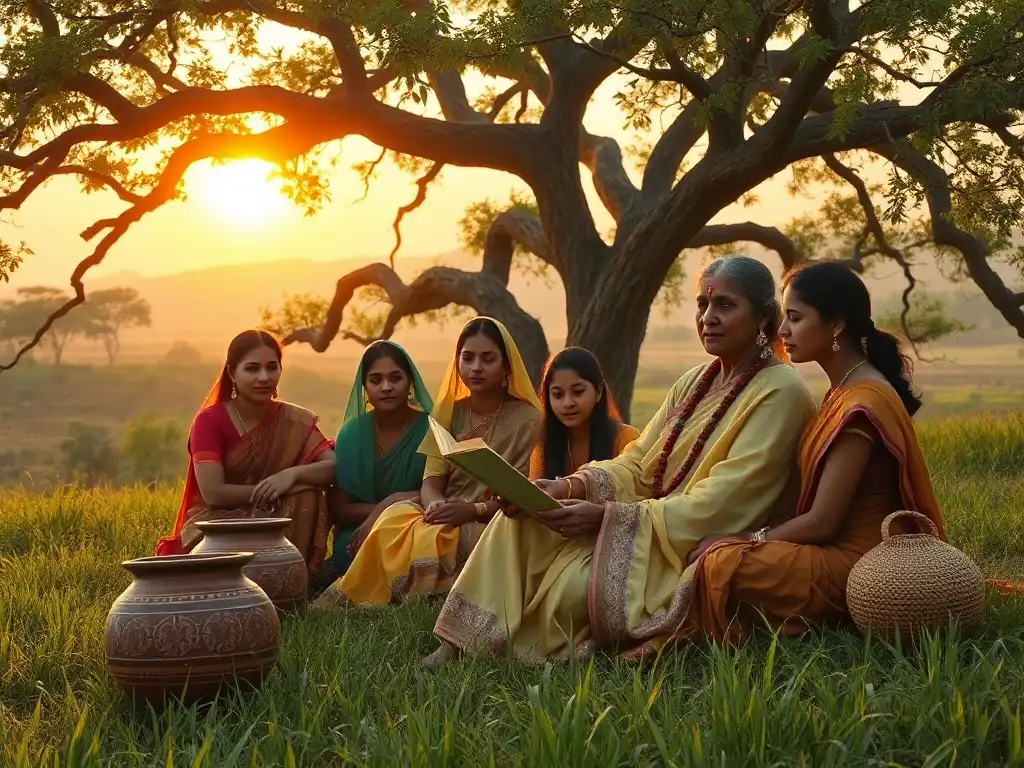
In the tapestry of ancient Indian civilization, women played a pivotal role as the custodians of cultural heritage and oral traditions. Their contributions, often overlooked in historical narratives, were fundamental in preserving and transmitting the rich tapestry of beliefs, rituals, and stories that defined various communities across the subcontinent.
From the Vedic period through the Gupta Empire, women were not just passive recipients of cultural knowledge; they actively shaped and maintained the traditions that would influence generations to come. This exploration of Women in Ancient Indian Traditions will illuminate how these women served as vital links in the chain of history, ensuring that the wisdom of their ancestors was not lost to time.
The Importance of Oral Histories in Ancient India
Oral histories were the backbone of ancient Indian culture, serving as a means of passing down knowledge, values, and customs from one generation to the next. They encompassed a variety of narratives, including:
- Myths and Legends: Stories of gods, goddesses, and heroic figures that shaped cultural beliefs.
- Folklore: Local tales that conveyed morals and lessons embedded in community practices.
- Rituals and Practices: Detailed descriptions of ceremonies, festivals, and religious observances critical for community cohesion.
Women, often regarded as the primary caregivers and educators within their families, were instrumental in recounting these oral histories. Their storytelling not only entertained but also instilled a sense of identity and continuity within their communities. Thus, women emerged as the guardians of tradition, ensuring that the essence of their culture endured despite the passage of time.
Overview of Women's Roles in Preserving Tradition
Women in ancient India held various positions that enabled them to preserve and propagate oral traditions effectively. Some of these roles included:
- Storytellers (Kahaniwala): Women often gathered in communal spaces to share stories, ensuring that cultural tales were passed on to the younger generation.
- Ritual Practitioners: In many communities, women were responsible for performing rituals, thus embedding oral traditions within the fabric of religious practices.
- Educators: Mothers and grandmothers played a crucial role in teaching children about their cultural heritage through stories and teachings.
By actively participating in these roles, women not only preserved their cultural narratives but also exerted a significant influence on the moral and ethical frameworks of their societies.
Historical Context of Women in Ancient India
To fully appreciate the roles women played in preserving traditions, it is essential to examine the historical context of their lives in ancient India.
Societal Structure and Gender Roles
The societal structure of ancient India was complex and varied significantly across regions and periods. Generally, the roles of women were influenced by factors such as:
- Caste System: Women's roles often aligned with their caste, affecting their access to education and participation in public life.
- Patriarchal Norms: While patriarchy was prevalent, many ancient texts and archaeological evidence suggest that women held considerable influence in domestic and spiritual realms.
Despite the constraints imposed by societal norms, women frequently found ways to assert their agency, particularly through oral traditions, which allowed them to maintain a voice in their communities.
The Influence of Religion on Women's Traditions
Religion played a crucial role in shaping women's traditions and their societal standing. Various religious texts and practices provided women with both opportunities and limitations. Key aspects include:
- Spiritual Leaders: In certain sects, women were revered as spiritual leaders, allowing them to transmit religious teachings orally.
- Ritual Participation: Women's involvement in religious rituals often served to reinforce their status as keepers of tradition, enabling them to participate actively in the spiritual life of their communities.
The intersection of religion and tradition not only empowered women but also solidified their roles as essential contributors to the fabric of ancient Indian society.
The examination of women's roles in ancient Indian traditions highlights their vital position as keepers of oral histories. By exploring the societal and religious contexts in which they operated, we can gain a deeper understanding of their invaluable contributions to the preservation of cultural heritage.
The Role of Women in Oral Histories
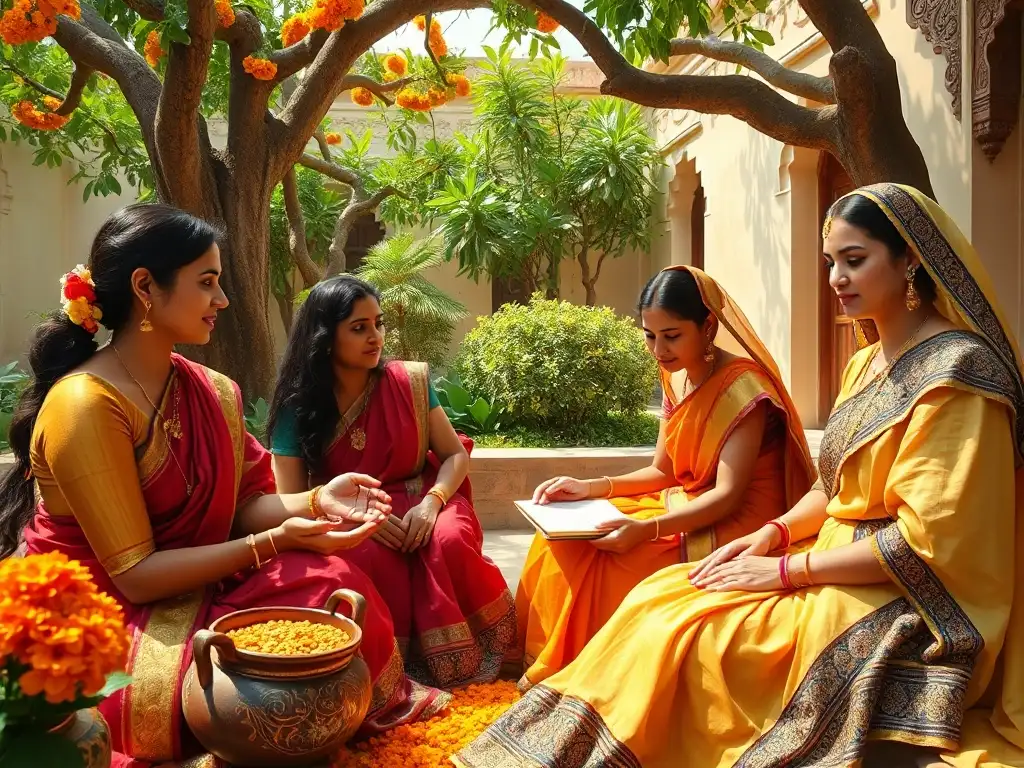
Women have played a pivotal role in the preservation and transmission of oral histories throughout ancient Indian civilizations. As the primary caregivers and educators within their families and communities, women were often tasked with the responsibility of passing down knowledge, traditions, and cultural values through storytelling.
This role was not merely a matter of convenience; it was a vital component of societal continuity and cultural identity. In many ancient Indian societies, oral traditions served as a means of preserving the collective memory of communities, and women, as the keepers of these narratives, ensured that the wisdom of the past was not lost to future generations.
The act of storytelling was deeply embedded in the social fabric of ancient Indian life, where women were seen as the custodians of cultural heritage. They used oral histories to convey important lessons, moral values, and historical events, thereby shaping the understanding and identity of their communities. Through their narratives, women could address pressing social issues, articulate the experiences of their communities, and provide a space for the marginalized voices to be heard. This traditional role of women as storytellers highlights their significant contributions to the cultural landscape of ancient India.
Storytelling as a Cultural Practice
Storytelling in ancient India was not just a form of entertainment; it was a significant cultural practice that played a central role in community life. Women utilized various storytelling techniques, including folk tales, parables, and songs, to engage their audiences and impart wisdom. These narratives often featured relatable characters and familiar settings, making the stories accessible and relevant to listeners of all ages.
The practice of storytelling was often communal, with women gathering in groups to share tales, fostering a sense of belonging and reinforcing social bonds. This communal aspect of storytelling allowed for the exchange of ideas and experiences, enabling women to express their thoughts and emotions regarding personal and societal matters. Furthermore, storytelling served as a medium for preserving the history of communities, with women incorporating local customs, rituals, and practices into their narratives, thereby ensuring the continuity of their cultural heritage.
Women as Custodians of Myths and Legends
In ancient Indian traditions, women served as the custodians of myths and legends that were integral to the spiritual and cultural identity of their communities. These myths often explained natural phenomena, societal norms, and the origins of various customs and practices. Women’s storytelling was essential in keeping these legends alive, as they frequently passed down knowledge of deities, creation stories, and moral lessons through generations.
Women’s narratives were often imbued with spiritual significance, reflecting the values and beliefs of their societies. They played a crucial role in shaping the understanding of the divine and the relationship between humans and the cosmos. By sharing these myths, women not only preserved their cultural identity but also reinforced community cohesion and continuity. These legends, often featuring powerful female figures, provided role models for women and offered insights into their societal roles and expectations.
Examples of Prominent Female Storytellers
Throughout history, several prominent female storytellers have emerged in ancient India, each contributing to the rich tapestry of oral traditions. One notable figure is Vachana Sahitya, which includes the contributions of female poets and mystics from the Lingayat community. Women like Akka Mahadevi and other female saints used poetry and oral storytelling to express their spiritual experiences and challenge societal norms, creating a lasting impact on religious thought.
Another example is the Gond tribe, where women played a vital role in preserving and sharing their community’s oral histories through art and storytelling. The Gondi women utilized visual storytelling, often incorporating their narratives into intricate paintings that depicted their cultural heritage and legends. Such examples highlight the diverse ways in which women have contributed to the oral history tradition in ancient India.
Spirituality and Religion in Women's Narratives
Women’s oral histories often reflect deep spiritual and religious themes that resonate with the cultural fabric of ancient Indian society. These narratives frequently explore the roles of goddesses, divine feminine energy, and the interconnectedness of spirituality and daily life. Through their storytelling, women conveyed complex religious ideas and practices, enriching the spiritual understanding of their communities.
Moreover, women’s narratives often addressed the challenges they faced in their spiritual journeys, offering insights into the lived experiences of women within religious contexts. By sharing their personal stories of faith, devotion, and struggle, women fostered a deeper connection to the spiritual traditions of their communities. This emphasis on spirituality in women’s oral histories contributes to a broader understanding of the multifaceted roles women played in ancient religious practices.
Family and Community in Women's Oral Traditions
Family and community are recurring themes in the oral histories shared by women in ancient India. These narratives often highlight the importance of familial ties, social responsibilities, and communal support systems. Women used storytelling to convey the values of kinship, cooperation, and mutual care, reinforcing the significance of family as the cornerstone of social structure.
In many stories, women depicted their roles as nurturers and caretakers, illustrating the various dynamics within families and communities. These narratives served to educate younger generations about their responsibilities and the importance of maintaining strong familial bonds. By sharing personal experiences and communal stories, women contributed to the creation of a collective identity and solidarity among community members.
Nature and Environment in Women's Stories
Women’s oral histories in ancient India frequently incorporate themes related to nature and the environment. These narratives reflect the close relationship between women and their natural surroundings, emphasizing the role of women as caretakers of the land and resources. Through storytelling, women expressed their understanding of nature’s rhythms, seasonal changes, and the interconnectedness of all living beings.
Many stories featured elements of nature as central characters, illustrating how women navigated their lives in harmony with the environment. These narratives often conveyed practical knowledge about agriculture, herbal medicine, and sustainable practices, showcasing women's roles as custodians of ecological wisdom. By weaving themes of nature into their storytelling, women preserved essential knowledge and fostered a deeper appreciation for the environment within their communities.
Case Studies of Women in Ancient Indian Traditions
Women played a pivotal role in preserving the oral histories and traditions of ancient India, serving as the custodians of cultural narratives that shaped societal values and practices. Their contributions span various epochs, illustrating the significance of their voices in maintaining the legacy of their communities. This section explores specific case studies reflecting the diverse roles women held throughout different periods of ancient India, showcasing their influence and the challenges they faced.
The Role of Women in the Indus Valley Civilization
In the Indus Valley Civilization (circa 2500-1900 BCE), archaeological findings indicate that women enjoyed a relatively high status compared to later periods. They participated in various economic activities, including weaving and pottery, which are deeply embedded in cultural storytelling. The seals and terracotta figurines discovered reveal depictions of women in positions of authority and reverence, suggesting their integral role in ritual practices and community gatherings.
Women likely passed down knowledge of agricultural practices, as they were involved in food production and trade. This transmission of oral histories was crucial for the survival of their communities, as it encompassed agricultural techniques, medicinal knowledge, and familial lineage. The oral narratives likely included stories that emphasized the importance of fertility, motherhood, and the divine feminine, which were essential to the cultural fabric of the Indus Valley Civilization.
Contributions of Women during the Vedic Period
The Vedic Period (circa 1500-500 BCE) marked a significant transformation in societal structures, with women's roles evolving within the context of emerging religious texts and philosophies. Women such as Gargi and Maitreyi are celebrated in Vedic literature for their intellectual contributions. Gargi, known for her profound philosophical inquiries during the Brahmanical period, engaged in debates with male scholars, thereby challenging gender norms of her time.
Women were also involved in preserving Vedic rituals and hymns, ensuring that spiritual traditions were passed down through generations. Through the oral tradition, they became keepers of hymns and mantras, often recited during sacrificial rites. This role not only highlights their spiritual significance but also showcases their ability to influence religious practices and societal norms. The oral transmission of Vedic knowledge exemplifies how women's voices shaped spiritual discourse and maintained continuity in traditions.
Women in the Gupta Empire: Preservers of Knowledge
During the Gupta Empire (circa 320-550 CE), women continued to serve as vital figures in the preservation of knowledge and culture. Literary works from this period indicate that women engaged in education, literature, and the arts. Notable figures like Vikramaditya's court poetess, the legendary poetess Kalidasa, reflect the high regard for women's intellectual contributions.
Women were instrumental in the transmission of oral histories through storytelling, song, and theatrical performances. Their narratives often revolved around themes of valor, devotion, and morality, contributing to the cultural richness of the period. Additionally, evidence suggests that women participated in philosophical discussions and maintained familial archives of oral traditions, ensuring that ancestral knowledge was not lost. Thus, women in the Gupta Empire exemplified the dual role of being both custodians of tradition and active participants in the intellectual discourse of their time.
Challenges Faced by Women in Preserving Oral Histories
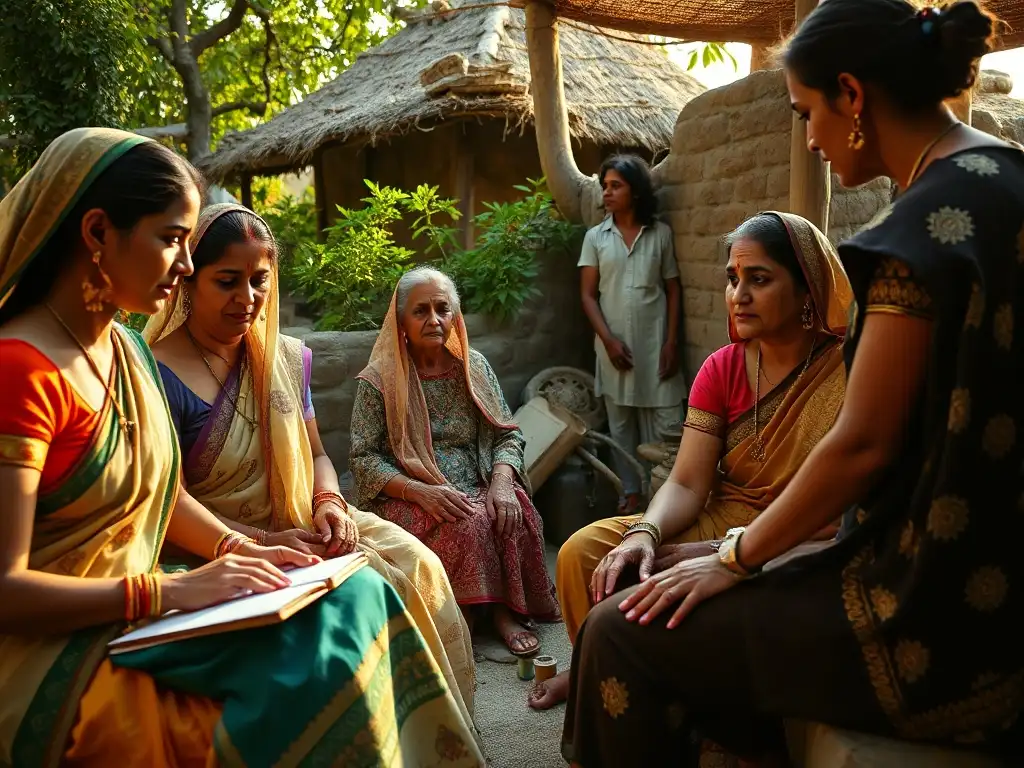
Despite their significant contributions, women in ancient India faced numerous challenges that hindered their ability to preserve oral histories effectively. These challenges stemmed from societal restrictions and evolving gender norms, which often marginalized their voices.
Societal Restrictions and Gender Norms
Throughout ancient Indian history, societal restrictions imposed by patriarchal structures limited women's autonomy and access to education. The transition from matrilineal to patrilineal systems often led to the relegation of women to domestic roles, diminishing their status as keepers of tradition.
The oral tradition, while empowering, was also susceptible to being overshadowed by written texts, which were predominantly authored by men. As literacy increased, women's oral narratives and contributions were at risk of being overlooked or invalidated. Furthermore, the expectation of conformity to gender norms often restricted women's participation in public life, curbing their ability to share and preserve their stories within the broader cultural discourse.
Loss of Tradition in Modern Times
In contemporary society, the loss of oral traditions has become a pressing concern. The encroachment of modernization and globalization has led to significant shifts in cultural practices, often resulting in the erosion of traditional storytelling methods. As younger generations gravitate towards digital media, the art of oral storytelling, once a vital communal activity, faces the threat of disappearance.
Moreover, the fading recognition of women's contributions to oral histories exacerbates this loss. The narratives once passed down through generations may vanish if not actively preserved and celebrated. Efforts to document these oral traditions are crucial in ensuring that the rich tapestry of women's experiences and voices in ancient Indian traditions remains vibrant and accessible for future generations.
The Impact of Women as Keepers of Tradition
Women in ancient India played a crucial role as custodians of oral histories, significantly shaping the cultural landscape of their societies. Their contributions went beyond mere storytelling; they were instrumental in preserving the values, beliefs, and traditions that defined their communities. Through oral narratives, women transmitted knowledge about rituals, folklore, and moral lessons, ensuring that the cultural heritage was not lost to time. This practice allowed for a rich tapestry of stories that reflected the complexities of ancient Indian life, providing insights into the roles and experiences of women in that era.
Additionally, the oral traditions maintained by women served as a means of resistance against the encroachment of external influences and the erosion of indigenous cultures. By holding onto these stories, women became the guardians of their communities' identities, fostering a sense of belonging and continuity across generations. This impact is evident in various aspects of cultural identity, from festivals and religious practices to family structures and social norms.
Contributions to Cultural Identity and Heritage
Women’s oral traditions were pivotal in shaping and maintaining cultural identity in ancient India. Through storytelling and song, they conveyed the values and ethical frameworks that guided their societies. For instance, women often recounted tales from epics like the Ramayana and Mahabharata, highlighting the virtues of loyalty, bravery, and dharma (righteousness). These narratives not only entertained but also educated younger generations about their heritage and social responsibilities.
Moreover, women’s roles in rituals and ceremonies were deeply intertwined with their storytelling. They would often lead prayers, perform dances, and narrate stories during significant cultural events, thus reinforcing their position as vital contributors to the preservation of cultural heritage. Their participation ensured that traditions were passed down, morphing into a living history that is revered even today.
Influence on Contemporary Indian Society
The legacy of women as keepers of oral histories continues to resonate in contemporary Indian society. Many modern practices, festivals, and artistic expressions trace their roots back to the traditions upheld by women in ancient times. The revival of interest in folk narratives and traditional storytelling in today's cultural landscape can be attributed to these historical foundations.
Moreover, the empowerment of women in contemporary India has been influenced by the recognition of their historical roles as cultural custodians. As society increasingly acknowledges the contributions of women to cultural identity, there is a growing movement to celebrate and elevate women's voices in various spheres, including literature, arts, and social activism. This shift not only honors the past but also inspires future generations to continue the tradition of storytelling and cultural preservation.
Conclusion: The Legacy of Women in Ancient Indian Traditions
Reflection on the Importance of Oral Histories
The importance of oral histories in preserving the legacy of women in ancient India cannot be overstated. These narratives not only provide a window into the lives of women but also reveal the intricate connections between gender, culture, and community. By understanding and appreciating these histories, we gain insights into the social structures of ancient India and the vital contributions women made to their societies.
The oral tradition serves as a powerful reminder of the resilience and creativity of women, showcasing how they navigated and influenced the world around them. As we reflect on these contributions, it becomes clear that the stories told by women are not merely relics of the past; they are living testaments to the strength and spirit of generations.
Call to Recognize and Celebrate Women’s Contributions in History
It is essential to recognize and celebrate the contributions of women in ancient Indian traditions as we continue to explore the vast tapestry of Indian history. Acknowledging their role as keepers of oral histories not only honors their legacy but also enriches our understanding of cultural heritage.
By elevating women’s voices in history, we can foster a more inclusive narrative that reflects the diverse experiences of all individuals in society. It is time to embrace these stories, ensuring that the contributions of women are not forgotten but are instead celebrated as integral parts of our collective history. Let us commit to preserving and honoring the rich traditions passed down through generations, ensuring that the legacy of women in ancient Indian traditions continues to thrive.
Frequently Asked Questions
What role did women play in preserving oral histories in ancient India?
Women were crucial in preserving oral traditions, passing down stories, rituals, and cultural practices through generations, thereby maintaining the continuity of their communities.
How did societal norms affect women's roles in ancient Indian civilizations?
Women often faced restrictive societal norms, yet they managed to be the keepers of tradition, influencing culture and practices through storytelling and maintaining family histories.
Were women involved in any formal education in ancient India?
While formal education was limited, many women were educated in oral traditions and practical skills, ensuring they played an active role in cultural transmission within their families and communities.
What contributions did women make to the arts in ancient India?
Women contributed significantly to the arts, including music, dance, and poetry, often using these mediums to express and transmit cultural values and historical narratives.
How are women's roles in ancient Indian traditions reflected in contemporary society?
The legacy of women as keepers of tradition continues today, with many women still acting as cultural transmitters, ensuring that their heritage and stories are preserved and celebrated.
Final Reflection: Women as the Guardians of Ancient Indian Traditions
In exploring the vital role of women in ancient Indian traditions, we uncover a profound connection between the past and the present. The oral histories preserved by women not only serve as a testament to their resilience and creativity but also highlight their indispensable contributions to cultural heritage. Today, as we navigate a rapidly changing world, the stories and traditions passed down through generations remind us of the strength found in our roots and the importance of honoring those who came before us.
The influence of women as keepers of tradition resonates deeply within our cultural and social landscape. Their narratives shape our understanding of identity, community, and continuity. As we reflect on the stories of these remarkable women, we recognize that their voices have been instrumental in weaving the fabric of society. Tradition is not the worship of ashes, but the preservation of fire.
This quote encapsulates the essence of how women have not only preserved traditions but have also ignited new flames of understanding and innovation within their communities.
As we conclude this exploration, I invite you to reflect on the lessons embedded in these oral histories. Consider how the stories of women in ancient India can inspire you to honor your own heritage and the traditions that shape your identity.
Let us carry forward the legacy of these remarkable women by sharing their stories and ensuring that the wisdom of the past continues to illuminate our paths. Embrace the call to action: become a keeper of tradition in your own right, and let the narratives of those who came before us guide you toward a more connected and enriched future.
Thank you for exploring the fascinating world of oral histories in Ancient India! Your interest not only helps to keep these rich traditions alive but also highlights the invaluable role women play as custodians of culture. Now, let's take your engagement a step further and make a meaningful impact together!
Here are three powerful actions you can take:
- Start a conversation: Share your thoughts or experiences related to oral traditions in your community on social media using the hashtag #TraditionTales. Let’s spark a broader discussion about the importance of these narratives!
- Document a story: Consider interviewing a family member or elder about their experiences and traditions. Capture these stories in writing or through audio recordings, ensuring their voices are preserved for generations to come.
- Explore more: Visit local libraries or community centers to discover resources on oral histories. You might uncover hidden stories that deepen your understanding of cultural heritage.
How have the oral traditions in your culture influenced your identity? Share your insights below and join the conversation!