
The Matriarchs of Religion: Female Deities in Ancient Indian Beliefs

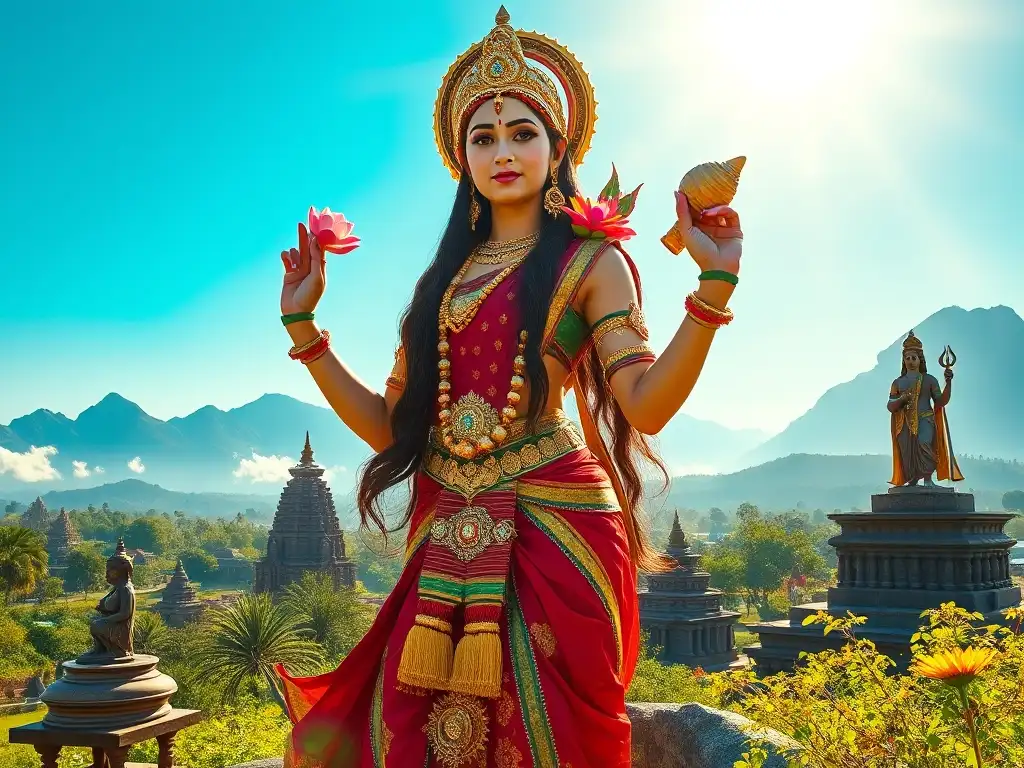
Welcome to Ancient India History, where we embark on an enthralling journey through the vibrant tapestry of India's past! Here, we delve deep into the significance of female deities in ancient India, exploring how these powerful figures shaped religious beliefs and societal norms. As we unearth the stories of the matriarchs of religion, prepare to discover the profound influence women had on the spiritual landscape of ancient civilizations, from the majestic Indus Valley to the illustrious Gupta Empire. Are you ready to uncover the divine feminine and its lasting legacy? Let your exploration begin!
Introduction to Female Deities in Ancient India
The tapestry of ancient Indian beliefs is richly woven with the threads of divine feminine power, embodied in a multitude of female deities. These goddesses not only played significant roles in religious narratives but also represented various aspects of life, nature, and morality within ancient Indian civilizations.
From the nurturing aspects of motherhood to the fierce qualities of war and protection, female deities in ancient India encompassed a diverse range of attributes that reflected the complexities of the society in which they were worshipped. Understanding these deities provides valuable insights into the historical and cultural context of women's roles in religion and philosophy, showcasing how they were revered and integrated into the spiritual lives of the people.
Overview of Female Deities in Ancient Indian Culture
In ancient India, female deities were not merely figures of worship but also symbols of power, strength, and fertility. Among the most prominent goddesses were:
- Durga: The fierce warrior goddess who represents the triumph of good over evil.
- Lakshmi: The goddess of wealth and prosperity, often depicted with gold coins and lotus flowers.
- Saraswati: The goddess of knowledge, music, and art, symbolizing wisdom and learning.
These deities, along with many others, played crucial roles in various religious practices, rituals, and festivals, showcasing the reverence for femininity in the spiritual realm. The worship of these goddesses often transcended mere devotion, evolving into a complex interplay of cultural narratives and societal values.
Importance of Women in Ancient Indian Religion
Women held a significant position within the religious frameworks of ancient India, not only as worshippers but also as vital figures in the narratives surrounding female deities. Their roles extended beyond the domestic sphere, influencing philosophical thoughts and practices. Here are some key points highlighting their importance:
- Spiritual Leaders: Women often acted as priests and spiritual guides, leading rituals and ceremonies.
- Cultural Icons: The representation of goddesses in art and literature influenced societal views on femininity and virtue.
- Custodians of Tradition: Women played a crucial role in preserving cultural and religious traditions, passing down knowledge through generations.
Through these roles, women contributed significantly to the religious landscape, ensuring that the divine feminine was recognized and celebrated.
Historical Context of Female Deities
Understanding the historical context of female deities in ancient India requires an exploration of the civilizations that flourished during this period, particularly the Indus Valley Civilization and its subsequent cultural developments.
The Role of Goddesses in Early Indian Civilizations
In early Indian civilizations, the worship of goddesses was integral to societal structures and belief systems. Archaeological findings suggest that female figures were often associated with fertility and prosperity, indicating a deep-rooted veneration for the feminine divine. Evidence such as terracotta figurines and seals from this era depict goddesses in various forms, emphasizing their importance in agricultural and domestic life. The reverence for these figures laid the foundation for the later, more structured pantheon of Hindu deities, where female goddesses would hold significant sway.
Influence of the Indus Valley Civilization on Female Deities
The Indus Valley Civilization, one of the world's earliest urban cultures, had a profound impact on the conceptualization of female deities in ancient India. The civilization's artifacts reveal a strong emphasis on goddess worship, with the discovery of numerous female figurines that are believed to represent fertility deities.
This early veneration of the feminine divine set a precedent for later religious practices, as these goddesses were often invoked for blessings of fertility and prosperity. The continuity of these beliefs can be traced through subsequent Indian cultures, illustrating how the legacy of the Indus Valley influenced the rich tapestry of female deities worshipped in later periods.
The exploration of female deities in ancient India uncovers a vibrant aspect of the country's religious history. These goddesses not only reflect the spiritual beliefs of the time but also highlight the significant contributions of women to the cultural and religious landscapes of ancient Indian civilizations.
Major Female Deities in Ancient Indian Beliefs
Ancient Indian beliefs are rich with a pantheon of female deities, each symbolizing various aspects of life, nature, and human experience. These goddesses are revered not only for their divine prowess but also for their representation of the feminine power that permeates the ancient Indian ethos. The major female deities include Durga, Lakshmi, Saraswati, and Parvati, each embodying unique attributes that reflect the roles of women in society as nurturers, warriors, and providers of wisdom.
Durga: The Warrior Goddess
Durga is one of the most celebrated goddesses in Hinduism, epitomizing strength and resilience. She is often depicted riding a lion or tiger, signifying her fierce nature and ability to combat evil. Durga was created from the collective energy of the gods to defeat the buffalo demon Mahishasura, who represented chaos and tyranny. This narrative illustrates her role as a protector of dharma (righteousness) and her capacity to restore balance in the universe.
Her ten arms, each holding a different weapon, symbolize the myriad ways in which she can combat negativity and protect her devotees. Festivals like Durga Puja celebrate her victory and the triumph of good over evil, emphasizing the empowerment of women and their capacity to challenge patriarchal norms.
Lakshmi: The Goddess of Wealth and Prosperity
Lakshmi, the goddess of wealth, prosperity, and abundance, holds a significant place in ancient Indian worship. She is often depicted seated on a lotus, symbolizing purity and beauty. Lakshmi is revered during festivals such as Diwali, where her blessings are sought for material and spiritual prosperity.
In her dual aspect, Lakshmi embodies both material wealth and spiritual richness, illustrating the balance between the two. Devotees believe that worshipping Lakshmi attracts prosperity, success, and happiness into their lives, highlighting the essential role women play as caretakers of household wealth and prosperity.
Saraswati: The Goddess of Knowledge and Arts
Saraswati is revered as the goddess of knowledge, music, art, wisdom, and learning. She is typically portrayed holding a veena (a musical instrument), a book, and a rosary, embodying the ideals of education and creativity. Saraswati is celebrated during Vasant Panchami, where devotees seek her blessings for academic success and artistic talents.
Her association with the Saraswati River signifies the flow of knowledge and the importance of education in ancient Indian society. As a symbol of wisdom, Saraswati emphasizes the vital role of women in the pursuit of intellectual and artistic endeavors.
Parvati: The Mother Goddess and Symbol of Fertility
Parvati, the consort of Lord Shiva, represents fertility, love, and devotion. Often depicted with a serene expression and nurturing demeanor, she embodies the ideal qualities of motherhood. Parvati's various manifestations, including Durga and Kali, show her dynamic nature, capable of both gentleness and ferocity.
Her stories often revolve around her dedication to Shiva and her determination to win his love, symbolizing the strength of women's devotion and the importance of relationships in society. Parvati is celebrated as a nurturing figure who fosters family bonds and maintains harmony within the household.
Characteristics and Symbolism of Female Deities
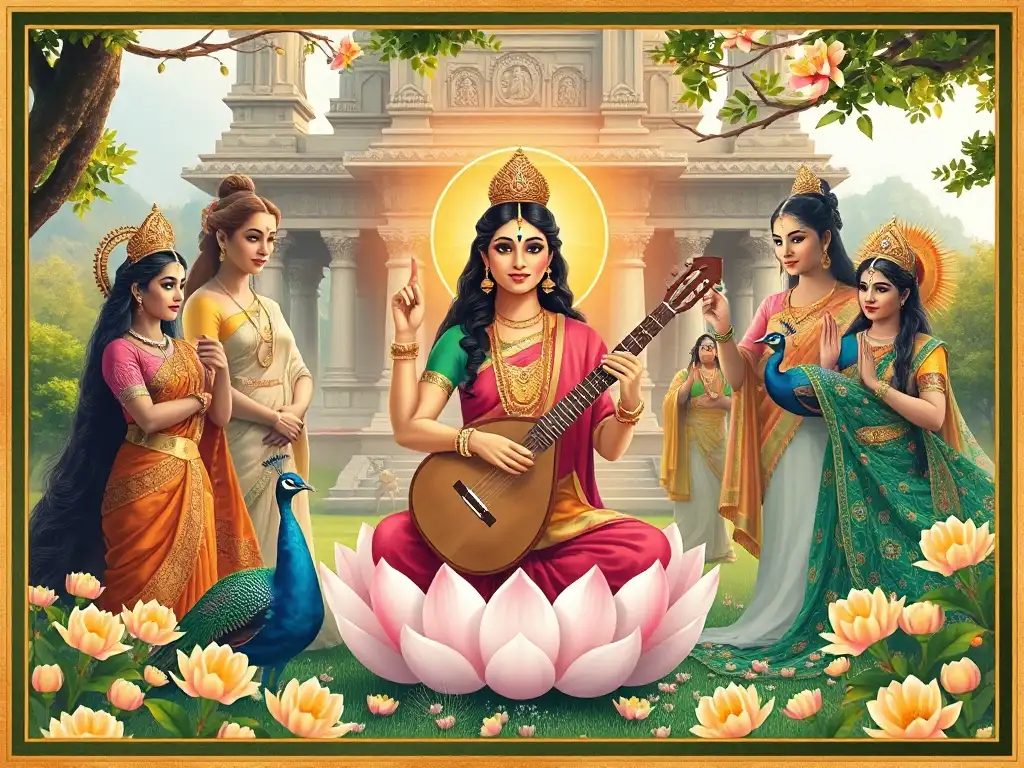
The female deities of ancient India possess distinct characteristics and symbolism that reflect their divine roles and the cultural values of the time. These deities are often depicted with rich iconography that conveys deeper meanings related to their powers and attributes.
Attributes and Iconography of Female Deities
Each female deity carries specific attributes that symbolize their divine roles:
- Durga: Weapons in her multiple arms signify her readiness to combat evil.
- Lakshmi: Gold coins and lotus flowers represent prosperity and purity.
- Saraswati: The veena and book symbolize music, wisdom, and education.
- Parvati: Flowers and fruits often accompany her, representing fertility and nurturing.
These attributes not only highlight their divine powers but also reflect the societal values surrounding femininity, strength, and nurturing roles within ancient Indian culture.
The Duality of Female Divine Figures: Nurturers and Warriors
Female deities in ancient Indian beliefs embody a duality that balances nurturing qualities with warrior traits. This duality is evident in figures like Durga and Kali, who represent the fierce aspects of femininity, while also embodying the nurturing essence of goddesses like Parvati and Lakshmi.
This duality challenges the traditional perception of women as solely caregivers. Instead, it acknowledges their capability to be fierce protectors and assertive figures in both spiritual and societal contexts. The celebration of these dual roles signifies the acknowledgment of women's strength, resilience, and multifaceted contributions to society and spirituality in ancient India.
The Evolution of Female Deities in Ancient Texts
The representation of female deities in ancient Indian texts reflects a dynamic evolution, showcasing the multifaceted roles women held within spiritual and societal frameworks. The earliest known texts, such as the Rigveda, highlight a range of goddesses who were venerated for their powers and attributes. Over time, the characterizations of these female deities evolved, adapting to societal changes and philosophical shifts.
In early Vedic texts, goddesses such as Aditi, the mother of the gods, and Ushas, the dawn goddess, were celebrated for their nurturing qualities and cosmic significance. As the religious landscape transformed, particularly with the influence of non-Vedic traditions, new goddesses emerged, embodying a wider spectrum of attributes, including those of war, knowledge, and wealth. This evolution signifies not only a shift in religious practices but also the growing recognition of women's roles in both the spiritual and temporal realms.
Representation in Vedic Literature
In Vedic literature, female deities are often portrayed as powerful and influential entities, contributing to the creation and sustenance of the universe. Aditi, for instance, is revered as the infinite mother who encompasses all deities. She symbolizes the nurturing aspect of the cosmos, reflecting the essential role women played in ancient Indian society as caretakers and nurturers.
Additionally, the Vedic texts introduce other prominent goddesses, such as Saraswati, the goddess of knowledge, music, and arts. Her representation emphasizes the importance of intellect and creativity, showcasing women's contributions to culture and education. Moreover, the goddess Durga appears as a fierce protector, embodying strength and resilience. This diverse representation illustrates the complexity of female deities in Vedic literature, aligning them closely with essential aspects of life, spirituality, and morality.
The Role of Goddesses in Epics: Ramayana and Mahabharata
The great Indian epics, the Ramayana and Mahabharata, further elaborate on the roles of female deities, illustrating their integral part in the narrative structure and moral lessons. In the Ramayana, Sita is not merely the wife of Lord Rama; she embodies the ideal of virtue, loyalty, and sacrifice. Her trials and tribulations highlight the struggles faced by women in society while also portraying strength and resilience in the face of adversity.
In the Mahabharata, female figures such as Draupadi emerge as vital characters whose actions and decisions drive the plot forward. Draupadi’s dignity, assertiveness, and eventual quest for justice underscore the significance of female agency. These narratives reflect a nuanced understanding of women's roles, presenting them as pivotal to the moral and ethical dilemmas faced by the characters, thus elevating their status within the religious and cultural contexts of ancient India.
Female Deities and the Concept of Shakti
The concept of Shakti, representing divine feminine energy, plays a central role in the reverence for female deities in ancient Indian beliefs. Shakti is not just an abstract idea; it signifies the dynamic energy that fuels creation, preservation, and destruction across the cosmos. This concept is fundamental to understanding the power attributed to female deities, as they are often viewed as embodiments of Shakti itself.
Understanding Shakti: The Divine Feminine Energy
Shakti is perceived as the source of all power and creativity, encompassing both nurturing and destructive aspects. In various traditions within Hinduism, Shakti is personified through goddesses like Parvati, Kali, and Durga, each representing different facets of this energy. Parvati symbolizes love and devotion, while Kali embodies fierce power and transformation. This duality reveals the complexities of femininity, suggesting that women hold the potential for both creation and destruction.
The idea of Shakti is also instrumental in the practices of Shaktism, a major sect within Hinduism that venerates the goddess as the ultimate reality. This perspective elevates female deities beyond mere representations of power to essential sources of spiritual and cosmic energy. Shakti, therefore, serves as a foundational concept, intertwining the divine feminine with the material world.
The Influence of Shakti on Female Deities in Ancient Indian Beliefs
The influence of Shakti on female deities has profound implications for their representation in ancient Indian beliefs. Each goddess is often depicted with attributes that reflect her connection to Shakti, showcasing her unique powers and roles within the pantheon. For example, Durga, who battles the buffalo demon Mahishasura, symbolizes the triumph of good over evil, illustrating the protective and transformative aspects of Shakti.
Moreover, the worship of these female deities is closely linked to rituals and practices aimed at harnessing Shakti's energy. Festivals, pujas, and other religious observances celebrate the power of goddesses, reinforcing their central role in community life and spiritual practice. As the embodiment of Shakti, female deities are not only revered for their divine qualities but also serve as inspirations for women's empowerment and agency in ancient Indian society.
The evolution and representation of female deities in ancient Indian texts and traditions reflect a rich tapestry of beliefs that honor the divine feminine. Through the lens of Shakti, these deities symbolize the complexities of femininity, embodying strength, resilience, and creativity that resonate throughout the history of ancient India.
Worship and Rituals Associated with Female Deities
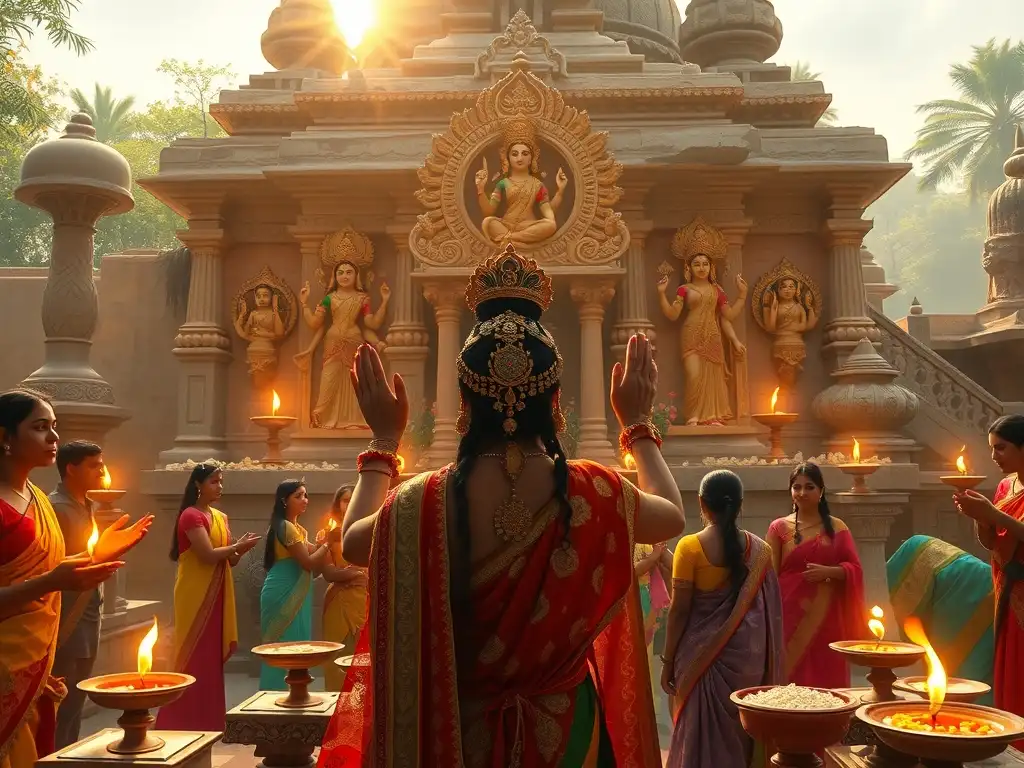
The worship of female deities in ancient India was an integral component of religious practices and societal norms. Various rituals were performed to honor goddesses, each uniquely reflecting their attributes and significance. These rituals often included offerings of flowers, food, and incense, symbolizing devotion and respect.
One of the most prominent forms of worship was through puja, a ritualistic offering to the deities. Devotees would gather at home or in temples to engage in prayers, chants, and hymns dedicated to specific goddesses such as Durga, Lakshmi, and Saraswati. The rituals were often accompanied by elaborate ceremonies during which the stories and legends of the goddesses were recounted, fostering a deep connection between the worshippers and the divine.
In addition to daily worship, various rites of passage, including weddings and childbirth, often involved invoking female deities to bless the individuals and ensure prosperity and health. These rituals not only reinforced the spiritual significance of women in societal roles but also underscored the belief that female deities were protectors and nurturers.
Festivals Celebrating Female Deities
Several festivals in ancient India celebrated the divine feminine, showcasing the reverence for female deities. One of the most significant is Navaratri, a nine-night festival dedicated to the worship of the goddess Durga. Each day of Navaratri is associated with different aspects of the goddess, emphasizing her multifaceted nature as a warrior, mother, and protector.
Another important festival is Vasant Panchami, which honors Saraswati, the goddess of knowledge, music, and arts. This festival marks the onset of spring and is characterized by the worship of books and musical instruments, reflecting the cultural importance of education and creativity.
Teej is another notable celebration, particularly in northern India, dedicated to the goddess Parvati. It involves fasting, singing, and dancing, symbolizing the reunion of Parvati with her husband, Shiva. Such festivals not only highlight the role of female deities in mythology but also serve as a platform for women to gather, celebrate, and reinforce their community bonds.
Sacred Sites and Temples Dedicated to Goddesses
Ancient India is dotted with numerous temples dedicated to female deities, each serving as a pilgrimage site for devotees. The Kamakhya Temple in Assam is one of the most revered sites, dedicated to the goddess Kamakhya, representing fertility and motherhood. This temple is particularly significant for its annual Ambubachi Mela, which celebrates the goddess's menstruation, symbolizing the power of feminine energy.
The Brahma Sarovar in Kurukshetra is another sacred site where devotees gather to worship female deities, particularly during the Chhath Puja, which honors the Sun God and his consort, symbolizing the cycle of life and nature.
Similarly, the Mahalakshmi Temple in Mumbai attracts thousands of worshippers who seek blessings for wealth and prosperity. Temples like these are not merely places of worship but also act as cultural hubs, hosting various festivities and rituals that keep the traditions of female deity worship alive through generations.
The Legacy of Female Deities in Contemporary Indian Culture
The legacy of female deities from ancient India continues to resonate in contemporary culture, influencing various aspects of life, spirituality, and social dynamics. The reverence for goddesses has led to a sustained recognition of women's roles in both the spiritual and material realms.
Influence on Modern Spirituality and Feminism
In recent years, there has been a resurgence of interest in the worship of female deities, paralleling the rise of feminist movements. Many modern spiritual practices draw inspiration from ancient beliefs, advocating the empowerment of women through the recognition of their divine qualities. The portrayal of female deities as embodiments of strength and wisdom provides a powerful narrative that resonates with contemporary feminist ideologies.
This influence is evident in literature, workshops, and community gatherings that emphasize the importance of the feminine divine, encouraging women to reclaim their spiritual heritage. The reinterpretation of goddesses like Durga and Kali as symbols of resistance against oppression empowers many to challenge societal norms and advocate for gender equality.
Representation of Female Deities in Art and Literature
The representation of female deities in art and literature has evolved, reflecting societal changes while maintaining a connection to their ancient roots. Traditional art forms, such as Madhubani and Warli paintings, often depict scenes from mythology that celebrate the virtues of goddesses, illustrating their power and grace.
In literature, contemporary authors have reimagined stories of female deities, presenting them as complex characters who navigate challenges and embody resilience. These narratives not only preserve the rich tapestry of ancient beliefs but also invite new interpretations that align with modern values.
The continued exploration of female deities in various art forms serves as a reminder of their enduring legacy and the vital role they play in shaping cultural identity and consciousness in India today.
Conclusion: The Enduring Influence of Female Deities in Ancient India
The rich tapestry of ancient Indian beliefs showcases the profound impact female deities have had on religion, culture, and society. These female figures, such as Durga, Kali, and Saraswati, have not only been worshipped but have also served as symbols of strength, wisdom, and nurturing qualities. Their representations in art, literature, and rituals emphasize their significance in the daily lives of ancient Indians. The reverence for female deities illustrates a holistic understanding of the divine, encompassing both masculine and feminine energies, which is pivotal in the spiritual narrative of ancient India.
The influence of these deities persists to this day, with many contemporary spiritual practices and cultural celebrations continuing to honor these ancient figures. Festivals like Durga Puja and Navaratri not only celebrate the goddess's power but also reflect the ongoing veneration of feminine divinity in Indian society. This enduring influence underscores the vital role female deities play in shaping religious thought, cultural identity, and philosophical discourse, bridging ancient beliefs with modern interpretations.
Reflection on the Importance of Female Deities in Historical Context
The historical context of female deities in ancient India reveals a society that acknowledged and celebrated the feminine principle. Ancient texts, such as the Vedas and Puranas, depict goddesses as embodiments of various aspects of life, including fertility, knowledge, and destruction. This multifaceted representation allowed for a nuanced understanding of the world, where the divine feminine was integral to the balance of cosmic forces.
Moreover, the worship of female deities often coincided with matrilineal practices in certain regions, indicating a recognition of women's roles in both spiritual and social spheres. The presence of goddesses in temples and the establishment of female-centric rituals are testaments to their importance within the socio-religious fabric of ancient India. By studying these historical contexts, we gain insights into the complexities of gender dynamics and the pivotal role women played in shaping religious narratives.
Future Perspectives on the Study of Female Deities in Religion and Philosophy
As we move forward in the study of female deities in ancient Indian religion and philosophy, it is crucial to adopt an interdisciplinary approach that encompasses history, anthropology, and gender studies. This perspective will allow researchers to explore the evolving interpretations and representations of female deities across different time periods and cultural contexts.
Future scholarship should focus on the socio-political implications of goddess worship and how these deities have influenced contemporary gender issues within Indian society. Additionally, incorporating comparative studies with female deities from other cultures can enrich our understanding of the universal themes of femininity and divinity.
Moreover, there is a need for more inclusive narratives that highlight lesser-known goddesses and local traditions, as they contribute significantly to the diverse landscape of female divine figures. By embracing a broader scope in research, we can continue to uncover the vital roles these deities play in both historical and modern contexts, ensuring that the legacy of female deities in ancient India remains a vibrant area of exploration.
- Introduction to Female Deities in Ancient India
- Historical Context of Female Deities
- Major Female Deities in Ancient Indian Beliefs
- Characteristics and Symbolism of Female Deities
- The Evolution of Female Deities in Ancient Texts
- Female Deities and the Concept of Shakti
- Worship and Rituals Associated with Female Deities
- The Legacy of Female Deities in Contemporary Indian Culture
- Conclusion: The Enduring Influence of Female Deities in Ancient India
- What role did female deities play in ancient Indian religions?
- Who are some notable female deities in ancient Indian history?
- How were female deities depicted in ancient Indian art and literature?
- What significance did female deities hold in social structures of ancient India?
- How did the worship of female deities evolve over time in ancient India?
Frequently Asked Questions
What role did female deities play in ancient Indian religions?
Female deities were central to ancient Indian beliefs, symbolizing fertility, prosperity, and wisdom. They were often worshipped for their nurturing qualities and as protectors of the home and family.
Who are some notable female deities in ancient Indian history?
Some prominent female deities include Saraswati, the goddess of knowledge; Lakshmi, the goddess of wealth; and Durga, who embodies strength and protection. Each played a vital role in the spiritual and cultural practices of ancient India.
How were female deities depicted in ancient Indian art and literature?
Female deities were often depicted in sculptures, paintings, and poetry as powerful and nurturing figures. Their representations highlighted their divine attributes, showcasing them with specific symbols and attributes that conveyed their unique characteristics.
Female deities often influenced social norms and gender roles, reflecting a society that revered the feminine. They were seen as embodiments of strength, leading to a societal respect for women as mothers and guardians.
How did the worship of female deities evolve over time in ancient India?
Over time, the worship of female deities evolved from local traditions to more widespread recognition in texts like the Vedas and Puranas. This evolution marked an increasing acceptance of female power in both spiritual and secular realms.
Final Reflection: Embracing the Divine Feminine in Ancient Indian Beliefs
The exploration of female deities in ancient India reveals a profound connection between spirituality and gender that remains strikingly relevant today. As we navigate a world still grappling with gender inequality and the quest for balance, the reverence for female deities in ancient Indian beliefs serves as a powerful reminder of the strength and wisdom that women embody. These matriarchs not only shaped the spiritual landscape of their time but also continue to inspire contemporary discussions around femininity and divinity.
The influence of these female deities extends far beyond historical texts; they have woven themselves into the very fabric of cultural and social identity. Their stories resonate with the struggles and triumphs of women throughout history, providing a source of empowerment and inspiration. As we reflect on the ongoing impact of these matriarchs, we can recall the words of the poet Rumi: The wound is the place where the Light enters you.
This sentiment encapsulates the idea that acknowledging and celebrating the feminine divine can illuminate paths toward healing and understanding in our own lives and communities.
As we conclude this journey through the rich tapestry of female deities in ancient India, I invite you to reflect on the lessons these powerful figures impart. Consider how their stories can inspire you to embrace your own strength and wisdom, and encourage you to honor the feminine aspects within yourself and others. Let us carry forward the legacy of these matriarchs, fostering a deeper appreciation for the divine feminine in our lives and striving for a more equitable world where all voices are celebrated.
Unveil the Power of the Divine Feminine!
Thank you for exploring the fascinating world of female deities in ancient Indian beliefs! You've taken a step into the rich tapestry of spirituality and tradition that has shaped cultural identities over centuries. Now, let's keep the momentum going with some actionable steps you can take to deepen your understanding and appreciation of these powerful figures.
- Dive deeper into the lore: Read about each female deity and their significance in various aspects of life. Consider starting a journal to reflect on how these stories resonate with you.
- Connect with community: Join a discussion group or online forum dedicated to ancient Indian spirituality to share insights and learn from diverse perspectives.
- Spread the word: Share this article with friends or on social media to inspire others to discover the profound impact of these influential figures!
What insights did you uncover about the divine feminine that challenge your perceptions of spirituality? Let’s discuss in the comments!