
The Role of Rituals and Traditions in Property Inheritance Practices


Welcome to Ancient India History, where we delve into the rich tapestry of India's past. Discover how the ancient Indian inheritance traditions shaped societies and influenced legal systems long before modern laws came into being. In our featured article, "The Role of Rituals and Traditions in Property Inheritance Practices," we unravel the fascinating rituals that governed the passage of wealth and status through generations. Join us on this journey through time, and uncover the legacies that continue to resonate in contemporary India. Your exploration of ancient wisdom and cultural richness starts here!
Introduction to Ancient Indian Inheritance Traditions
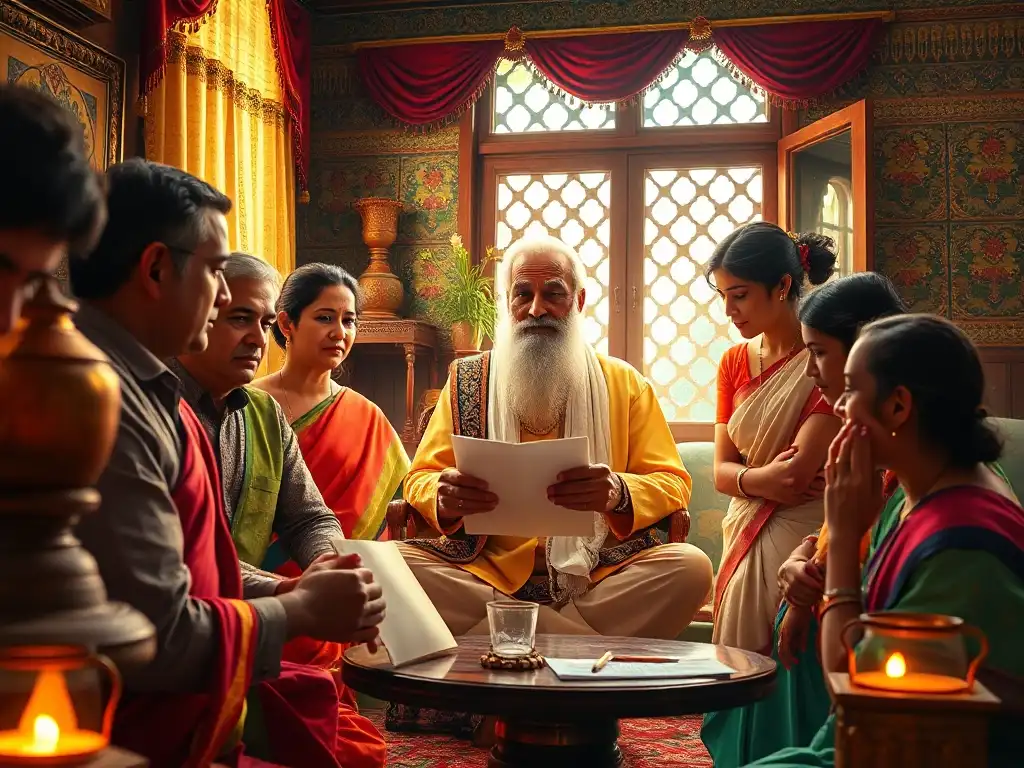
The intricate tapestry of ancient Indian inheritance traditions reveals a profound connection between rituals, cultural practices, and the legal frameworks that governed property distribution. In a society where lineage and familial ties were paramount, the transmission of property from one generation to the next was not merely a legal transaction but a ritualistic and cultural event imbued with significance.
This article delves into the role of these rituals and traditions in shaping property inheritance practices throughout ancient India, examining how they reflect the values and beliefs of past civilizations. As we explore this topic, we will uncover the essential elements of ancient Indian inheritance traditions and their impact on legal systems that have evolved over millennia.
Overview of Property Inheritance in Ancient India
Property inheritance in ancient India was largely influenced by social hierarchy, family structure, and the prevailing cultural norms. In many ancient societies, the joint family system played a crucial role, where property was often held collectively rather than individually. This collective ownership was guided by a set of traditions that defined how property would be distributed among heirs, primarily focusing on male descendants.
Key Aspects of Property Inheritance:
- Patrilineal Systems: Most ancient Indian societies followed a patrilineal system, where property was inherited through male heirs. Sons typically had the right to inherit family property, while daughters were often given a dowry instead.
- Role of Elders: The decisions regarding property distribution were commonly made by family elders or patriarchs, who would ensure that the inheritance followed traditional norms.
- Ritualistic Practices: Rituals were integral to inheritance, with ceremonies marking the transfer of property. These included homage offerings to ancestors, ensuring blessings for the new owners.
Importance of Rituals and Traditions in Inheritance
Rituals and traditions served as the backbone of property inheritance practices in ancient India. They were not merely formalities but held deep cultural and spiritual significance.
Significance of Rituals:
- Cultural Identity: Inheritance rituals reinforced family ties and cultural identity, acting as a reminder of one's lineage and heritage.
- Spiritual Connection: Many traditions included spiritual elements, where rituals were performed to seek blessings from ancestors, thereby ensuring a prosperous transfer of property.
- Conflict Resolution: Rituals often provided a framework for resolving disputes related to inheritance, offering a structured approach to address grievances among heirs.
Historical Context of Inheritance Practices
Understanding the historical context of inheritance practices in ancient India involves examining the evolution of laws and the influence of religious texts that shaped these traditions.
Evolution of Inheritance Laws in Ancient India
The evolution of inheritance laws in ancient India can be traced through various dynasties and periods. Initially, customary laws governed inheritance, but over time, these were codified in legal texts, reflecting changing societal norms.
- Vedic Period: The Vedic texts laid the foundations for inheritance practices, emphasizing the importance of familial duties and responsibilities.
- Dharma Shastras: Legal texts like the Manusmriti outlined specific rules for property inheritance, including the rights of sons, daughters, and widows, reflecting the complexities of social structures.
- Regional Variations: Different regions in India exhibited variations in inheritance laws, influenced by local customs and practices.
Influence of Religious Texts on Inheritance Traditions
Religious texts played a pivotal role in shaping the beliefs and practices surrounding inheritance in ancient India.
- Hindu Scriptures: Texts such as the Manusmriti and Yajnavalkya Smriti provided guidelines on property rights, emphasizing the duties of sons to care for their parents and the need to uphold family honor.
- Buddhist and Jain Influences: Other religious traditions also contributed to inheritance practices, often advocating for equality and compassion in property distribution, which introduced alternative perspectives on familial obligations.
The exploration of rituals and traditions in property inheritance practices provides valuable insights into the legal systems and cultural dynamics of ancient Indian civilizations. By understanding these historical contexts, we can appreciate the profound impact of ancient Indian inheritance traditions on contemporary practices and legal frameworks.
Key Rituals Associated with Property Inheritance
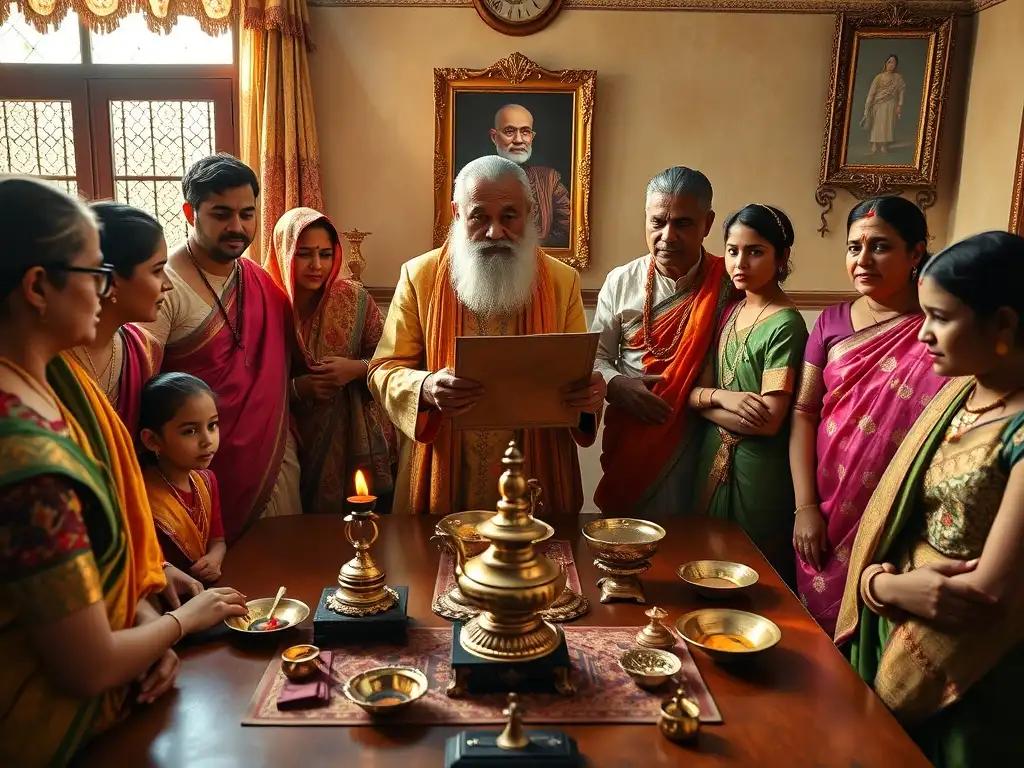
In ancient India, property inheritance was deeply intertwined with various rituals and traditions that underscored the cultural values of the time. These rituals not only served as formal ceremonies for the transfer of property but also symbolized the continuity of familial and societal bonds. The key rituals often included:
- Pitru Paksha: A period dedicated to honoring ancestors, where offerings were made to ensure blessings for the rightful heirs.
- Kanya Daan: This ritual, often associated with marriage, also had implications for property inheritance, as it symbolized the transfer of a daughter’s rights to her husband’s family.
- Homa (Fire Sacrifice): Conducted during important ceremonies, it was believed that the presence of fire sanctified the transfer and protected the interests of the heirs.
These rituals were not merely ceremonial; they were integral to the legal and social framework governing inheritance, reinforcing the legitimacy of the heirs' claims.
Significance of Rituals in the Transfer of Property
Rituals played a crucial role in the transfer of property in ancient India, serving multiple functions. Firstly, they acted as a public declaration of the transfer, ensuring communal recognition of the new ownership. This public aspect was vital, as property disputes were common, and rituals minimized potential conflicts by establishing clear lines of inheritance.
Secondly, rituals imbued the process with spiritual significance. The belief that ancestral blessings were necessary for the prosperity of the new owner meant that these ceremonies transcended mere legal formalities. They reinforced the idea that property was not just a material possession but also a spiritual legacy that carried the family's honor and identity.
Lastly, the performance of these rituals often involved the participation of community elders or priests, which added an additional layer of credibility and legitimacy to the inheritance process. This communal involvement ensured that the traditions were respected and upheld across generations.
Common Rituals in Different Regions of Ancient India
The diversity of ancient Indian cultures led to variations in inheritance rituals across different regions. Here are some common practices:
- North India: In northern states, rituals often involved elaborate ceremonies with extensive family participation. Sankalp (vow) and Puja (worship) were common during property transfers, often accompanied by feasts and celebrations.
- South India: The Muhurta (auspicious time) for property transfer was meticulously calculated, and rituals such as Nandi (offering to the bull) were common, emphasizing the agricultural roots of property.
- East India: In Bengal, the Bhauneshwar ritual was significant, where property was formally handed over in a ceremonial manner, often involving symbolic gifts to the heirs.
- West India: The Grihapravesh (housewarming) ceremony was essential when property changed hands, marking the new owner's entry into their inherited space.
These regional variations highlight the rich tapestry of rituals that governed property inheritance, reflecting local customs and beliefs.
Traditions Affecting Inheritance Rights
The traditions surrounding property inheritance in ancient India were profoundly influenced by social structures, particularly gender roles and caste systems. These traditions not only shaped individual rights but also dictated the broader dynamics of property distribution within society.
Gender Roles in Inheritance Traditions
Gender significantly influenced inheritance rights in ancient India. Traditionally, property was primarily passed down through male heirs, often sidelining women. However, there were notable exceptions based on specific texts and practices. For instance, the Manusmriti outlined certain rights for women, allowing them to inherit property under specific conditions, especially in the absence of male heirs.
Women's roles varied across regions; in matrilineal societies, such as among the Nairs of Kerala, women held significant property rights, and inheritance passed through the female line. Such traditions fostered women's agency in property matters, although these were not universally applicable across ancient Indian society.
The Impact of Caste Systems on Property Distribution
The caste system played a pivotal role in shaping property inheritance practices in ancient India. Each caste had its own rules and customs regarding property rights. For example:
- Brahmins: Inherited property primarily through male descendants, but also had provisions for daughters, reflecting their higher social status.
- Kshatriyas: Focused on maintaining family honor and lineage, often involving complex arrangements to ensure that property remained within the warrior class.
- Vaishyas: Engaged in trade and agriculture, typically favoring male heirs, but also recognized the importance of female family members in managing businesses and properties.
- Shudras: Often had limited rights, with property mostly controlled by the higher castes, reflecting their lower social status.
The intersection of caste and property inheritance traditions created a multi-faceted system where rights and obligations were dictated by social hierarchy, affecting the distribution of wealth and resources across ancient Indian society.
Case Studies of Inheritance Practices
The study of inheritance practices in ancient India reveals a complex interplay between rituals, traditions, and legal frameworks that governed property distribution. Notably, regions such as the Indus Valley, Vedic society, and later kingdoms like the Maurya and Gupta empires illustrate the evolution of these practices. Inheritance was often influenced by caste, gender, and family lineage, leading to distinct practices across different communities.
In the Indus Valley Civilization, archaeological evidence suggests that property ownership was significant, with families likely passing down land and resources. However, the lack of written records limits our understanding. In contrast, Vedic texts, like the Rigveda, provide insight into inheritance customs, emphasizing the primacy of male heirs while also acknowledging the rights of women in certain contexts, such as the concept of Stridhana—property that a woman receives at marriage.
As we move into the Maurya and Gupta periods, legal texts like the Manusmriti offer more structured inheritance laws, outlining the roles of sons, daughters, and widows in property claims. These texts highlight the patriarchal nature of inheritance but also reflect the importance of rituals and familial obligations in property transfers.
Examination of Specific Regions and Their Traditions
Different regions of ancient India exhibited unique inheritance practices shaped by local customs and socio-political dynamics. For example, in northern India, the patrilineal system dominated, where property was typically inherited through male descendants. The Manusmriti articulated these norms, asserting that sons are entitled to a share of the father's estate, while daughters were often excluded unless specified by the father’s will.
Conversely, in southern India, matrilineal inheritance was more prevalent, particularly among certain communities, such as the Nairs of Kerala. Here, property was passed through the female line, and women held significant economic power. The practice of Makkathayam allowed the eldest daughter to inherit family property, reflecting a contrasting approach to gender in inheritance compared to the north.
In tribal communities, inheritance practices varied widely. Some tribes followed communal ownership principles, where land was held collectively, while others adhered to individual inheritance systems influenced by local customs and traditions. These regional variations underscore the diversity of ancient Indian inheritance traditions.
Analysis of Historical Texts and Inheritance Laws
The examination of historical texts reveals critical insights into the legal frameworks surrounding inheritance in ancient India. Texts such as the Dharmashastras and Niti Shastras were instrumental in codifying inheritance laws. The Manusmriti, for instance, delineates the rights of heirs and stipulates the roles of different family members in property succession.
One notable aspect is the emphasis on rituals accompanying property transfer. For example, the performance of specific rites, such as Shraddha (funeral rites), was often a prerequisite for the formal recognition of inheritance. This highlights the intertwining of legal and religious practices in the context of property inheritance.
Moreover, the Yajnavalkya Smriti introduced more egalitarian principles, allowing daughters to inherit along with sons under certain conditions. This reflects a gradual evolution in perceptions of gender roles and property rights, suggesting that inheritance practices were not static but responsive to changing societal values.
Comparison of Ancient Indian Inheritance Traditions with Other Cultures
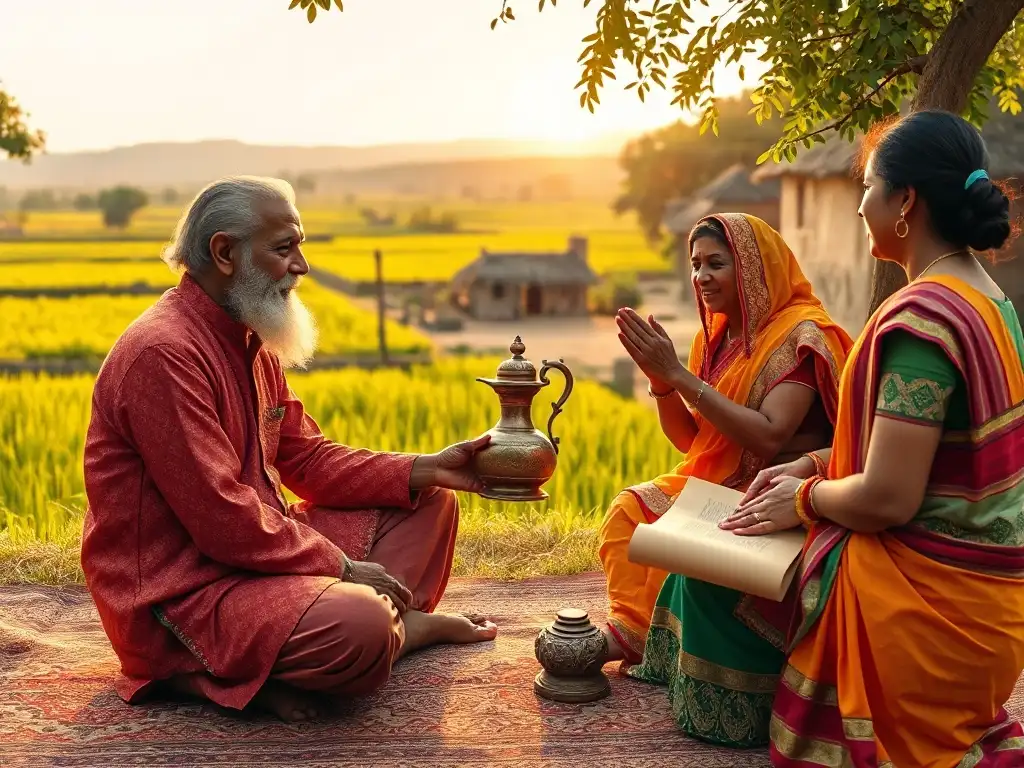
The inheritance traditions of ancient India can be meaningfully compared with those of other civilizations, such as ancient Rome and Mesopotamia. These comparisons reveal both similarities and differences, offering insights into the universal themes of property rights and familial obligations.
Similarities and Differences with Ancient Roman Inheritance Practices
Ancient Roman inheritance practices were primarily governed by legal codes like the Twelve Tables and later, the Codex Justinianus. Similar to ancient India, Roman law recognized the importance of male heirs, with primary rights granted to sons. However, Roman law also allowed for more flexible testamentary dispositions, enabling individuals to bequeath property through wills, a mechanism less emphasized in early Indian texts.
Additionally, while both cultures recognized the role of women in property ownership, the scope of these rights differed. In Rome, women could own and manage property but typically had limited rights to inherit unless explicitly stated in a will. In contrast, ancient Indian texts like the Manusmriti often relegated women to secondary statuses, although exceptions existed, particularly in later texts.
Lessons from Other Civilizations’ Approaches to Property Inheritance
Examining inheritance practices from other civilizations, such as the Egyptians and Greeks, provides valuable lessons for understanding the dynamics of property rights. Egyptian inheritance was often matrilineal, with women enjoying substantial property rights, which contrasts sharply with the patriarchal norms prevalent in ancient India. This highlights the possibility of alternative models for property inheritance that could empower women.
Similarly, ancient Greek inheritance practices, particularly among the Athenians, allowed for some degree of female inheritance rights through mechanisms like dowries. The interplay between social status, gender, and property rights in these cultures emphasizes the importance of context in shaping inheritance laws.
Ultimately, studying these diverse approaches informs modern discussions on inheritance rights, suggesting that ancient practices can provide a framework for re-evaluating contemporary inheritance laws and gender equality in property ownership.
Conclusion
The exploration of ancient Indian inheritance traditions reveals a deeply embedded system where rituals and cultural practices played a pivotal role in the transmission of property across generations. These customs were not only legal frameworks but also a reflection of the societal values, beliefs, and family dynamics of the time. Understanding these traditions provides insight into how property rights and familial duties were perceived and enforced, shaping the very fabric of ancient Indian society.
Summary of the Role of Rituals and Traditions in Inheritance
Rituals and traditions in ancient India served as the backbone of inheritance practices, influencing how property was allocated and contested. Often intertwined with religious beliefs, these customs dictated that property could only be inherited by male heirs, ensuring the continuity of family lineage. Important ceremonies, such as the Griha Pravesh (housewarming), marked the transfer of property, while rituals like Shraddha (funeral rites) reaffirmed the connection between the living and the deceased, thereby legitimizing the inheritance process. The significance of these rituals extended beyond mere economic transactions; they reinforced social cohesion and family unity.
The Legacy of Ancient Indian Inheritance Practices in Modern Law
The inheritance practices of ancient India have left a lasting impact on contemporary Indian legal systems. Many principles from these traditions have been codified into modern property laws, including the recognition of joint family systems and the rights of female heirs. The Hindu Succession Act of 1956, for instance, illustrates this legacy by providing equal rights to daughters in the inheritance of parental property, a significant shift from the traditionally male-dominated inheritance norms. This evolution underscores the continuing influence of ancient customs on current legal frameworks, demonstrating how historical practices can adapt and persist in modern society.
References
Key Texts and Sources on Ancient Indian Inheritance Traditions
- Manusmriti - Often referred to as the "Laws of Manu," this ancient text outlines the legal and social norms, including inheritance practices prevalent in Vedic society.
- Yajnavalkya Smriti - This text elaborates on property rights and duties, providing another perspective on inheritance laws in ancient India.
- Kautilya's Arthashastra - While primarily a treatise on statecraft, it also includes discussions on economic policies and property management, reflecting on the socio-economic aspects of inheritance.
Further Reading on Property and Inheritance Laws in Ancient India
- "The Hindu Law of Inheritance" by S. M. Dutta - A comprehensive study of the evolution of inheritance laws among Hindus, tracing their roots from ancient times to the modern era.
- "Women and Property in Ancient India" by R. P. K. Sharma - This work examines the role of women in property inheritance, shedding light on gender dynamics within ancient legal traditions.
- "Property Rights in Ancient India" by K. S. Shukla - An analysis of property rights, focusing on how different dynasties influenced inheritance systems across various regions of India.
These readings provide a deeper understanding of the complexities and nuances of ancient Indian inheritance traditions, enriching the discourse on property rights and cultural practices.
- Introduction to Ancient Indian Inheritance Traditions
- Overview of Property Inheritance in Ancient India
- Importance of Rituals and Traditions in Inheritance
- Historical Context of Inheritance Practices
- Key Rituals Associated with Property Inheritance
- Traditions Affecting Inheritance Rights
- Case Studies of Inheritance Practices
- Comparison of Ancient Indian Inheritance Traditions with Other Cultures
- Conclusion
- References
- What are ancient Indian inheritance traditions?
- How did rituals influence property inheritance in ancient India?
- What significance did the Indus Valley Civilization have on inheritance practices?
- How did the Gupta Empire impact inheritance laws?
- Are there any modern remnants of these ancient practices?
Frequently Asked Questions
What are ancient Indian inheritance traditions?
Ancient Indian inheritance traditions refer to the customs and practices surrounding the transfer of property and wealth among families, deeply rooted in religious and cultural beliefs.
How did rituals influence property inheritance in ancient India?
Rituals played a crucial role in property inheritance by establishing legal and moral obligations, ensuring that the process was respected and adhered to by family members.
What significance did the Indus Valley Civilization have on inheritance practices?
The Indus Valley Civilization laid the groundwork for future inheritance traditions by promoting community-based living and shared resources, which influenced the early practices of property distribution.
How did the Gupta Empire impact inheritance laws?
During the Gupta Empire, inheritance laws became more structured, reflecting a shift towards patriarchy and formalized legal systems, which defined how property was divided among heirs.
Are there any modern remnants of these ancient practices?
Yes, many modern inheritance laws in India still reflect ancient traditions, such as joint family systems and the importance of rituals, indicating the lasting influence of ancient Indian inheritance traditions.
Final Reflection: The Enduring Legacy of Ancient Indian Inheritance Traditions
The exploration of ancient Indian inheritance traditions reveals their profound impact on contemporary property inheritance practices. These rituals and customs, steeped in history, continue to shape not only the legal frameworks surrounding property but also the cultural values that govern familial relationships today. As we navigate the complexities of modern society, understanding these traditions offers invaluable insights into our collective identity and the ways we honor our ancestors.
The influence of these ancient practices extends beyond mere legalities; they resonate deeply within the fabric of our social interactions and familial bonds. The rituals surrounding inheritance are not just about the transfer of property; they embody respect, duty, and continuity. As noted by cultural historian Dr. Anjali Rao, Traditions are the threads that weave our past into the present, reminding us of who we are and where we come from.
This perspective highlights the importance of preserving these customs, as they foster a sense of belonging and connection across generations.
As we reflect on the significance of these inheritance traditions, I invite you to consider how they resonate in your own life. How do the values and customs of your heritage shape your understanding of family and property? Embrace the opportunity to explore and honor your own traditions, recognizing that they are not just relics of the past but living practices that can guide us into the future. By engaging with these rituals, we can cultivate a deeper appreciation for our roots and the legacies we wish to pass on.
Embrace Traditions and Shape Your Legacy!
Thank you for diving into the rich world of rituals and traditions in property inheritance practices. By exploring these fascinating aspects, you've gained valuable insights into how culture shapes our understanding of legacy and family ties. Now, it's time to take these lessons to heart and make a meaningful impact!
Here are some actionable steps you can take:
- Reflect on your own family traditions: Gather with loved ones and share stories about how your family has approached inheritance and legacy. **Consider the unique practices that have been passed down through generations. **
- Explore local customs: Research the inheritance rituals specific to your community or culture. **You may uncover surprising traditions that can inspire rich conversations! **
- Share your knowledge: Engage with friends or online communities to discuss the significance of property inheritance and its connection to cultural identity. **Your insights can ignite meaningful discussions! **
What unique ritual from your heritage do you believe has the most significant impact on our current perspectives of inheritance?