
How Ancient Inheritance Laws Empowered Women: A Closer Look


Welcome to Ancient India History, where we delve into the rich tapestry of India's past, illuminating the remarkable cultures and groundbreaking contributions that shaped a civilization. In this article, “How Ancient Inheritance Laws Empowered Women: A Closer Look,” we uncover the fascinating intricacies of Ancient Indian inheritance laws, revealing how these legal frameworks not only structured society but also championed the rights and empowerment of women. Prepare to embark on a journey through time that uncovers the profound impact of these laws, sparking your curiosity and inviting you to explore the depths of India's legal history.
- Introduction to Ancient Indian Inheritance Laws
- Historical Context of Ancient Indian Inheritance Laws
- Empowerment of Women through Inheritance Laws
- Types of Inheritance Laws in Ancient India
- Legal Framework Supporting Women's Rights
- Challenges and Limitations of Ancient Inheritance Laws
- Legacy of Ancient Indian Inheritance Laws
- Conclusion
- Frequently Asked Questions
- Final Reflection: Empowering Women Through Ancient Inheritance Laws
- Empower Yourself: Embrace the Legacy of Ancient Wisdom!
Introduction to Ancient Indian Inheritance Laws
The exploration of ancient Indian inheritance laws reveals a complex tapestry of legal practices that significantly shaped the lives of women in Indian society. These laws, deeply rooted in the socio-economic and cultural framework of ancient civilizations, provided women with certain rights and protections regarding property and inheritance.
By examining these legal provisions, we can gain a clearer understanding of how they empowered women, enabling them to assert their rights within a patriarchal framework. This article delves into the nuances of inheritance laws in ancient India, highlighting their historical context, significance, and the ways in which they contributed to women's status in society.
Overview of Inheritance Laws in Ancient India
Ancient Indian inheritance laws were influenced by various texts, including the Vedas, Smritis, and later legal commentaries. These laws varied across regions and communities, reflecting diverse practices and interpretations. Here are some key points regarding these laws:
- Vedic Period:
- The Manusmriti, an ancient legal text, laid out the framework for inheritance and property rights. It recognized women's rights to inherit property, albeit in limited circumstances.
- Women were often entitled to a share of their father’s property, but this was typically conditional on their marital status and the presence of male heirs.
- Post-Vedic Developments:
- In later texts, women were granted more explicit rights to inheritance. For instance, the Dharmashastra texts elaborated on the rights of daughters and widows.
- The concept of Stridhan, or women's property, emerged, which included gifts and inheritances specifically designated for women, allowing them a degree of financial independence.
- Regional Variations:
- In some communities, women enjoyed more progressive inheritance rights. For example, in certain South Indian societies, women had equal rights to ancestral property.
- The laws were often shaped by customs and local practices, leading to a significant diversity in inheritance rights across different regions.
Importance of Inheritance Laws for Women
The significance of inheritance laws in ancient India cannot be overstated, particularly regarding their impact on women's empowerment and social status. These laws played a crucial role in:
- Economic Independence:
- By granting women rights to property, inheritance laws provided them with financial resources that could enhance their status within the family and society.
- Women could engage in economic activities, thereby gaining autonomy and reducing dependency on male relatives.
- Social Security:
- Inheritance laws served as a safety net for women, particularly widows and unmarried daughters, ensuring their survival and dignity in a patriarchal society.
- Ownership of property often translated into social respect and recognition, allowing women to participate more actively in community affairs.
- Legal Recognition:
- The acknowledgment of women's rights in inheritance laws marked a significant step toward gender equality within the legal framework.
- These laws laid the groundwork for future reforms and movements advocating for women's rights in India, influencing contemporary legal practices.
Ancient Indian inheritance laws were more than mere regulations; they were instrumental in shaping women's roles and statuses in society, providing them with avenues for empowerment and security. Understanding these laws not only sheds light on the past but also informs current discussions on gender equality and property rights.
Historical Context of Ancient Indian Inheritance Laws

Evolution of Property Rights in Ancient India
The evolution of property rights in ancient India is a complex tapestry woven through various social, cultural, and legal frameworks. From the early Vedic period to the Gupta Empire, the notion of ownership and inheritance underwent significant transformations, largely influenced by religious texts, societal norms, and economic factors.
- Vedic Period: In the early Vedic period, property was primarily communal, with a focus on collective ownership. However, as society evolved, individual ownership began to emerge, particularly among the warrior and agrarian classes. Women, although often relegated to subordinate roles, had rights to property through their fathers and husbands.
- Post-Vedic Developments: During the later Vedic period, the concept of stridhana emerged, which referred to the wealth a woman could claim as her own, including gifts received at marriage. This laid the groundwork for recognizing women’s rights in inheritance.
- Smriti Texts Influence: The Dharmashastras, particularly the Manusmriti, played a crucial role in codifying inheritance laws. While these texts often upheld patriarchal views, they also provided women with specific rights to inherit property, especially in the absence of male heirs.
- Medieval Period: By the medieval period, inheritance laws became more stratified, often influenced by regional customs and local practices. Women in higher castes had more defined rights compared to those from lower castes, showcasing a nuanced landscape of property rights.
This evolution reflects the dynamic nature of ancient Indian society, where legal frameworks adapted to changing social structures, thereby empowering women to some extent through property rights.
Key Texts and Scriptures Addressing Inheritance
Several ancient texts and scriptures play a pivotal role in understanding the inheritance laws in ancient India, specifically regarding women's rights. These texts not only outline the legal frameworks but also reflect the cultural attitudes toward inheritance and property.
-
Manusmriti: One of the most referenced texts in discussions of inheritance laws, the Manusmriti codifies various aspects of social law, including property rights. It asserts that women are entitled to inherit property, particularly stridhana, which includes gifts and property given to her by her family. Notably, it states:
A woman shall have the right to inherit the property of her husband and father.
-
Yajnavalkya Smriti: This text further elaborates on women's rights concerning property, emphasizing that women can inherit in the absence of male heirs. It also outlines the procedures for inheritance, reflecting a more systematic approach to property laws during its time.
-
Narada Smriti: The Narada Smriti discusses the rights of women and provides clarity on the division of property, reinforcing that a widow has the right to her deceased husband’s property. This text contributes to the understanding of inheritance within different familial contexts.
-
Arthashastra: Kautilya’s Arthashastra, while primarily a treatise on statecraft and economics, touches upon property rights and the role of women in property management, showcasing the practical implications of inheritance laws in governance.
These texts illustrate that ancient Indian inheritance laws were not monolithic; they were subject to interpretation and adaptation over time. They provided essential insights into how women navigated their rights within the constraints of their social environments, often using these laws as a means of empowerment.
Empowerment of Women through Inheritance Laws
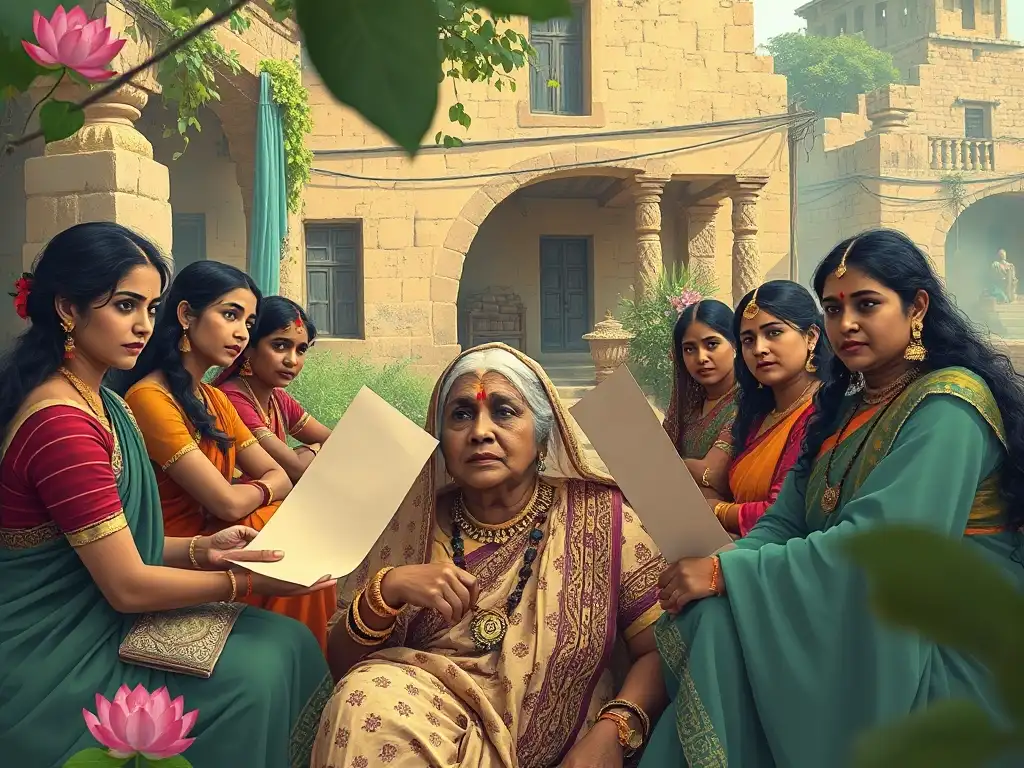
Ancient Indian inheritance laws played a pivotal role in empowering women, granting them rights and resources that were often overlooked in other ancient societies. These laws were not merely legal codes but reflected the socio-cultural dynamics of the time, allowing women to inherit property and secure their financial independence. This empowerment was crucial in a patriarchal society, where economic security often translated into social status and autonomy.
Women’s Rights in Ancient Indian Society
In ancient India, women enjoyed a range of rights that were often codified in prominent texts such as the Manusmriti and the Dharmashastras. These texts outlined inheritance laws that permitted women to inherit property from their fathers, husbands, and even in some cases, from their sons. Key points include:
- Stridhan: This term refers to the property that a woman receives at the time of her marriage, which she retains control over, independent of her husband. It could include gifts, jewelry, and other valuables, providing her with a safety net.
- Right to Inherit: Women were entitled to inherit property, particularly in the absence of male heirs. This right ensured that women could maintain their status and livelihood even in challenging circumstances.
- Legal Recognition: The acknowledgment of women's rights to inheritances in ancient legal texts signifies a progressive stance for the era, recognizing women's roles as active participants in property management and familial responsibilities.
The rights granted through these inheritance laws contributed not only to individual empowerment but also to the broader societal acceptance of women as stakeholders in property and wealth.
Case Studies of Women Benefiting from Inheritance
Several historical accounts illustrate how women leveraged inheritance laws to enhance their status and security. Notable examples include:
- Vachaknavi: A renowned philosopher and poet, Vachaknavi is often cited as an example of a woman who utilized her inheritance rights to secure her independence. She inherited land and property that allowed her to pursue her intellectual endeavors and support herself financially.
- Maitreyi: Another prominent figure, Maitreyi, is recognized for her philosophical contributions. According to texts, she inherited property, enabling her to engage in scholarly pursuits and become a respected figure in ancient Indian philosophy.
- Case of Women in Kautilya's Arthashastra: The Arthashastra, a treatise on statecraft and economics, illustrates instances where women were granted rights over property in the context of economic stability and governance. It underscores the importance of women's financial autonomy for the overall prosperity of society.
These case studies highlight not only individual successes but also the systemic changes that allowed women to claim their rights and assert their identities through property ownership.
Comparisons with Contemporary Legal Systems
When examining ancient Indian inheritance laws alongside contemporary legal systems, several striking similarities and differences emerge:
- Equity in Inheritance: Modern legal systems in many parts of the world, including India, have made strides toward gender equity in inheritance laws. The Hindu Succession Act of 1956, for example, amended previous laws to grant daughters equal rights to inheritance, reflecting a shift towards gender parity similar to ancient practices.
- Cultural Context: While ancient laws provided women with inheritance rights, the enforcement and societal acceptance varied significantly. In contrast, contemporary legal frameworks often face challenges in actual implementation, with cultural biases still influencing property rights.
- Legal Frameworks: Unlike ancient texts that were interpreted and applied variably, modern legal systems are codified, providing clearer guidelines and support mechanisms for women to claim their inheritance rights. However, societal attitudes can still impede the realization of these rights.
- Global Comparisons: In comparing ancient Indian inheritance laws to those in other cultures, it is evident that many societies historically marginalized women's property rights. Ancient India’s more inclusive practices were ahead of their time, providing a foundation that contemporary legal reforms continue to build upon.
Through this exploration, it becomes apparent that ancient Indian inheritance laws not only empowered women of the time but also laid groundwork that resonates in modern legal contexts, advocating for women's rights and equality in property ownership.
Types of Inheritance Laws in Ancient India

Ancient Indian inheritance laws were multifaceted and varied greatly across different regions and communities. Primarily, these laws can be categorized into two significant traditions: the Mitakshara and Dayabhaga systems. These frameworks not only defined property rights but also influenced social structures, particularly regarding women's rights and their roles within families.
Mitakshara and Dayabhaga: Regional Variations
The Mitakshara school of thought, predominantly practiced in Northern and Western India, is characterized by its emphasis on joint family systems. Under this system, property is inherited by all male heirs, creating a shared ownership model. Women, however, were often granted limited rights to inherit property. They could receive a share of their father’s wealth, but it would typically revert back to the family upon their marriage, thus limiting their financial independence.
In contrast, the Dayabhaga system, which is primarily found in Eastern India, particularly Bengal, adopts a more egalitarian approach. Here, inheritance is based on the principle that a son can inherit property only after the father's death, allowing daughters to have a more defined stake in the family estate. This system enabled women to maintain their inheritance rights even after marriage, thus providing them with a greater degree of financial security and autonomy.
| Feature | Mitakshara | Dayabhaga |
|---|---|---|
| Region | Northern and Western India | Eastern India (Bengal) |
| Inheritance Type | Joint family system, male-centric | Individual inheritance, equal rights |
| Daughter's Rights | Limited, often revert upon marriage | Significant, rights retained |
| Post-marriage Status | No claim over family property | Retains rights to inherited property |
This differentiation is critical in understanding how ancient Indian inheritance laws not only defined property distribution but also reflected the status and empowerment of women across various communities.
Influence of Religion on Inheritance Practices
Religion played a pivotal role in shaping inheritance laws in ancient India. Different religious texts and beliefs influenced the rights and roles of women in property matters. For instance, Hindu texts like the Manusmriti provide guidelines on property rights, advocating for the protection of women’s rights but also reinforcing patriarchal norms.
In Hinduism, a woman's right to inheritance was recognized, but it was often conditional upon her marital status. Widows, for example, were allowed to inherit property but faced restrictions on their ability to manage it independently. Similarly, Islamic inheritance laws introduced by Mughal rulers during their reign emphasized equitable distribution among heirs, which sometimes granted women more rights compared to Hindu laws.
The impact of Buddhism also brought forth a unique perspective on inheritance, encouraging more equitable treatment of women. Buddhist texts often emphasized compassion and social welfare, leading to a more inclusive approach to property rights.
The interplay of religion, regional practices, and cultural norms created a complex tapestry of inheritance laws in ancient India. These laws not only shaped property rights but also influenced the social standing of women, allowing them varying degrees of empowerment and financial security throughout history.
Legal Framework Supporting Women's Rights
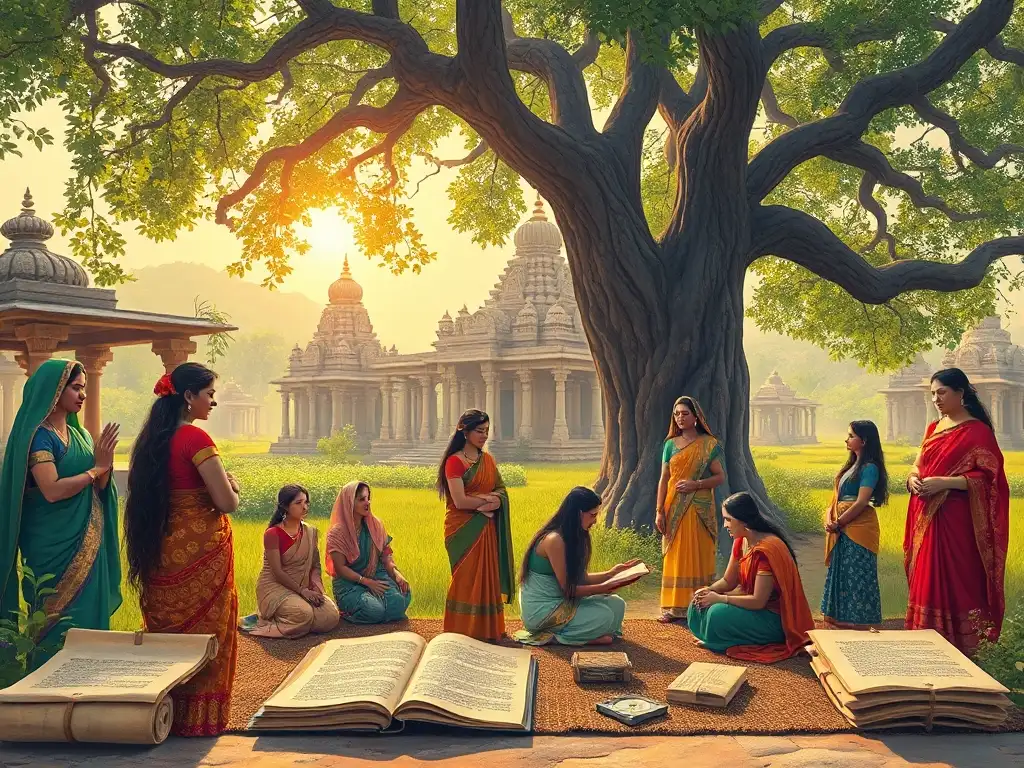
The legal framework surrounding ancient Indian inheritance laws provided a significant foundation for women's rights in property ownership. These laws were influenced by various texts and traditions, including the Vedas, Manusmriti, and Dharmashastras, which collectively contributed to a nuanced understanding of women's rights in society.
Legal Protections for Women in Property Ownership
In ancient India, women were granted certain legal protections regarding property ownership, which varied across different regions and communities. Some key aspects of these legal protections included:
- Stridhan: This term refers to the property that a woman inherits from her family, including gifts received during marriage. Stridhan was considered the woman’s exclusive property, and she had the right to manage it freely. It included various assets such as jewelry, money, and movable property.
- Inheritance Rights: Under certain texts, women were entitled to inherit property from their fathers and husbands. For instance, the Manusmriti provided guidelines that allowed daughters to inherit property, though their rights were often subordinate compared to male heirs. However, in practice, this meant that women could claim their share of family property, which empowered them economically.
- Widow’s Rights: Widows were often granted specific rights to their deceased husband's property, which ensured their financial security. The concept of 'Maitri Dhan' allowed widows to inherit the property of their husbands, and in some cases, they could also claim a share from their in-laws.
- Legal Disputes: Women had the right to seek legal recourse in case their inheritance rights were violated. They could approach local assemblies or courts, which were often presided over by elders or village heads, to assert their claims.
These laws and protections, while not uniformly applied across all communities, indicate a recognition of women's rights in property ownership during ancient times.
The Role of Family and Community in Upholding Laws
The enforcement and observance of ancient Indian inheritance laws were deeply rooted in familial and communal structures. Women’s rights to property were often upheld through social norms and community practices, leading to a complex interplay between legal frameworks and cultural traditions.
- Family Dynamics: In many families, the support of male relatives was crucial for women to assert their property rights. Fathers and brothers often played a protective role, ensuring that women received their rightful inheritance. This familial support was especially vital in cases where women faced resistance from other male relatives.
- Community Norms: The role of local communities and their customs significantly influenced how inheritance laws were implemented. Communities had their own rules and practices that often provided additional protections for women, reinforcing their rights in property matters. For instance, certain regions had matrilineal societies where inheritance was passed through the female line, thus empowering women further.
- Social Stigma and Support: While women had legal rights, social stigma could sometimes impede their ability to claim these rights. However, communities that valued women's contributions often supported their claims, recognizing the economic and social benefits of empowered women.
- Cultural Practices: Rituals and customs surrounding marriage and inheritance often included provisions that favored women's rights. For example, during marriage ceremonies, the gifts given to the bride were considered her property, reinforcing the notion of economic independence.
While ancient Indian inheritance laws provided a legal framework supporting women's rights, the actual enforcement and recognition of these rights heavily depended on family and community dynamics. This interdependence highlights the crucial role of societal structures in empowering women within the context of property ownership.
Challenges and Limitations of Ancient Inheritance Laws

The ancient Indian inheritance laws, while progressive in certain aspects, faced numerous challenges and limitations that affected women's property rights. These laws were embedded within a complex socio-cultural framework that often prioritized male lineage and patriarchal norms. Understanding these challenges is essential to grasp the full impact of inheritance laws on women's empowerment in ancient India.
Societal Norms that Affected Women’s Property Rights
Societal norms played a crucial role in shaping the landscape of women's property rights in ancient India. The prevailing patriarchal ideology often dictated that property ownership and inheritance were primarily reserved for men. This ideology was reflected in various texts and practices that emphasized male authority within the family structure.
- Patrilineal System: The predominant patrilineal system meant that property was passed down through the male line, limiting women's access to ancestral property. Women were often seen as temporary members of their natal families, with their primary loyalty and rights shifting upon marriage to their husbands' families.
- Cultural Perceptions: Cultural beliefs surrounding femininity and domestic roles further restricted women's autonomy. Many societies held the view that women's primary responsibilities were within the household, which undermined their involvement in economic activities and property management. This perception diminished the recognition of women as capable inheritors or managers of property.
- Marriage Practices: Marital customs, such as dowry, reinforced the notion that women's economic security was tied to their husbands rather than their own rights to inherit property. In many cases, dowries were seen as compensation for the loss of a woman's rights to her natal family's property, further entrenching the belief that women should not inherit.
Historical Instances of Discrimination in Inheritance
Throughout history, there have been numerous instances that illustrate the discrimination faced by women regarding inheritance laws. These examples underscore the systemic barriers that limited women's rights.
- Smriti Texts: Ancient texts like the Manusmriti, while offering some rights to women, often prescribed restrictive conditions. For instance, it stated that women should not inherit property without male guardianship, thereby enforcing a dependent status.
- Legal Cases: Historical records indicate several legal disputes where women had to fight for their inheritance rights. For example, in the context of the Gupta period, there are documented cases where women were denied their rightful share of property due to societal biases and legal loopholes.
- Regional Variations: The application of inheritance laws varied significantly across different regions and communities, leading to inconsistencies in women's rights. While some communities allowed women greater autonomy in property matters, others strictly adhered to patriarchal norms, showcasing a landscape of inequality.
While ancient Indian inheritance laws had the potential to empower women, the societal norms and historical instances of discrimination significantly undermined these efforts. The interplay between law and culture created a complex environment that often limited women's rights to property, illustrating the multifaceted challenges they faced in ancient Indian society.
Legacy of Ancient Indian Inheritance Laws

The legacy of ancient Indian inheritance laws plays a crucial role in understanding the evolution of gender rights and property ownership in India. Rooted deeply in the Vedic texts and later legal codes, these laws provided a framework that not only defined inheritance rights but also shaped societal attitudes towards women.
Key Features of Ancient Indian Inheritance Laws
- Gendered Rights:
- Women in ancient India often had specific rights over property, particularly in the context of their familial roles. For instance, daughters were entitled to a share of their father's property, especially if there were no male heirs. This was particularly evident in regions where matrilineal practices prevailed, such as among certain communities in Kerala and among the Nairs.
- Stridhan:
- One of the most significant concepts in ancient inheritance laws was stridhan, which referred to the wealth and property a woman could claim as her own. This included gifts received from relatives during her marriage, which she had the autonomy to manage and inherit.
- Stridhan was considered her personal property, independent of her husband's wealth, thereby granting her a degree of financial security.
- Dharmashastras:
- Ancient legal texts, primarily the Dharmashastras, laid down specific guidelines regarding inheritance. For instance, the Manusmriti outlined the rights of women concerning property, advocating for their inclusion in inheritance matters, albeit with certain restrictions compared to men.
- The Mitakshara and Dayabhaga school of thought further developed these laws, differing in their approach to property rights, especially concerning coparcenary rights for daughters.
Lasting Impact on Modern Inheritance Laws in India
The principles established by ancient Indian inheritance laws have had a profound impact on modern legal frameworks governing property and inheritance in India.
- Codification of Women's Rights:
- The Indian Succession Act of 1925 and subsequent amendments have their roots in these ancient practices. Modern laws reflect a more egalitarian approach, allowing daughters equal rights to parental property, acknowledging practices like stridhan.
- Judicial Interpretations:
- Various landmark judgments in India have drawn from ancient texts to reinforce women's rights in inheritance cases. For example, the Supreme Court has referred to the Mitakshara system while adjudicating on women's rights to ancestral property, thereby creating a legal precedent that echoes ancient practices.
- Continued Societal Relevance:
- Despite advancements, remnants of ancient practices still influence societal attitudes towards women's inheritance rights. The ongoing debates regarding stridhan and its implications for modern legal systems highlight the enduring legacy of these ancient laws.
Lessons from Ancient Practices for Contemporary Society
Ancient Indian inheritance laws offer valuable lessons that can be applied to contemporary society, particularly in promoting gender equality and economic empowerment.
- Empowerment Through Property Rights:
- Acknowledging women's rights to inherit property can significantly enhance their social and economic status. By promoting ownership, society can empower women, reducing dependency and fostering independence.
- Cultural Sensitivity in Law:
- The varied practices across different regions of ancient India demonstrate the importance of cultural context in legal frameworks. Modern laws should consider these cultural nuances to ensure that they are effective and relevant.
- Promoting Awareness and Education:
- Educating communities about their rights under contemporary inheritance laws, drawing parallels with ancient practices, can help shift societal mindsets towards more equitable treatment of women in property matters.
- Balancing Tradition and Progress:
- While modern laws should advance gender equality, they must also respect and incorporate the rich traditions of inheritance that have historically provided women with rights and security. This balance could lead to a more inclusive legal system that honors both heritage and progress.
The legacy of ancient Indian inheritance laws not only informs modern legal systems but also offers critical insights for fostering gender equality and social justice in contemporary Indian society.
Conclusion
Summary of Women's Empowerment through Inheritance
Ancient Indian inheritance laws played a pivotal role in empowering women, granting them rights that were progressive for their time. These laws, which evolved over centuries, reflected a nuanced understanding of gender roles and property rights within various ancient Indian societies. Notably, women were entitled to inherit property from their fathers, allowing them to maintain a degree of financial independence and social status.
The Manusmriti, a key ancient text, recognized women's rights to inherit property, albeit with certain limitations. Women could inherit movable and immovable property, but their rights often depended on their marital status. For instance, unmarried daughters had greater inheritance rights compared to married women, who were often expected to rely on their husbands' families for support. Despite these restrictions, the existence of these laws marked a significant acknowledgment of women's roles in familial and societal structures.
Furthermore, the Mitakshara and Dayabhaga school of thought offered different interpretations of inheritance laws, influencing regional practices. In certain regions, women could hold property independently, which facilitated their participation in economic activities, such as agriculture and trade. This legal recognition provided a foundation for women to engage in various professions, ultimately contributing to their empowerment and status within the community.
Reflection on the Relevance of Ancient Laws Today
The principles embedded in ancient Indian inheritance laws resonate deeply in contemporary discussions about women's rights and gender equality. As modern societies grapple with issues of property rights for women, revisiting these ancient laws can provide valuable insights into the historical context of women's empowerment and the ongoing struggle for equality.
Today's legal frameworks often draw from historical precedents, and understanding ancient inheritance laws allows for a more comprehensive view of current challenges. For instance, the recognition of women's rights to inherit property can inspire reforms aimed at closing the gender gap in property ownership, which remains a significant issue in many regions today.
Moreover, as societies aim for inclusivity and equality, the lessons derived from ancient laws can serve as a reminder of the importance of safeguarding women's rights in all aspects of life. The evolution of these laws illustrates that while progress has been made, the journey toward full gender equality is ongoing. By acknowledging and learning from the past, there is an opportunity to build a more equitable future.
Frequently Asked Questions
What were the inheritance laws in ancient India?
Ancient Indian inheritance laws varied by region and period but generally allowed for property rights among women, often ensuring they received a share of their family’s wealth.
How did inheritance laws impact women's empowerment?
These laws provided women with financial security and autonomy, enabling them to contribute to their family and community, thus enhancing their social status and independence.
Were the inheritance laws consistent across all Indian civilizations?
No, the inheritance laws evolved over time and differed among various Indian civilizations such as the Indus Valley, Vedic, and Gupta periods, reflecting local customs and societal norms.
What role did religion play in shaping inheritance laws?
Religious texts and traditions significantly influenced inheritance laws, often dictating the rights of women and men in property distribution, with varying degrees of equality and justice.
Are there modern implications of ancient inheritance laws in India?
Yes, the principles of inheritance laws from ancient India continue to influence contemporary discussions on gender equality and women's rights, advocating for fair property rights in modern legal frameworks.
Final Reflection: Empowering Women Through Ancient Inheritance Laws
The exploration of ancient Indian inheritance laws reveals a profound truth: these legal frameworks were not merely relics of the past but powerful instruments of empowerment for women. In a time when societal norms often relegated women to subordinate roles, these laws provided them with rights and privileges that challenged the status quo. The relevance of this topic today cannot be overstated; as we continue to grapple with issues of gender equality and women's rights, understanding the historical context of these laws can inspire contemporary movements for justice and equity.
The legacy of ancient Indian inheritance laws continues to resonate in our cultural and social landscape, reminding us of the strength and resilience of women throughout history. These laws not only granted women property rights but also symbolized a recognition of their agency and contributions to society. As we reflect on this, we are reminded of the words of Mahatma Gandhi: To call woman the weaker sex is a slander; it is man's injustice to woman.
This sentiment echoes the principles embedded in those ancient laws, highlighting the enduring fight for women's rights and the need to honor their voices in every era.
As we conclude this exploration, I invite you to reflect on the lessons learned from ancient inheritance laws and their implications for our lives today. Consider how you can advocate for gender equality and support the empowerment of women in your community. Whether through education, activism, or simply by challenging outdated norms, each of us has a role to play in continuing the legacy of empowerment that these ancient laws represent. Let us carry forward this torch of equality and justice, ensuring that the rights of women are upheld and celebrated in every corner of our society.
Empower Yourself: Embrace the Legacy of Ancient Wisdom!
Thank you for diving into this enlightening exploration of how ancient inheritance laws empowered women throughout history. Understanding these powerful legacies can inspire us to advocate for equality and justice today. Now, it's time to put this knowledge into action!
Here are a few ways you can make a difference:
- Join a community initiative focused on women's rights and heritage preservation. Together, we can amplify voices that deserve to be heard!
- Share this article with friends and family to start conversations about the importance of equality in inheritance and beyond.
- Consider volunteering or supporting organizations that work to educate women about their rights today—your contribution could spark meaningful change!
What steps do you think we can take today to ensure that women's rights are recognized and celebrated in modern inheritance laws?