
The Role of Legal Experts in Property Disputes of Ancient India


Welcome to Ancient India History, where we embark on a fascinating journey through the rich tapestry of civilizations that shaped the subcontinent. In our exploration today, we delve into the intriguing world of ancient Indian property disputes, a subject that reveals the complexities of legal systems and cultural norms in ancient times. Discover how legal experts navigated these disputes, influencing relationships and power dynamics across empires.
As you read on, prepare to uncover the profound impact of these historical legal frameworks on our modern understanding of property rights and conflict resolution. Your exploration of ancient wisdom and legal ingenuity begins here!

Introduction to Ancient Indian Property Disputes
The exploration of ancient Indian property disputes unveils a complex tapestry of legal practices, cultural norms, and social structures that shaped the way property rights were defined, contested, and adjudicated. In ancient India, property was not merely a matter of ownership; it encompassed broader socio-economic relationships and was often tied to familial obligations, caste systems, and religious beliefs.
Legal experts played a crucial role in mediating these disputes, ensuring that justice was served while maintaining the intricate social fabric of the time. Understanding the nuances of these disputes requires a deep dive into the historical context, the evolution of property laws, and the key legal texts that influenced these practices.
Overview of Property Disputes in Ancient India
Property disputes in ancient India often arose from various sources, including inheritance conflicts, land ownership claims, and communal rights over resources. These disputes could occur between family members, neighbors, or even entire communities. The significance of land, particularly agricultural land, made it a central focus of legal contention. Disputes were frequently resolved through local assemblies known as panchayats, where respected community leaders and legal experts would deliberate on the issues at hand.
- Types of Property Disputes:
- Inheritance Issues: Conflicts arising from the distribution of property after the death of a family member.
- Land Ownership Claims: Disputes regarding rightful ownership of land, often complicated by historical transactions and transfers.
- Water Rights and Common Resources: Legal battles over shared resources that were vital for agriculture and sustenance.
The mediation by legal experts was essential, as they not only provided their knowledge of the existing laws but also interpreted them in a manner that suited the ethical and social considerations of the community.
Importance of Legal Expertise in Resolving Disputes
Legal experts in ancient India possessed a nuanced understanding of property laws, which were often derived from religious texts and customary practices. Their expertise was vital for several reasons:
- Interpretation of Laws: They provided clarity on ambiguous legal texts and ensured that the principles of justice were upheld.
- Cultural Sensitivity: Legal experts understood the socio-cultural context of disputes, allowing them to propose solutions that were acceptable to all parties involved.
- Conflict Resolution: By facilitating discussions and negotiations, they helped prevent disputes from escalating into violence or prolonged litigation.
The reliance on legal experts reflects the sophisticated nature of dispute resolution mechanisms in ancient Indian society, highlighting a system that valued both law and community harmony.
Historical Context of Property Laws in Ancient India
To appreciate the role of legal experts in property disputes, it is essential to examine the historical context of property laws in ancient India. The evolution of these laws reflects the changing societal values, economic practices, and governance structures throughout different periods.
Evolution of Property Laws in Ancient Civilizations
Property laws in ancient India evolved through several phases, influenced by various civilizations and their governing philosophies.
- Indus Valley Civilization: Early records indicate practices of land measurement and ownership, suggesting an organized approach to property.
- Vedic Period: The Vedas introduced concepts of dharma (duty) and artha (wealth), which influenced property rights and responsibilities.
- Mauryan Empire: With the establishment of a centralized administration, property laws became more codified, leading to more structured legal systems.
- Gupta Empire: The flourishing of trade and urbanization further complicated property laws, necessitating the involvement of legal experts to manage disputes effectively.
Key Legal Texts and Their Influence on Property Disputes
Several foundational texts provided the framework for property laws and disputes in ancient India. Among them:
- Manusmriti: This ancient legal text outlines various aspects of law, including inheritance and property rights, establishing guidelines for dispute resolution.
- Yajnavalkya Smriti: This text further elaborates on property laws, emphasizing the importance of equitable distribution and the role of legal authorities in adjudicating disputes.
- Narayana's Dayabhaga: A significant commentary that influenced Hindu inheritance law, particularly in Eastern India, focusing on the rights of daughters and sons in property matters.
These texts not only shaped the legal landscape but also guided the practices of legal experts who interpreted and applied these laws in resolving disputes.
The intricate interplay between legal expertise and property disputes in ancient India reflects a rich historical narrative that underscores the importance of law in maintaining societal order and harmony.
Types of Property Disputes in Ancient India
Property disputes in ancient India were multifaceted and varied significantly depending on the context and legal frameworks of the time. The nature of these disputes often involved complex issues surrounding land ownership, inheritance, and family property rights. Understanding the types of property disputes provides a clearer picture of the legal landscape in ancient Indian society. Below are the primary categories of property disputes that were prevalent.
Land Disputes: Ownership and Transfer Issues
Land ownership was a critical aspect of ancient Indian society, often linked to one's status and wealth. Disputes arose frequently over:
- Title Claims: Conflicts regarding rightful ownership often emerged when multiple parties laid claim to the same piece of land. These disputes required legal experts to interpret historical documents, witness testimonies, and previous ownership records.
- Transfer Issues: The transfer of land, whether through sale, gift, or inheritance, was a common source of conflict. Ambiguities in verbal agreements, lack of written documentation, or disputes over the terms of a transfer could lead to lengthy legal battles.
- Encroachment: Cases of encroachment, where one party claimed land that legally belonged to another, were also prevalent. Legal experts had to mediate these disputes, using established laws and customs to adjudicate ownership rights.
Disputes Over Inheritance and Succession
Inheritance laws in ancient India were deeply rooted in social customs and religious beliefs, leading to various disputes:
- Primogeniture vs. Equal Distribution: The question of whether the eldest son should inherit the family property or if all sons should receive equal shares often led to disputes. This required legal experts to interpret the prevailing laws and customs that governed inheritance.
- Women’s Rights: Women’s inheritance rights were a contentious issue, with many societies adhering to patriarchal norms. Disputes frequently arose when women claimed their rightful share, leading to legal interventions to uphold or challenge these claims.
- Testamentary Issues: The validity of wills and the adherence to the deceased’s wishes regarding property distribution could spark disputes among heirs. Legal experts were often needed to validate the authenticity of the wills and ensure equitable distribution.
Disputes Involving Joint Family Property
Joint family systems were a hallmark of ancient Indian society, but they also introduced unique challenges regarding property disputes:
- Partition Disputes: The division of joint family property could lead to significant conflicts, particularly when members disagreed on how to fairly partition land or assets. Legal experts played a crucial role in mediating these partitions, often facilitating negotiations to reach amicable solutions.
- Rights of Family Members: Disputes often arose over the rights of family members to utilize or manage joint property. Legal frameworks dictated who had the authority to make decisions regarding common assets, leading to conflicts that required expert intervention.
- Management and Responsibility: The question of who was responsible for managing joint property and how profits or losses were shared could lead to disputes. Legal experts had to interpret customary laws and family agreements to resolve these issues effectively.
The Role of Legal Experts in Resolving Property Disputes
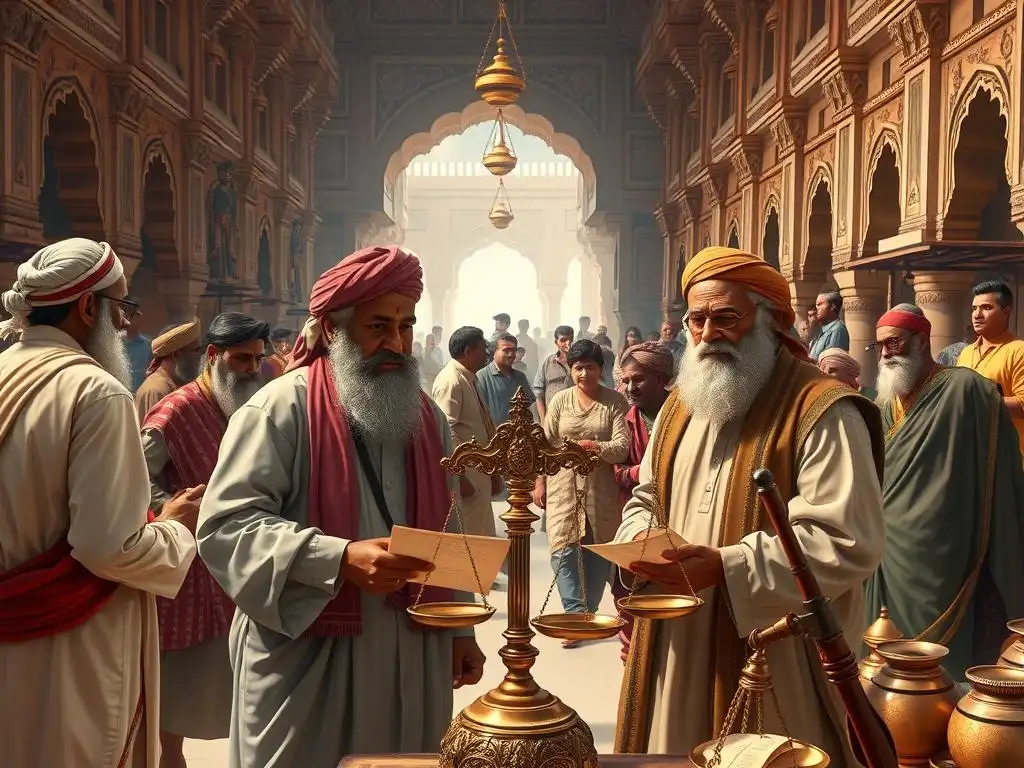
Legal experts in ancient India were vital in addressing property disputes, drawing on a rich tapestry of legal traditions and practices. Their role extended beyond mere adjudication; they were instrumental in interpreting laws, mediating conflicts, and providing counsel to disputants.
Qualifications and Responsibilities of Legal Experts
Legal experts, often referred to as Dharmashastras or Vidya, were expected to possess extensive knowledge of the law and customs. Their qualifications included:
- Education in Sacred Texts: Many legal experts were trained in texts such as the Manusmriti and Yajnavalkya Smriti, which provided foundational legal principles governing property and inheritance.
- Experience in Mediation: Practical experience in resolving disputes was essential. Legal experts often acted as mediators before formal court proceedings were initiated, aiming to achieve amicable resolutions.
- Ethical Standards: A strong ethical framework guided their practice, ensuring that they upheld justice and equity in their dealings.
Methods Employed by Legal Experts in Ancient India
The methods employed by legal experts in ancient India were diverse and tailored to the complexities of each case:
- Oral Testimonies: Legal proceedings often relied heavily on oral testimonies from witnesses, with experts assessing credibility and relevance.
- Documentation Analysis: Experts scrutinized any available documents, such as deeds or records of previous ownership, to establish a clear understanding of property claims.
- Community Involvement: In many cases, legal experts sought the opinions of community elders or local leaders to mediate disputes, reflecting the communal nature of ancient Indian society.
Case Studies: Notable Legal Resolutions
Several notable case studies illustrate the role of legal experts in resolving property disputes in ancient India:
- The Case of the King’s Land: A landmark case involved a dispute over land claimed by a local ruler. Legal experts examined historical claims and tribal agreements, ultimately ruling in favor of the community’s ancestral rights.
- Women’s Inheritance Case: In a notable case, a widow contested her late husband's will, which excluded her from inheriting property. Legal experts reviewed the will's validity and upheld her rights based on prevailing inheritance laws, setting a precedent for future cases.
- Joint Family Partition: A significant dispute within a joint family led to a legal expert mediating the division of property. Through careful negotiation and adherence to family customs, they facilitated a fair partition that preserved familial harmony.
These examples underscore the critical role of legal experts in navigating the complexities of ancient Indian property disputes, ensuring justice and adherence to established laws and customs.
Mechanisms of Dispute Resolution
In ancient India, property disputes were not uncommon, and various mechanisms were employed to resolve these conflicts. These mechanisms can be broadly categorized into traditional methods, the influence of local governance systems like the Panchayati Raj, and formal legal proceedings. Each of these played a crucial role in shaping how property disputes were handled, providing a framework that combined customary practices with emerging legal standards.
The resolution of disputes often relied on community involvement and the wisdom of elders, which underscores the social fabric of ancient Indian society. The complexity of property laws, influenced by varying regional customs and religious beliefs, necessitated a multifaceted approach to dispute resolution.
Traditional Methods of Dispute Resolution
Traditional methods of dispute resolution in ancient India often revolved around community-based practices. Elders or respected figures within a community acted as mediators, employing their knowledge of local customs and traditions to facilitate discussions between disputing parties.
- Oral Traditions: Disputes were frequently settled through oral traditions where the parties would present their cases, and the elders would render a judgment based on fairness and established customs.
- Negotiation and Mediation: These informal discussions aimed to reach a consensus, often emphasizing reconciliation over adversarial approaches.
- Community Assemblies: In many regions, community assemblies or gatherings were called to address disputes, allowing for collective decision-making among community members.
This reliance on informal mechanisms highlights the importance of social cohesion and the community’s role in maintaining harmony, often prioritizing relationships over rigid legal frameworks.
Role of Panchayati Raj in Property Disputes
The Panchayati Raj system, which emerged as a form of local self-governance, played a significant role in resolving property disputes. This system was characterized by a hierarchy of councils at the village, block, and district levels, providing a structured approach to dispute resolution.
- Local Governance: The Panchayati Raj institutions enabled local leaders to address disputes effectively, providing a platform where grievances could be aired and resolved within the community context.
- Judicial Functions: Village Panchayats often took on quasi-judicial roles, adjudicating property disputes based on customary laws and community norms. Their decisions were respected, and often binding, reinforcing the authority of local governance.
- Promotion of Justice: This system not only facilitated dispute resolution but also promoted social justice by considering local contexts and the socio-economic conditions of the parties involved.
The Panchayati Raj system exemplified a blend of governance and community involvement, ensuring that property disputes were handled in a manner reflective of local values and practices.
Formal Legal Proceedings and Their Impact
Formal legal proceedings in ancient India began to take shape with the codification of laws and the establishment of legal institutions. As societies became more complex, the need for structured legal frameworks to address property disputes became apparent.
- Legal Codes: Texts such as the Manusmriti and Yajnavalkya Smriti provided formal guidelines regarding property rights and inheritance, laying the groundwork for legal proceedings.
- Court Systems: The establishment of courts and appointed judges allowed for more systematic handling of disputes, incorporating principles of justice that transcended local customs.
- Impact on Society: The emergence of formal legal mechanisms not only provided a more predictable resolution process but also reflected shifts in societal values towards individual rights and property ownership.
These formal proceedings marked a significant transition from informal dispute resolution methods to a more organized legal system, influencing contemporary practices in property law.
The Influence of Religion and Culture on Property Disputes
Religion and culture have historically played a pivotal role in shaping property disputes in ancient India. The intertwining of legal and religious principles influenced how property rights were perceived, established, and contested.
Religious Texts and Property Rights
Religious texts served as foundational documents that outlined property rights and inheritance laws, reflecting the moral and ethical dimensions of property ownership.
- Scriptural Authority: Texts such as the Vedas, Upanishads, and various Smritis provided guidelines on rightful ownership, the transfer of property, and the duties of individuals towards their family and community.
- Gender Roles: Interpretations of these texts often dictated gender roles in property rights, with varying degrees of inheritance rights afforded to men and women, which influenced the nature of disputes.
- Divine Justice: Property disputes were often framed within a religious context, where divine justice was sought through rituals or appeals to higher spiritual authorities.
Thus, religious doctrines not only shaped legal principles but also provided a moral framework influencing how disputes were resolved.
Cultural Practices Surrounding Inheritance and Property
Cultural practices surrounding inheritance and property significantly impacted the nature of disputes in ancient India. These practices varied across regions, influenced by local customs, social hierarchies, and economic conditions.
- Patrilineal vs. Matrilineal Systems: In many communities, inheritance followed patrilineal lines, favoring male descendants, while some matrilineal societies provided women with significant property rights. This disparity led to different kinds of disputes and claims.
- Rituals and Customs: Cultural rituals associated with property transfer, such as marriage or death, often included specific customs that dictated how property was to be inherited, which could lead to disputes when these customs were not followed.
- Community Norms: The role of community norms in defining acceptable practices regarding property ownership and transfer created a landscape where disputes could arise based on perceived violations of these norms.
These cultural elements underscored the intricate relationship between societal values, legal principles, and personal rights, shaping the landscape of property disputes in ancient India.
Challenges Faced by Legal Experts
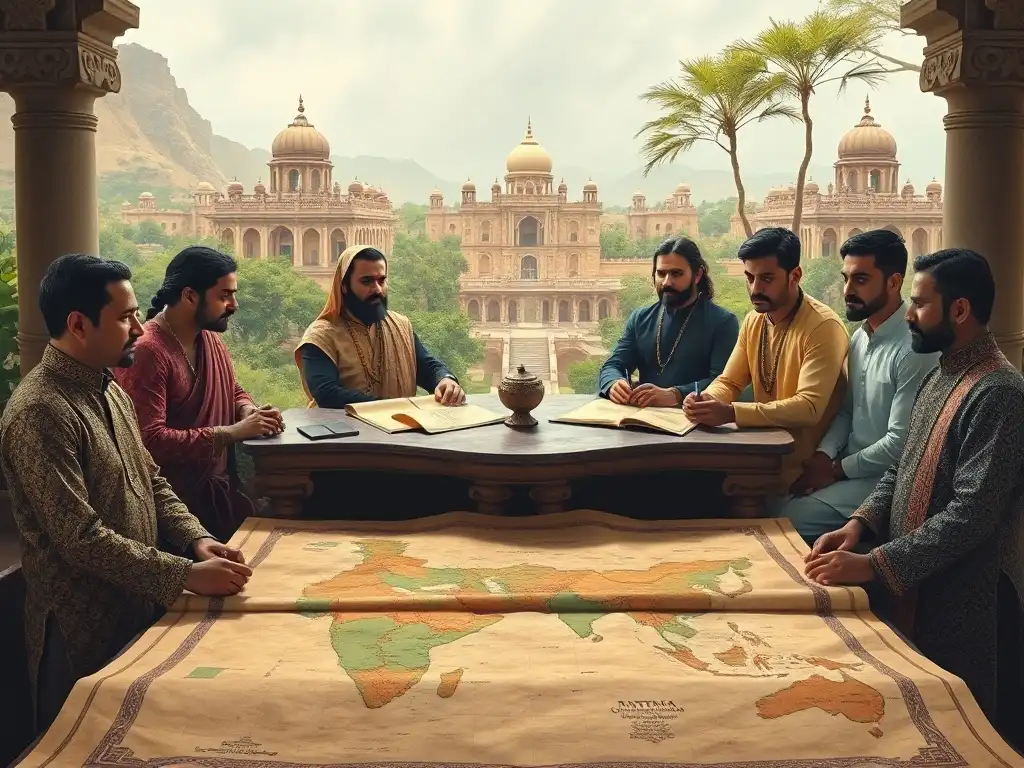
Legal experts in ancient India encountered numerous challenges while navigating property disputes, which were often complex and multifaceted. One significant issue was the lack of standardized legal frameworks. Different regions followed various customs and traditions, leading to inconsistencies in legal interpretations. This absence of a unified legal code made it difficult for legal experts to resolve disputes effectively and equitably.
Moreover, the ancient legal systems were heavily reliant on oral traditions and local customs, which could vary significantly even within the same community. Legal experts had to be well-versed in these local customs, often requiring them to possess extensive knowledge of multiple legal practices. This necessitated a high degree of adaptability and skill, as the same legal principles could be interpreted differently depending on the context.
Additionally, legal experts faced obstacles related to the social hierarchy and patriarchal norms prevalent in ancient Indian society. Property disputes often involved power dynamics between different social classes, leading to biases in legal proceedings. Legal experts sometimes had to navigate these societal pressures, ensuring that justice was served while maintaining their professional integrity.
Limitations of Ancient Legal Systems
Ancient Indian legal systems were characterized by several limitations that significantly impacted the resolution of property disputes. One primary limitation was the lack of formalized legal documentation. Unlike modern systems that rely on written contracts and property records, ancient property transactions were often recorded informally or based on oral agreements. This lack of documentation made it challenging to establish ownership and resolve disputes effectively.
Furthermore, the reliance on local customs and traditions often led to ambiguity in legal proceedings. While these customs provided a framework for dispute resolution, they were not always clear or consistent, leading to misunderstandings and potential injustices. Legal experts had to interpret these customs, which sometimes resulted in arbitrary decisions based on personal biases rather than objective legal principles.
The absence of a centralized authority or a formal appellate system also hindered the resolution of property disputes. Cases were often settled within local jurisdictions without the possibility of appeal, which could perpetuate injustices if the initial ruling was flawed. This limitation meant that legal experts had to exercise significant caution and wisdom in their judgments, knowing that their decisions could have lasting impacts on individuals and families.
Social and Economic Factors Affecting Disputes
Social and economic factors played a crucial role in shaping property disputes in ancient India. The agrarian economy of the time meant that land was a primary source of wealth and status, making property disputes particularly contentious. As families grew and land was divided among heirs, conflicts often arose over inheritance, leading to disputes that legal experts were called upon to resolve.
Additionally, caste dynamics influenced property ownership and dispute resolution. Members of higher castes typically had more access to legal resources and representation, which could skew the fairness of outcomes in property disputes. Legal experts often had to tread carefully in these situations, balancing the need for justice with the prevailing social norms.
Economic conditions, such as famine or war, also exacerbated property disputes. During times of crisis, the pressure on resources could lead to heightened tensions among families and communities, resulting in an increase in disputes. Legal experts were required not only to mediate these conflicts but also to consider the broader socio-economic context that contributed to the disputes.
Conclusion
Summary of Legal Experts' Contributions to Property Disputes
Legal experts in ancient India played a pivotal role in mediating property disputes, despite the numerous challenges they faced. Their deep understanding of local customs and legal frameworks allowed them to navigate complex situations, striving to maintain fairness and justice in their rulings. Through their expertise, they contributed to the evolution of property laws and dispute resolution practices, laying the groundwork for future legal systems.
These experts often served as mediators, facilitating negotiations between parties and helping to prevent conflicts from escalating. Their involvement not only aimed to resolve immediate disputes but also sought to foster social harmony within communities, emphasizing the importance of maintaining relationships over adversarial legal battles.
The Legacy of Ancient Indian Property Laws in Modern Legal Systems
The principles and practices established by legal experts in ancient India have left a lasting legacy on contemporary legal systems. Many of the concepts related to property rights, inheritance, and dispute resolution can trace their origins back to ancient legal traditions. The emphasis on mediation and the recognition of customary laws continue to influence modern legal practices in India and beyond.
Furthermore, the historical context of property disputes in ancient India serves as a reminder of the importance of social equity and justice in legal systems. As contemporary societies grapple with property-related issues, the lessons learned from ancient Indian legal experts can inform current practices, ensuring that justice remains accessible and fair for all individuals, regardless of their social standing.
References
Understanding the complexities of ancient Indian property disputes requires a deep dive into historical texts and scholarly resources. The following sections outline key texts and additional readings that provide insights into legal practices and property laws in ancient India.
Key Texts and Resources on Ancient Indian Property Disputes
- Manusmriti: Often referred to as the "Laws of Manu," this ancient legal text outlines various aspects of civil law, including property rights and inheritance rules. It serves as a critical resource for understanding the legal frameworks governing property disputes in ancient India.
- Yajnavalkya Smriti: This text is another significant source of legal principles in ancient India, detailing property laws, rights of heirs, and the responsibilities of landowners. The Yajnavalkya Smriti is essential for examining how ancient legal experts interpreted property disputes.
- Arthashastra by Kautilya: While primarily a treatise on statecraft and military strategy, Kautilya's Arthashastra also addresses economic and legal matters, including property management and dispute resolution. This text offers valuable insights into the role of legal experts in mediating property disputes.
- Mahabharata: The epic contains various narratives that highlight property disputes, particularly the famous conflict between the Pandavas and Kauravas over their ancestral lands. These stories provide cultural context and illustrate the importance of legal intervention in resolving disputes.
- Court Records and Inscriptions: Archaeological findings, including inscriptions and ancient court records, provide tangible evidence of property disputes and the mechanisms employed to resolve them. These records are crucial for understanding the practical application of laws.
Further Reading on Legal Systems and Law Codes in Ancient India
- "The Hindu Law of Inheritance" by G. C. Tripathi: This book delves into the intricacies of inheritance laws as prescribed in various ancient texts, offering an analysis of how these laws evolved over time.
- "Ancient Indian Law: An Introduction" by R. C. Gupta: This text serves as a comprehensive introduction to the legal systems in ancient India, discussing various law codes and their implications for property ownership and disputes.
- "Legal Traditions of India" by A. R. Desai: This book provides an overview of the historical development of legal traditions in India, including detailed discussions on property law and inheritance practices.
- "The Role of Women in Ancient Indian Property Law" by N. R. Bhatia: Examining gender roles, this work focuses on how property laws affected women in ancient India, shedding light on disputes involving female heirs.
- "Disputes and Resolutions in Ancient India: A Socio-Legal Perspective" by M. S. Rao: This scholarly article analyzes various types of disputes and the resolutions employed in ancient India, emphasizing the role of legal experts in mediating property conflicts.
These texts and resources provide a wealth of knowledge for anyone interested in the legal aspects of property disputes in ancient India, showcasing the expertise of legal practitioners in navigating complex issues of property and inheritance.
- Introduction to Ancient Indian Property Disputes
- Historical Context of Property Laws in Ancient India
- Types of Property Disputes in Ancient India
- The Role of Legal Experts in Resolving Property Disputes
- Mechanisms of Dispute Resolution
- The Influence of Religion and Culture on Property Disputes
- Challenges Faced by Legal Experts
- Conclusion
- References
- What were the common causes of property disputes in ancient India?
- How did legal experts handle property disputes in ancient India?
- What were the legal frameworks governing property disputes in ancient India?
- Were there specific courts for resolving property disputes in ancient India?
- How did cultural beliefs influence property disputes in ancient India?
Frequently Asked Questions
What were the common causes of property disputes in ancient India?
In ancient India, property disputes often arose from inheritance issues, land ownership conflicts, and marital disputes. These conflicts were influenced by cultural practices and legal frameworks of the time.
How did legal experts handle property disputes in ancient India?
Legal experts in ancient India, often referred to as Dharmashastra scholars, provided guidance on resolving property disputes using established legal principles and customary laws. They played a crucial role in mediation and arbitration.
What were the legal frameworks governing property disputes in ancient India?
The legal frameworks included texts like the Manusmriti and other Dharmashastras, which outlined rules regarding land ownership, inheritance, and dispute resolution. These texts formed the basis of legal authority in property matters.
Were there specific courts for resolving property disputes in ancient India?
Yes, ancient India had various courts and assemblies (like the Grama Sabha) that dealt with property disputes. These bodies often included local elders and legal experts, ensuring community involvement in the resolution process.
How did cultural beliefs influence property disputes in ancient India?
Cultural beliefs played a significant role in property disputes, particularly regarding gender roles in inheritance and the value placed on family lineage. These beliefs impacted the legal interpretations and outcomes of disputes.
Final Reflection: The Enduring Legacy of Legal Expertise in Ancient Indian Property Disputes
The exploration of ancient Indian property disputes reveals a profound connection between legal expertise and societal stability. In today's world, where property conflicts continue to be a source of tension and strife, understanding the historical context of these disputes offers invaluable insights. The principles established by legal experts in ancient India not only shaped the resolution of conflicts but also laid the groundwork for contemporary legal systems. Their wisdom resonates even now, reminding us of the critical role that legal frameworks play in maintaining harmony within communities.
Cultural narratives around property disputes in ancient India highlight the significance of legal expertise in shaping societal norms. The intricate balance between individual rights and communal responsibilities, as navigated by legal scholars of the time, underscores the importance of informed mediation in conflict resolution. Justice delayed is justice denied,
a sentiment echoed through ages, emphasizes the urgency of addressing disputes with wisdom and fairness. This historical perspective encourages us to reflect on how legal practices have evolved and the ongoing relevance of these ancient principles in our modern legal landscape.
As we contemplate the lessons from ancient Indian property disputes, I invite you to consider your own role in fostering understanding and resolution in conflicts around you. Reflect on the importance of legal knowledge and ethical practices in your life, and strive to embody the principles of fairness and justice that have transcended time. By doing so, we can honor the legacy of those ancient legal experts and contribute to a more equitable society today.
Unveil Your Understanding of Ancient Legal Practices!
Thank you for exploring the fascinating world of property disputes in ancient India! Your interest in how legal experts influenced historical developments is essential for appreciating the complexities of our past. Now, let's transform that knowledge into action!
Here are a few steps you can take:
- Dive deeper into the legal texts of ancient India to discover the intricate systems of justice they established.
- Share your newfound knowledge with friends or engage in community discussions— what valuable lessons can modern society learn from these ancient legal practices?
- Consider participating in online forums or local history groups to exchange insights and broaden your understanding of ancient legal frameworks.
As you reflect on the role of legal experts in shaping society, how do you think their methods could influence contemporary legal practices today?