
How Ancient Indian Society Valued Land Ownership and Wealth Distribution


Welcome to Ancient India History, where we embark on a fascinating journey through the rich tapestry of India's past. In our featured article, "How Ancient Indian Society Valued Land Ownership and Wealth Distribution," we delve into the intricate legal systems and law codes that shaped the very foundation of ancient Indian civilization. Discover how land ownership was not merely a matter of property, but a reflection of social status, power dynamics, and economic prosperity.
Are you ready to unlock the secrets of ancient land ownership and its profound impact on wealth distribution? Join us as we explore the legacies that continue to influence modern society!
- Introduction to Ancient Indian Land Ownership Value
- Historical Context of Land Ownership in Ancient India
- The Role of Land in Ancient Indian Society
- Legal Framework Surrounding Land Ownership
- Wealth Distribution Among Different Classes
- Land Ownership Among the Elite
- Peasant Land Tenure and Rights
- Case Studies of Land Ownership Practices
- Challenges and Changes in Land Ownership Valuation
- Conclusion
-
Frequently Asked Questions
- What was the significance of land ownership in ancient Indian society?
- How did ancient Indian civilizations determine land ownership?
- What role did agriculture play in land ownership value?
- How did wealth distribution occur among different classes?
- Were there any reforms related to land ownership in ancient India?
- Final Reflection: The Enduring Legacy of Ancient Indian Land Ownership
- Discover the Impact of Land Wealth in Ancient India!
Introduction to Ancient Indian Land Ownership Value
The concept of land ownership in ancient India was not merely a matter of property but a reflection of social status, economic stability, and cultural values. From the fertile plains of the Indus Valley to the expansive territories governed by dynasties such as the Mauryas and Guptas, land played a crucial role in shaping the societal framework.
Understanding how ancient Indian societies valued land ownership and wealth distribution offers profound insights into their legal systems and property laws, which have influenced modern practices. This article delves into the nuances of land ownership within ancient Indian civilizations, exploring its implications on wealth distribution and the overall socio-economic landscape.
Overview of Land Ownership in Ancient India
Land ownership in ancient India was characterized by a complex interplay of social, economic, and legal factors. The primary forms of land tenure included:
- Private Ownership: Wealthy individuals and merchants often owned large tracts of land, which they cultivated or leased to farmers. This form of ownership was prevalent during the Vedic period and continued into later dynasties.
- State Ownership: The ruling monarchs held significant portions of land, which were managed through a system of taxation. This land was often used for public projects, military provisioning, and royal estates.
- Community Land: Many villages operated under a communal land system where resources were shared among the inhabitants. This fostered a sense of collective responsibility and mutual support within the community.
The value of land ownership was not only measured in terms of economic gain but also in the social prestige it conferred. Landowners enjoyed higher status, often playing pivotal roles in local governance and religious activities.
Importance of Wealth Distribution in Society
Wealth distribution in ancient Indian society was intricately linked to land ownership. The following points highlight its significance:
- Economic Stability: Equitable distribution of land and resources contributed to the overall economic stability of the community. It ensured that a larger segment of the population had access to agricultural production, reducing poverty levels.
- Social Hierarchy: The concentration of land in the hands of a few often led to rigid social hierarchies. Wealthy landowners wielded considerable power, influencing both local governance and the socio-political landscape.
- Cultural Significance: Land ownership was associated with cultural practices and rituals. Land was often seen as a blessing from the gods, and its stewardship was considered a sacred duty.
- Legal Framework: Ancient texts such as the Manusmriti and Arthashastra provide insights into the legal principles governing land ownership and inheritance. These texts emphasized fair distribution and outlined the responsibilities of landholders.
The valuation of land ownership in ancient India was deeply embedded in the societal fabric, affecting economic dynamics, social structures, and legal codes. Understanding these elements is crucial for comprehending the evolution of property and inheritance laws in the region.
Historical Context of Land Ownership in Ancient India

The concept of land ownership in ancient India evolved significantly over various historical periods, reflecting the socio-political dynamics of the time. Land was not merely a commodity; it symbolized wealth, power, and social status. The roots of land ownership can be traced back to the early agrarian societies, where agriculture formed the backbone of the economy. This led to the establishment of property rights that governed land use and ownership.
Land Ownership Practices in Different Periods
The practices surrounding land ownership varied widely across different eras, influenced by factors such as culture, governance, and economic conditions.
- Indus Valley Civilization (c. 3300–1300 BCE): The earliest evidence of land ownership can be found in the urban planning of the Indus Valley Civilization. Archaeological findings suggest that land was organized into plots, indicating a form of ownership and communal responsibility. However, the exact nature of property rights remains unclear due to the lack of written records.
- Vedic Period (c. 1500–500 BCE): During this era, land ownership became more formalized. The concept of ksetra (field) emerged, and land was often associated with familial lineage. The Vedas highlight the importance of land as a source of sustenance, and ownership was often linked to one's status within the varna system.
- Maurya and Post-Maurya Periods (c. 322–185 BCE): The Mauryan Empire saw the introduction of more structured land revenue systems. The Arthashastra, authored by Kautilya, detailed regulations regarding land taxation and ownership. Land was classified into various categories, such as royal land, temple land, and community land, each with specific rights and duties.
- Gupta Period (c. 320–550 CE): The Gupta Empire marked a period of relative stability, leading to significant agricultural advancements. Land grants became common, especially to Brahmins and temples, reflecting a system of patronage. This practice not only enhanced the power of religious institutions but also reinforced the socio-economic hierarchy.
- Medieval Period (c. 600–1200 CE): The arrival of feudalism transformed land ownership dynamics. Land was often controlled by local chieftains or feudal lords, and peasants worked on these lands in exchange for protection. This shift resulted in a more complex relationship between landowners and cultivators, with rights often tied to military service or loyalty.
The evolution of land ownership in ancient India reflects a complex interplay of economic need, social structure, and political authority. Each period contributed to the legal frameworks and practices that would influence subsequent generations.
Socio-Economic Factors Influencing Land Value
The value of land in ancient India was determined by various socio-economic factors, which interacted to shape the landscape of land ownership.
- Agricultural Productivity: The primary determinant of land value was its agricultural potential. Fertile land near rivers or in valleys commanded higher prices due to its ability to yield abundant crops. Historical texts provide insights into crop yields, which were vital for sustaining populations and trade.
- Cultural Significance: Certain lands held religious or cultural importance, which influenced their value. Sacred sites often received preferential treatment in terms of ownership and protection, elevating their worth beyond mere economic calculations.
- Political Control: Land ownership was closely linked to political power. Rulers often redistributed land to consolidate their authority and reward loyalty. This practice not only shaped land values but also influenced the socio-political landscape of ancient India.
- Community and Communal Land: In many regions, land was owned communally, with villages collectively managing agricultural practices. The value of such land was often tied to its utility for the community, rather than individual wealth.
- Market Dynamics: Trade and commerce in ancient India also played a significant role in determining land value. As urban centers grew, the demand for land increased, leading to a rise in prices. Marketplaces became hubs of economic activity, influencing land transactions and ownership patterns.
Through these factors, it becomes clear that ancient Indian land ownership was a multifaceted concept, deeply embedded in the socio-economic fabric of the time. Understanding these dynamics provides valuable insights into the historical significance of land ownership and its lasting impact on subsequent legal systems and inheritance laws.
The Role of Land in Ancient Indian Society

Land ownership in ancient India was not merely a matter of property; it was intricately tied to wealth, power, and social hierarchy. The value placed on land ownership can be traced through various historical texts, archaeological findings, and the customs of different ancient Indian civilizations. These insights reveal how land was perceived as a foundational element of society, influencing both individual status and collective identity.
Land as a Source of Wealth and Power
In ancient Indian society, land was viewed primarily as a source of wealth and power. The agrarian economy of the time meant that those who owned land had the means to produce food, generate income, and accumulate resources. This led to a clear stratification within society, where landowners enjoyed elevated status and influence over those who were landless or had limited holdings.
- Economic Foundations: Land ownership allowed individuals and families to cultivate crops, raise livestock, and engage in trade. Wealthy landowners could thus engage in larger-scale agricultural practices, leading to greater economic stability and growth.
- Political Influence: Many ancient Indian kingdoms were structured around land ownership. Kings and local rulers often granted land to loyal subjects in exchange for military service or administrative duties, consolidating power and loyalty. This practice is evident in texts like the Arthashastra, which discusses the strategic importance of land in governance.
- Social Hierarchies: The ownership of land was a key factor in the social hierarchy of ancient India. Castes and classes were often delineated by land ownership, with Brahmins and Kshatriyas typically holding significant land, while Shudras and other lower castes often worked the land without ownership rights.
The implications of land as a source of wealth and power are profound; it shaped not only the economy but also the very fabric of ancient Indian society, influencing political structures and social relationships.
Cultural Significance of Land Ownership
Beyond its economic implications, land ownership in ancient India held deep cultural significance. The reverence for land can be observed in various aspects of ancient Indian life, from religious practices to literary expressions.
- Religious and Spiritual Connections: Land was often associated with fertility and prosperity, leading to its veneration in various religious practices. Sacred texts and rituals frequently emphasized the importance of land in agricultural cycles, with deities worshipped for bountiful harvests. Temples and shrines were often built on land considered holy, further intertwining land ownership with spiritual beliefs.
- Literature and Philosophy: Ancient Indian literature, such as the Mahabharata and Ramayana, reflects the cultural values surrounding land ownership. These epics often depict land as a symbol of virtue, honor, and duty. The concept of "Dharma" (duty) is also closely related to land, as individuals were expected to protect and cherish the land they owned.
- Inheritance and Legacy: Inheritance laws in ancient India often dictated the distribution of land among heirs, emphasizing the importance of land as a familial legacy. The Manusmriti, a key legal text, outlines rules governing property rights, highlighting the significance of land as an enduring symbol of wealth and familial pride.
The cultural significance of land ownership in ancient India encapsulates a rich tapestry of beliefs, values, and social norms that continue to influence contemporary discussions around property and identity. By understanding how ancient Indian society valued land ownership, one gains insight into the broader implications of wealth distribution and social structures that have persisted through the ages.
Legal Framework Surrounding Land Ownership
Understanding the legal framework surrounding land ownership in ancient India is crucial for grasping how land was perceived not only as a resource but also as a status symbol and a measure of wealth. The governance of land ownership was deeply intertwined with the socio-economic fabric of ancient Indian society, influenced by a blend of customary practices, religious texts, and regional variations.
Ancient Indian Property Laws and Their Evolution
The concept of land ownership in ancient India evolved significantly over centuries, reflecting the changing dynamics of society, economy, and governance. Initially, land was often considered a communal resource, with collective ownership among villages. However, as agrarian societies developed, the notion of private property began to take hold.
- Early Vedic Period (1500 - 600 BCE):
- During the Early Vedic period, land was predominantly owned communally, with the king or tribal leader representing the collective interests of the community.
- The Rigveda mentions the importance of cattle and land as symbols of wealth, indicating an early recognition of land value.
- Later Vedic Period (600 - 300 BCE):
- The transition to a more structured society led to the emergence of private land ownership.
- The concept of ‘Kshetra’ (field) became significant, and land was increasingly viewed as a commodity that could be bought, sold, or inherited.
- Texts like the Arthashastra by Kautilya outlined regulations regarding land transactions and taxation, indicating a sophisticated understanding of land as an economic asset.
- Mauryan Empire (322 - 185 BCE):
- The Mauryan period saw the establishment of more formalized property laws, with land ownership being documented and regulated.
- The state played a crucial role in land distribution, often using land grants as a means to reward loyalty and service.
- Post-Mauryan Period and Gupta Empire (c. 240 - 550 CE):
- The Gupta era marked significant advancements in land tenure systems, with more defined rights of landowners.
- The Dharmashastras, particularly the Manusmriti, codified laws regarding inheritance and land rights, emphasizing the importance of land in societal hierarchy.
Key Texts Influencing Land Ownership and Wealth Distribution
Several ancient Indian texts laid the foundation for the principles governing land ownership and wealth distribution. These texts not only provided legal frameworks but also reflected the cultural attitudes towards land and wealth.
- Dharmashastras:
- The Manusmriti, one of the most influential Dharmashastras, offered comprehensive guidelines on property rights, inheritance laws, and the obligations of landowners. It established the idea of ‘Stridhan’, property that a woman inherits, highlighting gender roles in wealth distribution.
- Arthashastra:
- Kautilya’s Arthashastra emphasized the economic aspects of land ownership, advocating for a balanced approach to taxation and land management that would benefit both the state and the agrarian population. It laid out detailed regulations regarding land disputes and encouraged the development of infrastructure to enhance agricultural productivity.
- Puranas:
- The Puranas, especially the Vishnu Purana, discussed land grants made by kings to Brahmins and temples, illustrating the intertwining of religion and land ownership. This practice not only redistributed wealth but also reinforced the socio-religious hierarchy within society.
- Legal Commentaries:
- Commentaries on the Dharmashastras by later scholars provided interpretations and expansions on original texts, adapting property laws to contemporary circumstances and regional practices.
Overall, the legal framework surrounding land ownership in ancient India reflects a complex interplay between religion, economy, and social structure, with texts like the Manusmriti and Arthashastra serving as pivotal guides in shaping the values associated with land ownership. The evolution of these laws not only influenced wealth distribution but also reinforced societal norms that persisted through subsequent historical periods.
Wealth Distribution Among Different Classes
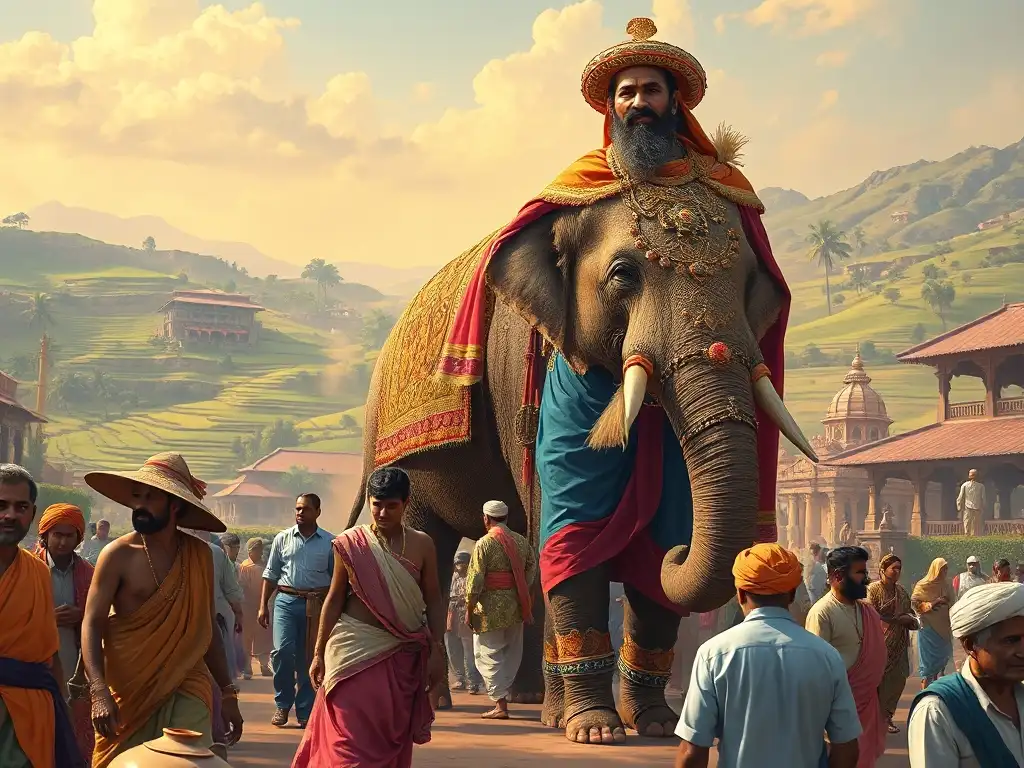
In ancient Indian society, wealth distribution was significantly influenced by social class structures, particularly the caste system. This system played a crucial role in determining one's economic status, rights to land ownership, and access to resources. The distribution of wealth was not merely a reflection of individual prosperity but was intricately tied to one's caste and occupation.
The ancient Indian population was primarily divided into four main varnas: Brahmins (priests and scholars), Kshatriyas (warriors and rulers), Vaishyas (traders and agriculturists), and Shudras (laborers and service providers). Each varna had its own economic roles and responsibilities, which directly impacted wealth distribution:
- Brahmins: As custodians of knowledge and religion, they often accumulated wealth through land grants and donations meant for religious activities.
- Kshatriyas: Their wealth came from land ownership, military conquests, and taxes collected from the populace.
- Vaishyas: This group engaged in trade and agriculture, contributing to wealth through commerce and farming activities.
- Shudras: Typically, this class had minimal land ownership rights and worked for the other three varnas, often receiving wages that reflected their lower social status.
The concentration of wealth among the elite often led to economic disparities within society, as land ownership was a primary determinant of power and influence.
Impact of Land Ownership on Wealth Distribution
Land ownership in ancient India was not only a measure of wealth but also a source of social status. The more land one owned, the greater their influence within the community. This ownership often dictated the roles and responsibilities of individuals within the social hierarchy.
- Wealthy landowners, primarily from the Kshatriya and Vaishya classes, had significant control over the agrarian economy and were often involved in local governance.
- Land grants from kings or rulers to Brahmins boosted their economic standing, allowing them to accumulate vast estates that were often worked by Shudras, further entrenching social divides.
Land Ownership Among the Elite

The elite class in ancient Indian society held a substantial stake in land ownership, which was often passed down through generations. This elite class comprised primarily of Kshatriyas and wealthy Brahmins, who not only owned land but also had the authority to govern and make decisions regarding its use.
Forms of Land Ownership
Land ownership among the elite manifested in various forms:
- Rajya: Land granted by kings to nobles or military leaders in exchange for loyalty and service. This land was often extensive and strategically important.
- Agrahara: Land donated to Brahmins for religious and educational purposes, often exempt from taxation. These lands were seen as sacred, further enhancing the status of their owners.
- Brahmadeya: Land given to Brahmins by landowners, which was meant to be used for community welfare or religious activities. This also reinforced the economic power of the Brahmin class.
Legal Recognition and Inheritance
Land ownership among the elite was often protected by legal codes, ensuring that properties remained within families. The Manusmriti, an ancient legal text, outlined inheritance laws, emphasizing the male lineage and reinforcing patriarchy in property rights. Here, land was typically inherited by male heirs, which perpetuated wealth concentration within elite families.
Peasant Land Tenure and Rights
In stark contrast to the elite, peasants in ancient India had limited rights concerning land ownership. Their tenure was often precarious, dependent on the goodwill of landowners, and subject to various forms of taxation and obligations.
Forms of Peasant Tenure
Peasant land tenure was characterized by several arrangements, including:
- Sharecropping: Peasants worked the land owned by elite landowners in exchange for a share of the produce. This system often left them vulnerable to exploitation, as the terms were heavily skewed in favor of landowners.
- Tenancy: Many peasants operated as tenants, renting land from landlords. Their rights were often minimal, and they faced eviction or increased rents without much recourse.
- Self-cultivation: Some peasants owned small plots of land, which they cultivated for subsistence. However, these holdings were often insufficient to provide for their families, leading to cycles of poverty.
Rights and Limitations
Peasants had few legal protections regarding land tenure. Their rights were often limited to the terms set by the landowners, and any disputes were typically resolved in favor of the elite. The Dharmashastra texts provided some guidelines for peasant rights, but enforcement was inconsistent and heavily influenced by local power dynamics.
Conclusion: Understanding the contrasting dynamics of land ownership and wealth distribution in ancient India is essential for comprehending the socio-economic fabric of the time. The interplay between elite land ownership and peasant rights reveals a complex relationship that influenced the development of property and inheritance laws, shaping the legal landscape of ancient Indian society.
Case Studies of Land Ownership Practices
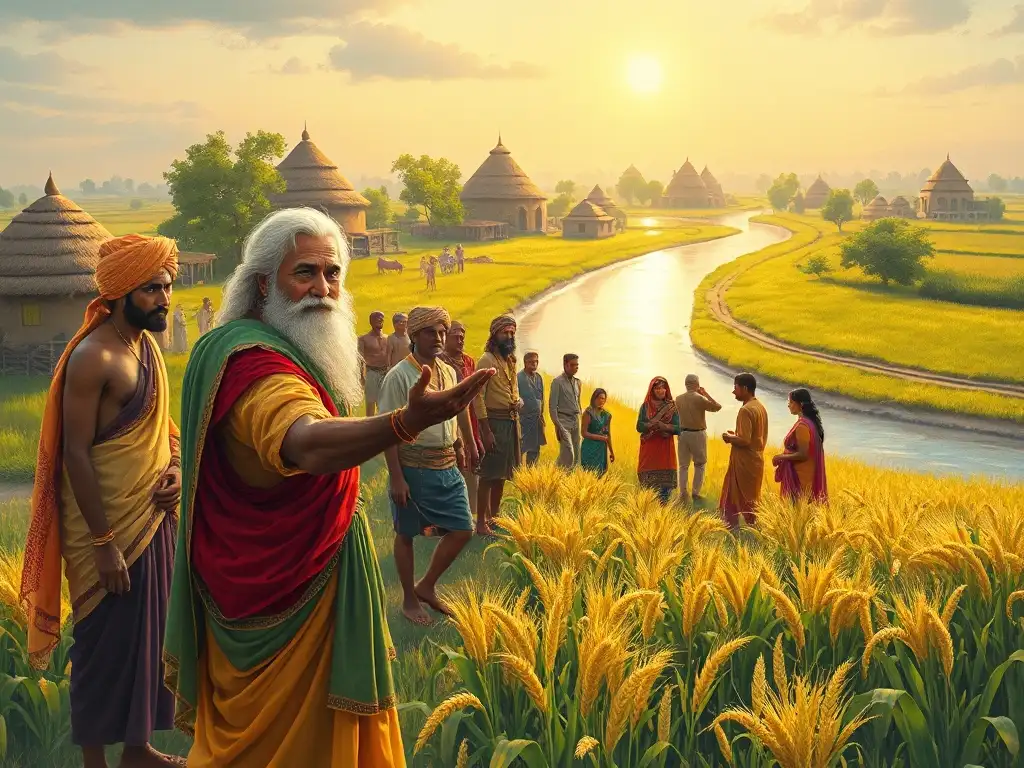
The Indus Valley Civilization's Approach to Land
The Indus Valley Civilization, known for its advanced urban planning and socio-economic structures, demonstrated a unique approach to land ownership and distribution. Land was a vital resource, closely linked to agriculture, trade, and societal status.
- Agricultural Significance: The fertile plains of the Indus River facilitated agricultural production, which was crucial for the sustenance of the civilization. Evidence suggests that land was cultivated using advanced irrigation techniques, signifying the importance placed on agricultural land ownership.
- Settlement Patterns: Archaeological findings indicate that cities like Harappa and Mohenjo-Daro were meticulously planned, with residential areas often adjacent to agricultural lands. This layout implies that land ownership was not only a matter of personal wealth but also integral to community organization and sustainability.
- Wealth Distribution: While specific legal texts from this period are scarce, it appears that land ownership was communal in many respects. Large tracts of land may have been controlled by local leaders or elite groups, but the general populace likely had access to land for farming and residence. This communal approach to land ownership reflects a value system that prioritized collective welfare over individual wealth.
- Trade and Land Value: The Indus Valley also engaged in extensive trade, which influenced land value. Properties located near trade routes or urban centers likely commanded higher status and wealth, further emphasizing the importance of land ownership in social hierarchy.
Land Ownership During the Gupta Empire
The Gupta Empire, often referred to as the Golden Age of India, showcased a more structured and formalized approach to land ownership and wealth distribution. This period saw significant developments in property rights, legal frameworks, and economic prosperity.
- Codification of Land Laws: The Gupta period marked the emergence of written laws regarding property and land ownership. Legal texts like the "Arthashastra" by Kautilya provided guidelines on land management, taxation, and inheritance, establishing a clear framework for land ownership rights.
- Private vs. Communal Ownership: Unlike the Indus Valley's more communal approach, the Gupta Empire recognized private property rights. Wealthy landowners, often from the Brahmin and Kshatriya classes, held significant tracts of land. This shift indicated a growing stratification of society based on land ownership, where wealth was increasingly concentrated among the elite.
- Taxation and Land Revenue: The Gupta administration implemented a systematic taxation system on land, which further underscored the value of land ownership. Land revenue became a primary source of state income, influencing land value and ownership dynamics. Wealthy landowners were required to pay taxes, which were often used to fund public works and military endeavors.
- Impact on Society: The implications of land ownership during the Gupta Empire extended beyond economics. Landowners often held social and political power, influencing local governance and societal norms. The distribution of land ownership contributed to the development of a hierarchical society, where status was closely tied to landholdings.
The shift from the communal land ownership of the Indus Valley to the structured and stratified system of the Gupta Empire illustrates the evolving value of land ownership in ancient India. These case studies reveal how land ownership was not merely an economic asset but a foundational element that shaped the societal structure, legal frameworks, and cultural values of ancient Indian civilizations.
Challenges and Changes in Land Ownership Valuation
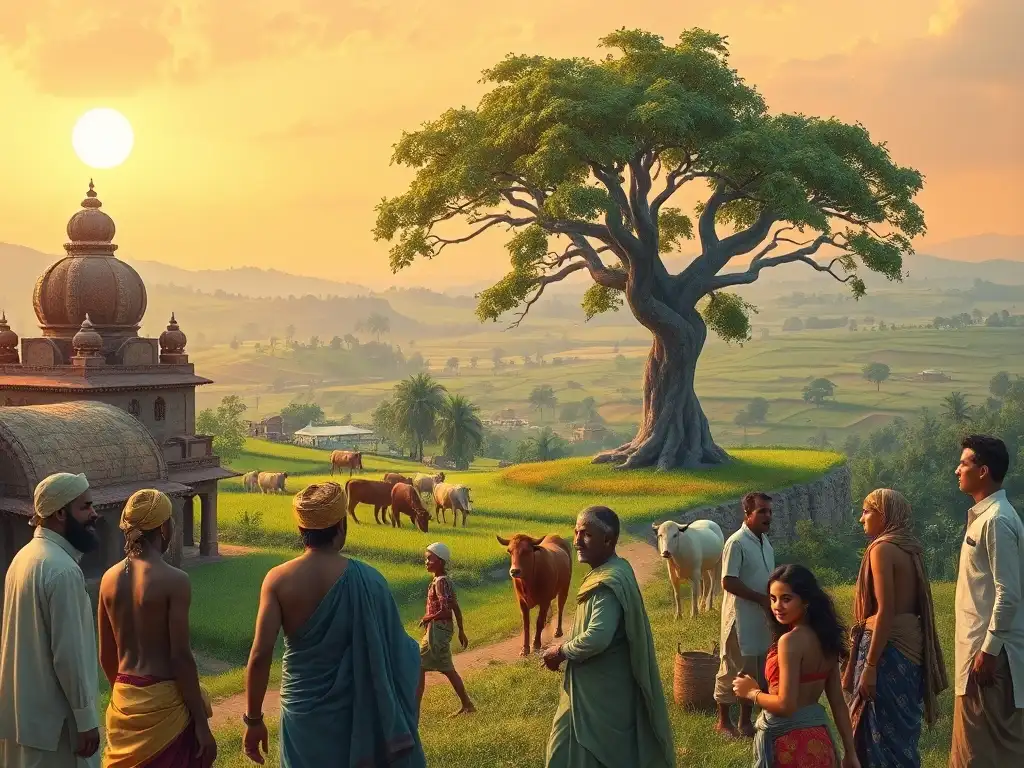
The valuation of land ownership in ancient India was influenced by various challenges and changes throughout history. Factors such as invasions, economic shifts, and social transformations played significant roles in shaping how land was perceived and valued in society. This section explores the intricate dynamics that contributed to the evolving landscape of land ownership and wealth distribution.
Impact of Invasions and External Influences
Invasions throughout ancient Indian history had profound implications on land ownership and wealth distribution. The arrival of external forces, such as the Indo-Aryans, Persians, Greeks, and later the Mughals, introduced new governance structures and economic systems that affected land valuation.
- Indo-Aryan Migration: The early Indo-Aryans brought with them a pastoral lifestyle, which prioritized the ownership of cattle over land. However, as agrarian society developed, land began to gain value, particularly fertile land suitable for agriculture. This transition marked a significant shift in the perception of wealth.
- Persian Influence: The Achaemenid Empire’s incursions into northwest India introduced the concept of centralized taxation and land revenue systems. The establishment of bureaucracies necessitated a reevaluation of land ownership, leading to a more structured approach to land value and taxation.
- Greek Invasions: The conquests of Alexander the Great opened up trade routes and exposed Indian society to Hellenistic ideas. Land became a more strategic asset, and its value was increasingly tied to economic potential rather than just social status.
- Mughal Era: The Mughal Empire introduced a systematic approach to land revenue assessment through the Zabt system. This administrative reform not only standardized land valuation but also facilitated greater state control over land, impacting how wealth was distributed among various classes.
These invasions led to a complex layering of land ownership systems, where local customs had to adapt to new administrative demands. The continuous interaction between indigenous practices and external influences resulted in a constantly evolving value system for land ownership.
Shift in Wealth Distribution Patterns Over Time
The patterns of wealth distribution in ancient India were not static; they evolved significantly over the centuries. Social structures, economic conditions, and legislative changes contributed to these shifts, particularly in relation to land ownership.
- Early Vedic Period: Initially, wealth was concentrated in the hands of warrior clans and priestly classes. Land ownership was often tied to social status, with Brahmins and Kshatriyas holding the most valuable lands.
- Mauryan Empire: Under the Mauryan rule, land ownership became more democratized. The state acquired vast tracts of land, which were redistributed to support agriculture and promote economic stability. This shift played a crucial role in altering wealth distribution, as more individuals gained access to land.
- Gupta Period: The Gupta Empire saw a resurgence of feudalism, where local rulers or Samantas controlled land. This led to a re-centralization of wealth among the ruling elite, while peasant classes faced increased taxation and obligations. Wealth became increasingly concentrated, creating disparities between landowners and laborers.
- Regional Variations: Different regions of ancient India experienced unique shifts in wealth distribution due to local customs and agricultural practices. For instance, in southern India, land ownership often involved communal rights, contrasting with the more individualistic approaches found in the north.
- Legislative Changes: Over time, various legal codes, such as the Manusmriti, provided frameworks for land transactions and inheritance. These codes influenced how land was valued and transferred, contributing to shifts in wealth distribution patterns.
The interplay between these factors illustrates that land ownership in ancient India was not merely a matter of possession but a reflection of broader societal changes. As the value placed on land evolved, so too did the distribution of wealth, shaping the socio-economic landscape of ancient Indian civilization.
Conclusion
Summary of Ancient Indian Land Ownership Value
Ancient Indian society placed significant value on land ownership, which was intricately linked to wealth, social status, and power. The agricultural basis of the economy meant that land was the primary source of sustenance and livelihood for the majority of the population. Various ancient texts, including the Arthashastra by Kautilya, highlight the importance of land in economic transactions and governance. Land ownership was not only a marker of individual wealth but also a determinant of social hierarchy.
- Types of Land Ownership:
- Private Ownership: Land could be owned by individuals or families, often passed down through generations.
- State Ownership: The king or state retained rights over significant portions of land, which could be leased to farmers or used for public projects.
- Community Ownership: In some regions, land was communally held, promoting cooperative agricultural practices.
- Wealth Distribution:
- Wealth distribution in ancient India was also influenced by land ownership. Those with larger landholdings often held greater influence in their communities and had access to resources that allowed them to expand their holdings.
- Land grants were common as rewards for military service or loyalty to the king, which further centralized wealth and power in specific families or lineages.
Reflection on Its Legacy and Influence on Modern Systems
The legacy of ancient Indian land ownership values continues to resonate in contemporary society, influencing modern property and inheritance laws. The principles established during ancient times laid the groundwork for current legal frameworks regarding property rights, inheritance, and land reform.
- Legal Frameworks: Modern property laws in India still reflect the communal and individual ownership aspects seen in ancient times. For instance, the partition of property among heirs echoes the practices of land inheritance observed in ancient texts.
- Cultural Significance: The cultural reverence for land persists, with agricultural land often considered a vital asset that connects families to their heritage and identity.
- Economic Implications: The uneven distribution of land, which can be traced back to ancient practices, still poses challenges in contemporary economic structures, leading to discussions around land reforms and equitable distribution.
The value placed on land ownership in ancient India was a crucial element that shaped societal structure and legal systems, leaving an enduring legacy that continues to influence modern property laws and social dynamics. By understanding this historical context, one can better appreciate the complexities of land ownership and wealth distribution in contemporary Indian society.
Frequently Asked Questions
What was the significance of land ownership in ancient Indian society?
Land ownership held immense significance in ancient Indian society, as it was a primary indicator of wealth and status. Control over land allowed individuals and families to gain economic power and social influence.
How did ancient Indian civilizations determine land ownership?
Land ownership was often established through legal documents, traditional agreements, and inheritance practices. Various religious texts also influenced land rights, dictating how land could be passed down through generations.
What role did agriculture play in land ownership value?
Agriculture was the backbone of ancient Indian economies, making land ownership highly valuable. The productivity of the land directly correlated with its economic worth, impacting wealth distribution within the society.
How did wealth distribution occur among different classes?
Wealth distribution in ancient India was often stratified, with landowners forming the elite class. Those with less land or no ownership were typically part of the laboring class, leading to social hierarchies based on land possession.
Yes, various reforms were introduced throughout ancient Indian history, particularly during the Gupta Empire. These reforms aimed to regulate land tenure and improve the rights of peasants, balancing the power dynamics between landowners and laborers.
Final Reflection: The Enduring Legacy of Ancient Indian Land Ownership
The intricate relationship between land ownership and wealth distribution in ancient Indian society remains profoundly relevant today. As we navigate modern economic challenges, the lessons from this historical framework remind us of the importance of equitable resource distribution. In a world where disparities in wealth and land access continue to shape societal dynamics, understanding the value placed on land in ancient India can inspire contemporary discussions on justice, equity, and sustainability.
Cultural narratives around land ownership have shaped not only the economy but also social structures throughout history. The principles of stewardship and communal responsibility that were prevalent in ancient Indian society offer a blueprint for addressing current inequalities. As Mahatma Gandhi once said, The earth provides enough to satisfy every man's needs, but not every man's greed.
This quote encapsulates the essence of how land should be viewed—not merely as a commodity, but as a shared resource that sustains communities and fosters collective well-being.
As we reflect on the lessons of ancient Indian land ownership, I invite you to consider your own relationship with land and resources. How can you contribute to a more equitable distribution of wealth in your community? Whether through advocacy, education, or personal choices, each of us has the power to honor the values of stewardship and responsibility that have echoed through time. Let us carry forward the wisdom of the past into our actions today, ensuring that the legacy of land ownership serves not just a few, but all of humanity.
Discover the Impact of Land Wealth in Ancient India!
Thank you for taking the time to explore the fascinating dynamics of land ownership and wealth distribution in ancient Indian society! We hope you gained valuable insights into how these practices shaped communities and influenced cultural growth. Now, let’s take what you've learned and put it into action.
Here are a few steps you can take to deepen your understanding and engage with this crucial aspect of history:
- Dive deeper: Read books and scholarly articles about the ancient Indian economy and social structures to understand how land wealth influenced various regions and historical periods.
- Share your insights: Engage in discussions with friends or fellow history enthusiasts about your newfound knowledge—conversations can lead to a deeper understanding and fresh perspectives.
- Join a community: Participate in online forums or local history groups that focus on ancient cultures; sharing ideas can spark further exploration.
What aspect of land ownership do you think had the most profound effect on ancient Indian society, and why? We would love to hear your thoughts!