
The Intersection of Ethics and Law in Ancient Indian Property Rights


Welcome to Ancient India History, where we embark on a captivating journey through the rich tapestry of ancient Indian civilizations. In this exploration, we unveil the intricate evolution of property rights, a topic that not only sheds light on the legal frameworks of the past but also reveals the ethical foundations that guided them.
Dive into our featured article, "The Intersection of Ethics and Law in Ancient Indian Property Rights," to discover how these ancient principles continue to resonate today. Prepare to be intrigued as we connect the dots between historical practices and their lasting impact on contemporary society—your adventure through time begins now!

Introduction to Ancient Indian Property Rights History
The history of property rights in ancient India is a compelling narrative that intertwines legal principles with ethical considerations. This intersection reveals how ancient Indian civilizations, from the Indus Valley to the Gupta Empire, established a framework of property rights that was not only influenced by economic necessities but also deeply rooted in cultural and ethical values.
Understanding this complex interplay offers insight into how these ancient societies approached issues of ownership, inheritance, and justice. The exploration of ancient Indian property rights history is crucial for comprehending the evolution of legal systems in India and their lasting implications on contemporary property laws.
Overview of Property Rights in Ancient India
The concept of property rights in ancient India was multifaceted, encompassing various forms of ownership, including individual, communal, and state ownership. The foundational texts, such as the Manusmriti and Dharmashastras, provided guidelines detailing the rights of individuals and families, particularly concerning land, wealth, and inheritance. Property rights were often gendered, with different regulations governing male and female inheritance, thus reflecting societal norms and values of the time.
Key points include:
- Types of Ownership: Individual vs. communal ownership.
- Legal Texts: Manusmriti and Dharmashastras as primary sources.
- Gender Dynamics: Variations in property rights for men and women.
Importance of Ethics in Ancient Legal Systems
Ethics played a vital role in shaping the legal landscape of ancient India. The legal codes were not merely sets of rules but were imbued with moral imperatives that guided behavior and decision-making. The principles of Dharma (righteousness) and Artha (prosperity) were particularly influential, as they dictated the ethical considerations surrounding property rights. This moral framework ensured that laws were aligned with societal values, fostering a sense of justice and equity among the populace.
Historical Context of Property Rights in Ancient India
Evolution of Property Rights from the Indus Valley Civilization
The roots of property rights can be traced back to the Indus Valley Civilization, where evidence suggests a complex understanding of land ownership and resource management. Archaeological findings indicate organized urban planning, suggesting that property rights were vital for the administration and economic activities of these early societies. Over time, as political structures evolved, so did the concepts of ownership, leading to more formalized laws governing property rights.
- Indus Valley Insights: Urban planning indicating property management.
- Political Evolution: Shift from communal to more structured ownership.
The Role of Religion and Philosophy in Shaping Property Laws
Religion and philosophy significantly influenced property laws in ancient India. The intertwining of spiritual beliefs with legal codes meant that property rights were often viewed through the lens of moral duty and societal responsibility. Hindu texts emphasized the importance of righteous living, which extended to the fair distribution and inheritance of property. Philosophical discussions around justice and equity further shaped the legal principles governing property rights, reflecting the values of the time.
- Spiritual Influence: Connection between religion and property rights.
- Philosophical Underpinnings: The impact of justice and equity discussions on laws.
Ethical Principles Governing Property Rights
The ethical principles governing property rights in ancient India were deeply intertwined with the philosophical concepts of Dharma (righteousness) and Artha (wealth). These principles not only shaped individual ownership but also guided societal norms regarding how property should be acquired, used, and transferred. The concept of Dharma emphasized moral obligations and righteousness, which meant that owners had a duty to use their property in ways that benefited society and adhered to ethical standards. This ethical framework ensured that property was not merely a personal asset but a social responsibility.
Moreover, the understanding of Artha recognized the material needs of individuals and the importance of wealth in sustaining a household and community. However, it was imperative that the pursuit of wealth did not come at the expense of ethical conduct. The balance between Dharma and Artha created a nuanced approach to property rights, where ethical considerations were paramount in determining rightful ownership and usage.
Concepts of Dharma and Artha in Property Ownership
The concepts of Dharma and Artha played crucial roles in shaping property ownership in ancient India. Dharma, often translated as duty or righteousness, dictated that individuals must act in accordance with moral and ethical principles when managing their property. This included obligations towards family, community, and the environment. For instance, the transfer of property through inheritance was regulated by Dharma, ensuring that the rights of heirs were respected and that the property remained within the family structure in a just manner.
Artha, on the other hand, represented the pursuit of wealth and prosperity. It recognized that acquiring and managing property was essential for fulfilling one’s material needs and aspirations. However, the pursuit of Artha was not devoid of ethical constraints; individuals were expected to acquire wealth through lawful and honorable means. The interplay between Dharma and Artha thus created a system where property rights were not just about ownership but also about the ethical implications of wealth generation and distribution.
The Influence of Manusmriti on Property Rights Ethics
The Manusmriti, a significant ancient Indian legal text, profoundly influenced the ethics surrounding property rights. Composed around 200 BCE to 200 CE, it established a framework for social order and legal practices, including property ownership. The Manusmriti articulated clear guidelines on inheritance, property rights among different castes, and the roles of men and women in property management.
One of its key contributions was the codification of the rules governing inheritance, which emphasized the importance of male heirs while allowing women certain rights, especially in terms of maintenance and ownership of property. This dual approach reflected the ethical considerations of protecting the family lineage while acknowledging the role of women in property rights. Additionally, the Manusmriti reinforced the idea that ethical behavior in property transactions was essential for social harmony, thereby integrating legal norms with moral expectations.
Legal Framework of Property Rights in Ancient India

The legal framework governing property rights in ancient India was complex and varied across different regions and time periods. It was primarily derived from religious texts, customary laws, and royal decrees, which collectively shaped the understanding and enforcement of property rights. Legal codes, such as the Manusmriti and the Yajnavalkya Smriti, provided comprehensive guidelines on property ownership, transfer, and inheritance, reflecting the intersection of ethics and law.
These frameworks were not static; they evolved in response to changing social dynamics, economic needs, and interactions with other cultures. Local customs also played a significant role in determining property rights, often leading to variations in legal practices across different kingdoms and regions. This diversity highlights the adaptability of ancient Indian legal systems in addressing the complexities of property ownership.
Key Legal Texts and Their Impact on Property Rights
Several key legal texts served as cornerstones for property rights in ancient India. The Manusmriti and the Yajnavalkya Smriti were among the most influential, providing detailed regulations on property ownership, inheritance, and transactions.
- Manusmriti: This text established a hierarchy in property rights, emphasizing male primacy in inheritance while allowing women limited rights. It also addressed the moral obligations of property owners, reinforcing the idea that wealth should be used responsibly.
- Yajnavalkya Smriti: This text offered a more egalitarian perspective on property rights, permitting women to inherit property and engage in transactions. It also outlined the procedures for property disputes, promoting a legalistic approach to resolving conflicts.
These texts significantly impacted property rights by codifying ethical principles into legal norms, creating a foundation for societal expectations regarding ownership and transfer.
Comparison of Property Laws Across Different Ancient Indian Kingdoms
Property laws in ancient India exhibited considerable variation across different kingdoms, influenced by local customs, economic conditions, and religious beliefs. For instance, in the Maurya Empire, the central authority had a significant role in regulating land ownership and taxation, reflecting a more state-controlled approach. In contrast, during the Gupta period, property rights became more decentralized, with local communities exercising greater autonomy over land management and inheritance.
- Maurya Empire: Emphasized state control over land, with laws reflecting a strong bureaucratic system. Land grants were often tied to service to the state.
- Gupta Empire: Showcased a shift towards local governance, where village councils (grama) played a crucial role in property disputes and inheritance matters.
These differences highlight how political structures and cultural contexts shaped the legal frameworks governing property rights, illustrating the rich tapestry of ancient Indian legal history.
Case Studies of Property Disputes in Ancient India
Ancient India was not devoid of property disputes, which often reflected the complex interplay between ethics and law. Various historical texts and legal commentaries document cases that reveal the societal norms and values regarding property rights during this period. These disputes were frequently rooted in familial relationships, caste dynamics, and gender roles, illustrating the multifaceted nature of ownership and inheritance.
One of the prominent case studies involves disputes over land ownership among siblings, as outlined in the Manusmriti. Here, the ethical considerations of fairness and familial duty were paramount. In many instances, elder siblings were favored, leading to conflicts with younger siblings who felt entitled to equal shares. Such disputes often necessitated mediation by village elders, emphasizing community involvement in resolving conflicts.
Another notable case can be found in the Arthashastra, which reflects on disputes arising from commercial properties. The text suggests that ethical business practices were crucial for maintaining social order, and disputes often led to legal action overseen by local rulers. These rulings not only resolved conflicts but also set precedents that shaped future interpretations of property rights.
Notable Cases Reflecting Ethical Dilemmas in Property Rights
Several cases highlight the ethical dilemmas faced by individuals in ancient Indian society. For instance, the case of Shakuntala, as narrated in Kalidasa's play, exemplifies the clash between personal desire and societal obligations. Shakuntala's marriage was contested due to her family's claims over property, raising questions about women's rights and their agency in property matters.
Additionally, the Mahabharata presents a profound ethical dilemma involving the division of the Kuru kingdom among the Pandavas and Kauravas. The principles of dharma (duty) and adharma (unrighteousness) come into play, illustrating how property rights were often intertwined with moral responsibilities. The resolution led to a greater understanding of justice, influencing subsequent legal interpretations.
Resolutions and Their Influence on Legal Precedents
The resolutions of property disputes in ancient India often set significant legal precedents. For instance, the adjudications made by local rulers or councils not only resolved individual cases but also contributed to a broader understanding of property rights within the community. The principles established in these resolutions were documented in texts like the Yajnavalkya Smriti, which later influenced the codification of laws in subsequent epochs.
In many cases, the outcomes reflected a balance between ethical considerations and legal frameworks. For example, when disputes involved widows challenging inheritance practices, the resolutions often favored the rights of women, thereby slowly reshaping societal norms. This evolution in legal thought demonstrates how ethical dilemmas can lead to progressive changes in law, reinforcing the importance of justice and equity in property rights.
The Role of Women in Ancient Indian Property Rights
Women’s roles in property rights during ancient India were complex and varied by region and period. While ancient texts provide evidence of women's rights to property, these rights were often conditional upon their marital status and social standing. The evolving nature of these rights reflects broader societal attitudes toward women and their agency within the family structure.
Women's Rights to Property in Ancient Texts
Ancient Indian texts such as the Manusmriti and Dharmashastras delineate women's rights to property, including their entitlement to parental property. The Manusmriti asserts that daughters have a share in ancestral property, which was a progressive stance for its time. However, the extent of these rights was often influenced by prevailing customs and the patriarchal structure, leading to discrepancies in actual practices.
Moreover, the Arthashastra provides insights into how women could engage in commerce and manage property independently. This suggests that, while societal norms often restricted women's rights, there were instances where they could own and control property, particularly in the absence of male guardians.
Ethical Considerations in Inheritance Practices
The ethical considerations surrounding inheritance practices in ancient India significantly impacted women’s rights to property. In many cases, the inheritance laws reflected the prevailing attitudes towards women's roles in society. Ethical dilemmas arose when families prioritized male heirs, often disregarding the rights of daughters and widows.
However, historical case studies show that some families, adhering to ethical principles of fairness, ensured equitable distribution of property. This highlighted a tension between traditional practices and emerging ethical standards, prompting discussions about justice and equality in inheritance laws. Over time, these ethical considerations began to influence legal reforms, paving the way for more inclusive property rights for women in later periods.
The intersection of ethics and law in ancient Indian property rights offers a rich tapestry of historical insights, revealing the evolving nature of societal values and legal frameworks that shaped property ownership and inheritance practices.
The Intersection of Ethics and Law in Property Inheritance
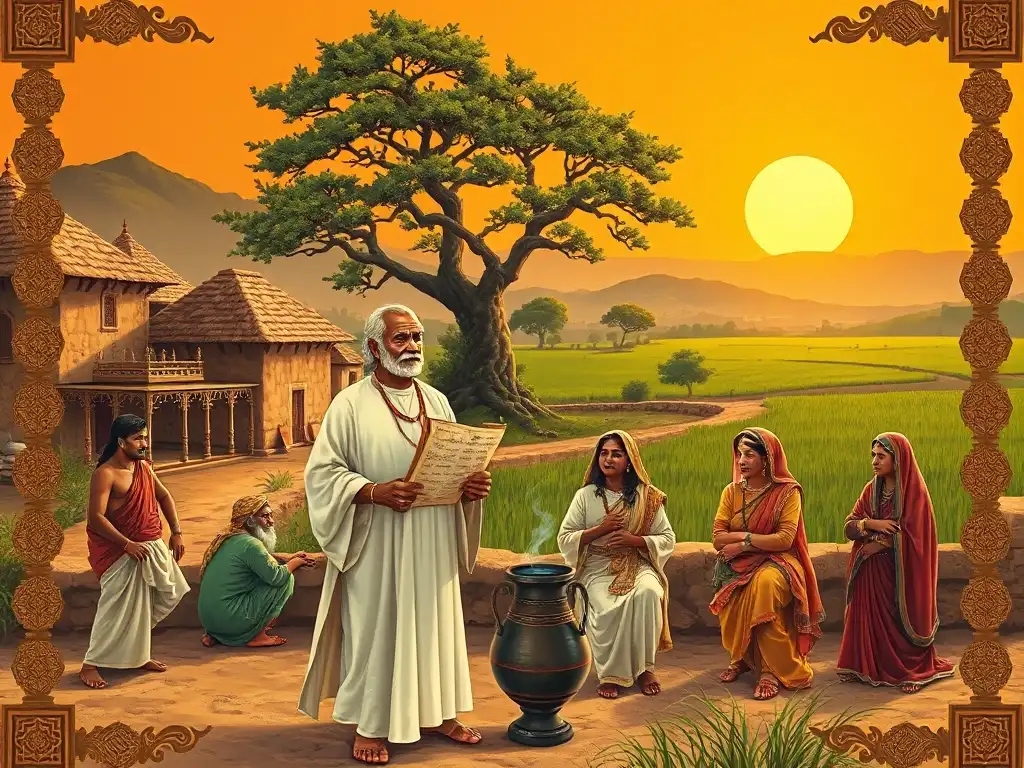
The intersection of ethics and law in ancient Indian property rights is a complex topic that reveals how moral considerations influenced legal frameworks surrounding inheritance. In ancient India, property rights were not merely legal entitlements; they were deeply intertwined with societal values, religious beliefs, and ethical principles. The ethical dimensions of property inheritance shaped the norms and practices that governed how property was passed down through generations, reflecting the cultural significance of wealth and familial ties.
How Ethical Principles Shaped Inheritance Laws
Ethical principles in ancient Indian society were heavily influenced by the teachings of texts such as the Manusmriti and the Dharmashastras. These texts provided a moral framework that dictated rightful ownership and the responsibilities that came with property. For instance, the concept of dharma—a key ethical principle—implied that the rightful distribution of property should consider the welfare of all family members. This often led to inheritance laws that favored male heirs but also included provisions for widows and daughters to ensure their well-being.
Moreover, the ethical imperative to maintain family honor and social stability influenced inheritance practices. Families were encouraged to keep property within the clan, fostering a sense of collective responsibility. This was reflected in the practice of joint family systems, where property was shared among members, promoting unity and mutual support. Thus, ethical considerations were not merely supplementary to legal norms; they were integral in shaping how property rights were understood and exercised.
Conflicts Between Secular and Religious Inheritance Laws
In ancient India, conflicts often arose between secular and religious inheritance laws, as different communities adhered to distinct practices. Secular laws, which were influenced by local customs and governance, sometimes clashed with religious mandates rooted in texts like the Vedas or the Puranas. For example, while secular law might allow for equal inheritance among all children, many religious texts favored male heirs, creating friction in familial arrangements.
These conflicts were particularly pronounced in regions with diverse religious populations, where Hindu, Buddhist, and Jain communities had differing views on property distribution. In some cases, the courts had to navigate these complexities, attempting to create a balance that respected both legal rights and religious beliefs. This dual legal framework contributed to a rich tapestry of property rights, where ethical considerations, cultural practices, and legal regulations coexisted, albeit sometimes uneasily.
Conclusion: The Legacy of Ancient Indian Property Rights History
The legacy of ancient Indian property rights history is profound, influencing not only the social fabric of ancient times but also the legal systems that followed. The ethical foundations laid by ancient texts and societal norms continue to resonate in contemporary discussions about property rights and inheritance laws in India.
Lasting Impact on Modern Indian Property Laws
Modern Indian property laws, while significantly reformed, still reflect the ethical considerations of their ancient predecessors. The emphasis on equitable distribution, particularly through recent amendments to inheritance laws that promote gender equality, showcases an evolution of ancient principles into contemporary legal frameworks. The influence of ethical teachings can be seen in policies aimed at protecting the rights of marginalized groups, demonstrating an enduring commitment to the moral underpinnings of property rights.
Reflections on the Ethical Foundations of Property Rights Today
Today, as society grapples with issues of equity and justice in property rights, the ethical foundations established in ancient India offer valuable insights. The intersection of ethics and law serves as a reminder of the importance of integrating moral considerations into legal frameworks. As modern India continues to navigate the complexities of property rights, reflecting on the ethical dimensions of its ancient heritage can guide policymakers and legal practitioners in creating a more just and equitable system for all citizens.
- Introduction to Ancient Indian Property Rights History
- Historical Context of Property Rights in Ancient India
- Ethical Principles Governing Property Rights
- Legal Framework of Property Rights in Ancient India
- Case Studies of Property Disputes in Ancient India
- The Role of Women in Ancient Indian Property Rights
- The Intersection of Ethics and Law in Property Inheritance
- How Ethical Principles Shaped Inheritance Laws
- Conclusion: The Legacy of Ancient Indian Property Rights History
- What is the significance of property rights in ancient Indian history?
- How did ancient Indian law influence property ownership?
- Were there differences in property rights between genders in ancient India?
- What role did religion play in shaping property rights in ancient India?
- How do the property rights established in ancient India compare to modern systems?
Frequently Asked Questions
What is the significance of property rights in ancient Indian history?
Property rights in ancient India were crucial as they defined ownership, inheritance, and transfer of assets, reflecting the society's ethical and legal frameworks.
How did ancient Indian law influence property ownership?
Ancient Indian law, as seen in texts like the Manusmriti, established guidelines for property ownership, emphasizing rights and responsibilities based on caste and gender.
Were there differences in property rights between genders in ancient India?
Yes, ancient Indian property rights varied significantly by gender; while men generally had more extensive rights, women could also inherit and own property, though their rights were often restricted.
What role did religion play in shaping property rights in ancient India?
Religion influenced property rights through scriptural mandates, where texts often dictated ethical principles regarding land ownership and succession, intertwining law with spiritual beliefs.
How do the property rights established in ancient India compare to modern systems?
The ancient Indian property rights system laid the groundwork for modern property laws, balancing ethical considerations with legal frameworks, although contemporary systems are more uniform and inclusive.
Final Reflection: The Enduring Legacy of Ancient Indian Property Rights
The exploration of ancient Indian property rights reveals a profound connection between ethics and law that remains strikingly relevant today. As we navigate the complexities of modern property laws and ethical considerations, the historical foundations laid in ancient India serve as a reminder of the intricate balance between societal values and legal frameworks. The principles established in this era continue to resonate, urging us to reflect on how our current systems can benefit from the wisdom of the past.
Cultural narratives surrounding property rights have evolved, yet the core ethical dilemmas persist. The principles of fairness, justice, and communal responsibility that characterized ancient Indian property rights still echo in contemporary discussions about land ownership and social equity. As noted by legal scholar R. S. Sharma, The ancient Indian approach to property was not merely about ownership; it was about the responsibilities that came with it.
This perspective invites us to consider how our understanding of property can be enriched by recognizing the ethical dimensions that underpin our legal systems.
As we reflect on the lessons from ancient Indian property rights, I encourage you to consider how these insights can inform your own understanding of property and ethics in today's world. What responsibilities do you hold in your own community regarding property and ownership? By engaging with these historical principles, we can foster a more equitable and ethical approach to property rights that honors both our past and our future. Let us take these reflections to heart and strive for a society where property is not just a matter of law, but also a matter of moral obligation.
Unveil the Legacy: Take Action on Ancient Wisdom!
Thank you for diving into the intricate world of ethics and law in ancient Indian property rights! You've uncovered valuable insights that can shape your understanding of historical frameworks and their relevance today. Now, it's time to put this knowledge into action and explore further.
- Engage in a local discussion group focused on ethical dilemmas in property rights—share your insights and listen to diverse perspectives.
- Explore original texts from ancient India that delve into property laws. Many are accessible online—challenge yourself to read and reflect on their implications!
- Share your thoughts on social media about how these ancient principles can inform modern legal practices. Start a conversation using the hashtag #AncientEthics!
Which aspect of ancient Indian property rights resonates with you the most, and how do you see its connection to today's legal landscape?