
The Role of Elders in Property Distribution: Insights from Ancient India


Welcome to Ancient India History, where we delve into the rich tapestry of civilizations that shaped the subcontinent. In this exploration, we invite you to uncover the intriguing property distribution practices of Ancient India, particularly the pivotal role that elders played in these traditions. How did these practices reflect the values of society, and what can they teach us about modern legal systems? Join us as we unravel these fascinating insights from the past, and discover the profound impact of ancient customs on contemporary life. Your journey into the depths of history begins here!
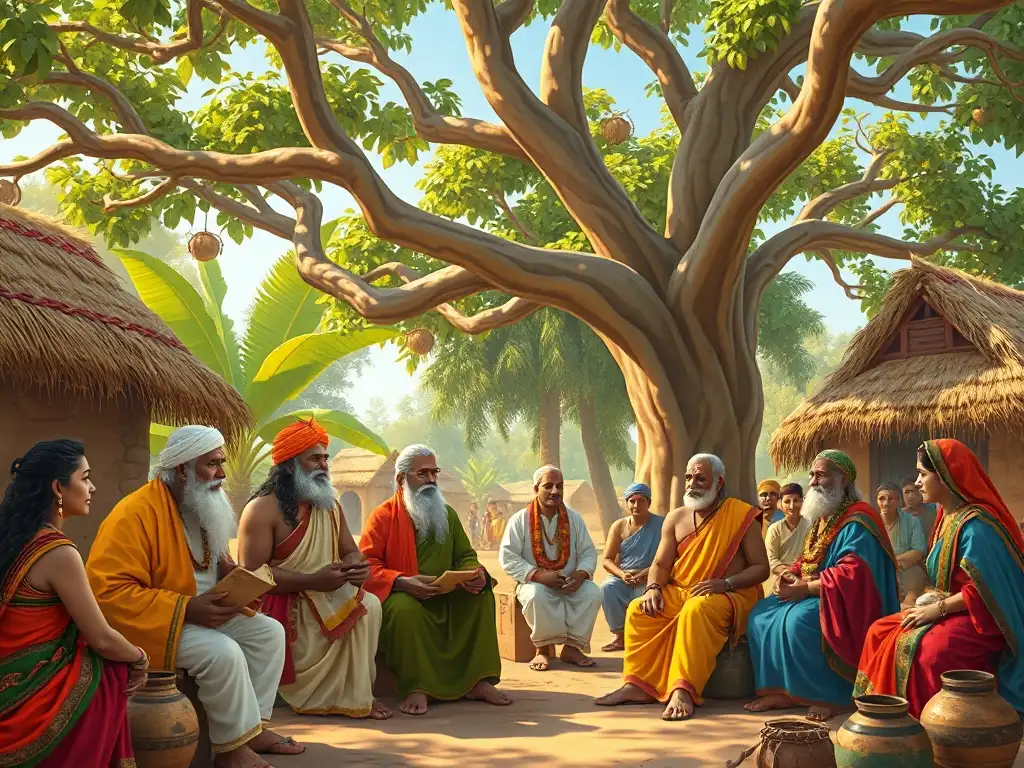
Introduction to Ancient India Property Distribution Practices
The practices surrounding property distribution in ancient India reveal a complex interplay of social norms, legal frameworks, and cultural traditions that governed the allocation of resources among individuals and families. The concept of property in ancient India was not merely a matter of ownership; it was intricately tied to familial responsibilities, social status, and community welfare.
Understanding these practices sheds light on how ancient Indian societies maintained stability and harmony through structured inheritance systems. This article delves into the significant role that elders played in property distribution, providing insights into the cultural and legal mechanisms that shaped these age-old customs.
Historical Context of Property Distribution in Ancient India
The distribution of property in ancient India varied significantly across different regions and time periods, influenced by local customs, religious beliefs, and economic conditions. The earliest recorded practices can be traced back to the Indus Valley Civilization, where evidence suggests a form of communal land ownership. As societies evolved, so did their approaches to property distribution, leading to a more structured system, especially during the Vedic period and beyond.
Ancient Indian Societies and Their Legal Frameworks
Ancient Indian legal frameworks, such as those outlined in texts like the Manusmriti, provided guidelines for property distribution. These scriptures emphasized the importance of dharma (duty) and the moral obligations of individuals in managing property. The laws often dictated that property was typically divided among male heirs, with the eldest son often receiving a larger share, reflecting the patriarchal nature of society.
- Key Features of Property Distribution:
- Patrilineal Inheritance: Property was primarily passed down through male lineage.
- Role of Elders: Elders were seen as custodians of tradition and played a crucial role in mediating disputes and ensuring fair distribution.
- Community Oversight: Local councils or elders often oversaw property distribution to maintain order and fairness.
Significance of Elders in Ancient Indian Cultures
In ancient Indian cultures, elders held a position of great respect and authority, acting as the guardians of tradition and knowledge. Their involvement in property distribution was not only a matter of legal obligation but also a reflection of societal values that prioritized wisdom and experience.
- Roles of Elders:
- Mediators: Elders facilitated discussions among family members to reach amicable agreements regarding property division.
- Advisors: They provided guidance based on inherited wisdom and established customs, ensuring that the distribution adhered to cultural norms.
- Conflict Resolvers: In cases of disputes, elders served as arbiters, helping to resolve conflicts and maintain harmony within the community.
The role of elders in property distribution practices highlights the broader social structures of ancient India, where respect for age and wisdom was paramount. Understanding these dynamics offers a glimpse into how ancient Indian societies navigated issues of inheritance and property rights, laying the foundation for modern legal practices.
The Mechanisms of Property Distribution in Ancient India
The distribution of property in ancient India was a multifaceted process deeply rooted in the cultural, social, and economic fabric of society. Elders played a crucial role in this system, serving as both custodians of tradition and mediators in disputes. Various mechanisms facilitated property allocation, often influenced by local customs and the prevailing legal norms. The underlying principles of equity and justice guided these practices, ensuring that property distribution was not merely a transactional affair but a reflection of familial bonds, obligations, and social hierarchies.
In many instances, property distribution was governed by scriptures and legal texts, such as the Manusmriti, which outlined the rights and duties of individuals regarding property ownership. The inheritance laws laid down in these texts stipulated that property could be passed down through generations, with particular emphasis on the roles of sons, daughters, and widows. The patriarchal structure of society often favored male heirs, but provisions existed to ensure that women received their rightful share, especially in the absence of male relatives.
Traditional Methods of Property Allocation
Traditional methods of property allocation in ancient India varied significantly across regions and communities. Common practices included verbal agreements, public announcements, and written documents, although the latter was less common among illiterate populations. One prevalent method was the practice of Niyoga, wherein property was allocated based on familial ties and societal roles. This practice often involved discussions among family members, with elders guiding the process to ensure fairness.
In many agrarian societies, land was typically distributed among male heirs, while daughters were often provided with a dowry that included movable property rather than land. This approach underscored the importance of maintaining economic stability within the family unit. In some communities, property distribution was influenced by rituals and ceremonies, which served to legitimize the transfer of ownership and reinforce social bonds.
Moreover, practices such as Kanyadaan—the giving away of a daughter in marriage—also had implications for property distribution. The daughter's marriage often resulted in her leaving her natal home, and thus her share of the family property was typically allocated to her brothers, reflecting the patriarchal norms of the time.
Elders as Mediators in Property Disputes
Elders held a pivotal position in ancient Indian society, acting as mediators in property disputes and ensuring adherence to customary laws. Their authority stemmed from a combination of respect, experience, and knowledge of legal norms. Disputes over property often arose due to ambiguous inheritance rights, misunderstandings, or conflicts between family members. In such cases, elders would convene family meetings or community gatherings to address grievances.
The mediation process typically involved listening to all parties, examining evidence, and applying customary laws to reach a resolution. Elders aimed to restore harmony within the family rather than impose punitive measures, emphasizing reconciliation over conflict. Their role as mediators was essential in maintaining social cohesion and preventing disputes from escalating to external legal authorities or public courts.
In this context, the wisdom of elders was not merely a matter of tradition; it was integral to the functioning of society. Their decisions were often respected and adhered to, as they drew upon a wealth of knowledge regarding past practices and societal expectations.
Case Studies of Property Distribution Practices
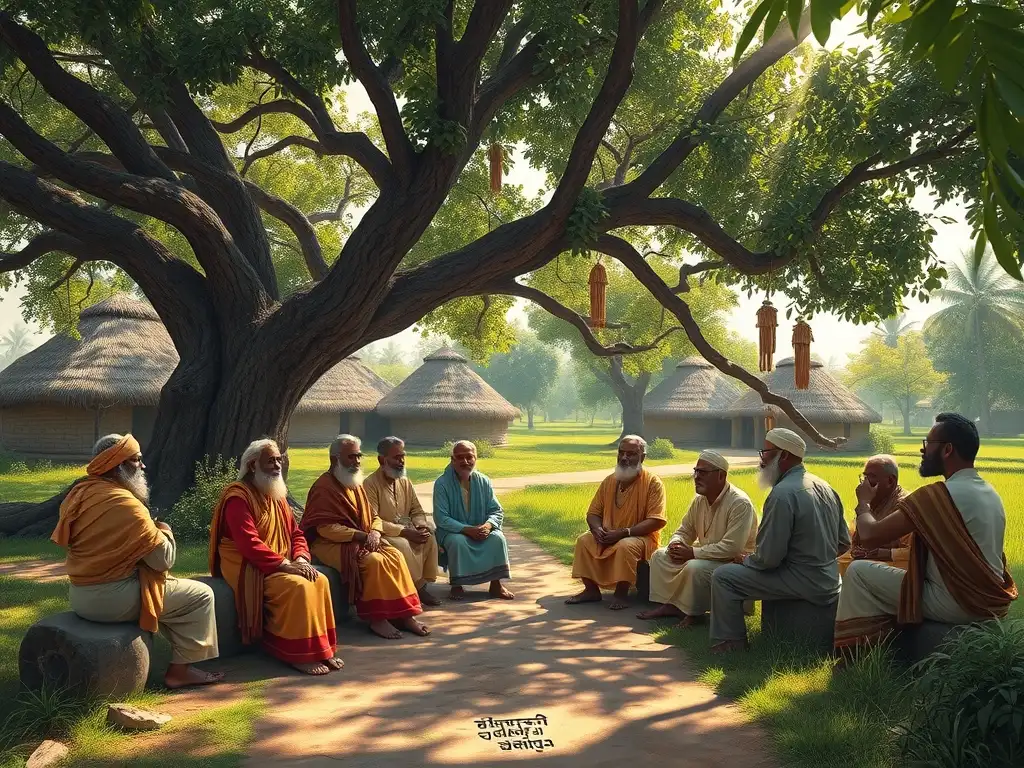
Examples from Different Regions of Ancient India
Examining specific case studies from various regions reveals the diversity of property distribution practices in ancient India. For instance, in the Indus Valley Civilization, archaeological evidence suggests that property was often communal, with shared resources managed by local leaders. This communal approach fostered cooperation among inhabitants and minimized conflict over land ownership.
In Northern India, particularly among the Kshatriya and Brahmin communities, the concept of Dharma influenced property distribution. Texts such as the Manusmriti emphasized the duty of male heirs to support their sisters and mothers, ensuring that women were not left destitute. The practice of Stridhan—gifts given to brides—also played a role in securing women's economic independence.
Conversely, in Southern India, particularly among the Tamil communities, matrilineal inheritance was observed, where property passed through the female line. This practice allowed women greater control over property and ensured their economic security within the family structure.
Lessons Learned from Historical Practices
The historical practices of property distribution in ancient India offer valuable insights into contemporary issues of inheritance and property rights. One key lesson is the importance of equitable distribution that respects the rights of all family members, including women. The acknowledgment of women's rights to property, whether through dowries or direct inheritance, highlights the necessity of inclusive legal frameworks.
Moreover, the role of elders as mediators provides a model for conflict resolution that prioritizes dialogue and reconciliation. In modern legal systems, incorporating community-based mediation could facilitate smoother property disputes and foster social harmony.
Additionally, the variations in practices across regions underscore the need for sensitivity to cultural contexts in property laws. Understanding these historical nuances can inform current debates on property distribution and inheritance laws, ensuring that they are equitable and reflective of societal values.
The practices of property distribution in ancient India, shaped by cultural norms and the influential role of elders, continue to resonate today, offering lessons in equity, justice, and community engagement.
The Influence of Religion and Philosophy on Property Distribution
In ancient India, property distribution practices were deeply intertwined with the prevailing religious and philosophical ideologies. The two major religions—Hinduism and Buddhism—offered distinct yet occasionally overlapping viewpoints on the roles of elders in the management and distribution of property. These perspectives not only shaped social norms but also influenced the legal frameworks governing inheritance.
Religious texts and philosophical treatises provided guidelines that dictated how property should be distributed among heirs, often emphasizing the importance of familial duty and social harmony. Elders were seen as custodians of tradition and morality, entrusted with the responsibility to ensure fairness and adherence to religious principles. This influence was evident in how property was often distributed not solely based on legal rights but also on ethical considerations, aiming to preserve family unity and societal order.
Hindu and Buddhist Perspectives on Property and Eldership
Hindu Perspectives
In Hindu society, the Manusmriti—a foundational legal text—plays a pivotal role in shaping norms around property distribution. It emphasizes the rights of sons over daughters in matters of inheritance, reflecting a patriarchal structure. However, elders, particularly fathers, were considered the primary decision-makers in the distribution process. Their role was crucial in mediating claims among heirs and ensuring that property was allocated in a manner that upheld dharma (righteousness).
Elders were also expected to consider the well-being of the family unit as a whole, often prioritizing the needs of those who were less fortunate or unable to fend for themselves. This approach fostered a sense of responsibility, encouraging elders to act not just as legal authorities but as moral guides who could balance justice with compassion.
Buddhist Perspectives
Buddhism introduced a different perspective on property and inheritance, focusing on the concepts of detachment and communal well-being. Buddhist texts advocate for minimizing attachment to material possessions, which shaped views on property distribution. In Buddhist communities, elders were revered as wise figures who could guide younger generations in making equitable decisions regarding property.
In many cases, property was viewed less as a personal entitlement and more as a communal resource. This philosophy encouraged practices of sharing and collective ownership, reducing the emphasis on individual inheritance rights. Elders played a vital role in mediating these discussions, ensuring that property distribution aligned with the values of compassion and community welfare.
The Intersection of Law and Morality in Ancient India
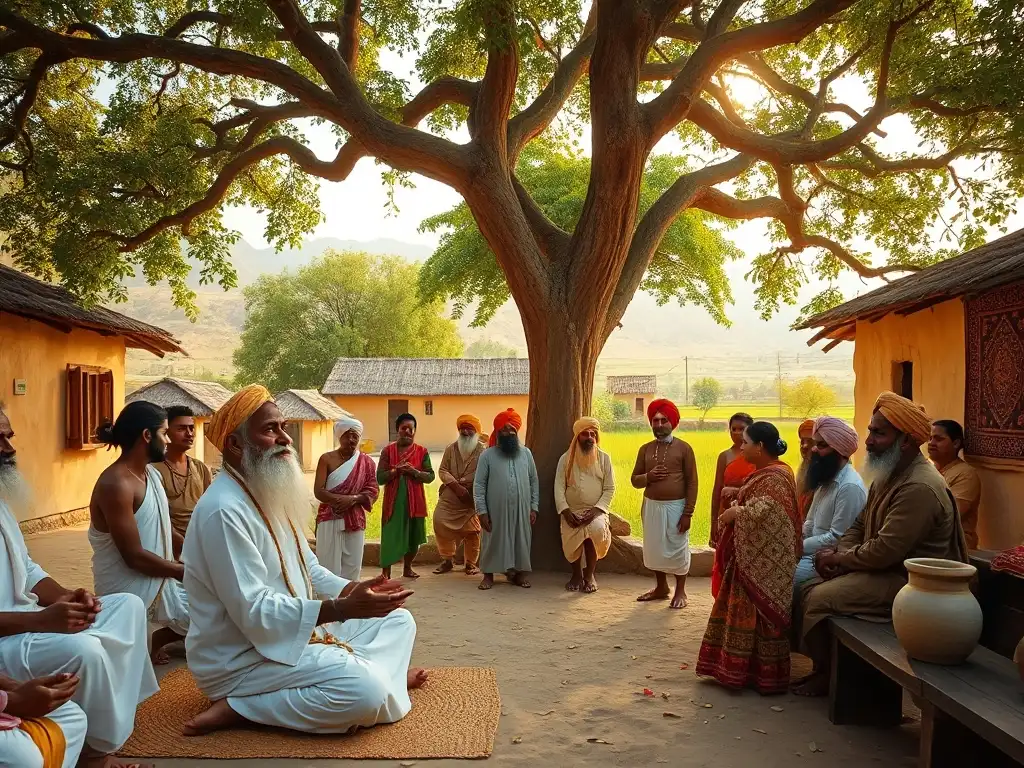
The relationship between law and morality in ancient India was complex, particularly concerning property distribution. Legal frameworks derived from religious texts often intersected with moral obligations, creating a hybrid system that governed inheritance. Elders were central to this intersection, acting as both legal authorities and moral arbiters.
While codified laws provided structure, they were frequently supplemented by customary practices that reflected local values and ethical considerations. Elders, drawing from their wisdom and experience, navigated these nuances to uphold justice while maintaining harmony within families. Their decisions were expected to resonate with societal morals, which often prioritized the welfare of the community over strict legalistic interpretations.
This interplay between law and ethics meant that property distribution was not merely a legal transaction; it was also a reflection of cultural values and familial obligations. Elders were tasked with balancing these aspects, ensuring that property was distributed in ways that honored tradition while also adapting to evolving social dynamics.
Conclusion: The Enduring Legacy of Elders in Property Distribution
The role of elders in property distribution practices in ancient India has left a lasting legacy that continues to resonate in contemporary discussions on inheritance and familial rights. Whether through the lens of Hindu or Buddhist philosophy, the principles established by these figures shaped not only the distribution of wealth but also the ethical framework within which these transactions occurred.
The emphasis on morality, communal well-being, and the responsibilities of elders underscores a profound understanding of social dynamics that transcends time. As modern legal systems evolve, the lessons from ancient practices remind us of the importance of ethical considerations in property distribution. The enduring legacy of elders serves as a testament to their pivotal role in fostering harmony, justice, and respect within families and communities throughout history.
Call to Action: Further Exploration of Ancient Indian Legal Systems
As we delve deeper into the fascinating world of ancient India, it's essential to understand the intricate legal systems that governed property distribution and inheritance practices. The role of elders in these processes was not merely ceremonial; it was a cornerstone of the social structure that ensured fairness and stability within communities.
To gain a comprehensive understanding of ancient India’s property distribution practices, we encourage you to explore the following avenues:
- Study Historical Texts: Key scriptures and texts such as the Manusmriti and Arthashastra provide invaluable insights into the legal frameworks of the time. Analyzing these texts can reveal the complexities of property rights and the societal norms influencing them.
- Examine Case Studies: Look into specific case studies of ancient Indian families and clans. Understanding how property distribution occurred in real-life scenarios can shed light on the practical application of these laws.
- Engage with Scholarly Research: Numerous academic works delve into the nuances of ancient Indian legal systems. Engaging with these resources can enhance your understanding of how elders played a pivotal role and the impact of their decisions on lineage and community cohesion.
- Participate in Discussions and Forums: Join discussions in academic forums or social media groups focused on ancient Indian history. Engaging with like-minded individuals can provide new perspectives and foster deeper insights into the subject.
- Visit Historical Sites: If possible, visiting archaeological sites and museums that showcase artifacts and inscriptions related to ancient property laws can provide a tangible connection to the past. Experiencing the rich heritage first-hand can be both enlightening and inspiring.
By exploring these avenues, you can enrich your understanding of the ancient India property distribution practices and appreciate the complexities of their legal systems. The legacy of these practices continues to influence modern legal frameworks, making this exploration not only relevant but essential for those interested in the evolution of law and society.
- Introduction to Ancient India Property Distribution Practices
- Historical Context of Property Distribution in Ancient India
- The Mechanisms of Property Distribution in Ancient India
- Case Studies of Property Distribution Practices
- The Influence of Religion and Philosophy on Property Distribution
- Hindu and Buddhist Perspectives on Property and Eldership
- The Intersection of Law and Morality in Ancient India
- Conclusion: The Enduring Legacy of Elders in Property Distribution
- Call to Action: Further Exploration of Ancient Indian Legal Systems
- What were the property distribution practices in Ancient India?
- How did elders influence property distribution?
- Were there any legal frameworks governing property distribution in Ancient India?
- Did all regions in Ancient India have the same property distribution practices?
- What role did gender play in property distribution in Ancient India?
Frequently Asked Questions
What were the property distribution practices in Ancient India?
Ancient India utilized various property distribution practices that often involved family hierarchy and community consensus. Elders played a crucial role in mediating these distributions.
How did elders influence property distribution?
Elders were respected figures whose wisdom and experience helped guide decisions regarding property distribution. Their involvement ensured fairness and adherence to traditions.
Were there any legal frameworks governing property distribution in Ancient India?
Yes, Ancient Indian societies often followed shastras (texts) that outlined legal frameworks for property rights and inheritance, detailing how property was to be distributed among heirs.
Did all regions in Ancient India have the same property distribution practices?
No, practices varied significantly across regions and communities. Local customs and cultural norms greatly influenced how property was distributed, reflecting a diverse societal structure.
What role did gender play in property distribution in Ancient India?
Gender roles had a significant impact on property distribution, with men typically holding primary rights. However, women could also inherit property, especially in certain communities or under specific circumstances.
Final Reflection: The Enduring Legacy of Elders in Property Distribution
The practices of property distribution in ancient India reveal a profound respect for the wisdom of elders, a principle that remains strikingly relevant today. As we navigate modern complexities surrounding inheritance and property rights, the insights gleaned from ancient traditions remind us of the importance of community, respect, and the role of familial bonds in shaping equitable practices. The lessons of the past resonate now more than ever, urging us to reconsider how we approach property distribution in our contemporary society.
Cultural and social landscapes are continually influenced by the values we choose to uphold, and the role of elders in property distribution is a testament to this enduring influence. The wisdom of elders not only guided the equitable distribution of property but also fostered a sense of responsibility and stewardship within families and communities.
As Mahatma Gandhi once said, “The best way to find yourself is to lose yourself in the service of others.” This sentiment encapsulates the essence of how ancient practices sought to balance individual rights with collective well-being, a principle that still holds significant weight in discussions about property and inheritance today.
As we reflect on the insights from ancient India, let us consider how we can integrate these timeless values into our own lives and communities. I invite you to think about the role of wisdom and experience in your own decision-making processes regarding property and inheritance. How can you honor the contributions of elders in your family while ensuring fairness and equity for all? By embracing these lessons, we can create a more just and compassionate approach to property distribution that honors both tradition and the needs of the present.
Embrace the Wisdom of Elders: Influence Today's Legacy!
Thank you for exploring the rich insights of property distribution in ancient India! By understanding the crucial role that elders played, you've unlocked a deeper appreciation for how traditions shape our lives today. Now, it's time to put that knowledge into action!
Here are some steps you can take to engage further:
- Reflect on your family history: Engage in meaningful conversations with your elders to learn about their perspectives on property, inheritance, and community values. This personal connection will enrich your understanding and strengthen family bonds.
- Join or initiate a community discussion: Share these insights with your friends or in local groups to examine how traditional roles can continue to influence modern practices.
- Document your findings: Consider starting a journal or blog to chronicle your family's property distribution history and the values imparted by elders in your culture. This could inspire others to reflect on their own legacies!
How will you carry forward the lessons of our ancestors to impact the choices we make about property and legacy today?