
Understanding Joint Family Property Rights in Ancient Indian Society


Welcome to Ancient India History, where we delve into the fascinating tapestry of civilization that flourished thousands of years ago. In this exploration, we invite you to uncover the intricate dynamics of joint family property rights within ancient Indian society. How did these laws shape familial bonds and social structures from the Indus Valley to the Gupta Empire? Join us as we unravel the complexities of legal systems and cultural norms that have left a lasting impact on India's rich heritage. Continue reading to discover the profound connections between family, property, and identity in a time long past!

Introduction to Ancient Indian Joint Family Property
The concept of joint family property in ancient Indian society is a fascinating aspect of its legal and cultural framework. This system, deeply embedded in the social fabric of the time, played a crucial role in defining familial relationships and property rights. Understanding the intricacies of joint family property rights provides valuable insights into how ancient Indian civilizations structured their social and economic lives, ensuring collective ownership and mutual responsibilities among family members. This article delves into the fundamental aspects of joint family property, tracing its historical context and examining the legal codes that governed it throughout ancient India.
Definition of Joint Family Property in Ancient India
In ancient India, joint family property referred to the collective ownership of assets by a family unit, which typically included multiple generations living together. This system allowed for the pooling of resources and the sharing of responsibilities among family members, ensuring that property and wealth were maintained within the family lineage.
Key features of joint family property included:
- Common Ownership: All members of the joint family had equal rights to the property, regardless of their individual contributions.
- Indivisible Nature: The property was often viewed as a single entity, making it indivisible during the lifetime of family members.
- Custodianship: The eldest male member usually acted as the custodian of the family’s property, responsible for its management and distribution.
Importance of Joint Family System in Ancient Indian Society
The joint family system held significant importance in ancient Indian society for several reasons:
- Social Cohesion: It fostered a sense of unity and support among family members, creating a stable social environment.
- Economic Security: By pooling resources, families could sustain themselves better, especially in agrarian societies where collective labor was crucial.
- Cultural Continuity: The joint family system facilitated the transmission of traditions, values, and customs, ensuring the preservation of cultural identity across generations.
Historical Context of Joint Family Property Rights
Evolution of Joint Family Structures in Ancient India
The structure of joint families in ancient India evolved significantly over time, influenced by various social, economic, and political factors. Early Indian texts, such as the Vedas and Smritis, laid the foundation for understanding familial relationships and property rights. Over the centuries, the joint family system adapted to changing circumstances, including:
- Agricultural Developments: The transition from nomadic lifestyles to settled agriculture strengthened the need for joint ownership of land and resources.
- Rise of Urban Centers: With the growth of cities, the joint family structure began to accommodate new forms of economic activity, leading to diversification in property types.
Key Texts and Legal Codes Governing Property Rights
Several ancient legal texts and codes played a pivotal role in shaping the principles of joint family property rights. Notable among these are:
- Manusmriti: This ancient legal text outlined various aspects of property rights, emphasizing the importance of joint ownership and the role of the elder in managing family assets.
- Yajnavalkya Smriti: This code provided detailed guidelines regarding inheritance and the division of property, reinforcing the significance of the joint family system.
Understanding these texts is crucial for comprehending how ancient Indian societies viewed property rights and family dynamics, ultimately reflecting their cultural ethos.
Key Features of Joint Family Property Rights
In ancient Indian society, joint family property rights were fundamental to the structure and functioning of family units. These rights were characterized by a collective ownership model, where property was held jointly by the family members rather than individually. The concept of joint family property was deeply rooted in cultural practices and played a significant role in maintaining social harmony and security within families.
One of the key features of joint family property rights was the idea of coparcenary, where all male members of the family had equal rights to the property. This system ensured that the family’s resources were pooled together, allowing for better sustenance and management. Furthermore, the property was often considered a family entity, and any income generated from it was shared among all members.
Another crucial aspect was the concept of undivided property, which meant that the property could not be partitioned without the consensus of all members. This not only fostered unity but also protected family wealth across generations. The importance of maintaining joint ownership was emphasized in various ancient texts, which outlined the responsibilities and rights of each family member, ensuring that the family remained cohesive and strong.
Characteristics of Joint Family Property
Joint family property in ancient India was characterized by several distinctive features. Notably, it was generally comprised of agricultural land, residential properties, and other assets that were essential for the family’s livelihood. The property was often inherited through generations, reflecting a lineage system where ancestry played a significant role in determining ownership.
Another characteristic was the perpetual nature of joint family property. Unlike individual ownership, which could be sold or transferred, joint family property was intended to remain within the family. This characteristic was crucial for preserving wealth and ensuring that future generations had access to resources.
Moreover, joint family property was governed by customary laws that varied from region to region. These laws dictated how property was managed, the roles and responsibilities of family members, and the procedure for resolving disputes. The flexibility and adaptability of these customary practices allowed families to navigate changing circumstances while adhering to cultural norms.
Rights of Family Members in Joint Property
In the context of joint family property, rights of family members were well-defined, though they primarily favored male members. Each male member, known as a coparcener, had an inherent right to the property, which included the right to use and benefit from the assets. In contrast, female family members traditionally held limited rights, primarily reflecting societal norms that placed men in positions of authority.
However, women did have certain rights regarding maintenance and support from the family property. They were entitled to a share of the resources for their sustenance, which was crucial in ensuring their well-being. Additionally, in some regions, women could inherit property upon the death of their husbands or fathers, particularly if there were no male heirs.
Disputes over property rights were typically settled within the family or through local elders, reflecting a reliance on communal resolution methods rather than formal legal systems. This approach underscored the importance of maintaining familial relationships and harmony over strict adherence to property laws.
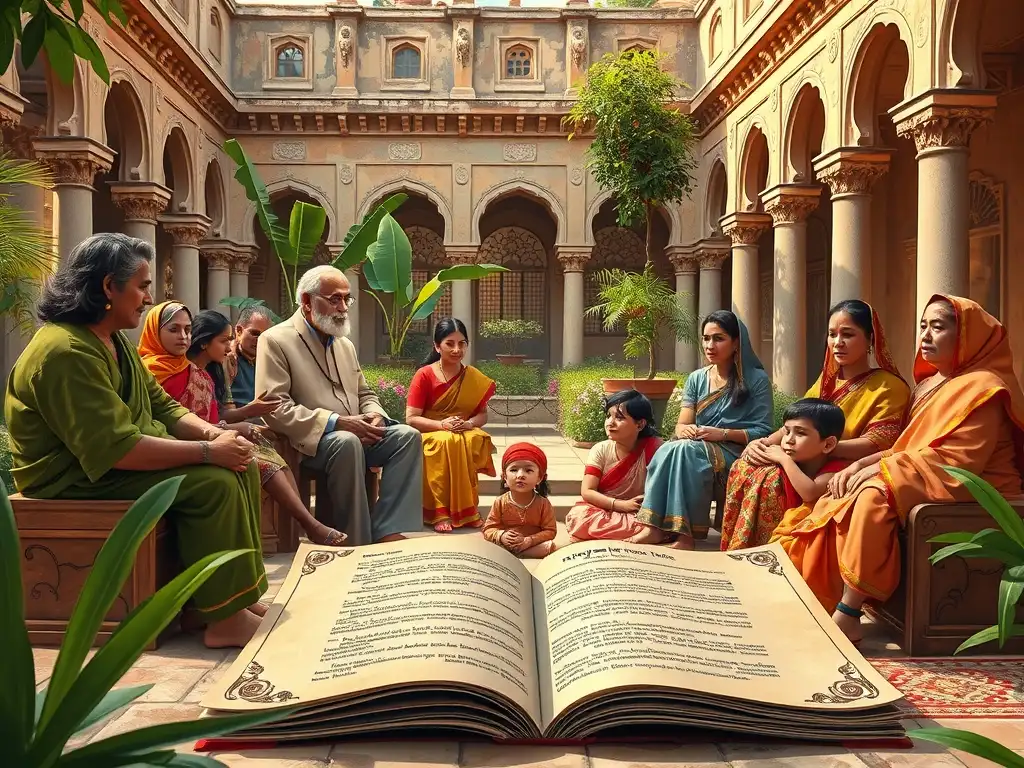
Inheritance laws concerning joint family property in ancient India were complex and deeply entwined with social customs and practices. These laws were primarily influenced by religious texts and local traditions, which provided a framework for property distribution among family members.
Traditional Inheritance Practices in Ancient India
Traditional inheritance practices dictated that property was passed down through male lineage, with sons receiving preferential rights over daughters. Upon the death of a patriarch, the property would typically be divided among the surviving male heirs, reinforcing the male-centric structure of family ownership. Daughters, on the other hand, were generally expected to marry into another family and thus were often excluded from inheriting ancestral property.
However, there were exceptions in certain communities where daughters were granted rights to inherit, especially if there were no male heirs. This practice reflected the evolving nature of inheritance laws, which occasionally adapted to the specific needs of families and communities.
Role of Customary Law in Property Distribution
Customary law played a pivotal role in shaping inheritance laws related to joint family property. These unwritten laws varied significantly across different regions and communities, reflecting local customs and social practices. They established guidelines for property distribution, often emphasizing fairness and equity among family members.
In many cases, customary law allowed for negotiated settlements among family members, enabling them to reach agreements on property distribution without resorting to formal legal channels. This flexibility was essential for maintaining familial relationships, as it prioritized harmony over strict legal interpretations.
Impact of Gender on Inheritance Rights
Gender had a profound impact on inheritance rights within the framework of joint family property. While male members typically enjoyed clear and unequivocal rights to inherit property, women faced significant limitations. The patriarchal structure of ancient Indian society often relegated women to secondary roles, impacting their ability to claim inheritance from the family estate.
Nevertheless, there were instances where women could assert their rights, particularly in matrilineal societies or among specific communities that recognized women’s inheritance claims. The evolution of social attitudes towards gender roles gradually influenced inheritance laws, leading to increased awareness of women's rights in property matters.
The landscape of inheritance laws related to joint family property was multifaceted, shaped by a combination of traditional practices, customary laws, and the prevailing societal attitudes towards gender. The ongoing evolution of these laws reflects the dynamic nature of ancient Indian society and its approach to family, property, and inheritance.
Disputes and Conflict Resolution in Joint Family Property
In ancient Indian society, joint family property was a fundamental aspect of familial structure and socio-economic stability. However, this collective ownership often led to disputes among family members. The nature of these disputes was deeply rooted in the complexities of shared rights, expectations, and personal ambitions within the joint family system. Disputes could arise due to various factors, including unequal contributions to the family property, differing interpretations of property rights, and individual desires for autonomy.
The resolution of such conflicts was crucial for maintaining harmony within the family unit. Traditionally, the emphasis was on mediation rather than litigation, reflecting the cultural values of cooperation and family unity. Elders played a significant role as mediators, utilizing their wisdom and experience to guide parties toward amicable solutions. The goal was to reach a consensus that preserved familial ties while addressing the grievances of the involved parties.
Common Disputes Arising in Joint Family Property
Several common disputes frequently emerged in the context of joint family property:
- Division of Property: As families grew, the question of how to equitably divide land or assets became contentious. Disagreements often arose over what constituted fair shares for each member.
- Mismanagement of Resources: Cases of mismanagement or misuse of family resources by one member could lead to conflicts, especially if it negatively impacted the family's overall wealth.
- Claims of Inheritance: Disputes regarding claims from extended family members, or disputes over the validity of wills and inheritance rules, could create rifts within the family.
- Gender Disparities: Historically, women often faced challenges in claiming their rights to joint family property, leading to disputes over their rightful shares, especially in the absence of male heirs.
Mechanisms for Conflict Resolution in Ancient India
Ancient Indian society employed various mechanisms for resolving disputes related to joint family property.
- Panchayati System: A traditional village council, or panchayat, often served as the primary body for conflict resolution. The panchayat comprised respected community members who would listen to both sides and suggest a fair resolution based on customary laws.
- Elders’ Mediation: Family elders were typically called upon to mediate disputes. Their authority stemmed from respect and experience, enabling them to facilitate discussions that emphasized reconciliation rather than confrontation.
- Religious and Cultural Norms: Decisions were often guided by religious texts or cultural traditions that outlined moral obligations and family duties, providing a framework for resolving disputes.
- Formal Agreements: In some cases, families would create written agreements delineating the rights and responsibilities of each member regarding property, which could help preemptively resolve potential conflicts.
Comparison of Joint Family Property Rights Across Regions
The concept of joint family property and the associated rights varied significantly across different regions of ancient India. While the underlying principle of collective ownership was common, the implementation and legal nuances differed.
- North India: In the northern regions, joint family systems were often governed by Hindu law, which emphasized the rights of male members and provided limited rights to women. Property was typically inherited patrilineally, with sons receiving shares upon the father’s death.
- South India: Conversely, in southern states, matrilineal systems were more prominent, particularly among certain communities. Here, women could inherit property, and ownership could be traced through the female line, leading to different dynamics in property rights.
- Eastern India: In Bengal, joint family properties were often managed collectively, but disputes could arise when individual family members sought to assert their claims. The legal framework here included elements from both Hindu law and local customs.
- Western India: The western regions exhibited a mix of joint and nuclear family structures, with property rights influenced by both Hindu and Islamic laws. Here, women’s rights to inheritance started gaining recognition, particularly in urban areas.
Regional Variations in Joint Family Property Laws
The differences in joint family property laws across regions can be summarized as follows:
| Region | Property Inheritance | Women’s Rights | Dispute Resolution Mechanisms |
|---|---|---|---|
| North India | Patrilineal | Limited access | Panchayati System, Elders' Mediation |
| South India | Matrilineal in some communities | Significant | Elders' Mediation, Cultural Norms |
| Eastern India | Mixed (Hindu & Local customs) | Moderate | Panchayat, Formal Agreements |
| Western India | Mixed (Hindu & Islamic laws) | Improving | Elders, Panchayati System |
These regional variations reflect the diverse cultural, social, and economic factors that shaped joint family property rights across ancient India, illustrating the complexity of inheritance laws and the importance of understanding local customs and practices.
The Decline of Joint Family Property System

The joint family property system in ancient India was a cornerstone of social and economic life, deeply rooted in cultural and religious traditions. However, over time, this system experienced a significant decline, influenced by various sociopolitical changes and economic factors. As society evolved, the structure of the joint family began to fracture, leading to the emergence of nuclear families and individual property rights.
One of the primary factors contributing to this decline was the increasing influence of colonial rule, particularly during the British Raj. The introduction of Western legal principles and property laws disrupted traditional practices, undermining the communal ownership that characterized joint family properties. This shift prompted individuals to claim their share of ancestral property, leading to fragmentation and disputes among family members.
Additionally, urbanization played a crucial role in the decline of the joint family system. As people migrated to cities for employment opportunities, traditional family structures began to dissolve, with individuals opting for more independent living arrangements. This transition not only affected familial relationships but also altered property ownership dynamics, as urban residents sought to establish their own assets.
Factors Leading to the Decline of Joint Family Structure
Several factors contributed to the decline of the joint family structure in ancient Indian society:
- Colonial Influence: The British legal system promoted individual ownership and property rights, leading to a shift away from communal family property.
- Urbanization: Migration to urban areas encouraged the formation of nuclear families, as individuals sought economic independence and new lifestyles.
- Economic Changes: The transition from agrarian economies to industrialized ones diminished the relevance of joint family structures, as economic activities became more individual-focused.
- Changing Social Norms: The rise of individualism and changing attitudes toward marriage and family life further contributed to the decline, as younger generations prioritized personal autonomy.
- Legal Reforms: Legislative changes, such as the Hindu Succession Act of 1956, redefined property rights, granting women equal rights to inherit, which altered traditional practices in joint family properties.
Impact of Modernization on Property Rights and Inheritance
Modernization has profoundly impacted property rights and inheritance practices in India. The traditional joint family property system, which allowed for collective ownership and shared responsibilities, has been increasingly replaced by individual property rights. This transition has resulted in a more complex legal landscape for property ownership and inheritance.
As modernization progressed, the legal framework governing property rights evolved to reflect contemporary societal values. Women, who were historically marginalized in property matters, gained legal rights to inheritance and ownership through various reforms. This shift not only empowered women but also diversified the dynamics of property distribution within families.
Moreover, the modern emphasis on individualism has led to a rise in conflicts over property inheritance. Disputes among heirs have become more common as families navigate the complexities of dividing assets in a system that once favored collective ownership. The legacy of the joint family property system continues to influence these modern disputes, as cultural expectations and traditional values often clash with contemporary legal standards.
Conclusion
Summary of Key Points on Joint Family Property Rights
The joint family property system in ancient India was characterized by communal ownership, collective responsibilities, and a strong sense of familial unity. However, this system has experienced significant decline due to factors such as colonial influence, urbanization, and changing social norms. Modernization has further transformed property rights and inheritance practices, leading to individual ownership and increased legal complexities.
The key points regarding joint family property rights include:
- The historical significance of the joint family property system in promoting social cohesion.
- The role of colonialism and legal reforms in altering traditional property rights.
- The impact of urbanization and modernization on family structures and property dynamics.
- The evolution of women's rights in property ownership and inheritance.
The Legacy of Ancient Indian Joint Family Property in Contemporary Society
The legacy of ancient Indian joint family property continues to resonate in contemporary society, reflecting both the strengths and challenges of familial relationships. While the traditional joint family system has diminished, its principles of shared responsibility and collective welfare still influence modern familial interactions.
Contemporary society often grapples with balancing individual rights and traditional values, especially in the context of inheritance and property disputes. The lessons learned from the ancient joint family system can inform current practices, emphasizing the importance of communication, mutual respect, and equitable solutions in property matters.
As India continues to evolve, understanding the historical context of joint family property rights can provide valuable insights into fostering harmonious family relationships while adapting to modern legal frameworks and societal changes. The intersection of tradition and modernity remains a critical area for exploration, as families navigate the complexities of property ownership in today's world.
References
Understanding the intricacies of joint family property rights in ancient Indian society necessitates a dive into various historical sources and scholarly works. These references provide a foundation for comprehending how property laws evolved and functioned within the context of ancient Indian culture. This section consolidates essential readings and documents that can enhance your knowledge of ancient Indian joint family property.
Suggested Readings on Ancient Indian Property Laws
-
"The Hindu Law of Inheritance" by A. D. R. Choudhury
This book offers a detailed examination of the inheritance laws as practiced in ancient Hindu society, shedding light on the principles governing joint family properties.
-
"Women’s Property Rights in Ancient India" by R. S. Sharma
Sharma explores the role of women in property rights, emphasizing how ancient Indian laws provided women with certain rights within the joint family structure.
-
"The Role of the Joint Family in Indian Society" by M. N. Srinivas
This work discusses the sociocultural aspects of the joint family system, including the implications for property and inheritance.
-
"The Manusmriti: Text and Translation" by G. C. Tripathi
As one of the oldest legal texts, the Manusmriti lays out various laws regarding property and inheritance, providing critical insights into ancient joint family structures.
-
"Indian Society Through the Ages" by R. C. Majumdar
This comprehensive overview of Indian society includes discussions on property laws and familial structures, contributing to a broader understanding of joint family property rights.
Important Historical Documents and Texts
-
The Manusmriti (Laws of Manu)
This ancient text is a crucial legal document that outlines the duties, rights, and responsibilities of individuals within a joint family, detailing aspects of property ownership and inheritance.
-
The Yajnavalkya Smriti
Another significant legal text that elaborates on property rights, including joint ownership and the distribution of property among heirs, reinforcing the collective ownership principles prevalent in ancient India.
-
The Dharmashastra
A collection of texts that provide guidelines on dharma (law/righteousness), including various aspects of property rights within joint families, emphasizing the moral and ethical dimensions of inheritance.
-
Local Inscriptions and Edicts
Archaeological findings, such as inscriptions on stone tablets and edicts from ancient rulers, often reference property transactions and inheritance, providing tangible evidence of joint family property practices.
-
The Arthashastra by Kautilya
This political treatise includes discussions on statecraft and economics, which also touch upon property rights and the management of family assets, offering a broader perspective on the economic implications of joint family ownership.
These readings and historical documents are indispensable for anyone looking to gain a deeper understanding of the joint family property rights that shaped ancient Indian society, reflecting the complex interplay between law, culture, and familial relations.
- Introduction to Ancient Indian Joint Family Property
- Historical Context of Joint Family Property Rights
- Key Features of Joint Family Property Rights
- Inheritance Laws Related to Joint Family Property
- Disputes and Conflict Resolution in Joint Family Property
- Comparison of Joint Family Property Rights Across Regions
- The Decline of Joint Family Property System
- Conclusion
- References
- What is the concept of joint family property in ancient Indian society?
- How did the joint family property system influence inheritance laws?
- What role did customs and traditions play in joint family property rights?
- How did the Gupta Empire impact the structure of joint family property?
- Are there modern parallels to ancient joint family property systems?
Frequently Asked Questions
What is the concept of joint family property in ancient Indian society?
Joint family property refers to land and assets owned collectively by a family unit, where all members have shared rights and responsibilities. This system promoted unity and cooperation among family members.
How did the joint family property system influence inheritance laws?
The joint family property system established patriarchal inheritance, where property was typically passed down through the male lineage, ensuring that family resources remained within the joint family.
What role did customs and traditions play in joint family property rights?
Customs and traditions significantly influenced joint family property rights, dictating how property was managed and divided. These practices were often unwritten but held great authority in guiding family dynamics.
How did the Gupta Empire impact the structure of joint family property?
During the Gupta Empire, the system of joint family property was further formalized, with legal texts providing clearer guidelines on property rights, enhancing stability and security for family units.
Are there modern parallels to ancient joint family property systems?
Yes, modern joint family property concepts can be seen in various cultures today, where collective ownership and shared responsibilities continue to reflect the values of familial bonds and cooperation.
Final Reflection: The Enduring Legacy of Ancient Indian Joint Family Property
Understanding the intricacies of ancient Indian joint family property rights is not merely an academic exercise; it is a lens through which we can view the evolution of familial and societal structures that continue to shape our lives today. The principles of shared ownership and collective responsibility that were prevalent in ancient times resonate with contemporary discussions around family dynamics, inheritance laws, and communal living. As we navigate the complexities of modern society, the lessons from our past remind us of the importance of unity and collaboration within families.
The concept of joint family property has profoundly influenced the cultural and social landscape of India, fostering a sense of belonging and shared identity. This historical framework has not only shaped legal systems but has also instilled values of cooperation and mutual support among family members. As noted by legal scholar A. R. Desai, The joint family system is a unique feature of Indian society, reflecting the collective ethos that binds individuals together.
This enduring influence underscores the need to appreciate and understand our roots, as they inform our present and future interactions within families and communities.
As we reflect on the significance of ancient Indian joint family property rights, I invite you to consider how these principles can be applied in your own life. Think about the ways in which you can foster collaboration and support within your family, embracing the spirit of togetherness that has been cherished for centuries.
Whether it’s through shared decision-making, collective celebrations, or simply being there for one another, let us honor the legacy of our ancestors by nurturing the bonds that unite us. In doing so, we not only preserve our cultural heritage but also pave the way for a more harmonious future.
Empower Your Knowledge: Explore Joint Family Property Rights!
Thank you for diving into the rich tapestry of joint family property rights in ancient Indian society. Your curiosity sheds light on an important aspect of cultural heritage and law that has shaped familial structures for centuries. Now that you’ve gained insights into these historical rights, it’s time to take the next step in your journey of understanding and advocacy.
Here are some actionable steps you can take:
- Dive Deeper: Research and read more about the evolution of property rights across various cultures. This will expand your understanding of how these ancient laws continue to influence modern practices.
- Engage with Others: Join online forums or community groups that focus on historical and legal studies. Sharing your insights and learning from diverse perspectives can enrich the ongoing conversation.
- Share Your Learnings: Discuss your findings with friends or on social media platforms. This helps raise awareness about the significance of joint family property rights within historical contexts.
As you reflect on this important topic, consider this: In what ways do you believe the principles of joint family property rights can shape contemporary discussions surrounding property and family law today?