
How to Create Your Own Ayurvedic Herbal Remedies at Home

Welcome to Ancient India History, where we embark on a fascinating journey through the tapestry of one of the world's oldest civilizations. Dive into the enchanting realm of Ayurveda, as we unveil the secrets of DIY Ayurvedic herbal remedies in our latest article. Discover how the wisdom of ancient Indian practices can transform your approach to wellness right from the comfort of your home.
This is not just a guide; it's an invitation to explore the harmonious blend of science and tradition that has enriched lives for centuries. Are you ready to uncover the healing powers of nature? Read on to unlock the ancient secrets that await you!
Introduction to DIY Ayurvedic Herbal Remedies
The practice of Ayurveda, a holistic healing system that originated in ancient India over 3,000 years ago, emphasizes balance and harmony in the body, mind, and spirit. One of the key aspects of Ayurveda is the use of natural ingredients—especially herbs, oils, and spices—to create remedies that promote health and well-being. In this article, we will explore how you can create your own DIY Ayurvedic herbal remedies at home, empowering you to take charge of your health while connecting with the rich traditions of ancient Indian medicine.
Understanding Ayurveda: Principles and Philosophy
Ayurveda is built on the understanding that each individual is unique and that health is achieved through a balance of three fundamental energies, known as doshas: Vata, Pitta, and Kapha. These doshas influence our physical characteristics, mental state, and overall health.
- Vata: Represents movement and is associated with air and space.
- Pitta: Represents transformation and is linked to fire and water.
- Kapha: Represents stability and is connected to earth and water.
By recognizing your dosha, you can tailor your herbal remedies to suit your specific needs, promoting optimal health and wellness.
Importance of Herbal Remedies in Ayurveda
Herbal remedies are integral to Ayurvedic practice, as they harness the natural healing properties of plants to address various health issues. These remedies not only treat symptoms but also work to restore balance within the body.
- Holistic Approach: Herbal remedies consider the individual's body type, lifestyle, and emotional state.
- Preventive Care: Regular use of herbal formulations can enhance immunity and prevent illness.
- Natural Alternatives: Ayurvedic remedies offer a natural alternative to synthetic medications, minimizing side effects.
Essential Ingredients for Ayurvedic Herbal Remedies
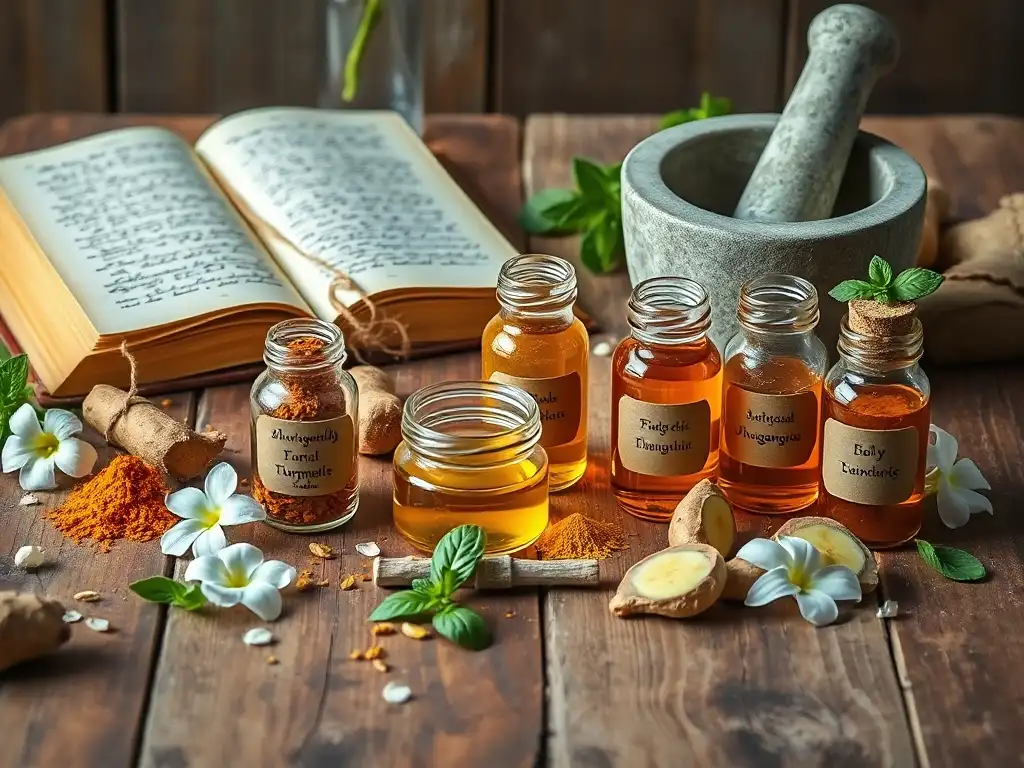
Creating your own Ayurvedic herbal remedies at home requires an understanding of the essential ingredients that form the foundation of these formulations.
Common Herbs Used in Ayurveda
Several herbs are staples in Ayurvedic practices, each with specific health benefits:
- Tulsi (Holy Basil): Known for its adaptogenic properties, it helps combat stress and enhances immunity.
- Ashwagandha: This herb is renowned for its ability to reduce anxiety and improve energy levels.
- Turmeric: A powerful anti-inflammatory, it supports joint health and boosts overall wellness.
Natural Oils and Their Healing Properties
Oils play a significant role in Ayurveda, often used for topical applications or in formulations for internal use. Some popular oils include:
- Coconut Oil: Excellent for skin health and digestion.
- Sesame Oil: Known for its warming properties, it aids in detoxification.
- Castor Oil: Used for its laxative effects and to promote hair growth.
Spices and Their Role in Herbal Formulations
Spices not only enhance the flavor of food but also serve as potent medicinal agents in Ayurveda. Key spices include:
- Ginger: Aids digestion and reduces nausea.
- Cinnamon: Helps regulate blood sugar levels and has anti-inflammatory effects.
- Black Pepper: Enhances the bioavailability of other herbs and aids in digestion.
By understanding these essential ingredients and their properties, you can begin your journey towards crafting effective DIY Ayurvedic herbal remedies that align with your personal health goals.
Preparing Your Home for Herbal Remedy Creation
Creating your own Ayurvedic herbal remedies at home can be a rewarding and enriching experience. However, it requires a thoughtful approach to ensure that you create a safe and effective environment. Preparing your space is the first essential step in this journey. Having a clean, organized, and dedicated area for your herbal work can enhance both the process and outcomes of your DIY Ayurvedic herbal remedies.
Setting Up a Dedicated Herbal Workspace
Your herbal workspace should be a calm and clutter-free zone that promotes focus and creativity. Here are some key considerations for setting up your area:
- Choose a Well-Ventilated Space: A room with good airflow helps to maintain a fresh atmosphere, essential for the delicate nature of herbs and remedies.
- Organize Your Work Surface: A clean, flat surface like a table or countertop is ideal. Ensure it’s free of distractions and clutter.
- Incorporate Natural Elements: Surrounding yourself with plants or natural materials can enhance the ambiance and connection to nature, which is vital in Ayurveda.
- Designate Storage for Ingredients: Use labeled containers or drawers to organize your dried herbs, oils, and other materials. This aids in easy access and helps maintain freshness.
Tools and Equipment Needed for DIY Remedies
To create effective Ayurvedic remedies, having the right tools and equipment is crucial. Here’s a list of essential items you may need:
- Mortar and Pestle: For grinding herbs and creating pastes.
- Herb Scissors or Pruners: Ideal for cutting and preparing fresh herbs.
- Glass Jars and Bottles: For storing your herbal formulations; glass is preferred to avoid chemical leaching.
- Measuring Cups and Spoons: Accuracy in measurements ensures the effectiveness of your remedies.
- Strainer or Cheesecloth: Useful for filtering liquids from solid herbs when making infusions or extracts.
- Double Boiler or Slow Cooker: For gentle heating of oils and herbal mixtures.
- pH Strips: To test the acidity of your remedies, ensuring they are safe for use.
Step-by-Step Guide to Creating Ayurvedic Herbal Remedies
Embarking on the journey to create your own Ayurvedic herbal remedies involves a series of deliberate steps. Following these guidelines can help streamline the process and ensure quality results.
Step 1: Research and Select Your Herbal Formulation
Begin by researching various herbal formulations suited to your specific health needs or goals. Consider:
- Identifying Health Concerns: Whether it’s for digestion, stress relief, or skin care, knowing your target will guide your selection.
- Understanding Herb Properties: Learn about the properties and benefits of different herbs. For example, turmeric is known for its anti-inflammatory properties, while ashwagandha is famous for stress relief.
- Choosing a Recipe: There are countless Ayurvedic recipes available in books and online. Select one that resonates with your needs and aligns with your research.
Step 2: Sourcing Quality Ingredients
The effectiveness of your Ayurvedic remedies largely depends on the quality of the ingredients you use. Here are some tips for sourcing:
- Organic and Fresh Herbs: Whenever possible, choose organic herbs to avoid pesticides and pollutants. Fresh herbs can also be more potent than dried.
- Reputable Suppliers: Whether purchasing from a local market or online, ensure the suppliers are known for their quality and ethical sourcing practices.
- Grow Your Own Herbs: If feasible, consider growing your own herbs at home. This guarantees freshness and gives you complete control over your ingredients.
Step 3: Preparing the Herbs
Proper preparation of herbs is vital for maximizing their healing properties. This includes:
- Cleaning: Rinse fresh herbs under cold water to remove any dirt or impurities.
- Drying: If using fresh herbs in formulations, consider drying them to preserve their properties and extend shelf life.
- Chopping or Grinding: Depending on your recipe, you may need to chop or grind herbs to release their active compounds.
Step 4: Formulating Your Herbal Remedy
Once your ingredients are prepared, it’s time to create your herbal remedy. Follow these steps:
- Measure Ingredients: Use your measuring tools to ensure precise amounts according to your recipe.
- Combine Ingredients: Mix your herbs with any necessary solvents, such as oils or alcohol, following the formulation guidelines.
- Heat if Necessary: Some remedies require gentle heating to extract properties from the herbs. Use a double boiler for even heating.
Step 5: Testing and Adjusting Your Remedies
After formulating your remedy, it's essential to test and adjust it:
- Perform a Patch Test: Before widespread use, apply a small amount of your remedy to check for any allergic reactions or sensitivities.
- Evaluate Effectiveness: Keep a journal to note how the remedy affects you. This helps in assessing its effectiveness over time.
- Make Adjustments: Based on your observations, tweak the formulation by adjusting ingredient ratios or adding new herbs.
By following these structured steps, you can confidently create your own Ayurvedic herbal remedies at home, harnessing the wisdom of ancient Indian healing practices.
Safety Considerations for DIY Ayurvedic Remedies
Creating your own Ayurvedic herbal remedies can be a rewarding experience, but safety should always be your top priority. Here are some essential safety considerations to keep in mind:
- Consultation with Professionals: Before embarking on your DIY Ayurvedic journey, it’s advisable to consult with a qualified Ayurvedic practitioner. They can help assess your individual health needs, recommend suitable herbs, and ensure that your remedies align with your specific dosha type.
- Quality of Ingredients: Always source high-quality herbs from reputable suppliers. Contaminated or improperly identified herbs can pose serious health risks. Look for organic options whenever possible to avoid harmful pesticides and chemicals.
- Allergies and Sensitivities: Be aware of any personal allergies or sensitivities you may have. Conduct a patch test on your skin when using topical remedies to check for any adverse reactions before applying them more broadly.
- Proper Dosage and Administration: Understand the appropriate dosages for different herbs. Overconsumption can lead to toxicity and other health issues. Always follow recommended guidelines and start with smaller amounts to gauge your body’s response.
- Storage and Shelf Life: Store your herbal remedies in a cool, dark place to prolong their shelf life. Proper storage helps maintain potency and prevents degradation. Discard any remedies that show signs of spoilage, such as unusual odors or discoloration.
Understanding Dosha Types and Personalized Remedies
In Ayurveda, the concept of doshas—Vata, Pitta, and Kapha—plays a crucial role in determining the balance of elements within your body and mind. Understanding your dosha type is essential when creating personalized remedies:
- Vata: Characterized by air and space, individuals with a dominant Vata dosha may experience dryness, anxiety, or irregular digestion. Remedies for Vata should include warming, grounding herbs like ginger and cinnamon, which help to stabilize and nourish.
- Pitta: Associated with the fire element, Pitta individuals may deal with issues such as inflammation, acidity, or irritability. Cooling herbs like peppermint and coriander are beneficial for soothing Pitta imbalances.
- Kapha: Comprising earth and water, a dominant Kapha dosha can lead to lethargy and congestion. Stimulating herbs such as turmeric and black pepper can help invigorate and balance Kapha energy.
By recognizing your unique dosha type, you can formulate herbal remedies that cater specifically to your body's needs, enhancing their effectiveness and promoting holistic wellness.
Potential Risks and Contraindications in Herbal Use
While many herbs have beneficial properties, they can also pose risks if used improperly. Here are some potential risks and contraindications to consider:
- Interactions with Medications: Certain herbs may interact negatively with prescription medications. For example, St. John's Wort can reduce the effectiveness of antidepressants, while herbs like ginseng may affect blood sugar levels.
- Pregnancy and Nursing: Some herbs are contraindicated during pregnancy or while nursing due to their potent effects. Always consult a healthcare provider before using any herbal remedies during these periods.
- Chronic Health Conditions: Individuals with chronic health conditions such as diabetes, liver disease, or heart conditions should exercise caution. Herbs like licorice can elevate blood pressure, while others may influence blood sugar levels.
Being aware of these risks allows you to make informed decisions and ensures that your DIY Ayurvedic herbal remedies promote health rather than compromise it.
Conclusion: Embracing the Art of Ayurvedic Herbal Remedies
Creating Ayurvedic herbal remedies at home is not just about health; it's also an exploration of ancient practices that honor the interconnectedness of body, mind, and spirit. By understanding the principles of Ayurveda and integrating them into your daily life, you can cultivate a stronger connection to your well-being.
Benefits of Making Your Own Remedies at Home
Making your own Ayurvedic remedies provides several advantages:
- Personalization: Tailor your remedies to suit your specific health needs and dosha imbalances.
- Cost-Effectiveness: DIY remedies can be more economical than purchasing pre-made products.
- Connection to Tradition: Engaging in this practice fosters a deeper appreciation for the rich history and wisdom of Ayurveda.
Encouragement to Explore and Experiment with Ayurveda
As you embark on your journey of creating DIY Ayurvedic herbal remedies, remember that exploration is key. Don't hesitate to experiment with different herbs and formulations. Keep a journal to track your experiences, noting what works best for you. This personal exploration not only enhances your understanding of Ayurveda but also empowers you to take charge of your health in a meaningful way. Happy crafting! 🌿
Additional Resources for Ayurvedic Practices
Creating your own Ayurvedic herbal remedies can be a rewarding journey, enriched by the knowledge of ancient practices and modern interpretations. To deepen your understanding and enhance your DIY Ayurvedic herbal remedies, it’s beneficial to explore various resources. Here are some excellent recommendations to guide you through your Ayurvedic journey.
Recommended Books and Guides on Ayurveda
Books are invaluable resources for anyone interested in Ayurveda. They provide comprehensive information on herbal remedies, dosha analysis, and holistic health practices. Here are a few highly recommended titles:
-
"The Complete Book of Ayurvedic Home Remedies" by Vasant Lad
This book is a treasure trove of practical advice and detailed descriptions of over 200 Ayurvedic remedies. It covers various health conditions and provides step-by-step instructions for creating your own remedies at home.
-
"Ayurveda: The Science of Self-Healing" by Vasant Lad
An excellent introduction to the principles of Ayurveda, this book emphasizes self-care and personal wellness. It contains insights into diet, lifestyle, and herbal remedies, making it ideal for beginners.
-
"The Ayurveda Bible: The Definitive Guide to Ayurveda" by Anne McIntyre
This comprehensive guide covers a wide range of topics, from the history of Ayurveda to practical applications. It serves as a valuable reference for both new and experienced practitioners.
-
"Prakriti: Your Ayurvedic Constitution" by Robert Svoboda
This book focuses on understanding your unique constitution (prakriti) and offers insights into how to balance your body through diet and herbal remedies tailored to your individual needs.
These books can be found in local bookstores or online platforms, ensuring you have access to a wealth of knowledge at your fingertips. 📚
Online Communities and Forums for Ayurvedic Enthusiasts
Engaging with online communities and forums can greatly enhance your learning experience. These platforms allow you to connect with fellow enthusiasts, share experiences, and gain insights from practitioners. Here are some popular online resources:
-
Facebook Groups
Many dedicated groups focus on Ayurveda and herbal remedies. Join groups such as "Ayurveda and Holistic Health" or "Ayurvedic Healing Community" to participate in discussions, ask questions, and share your experiences with like-minded individuals.
-
Reddit
The r/Ayurveda subreddit is a vibrant community where users share knowledge, personal stories, and advice on Ayurvedic practices. It’s a great place to ask for recommendations or seek guidance on specific herbal remedies.
-
Ayurveda Blogs
Numerous blogs focus on Ayurveda, offering articles, recipes, and personal insights. Some notable blogs include "The Ayurvedic Institute" and "The Indian Ayurveda." These sources often provide tips for DIY Ayurvedic herbal remedies and other practical advice.
-
Online Courses and Webinars
Platforms like Udemy and Coursera offer courses on Ayurveda that cover various aspects, including herbal remedies and holistic health practices. Participating in these courses can provide a structured learning experience and connect you with instructors and fellow students.
By tapping into these resources, you can enhance your knowledge and skills in creating your own Ayurvedic herbal remedies, making the journey both informative and enjoyable. 🌿
- Introduction to DIY Ayurvedic Herbal Remedies
- Understanding Ayurveda: Principles and Philosophy
- Importance of Herbal Remedies in Ayurveda
- Essential Ingredients for Ayurvedic Herbal Remedies
- Preparing Your Home for Herbal Remedy Creation
- Step-by-Step Guide to Creating Ayurvedic Herbal Remedies
- Safety Considerations for DIY Ayurvedic Remedies
- Conclusion: Embracing the Art of Ayurvedic Herbal Remedies
- Additional Resources for Ayurvedic Practices
Frequently Asked Questions
What are Ayurvedic herbal remedies?
Ayurvedic herbal remedies are natural treatments derived from plants and herbs, used in Ayurveda, the traditional Indian system of medicine, to promote health and well-being.
How can I create my own Ayurvedic remedies at home?
You can create your own Ayurvedic remedies by selecting specific herbs based on your health needs, preparing them using various methods like infusions, decoctions, or powders, and following appropriate dosages.
What ingredients are commonly used in DIY Ayurvedic remedies?
Common ingredients include turmeric for inflammation, ginger for digestion, and holy basil for stress relief, among other herbs and spices that are known for their therapeutic properties.
Are there any safety precautions to consider when making Ayurvedic remedies?
Yes, it's important to ensure that you are not allergic to any ingredients and to consult with a healthcare professional if you are pregnant, nursing, or have existing health conditions before using any remedies.
How effective are DIY Ayurvedic herbal remedies?
The effectiveness of DIY Ayurvedic herbal remedies can vary based on individual health conditions and the quality of ingredients used. It is often recommended to combine them with a balanced lifestyle for optimal results.
Final Reflection: Embracing Wellness Through DIY Ayurvedic Herbal Remedies
In a world increasingly driven by fast solutions and synthetic products, the art of creating your own Ayurvedic herbal remedies at home serves as a powerful reminder of the importance of natural healing. The resurgence of interest in holistic health practices highlights a collective yearning for wellness that transcends mere symptom management. As we navigate the complexities of modern life, the wisdom of Ayurveda offers a pathway to reconnect with our bodies and the earth, fostering a deeper understanding of our health and well-being.
The influence of DIY Ayurvedic herbal remedies extends beyond individual health; it cultivates a community grounded in shared knowledge and sustainable practices. By engaging in the creation of these remedies, we not only empower ourselves but also contribute to a cultural shift towards mindfulness and self-care. As the renowned Ayurvedic practitioner Dr. Vasant Lad once said, The greatest medicine of all is teaching people how not to need it.
This sentiment echoes the transformative potential of embracing ancient wisdom in our daily lives, encouraging us to take charge of our health and nurture our bodies with nature's bounty.
As you reflect on the insights shared in this article, I invite you to take action and explore the world of DIY Ayurvedic herbal remedies. Consider how you can incorporate these practices into your routine, not just as a means of healing, but as a celebration of self-care and connection to nature. Let this journey inspire you to cultivate your own wellness rituals, fostering a deeper relationship with your body and the natural world around you. Together, we can create a future where holistic health is not just a trend, but a way of life.
Unleash Your Inner Healer: Create Your Ayurvedic Remedies Today!
Thank you for joining us on this journey into the world of Ayurvedic herbal remedies! We hope you’ve gained valuable insights and feel inspired to take charge of your well-being. Now, it’s time to transform that knowledge into action!
Here are some simple steps you can take to start crafting your own herbal remedies:
- Start your herbal garden: Plant some beneficial herbs, such as Tulsi or Ashwagandha, right in your backyard or on your windowsill! This ensures you have fresh ingredients at your fingertips.
- Experiment with a signature remedy: Select a specific ailment you wish to address and create a personalized herbal remedy using your newfound knowledge. Don’t hesitate to test and adjust your formulation!
- Share your journey: Join a community or an online platform dedicated to Ayurveda. Share your creations and learn from others; the collective knowledge can be transformative!
What’s the first remedy you’re excited to try making at home? We’d love to hear your thoughts below!