
The Impact of Climate on Ancient Indian Agricultural Techniques

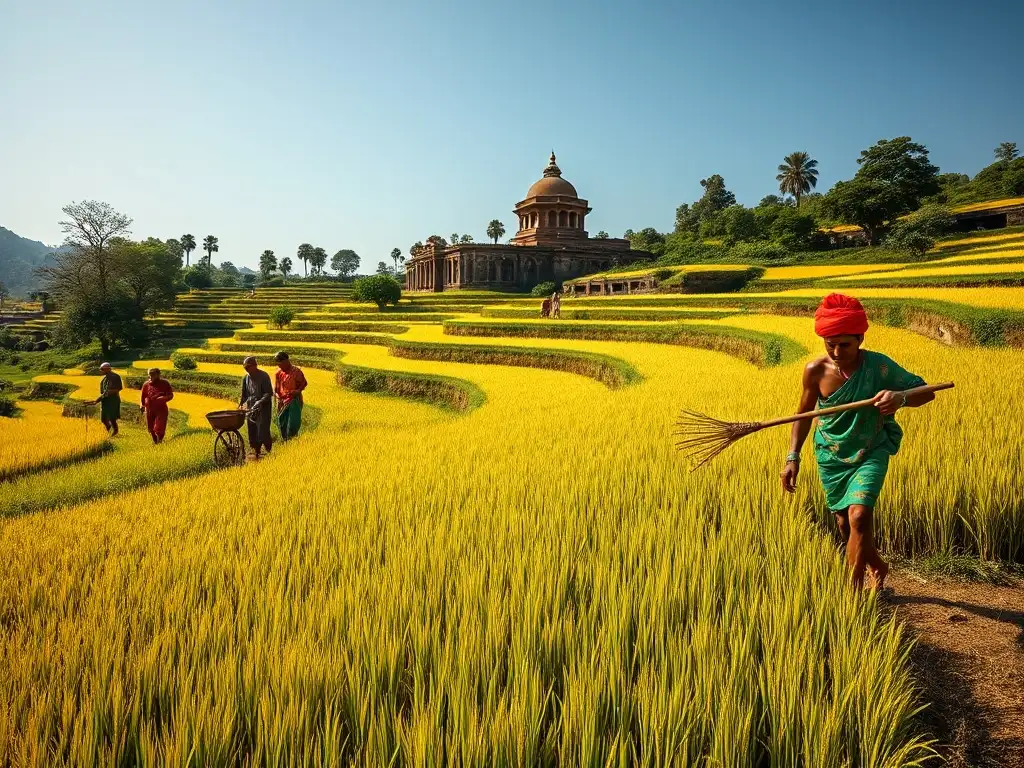
Welcome to Ancient India History, your gateway to uncovering the rich tapestry of civilization that shaped one of the world's earliest cultures. In this exploration, we delve into the intriguing relationship between climate and ancient Indian agricultural techniques, revealing how environmental factors influenced innovation and sustenance from the Indus Valley to the Gupta Empire. Prepare to embark on a journey through time that not only highlights the ingenious strategies of our ancestors but also invites you to ponder their lasting impact on modern practices. Dive deeper with us and discover the secrets of agriculture's evolution in ancient India!
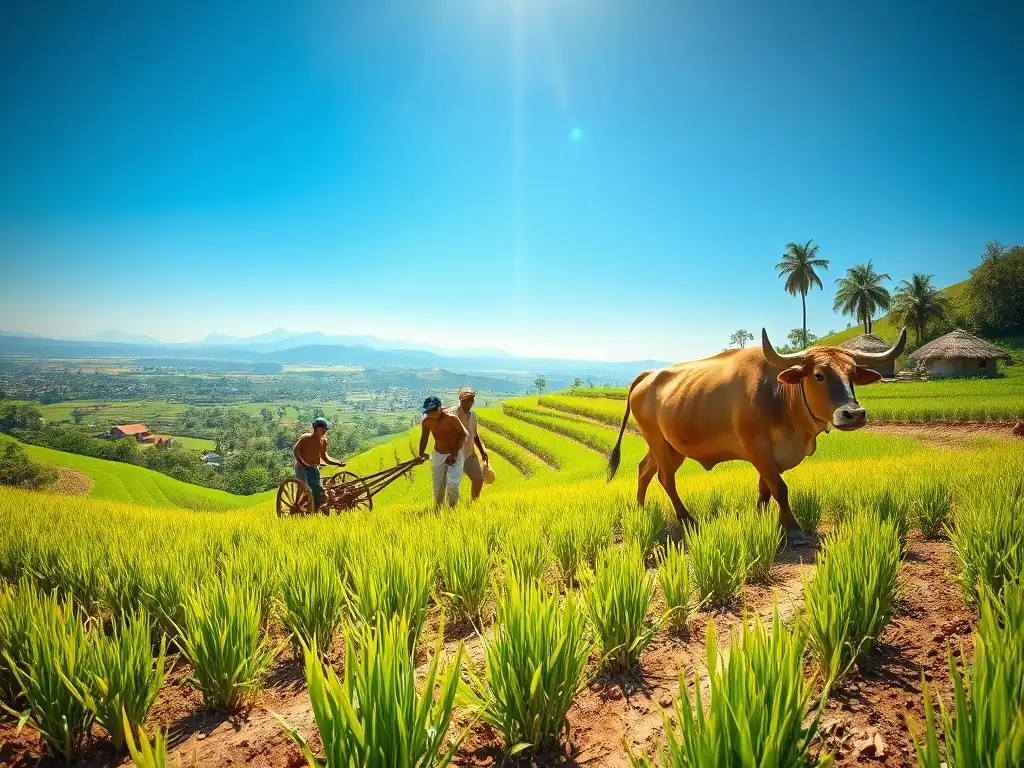
Exploring the intricate relationship between climate and agriculture reveals a significant aspect of ancient Indian civilization. The agricultural techniques employed by these early societies were not merely a reflection of their ingenuity but were also profoundly shaped by the climatic conditions of their time.
This article delves into how various climatic factors influenced the development and evolution of ancient Indian agricultural techniques, from the sophisticated irrigation systems of the Indus Valley to the crop rotation methods seen in the Gupta Empire. Understanding these dynamics is crucial for appreciating the resilience and adaptability of ancient Indian agricultural practices, which laid the groundwork for future innovations in farming and food production.
Introduction to Ancient Indian Agricultural Techniques
Ancient Indian agricultural techniques were characterized by a deep understanding of local ecosystems and an impressive ability to adapt to changing environmental conditions. Agriculture in ancient India was not just a means of sustenance; it was a cornerstone of the economy, culture, and social structure. From the fertile plains of the Ganges to the arid regions of Rajasthan, various civilizations developed unique agricultural practices tailored to their specific climates and geographies.
Overview of Agriculture in Ancient India
- Key Crops: Ancient Indians cultivated a variety of crops, including rice, wheat, barley, millet, and pulses. The choice of crops often depended on regional climate and soil conditions.
- Techniques Employed: Techniques such as plowing, irrigation, and crop rotation were common. The use of tools made from wood and metal significantly improved productivity.
- Agricultural Societies: Major civilizations, such as the Indus Valley Civilization and the Maurya and Gupta Empires, showcased advanced agricultural practices that supported large populations and complex societies.
Importance of Climate in Agricultural Practices
Climate played a pivotal role in determining the success or failure of agricultural endeavors in ancient India. The following factors illustrate its significance:
- Water Availability: Access to water sources, such as rivers and monsoon rains, directly influenced crop yields.
- Temperature Variations: Different crops thrived under varying temperature conditions, dictating what could be grown in specific regions.
- Soil Fertility: Climate affected soil quality, which in turn influenced agricultural productivity.
Historical Climate Patterns in Ancient India
Understanding the historical climate patterns is essential to grasp how ancient Indian civilizations adapted their agricultural techniques.
Monsoon Cycles and Their Influence on Agriculture
The Indian subcontinent experiences a distinct monsoon climate, characterized by seasonal rains that are crucial for agriculture. Key points include:
- Reliance on Monsoons: Ancient farmers depended heavily on the arrival of monsoon rains to irrigate their fields and ensure successful harvests.
- Crop Timing: The timing of planting and harvesting was intricately aligned with the monsoon cycles, demonstrating a sophisticated understanding of seasonal patterns.
- Drought Resilience: During periods of inadequate rainfall, ancient Indian societies developed drought-resistant crops and irrigation methods to mitigate the impact of dry spells.
Regional Climate Variations in Ancient Indian Civilizations
Ancient India was marked by diverse climatic regions, each influencing agricultural practices differently.
- The Indus Valley: Known for its advanced irrigation systems, this region utilized rivers and rain to support agriculture in its arid climate.
- The Ganges Plain: This fertile region benefitted from heavy monsoons, allowing for rice cultivation and multiple cropping seasons.
- Southern India: The tropical climate supported cash crops like cotton and spices, facilitating trade and economic growth.
The interplay between climate and ancient Indian agricultural techniques is a testament to the adaptability and innovation of early civilizations. The insights gained from this historical examination underscore the importance of environmental factors in shaping agricultural practices and highlight the enduring legacy of ancient Indian agricultural innovations.
Key Ancient Indian Agricultural Techniques
Ancient Indian agricultural techniques were deeply influenced by the region's varied climate and geography. The farmers of ancient India developed a multitude of methods to cultivate crops, ensuring sustainable agricultural practices that catered to the environmental conditions they faced. This adaptability allowed them to optimize their yields and maintain soil fertility over generations. Key techniques include crop rotation, irrigation, and the use of organic fertilizers, which not only enhanced productivity but also contributed to soil health.
Crop Rotation and Diversification
Crop rotation and diversification were pivotal in ancient Indian agriculture. By alternating different crops on the same land, farmers could prevent soil depletion and control pests and diseases. For example, the practice of rotating legumes with cereals enhanced soil nitrogen content, promoting healthier crop growth. This method also allowed farmers to respond to seasonal changes and market demands, ensuring a varied harvest throughout the year.
The diversification of crops helped mitigate the risks associated with climate variability. Farmers would plant a variety of crops suited to different climatic conditions, which provided insurance against total crop failure due to droughts or floods. This practice not only contributed to food security but also increased the resilience of agricultural systems in ancient India.
Irrigation Methods and Water Management
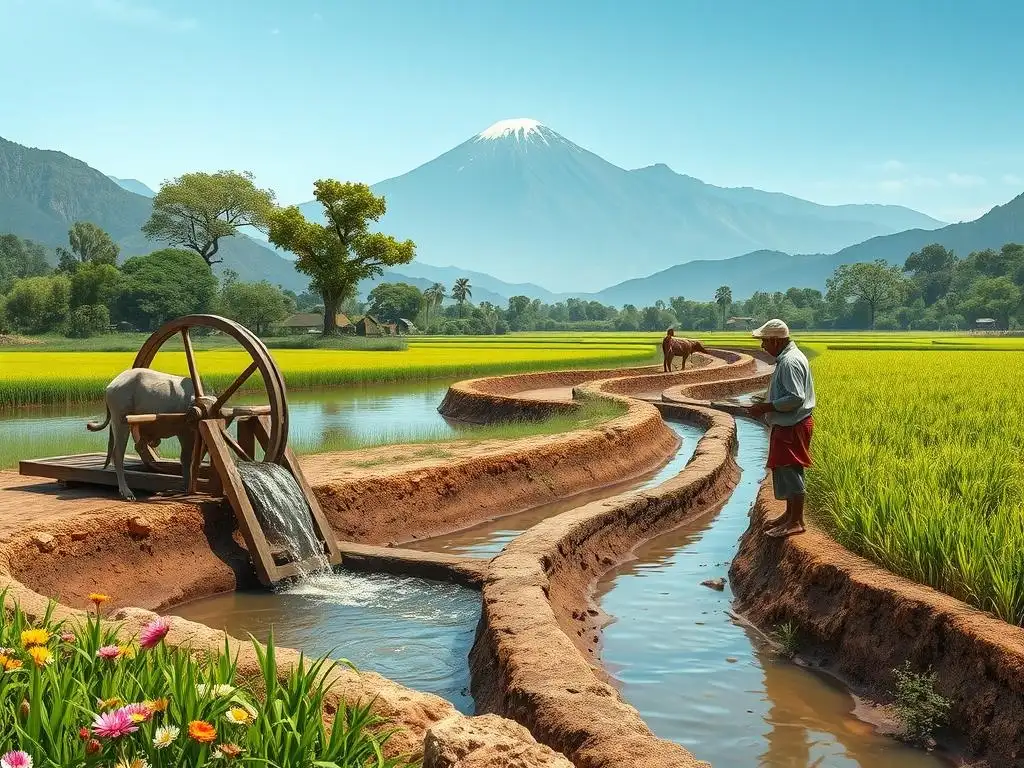
Effective irrigation methods were crucial for ancient Indian agriculture, especially in regions prone to erratic rainfall. The development of sophisticated irrigation systems, such as canals, wells, and tanks, allowed for the efficient management of water resources. Ancient civilizations like the Indus Valley people built extensive irrigation networks that facilitated the cultivation of crops in arid regions.
Water management techniques included rainwater harvesting and the construction of reservoirs to store water for dry seasons. These practices ensured a steady supply of water for agriculture, even during periods of low rainfall. Furthermore, ancient farmers understood the importance of aligning their agricultural activities with the seasonal patterns of rainfall, which maximized the use of available water resources.
Use of Fertilizers and Soil Enrichment Practices
The use of fertilizers and soil enrichment practices played a significant role in enhancing crop productivity in ancient India. Farmers employed organic materials such as animal manure, compost, and green manure to enrich the soil. These natural fertilizers improved soil structure and fertility, promoting healthier plant growth.
Additionally, ancient texts such as the Krishi Parashara provided guidance on soil management and the application of specific nutrients based on soil types and crop requirements. This knowledge underscored the importance of maintaining soil health, which was crucial for sustaining agricultural output over time.
The Interplay Between Climate and Agricultural Innovations
The interplay between climate and agricultural innovations in ancient India is evident in the region's diverse farming practices. Farmers continuously adapted their techniques to align with climatic conditions, utilizing their understanding of local weather patterns to optimize agricultural output. This adaptability not only ensured food security but also contributed to the development of a rich agricultural heritage that remains influential today.
Adaptation of Techniques to Climate Change
As climate conditions evolved, ancient Indian farmers demonstrated remarkable resilience by adapting their agricultural techniques. Changes in rainfall patterns and temperature prompted the adoption of drought-resistant crops and alternative farming methods. For instance, the cultivation of millet and sorghum became prominent in arid regions as these crops required less water and thrived in harsher climates.
Farmers also experimented with different planting times and integrated traditional knowledge with new agricultural innovations to enhance productivity. This adaptability was crucial for surviving climatic fluctuations, showcasing the innovative spirit of ancient Indian agriculture.
Case Studies: Successful Agricultural Practices in Different Climates

Several case studies highlight the successful agricultural practices in ancient India tailored to diverse climatic conditions.
- The Indus Valley Civilization: In the fertile Indus Valley, sophisticated irrigation systems supported the cultivation of wheat, barley, and cotton. The farmers utilized canal networks to optimize water distribution, enabling consistent crop yields.
- Southern India: In the tropical regions, farmers practiced mixed cropping and agroforestry, integrating perennial crops with seasonal ones. This not only enhanced biodiversity but also improved soil fertility and resilience against pests.
- Desert Regions: In arid areas like Rajasthan, ancient farmers developed techniques such as khadin, where they constructed embankments to capture and retain rainwater, allowing for the cultivation of crops despite limited water availability.
These case studies illustrate the profound understanding ancient Indian farmers had of their environment, enabling them to thrive through innovative agricultural techniques adapted to their unique climatic challenges.
Challenges Posed by Climate to Ancient Indian Agriculture
Ancient Indian agriculture was deeply intertwined with the region's climate, which posed a variety of challenges that farmers had to navigate. The diverse climates across India, ranging from the arid deserts of Rajasthan to the fertile plains of the Ganges, created a complex agricultural landscape. Farmers had to adapt their techniques to cope with these environmental variations, leading to both innovations and setbacks in agricultural productivity.
Natural Disasters and Their Impact on Crop Yields
Natural disasters such as floods, droughts, and cyclones heavily influenced agricultural outputs in ancient India. For instance, the monsoon season, while essential for irrigation, could also bring devastating floods that washed away crops and eroded soil. In contrast, prolonged dry spells could lead to severe droughts, causing crop failures and food shortages.
Historical records indicate that during periods of extreme weather, such as the Great Bengal Famine of 1770, millions suffered due to the inability of agricultural systems to cope with climatic extremes. These disasters not only affected immediate crop yields but also had long-lasting effects on the socio-economic fabric of these communities, leading to migrations and changes in land ownership.
Long-term Climate Changes and Agricultural Sustainability
Long-term climate changes, such as shifts in monsoon patterns and gradual temperature increases, posed significant challenges to agricultural sustainability in ancient India. The Indus Valley Civilization, for instance, thrived in a climate that supported a rich agricultural base, but evidence suggests that gradual changes in rainfall patterns may have contributed to its decline around 1900 BCE.
Farmers had to develop resilient agricultural techniques, such as crop rotation and the cultivation of drought-resistant varieties, to adapt to these changing conditions. The ability to predict seasonal weather patterns also became crucial, as successful harvests depended on timely planting and harvesting aligned with climatic cycles.
The Legacy of Ancient Indian Agricultural Techniques
The agricultural techniques developed in ancient India have left a profound legacy that continues to influence modern farming practices. The innovations and adaptations made by ancient Indian farmers laid the groundwork for sustainable agriculture that is still relevant today.
Influence on Modern Agricultural Practices
Many ancient Indian agricultural practices have been integrated into contemporary farming. Techniques such as intercropping, which involves growing multiple crops in proximity for mutual benefit, have been shown to enhance biodiversity and improve soil health. Additionally, traditional methods of rainwater harvesting and irrigation, such as the use of step wells and tanks, have been revived in modern agricultural strategies to combat water scarcity. The emphasis on organic farming, rooted in ancient practices, is gaining traction, as modern agriculture seeks to minimize chemical inputs and promote environmental sustainability.
Preservation of Traditional Techniques in Contemporary Farming
Efforts to preserve traditional agricultural techniques have gained momentum in recent years, as communities recognize the value of ancient wisdom in the face of climate change. Initiatives aimed at reviving indigenous crop varieties and traditional farming practices are being implemented across various regions of India. Organizations and NGOs are working to educate farmers about the benefits of these techniques, ensuring that knowledge is passed down through generations.
This not only helps in maintaining agricultural biodiversity but also fosters resilience against climatic challenges, ensuring food security for future generations. Through these preservation efforts, the rich heritage of ancient Indian agricultural techniques continues to thrive and adapt in the modern era.
Conclusion: The Significance of Climate in Shaping Ancient Indian Agricultural Techniques
The climate of ancient India played a pivotal role in shaping the agricultural techniques employed by its civilizations. The diverse climatic conditions across regions—from the arid deserts of Rajasthan to the fertile plains of the Indo-Gangetic Valley—necessitated the development of varied agricultural practices tailored to local environmental circumstances. Ancient Indian farmers exhibited remarkable adaptability, utilizing indigenous knowledge to cultivate crops that thrived in their specific climates, which ultimately contributed to the rich agricultural heritage of the region.
Understanding the significance of climate in ancient Indian agriculture helps illuminate how civilizations not only survived but thrived through innovative practices such as irrigation, crop rotation, and seasonal planting. These techniques were not merely reactions to environmental challenges; they were integral to the socio-economic fabric of ancient Indian society, fostering trade, community cooperation, and cultural exchange.
Summary of Key Insights
- Climate Variability: Ancient India experienced a range of climatic conditions, from monsoons to dry spells, which influenced the types of crops grown and the techniques used.
- Irrigation Innovations: The construction of elaborate irrigation systems was a direct response to the challenges posed by irregular rainfall, enabling the cultivation of rice, wheat, and other staple crops.
- Crop Diversity: Farmers capitalized on regional climatic advantages to grow a variety of crops, including pulses and oilseeds, which enhanced food security and nutritional diversity.
- Agronomic Knowledge: Indigenous agricultural practices were refined over centuries, showcasing an evolving understanding of the relationship between climate and crop production.
- Socio-Economic Impact: The advancements in agricultural techniques not only addressed food needs but also facilitated trade and economic stability, allowing for cultural and technological exchanges.
Future Research Directions in Ancient Indian Agricultural Practices
Future research into ancient Indian agricultural practices holds the potential to uncover further insights into the interplay between climate and agriculture. Specific areas of interest may include:
- Archaeobotanical Studies: Investigating ancient plant remains can provide critical data on crop varieties and their adaptations to climatic changes.
- Paleo-climatic Research: Understanding historical climate patterns through geological records can help reconstruct how ancient agricultural techniques evolved in response to environmental shifts.
- Technological Innovations: Exploring how ancient technologies, such as plowing and irrigation systems, were influenced by climatic conditions can shed light on agrarian advancements.
- Cultural Practices: Analyzing the cultural significance of agricultural rituals and practices in relation to climate can enhance our understanding of societal values and priorities.
- Comparative Analyses: Studying other ancient civilizations alongside Indian practices may reveal common challenges and solutions, offering a broader perspective on the impact of climate on agriculture.
By pursuing these research directions, scholars can deepen our understanding of the intricate relationship between climate and agricultural practices in ancient India, enriching the narrative of its historical legacy.
- Introduction to Ancient Indian Agricultural Techniques
- Historical Climate Patterns in Ancient India
- Key Ancient Indian Agricultural Techniques
- Crop Rotation and Diversification
- Irrigation Methods and Water Management
- Use of Fertilizers and Soil Enrichment Practices
- The Interplay Between Climate and Agricultural Innovations
- Adaptation of Techniques to Climate Change
- Case Studies: Successful Agricultural Practices in Different Climates
- Challenges Posed by Climate to Ancient Indian Agriculture
- The Legacy of Ancient Indian Agricultural Techniques
- Conclusion: The Significance of Climate in Shaping Ancient Indian Agricultural Techniques
- What were some key ancient Indian agricultural techniques?
- How did climate influence agricultural practices in ancient India?
- What crops were primarily cultivated using these techniques?
- Did ancient Indian agricultural techniques evolve over time?
- How do these ancient techniques influence modern agriculture?
Frequently Asked Questions
What were some key ancient Indian agricultural techniques?
Ancient Indian civilizations utilized techniques such as crop rotation, irrigation systems, and terracing to enhance productivity and adapt to varying climates.
How did climate influence agricultural practices in ancient India?
The monsoon season and regional climate variations significantly impacted planting schedules, crop selection, and irrigation methods, ensuring food security.
What crops were primarily cultivated using these techniques?
Farmers in ancient India primarily grew rice, wheat, barley, and millets, which were chosen based on climatic conditions and soil types.
Did ancient Indian agricultural techniques evolve over time?
Yes, ancient Indian agriculture evolved through innovation, with techniques being refined based on experiences, climatic changes, and cultural exchanges with neighboring regions.
How do these ancient techniques influence modern agriculture?
Many modern agricultural practices in India still reflect ancient techniques, emphasizing sustainability and adaptation to local climates, which are crucial for contemporary food security.
Final Reflection: Understanding the Roots of Ancient Indian Agricultural Techniques
The exploration of ancient Indian agricultural techniques reveals a profound connection between climate and cultivation that remains incredibly relevant today. As we face the escalating challenges of climate change, the wisdom embedded in these age-old practices offers invaluable insights into sustainable agriculture and resilience. The intricate relationship between climate and farming in ancient India serves as a reminder that our ancestors navigated similar environmental challenges, and their adaptive strategies can inform our modern practices.
The legacy of these techniques continues to shape our cultural and social landscape, highlighting the importance of sustainability and ecological balance. The principles of crop rotation, organic farming, and water conservation that were prevalent in ancient India resonate with contemporary movements advocating for environmentally friendly practices. As Mahatma Gandhi once said, “The earth provides enough to satisfy every man's needs, but not every man's greed.” This quote encapsulates the essence of ancient agricultural wisdom, urging us to respect and nurture our environment rather than exploit it.
As we reflect on the lessons from ancient Indian agricultural techniques, I invite you to consider how these insights can be integrated into your own life and community. What steps can you take to promote sustainable practices in your daily routine? Whether it’s supporting local farmers, reducing waste, or advocating for eco-friendly policies, every action counts. Let us honor the legacy of our ancestors by cultivating a future that respects the delicate balance of nature and ensures the well-being of generations to come.
Embrace the Legacy of Ancient Agriculture!
Thank you for exploring the fascinating intersection of climate and agricultural techniques in ancient India. By delving into this topic, you've uncovered the rich traditions that shaped agricultural practices and the resilience of communities throughout history. Now, let's take the next steps to honor and learn from this legacy!
Here are some actions you can take today:
- Explore Local Agricultural Heritage: Visit a nearby farm or community garden to see how traditional farming methods are being revived in modern contexts.
- Join a Workshop: Participate in a workshop focused on sustainable farming practices or ancient agricultural techniques to deepen your understanding and enhance your skills.
- Share Your Insights: Discuss what you’ve learned with friends or share on social media to inspire others to appreciate the significance of climate and agriculture in our history.
Which traditional agricultural practices do you believe could still benefit modern farming today? We encourage you to share your thoughts in the comments!