
The Art of Healing: Women as Physicians and Herbalists in Ancient India

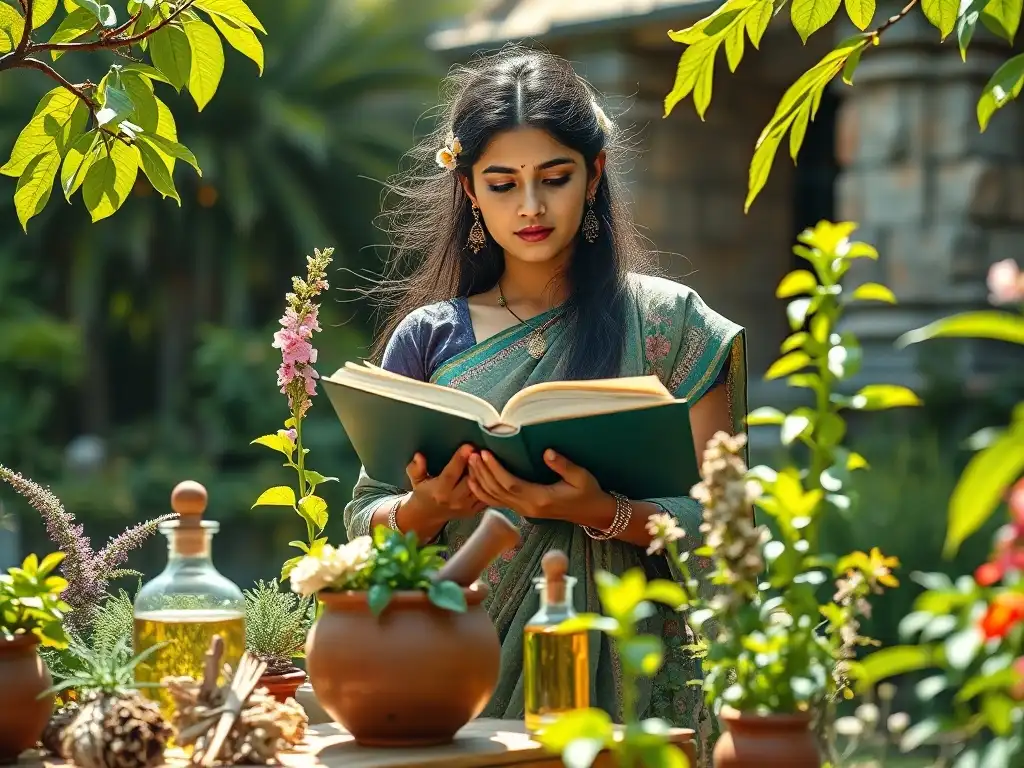
Welcome to Ancient India History, where we embark on a fascinating journey through the rich tapestry of ancient Indian civilizations. In this exploration, we delve into the remarkable lives and contributions of women healers in ancient India—those skilled physicians and herbalists who wielded knowledge as powerful as any sword. What secrets did these women hold that shaped the very fabric of healing practices? Join us as we uncover their inspiring stories and the vital roles they played in the tapestry of health and wellness, inviting you to discover how their legacy continues to resonate today.
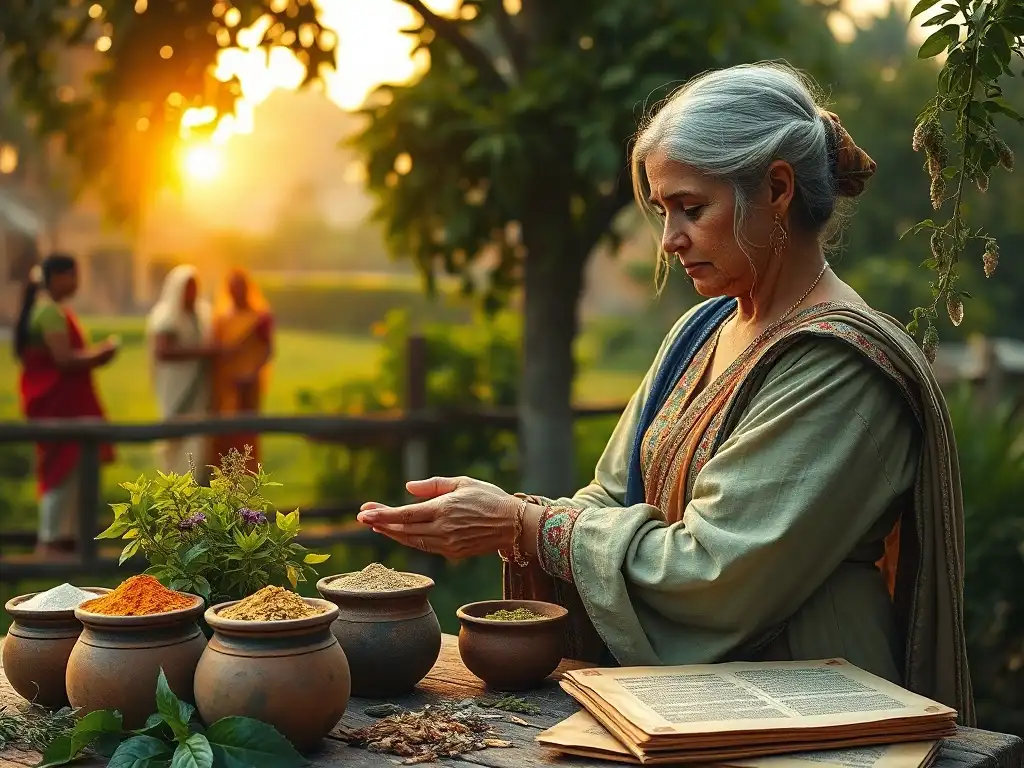
Introduction to Women Healers in Ancient India
The historical landscape of ancient India is woven with rich narratives of resilience, innovation, and profound cultural contributions, particularly through the lens of women healers. The role of women as physicians and herbalists transcended mere caregiving; it was integral to the fabric of ancient Indian society.
This article delves into the multifaceted contributions of women healers in ancient India, exploring how their knowledge of medicinal practices, herbal remedies, and community health shaped the medical traditions of the time. By examining their roles, historical context, and the cultural influences that guided their practices, we aim to shine a light on the significance of women in the healing arts and their lasting impact on society.
Overview of Women’s Roles in Ancient Indian Society
Women in ancient India occupied diverse roles that evolved with time, culture, and religion. While their societal positions were often dictated by patriarchal norms, many women emerged as influential figures in various domains, including medicine. Their contributions spanned:
- Healthcare: Many women were healers, utilizing their knowledge of herbs and traditional healing practices to treat ailments.
- Education: Women were responsible for passing down healing knowledge through generations, often training daughters and apprentices.
- Community Leadership: In certain regions, women led community health initiatives and played pivotal roles in local governance related to health and wellness.
Despite societal challenges, women healers were respected figures, often serving as primary caregivers within their communities.
Importance of Healing Practices in Ancient India
Healing practices in ancient India were not just medical endeavors; they were deeply intertwined with spirituality, philosophy, and daily life. The significance of these practices included:
- Holistic Approach: Ancient Indian medicine emphasized a holistic approach, considering physical, mental, and spiritual health as interconnected.
- Cultural Heritage: Healing traditions were integral to the cultural identity of various communities, blending local practices with broader medicinal knowledge.
- Social Cohesion: Women healers often served as community anchors, fostering social ties through their roles in health and wellness.
These practices not only addressed physical ailments but also reinforced community bonds and cultural heritage.
Historical Context of Women Healers
The Role of Women in Ancient Indian Medicine
The contributions of women to ancient Indian medicine are documented in various historical texts and archaeological findings. Women served as both practitioners and scholars, engaging in practices such as:
- Herbal Medicine: Many women were skilled herbalists, knowledgeable in the use of local flora for medicinal purposes.
- Surgical Techniques: Some women were trained in surgical procedures, demonstrating advanced medical knowledge for their time.
- Midwifery: Women played crucial roles in childbirth, combining traditional practices with care and support for mothers and infants.
The intertwining of knowledge and practice positioned women as pivotal figures in the medical landscape of ancient India.
Key Texts and Scriptures Mentioning Women Healers
Several ancient texts provide insight into the roles of women healers, including:
- Ayurvedic Texts: Texts like the Charaka Samhita and Sushruta Samhita mention women as practitioners of medicine, highlighting their expertise in various healing arts.
- Religious Scriptures: Some references in Hindu scriptures depict women as possessing divine knowledge of healing, further legitimizing their roles.
- Historical Accounts: Accounts from travelers and historians of the time also reference women healers, illustrating their importance in society.
These texts serve as crucial resources for understanding the significant place women held in ancient medical practices.
Influence of Cultural Practices on Healing Traditions
Cultural beliefs and practices significantly shaped the healing traditions practiced by women in ancient India. The influence included:
- Rituals and Spirituality: Many healing practices were accompanied by rituals, reflecting the spiritual dimensions of health and wellness.
- Community Knowledge: Local traditions and knowledge were often shared among women, creating a network of healing practices that were culturally specific yet widely respected.
- Gender Dynamics: The societal norms regarding gender roles affected the types of medical practices women could engage in, often confining them to specific areas of healthcare.
Together, these cultural influences created a rich tapestry of healing practices that underscored the vital role of women in ancient Indian medicine.
Types of Women Healers in Ancient India
In ancient India, women played a pivotal role in the healthcare system, serving as healers, herbalists, and midwives. Their contributions were integral to the medical practices of the time, and they often possessed specialized knowledge passed down through generations. The types of women healers can be categorized into three main groups: physicians (Vaidyas), herbalists, and midwives. Each group had distinct roles and expertise that contributed to the overall health and well-being of their communities.
Physicians: The Vaidyas and Their Contributions
The Vaidyas were recognized as trained physicians in ancient India, often regarded with great respect. Many women in this role were knowledgeable in Ayurveda, an ancient system of medicine that emphasizes balance in the bodily systems through diet, herbal treatment, and yogic breathing. These women physicians contributed significantly to medical texts and practices, documenting their knowledge of diseases and cures.
Notable contributions of women Vaidyas included:
- Diagnosis and Treatment: Women physicians were skilled in diagnosing various ailments and prescribing treatments that included lifestyle changes, dietary advice, and herbal remedies.
- Medical Texts: Some women Vaidyas authored texts that provided insights into their medical practices, enriching the body of knowledge within Ayurveda.
- Community Health: They played a crucial role in promoting public health, often being the first point of contact for medical issues in their communities.
Herbalists: Knowledge of Medicinal Plants
Herbalists in ancient India were crucial to traditional healing practices, and many were women who had an extensive understanding of local flora and its medicinal properties. These women were often seen as the custodians of herbal knowledge, passed down through oral traditions.
Key aspects of women herbalists include:
- Identification of Plants: Women herbalists could identify and harvest various plants, knowing their uses in treating ailments such as fevers, digestive issues, and skin conditions.
- Preparation of Remedies: They prepared a wide range of herbal remedies, from teas and powders to tinctures and poultices, utilizing their practical skills in the preparation of medicine.
- Cultural Significance: The role of herbalists was not just practical; it was also deeply intertwined with cultural and spiritual practices, with many women conducting rituals alongside their healing.
Midwives: Guardians of Childbirth and Women’s Health
Midwives, often referred to as "Dais," held a special place in ancient Indian society as essential figures in childbirth and women's health. Their knowledge encompassed not only the physical aspects of childbirth but also the emotional and spiritual dimensions.
Key responsibilities of midwives included:
- Childbirth Assistance: Midwives provided support during labor and delivery, ensuring both mother and child received the care they needed.
- Postnatal Care: They offered guidance and care for new mothers, helping with recovery and providing advice on infant care and breastfeeding.
- Community Role: Midwives often acted as community leaders, sharing knowledge about reproductive health and fertility, and contributing to the overall health of women in their communities.
Skills and Knowledge of Women Healers
Women healers in ancient India were renowned for their extensive skills and knowledge, which were vital for maintaining health and well-being in their communities. Their expertise encompassed various areas, from herbal medicine to the integration of spiritual practices in healing.
Training and Apprenticeship in Healing Arts
The training of women healers typically involved a combination of formal education and apprenticeship. Many learned from family members, particularly mothers or grandmothers, who passed down their knowledge through hands-on training. This apprenticeship system ensured the continuity of medicinal practices and the preservation of herbal knowledge.
Key aspects of their training included:
- Practical Skills: Apprentices learned to identify medicinal plants, prepare remedies, and understand the human body and its ailments.
- Cultural Practices: They were also taught the cultural and spiritual significance of healing practices, integrating rituals and traditions into their work.
- Mentorship: The strong mentorship model allowed for personalized learning, where experienced healers could impart wisdom tailored to the apprentice's strengths and interests.
Herbal Medicine: Techniques and Remedies Used
Women healers employed various techniques in herbal medicine, showcasing their deep understanding of plant properties and their applications. They utilized a wide array of methods to treat ailments, which included:
- Infusions and Decoctions: Women prepared herbal infusions by steeping plants in hot water and decoctions by boiling the roots or bark to extract medicinal compounds.
- Powders and Pastes: Many remedies were ground into powders or made into pastes for topical applications, addressing issues such as wounds or skin afflictions.
- Rituals and Potions: Healing often involved spiritual elements, with herbal remedies sometimes combined with prayers or rituals to enhance their efficacy.
Integration of Spirituality and Healing Practices
The integration of spirituality into healing was a hallmark of women's healing practices in ancient India. Many healers believed that spiritual well-being was intrinsically linked to physical health, and they often employed a holistic approach to healing.
Key elements of this integration included:
- Ritualistic Healing: Healing sessions frequently included rituals, prayers, and offerings to deities, reflecting the belief that spiritual forces played a significant role in health.
- Mind-Body Connection: Women healers emphasized the importance of mental and emotional states in the healing process, advocating for practices such as meditation and yoga alongside herbal treatments.
- Community Involvement: Healing was often a communal activity, with women healers engaging families and communities in the healing process, fostering a sense of collective well-being.
These practices highlight the profound impact women healers had on health and wellness in ancient Indian society, embodying a rich tradition of knowledge that has influenced contemporary healing practices.
Case Studies of Notable Women Healers
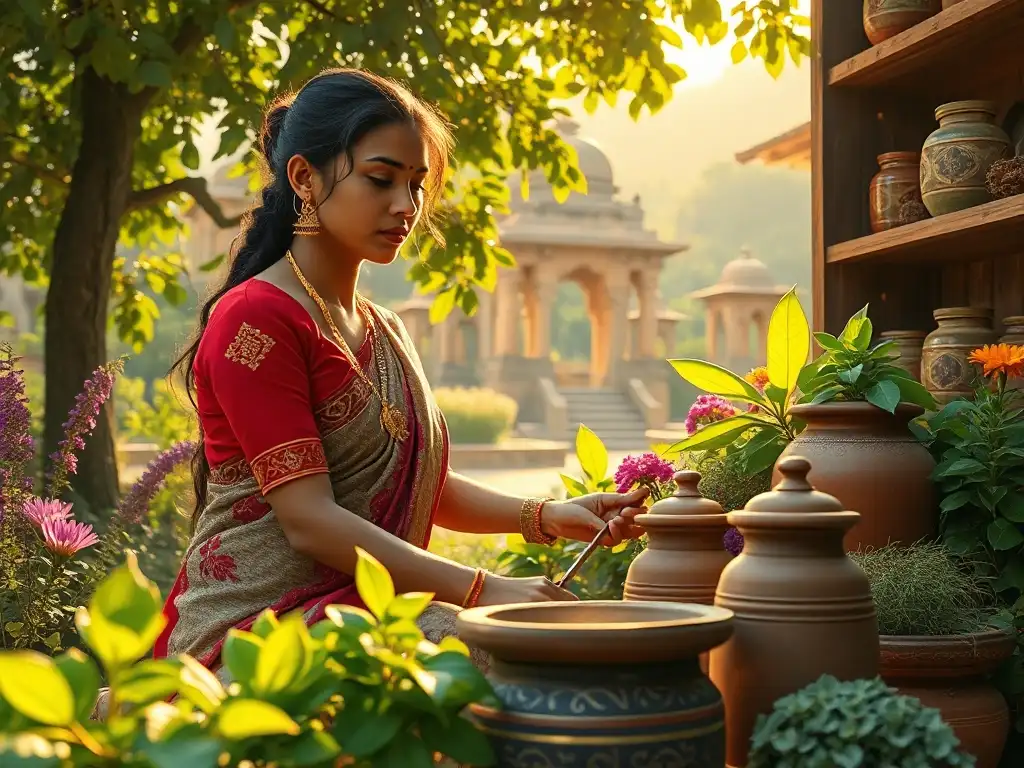
Throughout history, women in ancient India played a significant role in the field of healing and medicine. They emerged as physicians and herbalists, contributing their knowledge of herbs, treatments, and holistic practices. This section explores notable case studies of women healers who left an indelible mark on ancient medical practices.
Case Study 1: Gargi Vachaknavi and Her Contributions
Gargi Vachaknavi, a revered figure in ancient Indian philosophy and medicine, is often recognized for her profound intellect and contributions to the medical field. Living during the Vedic period, Gargi was not only a philosopher but also a skilled healer who understood the intricate balance of the body and mind.
Her insights into medicinal herbs and their properties were documented in ancient texts. Gargi's work emphasized the importance of holistic healing, combining physical remedies with spiritual well-being. She frequently engaged in debates with prominent male scholars of her time, showcasing her extensive knowledge and challenging the gender norms prevalent in society. Gargi's legacy as a healer and philosopher continues to inspire contemporary discussions on women's contributions to science and medicine.
Case Study 2: The Influence of a Prominent Herbalist, Aditi
Aditi, often regarded as a goddess in ancient Hindu texts, also represents the archetype of women herbalists in ancient India. Renowned for her vast knowledge of plants and their medicinal properties, Aditi's practices were crucial in the traditional medical system of Ayurveda.
She is credited with creating numerous herbal formulations that addressed various ailments, from digestive issues to skin conditions. Aditi's influence extended beyond her lifetime, as her teachings were passed down through generations of women healers who relied on her wisdom. The significance of Aditi's contributions highlights the vital role women played in preserving and advancing herbal medicine in ancient India.
Case Study 3: The Impact of Women in Traditional Medicine Through Generations
The impact of women in traditional medicine is not limited to specific individuals but is seen across various generations. Women healers often served as the primary caregivers within their families and communities, utilizing knowledge passed down from mothers to daughters.
These women were adept in the use of local herbs, creating remedies for everyday ailments, and performing rituals that intertwined healing with spiritual practices. Over time, their contributions formed the backbone of several traditional healing practices, including Ayurveda and folk medicine. Despite facing challenges and restrictions, the resilience and resourcefulness of women healers ensured the continuity of their medicinal knowledge, influencing healthcare practices for generations.
Challenges Faced by Women Healers
Despite their significant contributions, women healers in ancient India encountered numerous challenges that impeded their roles in medicine. Societal attitudes, legal restrictions, and cultural barriers often marginalized their efforts, leading to a decline in their prominence over time.
Societal Attitudes Toward Female Physicians
The societal attitudes towards female physicians were complex and often contradictory. While women were respected as healers in certain contexts, they were simultaneously viewed through the lens of traditional gender roles. Healing was sometimes seen as an extension of domestic duties, which limited women's recognition as professional practitioners.
Consequently, women healers often faced skepticism from male counterparts and the broader society, which questioned their capabilities and expertise. This ambivalence hindered their ability to gain formal recognition and authority within the medical community, resulting in a lack of support for their practices.
Legal Restrictions and Cultural Barriers
Legal restrictions and cultural barriers further complicated the lives of women healers. In ancient India, women were often subjected to laws that restricted their autonomy and access to education. Many were denied formal training in medicine, which limited their ability to practice openly and confidently.
Additionally, cultural norms dictated that women should primarily focus on household responsibilities, discouraging them from pursuing careers in medicine. These barriers not only stifled their growth as healers but also perpetuated the myth that healing was a male-dominated field, further diminishing the visibility of women in this essential role.
The Decline of Women’s Roles in Medicine Over Time
Over time, the roles of women healers in ancient India began to decline due to a combination of societal, legal, and cultural factors. As the medical profession became more formalized, women found it increasingly challenging to assert their place within it. The rise of patriarchal systems and the institutionalization of medicine often excluded women from participating in professional circles.
This decline was exacerbated during periods of socio-political change, where traditional practices were overshadowed by new ideologies. Consequently, many women healers faded into obscurity, and their invaluable contributions to medicine were often overlooked. The historical narrative of women's roles in ancient medicine highlights the need to reevaluate and acknowledge the significant impact they had on healthcare practices throughout history.
Legacy of Women Healers in Ancient India
The legacy of women healers in ancient India is profound and multifaceted, reflecting the deep-rooted traditions of healing that date back thousands of years. Women played a crucial role as physicians and herbalists within their communities, often serving as the primary caretakers of health. Historical texts from ancient India, such as the Sushruta Samhita and Charaka Samhita, mention female practitioners who were knowledgeable in various healing arts, including surgery, herbal medicine, and spiritual healing. This recognition highlights the significant contributions of women in the medical field, which were often overshadowed by their male counterparts.
Women healers were not only responsible for treating physical ailments but also for preserving and passing down herbal knowledge and healing techniques through generations. In many cases, they were seen as guardians of traditional medicine, utilizing local flora and fauna for their therapeutic properties. This intertwining of nature and nurture illustrates the holistic approach that women brought to healing practices, emphasizing the connection between the environment and human health.
Contributions to Modern Medicine and Herbal Practices
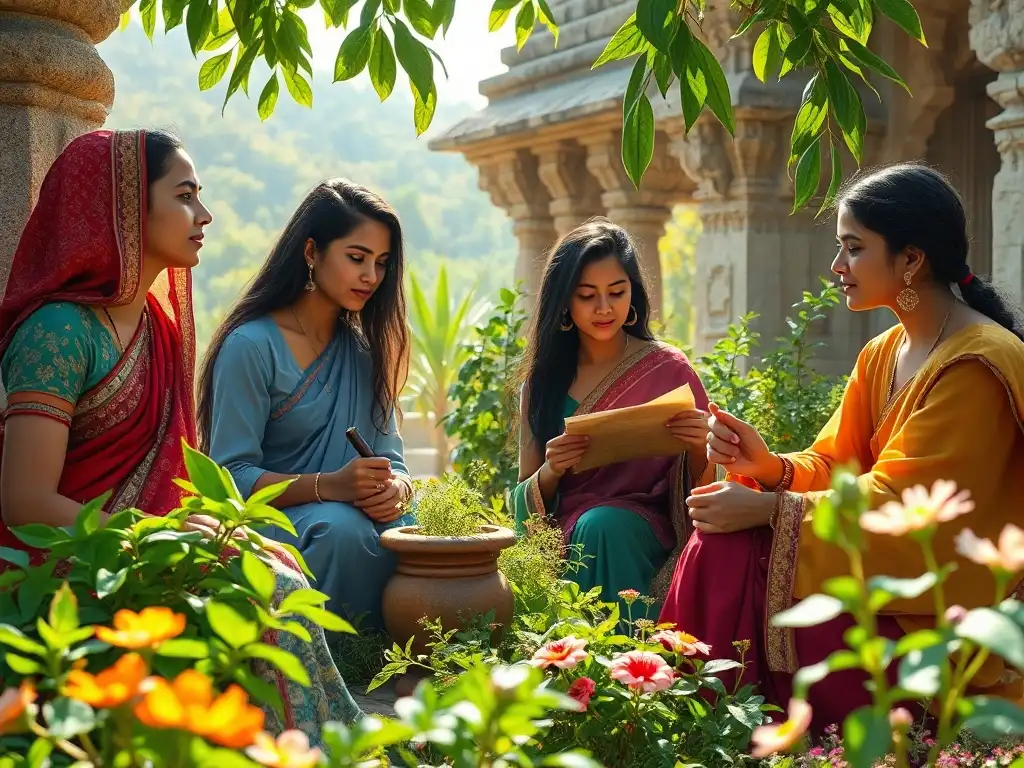
The contributions of women healers in ancient India have left a lasting impact on modern medicine and herbal practices. Many traditional remedies and herbal formulations developed by female practitioners are still in use today, influencing contemporary herbal medicine. For instance, the use of turmeric and ginger, both staples in Indian kitchens, has been recognized globally for their medicinal properties, with roots in ancient healing traditions.
Research into ancient texts has revealed the sophisticated understanding women healers had regarding anatomy, physiology, and the use of various herbs. This knowledge has been instrumental in advancing fields such as phytotherapy and integrative medicine. The incorporation of ancient wisdom into modern healing practices illustrates how the legacy of women healers continues to inform and inspire current medical paradigms.
Continued Recognition of Women in Healing Traditions
Despite historical challenges and diminishing recognition, the role of women in healing traditions has been gradually rediscovered and celebrated in contemporary society. Various initiatives have aimed to highlight the contributions of women healers, particularly in rural areas where traditional practices persist. Organizations focused on preserving indigenous knowledge have documented the practices of female herbalists, ensuring that their expertise is acknowledged and respected.
Moreover, the resurgence of interest in holistic and alternative medicine has led to a renewed appreciation for the skills and insights of women healers. Workshops, seminars, and publications dedicated to herbal medicine often emphasize the invaluable role women played in shaping these practices. This recognition is crucial for empowering future generations of women in the medical field, reinforcing the importance of their contributions to health and well-being.
The Impact on Contemporary Understanding of Women's Roles in Medicine
The historical presence of women as healers in ancient India significantly influences contemporary understandings of women's roles in medicine. The acknowledgment of their contributions challenges traditional narratives that often depict women primarily in domestic roles, emphasizing their agency and expertise in health care. This shift in perspective fosters a more inclusive view of medicine, recognizing the importance of diverse voices in the development of healthcare practices.
Furthermore, the legacy of women healers encourages a broader dialogue about gender equity in the medical field. As discussions about women's rights and representation continue to evolve, the historical context of women healers serves as a powerful reminder of the need for inclusivity in health care. Their stories inspire current and future generations to pursue careers in medicine and healing, advocating for a more balanced representation of genders in the field.
Conclusion: The Enduring Influence of Women Healers in Ancient India
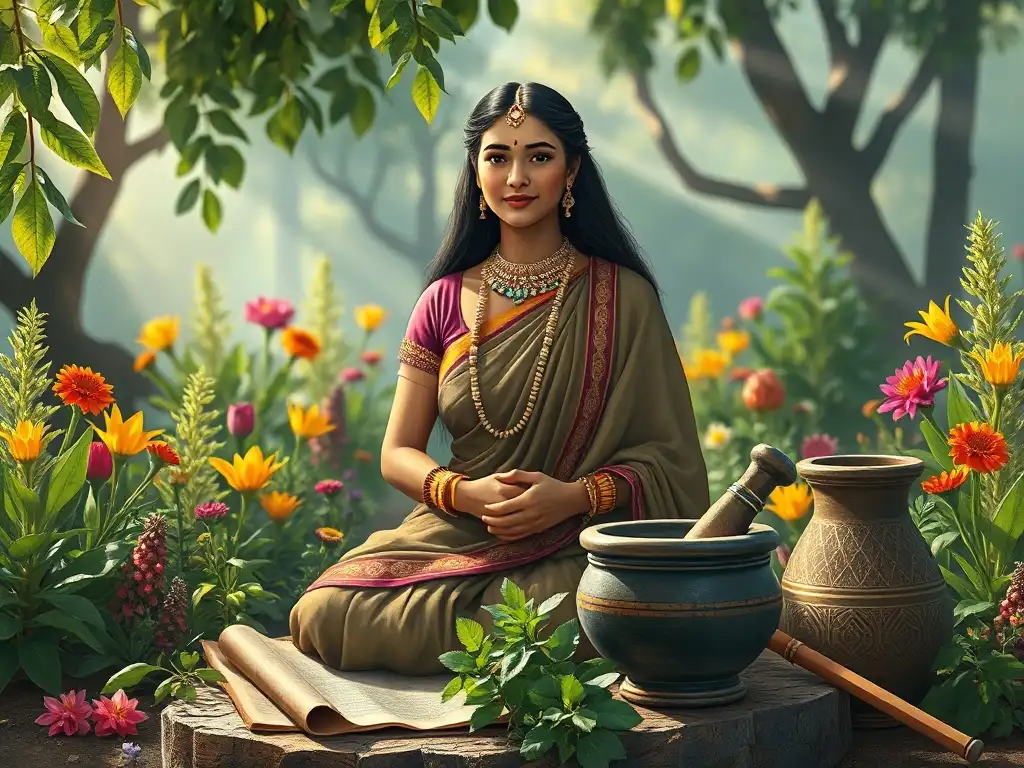
The enduring influence of women healers in ancient India is a testament to their remarkable contributions to health and healing practices. Their legacy not only shaped traditional medicine but also laid the groundwork for modern practices that continue to draw from ancient wisdom. By recognizing and celebrating the role of women healers, we honor the rich tapestry of knowledge they have woven into the fabric of healthcare.
Summary of Contributions and Cultural Significance
Women healers in ancient India contributed significantly to the development of medical knowledge, herbal practices, and community health. Their understanding of natural remedies, combined with their nurturing roles, established a unique cultural significance that enriched the healing traditions of the time. The preservation of their knowledge and practices has illuminated the critical role women played in ancient societies, offering invaluable insights into their capabilities and contributions.
Reflection on the Future of Women’s Roles in Healing and Medicine
Looking forward, the future of women's roles in healing and medicine is bright, yet it requires ongoing advocacy and support. As we embrace the lessons from ancient women healers, there is an opportunity to foster a more inclusive environment in modern healthcare.
By empowering women to reclaim their place as healers, we can contribute to a more equitable and diverse medical field, ensuring that the wisdom of the past continues to influence future generations. Investing in women's education and training in the health sector will not only honor the legacy of ancient practitioners but also promote a holistic approach to health that benefits society as a whole.
- Introduction to Women Healers in Ancient India
- Historical Context of Women Healers
- Types of Women Healers in Ancient India
- Skills and Knowledge of Women Healers
- Case Studies of Notable Women Healers
- Challenges Faced by Women Healers
- Legacy of Women Healers in Ancient India
- Contributions to Modern Medicine and Herbal Practices
- Continued Recognition of Women in Healing Traditions
- The Impact on Contemporary Understanding of Women's Roles in Medicine
- Conclusion: The Enduring Influence of Women Healers in Ancient India
- Summary of Contributions and Cultural Significance
- Reflection on the Future of Women’s Roles in Healing and Medicine
Frequently Asked Questions
What role did women healers play in ancient Indian society?
Women healers were essential figures in ancient Indian medicine, often acting as physicians and herbalists. They utilized their knowledge of herbal remedies and traditional practices to treat various ailments.
How were women healers perceived in ancient India?
Women healers were generally respected within their communities for their healing skills. Their expertise in natural medicine and ability to care for the sick made them valuable assets in healthcare.
What types of healing practices did women use in ancient India?
Women healers employed a variety of techniques, including herbal medicine, spiritual healing, and massage. They often relied on traditional knowledge passed down through generations to treat their patients.
Were women healers recognized in ancient medical texts?
Yes, women healers are mentioned in several ancient texts, such as the Sushruta Samhita and Charaka Samhita, where their contributions to medicine and healing are acknowledged and documented.
How did the role of women healers change over time?
Over time, the prominence of women healers fluctuated due to changing social structures and cultural norms. Despite challenges, their contributions remained significant in the continuity of traditional healing practices.
Final Reflection: The Enduring Legacy of Women Healers in Ancient India
The exploration of women healers in ancient India reveals a profound connection between gender and the art of healing that resonates powerfully in today's society. As we navigate the complexities of modern healthcare, the contributions of women as physicians and herbalists remind us that healing is not merely a profession but an art deeply rooted in tradition and community. The recognition of these historical figures challenges contemporary narratives and inspires a reevaluation of women's roles in medicine, emphasizing that their wisdom and practices are invaluable to holistic health.
The legacy of women healers in ancient India continues to shape our cultural and social landscapes, highlighting the importance of nurturing and intuitive approaches to health. Their knowledge of herbal remedies and holistic practices not only served their communities but also laid the groundwork for future generations of healers.
As noted by historian Dr. R. S. Sharma, “The role of women in ancient medicine was not just supportive; it was central to the survival and well-being of society.” This acknowledgment of women's contributions invites us to reflect on the often-overlooked narratives that have shaped our understanding of health and wellness.
As we move forward, let us embrace the lessons of the past and recognize the importance of diverse voices in the healing arts. I invite you to reflect on how you can honor the legacy of women healers in your own life, whether through supporting female practitioners, exploring herbal remedies, or simply acknowledging the wisdom that women have contributed to medicine throughout history. By doing so, we not only celebrate their achievements but also pave the way for a more inclusive and compassionate approach to healing in our communities today.
Embrace the Healing Wisdom of Ancient India!
Thank you for taking the time to explore the incredible contributions of women physicians and herbalists in ancient India. Your engagement helps uncover the rich tapestry of history where healing knowledge flourished. Now, let’s take the next steps to connect more deeply with this inspiring legacy!
- Dive into research: Discover the fascinating world of ancient herbal remedies and their relevance in contemporary health practices by visiting online archives or local libraries.
- Share your thoughts: Engage in discussions about this legacy with friends or on social media; use the hashtag #AncientHealingWisdom to spark meaningful conversations!
- Practice herbalism: Consider starting your own herb garden to immerse yourself in the ancient practices that promote wellness and healing.
Which ancient healing practice do you believe could enhance modern medicine today?