
Guardians of Tradition: How Women Preserved Ancient Indian Culture

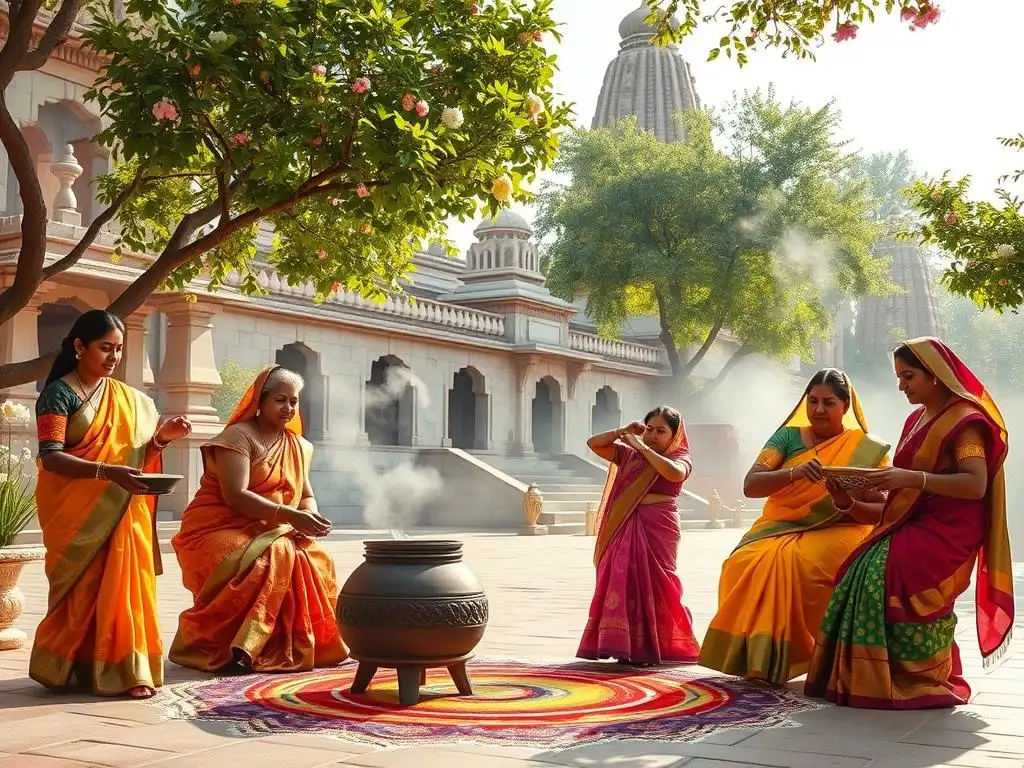
Welcome to Ancient India History, where we embark on a fascinating journey through time to uncover the rich tapestry of India's past. In our featured article, "Guardians of Tradition: How Women Preserved Ancient Indian Culture," we delve into the pivotal roles women played in shaping the cultural landscape of ancient Indian civilizations. From the mysterious Indus Valley to the flourishing Gupta Empire, discover how these remarkable women not only upheld traditions but also contributed to the vibrant cultural legacy we cherish today. Curious about their stories? Let’s explore the incredible influence of women in ancient India together!
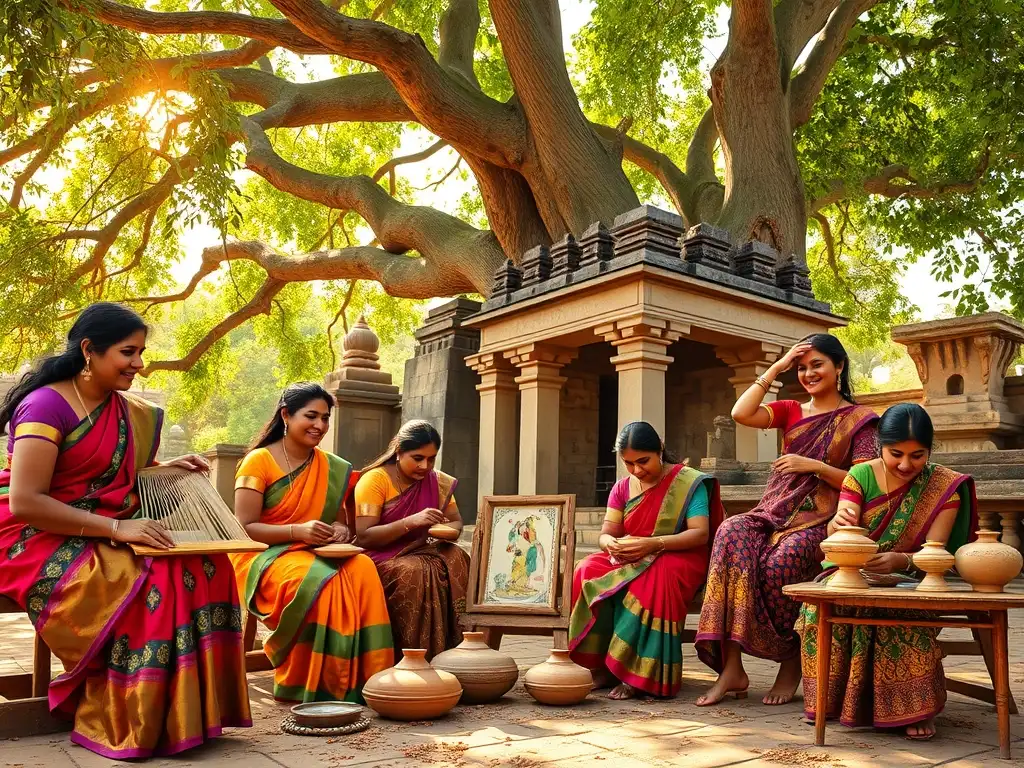
Introduction to Women in Ancient Indian Culture
The role of women in ancient Indian culture is a profound testament to their influence on the development and preservation of societal traditions, values, and practices. Throughout history, women have served as the backbone of familial and communal structures, embodying the essence of cultural continuity.
From the revered figures in mythology to the day-to-day contributors in households and communities, women have played multifaceted roles that have shaped the narrative of ancient Indian civilizations. This article delves into how women not only participated in the cultural fabric of their time but also acted as guardians of tradition, ensuring that the rich heritage of ancient India was preserved through generations.
Overview of Women’s Roles in Ancient Indian Society
Women in ancient India held various roles that were integral to the functioning and stability of society. Their responsibilities were often dictated by the prevailing social norms and values, which emphasized the importance of family and community. Key roles included:
- Household Management: Women were primarily responsible for managing household affairs, including food preparation, child-rearing, and the maintenance of familial harmony.
- Cultural Custodians: They were often tasked with passing down oral traditions, folklore, and rituals that defined their communities.
- Economic Participants: In some regions, women engaged in agriculture, craft-making, and trade, contributing to the economic stability of their families.
The interplay of these roles highlights the dynamic presence of women in shaping both domestic and public spheres of ancient Indian life.
Importance of Cultural Preservation
Cultural preservation was paramount in ancient Indian societies, serving as a means to maintain identity and continuity amidst changing times. Women played a crucial role in this endeavor by:
- Teaching Traditions: By imparting knowledge of rituals, festivals, and customs to younger generations, women ensured that cultural practices were not lost.
- Artistic Expression: Many women were involved in arts such as music, dance, and crafts, which were vital for cultural expression and preservation.
- Community Leadership: Women often took on leadership roles in community gatherings, where they would champion cultural events and practices.
The collective efforts of women in these areas helped safeguard the essence of ancient Indian culture for future generations.
Historical Context of Women in Ancient India
To fully appreciate the role of women in ancient Indian culture, it is essential to explore the historical context in which they lived. The status and contributions of women varied significantly across different periods and regions, influenced by factors such as social class, religion, and economic conditions.
The Status of Women in Early Civilizations
In the early civilizations of India, such as the Indus Valley, evidence suggests that women enjoyed a relatively high status. They participated in various aspects of life, from trade to religious practices. However, the arrival of later societal structures, particularly during the Vedic period, saw a shift in women's status, where:
- Religious Restrictions: Women began facing restrictions in religious practices and rites, which were predominantly male-dominated.
- Patriarchal Systems: The emergence of patriarchal norms led to a decline in women's autonomy, relegating them primarily to domestic roles.
Despite these challenges, women continued to find ways to assert their influence and contribute to society.
Major Contributions of Women in Ancient Indian History
Throughout ancient Indian history, women made significant contributions that have been documented in various texts and archaeological findings. Notable examples include:
- Philosophers and Scholars: Figures such as Gargi and Maitreyi are celebrated for their intellectual contributions and participation in philosophical debates.
- Royal Figures: Queens and empresses like Chand Bibi and Razia Sultan played formidable roles in governance and military leadership, showcasing women's capacity to lead.
- Cultural Icons: Women artists and poets, such as the poetess Akka Mahadevi, enriched the cultural landscape, leaving a legacy that continues to inspire.
The narratives of these women illustrate not only their resilience but also their critical role in shaping the cultural and historical identity of ancient India.
Women as Custodians of Tradition
In ancient Indian culture, women held a pivotal role as custodians of tradition, ensuring the continuity of cultural practices, values, and knowledge across generations. Their influence extended beyond the confines of the household, shaping the very fabric of society through their active participation in various aspects of daily life. Women were not just passive recipients of tradition; they were instrumental in preserving and transmitting cultural heritage through oral storytelling, rituals, and the arts.
The significance of women in preserving ancient Indian culture can be seen in their involvement in familial roles, where they were often the primary caregivers and educators of children. By imparting knowledge and cultural values to the next generation, women ensured that the essence of their heritage remained intact. This role was not merely functional; it was deeply intertwined with religious and social practices that underscored their status as guardians of tradition.
Role of Women in Family Structures and Cultural Transmission
Family structures in ancient India were predominantly patriarchal; however, women played essential roles within these frameworks. They were the heart of the family, responsible for maintaining harmony and passing down traditions. This included teaching children about religious practices, moral values, and cultural norms. Through storytelling, women conveyed historical narratives, myths, and moral lessons, thereby reinforcing a shared cultural identity.
The family unit served as a microcosm of society, with women acting as the primary educators. Their influence shaped children's understanding of their cultural heritage, instilling values such as respect for elders, the importance of community, and the significance of festivals. The maternal lineage often held considerable weight, and women were seen as the bearers of family traditions, which further emphasized their role in cultural transmission.
Women's Influence in Rituals and Festivals
Women were central to religious rituals and festivals, which were integral to ancient Indian culture. Their participation was crucial, as they were often responsible for performing rituals that honored deities and ancestors. Women led prayers, made offerings, and played key roles in ceremonies, ensuring that traditions were upheld with reverence and devotion.
Festivals in ancient India, such as Diwali and Navratri, highlighted women's roles in cultural celebrations. They were involved in preparing for these events, from cooking traditional dishes to crafting decorations. These activities were not merely practical but served as a means of reinforcing cultural values and community bonds. Women's contributions to rituals and festivals exemplified their integral role in maintaining the vibrancy of ancient Indian culture.
Education and Knowledge Preservation
The education of women in ancient India was multifaceted, encompassing both formal and informal systems of learning. While societal norms often restricted women's access to formal education, they played a crucial role in preserving knowledge through oral traditions and mentorship within their families and communities.
Women were seen as the primary transmitters of cultural knowledge, ensuring that the teachings of previous generations were not lost. This transmission of knowledge was vital, as it allowed for the continuity of cultural practices and philosophical thought throughout ancient Indian history.
Women’s Involvement in Ancient Indian Education Systems
Despite facing barriers to formal education, women in ancient India participated in various educational systems, particularly within the context of their families and communities. Many women were educated at home, learning skills such as reading, writing, and the arts, which were essential for their roles as custodians of culture.
Some women also had access to more formal forms of education, particularly in the context of specific communities that valued female scholarship. Notably, women from higher castes sometimes attended gurukuls (traditional schools) where they were taught alongside men, acquiring knowledge in subjects such as philosophy, literature, and the sciences. This involvement in education, although limited, contributed to the intellectual legacy of ancient India.
Notable Women Scholars and Philosophers in Ancient India
Throughout ancient Indian history, several women emerged as notable scholars and philosophers, contributing significantly to intellectual thought and cultural discourse. One of the most revered figures is Gargi Vachaknavi, a philosopher from the Vedic period known for her profound knowledge and participation in philosophical debates, particularly in the Brahmavadini tradition.
Another influential figure is Maitreyi, who is acknowledged for her philosophical inquiries into the nature of reality and the self. Her dialogues in the Brihadaranyaka Upanishad highlight women's intellectual contributions to ancient Indian thought. Additionally, the Aryan period saw women like Lopamudra, who composed hymns and contributed to the Rigveda, showcasing their ability to engage with complex spiritual and philosophical ideas.
These women not only engaged in scholarly pursuits but also inspired future generations of women, reinforcing the notion that women in ancient India were significant contributors to the preservation and evolution of knowledge and culture.
Artistic Contributions of Women in Ancient Indian Culture
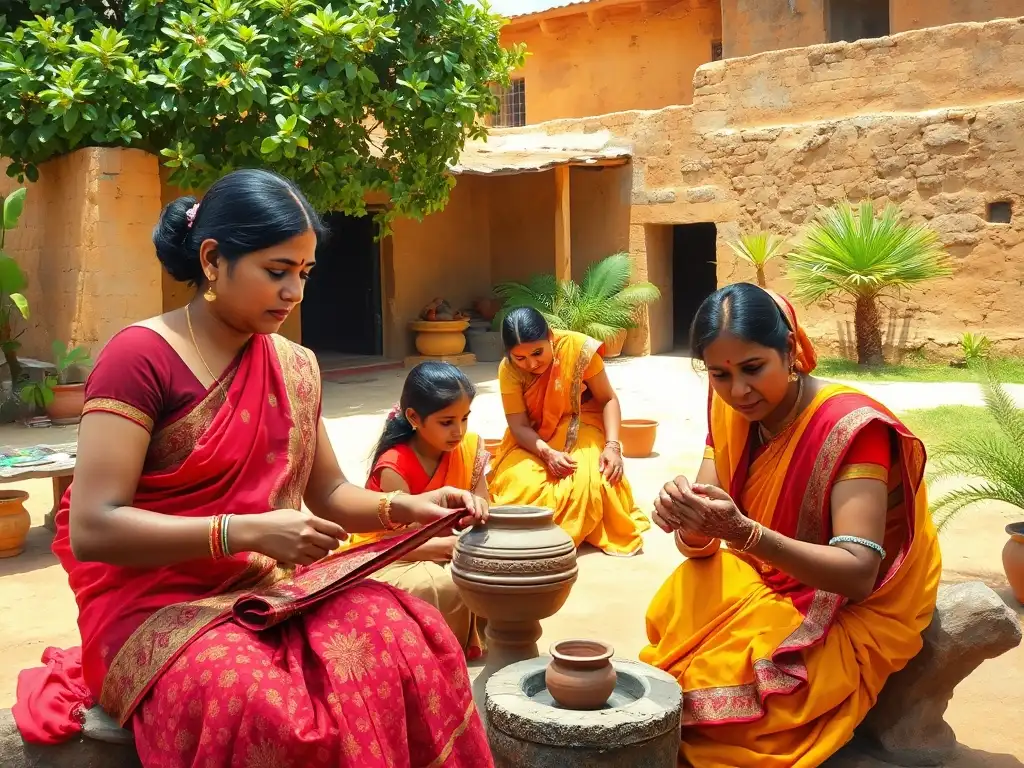
Women played a pivotal role in the artistic landscape of ancient India, contributing significantly to various forms of art and craftsmanship that have been passed down through generations. Their contributions transcended mere participation; they were guardians of traditional techniques, styles, and narratives that enriched the cultural tapestry of their societies. From intricate textiles to vibrant frescoes, the artistic endeavors of women not only reflected their creativity but also served to convey cultural values, beliefs, and historical contexts.
Throughout history, the artistry of women has been recognized for its unique perspectives and intricate craftsmanship. They often infused their works with personal and communal narratives, making their art not just a form of expression but a storytelling medium that preserved the essence of their culture. This section delves into the specific contributions of women as artisans, their representation in literature and the arts, and how their creative expressions shaped the identity of ancient Indian culture.
Female Artisans and Their Impact on Traditional Crafts
Female artisans in ancient India were instrumental in the development and preservation of traditional crafts such as weaving, pottery, jewelry making, and painting. The skills passed down through generations often remained within the family, with women teaching their daughters the intricacies of their crafts from a young age. This not only ensured the continuity of these traditions but also empowered women within their communities.
In textiles, for instance, women were often the primary weavers, producing exquisite fabrics that became symbols of cultural identity. The famous Banarasi sarees and Kanchipuram silk sarees are examples of how women's craftsmanship in weaving has left an indelible mark on Indian culture. Their work in pottery, which often featured intricate designs and motifs, was essential for both practical use and artistic expression.
Moreover, the introduction of vibrant colors and innovative patterns in crafts can often be attributed to the female perspective. This impact extended beyond mere aesthetics; it influenced trade and economy, as handcrafted goods became valuable commodities in local and regional markets. The legacy of these female artisans continues to be celebrated today, with many traditional crafts experiencing a resurgence thanks to their historical significance.
Representation of Women in Ancient Indian Literature and Arts
The representation of women in ancient Indian literature and arts is a testament to their multifaceted roles in society. Texts such as the Mahabharata and Ramayana feature strong female characters who embody various virtues, dilemmas, and strengths. Figures like Draupadi and Sita have stood the test of time as symbols of resilience and moral integrity, influencing generations of women.
In visual arts, women were often depicted in various forms, from goddesses to everyday life scenarios, showcasing their integral role in both the divine and the mundane. Frescoes and sculptures from temples and caves often illustrate women engaged in daily activities, celebrating their contributions to family and community life.
Moreover, the nuances of women's emotions and experiences were captured in poetry and prose, revealing their inner lives and societal challenges. The lyrical expressions of poets like Mirabai and Kamala Das reflect not only personal experiences but also broader cultural themes, highlighting women's voices in a patriarchal society. This representation serves as a crucial reminder of the agency women held within their cultural contexts and their enduring impact on ancient Indian narratives.
Spiritual and Religious Roles of Women
Women in ancient India were not only custodians of cultural traditions but also played vital roles in spiritual and religious practices. Their contributions to rituals, philosophy, and the creation of spiritual texts were essential in shaping the spiritual landscape of the time. This section explores the varied spiritual roles women held and how they contributed to the religious fabric of ancient Indian society.
Women in Hindu Rituals and Practices
In Hinduism, women have historically been central to various rituals and religious practices. They were often responsible for performing daily pujas (worship) in homes, ensuring the spiritual well-being of their families. This role as spiritual caretakers positioned women as essential figures in maintaining religious traditions and practices.
Women also participated in significant rituals, such as weddings and festivals, where their roles were not only symbolic but also practical. For instance, the preparation of offerings, singing of devotional songs, and the conduction of certain rites were traditionally entrusted to women. This active involvement allowed them to influence the spiritual practices within their communities, reinforcing their importance in religious life.
Additionally, the concept of Shakti, or divine feminine energy, showcases the recognition of women's spiritual potency within Hinduism. Goddesses like Durga and Kali are revered for their strength, embodying the belief that women possess significant spiritual power. This reverence for feminine divinity further emphasizes the critical role women played in the spiritual realm.
Contributions of Women to Spiritual Texts and Philosophy
Women contributed to the spiritual and philosophical discourse of ancient India, despite societal constraints. Texts such as the Upanishads and the writings of mystics reflect the insights and teachings of women philosophers and saints. Figures like Gargi and Maitreyi are noted for their intellectual contributions, engaging in philosophical debates and discussions that challenged societal norms.
The writings of female poets and saints, such as Mirabai, offered profound spiritual insights and personal narratives that emphasized devotion and love for the divine. Their poetry often transcended societal boundaries, addressing themes of longing, spirituality, and the quest for knowledge.
Moreover, women's participation in spiritual gatherings and discussions fostered a sense of community and shared wisdom, allowing for the exchange of ideas and beliefs. This collaborative spirit contributed to the evolving understanding of spirituality in ancient Indian culture, establishing women not just as participants but as influential contributors to the spiritual heritage of India.
Challenges Faced by Women in Preserving Culture
Women in ancient India played a pivotal role in the preservation and transmission of culture, yet their efforts were often hindered by various challenges. From societal norms that restricted their freedoms to historical events that altered their roles, the journey of women in safeguarding cultural heritage has been fraught with obstacles. Understanding these challenges provides a clearer picture of the resilience and determination that characterized women's contributions to ancient Indian culture.
Societal Norms and Restrictions on Women
Throughout ancient Indian history, societal norms imposed significant restrictions on women's roles, impacting their ability to engage actively in cultural preservation. These norms often dictated that women should focus on domestic responsibilities, relegating them to the private sphere. As a result, their participation in public life, including cultural activities, was limited.
- Patriarchal Structures: The deeply entrenched patriarchal systems often marginalized women, making it difficult for them to assert their influence in cultural domains.
- Education Barriers: Access to education was often restricted for women, hindering their ability to engage in scholarly pursuits that could facilitate the preservation of cultural traditions.
- Cultural Expectations: Women were frequently expected to adhere to traditional roles as wives and mothers, limiting their opportunities to contribute to broader cultural narratives.
Despite these challenges, many women found ways to uphold their cultural practices through oral traditions, rituals, and local customs, thereby ensuring the continuity of heritage across generations.
Historical Events Impacting Women's Roles in Culture
Various historical events and periods significantly shaped women's roles in ancient Indian culture, often altering how they engaged with cultural preservation.
- Invasions and Political Changes: Invasions by foreign powers, such as the Mughals, led to transformations in society. Women's roles sometimes shifted in response to new political realities, with some women taking on leadership roles or becoming influential figures in cultural life.
- Religious Movements: The rise of various religious movements, including Bhakti and Sufi traditions, often provided women with platforms to express their cultural identities and participate in spiritual practices. These movements challenged existing norms and allowed women to contribute to the cultural landscape.
- Colonial Influence: The British colonial period introduced new educational opportunities for women, which, while restrictive in some respects, also allowed for the revival of interest in ancient traditions and cultural practices among women who were educated.
These historical dynamics illustrate the fluidity of women's roles in culture, highlighting their adaptability in the face of changing societal landscapes.
Modern Reflection on Women in Ancient Indian Culture
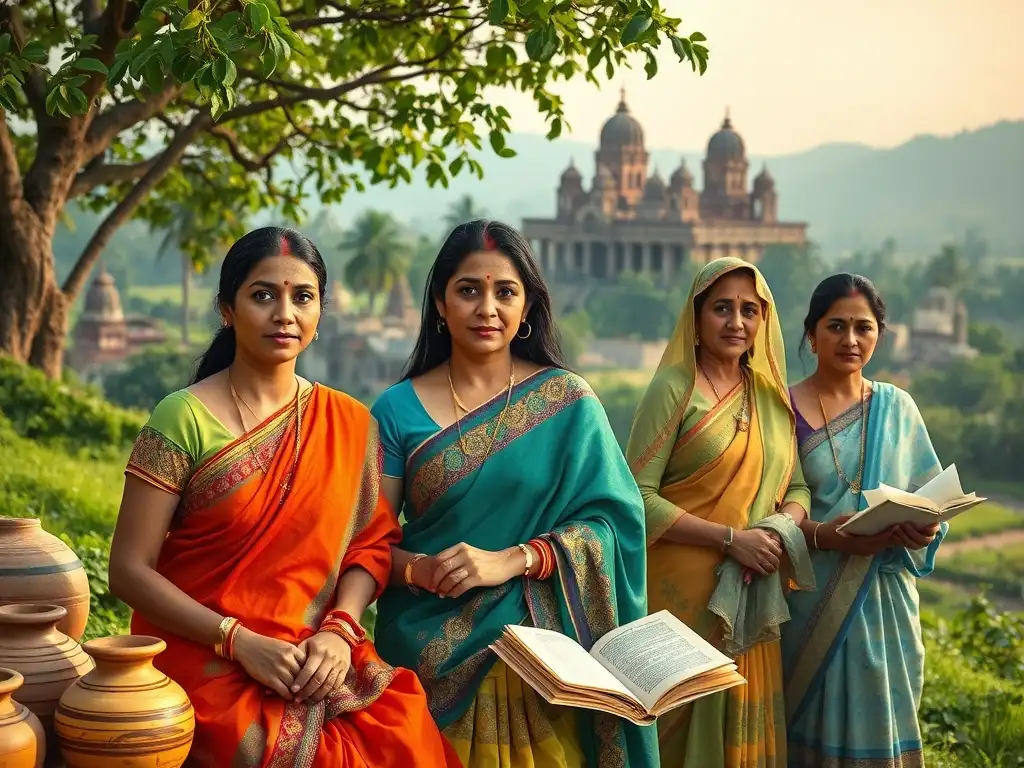
The legacy of women in ancient Indian culture continues to resonate today, influencing contemporary perspectives on gender roles and cultural preservation. Modern reflections on these historical contributions highlight the enduring impact of women’s traditions and practices.
Continuing Influence of Ancient Traditions on Contemporary Women
Today, many women draw inspiration from their ancestors, using ancient traditions as a foundation for their identities and practices. This continuity is evident in various aspects of life:
- Cultural Practices: Contemporary women often engage in traditional arts, crafts, and rituals that have been passed down through generations, maintaining a direct connection to their cultural heritage.
- Advocacy and Empowerment: Women’s organizations and movements frequently reference historical figures and practices to advocate for gender equality and cultural preservation, reinforcing the idea that women have always been integral to cultural identity.
- Education and Knowledge Sharing: Many modern women actively seek knowledge about ancient traditions, ensuring that they are not only preserved but also reinterpreted for contemporary relevance.
The ongoing influence of these traditions underscores the vital role women have played in shaping cultural narratives throughout history.
Reviving Ancient Practices: The Role of Modern Women
In recent years, there has been a significant resurgence in the interest in ancient practices, with modern women leading this revival.
- Cultural Festivals and Workshops: Women are often at the forefront of organizing cultural festivals and workshops that celebrate ancient traditions, facilitating community engagement and education around these practices.
- Research and Documentation: Many contemporary women scholars and practitioners are dedicated to researching and documenting ancient cultural practices, ensuring that these traditions are not lost to time.
- Artistic Expressions: Through various forms of art, including dance, music, and literature, modern women are reinterpreting ancient themes and narratives, bringing them into contemporary discourse.
This revival not only honors the contributions of women in ancient Indian culture but also empowers modern women to embrace and innovate upon these traditions for future generations.
Conclusion: The Lasting Legacy of Women in Ancient Indian Culture
The role of women in ancient Indian culture is a testament to their resilience, creativity, and profound influence on the preservation and evolution of societal traditions. From the earliest times, women contributed significantly to the cultural, spiritual, and social fabric of India. Their efforts in safeguarding oral traditions, nurturing arts, and upholding family values have left an indelible mark on the historical narrative of the subcontinent. As guardians of tradition, women not only played a pivotal role in maintaining cultural continuity but also shaped the identity of communities across centuries.
Summary of Contributions and Preservation Efforts
Women in ancient India were instrumental in a variety of domains that contributed to the richness of Indian culture. They were the primary custodians of oral histories, passing down stories, folklore, and rituals that defined the moral and ethical frameworks of their societies. Their participation in festivals and religious ceremonies ensured that customs were not only preserved but also evolved to reflect contemporary values.
Moreover, women were often the creators and patrons of art forms, from weaving and pottery to dance and music. The intricate designs of textiles and the elaborate performances of classical dance were frequently inspired by the narratives women shared. They preserved not just the aesthetic aspects of culture but also the spiritual and philosophical teachings inherent in these art forms.
The role of women extended to education, as they often took on the responsibility of instilling knowledge and wisdom in the younger generations. By imparting lessons in ethics, spirituality, and practical skills, they reinforced the cultural values that shaped ancient Indian society.
Call to Acknowledge Women’s Roles in Cultural Heritage
It is crucial to recognize and celebrate the roles that women played in ancient Indian culture. Acknowledging their contributions not only enriches our understanding of history but also highlights the importance of gender inclusivity in cultural narratives. By bringing women's stories and achievements to the forefront, we can foster a deeper appreciation for the diverse voices that have shaped our heritage.
In contemporary discussions about history and culture, it is essential to elevate women's contributions and ensure they are woven into the broader tapestry of Indian civilization. This recognition serves not only as a tribute to their efforts but also as a reminder of the necessity to continue valuing and promoting gender equality in all spheres of life today.
References (if applicable)
Suggested Readings on Women in Ancient Indian Culture
- "Women in Ancient India" by G. R. Sharma - This book provides an extensive overview of women's roles throughout various periods in ancient Indian history, highlighting their contributions to society and culture.
- "The Women of the Mahabharata" by Kamala Subramaniam - A deep dive into the lives of the women depicted in the epic, this reading explores their influence on the narrative and their symbolic representation in society.
- "Women and Society in Ancient India" by Kumkum Roy - An analytical perspective on the socioeconomic conditions of women and their evolving roles in ancient Indian society.
Important Historical Texts and Sources
- The Rigveda - One of the oldest sacred texts in Indian culture, it contains hymns that reference the roles and status of women in Vedic society.
- The Manusmriti - This ancient legal text offers insights into the norms and expectations surrounding women's lives and their roles in family and society.
- The Mahabharata - This epic not only features significant female characters but also reflects the complexities of women's identities and positions within the societal structure of ancient India.
By exploring these readings and texts, one can gain a more nuanced understanding of the profound impact women had on ancient Indian culture and the enduring legacy they left behind.
- Introduction to Women in Ancient Indian Culture
- Historical Context of Women in Ancient India
- Women as Custodians of Tradition
- Education and Knowledge Preservation
- Artistic Contributions of Women in Ancient Indian Culture
- Spiritual and Religious Roles of Women
- Challenges Faced by Women in Preserving Culture
- Modern Reflection on Women in Ancient Indian Culture
- Conclusion: The Lasting Legacy of Women in Ancient Indian Culture
- References (if applicable)
- What role did women play in preserving ancient Indian culture?
- How did women's contributions influence societal norms in ancient India?
- Were women in ancient India involved in art and literature?
- What was the significance of women's roles in family and community?
- How did ancient Indian texts portray women's status?
Frequently Asked Questions
What role did women play in preserving ancient Indian culture?
Women were the guardians of tradition, often responsible for passing down cultural practices, rituals, and oral histories, ensuring that their societies' values were preserved across generations.
How did women's contributions influence societal norms in ancient India?
Women's contributions were significant in shaping societal norms, as they participated in religious rituals and education, thereby influencing the moral and ethical values of their communities.
Were women in ancient India involved in art and literature?
Yes, women were actively engaged in art and literature, creating works that reflected their experiences and emotions, thus enriching the cultural tapestry of ancient Indian society.
What was the significance of women's roles in family and community?
Women held crucial roles within the family and community, acting as the primary caregivers and educators, which reinforced the social structure and stability of their societies.
How did ancient Indian texts portray women's status?
Ancient Indian texts often depicted women with complexity, showcasing them as both nurturers and spiritual leaders, reflecting their integral role in maintaining the cultural fabric of their time.
Final Reflection: The Enduring Legacy of Women in Ancient Indian Culture
In exploring the profound role of women as the guardians of tradition in ancient Indian culture, we uncover a narrative that resonates powerfully in today's world. The contributions of women in preserving rituals, art forms, and oral histories are not merely historical footnotes; they are vital threads that weave the fabric of our cultural identity. As we navigate a rapidly changing global landscape, the strength and resilience of these women remind us of the importance of honoring our roots and the stories that shape us.
The influence of women in ancient Indian culture continues to echo through the ages, shaping our social and cultural landscapes in ways that are often overlooked. From the nurturing of familial bonds to the stewardship of sacred traditions, women have been the silent architects of our heritage. Their stories, often untold, illuminate the path of cultural continuity and resilience. Tradition is not the worship of ashes, but the preservation of fire.
This quote encapsulates the essence of how women have not only preserved traditions but have also ignited the flames of cultural evolution, ensuring that the spirit of our heritage remains vibrant and alive.
As we reflect on the lessons drawn from the remarkable journeys of these women, let us invite ourselves to actively engage with our own cultural narratives. Consider how you can become a guardian of your own traditions, whether through storytelling, art, or community involvement.
Each of us has the power to contribute to the tapestry of our culture, ensuring that the wisdom of the past informs the choices of the future. Embrace the call to action, and let us honor the legacy of women in ancient Indian culture by becoming stewards of our own stories, fostering a deeper connection to our heritage for generations to come.
Embrace and Celebrate Our Heritage Today!
Thank you for exploring the incredible journey of women as the guardians of ancient Indian culture. Your interest in this topic not only enriches your understanding but also strengthens the collective legacy we all share. Now, let’s take that inspiration a step further!
Here are some empowering actions you can take:
- Join a local cultural organization to actively participate in preserving traditions and share your experiences with others.
- Host a cultural gathering or workshop in your community to share stories and practices that celebrate our rich heritage.
- Share this article with friends and family to spread awareness and encourage conversations about the vital role women have played in our history.
What traditions or stories have inspired you the most, and how will you contribute to keeping them alive?