
The Impact of Invaders on Women’s Roles in Ancient Indian Society

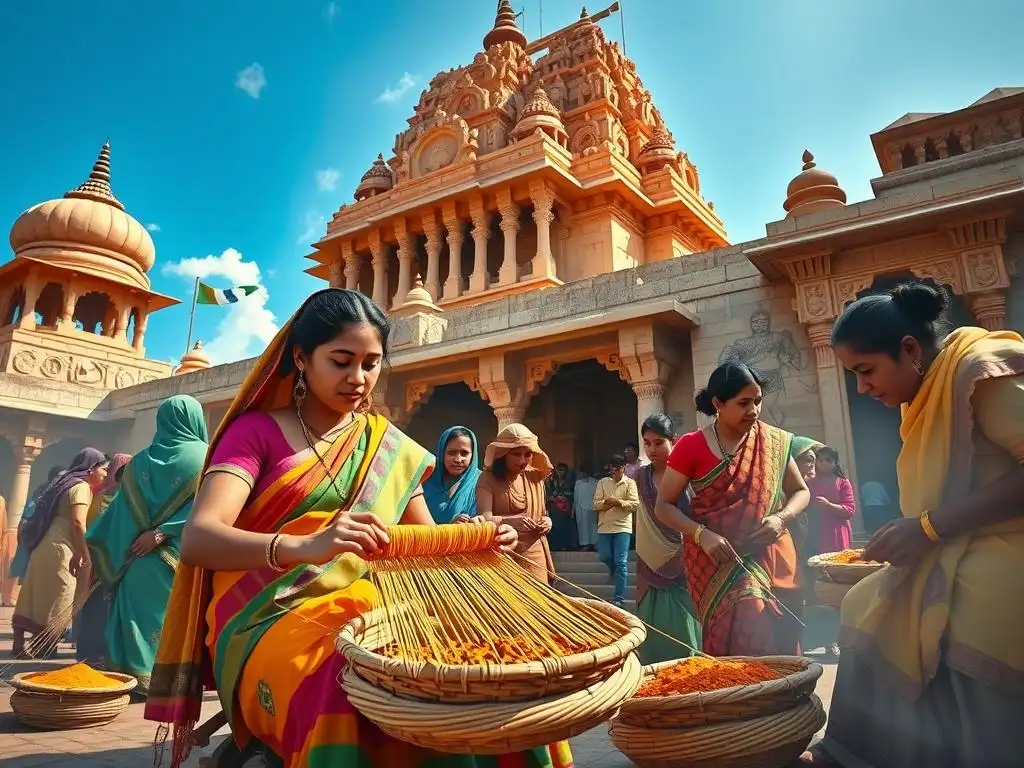
Welcome to Ancient India History, where we embark on a fascinating journey through time to uncover the rich tapestry of ancient Indian civilizations. In this exploration, we delve into the remarkable roles that women played throughout history, particularly in the context of how external invaders shaped their lives and contributions. Our featured article, "The Impact of Invaders on Women’s Roles in Ancient Indian Society," invites you to discover the complexities and transformations that defined women's status during tumultuous periods.
Prepare to be intrigued as we unravel the stories and legacies that continue to influence our understanding of gender and society in ancient India. Dive in, and let the past inspire your present!
- Introduction to Women’s Roles in Ancient India
- The Historical Context of Invaders in Ancient India
- Women’s Roles in Pre-Invasion Ancient India
- The Impact of Invaders on Women’s Roles
- Case Studies of Women During Invasions
- The Evolving Roles of Women in Post-Invasion Society
- Conclusion
- Further Reading and Resources
-
Frequently Asked Questions
- What were the primary roles of women in ancient Indian society?
- How did invaders affect women's roles in ancient India?
- Were there any notable women in ancient Indian history?
- How did the status of women evolve during the Gupta Empire?
- What sources provide insight into women's roles in ancient India?
- Final Reflection: The Transformative Influence of Invaders on Women’s Roles in Ancient India
- Embrace the Legacy of Ancient Women: Take Action Today!
Introduction to Women’s Roles in Ancient India
The exploration of women's roles in ancient India reveals a complex tapestry woven from the threads of culture, religion, and socio-political dynamics. As we delve into the impact of various invaders on these roles, we can better understand how external forces reshaped the lives of women throughout different periods of Indian history.
This article aims to illuminate the shifting paradigms of women's status and responsibilities from the era of the Indus Valley Civilization to the heights of the Gupta Empire. By examining the multifaceted contributions and challenges faced by women, we can appreciate their integral place in the historical narrative of ancient India.
Overview of Ancient Indian Society
Ancient Indian society was characterized by a rich and diverse cultural heritage, shaped by various dynasties, religions, and philosophies. The social structure was primarily hierarchical, with a division of classes that influenced every aspect of life. Women, often seen through the lens of family and community, played crucial roles that varied significantly across different regions and time periods.
- Social Classes: The caste system, which emerged during this time, dictated the roles and limitations placed upon women, with higher castes generally enjoying more privileges.
- Religious Influences: Hinduism, Buddhism, and Jainism imparted specific ideals regarding femininity and duty, often idealizing the roles of women as devoted wives and mothers.
- Economic Contributions: Women were not only homemakers but also engaged in agriculture, textiles, and trade, contributing to the economy in substantial ways.
The arrival of various invaders, from the Aryans to the Mughals, further complicated the societal framework, introducing new customs and practices that impacted women's lives profoundly.
Importance of Studying Women’s Roles in Historical Context
Understanding women's roles in ancient India is essential for several reasons:
- Recognizing Contributions: Women played pivotal roles in different capacities, from rulers to scholars, yet their contributions have often been overlooked. Highlighting these roles helps to create a more balanced historical narrative.
- Contextualizing Changes: The impact of invaders led to significant changes in societal norms and values, which can be studied to understand the evolution of gender roles in India.
- Enlightening Present Perspectives: Analyzing historical roles can provide insights into the ongoing discussions about gender equality and women's rights in contemporary Indian society.
- Cultural Appreciation: By understanding the past, we can appreciate the rich cultural heritage that has shaped modern Indian identity, including the roles women have played throughout history.
The study of women's roles in ancient India is not just an academic pursuit; it is a vital exploration of identity, culture, and the enduring impact of historical transformations. As we delve deeper into this topic, we will uncover the intricate ways in which invaders influenced the status and roles of women in ancient Indian society.
The Historical Context of Invaders in Ancient India
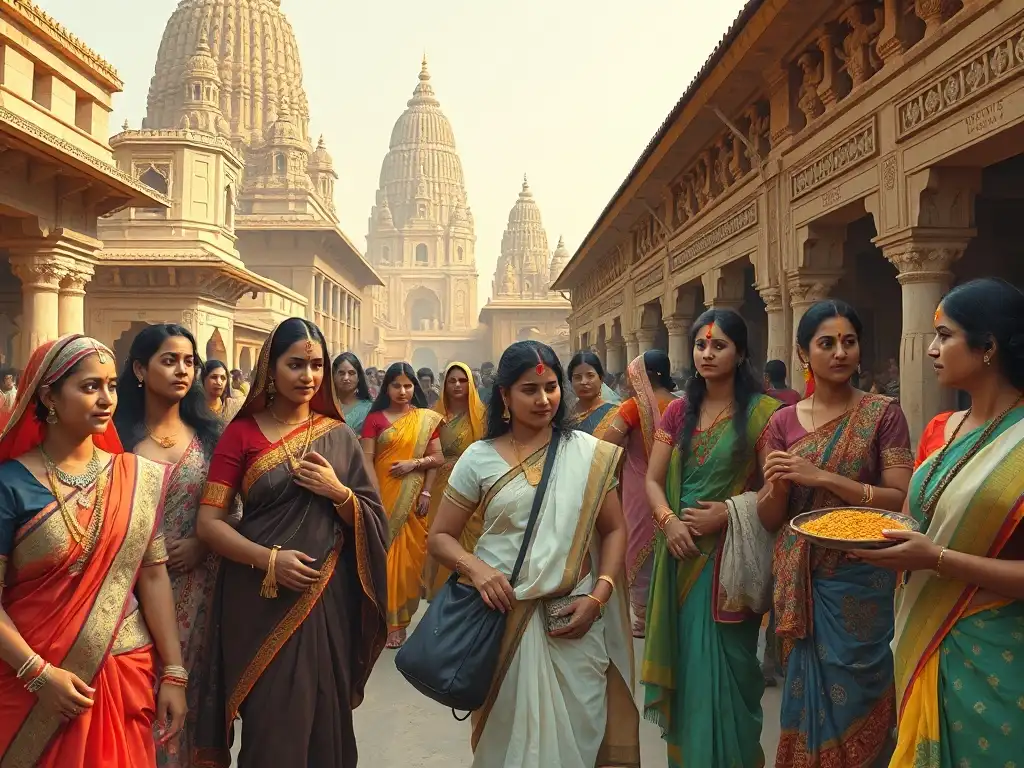
The history of ancient India is characterized by a series of waves of invasions that brought profound changes to its social fabric, particularly regarding women’s roles in ancient India. These invasions often led to shifts in power dynamics, cultural exchanges, and transformation in societal norms. Understanding this historical context is essential to grasp the complexities surrounding women's status and functions within the evolving societies.
Invaders such as the Aryans, Persians, Greeks, and later the Scythians, Kushans, and Turks not only altered the political landscape but also influenced social structures and gender roles. Each group introduced new beliefs, customs, and practices, many of which redefined women’s positions in their respective societies.
Major Invaders Influencing Ancient India
- Aryans (circa 1500 BCE):
- The arrival of the Aryans marked a significant transition in Indian society. They brought with them the Vedic texts, which emphasized patriarchal values.
- As a result, women’s roles became more domestic, focusing on family and household duties, while their participation in public life diminished.
- Persians (6th century BCE):
- Persian influence introduced new administrative practices and cultural exchanges through trade and diplomacy.
- Women in higher social classes, such as queens, gained more prominence in political affairs, though overall societal norms still favored male authority.
- Greeks (4th century BCE):
- The incursions of Alexander the Great led to increased interactions between Greek and Indian cultures.
- The portrayal of women in Greek literature influenced perceptions of beauty and femininity, impacting local customs and ideologies surrounding women.
- Scythians and Kushans (circa 2nd century BCE):
- These nomadic tribes brought diverse cultural practices, including a somewhat more egalitarian view of women in certain tribes, which contrasted with established norms in some Indian societies.
- The Kushan Empire, in particular, saw women depicted in art and literature, indicating a degree of social agency.
- Turks (11th century CE):
- The arrival of Turkish invaders marked a shift towards Islamic influences in Indian society.
- This period saw the introduction of new customs and laws affecting women's rights, often resulting in stricter regulations regarding their public presence and mobility.
Timeline of Invasions and Their Impact on Society
| Time Period | Invaders | Impact on Women’s Roles |
|---|---|---|
| Circa 1500 BCE | Aryans | Increased patriarchy; emphasis on domestic roles |
| 6th Century BCE | Persians | Some elite women gained political influence; overall patriarchal norms persisted |
| 4th Century BCE | Greeks | Cultural exchange influenced local customs and perceptions |
| Circa 2nd Century BCE | Scythians and Kushans | More egalitarian views in certain tribes; artistic representation of women |
| 11th Century CE | Turks | Introduction of Islamic customs; stricter regulations on women |
The impact of these invasions on women’s roles in ancient India is multifaceted. While some invaders allowed women to gain certain privileges, overall trends often leaned toward increased restrictions and reinforced patriarchal structures. Understanding these dynamics helps illuminate the complex history of women's status throughout ancient Indian society, reflecting a tapestry of evolving roles shaped by external influences.
Women’s Roles in Pre-Invasion Ancient India
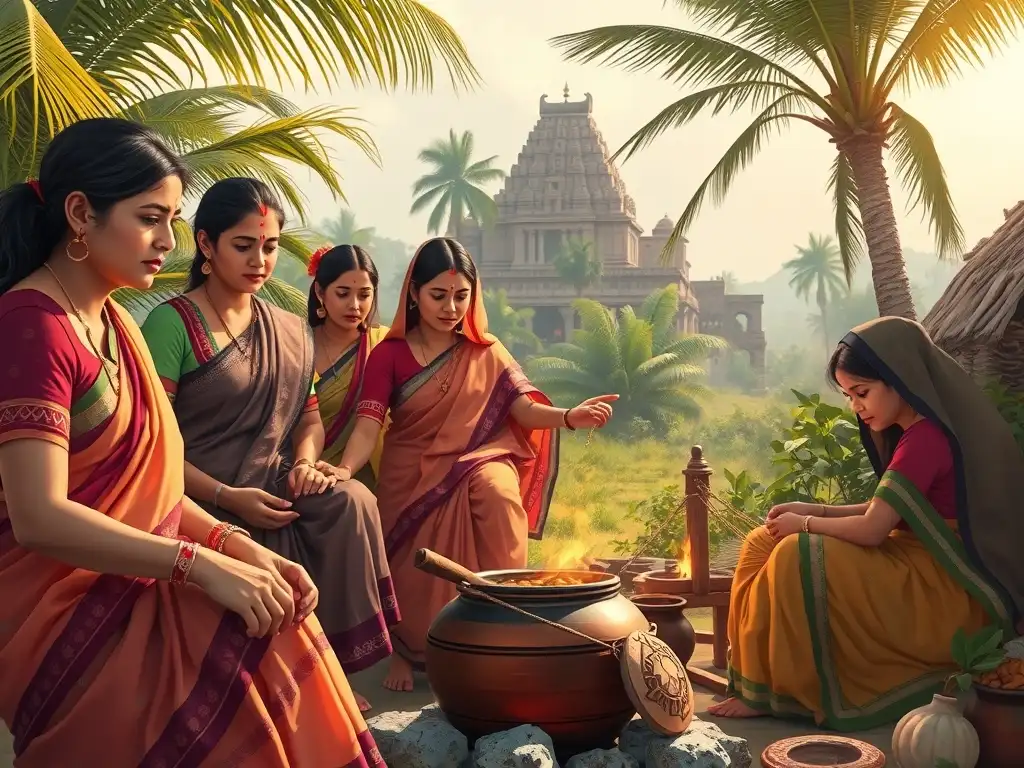
Status of Women in Early Indian Civilizations
In early Indian civilizations, particularly during the Indus Valley Civilization (c. 3300–1300 BCE), women held a relatively high status. Archaeological findings indicate that women were involved in various aspects of life, including trade, crafts, and agriculture. The presence of female figurines suggests that women were also revered, possibly as symbols of fertility and prosperity.
As we transition into the Vedic period (c. 1500–500 BCE), the status of women began to evolve. Women were educated and could participate in religious rituals. Texts like the Rigveda document instances of women like Gargi and Maitreyi, who were respected scholars and philosophers. However, social changes began to emerge, influenced by the patriarchal norms that started to gain prominence.
Despite these shifts, women in Vedic society were often depicted as the moral center of the household. Their roles primarily revolved around family and domestic duties, yet they retained some autonomy. For example, women could inherit property and had the right to choose their partners in certain circumstances, indicating a nuanced status within society.
Cultural Contributions of Women in Ancient India
Women in ancient India made significant cultural contributions that shaped various aspects of society. Their involvement in arts, crafts, and literature played a crucial role in the evolution of Indian culture. For instance, women were known to be skilled in weaving, pottery, and jewelry-making, which were vital for trade and daily life.
In literature, female poets and writers emerged, contributing to the rich tapestry of Indian storytelling and philosophy. The Mahabharata and Ramayana, two of India’s epic texts, feature strong female characters like Draupadi and Sita, who embody ideals of strength, devotion, and resilience. These narratives not only highlight women’s roles but also reflect the societal values and gender dynamics of ancient India.
Moreover, women actively participated in religious practices and rituals. They were often central figures in ceremonies, and their involvement in temple activities and community worship further solidified their cultural significance. The artistic expressions found in ancient temple carvings often depict women in various roles, celebrating their contributions to both domestic and public life.
Ancient Indian society was characterized by complex social structures, including the caste system, which influenced women’s roles significantly. In general, women’s roles were largely determined by their caste and social status. While higher caste women enjoyed certain privileges, those from lower castes faced restrictions and limitations in their societal participation.
Within the family structure, women were primarily seen as caretakers and nurturers. Their roles encompassed managing the household, raising children, and maintaining family traditions. However, women also played essential roles in agrarian societies, contributing to agricultural work and the economy. In many regions, women were responsible for the cultivation of crops, which was vital for sustenance and trade.
Despite the patriarchal framework, women in ancient India exhibited agency in various spheres. They could engage in trade, own property, and participate in local governance in some instances. This involvement suggests that while societal norms imposed certain restrictions, women found ways to navigate and influence their environments.
The impact of invaders during later periods would eventually alter these dynamics, reshaping women’s roles in society. However, the foundations laid by women in pre-invasion ancient India highlight their resilience and adaptability in the face of changing circumstances.
The Impact of Invaders on Women’s Roles
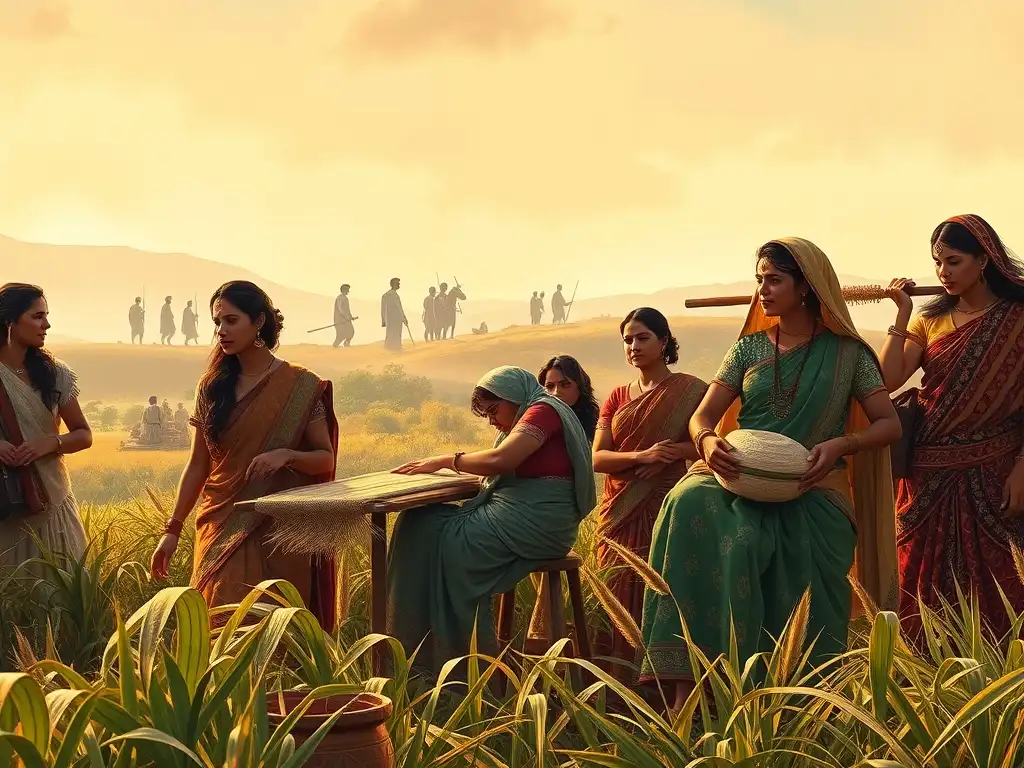
The trajectory of women's roles in ancient India was significantly influenced by various invasions over the centuries. Each wave of invaders brought with it a distinct set of cultural practices, social structures, and ideologies that reshaped the existing norms regarding women. This section delves into the nuanced changes that took place in women's roles as a result of these external influences.
Invasions often led to a reconfiguration of social hierarchies within ancient Indian society. Prior to these incursions, women held various positions that were relatively empowered in certain contexts, particularly in the realms of family and religious practices. However, the arrival of invaders such as the Aryans, Persians, and later the Mughals introduced new social stratifications.
- Pre-Aryan Society: Women in the Indus Valley Civilization enjoyed rights that allowed them to participate in commerce and religious activities. They were depicted in various artifacts as figures of authority.
- Aryan Invasions: The arrival of the Aryans brought patriarchal structures that began to diminish the status of women. The imposition of the caste system further entrenched gender roles, relegating women to domestic spheres.
- Mughal Influence: With the Mughal Empire's establishment, women's roles became further stratified, particularly in the royal courts where women could wield power indirectly through familial relationships.
The shifting hierarchies often meant that women's societal status fluctuated based on their caste, community, and the prevailing cultural norms fostered by invaders.
Shifts in Women’s Rights and Freedoms
The rights and freedoms of women in ancient India underwent significant transformations due to the influences of various invaders. Each wave brought changes that often restricted or, in some instances, expanded women's roles.
- Legal Rights: Early texts, such as the Manusmriti, laid out specific rights for women, including property rights and educational opportunities. However, post-Aryan invasions saw a decline in these rights, leading to increased restrictions.
- Marriage Practices: The practice of child marriage and restrictions on widow remarriage became more pronounced with the advent of certain invaders who viewed these customs as a means to control female sexuality and lineage.
- Education and Employment: While some invaders, like the Mughals, established educational institutions that allowed women to receive formal education, these opportunities were often limited to upper-class women, leaving many in lower strata with little to no access to education.
These shifts highlight how women's rights were often contingent upon the prevailing political and cultural climate, influenced by the ideologies of the invaders.
Influence of Different Cultures on Women’s Roles
The diverse cultural backgrounds of invaders significantly impacted women's roles in ancient Indian society. Each culture brought its own customs, beliefs, and practices, leading to a complex interplay of influences.
- Persian Influence: The Persian Empire introduced concepts of courtly life, which allowed women to engage in social and political activities within royal households. This led to some women achieving notable positions of influence.
- Turkic and Afghan Invaders: The arrival of Turkic and Afghan rulers often emphasized a more conservative view of women's roles, leading to increased segregation and restrictions on their public lives.
- Cultural Syncretism: Over time, the interactions between indigenous practices and those of the invaders led to a unique cultural syncretism. For instance, some women adopted Persian styles of dress and customs while maintaining traditional Indian practices.
These cultural exchanges illustrate the dynamic nature of women's roles in ancient India, as they adapted to and resisted the changes brought by different invaders, ultimately contributing to a rich tapestry of societal norms that defined women's experiences throughout history.
The impact of invaders on women’s roles in ancient India was profound and multifaceted. As societal hierarchies shifted, women's rights evolved, and diverse cultural influences permeated daily life, the legacy of these changes continues to inform our understanding of women's roles in society today.
Case Studies of Women During Invasions
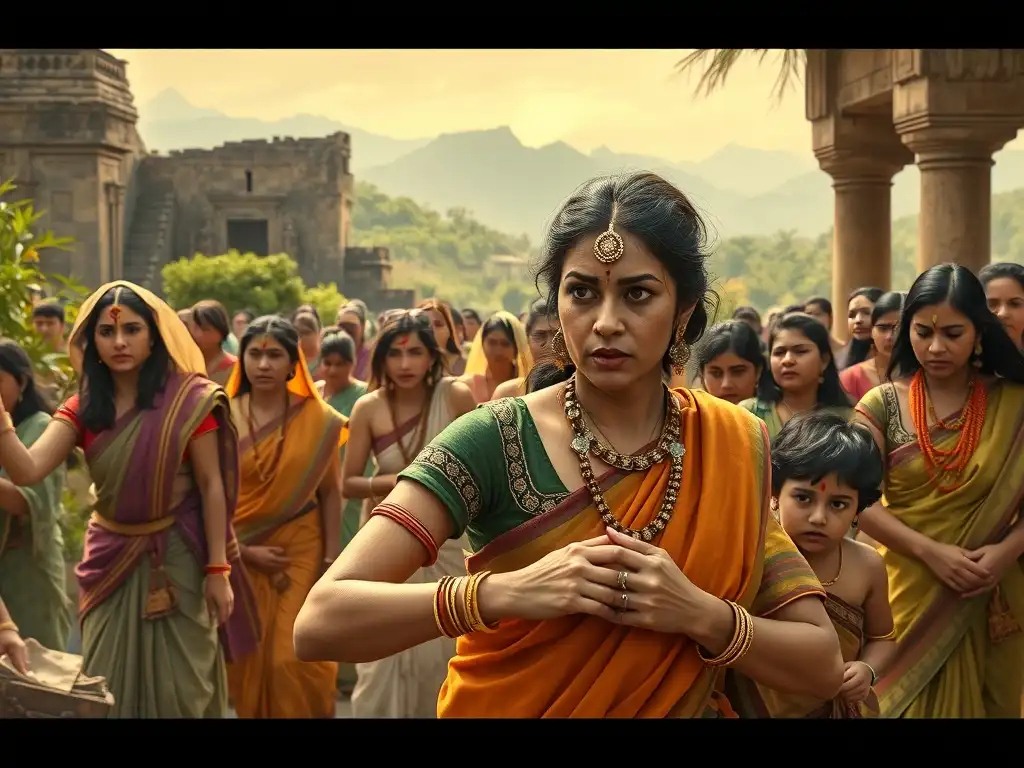
Throughout ancient Indian history, the roles of women were significantly influenced by external invasions. These invasions not only reshaped the political landscape but also affected the social and cultural dimensions of women's lives. By analyzing specific case studies, we can better understand how women navigated these turbulent times and adapted to new realities.
Notable Women and Their Contributions
Several remarkable women emerged during various invasions, showcasing resilience and leadership. Here are a few notable figures:
- Rani Durgavati (16th century): Known for her valiant resistance against the Mughal Empire, Rani Durgavati led her forces with exceptional courage. Despite being outnumbered, she fought fiercely to protect her kingdom of Gondwana, illustrating the proactive roles women took in defending their territory and autonomy.
- Zainab al-Hind (12th century): A poet and scholar, Zainab al-Hind was a prominent figure during the Ghurid invasion. Her works highlighted the struggles faced by women during this period, providing a voice for those who suffered under foreign rule. She became a symbol of intellectual resistance, advocating for women's education and rights.
- Jijabai Bhosale (17th century): As the mother of the Maratha king Shivaji, Jijabai played an essential role in instilling values of courage and nationalism in her son. Her contributions extended to political strategy and governance, demonstrating that women's influence often transcended traditional roles.
These women not only resisted the invasions but also contributed to the cultural and political narratives of their times, shaping the understanding of women's roles in ancient India.
Comparative Analysis of Different Invaders’ Effects on Women
The impact of invasions on women's roles varied significantly depending on the nature and intentions of the invaders. Here’s a comparative analysis:
| Invader | Impact on Women | Cultural Changes |
|---|---|---|
| Aryan Invaders | Introduced patriarchal systems; women’s roles shifted to household duties. | The establishment of Vedic texts that emphasized domesticity. |
| Mughals | Some women gained elevated status as patrons of arts and education, while others faced restrictions. | A fusion of Persian and Indian cultures, leading to new artistic expressions. |
| British | Women's roles transformed with the introduction of social reform movements advocating for education and rights. | The rise of women’s organizations and participation in the freedom struggle. |
Each invader brought unique challenges and opportunities for women, highlighting their adaptability and resilience in various contexts.
Specific Examples of Women’s Resistance and Adaptation
Women in ancient India often manifested resistance through various means, adapting to the socio-political changes imposed by invaders. Here are specific examples:
- The Sati System: While often viewed as a form of oppression, some women adapted to these societal norms strategically. Figures like Rani Padmini of Chittor are considered to have used the practice of Sati as a form of protest against their captors, symbolizing honor and defiance.
- Participation in Warfare: Women like Rani Lakshmibai of Jhansi emerged during the British colonial period, leading troops into battle and becoming symbols of resistance. Her leadership during the 1857 rebellion inspired countless women to take up arms.
- Cultural Preservation: Women played a crucial role in preserving cultural practices amidst invasions. They ensured the continuity of rituals, traditions, and languages, contributing to the resilience of their communities. For instance, the women of the Rajput clans maintained their cultural identity even in the face of Mughal invasions.
These examples underscore the dynamic roles women played in ancient Indian society, reflecting their strength and agency in the face of adversity.
The Evolving Roles of Women in Post-Invasion Society
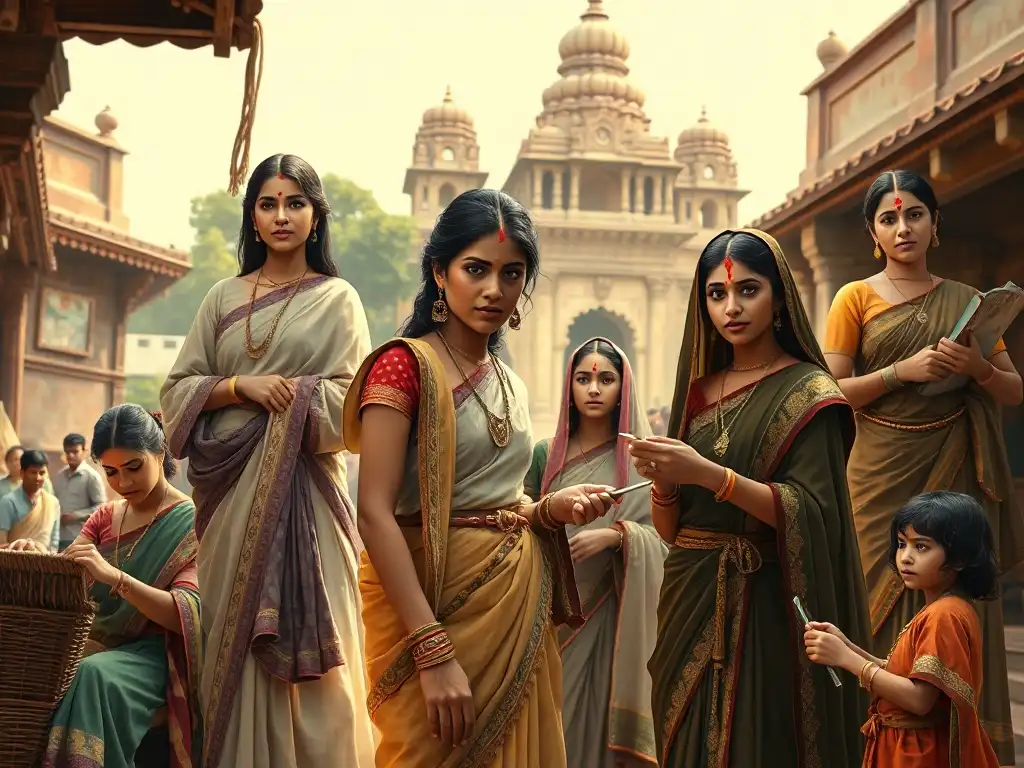
Transition of Women’s Roles After Major Invasions
The invasions of various groups throughout ancient India's history had profound effects on the roles and status of women within society. Following the arrival of the Indo-Aryans, for instance, there was a noticeable shift in women's roles from the more egalitarian structures of the Indus Valley Civilization to a patriarchal framework. This transition marked a significant change in the social fabric, leading to the establishment of norms that dictated women's responsibilities primarily within the domestic sphere.
In the wake of the Persian and later the Greek invasions, women’s roles continued to adapt under external influences. For example, the integration of diverse cultures often resulted in new social practices and norms. Women began to experience a duality in their societal roles: while they were increasingly relegated to household duties, they also gained recognition in certain domains such as the arts and religious practices. The Brahmanical texts from this period show that women were still expected to uphold familial duties but were also allowed to participate in religious ceremonies, thus partially restoring some of their previous status.
The arrival of the Huns in the 5th century CE introduced yet another layer of complexity to women's roles. As invasions often led to instability and conflict, the societal emphasis shifted towards protecting family honor, which further constrained women's autonomy. This period saw the rise of practices like Sati, where women were expected to self-immolate on their husband's pyre, reflecting a drastic decline in their status compared to earlier times.
Long-Term Effects on Women’s Status in Society
The long-term effects of these invasions on women's status in ancient Indian society were profound and multifaceted. Over time, the patriarchal structures solidified, and women’s roles became increasingly defined by their relationships to men—fathers, husbands, and sons. The Dharmashastras, ancient texts providing guidelines for Hindu law, emphasized women's subservience, reinforcing the idea that their primary duty was to serve their families.
Despite these constraints, women found ways to maintain influence within their limited roles. For instance, queens and noblewomen often acted as political figures, wielding power behind the scenes or directly influencing governance through strategic marriages and alliances. The Gupta Empire period, renowned for its advancements in arts and sciences, also saw women participating in intellectual pursuits, albeit within a restricted framework.
The imposition of Islamic rule in the 12th century further complicated women's roles. While some women gained greater agency through the courts and as patrons of the arts, many faced increased restrictions, including purdah (seclusion) practices. This duality in women’s experiences—oscillating between empowerment and repression—shaped the evolving narrative of women’s roles in ancient India.
The Legacy of Women’s Contributions in Ancient India
Women’s contributions in ancient India, despite the constraints imposed by various invasions, have left an indelible mark on the historical narrative. From the Indus Valley Civilization, where evidence suggests women participated in trade and held positions of authority, to the later periods where women excelled in arts, literature, and spirituality, their impact is noteworthy.
Notable figures such as Vasanti, a poetess, and Lilavati, a mathematician, reflect the intellectual contributions women made, often transcending societal limitations. Furthermore, the role of women in the Bhakti movement during medieval times illustrates a significant shift toward spiritual agency, where women could express devotion outside traditional norms.
The legacy of these contributions is not merely historical; it continues to inspire contemporary discussions around gender roles and rights in India. As modern scholars and activists revisit ancient texts and practices, they highlight the resilience and agency of women who navigated their societal constraints, ultimately enriching the tapestry of ancient Indian civilization.
While the impact of invaders on women's roles in ancient India led to significant shifts and often restrictions, the enduring contributions and resilience of women in various spheres of society remain a vital part of India’s rich history. Understanding these dynamics is essential in appreciating the complexities of women’s roles in ancient India and their lasting legacy.
Conclusion
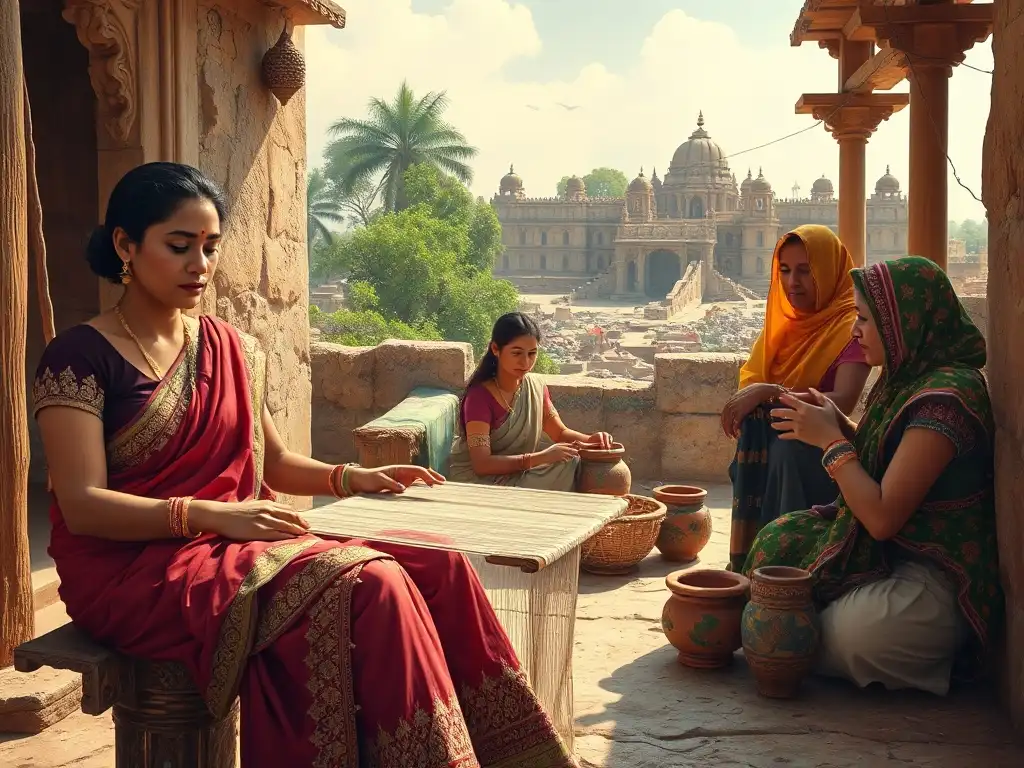
Summary of Key Findings on Women’s Roles in Ancient India
The exploration of women’s roles in ancient India reveals a complex tapestry of experiences shaped by various invaders and socio-political changes throughout history. The evidence suggests that women in ancient India were not a monolithic group; their roles varied significantly depending on regional, cultural, and temporal contexts. Here are some key findings:
- Varied Social Status: Women’s status fluctuated between periods of empowerment and subjugation. For instance, during the Vedic period, women enjoyed a degree of freedom, participating in rituals and education. However, with the arrival of different invaders, such as the Greeks and later the Mughals, the societal norms began to shift, often leading to more restrictive practices.
- Economic Contributions: Women contributed to the economy through agriculture, textile production, and trade. Their involvement was crucial in sustaining households and communities, although their labor often went unrecognized in historical texts.
- Cultural Influence: Women played significant roles in the preservation and transmission of culture, especially through oral traditions, music, and dance. These artistic expressions reflected their experiences and provided a means for resistance against prevailing patriarchal norms.
- Legal Rights and Social Practices: The legal status of women evolved, influenced by religious texts and local customs. While some texts advocated for women's rights, others constrained them, illustrating the ongoing struggle for gender equality.
Reflection on the Importance of Understanding Historical Contexts
Understanding the historical contexts surrounding women’s roles in ancient India is crucial for several reasons.
- Contextual Awareness: By examining how invasions and societal changes impacted women, we gain insights into the broader socio-political landscape of ancient India. This awareness helps contextualize modern discussions on gender roles and equality.
- Challenging Stereotypes: A nuanced understanding of ancient women's roles challenges stereotypical narratives that often portray them solely as passive victims. Recognizing their agency and contributions allows for a more balanced view of history.
- Inspiration for Contemporary Society: The resilience and adaptability of women throughout history can serve as an inspiration for contemporary movements advocating for gender equality. By learning from the past, modern societies can better address ongoing gender disparities.
- Preserving Heritage: Acknowledging the diverse experiences of women in ancient India contributes to the preservation of cultural heritage. It highlights the importance of women's voices in historical narratives, ensuring that future generations appreciate their contributions.
The study of women’s roles in ancient India not only enriches our understanding of the past but also informs current dialogues on gender, culture, and society. Recognizing the complexities and variations of women’s experiences enables a more comprehensive appreciation of India's rich history.
Further Reading and Resources
Recommended Texts on Women’s Roles in Ancient Indian History
To gain a deeper understanding of women’s roles in ancient India, it is essential to explore a variety of scholarly texts that delve into their experiences, contributions, and societal positions. Here are some recommended readings:
- "Women in Ancient India" by R. S. Sharma
- A comprehensive exploration of the lives of women during various periods in ancient India, including insights into their social, economic, and political roles.
- "The Status of Women in Ancient India" by Vimala Devi
- This book examines historical texts and archaeological findings to provide an in-depth analysis of women’s statuses across different ancient Indian societies.
- "Gender and Society in India: Women in the Ancient Period" by N. S. Reddy
- Focuses on gender dynamics and the evolving roles of women throughout ancient Indian history, highlighting their contributions to culture and society.
- "Women and Social Change in North-East India: A Collection of Essays" edited by H. K. Choudhury
- Although specific to the northeastern region, this compilation sheds light on the historical roles of women in ancient societies and their impacts on contemporary social structures.
- "Women in the Vedic Period" by Jaya Laxmi
- This text discusses the roles and representations of women in Vedic literature, providing insights into their spiritual, familial, and societal responsibilities.
These texts not only provide historical context but also highlight the diverse experiences of women in ancient India, offering valuable perspectives for anyone interested in this rich subject.
Online Resources for Exploring Ancient Indian Women’s Contributions
In addition to printed texts, the digital realm offers a wealth of resources to further explore the contributions of women in ancient Indian society. Here are some online platforms and resources:
- Digital South Asia Library (DSAL)
- A comprehensive online resource that provides access to a vast collection of texts, maps, and photographs related to South Asia, including women’s history.
- The Indian History Congress
- An organization that publishes research papers and proceedings on various aspects of Indian history, including women's roles. Their website often features relevant articles and papers.
- Academia.edu
- A platform where researchers share academic papers. Searching for "women's roles in ancient India" can yield valuable scholarly articles and studies.
- JSTOR
- A digital library for academic journals, books, and primary sources. It offers access to numerous articles discussing women's contributions and roles in ancient Indian history.
- National Museum of India – Online Exhibitions
- This museum’s website features virtual exhibitions and resources that often highlight artifacts and historical narratives related to women in ancient India.
These online resources serve as excellent starting points for anyone looking to deepen their understanding of women's roles in ancient Indian society and their enduring impact on the cultural heritage of India.
Frequently Asked Questions
What were the primary roles of women in ancient Indian society?
Women in ancient India primarily engaged in domestic duties, including child-rearing, cooking, and managing household affairs, while some also participated in agriculture and craftsmanship.
How did invaders affect women's roles in ancient India?
Invaders often led to significant socio-political changes, which resulted in shifts in women's roles, including increased subjugation and limited freedoms, impacting their societal status.
Were there any notable women in ancient Indian history?
Yes, ancient India had prominent women such as Rani Durgavati and Maitreyee, who played crucial roles in governance and philosophy, showcasing women's leadership and intellectual contributions.
How did the status of women evolve during the Gupta Empire?
During the Gupta Empire, women's status saw a complex evolution; while some enjoyed educational opportunities, many faced increasing restrictions on their freedoms and rights compared to earlier periods.
What sources provide insight into women's roles in ancient India?
Historical texts, such as the Vedas and epics like the Mahabharata, along with archaeological findings, offer valuable insights into the multifaceted roles and experiences of women throughout ancient Indian history.
Final Reflection: The Transformative Influence of Invaders on Women’s Roles in Ancient India
The intricate tapestry of women’s roles in ancient India has been profoundly shaped by the waves of invaders that swept through the subcontinent. These historical encounters not only altered the socio-political landscape but also redefined the status and responsibilities of women within society. Understanding this dynamic is crucial today, as it sheds light on the ongoing evolution of gender roles and the resilience of women throughout history. The past serves as a mirror, reflecting the complexities of identity and power that continue to resonate in contemporary discussions about gender equality.
Clearly, the impact of invaders on women’s roles has left an indelible mark on the cultural and social fabric of India. The narratives of women adapting to new circumstances, often becoming symbols of strength and resilience, highlight their pivotal roles in shaping society. As we explore these historical shifts, we recognize that the struggles and triumphs of women in ancient India echo in the present day. History is not a burden on the memory but an illumination of the soul.
This quote encapsulates the essence of our exploration, reminding us that understanding the past enriches our present and guides our future.
As we reflect on the lessons learned from the past, I invite you to consider how the stories of these women can inspire us today. What can we learn from their resilience and adaptability? Let us honor their legacy by advocating for gender equality and empowering women in our own communities. By acknowledging the historical context of women’s roles in ancient India, we can foster a deeper appreciation for the ongoing journey toward equality and justice, ensuring that the voices of women continue to be heard and valued in every facet of society.
Embrace the Legacy of Ancient Women: Take Action Today!
Thank you for joining us on this journey through the fascinating impact of invaders on women’s roles in ancient Indian society. Your curiosity about this pivotal chapter not only enriches your knowledge but also honors the incredible resilience of women throughout history. Now, let’s explore how you can continue to engage with this vital topic!
- Dive deeper into the rich narratives of women in ancient India by reading an insightful article on our site. Discover stories that inspire and empower you!
- Share your insights by engaging with fellow readers in our comments section or on social media. Your voice matters in preserving and celebrating this legacy!
- Visit a local museum or historical site dedicated to women’s history. Surround yourself with the echoes of the past and connect with the stories that shaped society!
What aspect of women’s roles in ancient India resonates with you the most, and how do you think it influences our understanding of gender roles today?