
The Role of Women in Shaping Ancient Indian Cosmology and Mythology

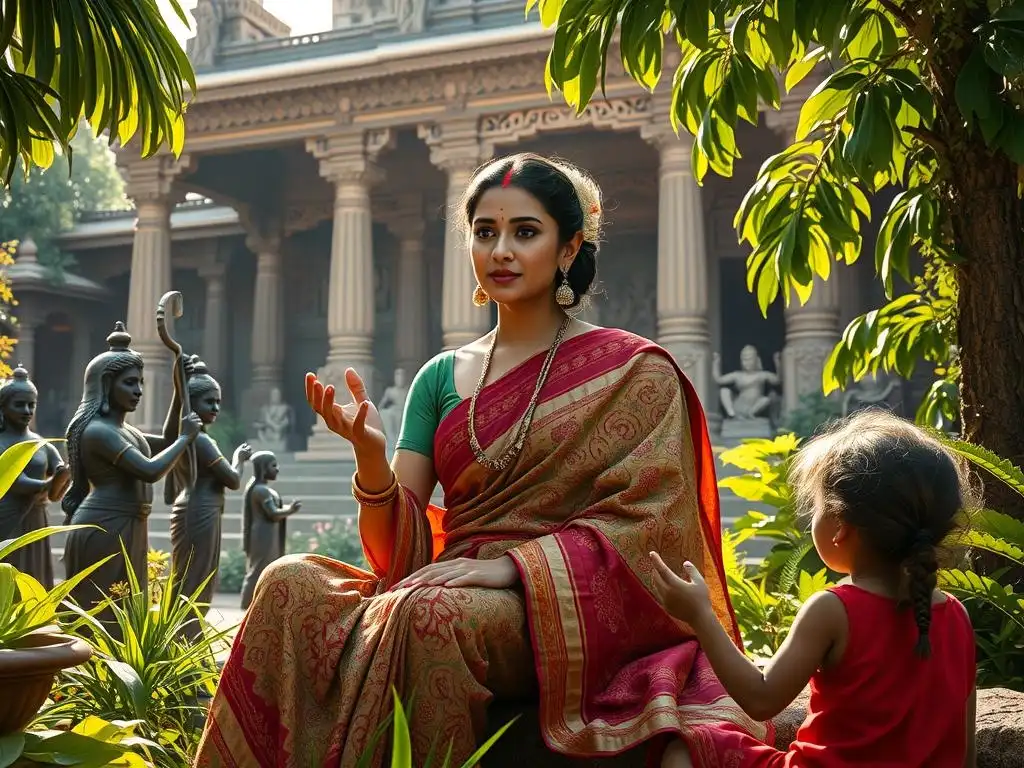
Welcome to Ancient India History, where we embark on a fascinating journey through the rich tapestry of India's past. Today, we delve into a captivating aspect of our heritage: Women in Ancient Indian Mythology. Discover how these powerful figures not only shaped cosmology and mythology but also influenced the very fabric of ancient civilizations, from the enigmatic Indus Valley to the illustrious Gupta Empire.
What untold stories lie behind the myths? Join us as we explore the vital roles and contributions of women in a world that is both intricate and inspiring. Your adventure into the depths of history begins now!
Introduction to Women in Ancient Indian Mythology
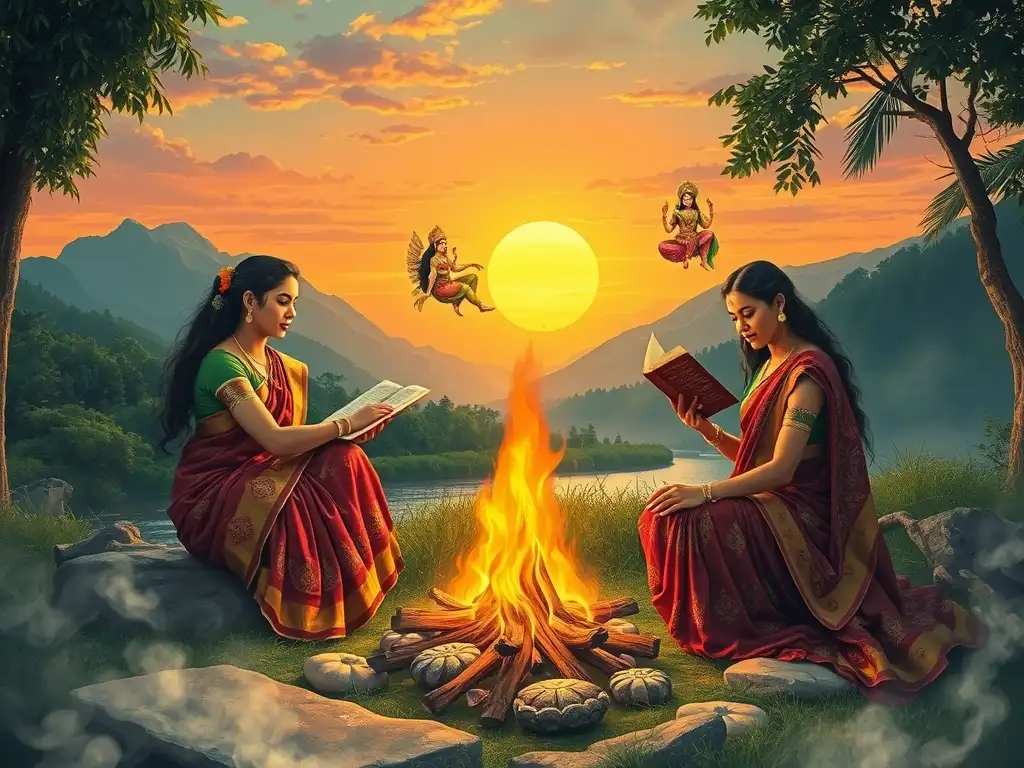
The narrative of Women in Ancient Indian Mythology is a profound and intricate tapestry woven through the fabric of history, culture, and spirituality. Women were not merely passive figures in the mythological texts; instead, they played pivotal roles that shaped the very foundations of ancient Indian cosmology and philosophical thought. From powerful goddesses to wise sages, these female figures influenced religious practices, societal norms, and cultural traditions in ways that resonate even today. This article delves into the multifaceted roles of women in ancient Indian mythology, examining their contributions and the significance of their presence in shaping cosmological beliefs.
Overview of Ancient Indian Cosmology
Ancient Indian cosmology is marked by a rich understanding of the universe, its creation, maintenance, and eventual dissolution. Central to this understanding are the Vedas, Upanishads, and Puranas, which collectively explore the metaphysical aspects of existence. Women, often depicted as deities or personifications of natural forces, are integral to these cosmological narratives.
- Key Concepts in Ancient Indian Cosmology:
- Creation Myths: Stories of the universe's origins often feature goddesses like Saraswati, the embodiment of knowledge and wisdom, and Durga, symbolizing strength and power.
- Cycles of Time: The cyclical nature of time, represented through the concepts of Yugas, also reflects the feminine principle, emphasizing the nurturing and sustaining aspects of life.
- Interconnection of All Beings: Women are often seen as the bridges between the material and spiritual worlds, embodying the connection between the cosmos and human existence.
Importance of Women in Mythological Narratives
Women in ancient Indian mythology are often depicted as creators, nurturers, and destroyers, embodying diverse aspects of life. Their representation is not limited to passive roles; instead, they often take on dynamic positions that challenge patriarchal norms.
- Prominent Female Figures:
- Sita: The epitome of virtue and loyalty in the Ramayana, whose choices and sacrifices shape the narrative.
- Kali: A fierce goddess representing destruction and transformation, challenging the conventional notions of femininity.
- Radha: A symbol of devotion and love, representing the deep emotional and spiritual connection between the divine and humanity.
Through these figures, women are portrayed as vital in navigating moral dilemmas and instigating change within the mythological frameworks.
Historical Context of Women in Ancient Indian Society
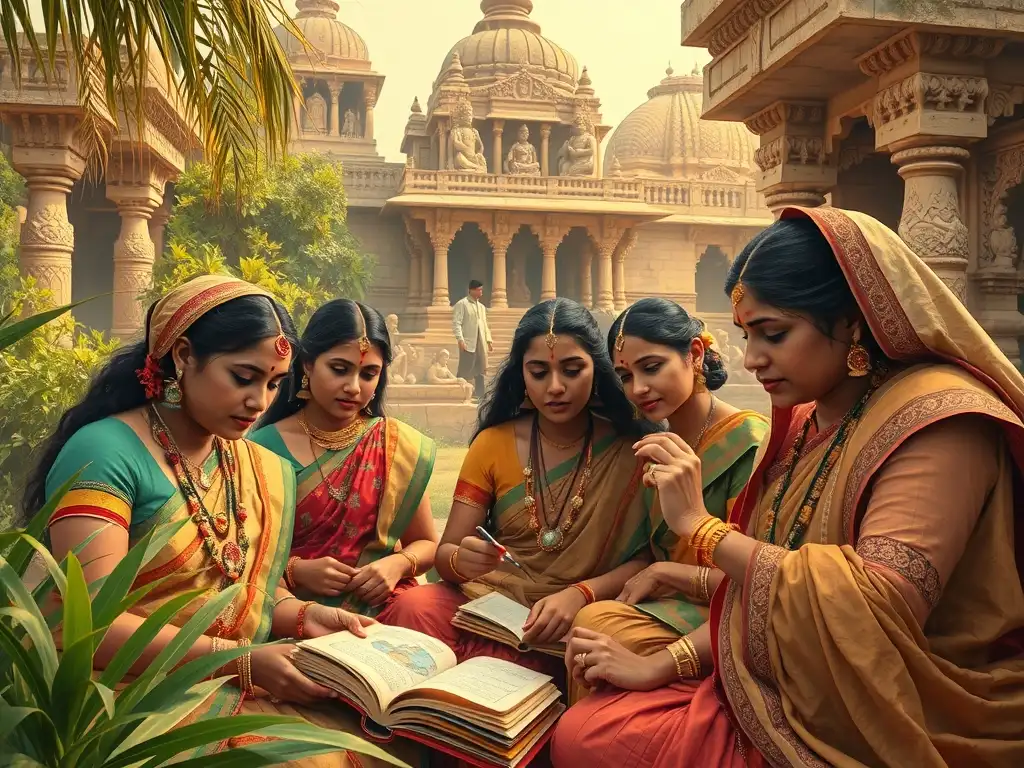
To fully appreciate the roles of women in ancient Indian mythology, it is essential to consider the historical context in which these narratives developed. The social structure and gender roles significantly influenced their status and representation.
Social Structure and Gender Roles
Ancient Indian society was structured hierarchically, with distinct roles assigned to men and women. However, the portrayal of women in mythology often contradicts these societal norms.
- Key Aspects:
- Patriarchy vs. Matriarchy: While the overarching structure was patriarchal, certain matriarchal elements existed, especially in tribal and early agricultural societies.
- Roles of Women: Women were tasked with household management, but many also held positions of power, particularly in religious and spiritual contexts.
- Female Deities: The veneration of female deities often elevated women's status, acknowledging their importance in both the spiritual and practical realms of life.
Influence of Religious Texts on Women's Status
Religious texts have played a crucial role in defining the status of women in ancient Indian society. The duality of reverence and restriction can be observed in various scriptures.
- Key Texts and Their Impacts:
- The Vedas: Although primarily composed by male sages, they contain hymns that praise female deities and acknowledge women's spiritual contributions.
- The Manusmriti: This text provides a more restrictive view, outlining the moral and social duties of women, often limiting their autonomy.
- Bhagavad Gita: Despite its male-centric narrative, it highlights the spiritual equality of all beings, including women, promoting the idea of universal respect.
Through these lenses, we can see how the portrayal of women in ancient Indian mythology both reflects and challenges the societal norms of their time, contributing to a more nuanced understanding of their roles in shaping cosmological and mythological narratives.
Key Female Figures in Ancient Indian Mythology
Ancient Indian mythology is adorned with numerous female figures who play pivotal roles in the narratives that shape cosmological beliefs and cultural practices. These key female figures often embody various virtues and attributes that reflect the complexities of life and the universe. From goddesses to mortal women, their stories not only illustrate moral lessons but also serve as conduits for understanding the divine and the natural world.
Among the most significant figures is Sita, the protagonist of the Ramayana. Sita represents fidelity, virtue, and resilience, showcasing the strength of women in adversity. Similarly, Draupadi from the Mahabharata stands as a symbol of empowerment and justice, challenging patriarchal norms and asserting her dignity in a male-dominated society. These characters, along with goddesses like Durga and Kali, contribute richly to the tapestry of ancient Indian beliefs, highlighting the integral role women play in mythology.
Goddesses and Their Symbolism
Goddesses in ancient Indian mythology are not merely deities but powerful symbols of various aspects of life and nature. Saraswati, the goddess of knowledge, music, and art, embodies wisdom and learning, representing the pursuit of knowledge as sacred. In contrast, Lakshmi, the goddess of wealth and prosperity, signifies abundance and well-being, illustrating the importance of material and spiritual richness in society.
The symbolism associated with these goddesses often extends beyond their individual attributes. For instance, the concept of Shakti—the divine feminine power—is prevalent in the worship of these goddesses, emphasizing their role as sources of energy and creation. Each goddess encapsulates different dimensions of life, encouraging devotees to seek balance between spiritual and worldly pursuits.
Mortal Women and Their Impact
Mortal women in ancient Indian mythology also play crucial roles, often influencing events and characters through their choices and actions. Figures like Ahalya, who embodies the theme of redemption, demonstrate how women’s stories contribute to the moral framework of the narratives. Ahalya's transformation from being cursed to attaining liberation through divine intervention reflects the complexities of human experience and the potential for change.
Moreover, the stories of women like Kunti, mother of the Pandavas, illustrate the importance of maternal strength and sacrifice in the mythological canon. Kunti’s decisions significantly impact the course of the Mahabharata, highlighting how mortal women can shape destinies through their resilience and wisdom.
The Influence of Women on Cosmological Concepts
Women significantly influence cosmological concepts within ancient Indian mythology, often embodying the balance of creation and destruction. Their narratives weave together themes of life, death, and rebirth, reinforcing the cyclical nature of existence that is central to many Indian philosophical traditions.
Women as Creators and Sustainers in Mythology
In many myths, women are portrayed as creators and sustainers of life. The goddess Durga is often depicted as a fierce warrior who protects the cosmos from chaos, symbolizing the protective and nurturing aspects of femininity. Her battles against demons are metaphors for the struggles against ignorance and evil, portraying women as essential agents of cosmic balance.
Additionally, the concept of Prakriti or nature, often personified as a woman, highlights the intrinsic connection between femininity and the natural world. This duality emphasizes women's roles not only as nurturers of life but also as integral components of the universe’s functioning.
The Role of Mothers in Mythological Narratives
Mothers in ancient Indian mythology are depicted as powerful figures whose influence extends beyond the familial sphere. They serve as moral compasses and guardians of dharma (righteousness). The stories of maternal figures, such as Ganga and Kunti, illustrate the profound impact of motherhood on the unfolding of epic narratives.
For instance, Ganga’s descent from the heavens to cleanse the sins of humanity illustrates a mother’s role in offering salvation. Kunti’s nurturing of her sons emphasizes the strength required to uphold familial and societal values amidst adversity, showcasing how motherhood is interwoven with the mythological themes of sacrifice and devotion.
Female Deities and the Concept of Shakti
The concept of Shakti, or feminine energy, is central to understanding the role of female deities in ancient Indian cosmology. Shakti represents the dynamic forces that create and sustain the universe, highlighting the belief that the divine feminine is essential for cosmic harmony.
Goddesses like Durga, Kali, and Saraswati are all manifestations of Shakti, embodying different aspects of this energy. While Durga and Kali signify fierce protection and transformation, Saraswati represents wisdom and enlightenment. This multifaceted representation of femininity illustrates how women in ancient Indian mythology are revered not only as deities but also as vital forces behind the cosmos, emphasizing their indispensable role in the creation and maintenance of the universe.
Women in Ancient Indian Texts and Scriptures
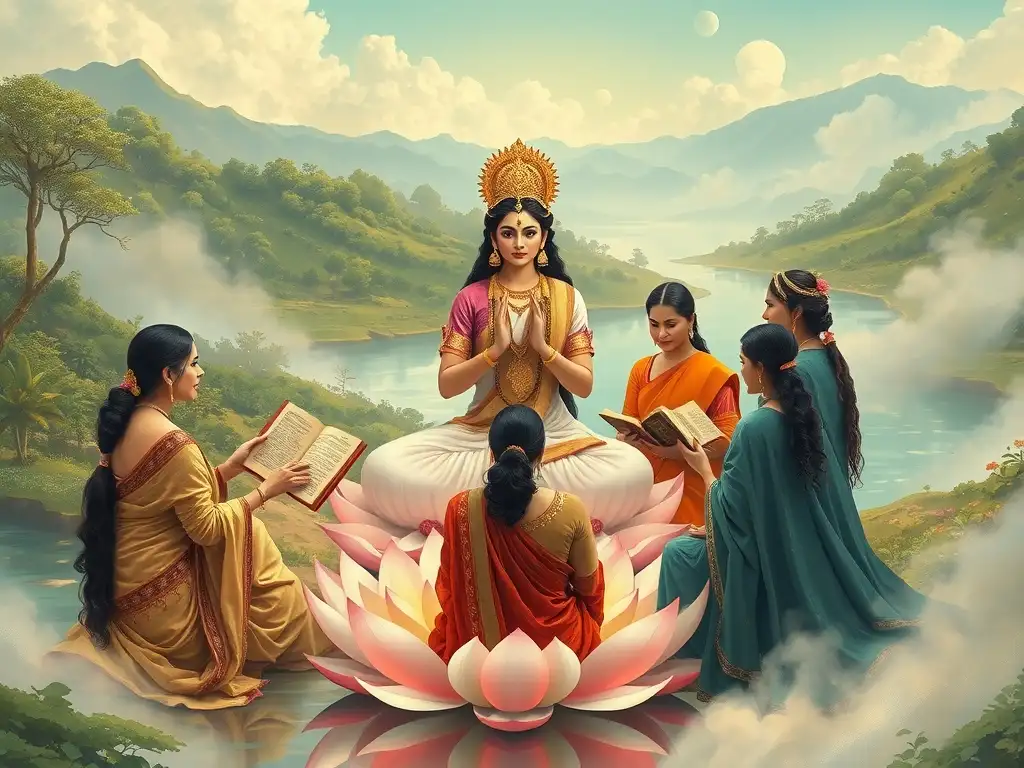
Women in ancient Indian texts and scriptures occupy a complex and multifaceted role, often depicted as powerful figures in cosmology and mythology. Their representations vary widely across different genres of literature, reflecting the societal norms, values, and philosophical ideas of their times. From Vedic literature to the great epics and Puranas, women's contributions to spirituality, philosophy, and cosmological narratives have been significant.
Vedic Literature and Female Representation
In Vedic literature, women are often portrayed as knowledgeable and spiritually significant beings. The Rigveda, one of the oldest texts of the Vedic corpus, includes hymns attributed to female sages known as Rishikas. Notable among them is Gargi Vachaknavi, who engaged in philosophical debates and was revered for her wisdom. The Vedic texts also highlight the importance of women in rituals and sacrifices, suggesting that they played a crucial role in maintaining cosmic order and harmony.
Moreover, the concept of Shakti, or feminine power, is central to Vedic cosmology. Women are often associated with natural forces and deities, embodying the dual aspects of creation and destruction. The reverence for female deities such as Saraswati, the goddess of knowledge and arts, underscores the recognition of women's contributions to intellectual and spiritual pursuits in ancient India.
Epics: Ramayana and Mahabharata
The great Indian epics, Ramayana and Mahabharata, provide profound insights into the roles of women in ancient Indian society. In the Ramayana, figures such as Sita and Tara illustrate the complexities of womanhood, showcasing virtues like loyalty, courage, and resilience. Sita's abduction and her unwavering fidelity to Rama highlight the themes of honor and virtue, while Tara's wisdom and strategizing during the battle of Lanka demonstrate women's agency in critical situations.
Similarly, the Mahabharata features strong female characters such as Draupadi, who embodies strength and defiance. Her public humiliation and subsequent demand for justice serve as a powerful commentary on gender dynamics and the treatment of women in society. The narratives of these epic heroines not only provide insight into the roles of women but also reflect the moral and ethical dilemmas faced by society as a whole.
Puranas: The Role of Women in Cosmological Stories
The Puranas, rich in mythological narratives, further elevate the role of women in cosmology and mythology. Women are often depicted as embodiments of divine energy, responsible for creation and sustenance. The story of Parvati, the consort of Lord Shiva, illustrates the concept of feminine power as she transforms from a mortal to a goddess through her devotion and penance.
Furthermore, the Devi Mahatmya, a text within the Markandeya Purana, celebrates the Goddess Durga as the ultimate cosmic force who vanquishes evil. This portrayal not only emphasizes the protective and nurturing aspects of femininity but also highlights the transformative power of women in the cosmic order. The narratives within the Puranas affirm the integral role of women in the fabric of ancient Indian cosmology.
The Legacy of Women in Ancient Indian Cosmology
Continuing Influence on Modern Indian Culture
The legacy of women in ancient Indian cosmology continues to resonate in modern Indian culture. Female deities remain central to religious practices, and the reverence for figures like Durga, Lakshmi, and Saraswati is evident in contemporary rituals and festivals. The narratives of women from ancient texts inspire modern interpretations in literature, dance, and theater, fostering a renewed appreciation for their contributions to spirituality and culture.
Moreover, women's roles in cosmology are increasingly being re-evaluated in academic and cultural discussions, leading to a broader understanding of gender dynamics in ancient Indian society. As scholars and artists explore these themes, they not only preserve the historical significance of women but also challenge contemporary perceptions of gender roles.
The Revival of Female Figures in Contemporary Narratives
In recent times, there has been a resurgence of interest in female figures from ancient Indian mythology and cosmology. Contemporary literature often reinterprets these characters, portraying them as empowered and relevant to modern societal issues. Works that focus on Draupadi, Sita, and other iconic women from the epics encourage discussions on gender equality, social justice, and the redefinition of femininity.
Additionally, various art forms, including cinema and theater, have embraced these narratives, presenting them in ways that resonate with current audiences. This revival not only honors the legacy of women in ancient Indian mythology but also serves as a catalyst for dialogue on women's rights and empowerment in today’s society. The enduring presence of these figures underscores the significant role women have played in shaping not only ancient Indian cosmology but also the ongoing cultural narrative.
Conclusion
The examination of women's roles in shaping ancient Indian cosmology and mythology reveals a rich and complex tapestry of contributions that have often been overlooked or undervalued. From the revered figures of goddesses like Saraswati and Durga, who embody wisdom and strength, to the narratives of historical women who influenced philosophical thought, the impact of women in ancient Indian mythology is profound. Their stories not only reflect the spiritual beliefs of the time but also offer insights into the societal values and gender dynamics of ancient Indian civilizations.
Summary of Women's Contributions to Ancient Indian Mythology
Women in ancient Indian mythology played pivotal roles that transcended mere symbolism. They were not only depicted as divine entities but also as vital participants in the mythological narratives that shaped cultural identity and spiritual practices. Key contributions include:
- Goddess Worship: Deities such as Lakshmi, the goddess of wealth, and Parvati, the mother goddess, illustrate the centrality of feminine divinity in Hinduism. These goddesses represented the balance of power in the cosmos and were integral to rituals and worship.
- Mythological Narratives: Women like Sita from the Ramayana and Draupadi from the Mahabharata are central to the epics, embodying virtues such as loyalty, courage, and resilience. Their stories serve as moral and ethical frameworks for societal conduct.
- Philosophical Contributions: Ancient texts, such as the Upanishads, feature women sages and philosophers, indicating that women were not only participants but also thinkers in the spiritual discourse of the time. Figures like Gargi and Maitreyi challenged social norms and contributed to philosophical discussions about the nature of reality and existence.
These contributions highlight that women were not passive figures in ancient Indian mythology; rather, they were dynamic agents who shaped spiritual and cultural narratives.
The Ongoing Importance of Recognizing Women in Ancient Indian Cosmology
Recognizing the roles of women in ancient Indian cosmology is crucial for several reasons. Firstly, it challenges historical narratives that often marginalize women's contributions, fostering a more inclusive understanding of history. Acknowledging these roles helps to:
- Empower Contemporary Discourse: By revisiting the significant roles women played in ancient traditions, modern society can draw inspiration from these narratives to empower current and future generations of women.
- Promote Gender Equity: Understanding the historical significance of women in spirituality and mythology can lead to a reevaluation of gender norms and roles, promoting equity in contemporary cultural contexts.
- Enhance Cultural Awareness: Emphasizing the contributions of women enriches the appreciation of ancient Indian culture, allowing for a more nuanced understanding of its complexities and diversities.
As we continue to explore the intricate layers of ancient Indian mythology, it becomes increasingly clear that women's contributions are not merely historical footnotes but essential elements that resonate through time, informing both past and present cultural landscapes.
- Introduction to Women in Ancient Indian Mythology
- Overview of Ancient Indian Cosmology
- Importance of Women in Mythological Narratives
- Historical Context of Women in Ancient Indian Society
- Key Female Figures in Ancient Indian Mythology
- The Influence of Women on Cosmological Concepts
- Women in Ancient Indian Texts and Scriptures
- The Legacy of Women in Ancient Indian Cosmology
- Conclusion
Frequently Asked Questions
What role did women play in ancient Indian mythology?
Women held a prominent role in ancient Indian mythology, often depicted as goddesses, muses, and symbols of fertility, reflecting their significance in both spiritual and cultural realms.
How did ancient Indian texts view women?
Ancient texts such as the Vedas and Puranas portray women with complexity, showcasing them as both powerful figures and caretakers, influencing cosmogony and societal norms.
Are there notable female deities in ancient Indian mythology?
Yes, there are several notable female deities such as Durga, Saraswati, and Lakshmi, each representing various aspects of life, including war, knowledge, and prosperity.
What impact did women have on ancient Indian society?
Women contributed significantly to society and culture, influencing art, literature, and rituals, while also being revered in roles that shaped family structure and community life.
How does the portrayal of women in ancient mythology compare to modern views?
The portrayal of women in ancient mythology often contrasts with modern views, highlighting a shift from reverence and respect to contemporary discussions on gender equality and empowerment.
Final Reflection: The Enduring Legacy of Women in Ancient Indian Mythology
The exploration of women's roles in shaping ancient Indian cosmology and mythology reveals a profound truth: women have always been central to the narratives that define our understanding of the universe. Today, as we navigate a world still grappling with gender inequalities, the stories of powerful female figures in ancient texts serve as a reminder of the strength and wisdom that women have contributed to society throughout history. The recognition of these roles is not merely an academic pursuit; it is a vital step toward reclaiming the narratives that have often been overshadowed by patriarchal interpretations.
Clearly, the influence of women in ancient Indian mythology extends far beyond the pages of history; it resonates in contemporary culture, inspiring movements for gender equality and social justice. The stories of goddesses like Durga and Saraswati, who embody strength, knowledge, and creativity, continue to inspire women today to challenge societal norms and assert their rightful place in all spheres of life. As noted by feminist scholar Devaki Jain, "> The stories we tell shape our realities, and when women are central to those stories, they empower future generations to envision a more equitable world."
As we reflect on the lessons from ancient Indian mythology, let us embrace the call to action: to honor the legacy of these women by amplifying their voices in our own lives and communities. Consider how you can contribute to a narrative that celebrates the strength and agency of women, whether through storytelling, advocacy, or personal reflection. By doing so, we not only pay homage to the past but also pave the way for a future where the contributions of women are recognized, celebrated, and integrated into the fabric of our society.
Unveil the Influential Voices of Ancient Indian Women!
Thank you for exploring the rich tapestry of women's roles in ancient Indian cosmology and mythology with us. Your interest unlocks the remarkable stories of influential figures who shaped a vibrant cultural legacy.
Now, it’s time to take action and dive deeper into these fascinating narratives! Here’s how you can engage:
- Explore the lives of influential women in ancient texts and historical accounts. Choose one prominent figure to research and share your discoveries with friends or on social media!
- Join a discussion group or forum centered on ancient Indian history. Connect with others who are passionate about these significant contributions.
- Create a visual representation of your findings—consider designing an infographic that highlights key women and their impact on cosmology and mythology.
Which remarkable woman from ancient Indian history resonates with you the most, and why? We’d love to hear your thoughts in the comments!