
Women as Spiritual Leaders: The Impact of Female Gurus in Ancient India


Welcome to Ancient India History, where we embark on an enthralling journey through the tapestry of time, exploring the remarkable civilizations that shaped the Indian subcontinent. In our featured article, “Women as Spiritual Leaders: The Impact of Female Gurus in Ancient India,” we delve into the profound influence of female gurus, who not only challenged societal norms but also illuminated paths of spiritual enlightenment in an era often dominated by patriarchal narratives.
What wisdom did these extraordinary women impart, and how did they pave the way for future generations? Join us as we uncover the untold stories of these trailblazers and their lasting legacy in the rich history of ancient India.
- Introduction to Female Gurus in Ancient India
- The Role of Women in Religion and Philosophy
- Prominent Female Gurus in Ancient India
- Spiritual Practices and Teachings of Female Gurus
- The Influence of Female Gurus on Gender Roles
- Modern Reflections on Ancient Female Gurus
- Conclusion: The Enduring Legacy of Female Gurus in Ancient India
- Frequently Asked Questions
- Final Reflection: The Enduring Legacy of Female Gurus in Ancient India
- Embrace the Wisdom of Women: Take Action Today!
Introduction to Female Gurus in Ancient India
The role of women in ancient Indian spirituality is a profound and often underexplored aspect of the rich tapestry of Indian history. Female gurus in ancient India were not merely followers; they were influential spiritual leaders who shaped religious thought, practices, and communities. This article delves into the contributions of these remarkable women, examining their significance as spiritual leaders and the impact they had on the religious landscape of ancient India.
From the mystical teachings of revered sages to the communal gatherings that fostered spiritual growth, the legacy of female gurus offers valuable insights into the evolving status of women in religion and philosophy. By exploring their stories, we can better appreciate the diverse expressions of spirituality that flourished in ancient Indian civilizations.
Overview of Spiritual Leadership in Ancient India
Spiritual leadership in ancient India was characterized by a variety of traditions and practices, encompassing both male and female figures. The diversity of spiritual teachings can be traced back to numerous schools of thought, including:
- Hinduism: With its vast array of deities, philosophies, and texts, Hinduism provided a fertile ground for female spiritual leaders.
- Buddhism: The emergence of female monks and teachers in Buddhism highlighted women's roles in spreading the Buddha's teachings.
- Jainism: Jain women also played pivotal roles in spiritual leadership through ascetic practices and moral teachings.
Despite the predominance of male gurus in historical records, female gurus held significant influence, particularly in local communities. They were often seen as:
- Mediators: Bridging the divine and the human, female gurus offered spiritual guidance and support.
- Educators: Many women taught their followers about rituals, scriptures, and ethical living, fostering a deep understanding of spirituality.
The interplay between these spiritual leaders and their followers helped shape the philosophical and cultural landscape of ancient India, establishing a legacy that continues to resonate today.
Significance of Female Gurus in Historical Context
The significance of female gurus in ancient India can be understood through various lenses, including social, religious, and cultural dimensions. Their contributions were pivotal in challenging the patriarchal norms of their time. Key aspects of their historical impact include:
- Challenging Gender Norms: Female gurus often defied societal expectations, asserting their authority in spiritual matters and influencing their communities.
- Preservation of Knowledge: Many female spiritual leaders played a crucial role in preserving and transmitting religious texts and oral traditions, ensuring that vital teachings were not lost to history.
- Community Building: Female gurus often served as the nucleus for spiritual communities, fostering a sense of belonging and shared purpose among their followers.
The legacy of these women is reflected in the continued reverence for female spiritual figures in contemporary Indian society, demonstrating the lasting impact of their leadership. Their stories remind us that women have always been integral to the evolution of religious thought and practice in ancient India, paving the way for future generations of female spiritual leaders.
The Role of Women in Religion and Philosophy
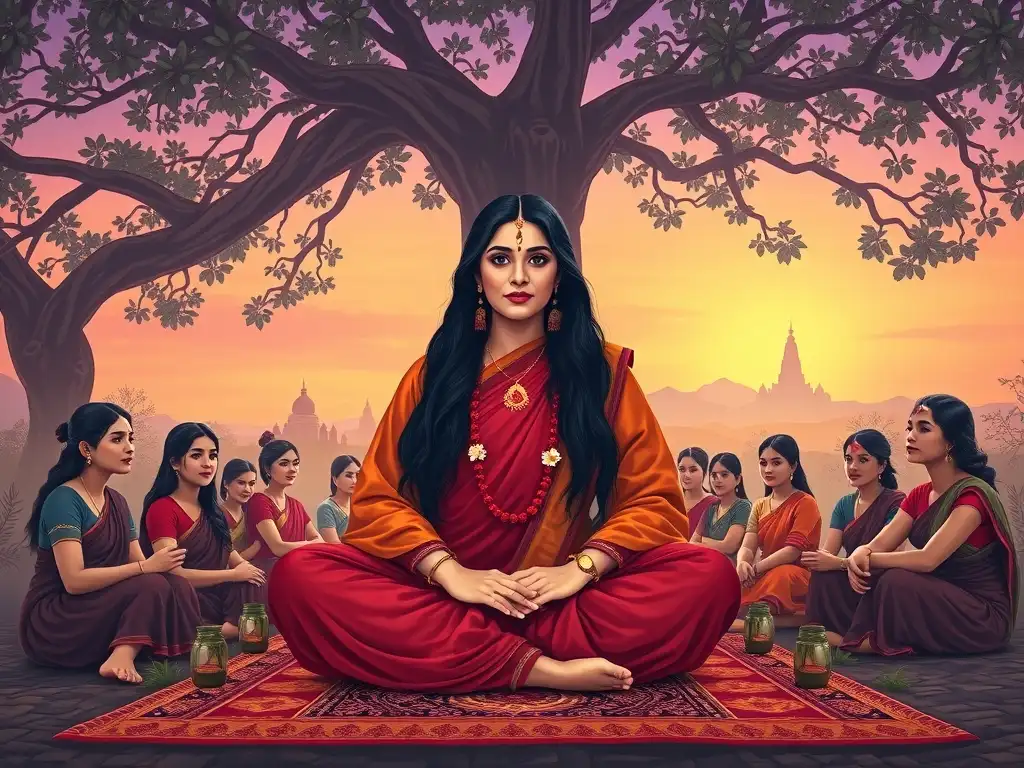
The history of ancient India showcases a profound and intricate relationship between women and spiritual leadership. Female gurus, often overlooked in mainstream narratives, played a pivotal role in shaping religious and philosophical thought. Their contributions and influence were not only significant but also transformative, challenging societal norms and advancing the spiritual discourse of their time.
Historical Context of Women's Spiritual Roles
In ancient Indian society, the role of women in religion and philosophy can be traced back to the Vedic period (circa 1500–500 BCE). During this time, women were not only participants in spiritual practices but also held positions of authority as sages and teachers. Texts such as the Rigveda contain hymns attributed to women, emphasizing their active involvement in spiritual rituals and philosophical discussions.
The emergence of female gurus became more prominent during the later Vedic period and into the Upanishadic era. Women like Gargi and Maitreyi are celebrated figures, known for their philosophical debates and inquiries into the nature of reality. Gargi, for instance, is remembered for her intellectual prowess, engaging in discussions about the ultimate reality (Brahman) during assemblies where only the most learned sages were present.
As society evolved, however, the acknowledgment of female gurus began to diminish, particularly during the rise of more patriarchal structures. Despite this, several notable female spiritual leaders emerged throughout ancient Indian history. For example, the Bhakti movement in the medieval period saw women like Mirabai and Akka Mahadevi rise as influential figures, advocating for devotion and personal experience of the divine, often challenging societal norms regarding gender.
Contributions of Women to Ancient Indian Philosophical Thought
Women in ancient India contributed significantly to philosophical thought, often intertwining their insights with spiritual practices. Their perspectives brought a unique dimension to discussions on ethics, metaphysics, and the nature of the self.
- Philosophical Inquiry: Female philosophers like Maitreyi engaged in profound dialogues regarding the nature of the self and existence. In the Brihadaranyaka Upanishad, her conversation with sage Yajnavalkya explores the concept of the self (Atman) and its relationship with the universe. This philosophical inquiry laid the groundwork for later discussions on identity and consciousness.
- Ethical Teachings: Women also contributed to ethical discourse. For instance, the teachings of female gurus often emphasized values such as compassion, love, and devotion. Their insights were integral in shaping the moral frameworks within which spiritual practices were conducted.
- Spiritual Practices: Female gurus often established spiritual communities, fostering an environment where teachings could flourish. They would lead rituals, meditative practices, and philosophical discussions, creating inclusive spaces for both men and women. This not only empowered women but also enriched the cultural and spiritual fabric of ancient Indian society.
- Literary Contributions: The literary contributions of female figures in ancient India also played a crucial role in the dissemination of philosophical and spiritual ideas. Texts and poems authored by women, such as those from the Bhakti movement, continue to inspire and influence spiritual thought today.
Female gurus in ancient India were instrumental in shaping religious and philosophical discourse. Their historical roles and contributions reflect a rich tapestry of thought that continues to resonate in contemporary discussions around spirituality and gender equality. Understanding their impact is essential in acknowledging the diverse contributions women have made throughout history.
Prominent Female Gurus in Ancient India
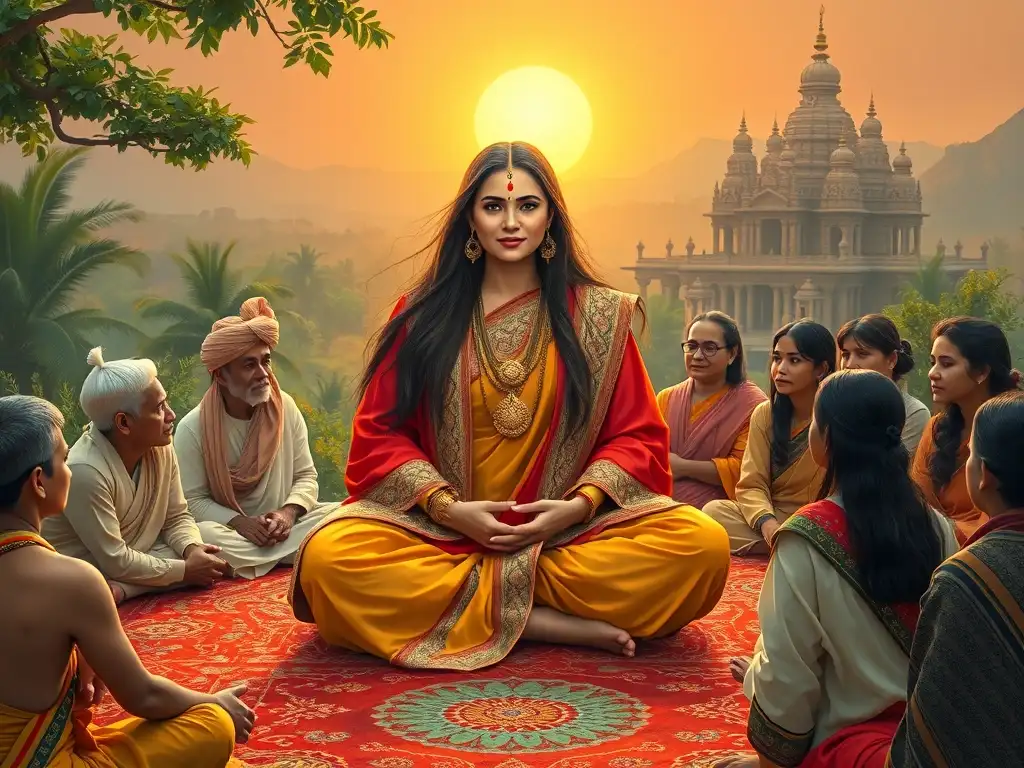
Historical Figures: Notable Female Gurus
In ancient India, the role of female gurus was not only significant but also transformative in shaping spiritual thought and practice. These women broke societal norms and established themselves as formidable spiritual leaders. Their teachings and philosophies contributed immensely to the fields of religion, philosophy, and education.
Gargi Vachaknavi: Contributions and Teachings
Gargi Vachaknavi, a renowned philosopher and sage, is one of the earliest recorded female gurus in ancient India. Living during the Vedic period, she is noted for her profound knowledge of the Vedas and her participation in philosophical debates.
- Philosophical Contributions: Gargi is best known for challenging male scholars in discussions concerning the nature of the universe. She famously posed challenging questions about the ultimate reality, exemplified in her inquiry about the essence of Brahman, the ultimate cosmic principle.
- Empowerment through Education: Her quest for knowledge and her ability to engage with male contemporaries illustrate her role in advocating for women's education. Gargi's legacy is a testament to the intellectual capabilities of women in a time when their roles were often restricted.
Gargi's questions about the nature of the cosmos reflect not just her intelligence but also the potential for women to engage in profound philosophical discourse.
Maitreyi: Legacy and Influence
Maitreyi, another pivotal figure, is often associated with the Upanishadic tradition and is celebrated for her deep philosophical insights.
- Teachings on Self-Knowledge: Maitreyi's discussions with her husband, Yajnavalkya, highlight her understanding of the self and the pursuit of knowledge. She advocated for self-realization and the importance of spiritual wisdom over material wealth.
- Cultural Impact: Maitreyi's philosophies laid the groundwork for later spiritual movements and emphasized women's roles in spiritual enlightenment. Her legacy continues to inspire contemporary discussions on women's spirituality and empowerment.
The Impact of Female Gurus on Society
The contributions of female gurus in ancient India extended beyond spiritual teachings; they played a crucial role in societal transformation.
- Challenging Gender Norms: Female gurus like Gargi and Maitreyi challenged the patriarchal structures of their time. By taking on roles as spiritual leaders, they redefined the expectations placed on women and inspired future generations to seek knowledge and authority.
- Influence on Spiritual Practices: The teachings of these female gurus influenced various spiritual traditions, including Hinduism and Buddhism. Their emphasis on knowledge, questioning, and personal experience reshaped the understanding of spirituality and the divine.
- Legacy of Female Leadership: The recognition of female gurus has contributed to the ongoing dialogue about gender equality in spiritual and religious contexts. Their historical significance underscores the importance of women's contributions to the religious and philosophical landscape of ancient India.
The impact of female gurus in ancient India is profound and far-reaching. Their teachings not only contributed to spiritual thought but also paved the way for future generations of women to assert their roles as leaders and thinkers in society. The legacies of figures like Gargi and Maitreyi continue to resonate, reminding us of the essential role women have played in shaping the spiritual heritage of India.
Spiritual Practices and Teachings of Female Gurus
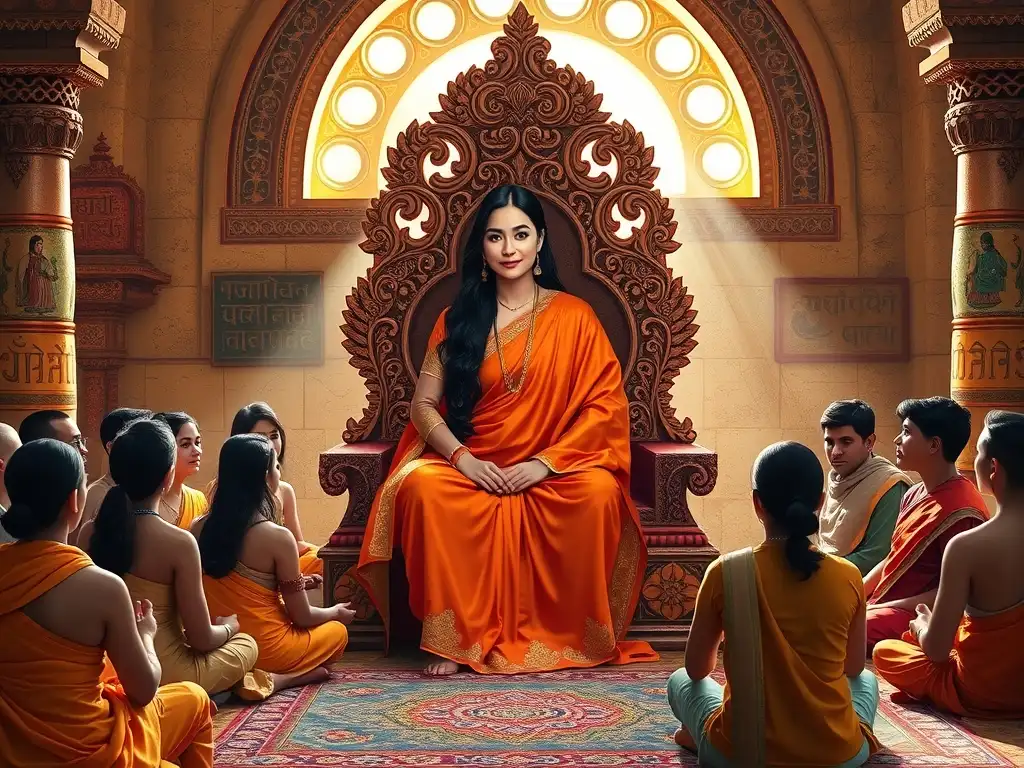
The spiritual landscape of ancient India was profoundly influenced by female gurus, who brought unique insights and practices to the forefront of religious and philosophical traditions. These women not only served as spiritual leaders but also shaped the understanding of spirituality through their teachings, rituals, and community engagements. Their contributions were crucial in establishing a more inclusive spiritual environment that recognized the importance of womanhood in the spiritual domain.
Unique Perspectives of Female Gurus
Female gurus in ancient India often offered distinctive perspectives that diverged from traditional male-centric views. Their teachings emphasized the interconnectedness of all beings and the nurturing aspects of spirituality. This holistic approach was rooted in the belief that women, through their roles as caregivers and life-givers, possessed an inherent understanding of the divine.
- Emphasis on Compassion and Nurturing: Many female spiritual leaders highlighted the importance of compassion as a central tenet of spiritual practice. Their teachings often encouraged followers to cultivate empathy and kindness in their interactions with others.
- Integration of Domestic and Spiritual Life: Female gurus frequently integrated their spiritual teachings into everyday life, emphasizing that spirituality is not separate from daily responsibilities. They advocated for the sanctity of domestic roles, suggesting that devotion could be practiced within the household.
- Connection to Nature: The teachings of female gurus often included a deep reverence for nature. They highlighted the spiritual significance of the natural world and encouraged their followers to find divinity in the environment around them.
Philosophical Insights and Spiritual Teachings
The philosophical insights provided by female gurus were profound, often challenging prevailing norms and inviting followers to contemplate deeper existential questions. They engaged with key philosophical concepts such as:
- The Nature of Self: Many female gurus taught that understanding one's true self was essential for spiritual growth. They encouraged introspection and self-examination, guiding individuals to look beyond societal labels and roles.
- The Concept of Shakti: Central to many female spiritual traditions was the concept of Shakti, or divine feminine energy. Female gurus articulated the importance of recognizing and honoring this energy as fundamental to spiritual practice and personal empowerment.
- Reinterpretation of Sacred Texts: Female gurus often reinterpreted sacred texts, providing alternative readings that emphasized women's roles and contributions. This reinterpretation served to elevate the status of women within spiritual narratives.
Rituals and Practices Led by Women
Rituals and practices led by female gurus were vital in fostering community and spiritual development. These rituals often reflected the unique spiritual insights of women and included:
- Ceremonies Celebrating Womanhood: Many female gurus developed rituals that celebrated the divine feminine, such as rites of passage for young women. These ceremonies reinforced the importance of women in spiritual traditions and encouraged communal support.
- Meditation and Chanting: Female-led meditation and chanting practices often focused on nurturing inner peace and fostering a connection to the divine. These practices were designed to be accessible, inviting women and men alike to partake in spiritual exploration.
- Healing Practices: Female gurus frequently engaged in healing rituals, utilizing herbs, chants, and traditional remedies to promote physical and spiritual well-being. Their holistic approach to healing emphasized the unity of body, mind, and spirit.
The impact of female gurus in ancient India is a testament to the essential role women played in shaping spiritual practices and teachings. Their unique perspectives, philosophical insights, and leadership in rituals continue to inspire and influence spiritual thought and practice today. By recognizing the contributions of these remarkable women, we gain a richer understanding of the spiritual heritage of ancient India.
The Influence of Female Gurus on Gender Roles
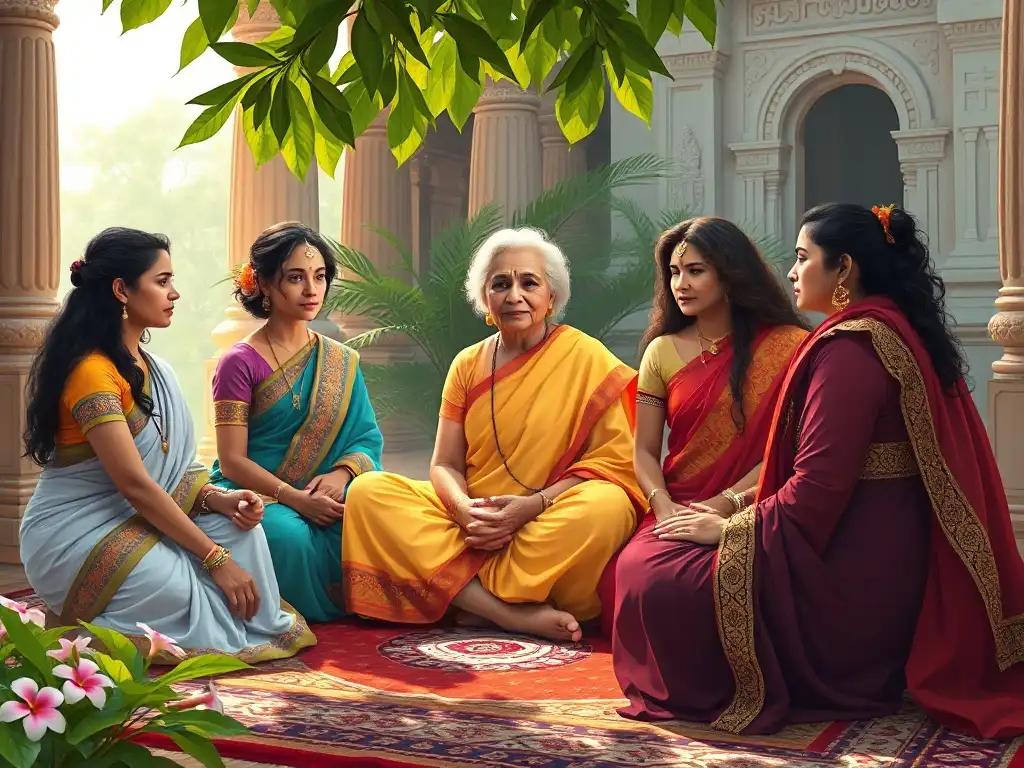
The role of female gurus in ancient India significantly influenced the sociocultural landscape, particularly regarding gender roles. These women not only served as spiritual leaders but also challenged the deeply entrenched patriarchal norms of their time. By taking on leadership roles in spiritual practices, they redefined the perception of women's capabilities and their place in society.
Challenging Patriarchal Norms through Spiritual Leadership
Female gurus in ancient India emerged as powerful figures who defied the limitations imposed by patriarchal structures. They created spaces where women could engage in spiritual discussions, practices, and teachings, often leading mixed-gender communities. This was a radical shift in a society where women's roles were largely confined to the domestic sphere.
- Historical Examples:
- Mira Bai, a 16th-century poet-saint, used her devotional songs to express her spiritual path, challenging the norms of marriage and duty while advocating for a direct relationship with the divine.
- Lalleshwari, a prominent figure in Kashmiri Shaivism, utilized her teachings to encourage followers, regardless of gender, to seek personal enlightenment.
By publicly asserting their spiritual authority, these female gurus inspired other women to pursue their own spiritual journeys, thereby challenging the traditional narrative that confined women to passive roles.
- Community Impact:
- Many female gurus established ashrams (spiritual hermitages) that served as centers for learning and community gathering, allowing women to participate in spiritual discourse actively.
- These gatherings often led to the creation of sisterhoods where women supported each other in their spiritual and social endeavors, fostering a sense of empowerment.
The rise of female gurus also marked a significant shift in how women viewed themselves and their roles in society. By taking on the mantle of spiritual leaders, these women not only empowered themselves but also laid the foundation for future generations to assert their rights and identities.
- Education and Knowledge:
- Female gurus often emphasized the importance of education and knowledge for both genders. They taught not only spiritual wisdom but also practical skills, thus enhancing women's status within their communities.
- Scriptural Interpretations: Many female leaders reinterpreted sacred texts to highlight the spiritual equality of women, advocating for their inclusion in rituals and religious practices.
- Legacy of Empowerment:
- The influence of female gurus can be seen in later movements that sought to uplift women's status in society, including the Bhakti movement, which celebrated individual devotion over ritualism and caste hierarchies.
- The teachings of these spiritual leaders continue to inspire modern discussions surrounding gender equality and women's rights in India.
The impact of female gurus in ancient India was profound, as they not only provided spiritual guidance but also transformed societal perceptions of women's roles. Their legacies continue to resonate, highlighting the essential contributions of women as spiritual leaders in shaping the discourse on gender and empowerment.
Modern Reflections on Ancient Female Gurus

Relevance of Female Gurus in Contemporary Spirituality
The legacy of female gurus in ancient India continues to resonate in today's spiritual landscape. Their teachings and philosophies provide a unique lens through which contemporary spirituality can be understood and appreciated. Female gurus, such as Mata Amritanandamayi and Anandamayi Ma, have emerged as pivotal figures, embodying the qualities of compassion, wisdom, and inclusivity that were hallmarks of their ancient predecessors.
- Inclusivity in Spiritual Practices: The presence of female gurus emphasizes the importance of inclusivity within spiritual communities. They champion the idea that spirituality transcends gender, making teachings accessible to all. This approach aligns with the ethos of many ancient female gurus who defied societal norms to spread their messages.
- Emphasis on Personal Experience: Many contemporary female gurus draw inspiration from the ancient practice wherein personal experience and inner realization were deemed crucial. This focus allows practitioners to connect deeply with spiritual teachings, fostering a sense of individual empowerment.
- Reviving Ancient Wisdom: The revival of ancient practices and philosophies, led by female spiritual leaders, is pivotal in addressing modern challenges. Their teachings often stress the importance of mindfulness, meditation, and self-awareness, echoing the wisdom of ancient times.
Lessons from Ancient Female Gurus for Today's Society
The teachings of ancient female gurus offer rich insights that can guide contemporary society in various ways:
- Empowerment Through Knowledge: Ancient female gurus like Gargi and Maitreyi emphasized the importance of knowledge and inquiry. Their legacies encourage women today to seek education and wisdom, breaking barriers imposed by patriarchal structures.
- Example: Gargi's participation in philosophical debates illustrates that women have historically contributed to intellectual discourse. This can inspire modern women to engage in academic fields and leadership positions.
- Embracing Diversity: Female gurus often represented diverse backgrounds and philosophies. Their acceptance of various paths to spirituality teaches today's society the value of pluralism and respect for different beliefs.
- Quote: "Truth is one, but the sages call it by different names." This ancient sentiment underlines the importance of embracing diversity in spiritual practices.
- Community Building: Many ancient female gurus established communities centered around support and collective spiritual growth. This principle can be applied today, encouraging individuals to foster inclusive environments that promote mutual respect and understanding.
- Balancing Material and Spiritual Needs: The teachings of female gurus often highlighted the balance between material pursuits and spiritual growth. This lesson remains relevant, reminding society to seek harmony between worldly responsibilities and spiritual well-being.
The impact of female gurus in ancient India is profound and enduring. By reflecting on their teachings, contemporary society can glean valuable insights that foster empowerment, inclusivity, and a deeper understanding of spirituality. As we continue to explore the contributions of female gurus, we recognize their crucial role in shaping both past and present spiritual practices.
Conclusion: The Enduring Legacy of Female Gurus in Ancient India
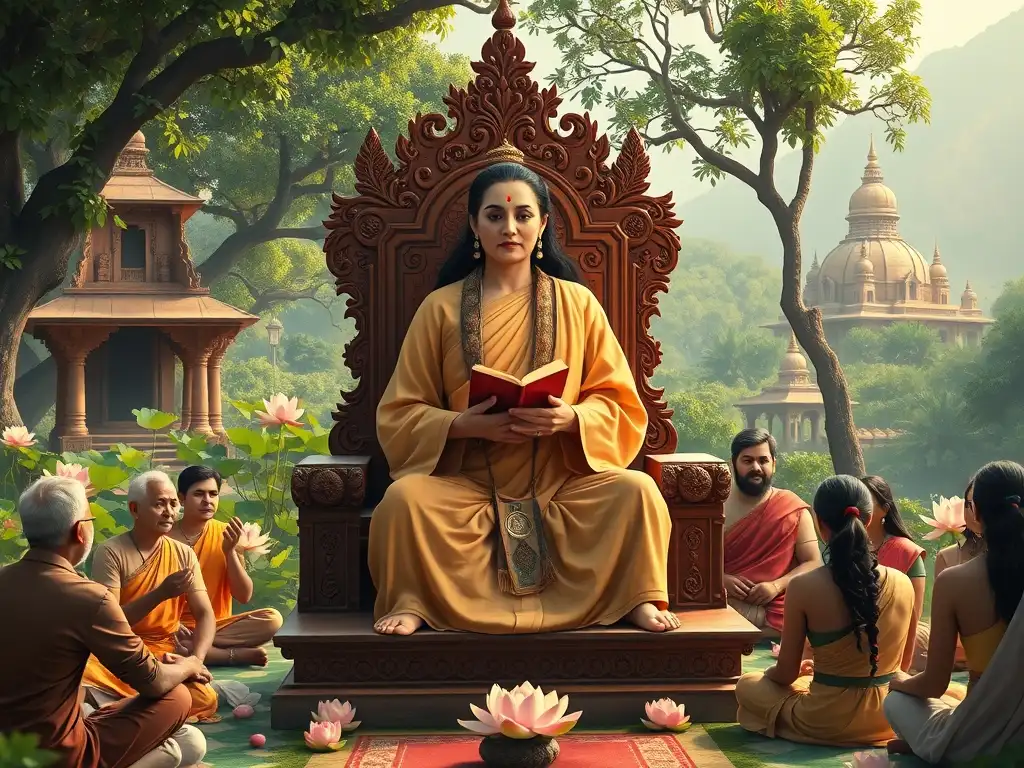
The legacy of female gurus in ancient India is both profound and multifaceted, shaping the spiritual landscape and philosophical discourse of the time. These women not only played pivotal roles in the transmission of spiritual knowledge but also challenged societal norms, thereby paving the way for future generations. Their contributions are evident in various texts, oral traditions, and practices that continue to influence contemporary understandings of spirituality and gender roles within religious contexts.
Summary of Their Impact on Religion and Philosophy
Female gurus in ancient India emerged as significant figures in both religious and philosophical realms. They often served as mentors and spiritual guides, fostering a sense of community among their followers. Many of these women were not only revered for their spiritual wisdom but also for their exceptional knowledge of philosophical doctrines.
- Influence on Religious Practices:
- Female gurus frequently initiated their followers into various spiritual practices, including meditation, chanting, and rituals. Their teachings often emphasized personal experience and self-realization over dogmatic adherence to tradition.
- Philosophical Contributions:
- Many female spiritual leaders articulated philosophical concepts that resonated with the essence of liberation (moksha) and self-awareness. For example, figures such as Gargi and Maitreyi challenged patriarchal interpretations of Vedic texts, advocating for women's intellectual and spiritual equality.
- Cultural Narratives:
- The narratives surrounding these female gurus often transcend mere biographical accounts. They encapsulate the embodiment of strength, wisdom, and resilience, serving as cultural touchstones that reinforce the importance of female agency within spiritual communities.
The enduring influence of these women is reflected in the continued reverence for female gurus in various sects and spiritual movements today, illustrating a rich tradition that honors their contributions to both religion and philosophy.
Call to Recognize and Celebrate Female Spiritual Leaders
It is essential to recognize and celebrate the legacy of female gurus in ancient India, as their contributions have been historically overshadowed by their male counterparts. Acknowledging their roles not only enriches our understanding of spiritual traditions but also highlights the critical intersection of gender and spirituality.
- Educational Initiatives:
- Schools and universities should integrate the study of female spiritual leaders into their curricula, ensuring that students appreciate the diverse contributions of women in shaping religious thought.
- Public Awareness Campaigns:
- Nonprofit organizations and cultural institutions can host events, workshops, and exhibitions to shine a light on the impact of female gurus, fostering discussions around gender equity in spirituality.
- Encouraging Research:
- Scholars and practitioners are encouraged to delve deeper into historical texts and oral traditions to uncover and document the stories and teachings of female spiritual leaders.
By recognizing and celebrating the influential role of female gurus in ancient India, we not only honor their legacy but also inspire future generations to embrace the rich tapestry of spiritual leadership that includes all voices, regardless of gender.
The impact of female gurus in ancient India is a testament to their extraordinary contributions and enduring relevance in the spiritual and philosophical domains. Their legacy serves as an inspiration for ongoing dialogues about women's roles in religion and the importance of inclusive narratives in understanding our collective history.
Frequently Asked Questions
What roles did female gurus play in ancient India?
Female gurus served as spiritual leaders and educators, guiding their followers in philosophy, spirituality, and ethical living. They played a significant role in the development of religious practices.
Were there any notable female gurus in ancient Indian history?
Yes, there were several notable female gurus, such as Vasavambhika and Lopamudra, who significantly influenced spiritual thought and contributed to the advancement of women's roles in society.
How did female gurus influence the status of women in ancient India?
Female gurus helped elevate the status of women by promoting education, spiritual practice, and social reforms, encouraging women to pursue their spiritual paths and assert their rights.
Did female gurus face challenges in their roles?
Yes, female gurus often faced social and cultural challenges, including resistance from patriarchal structures. Despite this, many overcame these obstacles through their wisdom and leadership.
What is the legacy of female gurus in ancient India today?
The legacy of female gurus continues to inspire modern movements advocating for gender equality and spiritual empowerment, highlighting their lasting impact on both spirituality and societal change.
Final Reflection: The Enduring Legacy of Female Gurus in Ancient India
The profound influence of female gurus in ancient India continues to resonate today, reminding us of the essential role women have played in shaping spiritual traditions. As we navigate a world still grappling with gender inequality, the stories of these remarkable women serve as powerful reminders of the strength and wisdom that female leaders can bring to spiritual and cultural landscapes. Their teachings and practices not only enriched their communities but also laid the groundwork for future generations to challenge societal norms and embrace a more inclusive understanding of spirituality.
The legacy of female gurus has left an indelible mark on our cultural and social fabric, inspiring countless individuals to seek wisdom beyond conventional boundaries. Their contributions highlight the importance of diverse voices in spiritual discourse, encouraging a broader acceptance of different paths to enlightenment. As the renowned scholar and activist bell hooks once said, Life-transforming ideas have always come to me through the women in my life.
This sentiment echoes the essence of the article, emphasizing how the teachings of female gurus have the power to transform lives and foster a deeper connection to the divine.
As we reflect on the lessons imparted by these spiritual leaders, let us embrace the call to honor and uplift the voices of women in our own spiritual journeys. Consider how you can integrate the wisdom of female gurus into your life, whether through study, practice, or by supporting women-led spiritual initiatives.
By doing so, we not only pay homage to their legacy but also contribute to a more equitable and enriched spiritual landscape for future generations. Together, we can continue the journey towards a world where the contributions of all spiritual leaders, regardless of gender, are recognized and celebrated.
Embrace the Wisdom of Women: Take Action Today!
Thank you for exploring the fascinating world of female spiritual leaders in ancient India! You've uncovered the profound impact these women had on shaping spiritual practices and philosophies. Now, it's time to transform this inspiration into meaningful action!
Here are some steps you can take to honor their legacy:
- Explore the teachings of a prominent female guru from ancient times—consider reading texts or literature that delve into her life and insights.
- Share this article with friends or family who are passionate about spirituality and history. Initiate a conversation about how these female leaders continue to inspire us today!
- Join a local spiritual or historical group to discuss the significance of women's contributions across various cultures—advocate for more inclusive narratives.
Which aspects of the teachings of female spiritual leaders resonate most with your own life and beliefs?