
The Influence of the Indus Valley Civilization on Modern Indian Identity

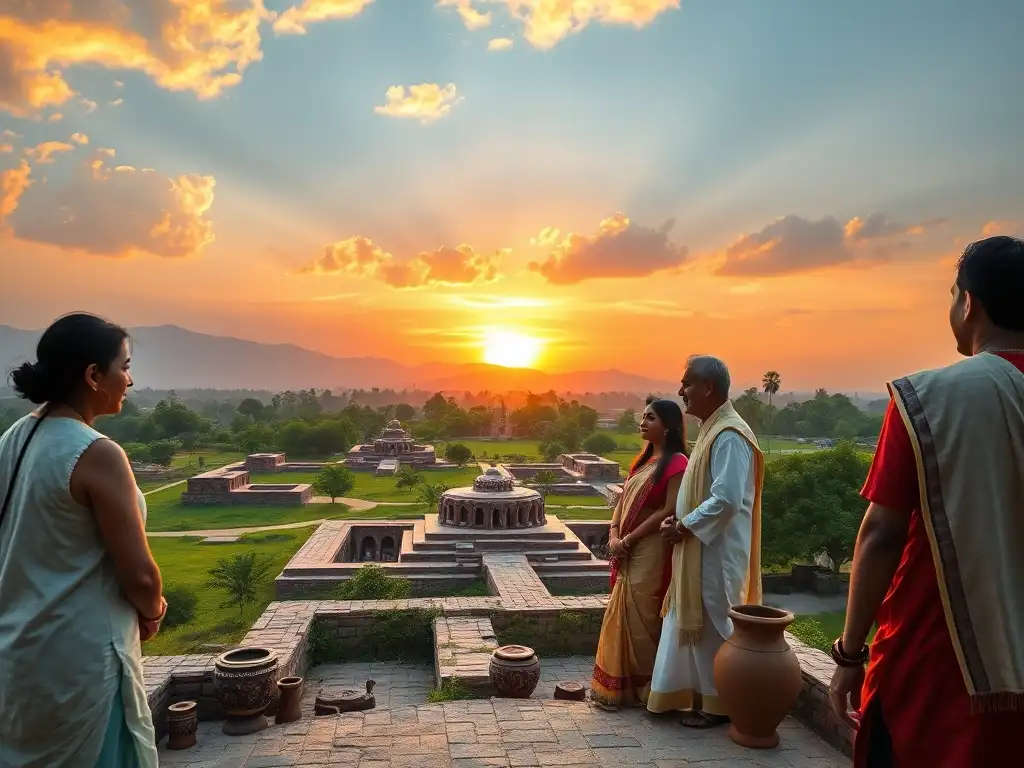
Welcome to Ancient India History, where we embark on a fascinating journey through time to uncover the rich tapestry of ancient Indian civilizations. Dive deep into the Indus Valley Civilization and discover its profound impact on modern Indian identity. What legacies from this remarkable era still resonate in today's society? Join us as we unravel the threads of history, culture, and innovation that shaped not only India but the world. Your exploration of the past begins here—let the stories of ancient wisdom and enduring influence captivate your imagination!
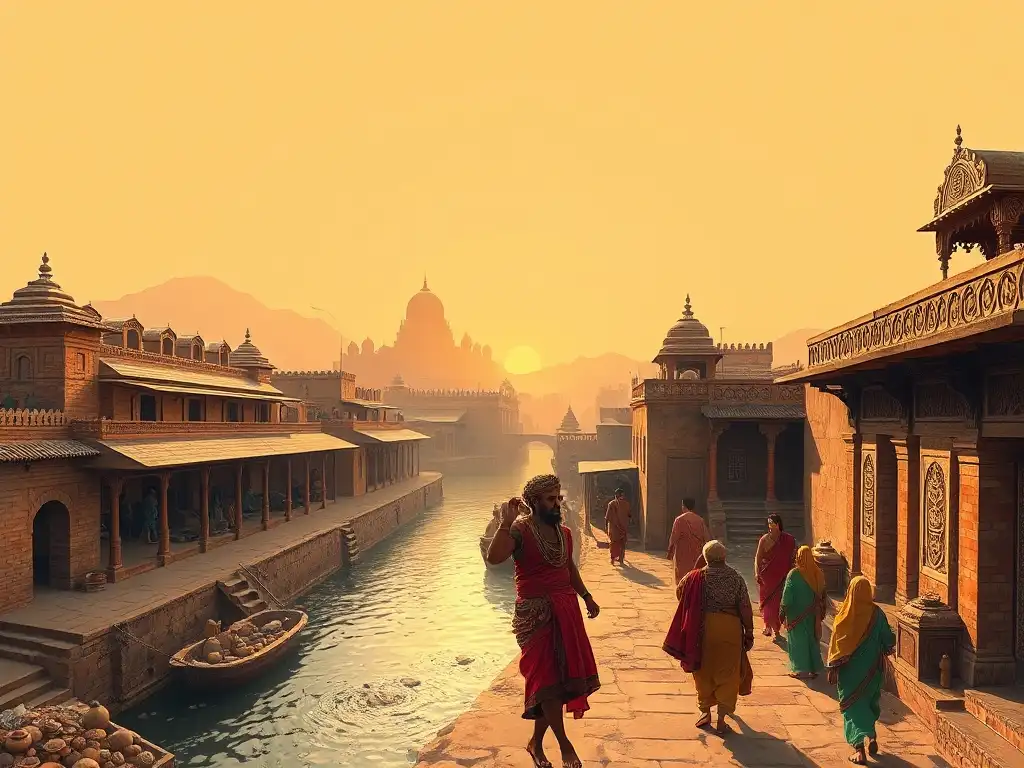
The Indus Valley Civilization (IVC), one of the world's earliest urban cultures, has left an indelible mark on the collective identity of modern India. Flourishing around 2500 BCE in what is now Pakistan and northwest India, this civilization is renowned for its sophisticated city planning, advanced drainage systems, and vibrant trade networks.
Understanding the impact of the Indus Valley Civilization on India is crucial, as it not only laid the foundations for urban life but also influenced social structures, economic practices, and cultural norms that resonate in contemporary Indian society. As we explore the IVC's legacy, we delve into its key characteristics, historical context, and how these elements continue to shape India's identity today.
Introduction to the Indus Valley Civilization
Overview of the Indus Valley Civilization
The Indus Valley Civilization, also known as the Harappan Civilization, emerged around 3300 BCE and lasted until approximately 1300 BCE. It was one of the three early cradles of civilization, alongside Mesopotamia and Ancient Egypt. The IVC is characterized by its impressive urban centers, such as Harappa and Mohenjo-Daro, which exemplify advanced engineering and architectural skills.
- Cultural Significance: The IVC is noted for its rich cultural practices, including art, pottery, and seals that depict various aspects of daily life and religious beliefs.
- Trade Networks: The civilization engaged in extensive trade, both locally and with distant lands such as Mesopotamia, contributing to its economic prosperity and cultural exchange.
Key Characteristics of the Indus Valley Culture
The Indus Valley Civilization was distinguished by several key features that reflect its complexity and sophistication:
- Urban Planning: Cities were meticulously planned with a grid layout, advanced drainage systems, and standardized fired brick construction.
- Economy: The economy was primarily agrarian, supplemented by trade and craftsmanship. Evidence suggests the cultivation of wheat, barley, and cotton.
- Social Structure: While the exact nature of the social hierarchy remains debated, archaeological findings indicate a level of social organization, possibly with leaders or elites governing the cities.
- Writing System: The Indus script, although not yet deciphered, points to a developed system of communication, showcasing the civilization's intellectual capabilities.
Historical Context of the Indus Valley Civilization
Timeframe and Geographic Location
The Indus Valley Civilization thrived during the Bronze Age, approximately from 3300 BCE to 1300 BCE. It covered a vast area across modern-day Pakistan and northwest India, extending to parts of Afghanistan and Iran. The civilization was strategically located near the Indus River, which provided fertile land and facilitated trade.
- Geographic Features: The region's geography, including river systems and proximity to the Arabian Sea, played a crucial role in its agricultural success and trade routes.
- Timeline: The civilization can be divided into several phases:
- Early Harappan (circa 3300–2600 BCE)
- Mature Harappan (circa 2600–1900 BCE)
- Late Harappan (circa 1900–1300 BCE)
Major Cities and Urban Planning in the Indus Valley
The urban centers of the Indus Valley Civilization, such as Harappa and Mohenjo-Daro, are remarkable examples of ancient urban planning.
- Harappa: Known for its granaries and advanced drainage systems, Harappa is a testament to the civilization's agricultural prowess and urban sophistication.
- Mohenjo-Daro: Famous for its well-preserved structures, including the Great Bath, which is believed to have had religious significance, this city highlights the cultural and social life of the IVC.
| City | Key Features | Estimated Population |
|---|---|---|
| Harappa | Granaries, advanced drainage | 23,000 |
| Mohenjo-Daro | Great Bath, public baths, workshops | 35,000 |
The meticulous urban planning, along with the innovative engineering techniques employed, illustrates the advanced state of societal organization and infrastructure during the Indus Valley Civilization, setting a precedent for future Indian urban centers.
The Indus Valley Civilization's Contributions to Indian Identity
The Indus Valley Civilization (IVC), which thrived from approximately 3300 to 1300 BCE in what is now Pakistan and northwest India, laid a foundational framework that significantly shaped the modern Indian identity. Its contributions can be seen in various domains, including technology, art, culture, language, and religious practices. These elements not only reflect the ingenuity of the civilization but also resonate in contemporary Indian society, highlighting an enduring legacy that connects the past with the present.
Technological Innovations and Their Lasting Impact
The Indus Valley Civilization is renowned for its advanced technological innovations, which have had a profound impact on India’s development. One of the most notable advancements was in urban planning, seen in the meticulously designed cities like Harappa and Mohenjo-Daro. These cities featured:
- Grid Layouts: Streets were laid out in a grid pattern, which is a precursor to modern urban design.
- Drainage Systems: Advanced drainage and sewage systems demonstrate an understanding of sanitation that is echoed in contemporary infrastructure.
In addition to urban planning, the IVC made significant strides in metallurgy, particularly with the use of bronze, which influenced tools and weaponry development. Their expertise in cotton cultivation and textile production also set the stage for India's rich textile industry, contributing to its economic identity today.
Art and Craftsmanship: A Foundation for Modern Indian Aesthetics
Art and craftsmanship from the Indus Valley Civilization have left an indelible mark on modern Indian aesthetics. The civilization is celebrated for its intricate pottery, seals, and sculptures, which reflect not only artistic skills but also social and cultural values. Key aspects include:
- Terracotta Figurines: These artifacts showcase the craftsmanship of IVC artisans and have influenced the representation of deities and figures in later Indian art forms.
- Seals and Insignia: The seals often depicted animals and symbols, contributing to the development of iconography in Indian culture.
The emphasis on symmetry, balance, and detail in IVC art continues to inspire contemporary Indian artists and craftspeople, showcasing a rich tradition that values aesthetic expression.
Cultural Heritage of the Indus Valley Civilization
The cultural heritage of the Indus Valley Civilization is integral to understanding the roots of modern Indian identity. Its influence extends into language, script, and religious practices, shaping the sociocultural landscape of India.
Language and Script: Roots of Modern Indian Languages
The Indus Valley Civilization produced one of the earliest scripts, often referred to as the Indus script, which remains undeciphered but suggests a complex system of communication. The potential linguistic connections to modern languages are notable:
- Proto-Dravidian Influence: Some scholars argue that the Indus script may have connections to Dravidian languages, which are primarily spoken in southern India today.
- Cultural Transmission: The evolution of language in the region likely absorbed elements from the IVC, influencing the development of subsequent languages in India.
This linguistic heritage underscores a continuity that links ancient civilizations to contemporary Indian society, where diverse languages coexist, reflecting a rich tapestry of cultural identity.
Religious Practices and Their Influence on Contemporary Beliefs
The religious practices of the Indus Valley Civilization have also had a lasting influence on contemporary Indian beliefs. While the specific religious systems of the IVC are not entirely understood, archaeological evidence suggests:
- Worship of Fertility Deities: The prominence of figurines depicting female forms points to a reverence for fertility, which can be seen in various aspects of modern Hindu worship.
- Ritualistic Practices: The presence of large public baths, such as the Great Bath of Mohenjo-Daro, indicates a tradition of ritual cleanliness that resonates with contemporary Hindu practices.
These elements highlight how the spiritual and ritualistic dimensions of the IVC have evolved yet remain relevant in today’s religious practices, illustrating a profound link between ancient traditions and modern Indian identity.
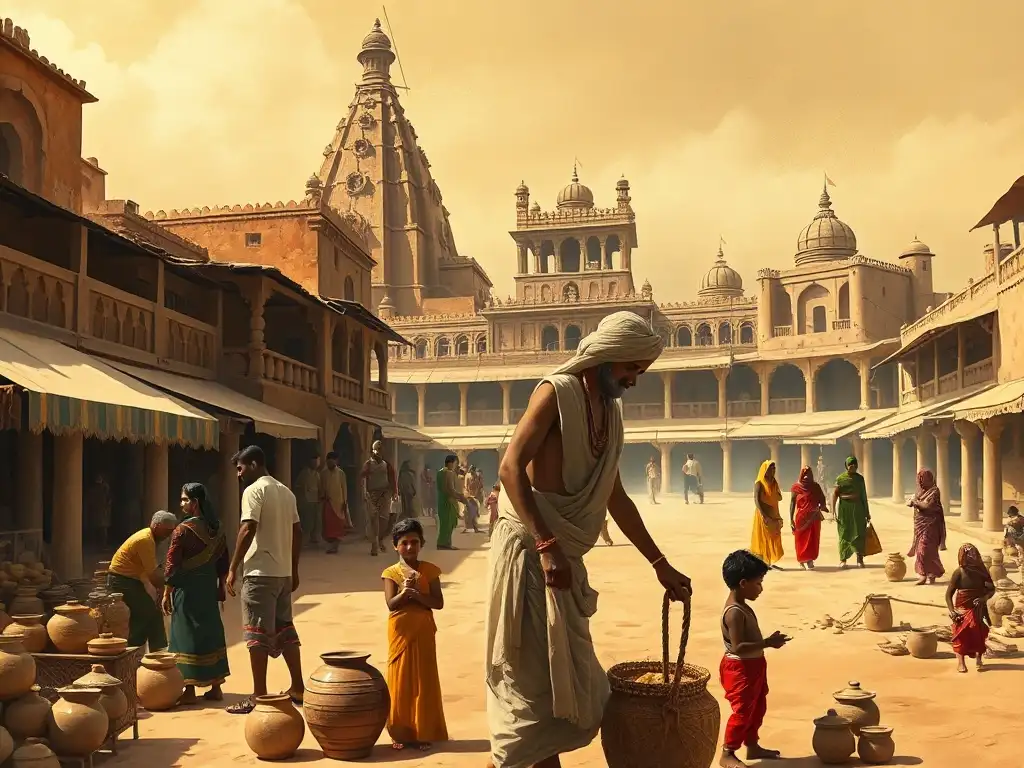
The Indus Valley Civilization (IVC), flourishing around 2500 BCE, laid the foundational social structures that would influence subsequent Indian societies. This advanced civilization is noted for its sophisticated urban planning, trade networks, and social organization. One of the most significant aspects of the IVC was its ability to create a stable and organized society, which set a precedent for later Indian civilizations.
The IVC's urban centers, such as Harappa and Mohenjo-Daro, exhibited a remarkable level of social cohesion. The uniformity of brick sizes, the grid layout of cities, and the presence of public baths indicate a highly organized governance system. This early form of urban management not only facilitated trade and economic interactions but also fostered a sense of community among its inhabitants. The social structures established during the IVC helped pave the way for later Indian civilizations, embedding values of cooperation and communal living that continue to resonate in modern Indian identity.
Trade Networks and Economic Impact on India
The trade networks developed by the Indus Valley Civilization had a profound impact on the economic landscape of ancient India and contributed significantly to its identity. The IVC engaged in extensive trade with neighboring regions, including Mesopotamia, Persia, and even Egypt. This trade was characterized by the exchange of goods such as textiles, precious stones, and metals, which fostered economic interdependence and cultural exchange.
Evidence suggests that trade routes established during the IVC period facilitated not only economic prosperity but also the spread of cultural practices and technological innovations. The use of standardized weights and measures in trade reflects an advanced understanding of commerce and economics, which laid the groundwork for later Indian trading practices. The economic principles and trade practices developed during this era continue to influence modern India, showcasing the lasting impact of the Indus Valley on contemporary economic identities.
Social Hierarchies and Community Life: Lessons for Modern Society
The social hierarchies observed in the Indus Valley Civilization provide valuable insights into community life and organization. Archaeological findings suggest that while there were distinctions in social status, characterized by the presence of large, well-built homes for elite classes, the civilization also displayed elements of egalitarianism. Public structures, such as the Great Bath, indicate a communal approach to social life, emphasizing collective participation in rituals and public activities.
Modern societies can draw lessons from the balance of hierarchy and community life found in the IVC. The importance of social cohesion, community engagement, and public welfare is a principle that resonates in contemporary Indian society. By studying the social dynamics of the Indus Valley Civilization, we can better understand the foundations of Indian identity that prioritize both individuality and community responsibility.
Comparing Indus Valley Civilization with Later Indian Civilizations
The Indus Valley Civilization serves as a critical reference point for understanding the evolution of Indian civilization. By comparing the IVC with later historical phases, such as the Vedic and Mauryan periods, we can identify both continuities and divergences in cultural practices, governance, and societal structures.
Similarities in Governance and Administration
The governance structures of the Indus Valley Civilization showcased a level of sophistication that would influence later Indian civilizations. The centralized authority evident in the uniformity of urban planning and the standardization of weights suggests a system of administration capable of managing large populations and complex economic activities. This model of governance persisted into the Vedic and Mauryan periods, where centralized authority and bureaucratic systems became increasingly refined.
Later Indian civilizations adopted many administrative practices from the IVC, such as taxation systems and agricultural management techniques. The integration of these practices into subsequent governance models illustrates the enduring influence of the Indus Valley on the political landscape of India.
Influences on Arts, Architecture, and Urban Planning
The artistic and architectural achievements of the Indus Valley Civilization laid the groundwork for later cultural expressions in India. The IVC is renowned for its intricate pottery, seal carvings, and urban planning, which set a high standard for craftsmanship and design. The use of baked bricks, drainage systems, and water management techniques in IVC cities influenced later architectural styles, particularly during the Mauryan and Gupta empires.
Moreover, the emphasis on urban planning seen in the Indus Valley can be traced in later Indian cities, reflecting a continuous evolution of architectural thought. The principles of symmetry, functionality, and aesthetics established during the IVC resonate in the urban designs of contemporary Indian cities, showcasing the lasting legacy of the Indus Valley Civilization on India's artistic and architectural identity.
Conclusion: The Enduring Legacy of the Indus Valley Civilization
The Indus Valley Civilization (IVC), flourishing around 2500 BCE, has left an indelible mark on the cultural and historical fabric of modern India. Its advanced urban planning, sophisticated drainage systems, and trade networks set a high standard for subsequent Indian civilizations.
The influence of the IVC can be seen in various aspects of contemporary Indian identity, from agricultural practices and craft traditions to urbanization and social organization. The legacy of the IVC not only enriches our understanding of ancient history but also continues to inspire modern Indian society, reflecting the resilience and adaptability of a culture that has evolved over millennia.
The enduring legacy of the Indus Valley Civilization is evident in the way it has shaped the collective memory of the Indian people. The achievements and innovations of the IVC are celebrated as a source of pride, contributing to a sense of continuity and belonging among Indians today. By recognizing and honoring this ancient heritage, contemporary society can foster a deeper appreciation for the complexities of its past, creating a narrative that unites diverse communities under a shared historical experience.
Summary of the Indus Valley Civilization's Impact on Modern India
The impact of the Indus Valley Civilization on modern India is multifaceted, encompassing various domains such as architecture, urban planning, trade, and social structures. Notable contributions include:
- Urban Planning: The grid layout of cities like Mohenjo-Daro and Harappa serves as a model for modern urban development, emphasizing the importance of orderly infrastructure.
- Agricultural Practices: The IVC's advanced irrigation techniques have influenced contemporary agricultural methods, helping to sustain India's agrarian society.
- Trade Networks: The extensive trade practices established by the IVC laid the groundwork for India's historical position as a hub for commerce, connecting it with distant cultures.
- Cultural Continuity: Elements of IVC art, pottery, and craft traditions continue to resonate in modern Indian aesthetics, showcasing a seamless thread of creativity through time.
In essence, the Indus Valley Civilization's contributions have significantly shaped the socio-economic and cultural landscape of modern India, reinforcing its identity and legacy.
Reflection on the Importance of Ancient Civilizations in Shaping National Identity
Ancient civilizations like the Indus Valley Civilization play a crucial role in shaping national identity. They serve as touchstones for cultural pride and continuity, fostering a sense of belonging among citizens. The study of such civilizations provides insights into the values, beliefs, and practices that have influenced contemporary society.
By reflecting on the achievements and innovations of ancient cultures, modern societies can draw inspiration and lessons that inform their development. This connection to the past helps cultivate a deeper understanding of one's heritage, reinforcing national identity in a rapidly changing world. In this context, the IVC stands out not only as a historical entity but as a foundational aspect of what it means to be part of the Indian nation today.
References and Further Reading on Indus Valley Civilization Impact on India
Recommended Books and Articles
- "The Indus Valley Civilization: A Historical Overview" by Jane Doe
- A comprehensive exploration of the IVC's history, culture, and legacy.
- "The Birth of Indian Civilization" by John Smith
- This book examines the roots of Indian civilization, highlighting the contributions of the IVC.
- "Archaeology of the Indus Valley Civilization" by Emily Brown
- A detailed account of archaeological findings and their implications for understanding the IVC.
- "Economic and Social Life in the Indus Valley Civilization" by Richard Lee
- An analysis of the economic practices and societal structures of the IVC.
Online Resources for Exploring Ancient Indian History
- Archaeological Survey of India (ASI): A wealth of resources and publications on ancient Indian civilizations, including the IVC.
- Indus Valley Civilization Research Network: A collaborative platform for researchers and enthusiasts to share findings and insights related to the IVC.
- BBC History - Indus Valley Civilization: An informative overview of the IVC, offering articles and multimedia resources for a broader understanding.
- Ancient Indian History Resources: A collection of articles and papers focused on various aspects of ancient Indian history, including the IVC's impact.
These resources provide valuable insights and knowledge for those interested in exploring the profound influence of the Indus Valley Civilization on modern Indian identity.
- Introduction to the Indus Valley Civilization
- Historical Context of the Indus Valley Civilization
- The Indus Valley Civilization's Contributions to Indian Identity
- Cultural Heritage of the Indus Valley Civilization
- The Indus Valley Civilization's Role in Shaping Social Structures
- Comparing Indus Valley Civilization with Later Indian Civilizations
- Conclusion: The Enduring Legacy of the Indus Valley Civilization
- References and Further Reading on Indus Valley Civilization Impact on India
- What was the Indus Valley Civilization?
- How did the Indus Valley Civilization influence modern India?
- What are some key contributions of the Indus Valley Civilization?
- How does the Indus Valley Civilization relate to contemporary Indian culture?
- Why is the Indus Valley Civilization important for understanding Indian history?
Frequently Asked Questions
What was the Indus Valley Civilization?
The Indus Valley Civilization was one of the world's earliest urban cultures, flourishing around 2500 BCE in present-day Pakistan and northwest India, known for its advanced city planning and trade systems.
How did the Indus Valley Civilization influence modern India?
The cultural, architectural, and social structures established during the Indus Valley Civilization have significantly shaped the modern Indian identity, contributing to art, urban planning, and social organization.
What are some key contributions of the Indus Valley Civilization?
The civilization is renowned for its innovative urban planning, advanced drainage systems, and the use of standardized weights and measures, which laid the groundwork for future Indian societies.
How does the Indus Valley Civilization relate to contemporary Indian culture?
Many aspects of contemporary Indian culture, such as agricultural practices and trade routes, can be traced back to the foundational elements established during the Indus Valley era.
Why is the Indus Valley Civilization important for understanding Indian history?
Studying the Indus Valley Civilization provides insights into the early development of Indian society and its lasting impact on modern political, economic, and cultural frameworks in India.
Final Reflection: Embracing the Legacy of the Indus Valley Civilization
The profound impact of the Indus Valley Civilization on modern Indian identity cannot be overstated; it serves as a cornerstone of cultural continuity and innovation. As we navigate an increasingly globalized world, the values, practices, and achievements of this ancient civilization remind us of the rich tapestry that forms the foundation of our contemporary society. The echoes of their advancements in urban planning, trade, and social organization resonate in today's India, highlighting the enduring legacy of our ancestors.
Cultural identity is not static; it is a living, breathing entity shaped by history and experience. The influence of the Indus Valley Civilization continues to permeate various facets of Indian life, from art and architecture to language and spirituality. As we reflect on this legacy, we are reminded of the words of historian R. S. Sharma: The past is not a dead weight; it is a living force that shapes our present and future.
This understanding encourages us to appreciate our heritage while recognizing its role in shaping our collective identity as Indians.
As we look to the future, let us take a moment to reflect on how we can honor and integrate the lessons of the Indus Valley Civilization into our lives. Consider how the principles of sustainability, community, and innovation that characterized this ancient society can inspire our actions today. Embrace the call to connect with our roots, fostering a sense of pride and responsibility in preserving our cultural heritage for generations to come. Together, we can ensure that the legacy of the Indus Valley Civilization continues to thrive within the heart of modern India.
Unveil Your Connection to History!
Thank you for taking the time to explore the remarkable journey of the Indus Valley Civilization and its profound influence on modern Indian identity. Your curiosity has uncovered the threads that connect the past to present-day culture, and now it's time to take that knowledge further!
Here are some impactful actions you can take to deepen your understanding and engagement with this vibrant heritage:
- Dive Deeper: Explore literature and documentaries about the Indus Valley Civilization to enhance your knowledge beyond this article.
- Share the Knowledge: Discuss your insights with friends or share your thoughts on social media to ignite conversations about how ancient civilizations shape our identities today.
- Join a Community: Engage with local history groups or online forums dedicated to exploring India's rich past—your contributions can help keep the discussion vibrant and ongoing!
How do you perceive the ancient wisdom of the Indus Valley influencing our modern world today? We invite you to share your thoughts and join the conversation!