
The Journey of Ancient Indian Agriculture Through the Ages

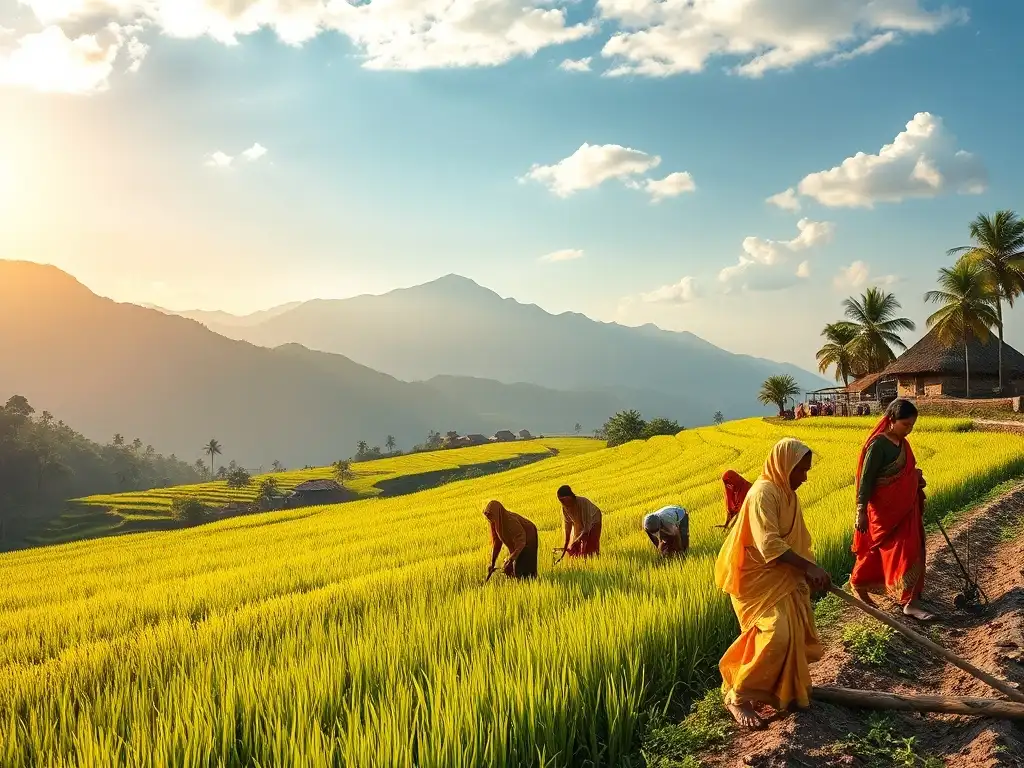
Welcome to Ancient India History, where we invite you to embark on a fascinating journey through the rich tapestry of ancient Indian civilizations. Today, we delve into a pivotal aspect of this heritage: ancient Indian agriculture history. This exploration reveals not only the innovative techniques and technologies that shaped the agricultural landscape but also the profound cultural impacts that agriculture had on society. Are you ready to uncover the secrets behind the agricultural advancements that nourished empires and influenced generations? Let’s dig deeper into the roots of ancient Indian agriculture and discover how these innovations continue to resonate today!
Introduction to Ancient Indian Agriculture History
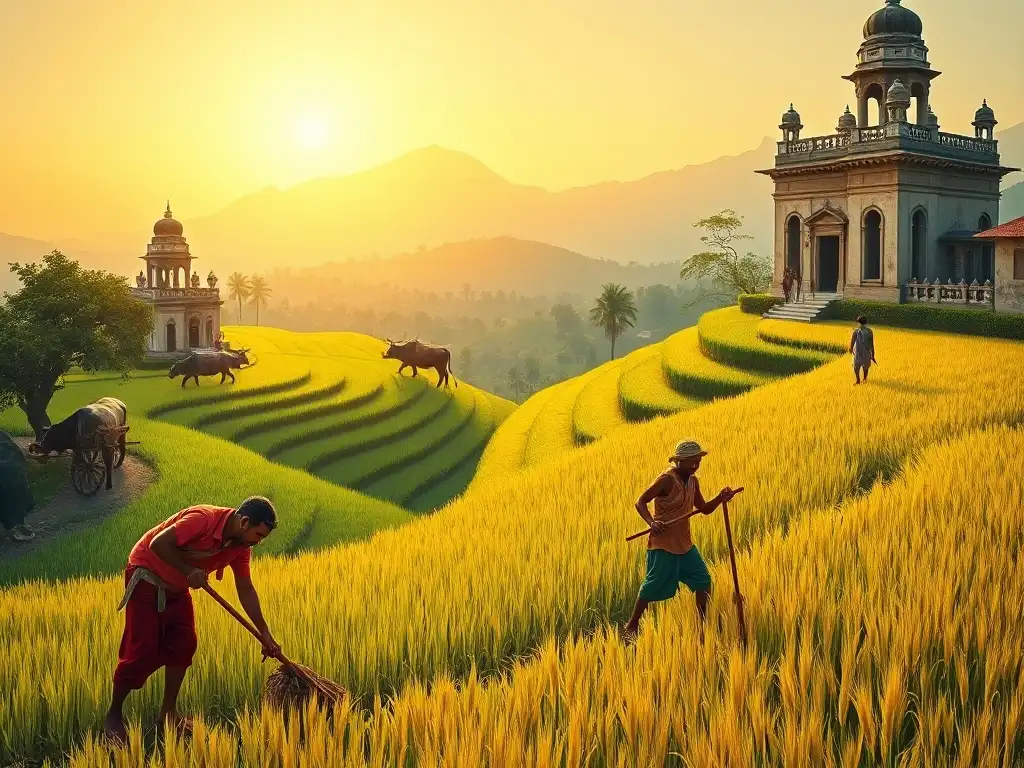
The history of ancient Indian agriculture is a fascinating narrative that intertwines with the evolution of civilization itself. Spanning thousands of years, this journey showcases how agriculture not only sustained the population but also shaped the social, economic, and cultural frameworks of ancient Indian societies.
From the fertile plains of the Indus Valley to the sophisticated agrarian systems of the Gupta Empire, ancient Indian agriculture history reveals the ingenuity and resilience of communities as they adapted to their environments and innovated agricultural practices. In this article, we will explore the milestones of agricultural development, the technological innovations that emerged, and the profound impact agriculture had on the trajectory of ancient Indian civilization.
Overview of Agricultural Practices in Ancient India
The agricultural practices in ancient India were diverse and region-specific, reflecting the varied climatic and geographic conditions across the subcontinent. Early farmers transitioned from nomadic lifestyles to settled agricultural communities, leading to the establishment of permanent settlements and the rise of complex societies.
- Crop Diversity: Ancient Indians cultivated a wide range of crops including cereals, pulses, fruits, and vegetables. This diversity not only ensured food security but also fostered trade and cultural exchange.
- Agricultural Techniques: Farmers employed various techniques such as crop rotation, polyculture, and the use of organic fertilizers to enhance soil fertility and maximize yields.
- Seasonal Patterns: Agriculture was closely tied to the monsoon seasons, with farmers timing their sowing and harvesting according to rainfall patterns, demonstrating a deep understanding of their environment.
Importance of Agriculture in Ancient Indian Civilization
Agriculture was the backbone of ancient Indian civilization, influencing economic stability, social structure, and cultural practices. Its significance can be summarized as follows:
- Economic Foundation: Agriculture provided the primary source of livelihood for the majority of the population, facilitating trade and the development of markets.
- Social Structure: The agrarian lifestyle contributed to the formation of social hierarchies and communities, with landowners, laborers, and artisans playing distinct roles within society.
- Cultural Significance: Agricultural cycles were deeply embedded in religious and cultural practices, with festivals celebrating sowing and harvest reflecting the spiritual connection people had with the land.
Early Agricultural Innovations in the Indus Valley Civilization
The Birth of Agriculture: From Hunter-Gatherers to Farmers
The transition from a hunter-gatherer lifestyle to settled farming communities marks a pivotal moment in ancient Indian agriculture history. This transformation allowed for the domestication of plants and animals, leading to more reliable food sources and the establishment of stable societies. Evidence from archaeological sites indicates that as early as 7000 BCE, communities in the Indus Valley began cultivating crops, laying the groundwork for one of the world's earliest agricultural civilizations.
Key Crops Cultivated: Wheat, Barley, and Pulses
The Indus Valley Civilization is renowned for its agricultural prowess, particularly in the cultivation of key crops such as:
- Wheat: One of the earliest cultivated cereals, wheat became a staple food and an integral part of the diet in ancient India.
- Barley: Alongside wheat, barley was grown for both food and as livestock fodder, demonstrating the dual purpose of crops in sustaining human and animal populations.
- Pulses: Rich in protein, pulses such as lentils and chickpeas were crucial for nutritional balance, complementing the diet of ancient Indians.
Irrigation Techniques: Harnessing River Systems for Agriculture
The success of agriculture in the Indus Valley was significantly enhanced by advanced irrigation techniques. Farmers developed methods to harness river systems, including:
- Canal Systems: Constructing canals allowed for the diversion of river water to fields, ensuring reliable irrigation during dry seasons.
- Well Irrigation: The use of wells became common, providing a sustainable water source for crops in arid regions.
- Flood Control Measures: Early engineering practices included embankments and drainage systems to manage river floods, demonstrating a sophisticated understanding of water management.
This intricate relationship between ancient Indian agriculture, technology, and civilization underscores the innovative spirit of early farmers, whose contributions laid the foundation for future advancements in agricultural practices across the region.
Vedic Period: Agricultural Practices and Developments
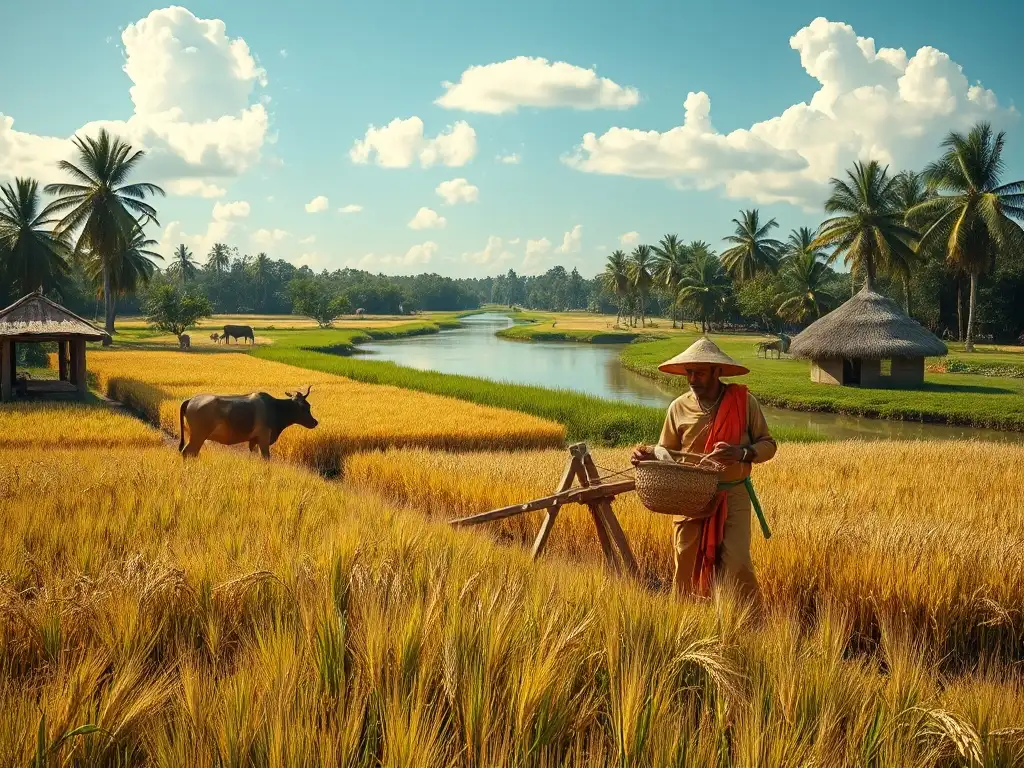
The Vedic Period, which spanned from approximately 1500 BCE to 500 BCE, marked a significant era in ancient Indian agriculture. During this period, agriculture formed the backbone of the economy and society, deeply influencing the cultural and spiritual fabric of Vedic civilization. The Vedic texts, including the Rigveda, provide insights into the agricultural practices of this time, highlighting the importance of farming in sustaining communities and supporting societal structures.
The Role of Agriculture in Vedic Society
Agriculture in Vedic society was not merely an economic activity; it was also intertwined with social and religious life. The agrarian lifestyle fostered a community-oriented culture, as farming was often a collective effort. Rituals and ceremonies around sowing and harvesting were common, reflecting the deep respect for the earth and its fertility. The agrarian economy supported a hierarchical society where land ownership was linked to social status, with the more prosperous landowners playing influential roles in local governance.
Innovations in Farming Tools and Techniques
The Vedic period saw significant innovations in farming tools and techniques that enhanced agricultural productivity. Ploughs made of wood were commonly used, and the introduction of the iron plough in later Vedic texts signified advancements in technology. Crop rotation and the use of manure as fertilizer were practiced, which improved soil fertility and crop yield. Additionally, irrigation techniques began to develop, utilizing canals and water management systems to support agriculture in varying climates.
Influence of Climate and Geography on Agricultural Practices
The geographical diversity of the Indian subcontinent significantly influenced agricultural practices during the Vedic period. The fertile plains of the Indo-Gangetic region became the primary agricultural hubs, where crops such as barley, wheat, and rice were cultivated. Conversely, in arid regions, farmers adapted by focusing on drought-resistant crops. The monsoon climate played a crucial role, with farmers relying on seasonal rains to irrigate their fields, leading to a deep understanding of weather patterns and their effects on agriculture.
Mauryan Empire: Advancements in Agricultural Techniques
The Mauryan Empire, which flourished from 322 BCE to 185 BCE, is often heralded as a period of remarkable advancements in agricultural techniques. Under the leadership of Emperor Ashoka, agriculture was not only seen as a means of sustenance but also as a crucial aspect of state policy. The empire implemented various reforms and innovations that significantly improved agricultural productivity and efficiency.
State Control and Support for Agriculture
The Mauryan state took an active role in supporting agriculture, recognizing its importance in sustaining the economy. The government implemented land revenue systems, which standardized tax collection and provided farmers with necessary resources. State-sponsored irrigation projects were initiated, improving water supply to farmlands. Additionally, the Mauryan administration encouraged agricultural education, leading to better farming practices and the dissemination of knowledge among farmers.
Introduction of New Crops and Farming Techniques
During the Mauryan Empire, the introduction of new crops such as sugarcane and cotton marked a significant expansion in agricultural diversity. The use of advanced farming techniques, including the more widespread adoption of crop rotation and the plough, allowed for increased efficiency and productivity. The empire also saw the cultivation of spices and medicinal plants, which not only catered to local needs but also opened avenues for trade with other civilizations.
The Impact of Trade on Agricultural Diversity
Trade played a pivotal role in enhancing agricultural diversity during the Mauryan Empire. The establishment of trade routes facilitated the exchange of agricultural products, seeds, and farming techniques with other regions. The Mauryan economy thrived on the trade of surplus crops, which encouraged farmers to diversify their produce to meet market demands. This interaction with different cultures and agricultural practices enriched the agricultural landscape of ancient India, leading to a more resilient and adaptive farming system.
Gupta Empire: The Golden Age of Agriculture
The Gupta Empire, which flourished from around 320 to 550 CE, is often referred to as the "Golden Age" of India due to its remarkable advancements in various fields, including agriculture. This period was marked by significant agricultural productivity, which played a crucial role in supporting the empire's economic stability and cultural achievements. The Gupta rulers implemented policies that encouraged agricultural expansion, leading to increased food production and the diversification of crops across the Indian subcontinent.
The agricultural landscape during the Gupta period was characterized by the cultivation of a variety of crops, which included not only staples like rice and wheat but also pulses, oilseeds, and fruits. This diversification not only ensured food security but also contributed to the prosperity of trade, as surplus produce could be exchanged for goods and services. The flourishing agricultural sector provided a foundation for the arts and sciences to thrive, as a stable food supply allowed scholars and artisans to focus on their crafts without the constant threat of famine.
Agricultural Prosperity During the Gupta Period
Agricultural prosperity during the Gupta period can be attributed to several factors, including favorable climate conditions, innovative farming techniques, and improved irrigation methods. The introduction of iron tools and implements, such as plows, significantly enhanced productivity and efficiency in farming. These advancements allowed farmers to cultivate land more effectively, leading to higher yields and the ability to farm previously unproductive areas.
The Gupta Empire also witnessed the establishment of a robust agrarian economy, supported by an organized system of land revenue collection. Land grants and encouragement from the state led to the expansion of agricultural lands, fostering a sense of stability and prosperity among farmers. The surplus production not only catered to local needs but also facilitated the growth of trade routes, particularly along the Silk Road, enhancing economic interactions with other regions.
Technological Innovations: Plows, Seed Drills, and Irrigation
Technological innovations played a pivotal role in transforming ancient Indian agriculture during the Gupta period. The introduction of the iron plow allowed for deeper tilling of the soil, which improved aeration and nutrient absorption. This technology was particularly beneficial in enhancing the cultivation of various crops, ensuring better yields and reducing the labor intensity of farming.
Seed drills were another significant advancement that emerged during this time. By allowing for the systematic sowing of seeds at regular intervals, these devices minimized seed wastage and improved germination rates. Additionally, the development of sophisticated irrigation systems, including canals and reservoirs, enabled farmers to harness water resources more effectively, making it possible to cultivate crops in regions that were previously dependent on seasonal rainfall.
The Relationship Between Agriculture and Economic Growth
The relationship between agriculture and economic growth in the Gupta Empire was symbiotic. A prosperous agricultural sector generated surplus produce, which supported the rise of trade and commerce. This influx of goods stimulated various economic activities, leading to the growth of urban centers and an increase in artisan production.
Furthermore, the agricultural surplus allowed for the development of a merchant class, which played a crucial role in regional and long-distance trade. The stability provided by agricultural productivity contributed to the overall wealth of the empire, enabling investments in infrastructure, education, and cultural pursuits. As a result, agriculture not only sustained the population but also acted as the backbone of the Gupta economy, facilitating the exchange of ideas and cultural practices.
Regional Variations in Ancient Indian Agriculture
The diverse geography of ancient India led to significant regional variations in agricultural practices. Each region developed unique methods and crop varieties suited to its local climate, soil, and cultural influences. This regional diversity contributed to the richness of India's agricultural heritage and shaped the dietary and economic patterns of its people.
Agriculture in the South: Rice Cultivation and Techniques
In southern India, rice was the predominant crop, owing to the region's favorable climatic conditions and abundant rainfall. The cultivation techniques employed by farmers included the use of bunds (earth embankments) to manage water flow and prevent soil erosion. Paddy fields were often irrigated using intricate canal systems, which allowed for controlled water distribution across the fields.
Farmers in this region also practiced crop rotation and intercropping, which enhanced soil fertility and reduced the risk of crop failure. The use of organic fertilizers, such as cow dung and green manure, further contributed to sustainable farming practices. This emphasis on rice cultivation not only supported local diets but also facilitated trade with neighboring regions, enriching the economy.
Agriculture in the North: Wheat and Barley Farming
In northern India, wheat and barley were the staple crops, benefiting from the temperate climate and fertile alluvial soil of the region. Farmers typically employed plowing techniques that utilized oxen, which were essential for preparing the land for sowing. The agricultural calendar revolved around the monsoon season, with careful planning to optimize crop yields.
The introduction of irrigation systems, such as wells and canals, allowed for the cultivation of crops beyond the monsoon season, leading to multiple cropping cycles in a year. This practice significantly increased agricultural output, fostering greater food security and supporting the burgeoning urban centers in northern India.
Unique Farming Practices in Eastern and Western India
Eastern and western India exhibited unique agricultural practices shaped by their distinct climatic and geographical conditions. In the east, regions like Bengal were renowned for their lush rice paddies and the cultivation of jute, a fiber crop. Farmers utilized traditional methods, including the use of floating gardens, which allowed for cultivation during seasonal floods.
In contrast, western India, particularly in the arid regions of Gujarat and Rajasthan, saw the cultivation of drought-resistant crops such as millet and pulses. The use of rainwater harvesting techniques and innovative irrigation methods, like the construction of stepwells, enabled farmers to maximize water resources and sustain agricultural practices in challenging environments.
These regional variations in agricultural practices not only contributed to the overall richness of ancient Indian agriculture but also played a vital role in shaping the cultural and economic landscapes of the respective regions.
The Influence of Religion and Culture on Agriculture
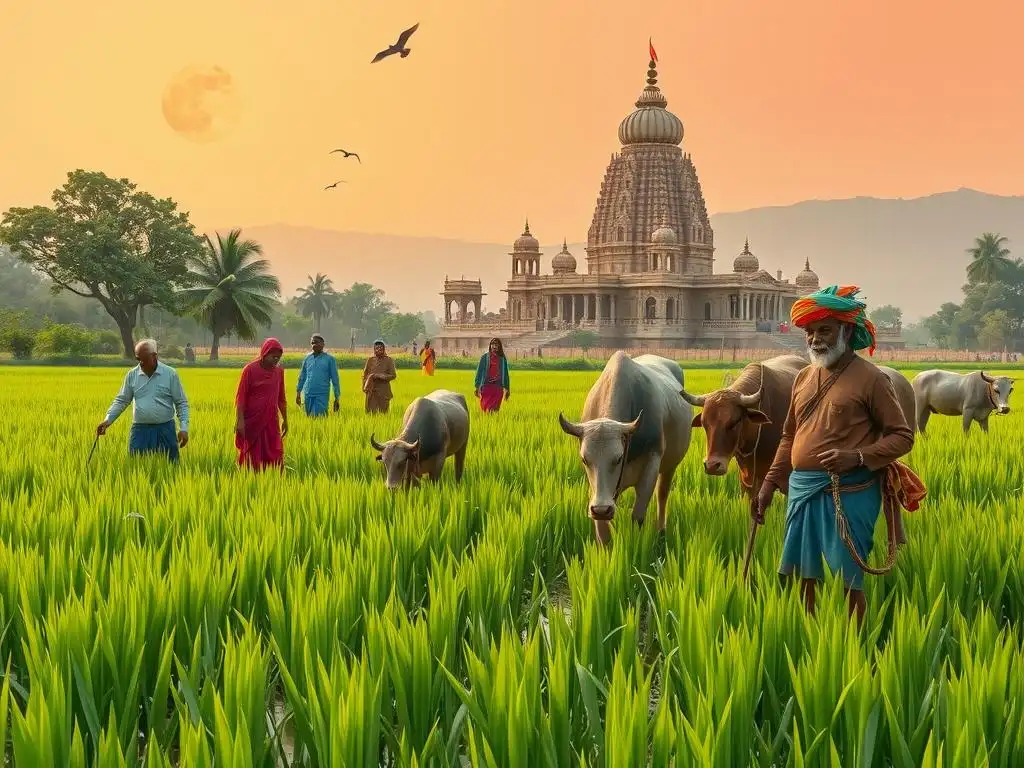
Agriculture in ancient India was not merely an economic activity; it was deeply intertwined with the cultural and religious fabric of society. The agrarian lifestyle fostered a close relationship between the people and the land, leading to various religious beliefs and rituals centered on agricultural practices. Deities associated with fertility, rain, and harvest were worshipped, reflecting the reverence for nature's cycles. The Vedic texts, for instance, highlight several rituals aimed at ensuring bountiful crops and favorable weather conditions, showcasing how spirituality shaped agricultural practices.
Moreover, agricultural practices were often linked to specific festivals, which served as communal celebrations of the harvest. These festivals not only marked the changing seasons but also reinforced social bonds among communities. The collective participation in agricultural rituals, such as sowing and harvesting, created a shared identity among farmers and solidified the agricultural cycle's importance in societal life.
Agricultural Festivals and Their Significance
Agricultural festivals in ancient India were instrumental in promoting community cohesion and celebrating the agrarian lifestyle. Festivals like Makar Sankranti, Pongal, and Baisakhi were not only occasions for feasting and merriment but also served significant agricultural purposes. For instance, Makar Sankranti marks the end of winter solstice and the beginning of longer days, symbolizing the start of the harvest season.
These festivals often included rituals to honor the deities believed to protect crops. For example, during Baisakhi, farmers would perform traditional dances, offer prayers, and express gratitude for the harvest. The significance of these festivals extended beyond agriculture; they also reinforced cultural narratives and historical traditions, highlighting the essential role agriculture played in sustaining communities.
The Role of Agriculture in Literature and Art
Ancient Indian literature and art are replete with references to agriculture, showcasing its significance in daily life and cultural identity. Texts such as the Mahabharata and the Ramayana contain numerous depictions of agricultural practices, emphasizing their importance in the economy and social structure. These epics often illustrate the harmony between humans and nature, portraying agriculture as a noble pursuit that sustains life.
Artistic representations, including sculptures and murals, frequently depict agrarian scenes, celebrating the cyclical rhythm of sowing and harvesting. Such artistic expressions reflect how deeply embedded agriculture was in the psyche of ancient Indian civilization, serving not only as a source of sustenance but also as a crucial element of cultural identity and artistic inspiration.
Agricultural Practices and Spiritual Beliefs
The spiritual beliefs of ancient India profoundly influenced agricultural practices. Farmers often adhered to specific rituals aimed at ensuring crop prosperity, which included prayers, offerings, and the observation of auspicious days for planting and harvesting. Such practices were rooted in the belief that divine forces could directly impact agricultural yields.
The concept of 'Vasudhaiv Kutumbakam' (the world is one family) was also reflected in agricultural practices, where cooperative farming and sharing of resources were common. This ideology fostered a sense of community and responsibility towards nature, emphasizing sustainable agricultural practices that respected the environment and maintained ecological balance.
Decline and Transformation of Ancient Indian Agriculture
The journey of agriculture in ancient India underwent significant transformations due to various socio-political and environmental factors. As civilizations evolved, so too did agricultural practices, leading to both decline and innovation. The transition from ancient to medieval agricultural methods marked a pivotal chapter in this journey, influenced by changing dynamics in society and foreign interactions.
Factors Leading to Changes in Agricultural Practices
Several factors contributed to the changes in agricultural practices in ancient India. The rise of urbanization and the shift towards market-oriented agriculture transformed traditional farming practices. Increased demand for cash crops shifted focus from subsistence farming to the cultivation of commercially viable produce.
Additionally, environmental changes, such as climate fluctuations and soil degradation, impacted agricultural productivity. These challenges necessitated the adoption of new techniques and crop varieties, leading to a gradual evolution in farming practices. The introduction of irrigation systems and plowing methods during this period also marked significant advancements in agricultural technology.
The Impact of Foreign Invasions on Agriculture
Foreign invasions throughout ancient India had profound effects on agriculture, leading to both disruptions and adaptations. The arrival of various empires, including the Mauryas and later the Mughals, introduced new agricultural practices and crops. For instance, the Mughals brought Persian agricultural techniques and crops like cotton and sugarcane, which were integrated into the existing agrarian landscape.
However, invasions also led to periods of turmoil, where agricultural production faced severe setbacks due to warfare and instability. The imposition of taxes and land revenue systems by foreign rulers often burdened farmers, leading to a decline in agricultural productivity and, at times, peasant revolts.
Transition to Medieval Agricultural Methods
The transition to medieval agricultural methods marked a significant shift in ancient Indian agriculture. Innovations such as the use of crop rotation, improved irrigation techniques, and the introduction of new tools like the plow enhanced agricultural productivity. This period also saw the diversification of crops, with a greater emphasis on cash crops that catered to emerging markets.
As societies adapted to changing economic conditions, the role of agriculture continued to evolve. The integration of indigenous and foreign agricultural practices created a rich tapestry of farming methods that laid the groundwork for the subsequent agricultural developments in India. This transformation not only sustained the population but also fostered a deeper understanding of agricultural science and innovation, which continued to evolve throughout history.
Conclusion: The Legacy of Ancient Indian Agriculture
Ancient Indian agriculture has left an indelible mark on the evolution of farming practices not only in India but across the globe. The sophisticated methods developed by ancient civilizations, such as crop rotation, irrigation techniques, and the domestication of plants and animals, laid the groundwork for modern agricultural practices. These innovations were often driven by necessity, as civilizations sought to adapt to their environment and ensure food security.
The legacy of ancient Indian agriculture is evident in the diverse crop varieties that are still cultivated today, including rice, wheat, pulses, and spices. Furthermore, the agrarian philosophies and practices of ancient societies, which emphasized harmony with nature, continue to resonate in contemporary discussions about sustainability and ecological farming. As we reflect on this rich agricultural heritage, it becomes clear that the lessons learned from ancient Indian agriculture can guide us in addressing the challenges of modern food production and environmental sustainability.
Lasting Impacts on Modern Indian Agriculture
The impacts of ancient Indian agriculture are profound and multifaceted. Many techniques and practices originating from ancient times have been adapted and integrated into modern farming systems. For instance, the use of organic fertilizers, which were historically developed from animal waste and plant residues, is experiencing a resurgence as farmers seek to reduce chemical inputs and enhance soil health.
Additionally, traditional crop management practices, such as intercropping and agroforestry, are being revisited as effective strategies for improving biodiversity and resilience against climate change. The ancient wisdom of water conservation methods, such as bunding and terracing, is also being adapted to contemporary water management challenges. These enduring practices illustrate how ancient agricultural knowledge can contribute to sustainable agricultural development in today's context.
Lessons from Ancient Agricultural Practices for Sustainable Farming Today
Ancient Indian agricultural practices offer a wealth of lessons for contemporary sustainable farming. One key lesson is the importance of biodiversity in agriculture. Ancient farmers understood the value of cultivating a variety of crops, which not only enhanced food security but also improved soil health and resilience to pests and diseases. This principle is crucial as modern agriculture increasingly faces the challenges of monoculture and reduced genetic diversity.
Another significant lesson is the emphasis on sustainable resource management. Ancient farmers often utilized rainwater harvesting and efficient irrigation systems, minimizing waste and promoting the conservation of water resources. By embracing such practices, modern farmers can mitigate the effects of water scarcity and ensure sustainable agricultural productivity.
Finally, the integration of traditional knowledge with modern scientific approaches can foster innovation in agriculture. Collaborative efforts that respect and incorporate local wisdom alongside cutting-edge research will be essential in developing resilient agricultural systems that can withstand the pressures of climate change and ensure food security for future generations.
References
Key Texts and Archaeological Findings on Ancient Indian Agriculture
- "The Indus Civilization: A Contemporary Perspective": - This text provides insights into the agricultural practices of the Indus Valley Civilization, showcasing how these early societies managed their agricultural systems and irrigation.
- "Agricultural History of India" - A comprehensive overview of the evolution of agriculture in ancient India, detailing methods, crops, and the socio-economic impacts of agrarian societies.
- Archaeological findings from sites like Harappa and Mohenjo-Daro - These excavations reveal advanced agricultural techniques and crop storage systems used by Indus Valley inhabitants.
Further Reading on Agricultural Innovations in Ancient India
- "Ancient Indian Agriculture: A Historical Overview": - This book explores the various agricultural innovations that emerged during different periods of ancient Indian history, including the Vedic and Mauryan eras.
- "Sustainable Agriculture in Ancient India" - An analysis of how ancient agricultural practices contributed to sustainable farming, with a focus on ecological balance and resource management.
- Research papers on traditional farming techniques - Articles published in agricultural journals that analyze the efficiency and sustainability of ancient farming practices and their relevance today.
- Introduction to Ancient Indian Agriculture History
- Overview of Agricultural Practices in Ancient India
- Importance of Agriculture in Ancient Indian Civilization
- Early Agricultural Innovations in the Indus Valley Civilization
- Vedic Period: Agricultural Practices and Developments
- Mauryan Empire: Advancements in Agricultural Techniques
- Gupta Empire: The Golden Age of Agriculture
- Regional Variations in Ancient Indian Agriculture
- The Influence of Religion and Culture on Agriculture
- Decline and Transformation of Ancient Indian Agriculture
- Conclusion: The Legacy of Ancient Indian Agriculture
- References
- What were the primary crops cultivated in ancient India?
- How did the Indus Valley civilization influence agriculture?
- What role did the monsoon play in ancient Indian farming?
- How did ancient Indian agriculture evolve during the Gupta Empire?
- What were some key agricultural contributions of ancient India to the world?
Frequently Asked Questions
What were the primary crops cultivated in ancient India?
Ancient Indian agriculture primarily focused on crops like rice, wheat, barley, and millets. These staples were essential for sustaining the population and supporting early civilizations.
How did the Indus Valley civilization influence agriculture?
The Indus Valley civilization introduced advanced techniques such as irrigation and crop rotation, which significantly enhanced agricultural productivity and laid the foundation for future practices in ancient Indian agriculture.
What role did the monsoon play in ancient Indian farming?
The monsoon season was crucial for ancient Indian agriculture, providing the necessary rainfall to support crop growth. Farmers developed strategies to harness this seasonal change for maximizing yields.
How did ancient Indian agriculture evolve during the Gupta Empire?
During the Gupta Empire, agriculture saw significant advancements, including the use of fertilizers and plowing techniques. This period marked a rise in agricultural surplus, contributing to economic prosperity.
What were some key agricultural contributions of ancient India to the world?
Ancient India contributed various agricultural innovations, such as the introduction of cotton cultivation and techniques for rice farming. These practices influenced agricultural methodologies in several other cultures globally.
Final Reflection: The Enduring Legacy of Ancient Indian Agriculture
The journey of ancient Indian agriculture is not just a historical narrative; it is a testament to the resilience and ingenuity of civilizations that shaped the very fabric of society. Today, as we face challenges like climate change and food security, understanding the principles and practices of ancient Indian agriculture becomes increasingly relevant. The wisdom embedded in these age-old techniques offers valuable insights into sustainable farming and resource management that can guide us in our contemporary struggles.
The influence of ancient Indian agriculture extends far beyond the fields; it has woven itself into the cultural and social tapestry of the nation. From the intricate rituals tied to the harvest to the diverse culinary traditions that celebrate agricultural bounty, the legacy of these practices continues to resonate. As Mahatma Gandhi once said, “To forget how to dig the earth and to tend the soil is to forget ourselves.” This quote encapsulates the essence of our connection to the land and the importance of preserving agricultural knowledge for future generations.
As we reflect on the lessons from ancient Indian agriculture, let us embrace the opportunity to cultivate a deeper appreciation for our roots. Consider how you can incorporate sustainable practices in your own life, whether through supporting local farmers, growing your own food, or advocating for environmentally friendly policies. The journey of agriculture is ongoing, and each of us has a role to play in nurturing the earth and ensuring that the wisdom of the past informs a sustainable future.
Explore the Depths of Ancient Indian Agriculture Today!
Thank you for taking the time to discover the rich history of agriculture in ancient India! We hope you've found insights that inspire a deeper appreciation for how these practices shaped society. Now, it's time to take action and continue your exploration of this fascinating topic.
- Dig deeper: Explore specific ancient agricultural techniques and their relevance to modern practices.
- Share the knowledge: Discuss your favorite insights from this article with friends or on social media to spark interest in ancient history.
- Join the conversation: Engage with our community by leaving a comment about how ancient agricultural methods can influence sustainable practices today.
What new insights about ancient agriculture will you incorporate into your understanding of our current food systems?