
The Role of Plough Technology in Transforming Ancient Indian Farming Practices


Welcome to Ancient India History, where we embark on a fascinating journey through the rich tapestry of India's past. In today's exploration, we delve into the remarkable world of ancient Indian farming technology, uncovering how innovative plough technology revolutionized agricultural practices and laid the foundation for thriving civilizations. What secrets did these ancient techniques hold, and how did they shape the landscape of society? Join us as we unravel the transformative power of these innovations and their enduring legacy in our modern world. Your adventure into the depths of history begins now!
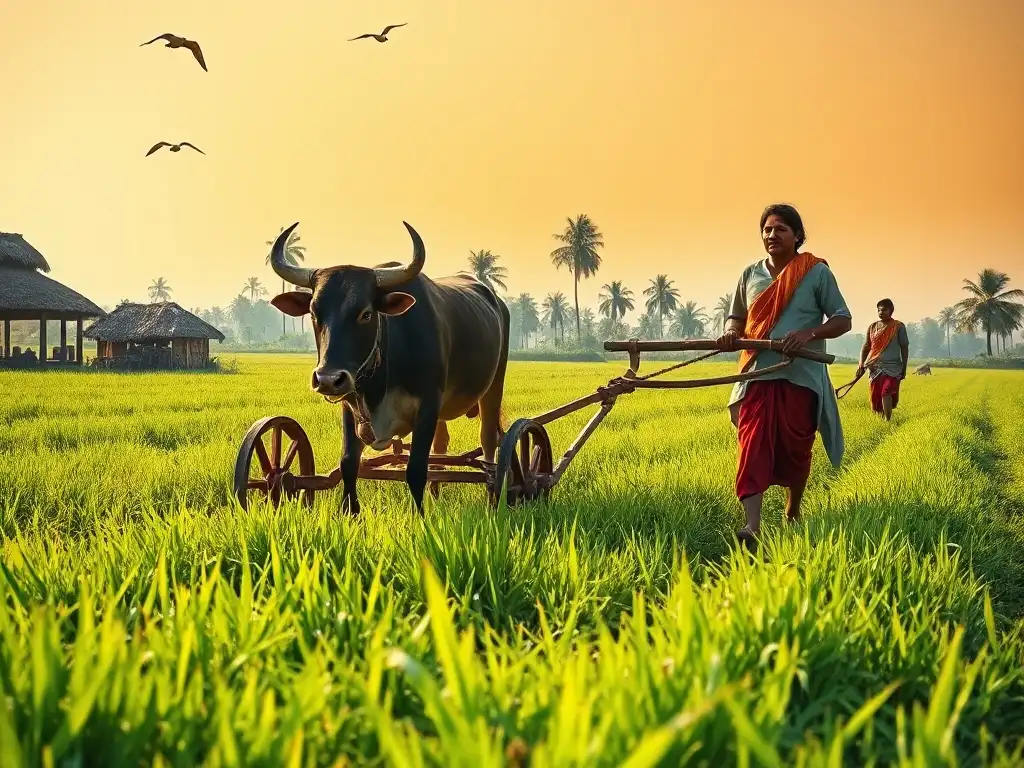
Introduction to Ancient Indian Farming Technology
The development of farming technology has been a cornerstone in the evolution of civilizations, and ancient India is no exception. Among the various innovations that emerged, the plough stands out as a transformative tool that revolutionized agricultural practices. By delving into the significance of ancient Indian farming technology, particularly the plough, we can appreciate how these advancements not only enhanced productivity but also shaped social and economic structures in ancient Indian societies. This article explores the pivotal role of plough technology and its enduring impact on farming practices from the Indus Valley civilization through to the Gupta Empire.
Overview of Farming Practices in Ancient India
Farming in ancient India was characterized by a rich diversity of crops and methods adapted to the varied climatic and geographical conditions across the subcontinent. Key practices included:
- Crop Rotation: Farmers utilized crop rotation to maintain soil fertility and reduce pests.
- Irrigation Techniques: Various methods like wells, canals, and tanks were employed to irrigate fields, showcasing an understanding of water management.
- Mixed Cropping: The practice of growing multiple crops in the same field helped in maximizing yields and minimizing risks associated with crop failure.
These practices laid the foundation for sustainable agriculture, which was essential for supporting the growing populations and the emergence of urban centers.
Importance of Agricultural Innovations in Ancient Civilizations
Agricultural innovations, such as the introduction of the plough, played a critical role in the advancement of ancient civilizations. The importance of these innovations can be summarized as follows:
- Increased Productivity: Enhanced farming tools led to improved yields, supporting larger populations and urban development.
- Economic Growth: Agricultural surplus contributed to trade and the rise of a merchant class, fostering economic networks.
- Social Structure: The efficiency of farming technology influenced land ownership patterns and social hierarchies, shaping the societal framework.
These innovations were not just technological advancements; they were vital to the overall evolution of ancient Indian society.
Historical Context of Plough Technology in India
The plough's history in India dates back to ancient times, with evidence of its use found in archaeological sites from the Indus Valley civilization. Understanding the development of plough technology provides insight into its significance in ancient Indian agriculture.
Development of the Plough in Ancient Indian Agriculture
The evolution of the plough in ancient India was marked by several key developments:
- Early Designs: The earliest ploughs were likely simple wooden sticks or hoe-like tools used to turn the soil.
- Iron Age Innovations: With the advent of iron metallurgy, ploughs evolved to include stronger and more durable materials, significantly improving their efficiency.
- Regional Variations: Different regions adapted their plough designs based on local soil types and farming practices, leading to a variety of plough forms across the subcontinent.
These developments reflect the ingenuity of ancient Indian farmers in responding to their environmental challenges.
Key Features of Ancient Indian Ploughs
Ancient Indian ploughs exhibited several distinct features that contributed to their effectiveness:
- Materials: Made primarily from wood, with iron tips for durability, these ploughs were designed to withstand the rigors of agricultural work.
- Structure: The ploughs often featured a single or multiple shares, allowing them to cut and turn the soil efficiently.
- Animal Power: Most ploughs were drawn by oxen, showcasing the integration of animal husbandry with agricultural practices.
These key features not only improved farming efficiencies but also highlighted the technological advancements of ancient Indian civilizations, setting a precedent for future agricultural practices.
Types of Ploughs Used in Ancient Indian Farming
Ancient Indian farming technology is characterized by the use of various types of ploughs that evolved over time to meet the agricultural needs of different regions. These ploughs were primarily designed to break up the soil, prepare fields for planting, and improve the efficiency of farming practices. The two main types of ploughs used in ancient India were wooden ploughs and iron ploughs, each having distinct features, designs, and functionalities that contributed to their effectiveness in agriculture.
Wooden Ploughs: Design and Functionality
Wooden ploughs were among the earliest forms of plough technology used in ancient India. Typically made from local hardwoods, these ploughs consisted of a simple frame, a share (the blade), and a beam for the farmer to guide. The design was lightweight, allowing for easier maneuverability in fields, especially in the more traditional farming systems.
- Construction: The wooden plough often featured a curved share that could cut through the soil efficiently. Farmers would attach a yoke to oxen or buffalo to pull the plough through the fields.
- Functionality: The primary function of wooden ploughs was to till the soil, making it suitable for sowing seeds. They could break up the surface crust, allowing air and moisture to penetrate the soil better, thereby enhancing its fertility.
Despite their simplicity, wooden ploughs were instrumental in establishing agricultural practices in ancient India, particularly in regions where the soil was less compact and easier to till.
Iron Ploughs: Advancements and Impact
With advancements in metallurgy, iron ploughs emerged as a significant improvement over their wooden counterparts. The introduction of iron shares made ploughs more durable and efficient, thus revolutionizing ancient Indian farming practices.
- Design Features: Iron ploughs typically had a stronger frame and a sharp, pointed share made from iron that could penetrate harder soils. This innovation allowed farmers to cultivate land that was previously difficult to work with, expanding arable land significantly.
- Impact on Agriculture: The use of iron ploughs led to increased efficiency in farming. They reduced the effort needed to till the soil, enabling farmers to cultivate larger areas more quickly. This advancement not only improved productivity but also supported the growth of surplus crops, which was crucial for the development of trade and commerce in ancient India.
The shift from wooden to iron ploughs exemplifies how technological advancements in agriculture played a pivotal role in enhancing farming practices in ancient Indian civilization.
The Role of Plough Technology in Agricultural Productivity
The advancements in plough technology in ancient India had a profound impact on agricultural productivity. By improving the efficiency of land preparation and crop cultivation, these innovations allowed for a more robust agricultural framework that supported growing populations and complex societies.
Enhancing Soil Aeration and Fertility
Plough technology significantly contributed to enhancing soil aeration and fertility. The ability of ploughs to break up the soil not only prepared the land for planting but also helped in the following ways:
- Aeration: Tilling the soil allows air to mix with the earth, which is essential for root development and microbial activity. This aeration process is vital for maintaining healthy soil ecosystems that support crop growth.
- Nutrient Availability: The act of ploughing incorporates organic matter and nutrients from the surface into the soil, thus enriching the soil profile and enhancing its fertility. This process is especially important in regions where soil nutrients may be depleted over time.
Overall, the introduction of effective plough technology ensured that soils remained productive, supporting agricultural sustainability in ancient Indian farming.
The Impact on Crop Yields and Food Security
The technological advancements in ploughs had a significant positive impact on crop yields and food security in ancient India.
- Increased Productivity: With the introduction of more efficient ploughs, farmers could cultivate larger areas and produce higher quantities of crops. This boost in productivity was essential for feeding growing populations and supporting urban centers.
- Food Security: Higher crop yields contributed to food security, allowing communities to withstand periods of drought or poor harvests. Surplus production also facilitated trade, enhancing economic stability and fostering a more interconnected society.
The role of plough technology in transforming ancient Indian farming practices cannot be overstated, as it laid the foundation for agricultural advancements that shaped the civilization's history and development.
Cultural and Societal Implications of Plough Technology
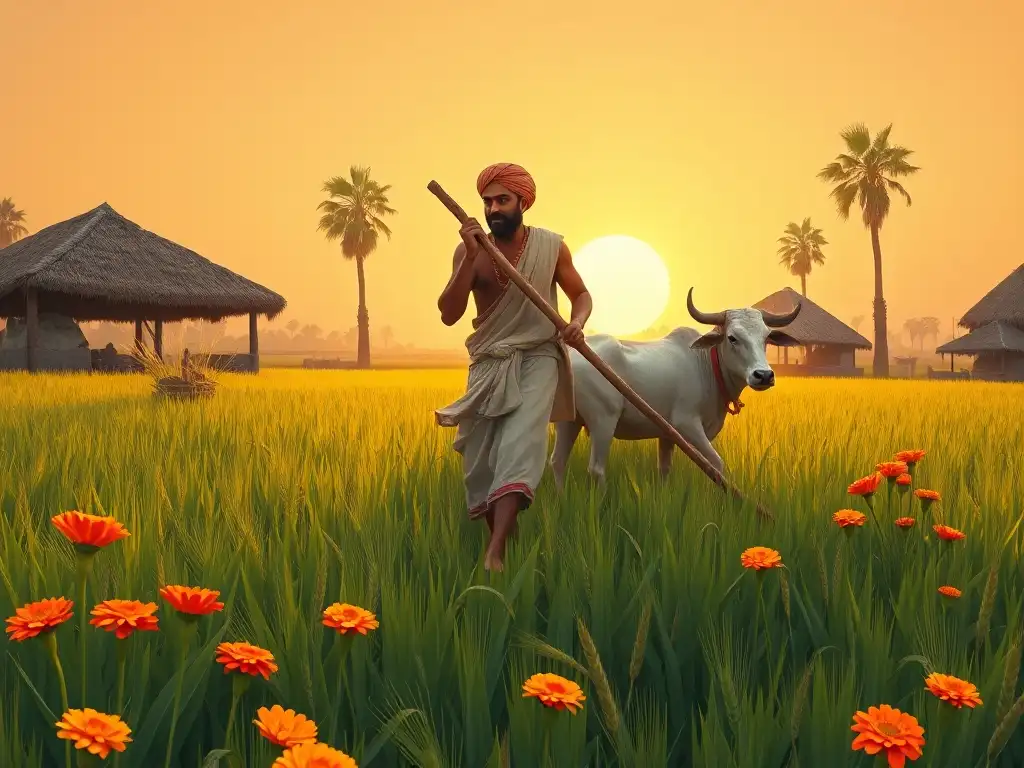
The introduction of plough technology significantly transformed ancient Indian farming practices, reshaping not just agricultural productivity but also influencing cultural and societal norms. The adoption of the plough allowed for more efficient cultivation of land, which in turn supported larger populations. This agricultural surplus fostered the growth of settled communities and complex societies, altering social hierarchies and economic structures.
As farming became more productive, it enabled the diversification of labor, leading to the development of specialized roles beyond agriculture. Artisans, traders, and scholars emerged, creating vibrant socio-economic networks. Additionally, as communities grew, the need for governance and social organization became paramount, paving the way for early forms of political systems and communal governance.
Furthermore, the plough also had profound implications for land ownership and social status. Those who owned ploughs and the land they worked were often elevated in status, leading to the establishment of landowning classes and a more stratified society. This shift influenced not only economic interactions but also family structures, as lineage and inheritance became intertwined with land ownership.
Influence on Settlements and Community Development
The implementation of plough technology was instrumental in the formation and expansion of settlements in ancient India. Prior to the widespread use of the plough, communities were largely nomadic or engaged in subsistence farming, which limited population growth and the establishment of permanent settlements. However, as plough-based agriculture became prevalent, it facilitated the conversion of marginal lands into arable fields, supporting larger, more stable communities.
Communities began to cluster around fertile lands, leading to the establishment of villages and towns. These settlements often featured complex social structures, with roles designated for farmers, craftsmen, and leaders. The ability to produce surplus food allowed for trade with neighboring communities, fostering economic interdependence and cultural exchange.
Additionally, with the increased productivity of land, populations began to grow, necessitating advancements in infrastructure. Irrigation systems, roads, and storage facilities became essential to support expanding communities, further enhancing societal development. This interconnectedness established the foundation for future urban centers and contributed to the rich tapestry of ancient Indian civilization.
The Role of Ploughs in Rituals and Traditions
Plough technology also found a prominent place in the cultural and spiritual practices of ancient Indian societies. The plough was not merely a tool for agriculture; it became a symbol of prosperity and fertility. Various rituals and ceremonies were associated with the ploughing season, with farmers engaging in practices to invoke blessings from deities for a bountiful harvest.
Festivals such as Makar Sankranti and Pongal celebrated agricultural cycles, where the act of ploughing was often accompanied by prayers and offerings. These rituals reinforced the community's connection to the land and their dependence on agricultural productivity. The symbolic significance of the plough is illustrated in ancient texts, where it is often depicted as a vital element in the cosmic order and agricultural mythology.
Moreover, the plough's importance extended into the social fabric of communities, as it was often featured in folklore and traditional stories. The values associated with hard work, cooperation, and respect for the earth became integral to the communal identity, linking agricultural practices with broader cultural narratives.
Comparative Analysis of Plough Technology Across Civilizations
The evolution of plough technology provides a fascinating lens through which we can examine agricultural practices across different ancient civilizations. While ancient India made significant strides in plough design and usage, it is essential to consider how these advancements compared to those in other regions, such as Mesopotamia.
Plough Technology in Ancient Mesopotamia vs. Ancient India
Ancient Mesopotamia, widely regarded as the cradle of civilization, also saw the early adoption of plough technology. The Mesopotamian plough, known as the ard, was primarily made of wood and was used in combination with oxen to till the soil. This technology allowed for the cultivation of the fertile crescent, which supported the growth of city-states.
In contrast, ancient Indian ploughs evolved to incorporate the use of iron around 600 BCE, leading to more robust and efficient designs. Indian ploughs often featured a curved blade, allowing them to better penetrate the dense soils found in various regions of India. Additionally, the introduction of the seed drill in ancient India, which allowed for more precise sowing, marked a significant advancement compared to the simpler methods used in Mesopotamia.
While both civilizations recognized the importance of plough technology in enhancing agricultural output, the distinct environmental conditions and available resources led to variations in design and usage, showcasing the adaptability of agricultural practices across cultures.
Innovations in Plough Design Across Different Cultures
The innovations in plough design were not limited to just ancient India and Mesopotamia; various cultures contributed to the evolution of plough technology, each adapting it to their unique environmental and agricultural needs. For example, in ancient China, the development of the multi-tined plough allowed for more efficient tillage of rice paddies, which was essential for their agrarian society.
Similarly, in pre-Columbian civilizations, such as the Andean cultures, the use of the wooden foot-plough or "chaquitaclla" demonstrated how different geographical conditions influenced agricultural practices. These adaptations highlight the ingenuity of various cultures in enhancing their agricultural productivity through plough technology.
The cross-cultural exchange of ideas regarding plough design is also noteworthy. Trade routes facilitated the sharing of agricultural innovations, allowing civilizations to learn from one another and adapt new technologies to suit their specific needs. This interconnectedness not only advanced agricultural practices but also contributed to the broader development of societies across the globe.
Overall, the comparative analysis of plough technology reveals the diverse approaches to agriculture across civilizations, emphasizing a rich history of innovation and adaptation in the face of varying environmental challenges.
Conclusion: The Lasting Legacy of Plough Technology in Ancient Indian Agriculture
The introduction of plough technology in ancient India marked a pivotal turning point in agricultural practices, deeply influencing the socio-economic fabric of the civilization. The plough not only enhanced the efficiency of farming but also allowed for the cultivation of more diverse and extensive crop varieties. This innovation laid the foundation for surplus production, which in turn supported population growth, urbanization, and the development of complex societies.
As we examine the legacy of plough technology, it becomes evident that its impact transcended mere agricultural output. It contributed to the establishment of trade networks, social stratification, and the rise of agrarian economies. The knowledge and techniques surrounding ploughs were passed down through generations, evolving with time yet retaining their essential role in sustaining agricultural practices.
Summary of Key Contributions to Farming Practices
The plough was instrumental in transforming ancient Indian farming practices through several key contributions:
- Increased Productivity: The use of ploughs significantly increased the land's productivity by enabling farmers to cultivate larger areas more efficiently.
- Soil Aeration and Fertility: Ploughing improved soil aeration and helped incorporate organic matter into the soil, enhancing its fertility and overall health.
- Crop Diversity: With improved farming techniques, farmers could experiment with a wider variety of crops, leading to a more diverse agricultural ecosystem.
- Sustainable Practices: The evolution of plough technology also encouraged sustainable farming practices, such as crop rotation, which further enriched soil health and productivity over time.
These contributions set the stage for advancements in agricultural techniques that would influence not just ancient Indian agriculture but also the broader agricultural landscape across various civilizations.
Reflection on the Evolution of Agricultural Technology in India
The evolution of agricultural technology in ancient India reflects a continuous interplay between innovation and environmental adaptation. The plough, as a focal point of this evolution, showcases how early farmers responded to the challenges of their environment by developing tools that optimized farming efficiency.
From the rudimentary wooden ploughs of the Indus Valley Civilization to more advanced iron-ploughs during the later Vedic period, each iteration demonstrated a growing understanding of agricultural needs and technological capabilities. This evolution also mirrored the socio-political changes within the society, as agricultural surpluses led to the rise of powerful kingdoms and intricate trade networks.
Moreover, the adaptation of farming technology over centuries illustrates the resilience and ingenuity of ancient Indian farmers. The integration of local knowledge with technological advancements allowed for a tailored approach to agriculture that addressed the unique climatic and geographical challenges of the region.
References
Scholarly Articles on Ancient Indian Farming Technology
- "Agricultural Innovations in Ancient India: A Historical Perspective": - This article discusses the various innovations in farming technology, detailing the significance of the plough in ancient Indian agriculture.
- "The Role of Agricultural Surplus in the Growth of Ancient Indian Civilizations" - An examination of how advancements in farming technology, including the plough, contributed to societal development.
- "Farming Practices in Ancient India: A Technological Overview": - A comprehensive review of ancient Indian farming techniques, highlighting the evolution of plough technology.
Historical Texts and Archaeological Findings
- "Agricultural Practices in the Rigveda" - This ancient text provides insights into early agricultural practices, including mentions of ploughing techniques.
- "The Archaeology of the Indus Valley: Agricultural Evidence": - A detailed analysis of archaeological findings related to farming in the Indus Valley, focusing on plough usage.
- "Historical Accounts of Agriculture in Ancient India" - A collection of historical documents that chronicle the development of agriculture, emphasizing the role of technological innovations like the plough.
- Introduction to Ancient Indian Farming Technology
- Historical Context of Plough Technology in India
- Types of Ploughs Used in Ancient Indian Farming
- The Role of Plough Technology in Agricultural Productivity
- Cultural and Societal Implications of Plough Technology
- Comparative Analysis of Plough Technology Across Civilizations
- Conclusion: The Lasting Legacy of Plough Technology in Ancient Indian Agriculture
- References
- What was the significance of plough technology in ancient Indian farming?
- How did ancient Indian farming technology differ from other civilizations?
- What were the main crops cultivated using plough technology in ancient India?
- How did the Gupta Empire influence farming practices?
- What were some other contributions of ancient Indian civilizations to farming?
Frequently Asked Questions
What was the significance of plough technology in ancient Indian farming?
Plough technology played a crucial role in enhancing agricultural productivity, allowing farmers to cultivate larger areas and improve soil aeration and nutrient distribution.
How did ancient Indian farming technology differ from other civilizations?
Ancient Indian farming technology, particularly the use of wooden ploughs, was adapted to the diverse climatic and geographic conditions, making it unique compared to the metal ploughs used in other regions.
What were the main crops cultivated using plough technology in ancient India?
Farmers primarily cultivated rice, wheat, and barley using advanced plough techniques, which significantly contributed to the food security of ancient Indian civilizations.
How did the Gupta Empire influence farming practices?
The Gupta Empire promoted innovations in agriculture, including advancements in plough technology, which fostered economic stability and agricultural surplus during this golden age.
What were some other contributions of ancient Indian civilizations to farming?
Ancient Indian civilizations contributed to crop rotation, irrigation techniques, and the development of fertilizers, which collectively transformed agricultural practices beyond just plough technology.
Final Reflection: The Enduring Legacy of Ancient Indian Farming Technology
The exploration of ancient Indian farming technology, particularly the role of plough technology, reveals its profound impact on agricultural practices that resonate even today. As we navigate the complexities of modern agriculture, understanding these historical innovations offers invaluable insights into sustainable practices that can address contemporary challenges. The ingenuity of our ancestors in developing tools that enhanced productivity and efficiency is a testament to human resilience and adaptability.
Clearly, the influence of ancient Indian farming technology extends beyond mere historical significance; it shapes our cultural identity and agricultural landscape. The methods and tools developed centuries ago laid the foundation for the agricultural systems we rely on today. As we reflect on this legacy, we can appreciate the words of Mahatma Gandhi: The future depends on what we do in the present.
This quote reminds us that the lessons learned from ancient practices can guide us in creating a more sustainable and equitable future for farming.
As you consider the insights shared in this article, I invite you to reflect on how ancient wisdom can inform your own relationship with agriculture and sustainability. Whether you are a farmer, a consumer, or simply someone interested in the environment, there are lessons to be gleaned from the past that can inspire action in the present. Embrace the knowledge of ancient Indian farming technology, and let it motivate you to contribute to a more sustainable world, honoring the legacy of those who came before us.
Unveil the Future of Farming: Embrace Plough Technology!
Thank you for exploring the fascinating world of ancient Indian farming practices! By diving into the role of plough technology, you've gained insights into how innovation has shaped agricultural development through the ages. Now, it’s time to take that knowledge and put it into action!
Here are a few steps you can take to further your engagement with this vital topic:
- Explore local agricultural initiatives that integrate traditional and modern plough technologies in your area. Your hands-on experience can inspire others!
- Share this article with friends and fellow history enthusiasts to spark conversations about farming innovations across cultures and time periods.
- Consider visiting a local farm or museum to see how ancient techniques are still relevant today— you might uncover surprising connections!
What ancient farming practice or innovation do you think could be revitalized in today's agricultural landscape? We'd love to hear your thoughts!