
How the Indus Valley Civilization Pioneered Sustainable Agricultural Practices

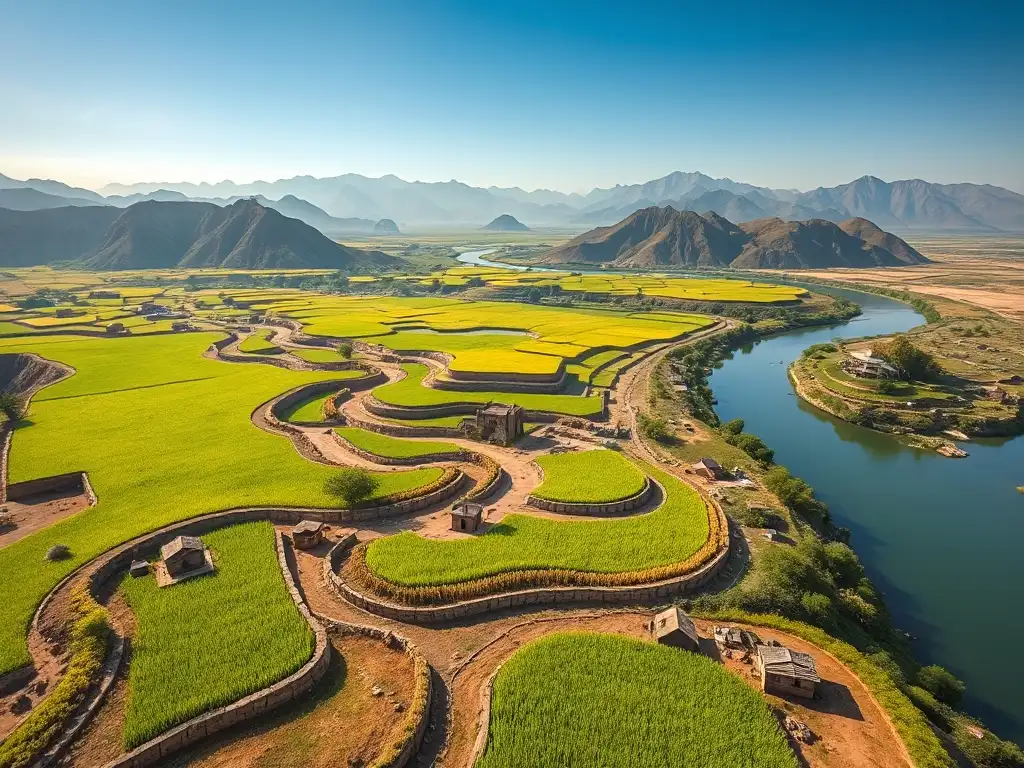
Welcome to Ancient India History, where we embark on an enlightening journey through the rich tapestry of India's past! Dive deep into the remarkable story of the Indus Valley Civilization, a beacon of innovation and sustainability. In this article, we unravel how these ancient pioneers laid the groundwork for sustainable agricultural practices that resonate even today.
Prepare to be captivated as we explore the ingenious techniques and technologies that not only nourished their civilization but also set the stage for future generations. Join us in uncovering the secrets of a society that thrived in harmony with nature—your adventure into the past begins now!
- Introduction to Indus Valley Civilization and Sustainable Agriculture
- The Geographic Context of the Indus Valley
- Key Features of Indus Valley Sustainable Agriculture Practices
- Innovations in Agricultural Tools and Techniques
- Community and Social Structure Supporting Agriculture
- Comparison with Other Ancient Agricultural Practices
- Legacy of Indus Valley Sustainable Agriculture Practices
- Conclusion
-
Frequently Asked Questions
- What were the sustainable agriculture practices in the Indus Valley Civilization?
- How did the Indus Valley contribute to modern agriculture?
- What crops were primarily cultivated in the Indus Valley Civilization?
- How did the geography of the Indus Valley influence its agricultural practices?
- What role did trade play in the agricultural success of the Indus Valley?
- Final Reflection: Embracing the Legacy of Indus Valley Sustainable Agriculture Practices
- Embrace Sustainable Practices Inspired by Ancient Wisdom!
Introduction to Indus Valley Civilization and Sustainable Agriculture
The Indus Valley Civilization, one of the world's earliest urban cultures, flourished around 2500 BCE in what is now Pakistan and northwest India. Renowned for its advanced urban planning, sophisticated art, and extensive trade networks, this civilization also made significant strides in agricultural practices that remain relevant today.
The concept of sustainable agriculture—the practice of farming in a way that meets current needs without compromising future generations—was deeply embedded in the agricultural systems of the Indus Valley. This article delves into how the Indus Valley Civilization pioneered sustainable agricultural practices, emphasizing the innovative techniques that ensured food security and ecological balance long before modern concepts of sustainability emerged.
Overview of the Indus Valley Civilization
The Indus Valley Civilization, also known as the Harappan Civilization, existed around 3300 to 1300 BCE and is characterized by its remarkable urban centers such as Harappa and Mohenjo-Daro. Spanning across a vast region, it covered parts of modern-day Pakistan, India, and Afghanistan. The civilization is noted for its:
- Advanced city planning: Streets laid out in grid patterns and sophisticated drainage systems.
- Trade networks: Extensive commerce with neighboring regions, including Mesopotamia.
- Cultural achievements: Notable craftsmanship in pottery, textiles, and metallurgy.
Agriculture was the backbone of this civilization, supporting its urban centers and enabling a complex society to thrive. The people of the Indus Valley cultivated a variety of crops, including wheat, barley, and pulses, utilizing innovative methods that reflected a deep understanding of their environment.
Importance of Agricultural Practices in Ancient Civilizations
Agricultural practices were crucial to the development and sustainability of ancient civilizations. They not only provided the necessary food supplies but also facilitated social organization, economic growth, and technological advancements. In the context of the Indus Valley Civilization:
- Food Security: The ability to produce surplus crops allowed for population growth and the establishment of urban centers.
- Social Structure: Agriculture contributed to the stratification of society, with different roles emerging within the community, from farmers to artisans and traders.
- Technological Innovation: Techniques such as irrigation, crop rotation, and soil management were developed to enhance productivity and sustainability.
These practices laid the groundwork for later agricultural innovations in India and beyond, demonstrating the crucial role of agriculture in the rise and sustainability of complex societies.
Introduction to Sustainable Agriculture Concepts
Sustainable agriculture encompasses a range of practices designed to maintain the health of the environment, economy, and community. The Indus Valley Civilization exemplified many concepts of sustainable agriculture, including:
- Crop Diversity: Cultivating a variety of crops to enhance soil health and reduce pest outbreaks.
- Water Management: Implementing irrigation systems that efficiently utilized water resources, crucial in the semi-arid climate of the region.
- Soil Conservation: Techniques to prevent soil erosion and degradation, ensuring long-term fertility.
These practices were not only innovative for their time but also resonate with modern sustainable agricultural principles. By examining the Indus Valley's approach to agriculture, we can gain valuable insights into how ancient societies balanced their needs with ecological considerations, a lesson that remains profoundly relevant in contemporary discussions about sustainable farming.
The Geographic Context of the Indus Valley
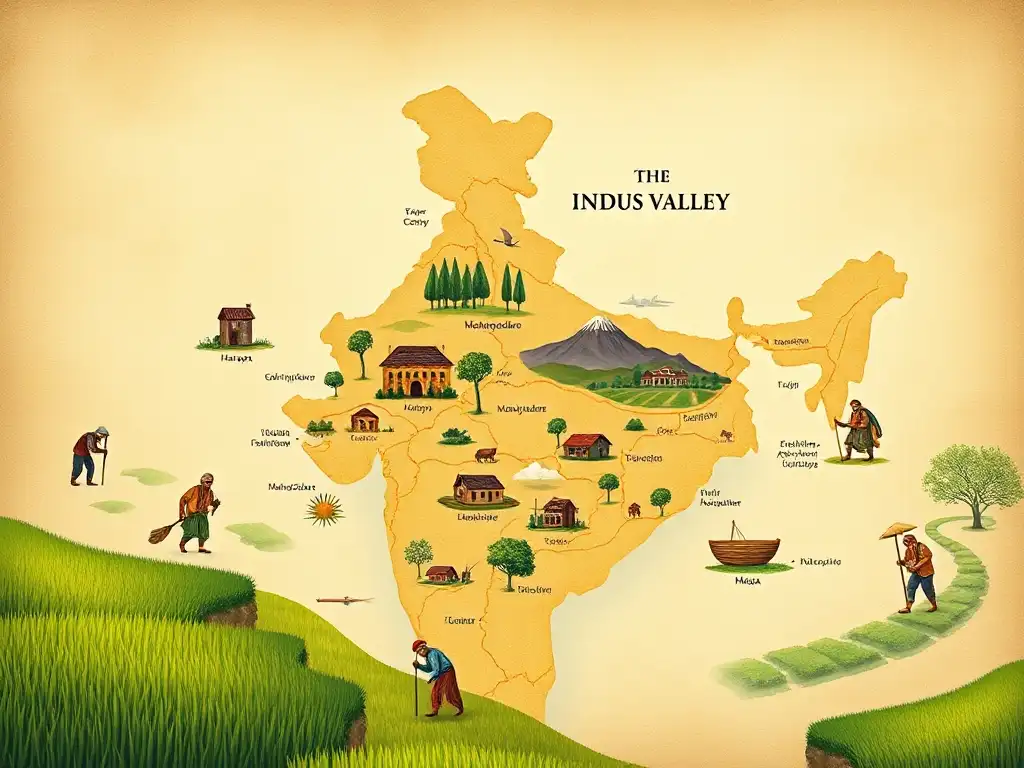
The Indus Valley Civilization (IVC), flourishing around 3300 to 1300 BCE, was situated in a region that now encompasses parts of modern-day Pakistan and northwest India. This geographic context played a pivotal role in shaping the agricultural practices that made the civilization one of the earliest and most advanced in sustainable agriculture.
Climate and Topography
The climate of the Indus Valley is characterized by a semi-arid to arid environment, with a significant variation in temperature and seasonal rainfall. The region experiences:
- Hot summers reaching up to 50°C (122°F).
- Mild winters with temperatures dropping to around 0°C (32°F).
- Monsoon rains typically between June and September, providing the bulk of the annual precipitation.
This climatic variability necessitated the development of innovative agricultural techniques to manage water effectively. The topography of the region includes fertile plains, river valleys, and surrounding hills, which contributed to the agricultural richness of the IVC. The residents engaged in extensive planning, utilizing the natural landscape to enhance agricultural productivity.
River Systems and Their Role in Agriculture
The Indus River and its tributaries were crucial to the agricultural success of the Indus Valley civilization. These river systems provided:
- Irrigation: The civilization developed an intricate network of canals and irrigation systems, allowing them to divert river water to their fields. This method ensured a consistent water supply for crops, particularly in the dry season.
- Floodplain Fertility: Seasonal flooding deposited nutrient-rich silt on the floodplains, enhancing soil fertility. The IVC inhabitants harnessed this natural process, strategically planting crops in the most fertile areas.
- Crop Diversity: The availability of water from the rivers enabled the cultivation of various crops, including wheat, barley, peas, and cotton, showcasing the civilization's advanced agricultural knowledge.
Through careful management of these river systems, the Indus Valley Civilization showcased exemplary practices in sustainable agriculture, ensuring food security for a rapidly growing population.
Soil Fertility and Agricultural Potential
Soil fertility was a cornerstone of the agricultural practices in the Indus Valley. The region benefited from:
- Alluvial Soil: The Indus River's annual flooding deposited alluvial soil, rich in minerals essential for plant growth. This type of soil is known for its high fertility and ability to retain moisture, making it ideal for farming.
- Crop Rotation and Sustainable Practices: The IVC farmers practiced crop rotation, allowing the soil to recover and maintain its nutrient levels. This method not only optimized yields but also reduced the dependency on artificial fertilizers.
- Use of Organic Fertilizers: Archaeological evidence suggests that the IVC utilized organic materials, such as animal dung and plant residues, to enhance soil fertility. This practice contributed to the long-term viability of their agricultural systems.
The combination of fertile soil, innovative irrigation techniques, and sustainable farming practices allowed the Indus Valley Civilization to thrive agriculturally. This approach not only supported their immediate needs but also laid the groundwork for future agricultural innovations in the region.
Key Features of Indus Valley Sustainable Agriculture Practices
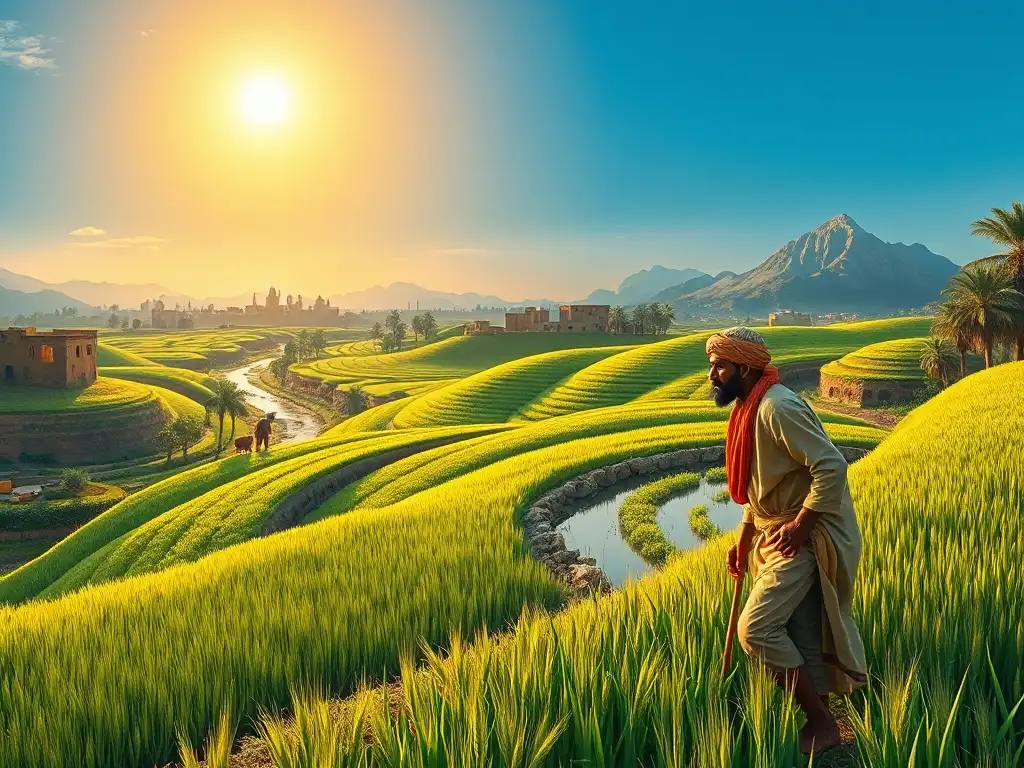
Crop Diversification and Selection
The Indus Valley Civilization (IVC) is renowned for its sophisticated agricultural practices, which included crop diversification as a key feature of their sustainable agriculture. By cultivating a variety of crops, the IVC farmers not only maximized their yields but also minimized the risk of crop failure due to pests, diseases, or adverse weather conditions.
- Major Crops: The primary crops grown included wheat, barley, peas, and cotton.
- Leguminous Plants: The integration of leguminous plants helped in natural nitrogen fixation, enriching the soil and reducing the need for chemical fertilizers.
This strategic selection of crops allowed for a more resilient agricultural system, ensuring food security and sustainability in an era when agricultural practices were still in early development.
Use of Irrigation Techniques
Irrigation was a cornerstone of the sustainable agriculture practices employed by the Indus Valley Civilization. Their advanced irrigation techniques facilitated the effective use of water resources, which was critical in a region that experienced varying rainfall patterns.
- Canal Systems: The construction of a network of canals allowed for the controlled distribution of water to fields, optimizing water usage.
- Wells and Reservoirs: The IVC also developed wells and reservoirs to store water during dry periods, demonstrating foresight and planning in water management.
These techniques not only enhanced crop productivity but also illustrated the civilization's commitment to sustainability by ensuring that water resources were managed wisely and efficiently.
Terracing and Land Management Strategies
The IVC employed innovative land management strategies such as terracing to combat soil erosion and maximize arable land in varying topographies.
- Terracing: This practice involved creating stepped levels on hilly terrain, allowing for better water retention and reducing runoff.
- Soil Fertility Management: Farmers practiced crop rotation and fallow periods, which contributed to soil health and fertility, ensuring that the land remained productive over the long term.
These strategies reflect a deep understanding of ecological principles, showcasing how the IVC's sustainable agriculture practices were not just about immediate gains but also about long-term resource management.
The Indus Valley sustainable agriculture practices were characterized by their innovative approaches to crop diversification, advanced irrigation techniques, and effective land management strategies, all of which contributed to the sustainability and resilience of their agricultural systems.
Innovations in Agricultural Tools and Techniques
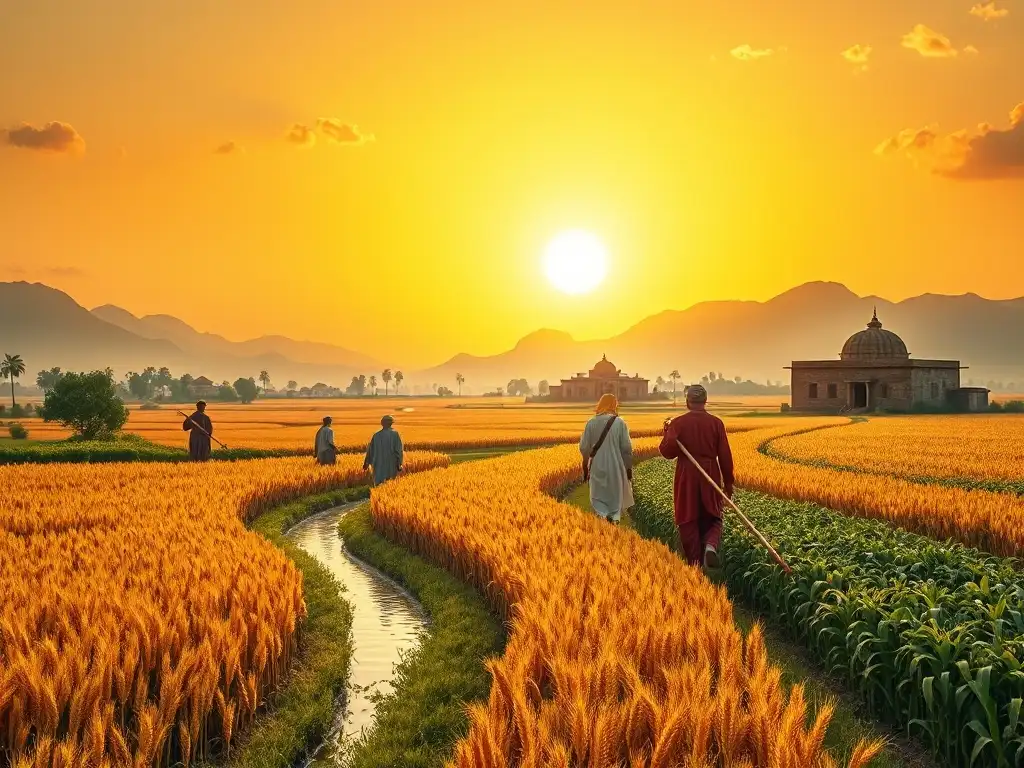
The Indus Valley Civilization, flourishing between approximately 3300 BCE and 1300 BCE, is renowned not only for its urban planning and architecture but also for its advanced agricultural practices. The civilization's ability to cultivate diverse crops and manage resources efficiently laid the groundwork for sustainable agriculture, making significant contributions that resonate even today. This section delves into the innovative tools and techniques pioneered by the Indus Valley inhabitants, which were integral to their agricultural success.
Development of Plows and Farming Implements
The Indus Valley farmers utilized various agricultural tools that greatly enhanced their efficiency and productivity. One of the most significant innovations was the development of the plow.
- Construction: Early plows were made from sturdy wood and often featured a pointed end that could easily penetrate the soil. By combining this with a yoke to harness animal power, farmers could till larger fields with less labor.
- Impact on Agriculture: The introduction of the plow allowed for deeper soil turnover, which improved aeration and nutrient distribution, leading to increased crop yields. Archaeological evidence suggests that plowed fields were common in the Indus Valley, demonstrating a sophisticated understanding of land use.
These advancements in farming implements not only facilitated the cultivation of staple crops like wheat and barley but also enabled the introduction of new crops into their agricultural repertoire, contributing to a diverse diet and sustainable food sources.
Storage Solutions and Grain Management
Effective grain storage was crucial for the sustenance of the Indus Valley population, particularly in managing the seasonal fluctuations in crop yields.
- Granaries: The construction of large, well-ventilated granaries represents one of the most remarkable achievements in grain management. These structures were built with baked bricks and featured elevated platforms to prevent moisture accumulation, which is essential for preserving grains like rice and wheat.
- Techniques: Farmers implemented various methods for storing grains, including:
- Use of Clay Pots: Large clay pots were often used to store smaller quantities of grains, protecting them from pests and environmental damage.
- Aeration Practices: Ventilation systems in granaries helped regulate temperature and humidity, minimizing spoilage.
These effective storage solutions not only ensured food security during lean seasons but also facilitated trade, as surplus grains could be stored and exchanged with neighboring regions, thus enhancing the economy of the civilization.
Crop Rotation and Soil Enrichment Practices
The Indus Valley Civilization demonstrated a keen awareness of the need for sustainable agricultural practices through crop rotation and soil enrichment techniques.
- Crop Rotation: Farmers practiced crop rotation to maintain soil fertility and reduce pest infestations. By alternating crops, such as legumes with cereals, the soil was enriched with nitrogen, a vital nutrient for plant growth. This practice helped to sustain agricultural productivity over time.
- Organic Fertilizers: Evidence suggests that the Indus Valley inhabitants utilized organic fertilizers, such as animal manure, to enhance soil fertility. This not only improved crop yields but also contributed to the maintenance of soil health.
- Irrigation Techniques: The civilization's extensive irrigation systems, including canals and wells, played a crucial role in sustaining agriculture. These systems allowed for controlled water supply, particularly in arid regions, ensuring optimal growth conditions for crops.
The implementation of these practices highlights the Indus Valley Civilization's commitment to sustainable agriculture, ensuring that their farming methods could support a growing population while preserving the environment for future generations.
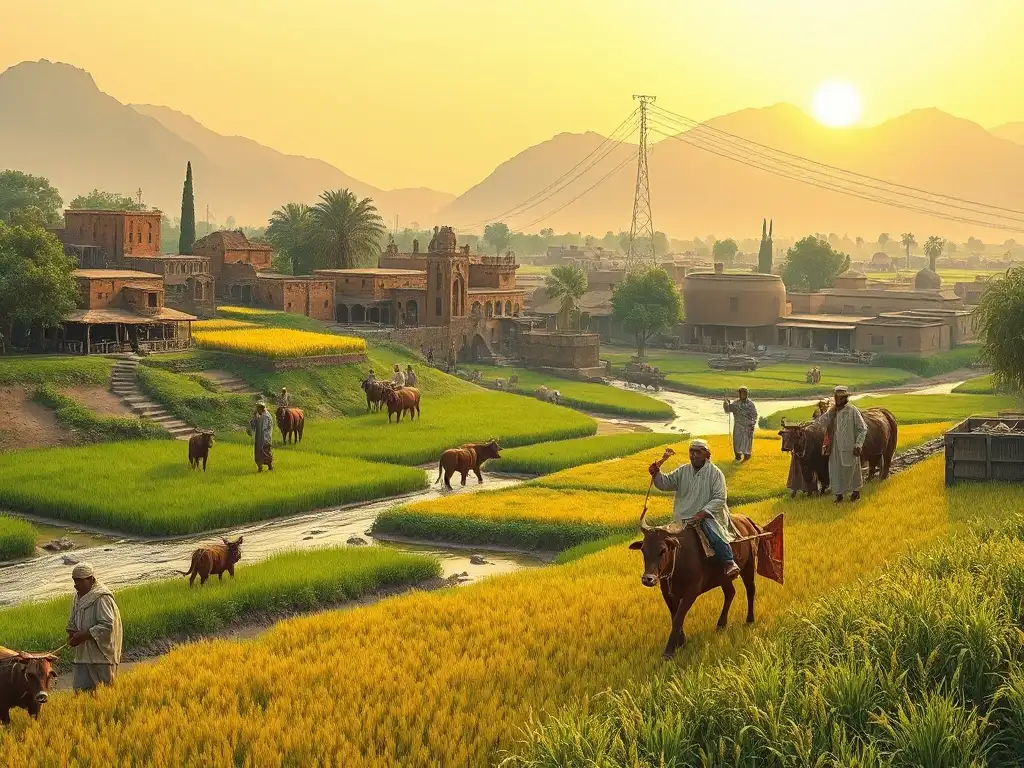
The Indus Valley Civilization, known for its advanced urban planning and sophisticated society, had a social structure that significantly supported its agricultural practices. The community was organized in a way that agriculture was not merely an individual endeavor but a collective effort that enhanced productivity and sustainability.
Role of Agriculture in Indus Valley Society
Agriculture was the backbone of the Indus Valley economy, influencing social hierarchies and community structures. The fertile plains along the Indus River provided ideal conditions for growing staple crops such as wheat, barley, and pulses. The availability of these resources led to:
- Food Security: A stable food supply allowed populations to grow, fostering the development of large urban centers like Mohenjo-Daro and Harappa. This growth was vital for sustaining a diverse community.
- Social Stratification: The surplus production of food enabled the emergence of different social classes. Wealthier individuals could accumulate resources, while laborers and farmers formed the backbone of the agricultural workforce.
- Cultural Practices: Agriculture influenced religious and cultural practices, with many rituals and festivals revolving around planting and harvest cycles. The reverence for fertility and nature can be seen in various archaeological findings, including figurines and seals.
Collaboration and Community Farming Practices
The agricultural success of the Indus Valley Civilization can be attributed to collaborative practices and community-oriented farming techniques. Some key aspects include:
- Irrigation Systems: The development of sophisticated irrigation systems allowed for the efficient distribution of water from rivers to fields. This ensured that agricultural activities could thrive even during dry seasons.
- Collective Farming: Communities often worked together in farming activities, sharing labor and resources. This collaboration not only increased efficiency but also strengthened social bonds within the community.
- Crop Rotation and Diversity: Farmers practiced crop rotation, planting different crops in succession to maintain soil fertility and reduce pest infestations. This sustainable approach ensured a continuous supply of food and minimized the risk of crop failures.
Trade and Economic Impact of Agricultural Innovations
The agricultural innovations of the Indus Valley Civilization had profound implications for trade and the economy. The surplus production of crops led to:
- Trade Networks: The Indus Valley engaged in extensive trade with neighboring regions, exchanging surplus agricultural products for goods such as copper, ivory, and textiles. This trade network contributed to the civilization's wealth and cultural exchange.
- Market Development: The rise of agricultural surplus fostered the establishment of markets and trade centers within cities. These hubs became essential for economic activities, facilitating the exchange of not only food but also crafts and goods.
- Economic Specialization: With agriculture providing a stable food supply, individuals could specialize in various trades and crafts, leading to advancements in technology and art. This specialization was pivotal in the overall growth of the civilization.
The Indus Valley Civilization's sustainable agricultural practices were deeply intertwined with its community and social structure. By fostering collaboration and reaping the economic benefits of innovation, this ancient society laid the groundwork for agricultural sustainability that would influence future civilizations.
Comparison with Other Ancient Agricultural Practices
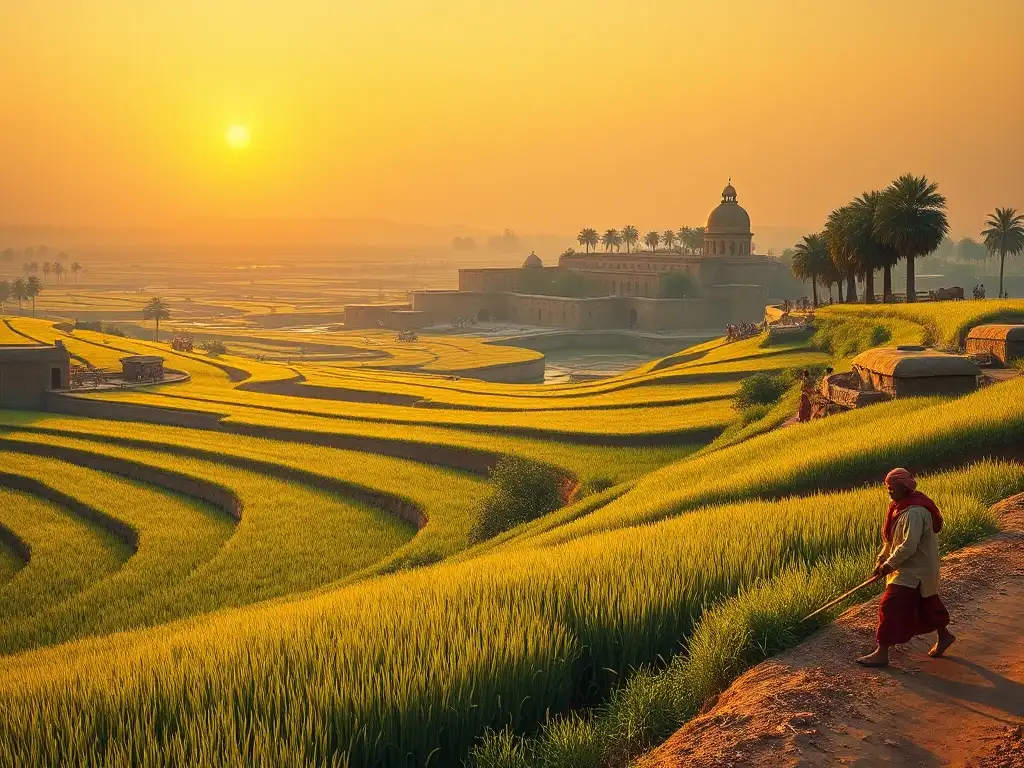
Indus Valley vs. Mesopotamian Agriculture
The agricultural practices of the Indus Valley Civilization (IVC) and Mesopotamia, while both pioneering in their own right, showcased distinct approaches to sustainability and resource management. The Indus Valley, flourishing between 3300 and 1300 BCE, was characterized by its innovative use of irrigation and crop rotation, which significantly contributed to its sustainable agricultural practices.
- Irrigation Techniques: The IVC utilized a sophisticated system of canals and wells to manage water supply, allowing for efficient irrigation even during dry seasons. In contrast, Mesopotamian agriculture heavily relied on the unpredictable flooding of the Tigris and Euphrates rivers, leading to both fertile soil and potential crop failures.
- Crop Diversity: The Indus Valley farmers practiced a diverse form of agriculture, cultivating a variety of crops such as wheat, barley, peas, and cotton. This not only ensured dietary diversity but also reduced the risk of total crop failure. Mesopotamian farmers, however, primarily focused on a few staple crops, which made them more vulnerable to pests and disease.
- Soil Management: The IVC showcased advanced soil management techniques, including the use of organic fertilizers derived from plant and animal waste, to enhance soil fertility. Conversely, Mesopotamian agriculture often led to soil salinization, as irrigation without proper drainage resulted in salt accumulation.
Sustainable Practices in Ancient China
In comparison to the Indus Valley, ancient Chinese agricultural practices, particularly during the Zhou Dynasty (1046-256 BCE), demonstrated a strong focus on sustainability through several innovative techniques.
- Terracing: The Chinese utilized terracing on hilly terrain to minimize soil erosion and maximize arable land, a practice that was less common in the IVC. This method allowed for effective water management and crop cultivation in challenging environments.
- Crop Rotation and Intercropping: Similar to the IVC, ancient China also employed crop rotation and intercropping to maintain soil health and enhance biodiversity. For instance, planting legumes alongside grains improved nitrogen levels in the soil, a technique that mirrors the IVC's agricultural practices.
- Integration of Animal Husbandry: The Chinese incorporated livestock into their farming systems, using manure as fertilizer and allowing animals to graze on crop residues. This symbiotic relationship between crops and livestock was a hallmark of sustainable agriculture, paralleling the practices seen in the IVC.
Lessons from Indus Valley for Modern Sustainable Agriculture
The agricultural innovations of the Indus Valley Civilization offer valuable insights for modern sustainable agriculture in several key areas:
- Water Management: The IVC’s advanced irrigation systems highlight the importance of efficient water usage. Modern agriculture can benefit from similar methods, such as drip irrigation and rainwater harvesting, to conserve water resources.
- Biodiversity: The practice of cultivating multiple crops can significantly enhance resilience against pests and climate variability. Modern agricultural policies should encourage crop diversification, reminiscent of the IVC practices, to promote ecological balance.
- Soil Health: The use of organic fertilizers and soil enrichment techniques from the IVC serves as a model for current sustainable practices. Implementing composting and organic farming can help restore soil health and reduce reliance on chemical fertilizers.
- Community-Based Approaches: The collaborative nature of farming in the Indus Valley emphasized community involvement in agricultural practices. This approach can inspire modern initiatives that foster cooperative farming and local food systems, enhancing food security and sustainability.
The Indus Valley sustainable agriculture practices not only contributed to the civilization's prosperity but also provide timeless lessons that can be adapted to contemporary agricultural challenges.
Legacy of Indus Valley Sustainable Agriculture Practices
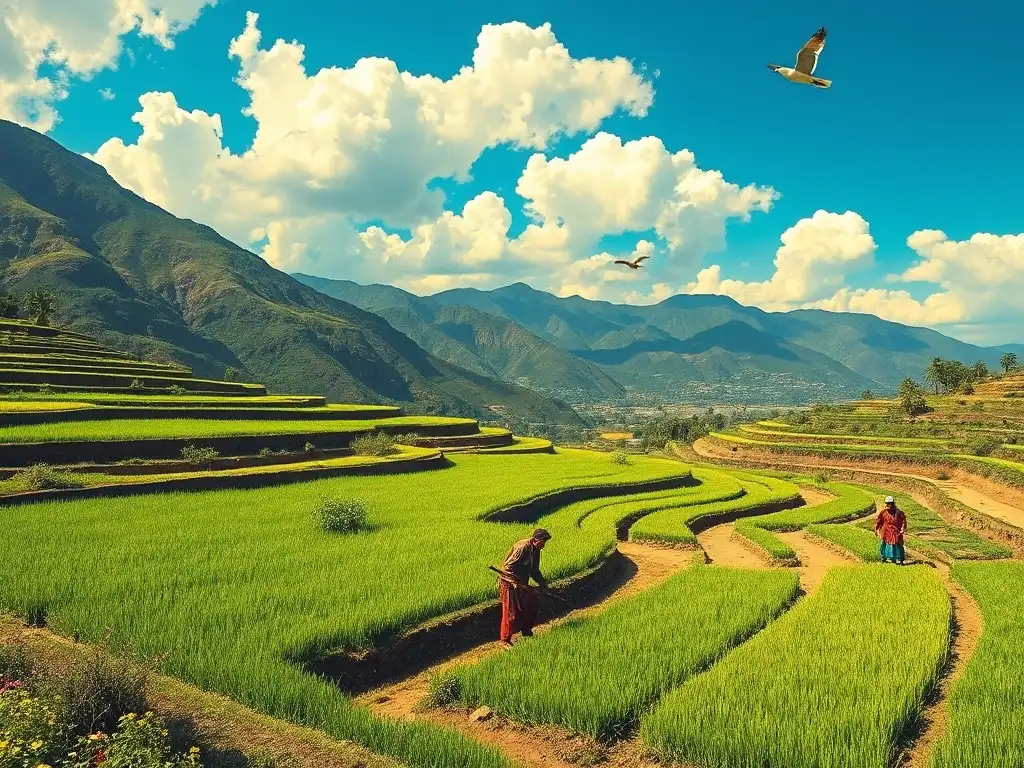
The Indus Valley Civilization (IVC), flourishing from approximately 3300 to 1300 BCE, is renowned for its advanced urban planning and social organization. One of the most significant aspects of this civilization was its innovative approach to sustainable agriculture practices, which laid the groundwork for future agricultural developments in the region. The legacy of these practices can be observed in various aspects of subsequent Indian civilizations, their adaptation of agriculture, and the intricate relationship these societies maintained with their environment.
Influence on Subsequent Indian Civilizations
The agricultural techniques pioneered by the Indus Valley Civilization had a profound influence on later Indian civilizations. The IVC introduced several sustainable practices that emphasized the efficient use of natural resources, crop rotation, and irrigation management. These methods were not only crucial for food production but also for maintaining soil fertility.
- Crop Diversity: The Indus Valley farmers cultivated a wide variety of crops, including wheat, barley, peas, and cotton. This diversity helped in ensuring food security and reducing dependency on a single crop, a principle that subsequent civilizations, including the Vedic society, adopted.
- Irrigation Systems: The sophisticated drainage and irrigation systems developed by the IVC were instrumental in supporting agriculture in the arid regions of India. These systems were refined and expanded upon by later cultures, enhancing agricultural productivity and resilience against climatic variations.
- Farming Techniques: Techniques such as plowing with wooden plows and the use of fertilizers derived from organic materials were adopted by subsequent civilizations. This knowledge transfer played a significant role in shaping the agricultural landscape of ancient India.
The innovative agricultural practices of the Indus Valley Civilization served as a foundation upon which later Indian societies built their agricultural systems, ensuring continuity and adaptability in agricultural methodologies.
Modern Relevance of Ancient Agricultural Techniques
The sustainable agricultural practices of the Indus Valley Civilization are increasingly relevant today, especially in the context of modern agriculture's challenges such as climate change, soil degradation, and water scarcity. By analyzing these ancient techniques, contemporary agriculturalists can derive valuable insights into sustainable practices.
- Water Management: The IVC's sophisticated water conservation methods, including rainwater harvesting and canal systems, offer lessons for modern irrigation strategies. Adopting similar principles can help address current water scarcity issues in agriculture.
- Organic Farming: The reliance on natural fertilizers and crop rotation practiced by the IVC aligns with today's emphasis on organic farming. These methods not only enhance soil health but also contribute to biodiversity, a critical aspect of sustainable agriculture.
- Agroecology: The principles of agroecology resonate with the Indus Valley's integrated farming practices, where diverse crops were cultivated alongside livestock. This holistic approach can foster resilience in agricultural systems, making them more adaptable to environmental changes.
By revisiting the agricultural innovations of the Indus Valley Civilization, modern farmers and policymakers can draw inspiration for developing sustainable agricultural systems that are ecologically sound and economically viable.
Preservation of Agricultural Heritage
The preservation of the agricultural heritage established by the Indus Valley Civilization is crucial for current and future generations. This heritage encapsulates not only the techniques and practices but also the underlying philosophies of living in harmony with nature.
- Cultural Significance: The agricultural practices of the IVC are deeply intertwined with the cultural identity of later Indian societies. Preserving this heritage contributes to maintaining a connection with the past and fosters a sense of pride in regional agricultural traditions.
- Sustainable Practices in Education: Integrating the lessons learned from Indus Valley agriculture into educational curricula can raise awareness about sustainable practices. By teaching the importance of biodiversity, soil health, and water conservation, future generations can be better equipped to face agricultural challenges.
- Community Initiatives: Engaging local communities in preserving traditional agricultural knowledge can lead to the revival of sustainable practices. Community-based projects focusing on traditional farming techniques can enhance food security while promoting biodiversity.
The legacy of Indus Valley sustainable agriculture practices not only shaped the agricultural landscape of ancient India but also holds valuable lessons for modern agricultural practices. By understanding and preserving this heritage, we can cultivate a more sustainable future rooted in the wisdom of our ancestors.
Conclusion
Summary of Indus Valley Sustainable Agriculture Practices
The Indus Valley Civilization, which thrived between 2600 and 1900 BCE, showcased remarkable ingenuity in its agricultural practices, laying the groundwork for sustainable agriculture long before modern methods emerged. Key aspects of Indus Valley sustainable agriculture practices include:
- Crop Rotation: This practice helped maintain soil fertility and reduced the risk of crop failure. Evidence suggests that the Indus Valley farmers rotated various crops, including wheat, barley, and legumes, to optimize land use and enhance yields.
- Irrigation Systems: Advanced irrigation methods, such as canals and wells, were developed to manage water resources effectively. The civilization's ability to harness river systems for irrigation allowed them to cultivate larger areas, even in arid conditions.
- Terracing: The use of terraced fields in hilly areas minimized soil erosion and maximized arable land. This technique not only preserved soil quality but also promoted water conservation.
- Organic Fertilizers: The Indus Valley inhabitants utilized organic materials, such as compost and animal manure, to enrich soil nutrient content. This practice ensured healthier crops while maintaining ecological balance.
These practices reflect a profound understanding of ecological principles, emphasizing the importance of sustainability long before the term became commonplace.
The Significance of Learning from Ancient Innovations
The sustainable agricultural practices of the Indus Valley Civilization offer invaluable lessons for contemporary society grappling with the challenges of food security, climate change, and environmental degradation. By studying ancient methods, modern agricultural strategies can be enhanced with eco-friendly approaches that prioritize sustainability. Key insights include:
- Integration of Technology and Nature: The Indus Valley's innovative irrigation and crop management systems highlight the synergy between technological advancement and natural resource management. This integration is crucial in developing modern techniques that minimize resource depletion.
- Biodiversity Promotion: The diverse crop rotation strategies practiced by the Indus farmers underscore the importance of biodiversity in agriculture. Promoting a variety of crops can enhance resilience against pests and diseases, contributing to food security.
- Community-Based Practices: The cooperative nature of agricultural practices in the Indus Valley emphasizes the role of community in sustainable farming. Modern agricultural initiatives can benefit from community engagement and collective resource management.
By embracing these ancient practices, we can foster a more sustainable agricultural future that honors both tradition and innovation.
Future Directions in Sustainable Agriculture Inspired by the Indus Valley
As we look to the future, the principles and practices of the Indus Valley Civilization can guide us toward more sustainable agricultural systems. Potential directions include:
- Revisiting Traditional Techniques: Reviving ancient methods such as organic farming and natural pest control can reduce reliance on synthetic fertilizers and pesticides, promoting healthier ecosystems.
- Implementing Smart Irrigation Solutions: Drawing inspiration from the sophisticated irrigation systems of the Indus Valley, modern technology can create smart irrigation solutions that optimize water usage and minimize waste.
- Encouraging Agroecological Practices: Emphasizing agroecology—integrating ecological principles into farming—can lead to more resilient agricultural systems. This approach mirrors the holistic strategies employed by the Indus Valley farmers.
- Research and Education: Investing in research to understand ancient agricultural practices and educating current farmers about these methods can bridge the gap between historical wisdom and modern agriculture.
By leveraging the insights gained from the Indus Valley Civilization, we can build a sustainable agricultural future that not only meets the needs of a growing population but also preserves the environment for generations to come.
Frequently Asked Questions
What were the sustainable agriculture practices in the Indus Valley Civilization?
The Indus Valley Civilization utilized advanced irrigation systems, crop rotation, and soil management techniques to enhance agricultural productivity while preserving the environment.
How did the Indus Valley contribute to modern agriculture?
The innovative practices of the Indus Valley, such as the use of monsoon cycles for planting and harvesting, laid a foundation for sustainable farming methods still relevant today.
What crops were primarily cultivated in the Indus Valley Civilization?
Major crops included wheat, barley, peas, and cotton, which were grown using sustainable methods that minimized soil depletion and maximized yield.
How did the geography of the Indus Valley influence its agricultural practices?
The fertile plains of the Indus River supported irrigation and agriculture, while the climate and seasonal floods contributed to the success of their sustainable farming techniques.
What role did trade play in the agricultural success of the Indus Valley?
The Indus Valley Civilization engaged in trade with neighboring regions, allowing them to exchange agricultural goods and acquire new techniques, which further promoted sustainable practices.
Final Reflection: Embracing the Legacy of Indus Valley Sustainable Agriculture Practices
The Indus Valley Civilization's innovative agricultural techniques are not just relics of the past; they are a beacon of hope for our present and future. As we grapple with the pressing challenges of climate change and food security, the sustainable practices pioneered by this ancient civilization remind us that harmony with nature is not only possible but essential. Their methods of water management, crop rotation, and soil preservation serve as a blueprint for modern agricultural sustainability, urging us to rethink our relationship with the land.
The enduring influence of the Indus Valley's agricultural wisdom is evident in contemporary discussions about sustainability and environmental stewardship. Today, as we face the consequences of industrial farming and environmental degradation, we can draw inspiration from the principles that guided the Indus Valley farmers. Their ability to cultivate fertile lands while respecting ecological balance resonates deeply in our current quest for sustainable solutions. We do not inherit the earth from our ancestors; we borrow it from our children.
This quote encapsulates the urgency of adopting practices that ensure the health of our planet for future generations.
As you reflect on the lessons from the Indus Valley Civilization, consider how you can incorporate sustainable practices into your own life. Whether it's supporting local farmers, reducing waste, or advocating for environmentally friendly policies, every action counts. Let the ingenuity of our ancestors inspire you to be a steward of the earth, fostering a future where agriculture thrives in harmony with nature. Together, we can honor the legacy of the Indus Valley and cultivate a sustainable world for generations to come.
Embrace Sustainable Practices Inspired by Ancient Wisdom!
Thank you for investing your time in exploring the remarkable sustainable agricultural practices of the Indus Valley Civilization. By uncovering their methods, you’ve taken a step toward understanding how ancient wisdom can inform our modern approaches to sustainability.
Now, let's put this knowledge into action:
- Implement sustainable gardening techniques in your own backyard, drawing inspiration from ancient practices like crop rotation and organic methods!
- Share your insights with friends or on social media to inspire others about the importance of sustainable agriculture in today’s world.
- Visit local farmers' markets to support sustainable farming in your community and connect with those who prioritize eco-friendly practices.
How will you incorporate sustainable practices into your life today, and what steps will you take to inspire those around you?