
The Significance of Women in Ancient Indian Family Structures

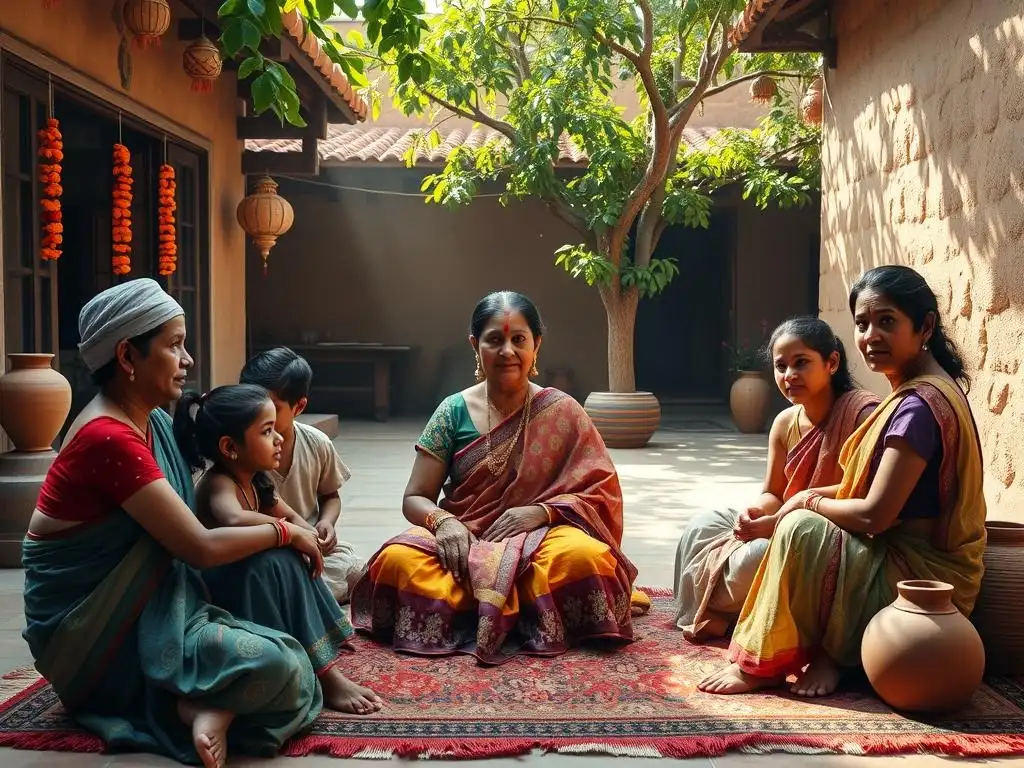
Welcome to Ancient India History, where we embark on a captivating journey through the rich tapestry of ancient Indian civilizations. In this exploration, we delve into the often-overlooked yet vital roles of women in ancient Indian family structures. Our main article, "The Significance of Women in Ancient Indian Family Structures," sheds light on how these remarkable women shaped their families and, by extension, the entire society.
Prepare to uncover stories of strength, resilience, and influence that will spark your curiosity and deepen your understanding of this fascinating era. Join us as we unravel the intricate layers of women's contributions and their profound impact on the cultural legacy of Ancient India.
Introduction to Women in Ancient Indian Families
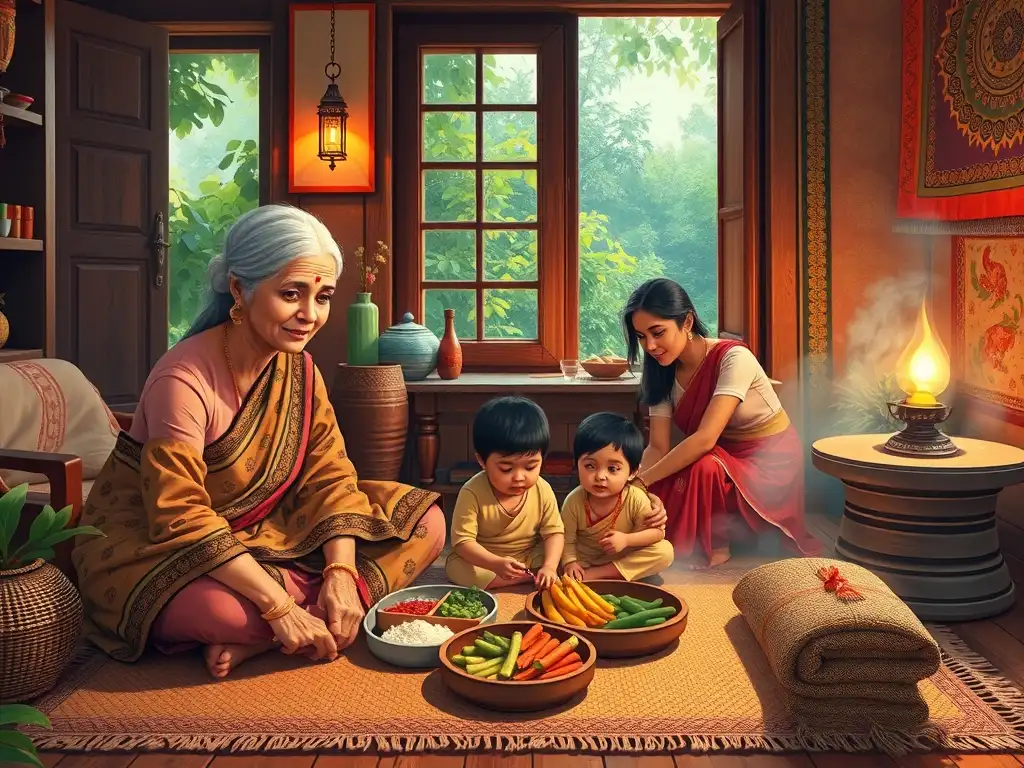
The role of women in ancient Indian families is a fascinating and complex subject that reflects the broader social, cultural, and economic dynamics of the time. Women were not merely passive members of their households; rather, they played significant roles that influenced family life, social structures, and even the economy. Understanding their contributions allows us to appreciate the multifaceted nature of ancient Indian society and the vital position women occupied within it.
Throughout history, women in ancient India were engaged in a variety of activities, from managing household affairs to participating in religious practices and sustaining cultural traditions. Their roles were often defined by the prevailing family structure, which can be categorized into various systems, such as patrilineal and matrilineal setups. The significance of women in these contexts often varied, but their influence was undeniably profound.
This article aims to delve into the intricate roles of women in ancient Indian families, exploring how their contributions shaped family dynamics and societal norms. By examining the historical context and the evolution of family systems, we can gain insights into the status and significance of women in ancient India.
Historical Context of Family Structures in Ancient India
The family structures in ancient India were diverse and evolved over time, influenced by various factors such as religion, culture, and regional practices. Understanding this historical context is essential to grasp the significance of women's roles within these families. Ancient Indian society was predominantly patriarchal, where lineage and inheritance were traced through male members. However, this does not negate the important roles that women played.
Key aspects of family structures included:
- Patrilineal Systems: In many communities, family lineage was traced through the male line, and women were often viewed as caregivers and homemakers. Their primary responsibilities included raising children, managing household resources, and maintaining cultural practices.
- Matrilineal Systems: In contrast, certain regions, such as parts of Kerala and Meghalaya, practiced matrilineal systems where inheritance and lineage were traced through women. In these societies, women enjoyed a degree of autonomy and had significant control over property and familial decisions.
- Joint Families: The joint family system was prevalent, where extended families lived together. Women in these families played crucial roles in maintaining harmony and managing the household, often acting as mediators in conflicts.
- Nuclear Families: With time, the nuclear family setup became more common, particularly in urban areas. Women in nuclear families faced new challenges and opportunities, balancing traditional roles with emerging modern expectations.
Evolution of Family Systems
The evolution of family systems in ancient India reflects significant changes in societal norms and values. Over the centuries, family structures adapted to accommodate various social changes, including economic shifts and the influence of religious practices.
- Vedic Period: During the Vedic period, women were respected and had rights to education and property. They participated in rituals and were considered vital to family welfare.
- Post-Vedic Period: As society transitioned into the post-Vedic period, women's roles began to shift. While they continued to be integral to family life, the emergence of more rigid patriarchal norms started to restrict their freedoms.
- Medieval and Early Modern Periods: The medieval period saw the rise of various regional kingdoms, each with its own cultural practices impacting women's roles. During this time, women often found themselves caught between tradition and the new socio-political realities.
- Colonial Influence: The British colonial era brought further changes in family structures, leading to debates about women's rights and roles in society, which laid the groundwork for future reform movements.
By examining these evolutionary phases, we can appreciate the significant yet often overlooked contributions of women in ancient Indian family structures. Their roles were not static but evolved with changing societal dynamics, making them essential players in the tapestry of ancient Indian civilization.
Roles of Women in Ancient Indian Families
Women in ancient Indian families held multifaceted roles that were integral to the structure and functioning of society. Their responsibilities spanned various domains, from nurturing children to contributing economically, thus establishing a balanced family dynamic. This versatility in roles underscores the significance of women in sustaining both family units and the broader community.
In the context of ancient Indian families, women's roles were often defined by cultural norms and practices, yet they also had the agency to influence their surroundings. The reverence for women in familial settings is often reflected in literature, religious texts, and historical accounts, indicating their pivotal role in shaping the social fabric of ancient India.
Women as Caregivers and Nurturers
Women primarily functioned as caregivers and nurturers within the family structure. Their responsibilities included raising children, managing the household, and ensuring the emotional well-being of family members. This nurturing role was not only confined to biological children but also extended to the overall upbringing of the next generation, where women imparted values, traditions, and cultural practices.
- Child Rearing: Women played a critical role in child-rearing, often being the primary educators in early childhood development. They instilled moral values, religious beliefs, and social norms, shaping the future citizens of society.
- Household Management: Women managed daily household tasks, including cooking, cleaning, and organizing family events. This management was crucial for maintaining the family’s social status and cultural identity.
- Emotional Support: Beyond physical caregiving, women provided emotional support, fostering a sense of security and belonging within the family unit.
Women as Economic Contributors
In addition to their caregiving roles, women in ancient Indian families were also essential economic contributors. Their participation in economic activities varied across regions and communities, reflecting the diverse economic landscape of ancient India.
- Agricultural Work: Many women participated in agricultural activities, helping in planting, harvesting, and processing crops. Their labor contributed significantly to the family’s sustenance and economic stability.
- Crafts and Trade: Women were involved in various crafts, such as weaving, pottery, and handicrafts, which were vital for trade. Their skills not only supported the family financially but also enhanced cultural expression through art.
- Market Participation: In some regions, women engaged in market activities, selling goods and contributing to household income. This economic agency illustrates their role in the financial independence of families.
Spiritual and Religious Roles of Women
Women in ancient Indian families also held important spiritual and religious roles, often acting as the custodians of cultural and religious practices. Their involvement in spiritual activities helped in preserving traditions and fostering community bonds.
- Religious Rituals: Women were typically responsible for conducting daily rituals and ceremonies at home, which were essential for maintaining familial piety and spiritual well-being. Their participation reinforced the family's connection to the divine and their cultural heritage.
- Cultural Transmission: Through storytelling, songs, and oral traditions, women passed down religious teachings and historical narratives, ensuring that cultural knowledge was preserved across generations.
- Participation in Festivals: Women played a vital role in celebrating festivals, which were not only religious in nature but also served to strengthen community ties and family unity.
Women’s Rights and Status in Ancient Indian Families
While women in ancient Indian families held significant roles, their rights and status varied considerably based on social, economic, and religious contexts. Understanding these aspects provides insight into the complexities of women's positions in society.
Legal Rights of Women in Ancient Texts
Ancient texts such as the Manusmriti, Dharmashastras, and various Puranas outline the legal rights of women, albeit with nuances that reflect the patriarchal structures of the time.
- Inheritance Rights: While men were typically favored in inheritance matters, certain texts indicate that women had rights to property, especially in the context of parental inheritance. Daughters were entitled to a share of family assets, although this was often contingent on the family's social status.
- Marriage Rights: Women had rights regarding marriage, including the choice of partners in certain cases. The concept of Swayamvara allowed women to select their husbands from a pool of suitors, showcasing a degree of agency in marital matters.
- Legal Protections: Some ancient texts provided women with legal protections against abuse and mistreatment, illustrating an acknowledgment of their rights within the family structure.
Social Status and Influence of Women
The social status of women in ancient Indian families was influenced by various factors, including caste, class, and regional customs. Their influence, however, was often more pronounced in domestic spheres than in public life.
- Caste and Class Impacts: Women from higher castes often enjoyed more privileges and rights compared to those from lower castes. This disparity affected their access to education, economic opportunities, and social mobility.
- Influence in the Household: Women wielded considerable influence within the household, often making key decisions regarding family matters, finances, and social interactions. Their advisory roles to husbands and sons highlight their significance in familial dynamics.
- Cultural Icons: Prominent women, such as queens and sages, often emerged as cultural icons, influencing societal norms and values. Their stories and contributions were celebrated in literature, reinforcing the idea of women's importance in shaping history.
Women in ancient Indian families played vital roles as caregivers, economic contributors, and spiritual leaders. Their rights and social status, while complex and varied, highlight the significant influence they held within their families and communities. Understanding these roles and contributions enriches our knowledge of ancient Indian society and the pivotal place of women within it.
Challenges Faced by Women in Ancient Indian Families
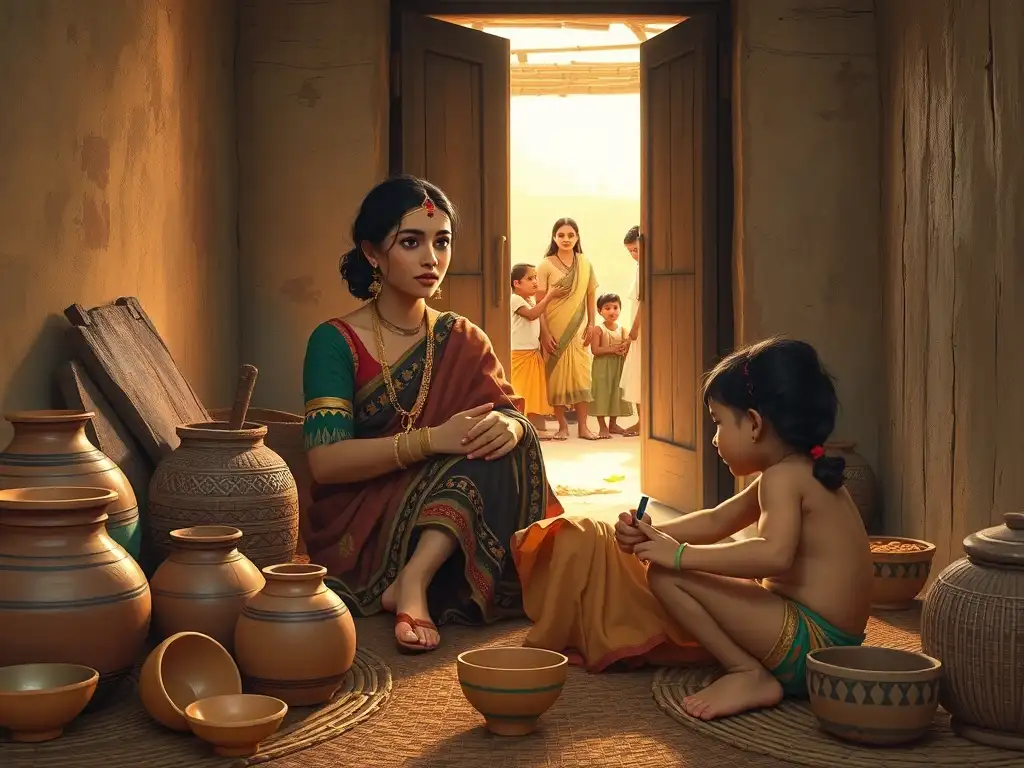
Women in ancient Indian families navigated a complex landscape shaped by societal norms, historical events, and cultural practices. Their roles were often defined by the expectations placed upon them by patriarchal structures, leading to numerous challenges that affected their autonomy and status within the family unit. Understanding these challenges is crucial in appreciating the multifaceted nature of women's contributions to ancient Indian society.
Societal Norms and Expectations
The societal norms in ancient India significantly influenced the roles of women within families. Traditionally, women's primary responsibilities revolved around domestic duties, including child-rearing, cooking, and managing the household. While these roles were valued, they often limited women's opportunities for education and personal development.
In many communities, women were expected to adhere to the ideals of purdah (seclusion) and sati (the practice of a widow self-immolating on her husband's funeral pyre), which further constrained their freedoms. These practices were deeply entrenched in cultural beliefs, emphasizing loyalty and sacrifice, and often left women in vulnerable positions, both socially and economically. As a result, many women were deprived of their rights to inheritance and property, reinforcing their dependence on male family members.
Historical Events Affecting Women’s Status
Throughout ancient Indian history, various historical events had a profound impact on women's status within families. The arrival of foreign invaders, such as the Mughals, led to significant changes in social structures, often resulting in the reinforcement of existing patriarchal norms. During these periods, the emphasis on women's chastity and honor became more pronounced, leading to stricter societal controls.
Additionally, the rise of religious movements, such as Buddhism and Jainism, presented alternative views on women's roles. While some texts advocated for greater respect and dignity towards women, others reinforced existing societal norms. The fluctuating status of women over centuries reflects a broader narrative of resilience amid adversity, with many women finding ways to assert their voices and agency in family and society.
Conclusion: The Enduring Legacy of Women in Ancient Indian Families
The legacy of women in ancient Indian families is characterized by both their struggles and their remarkable resilience. Despite facing significant challenges rooted in societal norms and historical events, women contributed to the fabric of family life, culture, and society. Their roles as caretakers, educators, and moral compasses of the family have left an indelible mark on Indian civilization.
Recognizing the significance of women in ancient Indian families allows for a deeper understanding of the complexities within historical narratives. Their stories, often overlooked, highlight the critical role women played in shaping familial structures and cultural heritage. As we continue to explore the contributions of women in ancient India, it becomes clear that their legacy is not only a testament to their strength but also an essential part of understanding the broader historical context of Indian civilization.
Further Reading: Exploring Women's Roles in Ancient Indian Society
To gain a deeper understanding of the multifaceted roles that women played in ancient Indian families, a variety of scholarly resources and texts are available that explore their contributions, rights, and societal status. Here’s a selection of recommended readings that can provide valuable insights into the significance of women in ancient Indian family structures:
-
"Women in Ancient India: A Historical Perspective" by Kumkum Sangari
This book delves into the historical context of women's roles in ancient Indian society. It examines various texts and archaeological findings to highlight the evolution of women's status through different periods.
-
"The Heritage of Indian Women: From Ancient to Modern Times" by K. R. Qureshi
Qureshi's work presents a comprehensive account of women's roles across various epochs in Indian history, discussing how family structures evolved and the impact of socio-political changes on women's lives.
-
"Gender and Society in Ancient India" by Indrani Chatterjee
Chatterjee's research focuses on the gender dynamics in ancient Indian families. It explores how societal norms dictated women's roles and the implications of these roles on family hierarchies and social relationships.
-
"Women and Social Change in North-East India" by Nandita Saikia
Although focused on a specific region, this book provides insights into the broader theme of women's agency within family structures and society, reflecting on both traditional roles and modern challenges.
-
"The Position of Women in Hindu Civilization" by A. S. Altekar
This classic text studies the historical roles of women in Hindu families, analyzing religious texts and cultural practices to understand women's contributions and societal standing throughout different historical periods.
-
"The Role of Women in the Vedic Age" by V. N. Mishra
Focusing on the Vedic period, this book discusses the rights and responsibilities of women, their education, and their roles within the family structure, offering a glimpse into their influence during this foundational period of Indian civilization.
By exploring these texts, readers can gain a nuanced understanding of how women shaped, influenced, and were pivotal in the development of family structures in ancient India. The intersection of gender, culture, and family dynamics is a rich field of study that continues to reveal the importance of women's contributions to society.
- Introduction to Women in Ancient Indian Families
- Historical Context of Family Structures in Ancient India
- Roles of Women in Ancient Indian Families
- Women’s Rights and Status in Ancient Indian Families
- Challenges Faced by Women in Ancient Indian Families
- Conclusion: The Enduring Legacy of Women in Ancient Indian Families
- Further Reading: Exploring Women's Roles in Ancient Indian Society
- What was the role of women in ancient Indian families?
- How did the status of women vary across different ancient Indian civilizations?
- Were women in ancient India involved in any economic activities?
- What was the impact of religious texts on the status of women in ancient India?
- How did family structures in ancient India affect women's rights and freedoms?
Frequently Asked Questions
What was the role of women in ancient Indian families?
Women in ancient Indian families held significant roles, often being the primary caregivers and responsible for managing household affairs and education of children.
How did the status of women vary across different ancient Indian civilizations?
The status of women varied greatly, with those in the Indus Valley enjoying more freedom compared to women in later periods, such as during the Gupta Empire, where societal norms became more restrictive.
Were women in ancient India involved in any economic activities?
Yes, women participated in various economic activities, including agriculture, textile production, and trade, contributing significantly to their family's livelihood.
What was the impact of religious texts on the status of women in ancient India?
Religious texts often dictated the roles and responsibilities of women, sometimes reinforcing patriarchal structures while also providing examples of strong female figures who influenced society.
How did family structures in ancient India affect women's rights and freedoms?
Family structures, typically patrilineal in nature, often limited women's rights and freedoms, although some women did achieve notable positions of influence and autonomy within their families.
Final Reflection: The Enduring Legacy of Women in Ancient Indian Families
The exploration of Women in Ancient Indian Families reveals a profound and often overlooked narrative that continues to resonate in today's society. As we navigate through modern family dynamics, the historical roles of women remind us of their pivotal contributions to familial structures and societal stability. This legacy is not merely a relic of the past; it serves as a powerful reminder that the strength and resilience of women have always been foundational to the fabric of our communities.
The influence of women in ancient Indian family structures has shaped cultural norms and values that persist in contemporary society. Understanding this historical context enriches our appreciation for the ongoing struggles and triumphs of women today. The stories of these women, who balanced responsibilities and wielded influence within their families, echo through generations. As Mahatma Gandhi once said, To call woman the weaker sex is a slander; it is man's injustice to woman.
This quote encapsulates the enduring strength women have exhibited, challenging the notion of weakness and asserting their rightful place in history.
As we reflect on the significance of women in ancient Indian families, let us carry forward the lessons learned from their experiences. I invite you to consider how these historical insights can inspire your own life and relationships. Embrace the strength, wisdom, and resilience that women have embodied throughout history, and recognize the vital role you can play in fostering equality and respect in your own family and community. Together, we can honor the legacy of these remarkable women by ensuring their stories continue to inspire future generations.
Empower Your Understanding of Women's Role in History!
Thank you for diving into the fascinating world of ancient Indian family structures with us! By exploring the significant roles women played, you've unlocked a deeper understanding of this critical era. Now, it's time to take your newfound knowledge further!
Here’s how you can continue to engage with this rich topic:
- Dive Deeper: Explore more articles on our website to uncover the diverse roles of women across various cultures in ancient history.
- Join the Conversation: Share your thoughts and insights in the comments section below! How do you see the influence of women in history shaping our modern perspectives?
- Spread the Knowledge: Share this article on social media to inspire others to appreciate the significance of women in historical family structures.
What aspect of women's roles in ancient societies intrigues you the most? Let's keep the discussion alive!