
The Political Intrigues of Noor Jahan: The Empress Who Ruled the Mughal Empire

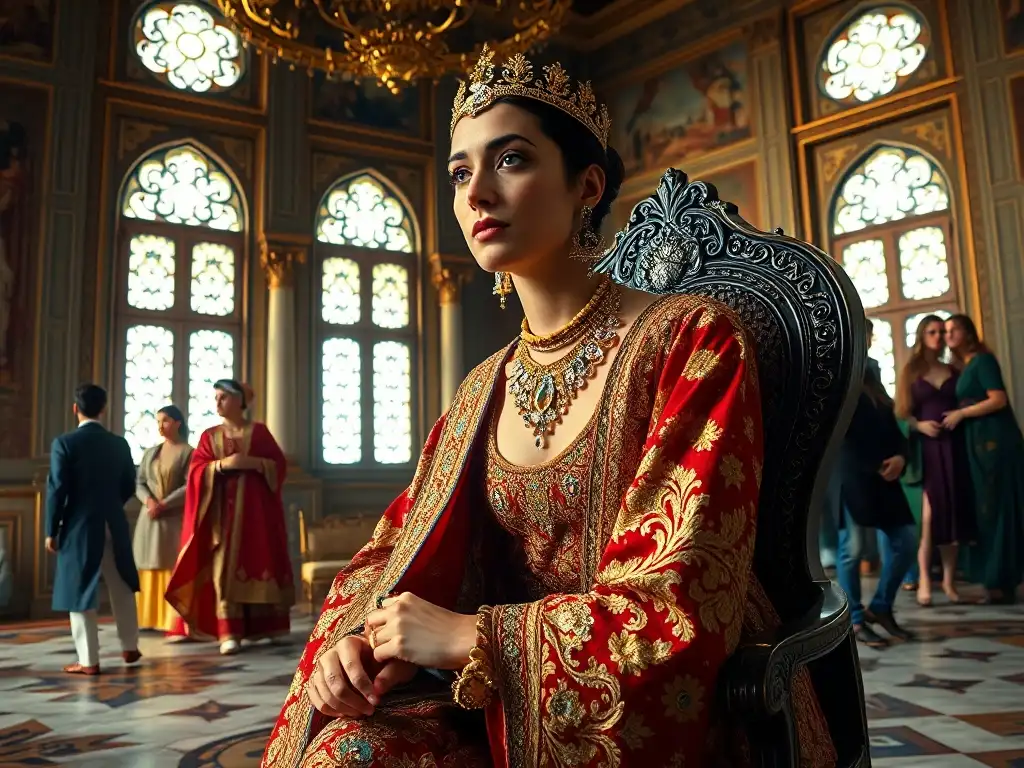
Welcome to Ancient India History, where we embark on a captivating journey through the vibrant tapestry of ancient Indian civilizations. Today, we delve into the political intrigues of Noor Jahan, the remarkable empress who wielded significant power in the Mughal Empire. As we explore her story, you’ll uncover not only her extraordinary contributions but also the profound impact of women in shaping history. Are you ready to discover how Noor Jahan navigated the complexities of empire and left an indelible mark on the world? Join us as we unravel the mysteries and magnificence of her reign!
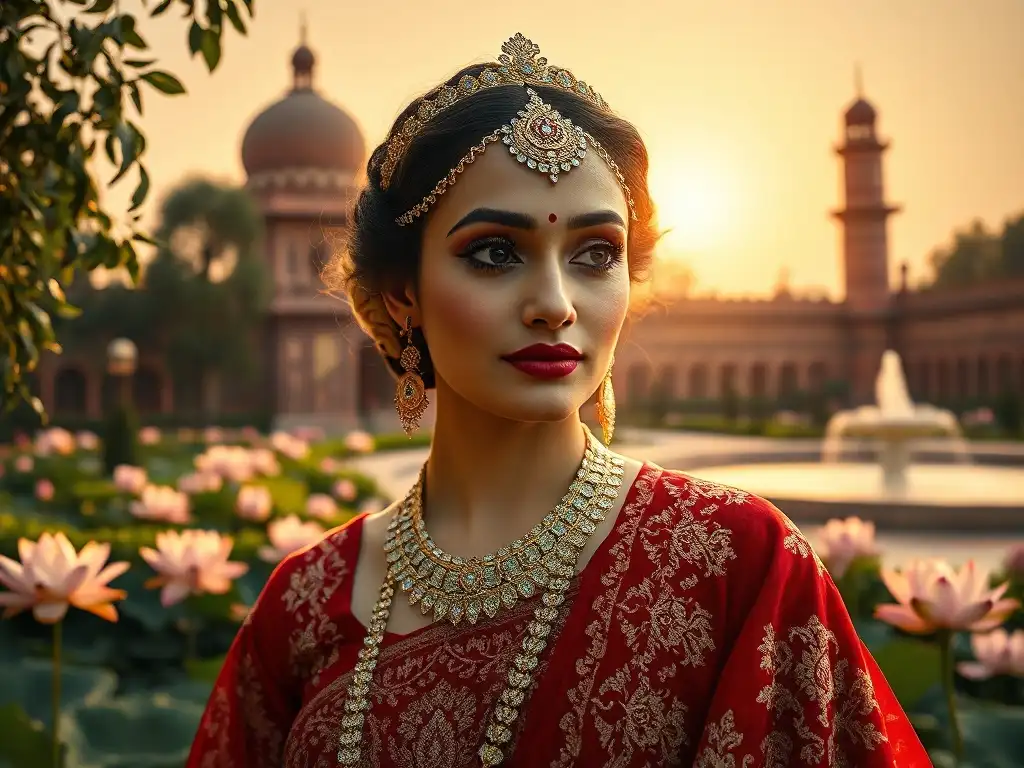
Introduction to Noor Jahan and the Mughal Empire
Noor Jahan, a name that resonates profoundly within the chronicles of the Mughal Empire, stands out as one of the most influential figures in ancient Indian history. As the beloved wife of Emperor Jahangir, her life and contributions intricately shaped the political landscape of the Mughal court during the early 17th century.
Her reign marked a significant period characterized by cultural flourishing and political maneuvering, making her a pivotal figure in the narrative of the Mughal Empire. Understanding the Noor Jahan Mughal Empire history is essential for grasping the complex dynamics of power, gender, and governance that defined this era.
Overview of the Mughal Empire's significance in ancient Indian history
The Mughal Empire, established in the early 16th century, emerged as one of the most powerful and influential empires in Indian history. It was known for its remarkable achievements in art, architecture, and administration. The empire reached its zenith under rulers like Akbar and Shah Jahan, showcasing a unique blend of Persian, Indian, and Islamic cultures. The Mughal period is often characterized by:
- Architectural Marvels: The Taj Mahal, built by Shah Jahan, stands as a testament to the empire's architectural brilliance.
- Cultural Syncretism: The Mughals promoted a culture that integrated diverse traditions, influencing music, literature, and art.
- Administrative Innovations: The implementation of a centralized system of governance allowed for enhanced tax collection and law enforcement.
Introduction to Noor Jahan's role and influence in the empire
Noor Jahan was not merely a consort; she wielded significant power and influence in her own right. Her astute political acumen and understanding of court dynamics enabled her to engage actively in governance, even alongside her husband, Jahangir. Many historians argue that she effectively ruled the empire during his reign, making critical decisions that impacted the empire's trajectory. Noor Jahan's legacy is marked by her patronage of the arts, her role as a diplomat, and her efforts to promote women's rights in a patriarchal society.
Early Life of Noor Jahan
Birth and Family Background
Noor Jahan, born as Mehr-un-Nissa in 1577, hailed from a notable family with Persian roots. Her father, Mirza Ghias Beg, rose to prominence in the Mughal court, serving as an important minister. This familial connection provided her with a unique vantage point into the intricacies of imperial politics from a young age. Noor Jahan's upbringing was characterized by exposure to the arts and literature, nurturing her intellect and ambition.
Education and Early Influences
Raised in a culturally rich environment, Noor Jahan received a comprehensive education that included Persian literature, poetry, and the arts. Her keen intellect and articulate nature made her a standout figure among her peers. Influential mentors and intellectuals in her family instilled in her the values of leadership and diplomacy, which would later prove invaluable in her role as Empress. Her early experiences would shape her as a formidable political player in the Mughal court.
Marriage to Jahangir: A Strategic Alliance
Noor Jahan's marriage to Emperor Jahangir in 1611 was not merely a romantic union but a strategic alliance that solidified her position within the empire. This marriage allowed her to influence key political decisions, as Jahangir, enamored by her charm and intelligence, relied heavily on her counsel. Together, they navigated the challenges and intrigues of the Mughal court, with Noor Jahan emerging as a critical advisor and leader. Her ascent to power marked a significant turning point in the history of the Mughal Empire, as she became a symbol of female agency in a male-dominated society.
Noor Jahan's Rise to Power in the Mughal Empire
Noor Jahan, born Mehrun Nissa, emerged as one of the most powerful and influential women in the history of the Mughal Empire. Her ascent can be traced back to her marriage to Emperor Jahangir, the fourth Mughal ruler, in 1611. This union was not merely a romantic alliance but a significant political maneuver that enabled her to wield considerable influence in the empire. Raised in an aristocratic family with connections to the Mughal court, Noor Jahan was well-educated and possessed a sharp intellect, which she used to navigate the complexities of court politics.
Her rise was marked by her ability to charm and captivate the emperor, who soon became infatuated with her. Noor Jahan's profound understanding of the political landscape allowed her to step beyond the traditional confines of a female role in the empire. By the 1620s, she was not only accompanying Jahangir in official functions but was also actively involved in decision-making processes. This unprecedented role paved the way for her to become a prominent figure in Mughal politics, often referred to as co-sovereign alongside her husband.
The Political Landscape of the Mughal Court
The Mughal court during Noor Jahan's time was characterized by intricate political machinations and a hierarchical structure that dictated the dynamics of power. It was a melting pot of cultures, ideologies, and ambitions, where nobles, courtiers, and military leaders jostled for influence. The court was predominantly male-dominated, with women typically relegated to the background. However, Noor Jahan's unique position allowed her to disrupt this norm.
The political landscape was also shaped by various factions vying for the emperor's favor, including the powerful nobility and military leaders. The competition was fierce, leading to alliances and rivalries that could shift the balance of power. Noor Jahan adeptly maneuvered through this environment, leveraging her connections and influence to secure her position and that of her family within the court.
Noor Jahan's Marriage: Shaping Her Political Influence
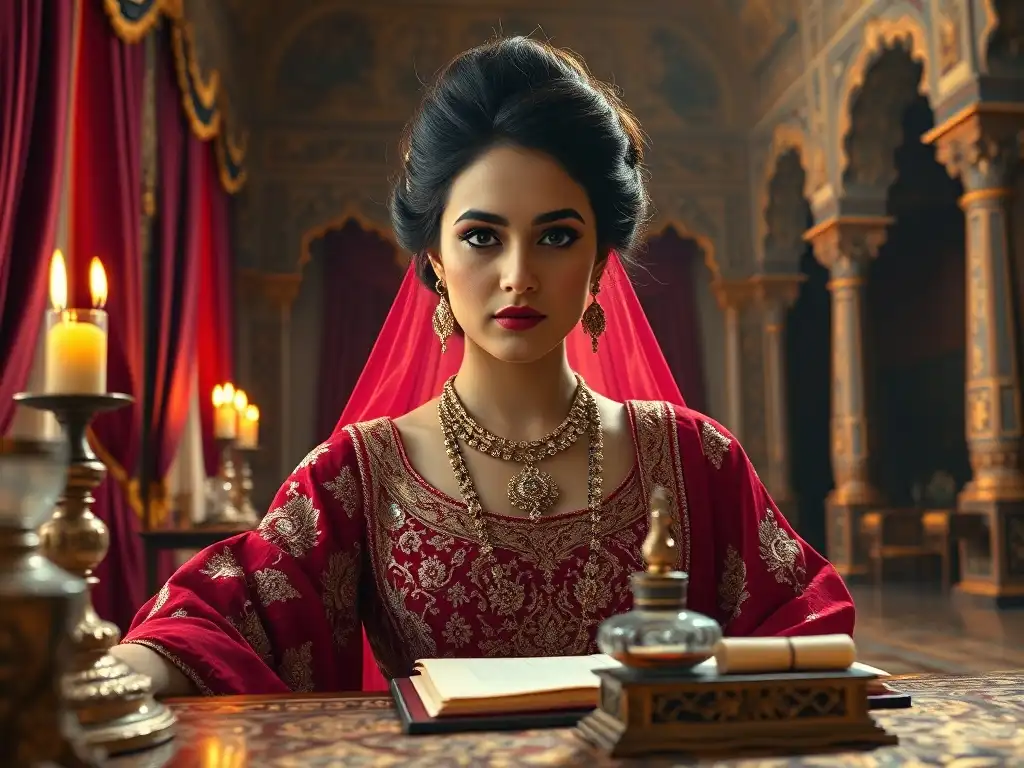
Noor Jahan's marriage to Jahangir was a pivotal moment not only for her personal life but also for the political fabric of the Mughal Empire. This alliance was strategic, as Jahangir was known for his indulgent lifestyle and a penchant for opulence, which often left him vulnerable to manipulation by powerful nobles. Noor Jahan, understanding the precarious nature of her husband's reign, utilized her marriage as a platform to assert her influence.
From the outset, Noor Jahan took an active role in state affairs, advising the emperor on various matters and even signing royal edicts with her own name—an extraordinary act for a woman of her time. This not only solidified her position as a key advisor but also challenged the traditional gender roles prevalent in Mughal society. Her ability to navigate through the complexities of court life allowed her to elevate her family's status and secure a lasting legacy.
Key Alliances and Relationships within the Empire
Noor Jahan's political acumen was exemplified in her ability to forge crucial alliances and relationships that bolstered her power within the empire. One of her significant allies was her father, I’timād-ud-Daula, who served as the emperor's chief minister. His position allowed Noor Jahan to influence key decisions and policies, as he was a trusted confidant of both her and Jahangir.
Additionally, she cultivated relationships with other nobles and influential figures within the court, ensuring a network of support that reinforced her authority. Noor Jahan also skillfully managed her relationships with Jahangir's sons, particularly Shah Jahan, who would later become her rival. By carefully balancing these alliances, Noor Jahan was able to maintain her influence and navigate the turbulent waters of Mughal politics.
Political Intrigues and Power Dynamics
Noor Jahan's tenure as Empress was marked by a series of political intrigues that highlighted the complexities of power dynamics within the Mughal Empire. Her involvement in governance was not without challenges, as various factions within the court sought to undermine her authority. Despite this, she adeptly maneuvered through these challenges, often using her wit and charm to outsmart her opponents.
The political landscape during her reign was rife with conspiracies, as noble families sought to exploit Jahangir's declining health and influence. Noor Jahan's strategic decisions, such as her support for certain nobles and her opposition to others, played a crucial role in shaping the political narrative of the time. Her ability to maintain a delicate balance of power demonstrated her exceptional political skills and underscored her significance in Mughal history.
Noor Jahan's Role in Governance: A New Era for Women in Power
Noor Jahan's role in governance marked a transformative era for women in power within the Mughal Empire. Her direct involvement in state affairs, which included overseeing the administration of justice and economic policies, challenged the traditional boundaries of gender roles. This shift was groundbreaking, as it paved the way for future generations of women to aspire to positions of authority.
She took charge of the royal seal and was instrumental in the implementation of various policies that aimed to improve the welfare of her subjects. Noor Jahan's contributions extended beyond mere governance; she was also a patron of the arts and architecture, commissioning several notable projects that enhanced the cultural landscape of the empire. Her reign thus symbolized a significant departure from the norm, highlighting the potential for women to influence political discourse and governance.
Major Political Decisions Influenced by Noor Jahan
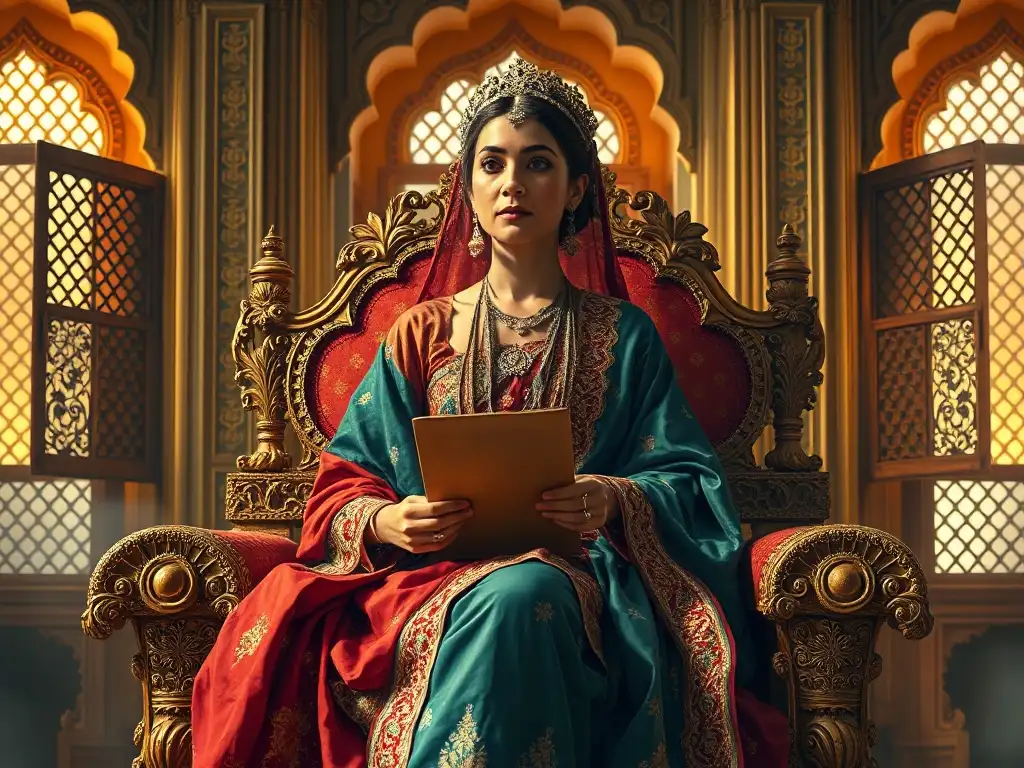
Throughout her time as Empress, Noor Jahan influenced numerous significant political decisions that had lasting impacts on the Mughal Empire. Her keen insight into governance allowed her to implement reforms that addressed the needs of the populace. For instance, she advocated for tax reforms that aimed to alleviate the burdens on peasants, showcasing her commitment to social welfare.
Moreover, Noor Jahan played a pivotal role in foreign policy, particularly in matters relating to the empire's relations with neighboring states. Her diplomatic skills were evident in her negotiations with regional rulers, which often resulted in beneficial treaties and alliances that strengthened the empire's position in the region. These decisions not only underscored her influence but also affirmed her status as a formidable political figure.
Conflicts with Other Nobles and Court Members
Despite her elevated position, Noor Jahan's rise to power inevitably led to conflicts with other nobles and court members who felt threatened by her influence. Many traditionalists viewed her involvement in state affairs as an affront to the established order, leading to tensions within the court. The rivalry between Noor Jahan and Jahangir's other wife, Empress Noor Jahan, exemplified these conflicts, as both women sought to assert their dominance in a male-dominated environment.
These power struggles often manifested in political machinations, with factions forming around various nobles who either supported or opposed Noor Jahan's rule. Her ability to navigate these conflicts was crucial for her survival in the court, as she employed strategic alliances and her charm to outmaneuver her opponents. Ultimately, these intrigues highlighted the precarious nature of power within the Mughal Empire and Noor Jahan's remarkable capacity to maintain her position amidst such challenges.
Noor Jahan's Cultural Contributions
Noor Jahan, the wife of Mughal Emperor Jahangir, left an indelible mark on the cultural landscape of India. As a powerful figure in the Mughal court, she was not only a political influencer but also a notable patron of the arts. Her contributions significantly enriched Mughal culture, leading to a period characterized by artistic innovation and architectural grandeur.
Patronage of Arts and Architecture
Noor Jahan's influence extended deeply into the realm of the arts. She actively supported various artistic endeavors, including painting, poetry, and music. Under her patronage, the Mughal miniature painting style flourished, showcasing intricate details and vibrant colors that depicted court life, nature, and mythology.
Additionally, Noor Jahan is credited with commissioning several notable architectural projects, the most famous being the tomb of her father, I'timād-ud-Daulah, in Agra, often referred to as the "Baby Taj." This exquisite mausoleum exemplifies the fusion of Persian and Indian architectural styles and showcases intricate marble inlay work, a hallmark of Mughal architecture. Her contributions to the arts and architecture helped create a rich cultural tapestry that would influence generations.
Influence on Mughal Culture and Society
Noor Jahan played a pivotal role in shaping Mughal culture and society during her time. She was known for her keen interest in promoting women's rights and empowerment within the confines of the Mughal court. Through her position, she advocated for the education of women and supported their involvement in various cultural activities.
Furthermore, Noor Jahan's influence extended to the culinary arts, where she introduced new Persian recipes and refined Mughal cuisine, leading to a blending of culinary traditions. Her impact on fashion and aesthetics was also significant, as she was known for her exquisite taste in jewelry and textiles, setting trends that resonated throughout the empire.
Legacy of Noor Jahan in Indian History
The legacy of Noor Jahan in Indian history is multifaceted. She is often remembered as one of the most powerful women in the Mughal Empire, a ruler who wielded considerable influence over political affairs and cultural developments. Her life and contributions have inspired numerous literary and artistic works, including poems and novels that celebrate her strength, beauty, and intelligence.
In contemporary times, Noor Jahan is viewed as a symbol of women's empowerment in a historical context, representing the potential of women to rise to positions of authority and influence. Her story serves as a reminder of the significant roles women played in shaping history, often overshadowed by their male counterparts.
The Downfall of Noor Jahan
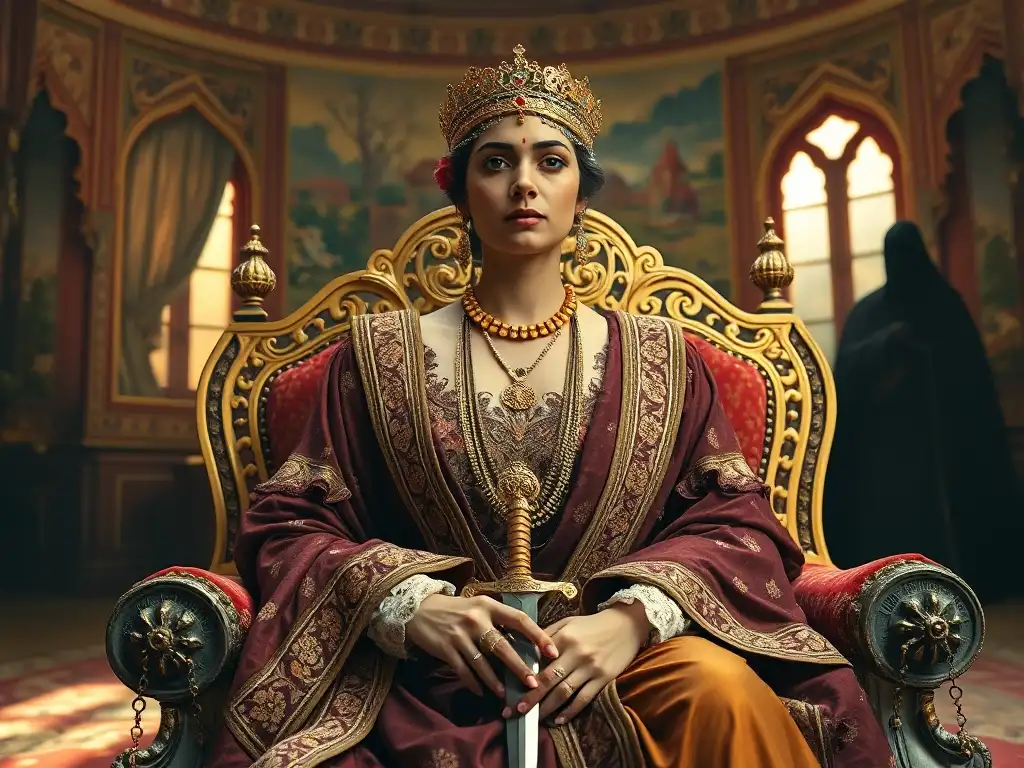
Noor Jahan's political ascent came with its challenges, particularly during the tumultuous period following Jahangir's death. Her life was marked by intrigue and power struggles that ultimately led to her downfall.
Changes in Power after Jahangir's Death
The death of Jahangir in 1627 marked a significant turning point for Noor Jahan. With her husband's passing, the balance of power within the Mughal court shifted dramatically. Noor Jahan's influence began to wane as political factions emerged, vying for control over the empire.
Jahangir's son, Shah Jahan, ascended the throne, and his reign signified a departure from Noor Jahan's significant influence. The new emperor sought to consolidate power and distance himself from his father's court, which included minimizing the authority of Noor Jahan. As a result, her political maneuverings became increasingly limited, leading to a gradual decline in her status.
The Impact of Political Intrigues on Noor Jahan's Rule
The political intrigues that unfolded after Jahangir's death significantly impacted Noor Jahan's rule. Various factions within the court sought to undermine her authority, fostering a climate of distrust and competition. Her attempts to maintain her influence were met with resistance, particularly from Shah Jahan and his loyalists.
The power dynamics shifted as Shah Jahan implemented strategies to solidify his reign, which included sidelining Noor Jahan and diminishing her role in governance. Despite her earlier prominence, she found herself increasingly isolated, navigating a court fraught with political rivalries and shifting allegiances.
Final Years and Legacy
In her final years, Noor Jahan retreated from the political limelight. Following her estrangement from the court, she spent her remaining days in relative seclusion. Despite her diminished status, her legacy endured through her contributions to art, culture, and the empowerment of women.
Noor Jahan passed away in 1645, leaving behind a rich cultural heritage that continued to inspire future generations. Her life story serves as a poignant reminder of the complexities and challenges faced by women in positions of power, illustrating that their legacies can persist beyond the limitations imposed by their circumstances.
Conclusion: Noor Jahan's Impact on the Mughal Empire and Women's Roles in Ancient India
Noor Jahan's tenure as the Empress of the Mughal Empire marks a significant chapter in the history of ancient India, reflecting not only her profound influence on the empire's politics but also her role in redefining women's position in governance. As the wife of Emperor Jahangir, Noor Jahan wielded substantial power, which she utilized to advance her interests and those of her family.
Her political acumen and strategic maneuvering showcased the potential of women to influence state affairs, breaking traditional gender norms of her time. Noor Jahan's legacy continues to inspire discussions about the roles women played in historical governance, highlighting their contributions beyond the domestic sphere.
Summary of Noor Jahan's Contributions to Mughal Empire history
Noor Jahan's contributions to Mughal Empire history are multifaceted. She played a pivotal role in the administration by participating in policy formulation and decision-making. Her keen understanding of politics allowed her to act as a de facto ruler during Jahangir's reign, particularly when he faced challenges from nobles and external threats.
Noor Jahan was also instrumental in the empire's cultural and artistic patronage, promoting Persian literature, architecture, and the arts. This patronage not only enriched Mughal culture but also established a legacy that influenced future generations. Additionally, her efforts in promoting female welfare and her involvement in charitable works mark her as a forward-thinking leader, reflecting her commitment to societal development.
Reflections on the Role of Women in Ancient Indian Governance
The role of women in ancient Indian governance has often been overshadowed by patriarchal narratives; however, figures like Noor Jahan illustrate that women were not mere passive participants in the political landscape. Women's involvement in governance can be traced back to various dynasties, where they held significant sway in decision-making processes. Noor Jahan's reign epitomizes the potential of women to engage in governance actively.
Her ability to navigate the complexities of court politics and assert influence over male counterparts challenges contemporary perceptions of women's roles in history. Moreover, her legacy serves as a reminder that women's contributions to governance were crucial in shaping the socio-political fabric of ancient India.
Further Reading and Resources on Noor Jahan and Mughal History
For those interested in delving deeper into the life and influence of Noor Jahan as well as the broader context of Mughal history, a variety of books and online resources are available. These materials provide valuable insights into the intricacies of the Mughal Empire, the role of women, and the enduring legacy of Noor Jahan.
Recommended Books and Articles on Noor Jahan
- "Noor Jahan: Empress of Mughal India" by A. S. B. A. Khan: – This biography provides an in-depth look at Noor Jahan's life and her substantial influence on the Mughal court.
- "The Mughal Empire" by John F. Richards – This comprehensive overview of the Mughal Empire discusses the political dynamics of the era, including the role of women.
- "Women in Mughal India: From the 16th to 18th Centuries" by Ruby Lal: – This work explores the lives of women in the Mughal era, shedding light on their varied roles and contributions.
Online Resources for Exploring Mughal Empire history
- Mughal History: The Official Archives: – A digital repository containing primary sources and documents relating to the Mughal Empire, including Noor Jahan's contributions.
- The Indian History Congress – An academic platform featuring papers and articles on various aspects of Indian history, including the role of women in governance.
- Virtual Museum of the Mughal Empire – An interactive resource that showcases artifacts, architecture, and significant figures from the Mughal period, offering a visual glimpse into the empire's grandeur.
By exploring these resources, readers can gain a more nuanced understanding of Noor Jahan's impact and the broader historical context of women in ancient Indian governance.
- Introduction to Noor Jahan and the Mughal Empire
- Early Life of Noor Jahan
- Noor Jahan's Rise to Power in the Mughal Empire
- The Political Landscape of the Mughal Court
- Noor Jahan's Marriage: Shaping Her Political Influence
- Key Alliances and Relationships within the Empire
- Political Intrigues and Power Dynamics
- Noor Jahan's Role in Governance: A New Era for Women in Power
- Major Political Decisions Influenced by Noor Jahan
- Conflicts with Other Nobles and Court Members
- Noor Jahan's Cultural Contributions
- The Downfall of Noor Jahan
- Conclusion: Noor Jahan's Impact on the Mughal Empire and Women's Roles in Ancient India
- Further Reading and Resources on Noor Jahan and Mughal History
Frequently Asked Questions
What was Noor Jahan's role in the Mughal Empire?
Noor Jahan was the empress and powerful consort of Emperor Jahangir, known for her political influence and involvement in governance during the Mughal Empire.
How did Noor Jahan influence Mughal politics?
She was not only a trusted advisor to Jahangir but also wielded significant power in court, influencing decisions and policies that shaped the empire's direction.
What were some of Noor Jahan's contributions to culture?
Noor Jahan is celebrated for her patronage of the arts, including poetry, architecture, and textiles, which enriched the cultural landscape of the Mughal Empire.
Did Noor Jahan have any children with Jahangir?
No, Noor Jahan did not have any children with Jahangir, but she had a previous marriage and brought her daughter from that marriage into the Mughal court.
How is Noor Jahan remembered in Indian history?
Noor Jahan is remembered as a remarkable figure in Indian history, symbolizing the influence of women in politics and culture during the Mughal period.
Final Reflection: The Enduring Legacy of Noor Jahan in Mughal History
Noor Jahan's influence on the Mughal Empire remains remarkably relevant today, as her story exemplifies the power dynamics and gender roles that continue to shape societies. Her ability to navigate the intricacies of court politics and assert her authority in a male-dominated environment serves as a powerful reminder of the potential for women to impact history profoundly. In a world where gender equality is still a pressing issue, Noor Jahan's legacy challenges us to reconsider the narratives we uphold about leadership and influence.
The political intrigues surrounding Noor Jahan not only shaped her era but also resonate in contemporary discussions about women's roles in governance and society. Her life illustrates that the struggle for power is not confined to one gender, and her achievements inspire countless individuals to challenge societal norms. As historian Ruby Lal aptly puts it, "> Noor Jahan's story is a testament to the complexities of power, identity, and agency in a world that often seeks to silence women's voices." This ongoing dialogue about women's empowerment and representation is crucial as we strive for a more equitable future.
As you reflect on Noor Jahan's remarkable journey, consider how her story can inspire your own path. Embrace the lessons of resilience, intelligence, and strategic thinking that she embodied.
Whether in your personal or professional life, let her legacy remind you that the pursuit of power and influence is not solely the domain of the privileged few; it is a journey open to all who dare to challenge the status quo. Take this moment to reflect on your own role in shaping history, and remember that every action, no matter how small, contributes to the larger narrative of our shared human experience.
Uncover the Legacy of Noor Jahan!
Thank you for diving into the captivating world of Noor Jahan and her significant role in Mughal history! We hope this article has sparked your curiosity about her political acumen and impact on the empire. Now it’s time to take action and further explore her incredible story.
Here are some practical steps you can take right now:
- Delve Deeper: Read more about other influential women in history to discover their roles in shaping societies.
- Share Your Insights: Start a conversation with friends or on social media about Noor Jahan’s legacy. You might inspire others to learn more about her!
- Join a Community: Engage with online forums or book clubs focused on historical figures to broaden your understanding and connect with like-minded individuals.
What aspects of Noor Jahan's reign do you find most intriguing, and how do you think they resonate with today's world?