
How Ancient Indian Texts Addressed Property Rights of the Marginalized


Welcome to Ancient India History, where we embark on a captivating journey through the rich tapestry of ancient Indian civilizations. Today, we delve into the intriguing world of property rights, exploring how ancient texts provided a framework for the marginalized in society. Have you ever wondered how the legal systems of the past shaped the lives of those often overlooked?
Join us as we uncover the profound insights of ancient Indian property rights history, revealing not only the complexities of these laws but also their lasting impact on social justice. Prepare to be enlightened as we connect the dots between ancient wisdom and contemporary issues—your exploration starts here!
- Introduction to Ancient Indian Property Rights History
- Historical Context of Property Rights in Ancient India
- Property Rights of the Marginalized in Ancient Texts
- Analysis of Key Ancient Indian Texts
- Case Studies of Marginalized Groups
- Implications of Ancient Property Rights on Modern Legal Framework
- Conclusion: The Legacy of Ancient Indian Property Rights History
- Frequently Asked Questions
- Final Reflection: Revisiting Ancient Wisdom for Modern Justice
- ✨ Empower Change and Inspire Justice!
Introduction to Ancient Indian Property Rights History
The study of ancient Indian property rights history reveals a complex and multifaceted understanding of ownership, inheritance, and social justice within the diverse civilizations that flourished on the subcontinent. From the early urban centers of the Indus Valley Civilization to the philosophical advancements during the Gupta Empire, ancient Indian texts provide invaluable insights into how property rights were structured and enforced. Importantly, these texts also shed light on the treatment of marginalized groups within society, highlighting the evolving concepts of justice and equity.
Understanding the nuances of property rights is not merely an academic exercise; it is essential for grasping the socio-economic dynamics that shaped ancient Indian societies. By examining the legal frameworks and customary practices outlined in texts such as the Manusmriti and the Arthashastra, we can appreciate the historical context that informed property ownership and inheritance. This exploration will also reveal how marginalized communities navigated these laws, often facing significant challenges in claiming their rights and securing their livelihoods.
Overview of Property Rights in Ancient India
Ancient India possessed a sophisticated legal framework governing property rights, which were influenced by various factors including religion, social status, and regional customs. The primary sources of these laws can be traced back to sacred texts, legal treatises, and commentaries that articulated the norms governing ownership and inheritance.
Key Elements of Property Rights:
- Types of Property:
- Movable and Immovable: Property was categorized into movable (like livestock and goods) and immovable (such as land and buildings).
- Joint and Individual Ownership: Ownership could be collective, particularly within family units, or individual, depending on societal norms.
- Inheritance Laws:
- Patrilineal and Matrilineal Systems: While many communities practiced patrilineal inheritance, certain tribes and regions acknowledged matrilineal systems, allowing women to inherit property.
- Legitimacy of Claims: Texts often emphasized the legitimacy of claims based on lineage, with varying rights conferred to sons, daughters, and widows.
- Legal Mechanisms:
- Customary Practices: Local customs often dictated property transactions and inheritance, reflecting the community's values.
- Court Systems: Disputes over property rights were addressed through local courts, which relied on established legal codes and community elders.
Importance of Understanding Marginalized Property Rights
Exploring the property rights of marginalized groups in ancient India is crucial for several reasons. Firstly, it provides a more comprehensive picture of societal hierarchies and injustices that persisted throughout history. By critically analyzing texts that reference the rights of women, lower castes, and other marginalized communities, we can uncover the systemic barriers they faced in accessing property.
Significance of This Understanding:
- Historical Context: Gaining insights into how marginalized groups engaged with property laws allows us to contextualize historical inequalities that may still resonate today.
- Cultural Narratives: Ancient texts often reflect the prevailing attitudes towards marginalized communities, offering a lens through which we can examine the evolution of societal norms.
- Influence on Modern Laws: Understanding historical property rights can inform contemporary discussions on property law reform and social justice, allowing modern legal systems to learn from past injustices.
The examination of how ancient Indian texts addressed property rights, especially concerning marginalized groups, is essential for comprehending the broader historical narrative of justice, equity, and social structure in ancient India.
Historical Context of Property Rights in Ancient India
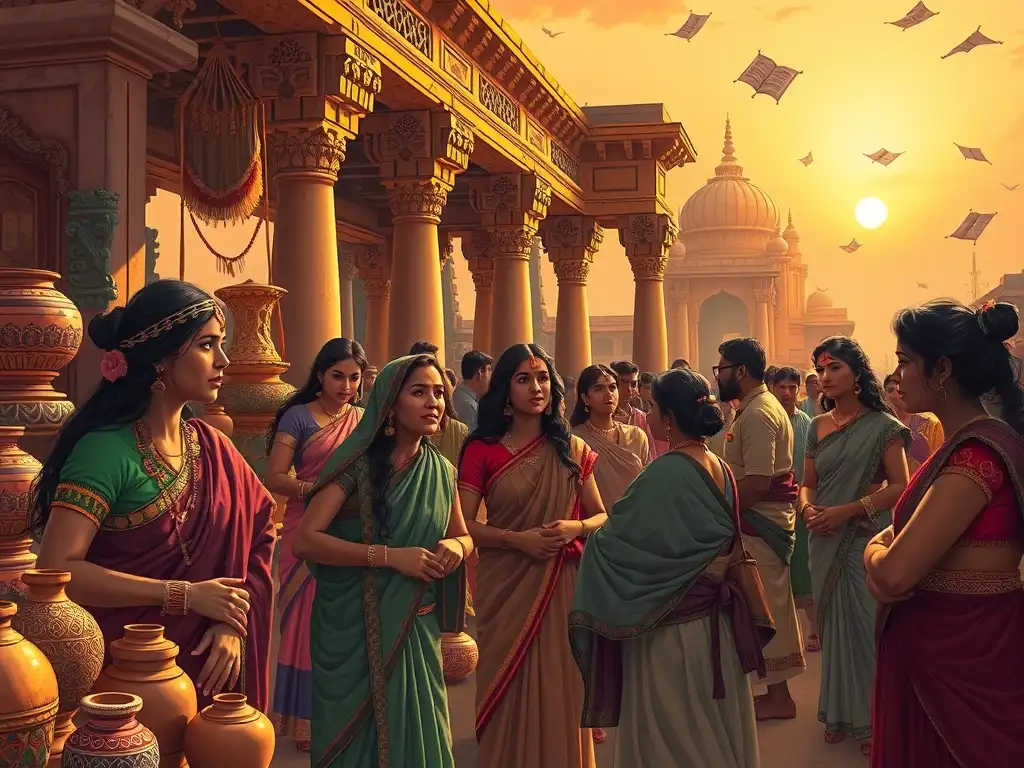
The historical context of property rights in ancient India is deeply intertwined with the socio-economic structures and legal frameworks established over millennia. Understanding this context requires an exploration of how different civilizations, from the Indus Valley to later empires, shaped the concept of property and its associated rights.
Property rights in ancient India were not merely legal concepts but were also influenced by cultural, religious, and philosophical ideologies. The evolution of these rights reflects the changing dynamics of society, particularly in relation to marginalized groups, including women and lower castes.
In ancient times, property was often communal, with resources shared among members of a community. However, as societies became more stratified, individual ownership emerged, leading to more defined property rights. This shift was documented in various ancient texts, which provide insight into the complexities of property ownership and inheritance practices, particularly regarding marginalized individuals.
Evolution of Property Rights from the Indus Valley Civilization
The Indus Valley Civilization (c. 3300–1300 BCE) provides the earliest evidence of organized urban life in India. Archaeological findings suggest that property ownership existed, although the specific nature of these rights remains ambiguous due to the lack of deciphered written records.
- Urban Planning and Property: The cities of the Indus Valley, such as Harappa and Mohenjo-Daro, showcased advanced urban planning, indicating a need for property demarcation. This suggests that property rights, though informal, were recognized in the management of land and resources.
- Transition to Rig Vedic Society: As society transitioned into the Vedic period (c. 1500–500 BCE), the concept of property began to formalize. The Rig Veda contains hymns that refer to land ownership and agricultural practices, indicating a gradual evolution of property rights.
- Influence of Agriculture: With the advent of agriculture, the significance of land as a property became paramount. The move from nomadic to settled agricultural lifestyles created a need for more structured property rights, which became evident in later texts.
The evolution of property rights from the Indus Valley to the Vedic period laid the groundwork for the more codified systems that followed, reflecting an increasing complexity in social hierarchies and economic practices.
Key Texts Influencing Property Rights: Vedas, Manusmriti, and Others
Several ancient texts played a pivotal role in shaping the understanding and enforcement of property rights in India, particularly concerning marginalized groups.
- The Vedas: The earliest sacred texts of Hinduism, particularly the Rig Veda, contain references to wealth, land, and property. These texts underscore the importance of land ownership and its association with social status.
- Manusmriti: Perhaps the most significant text concerning property rights is the Manusmriti, composed around the 2nd century BCE to the 2nd century CE. This code delineates the rights of individuals, including those of women and lower castes, in relation to property. Some key points include:
- Women's Property Rights: The Manusmriti acknowledges women's rights to inherit property, although often limited to specific contexts, such as in the case of their father’s or husband’s death.
- Inheritance Laws: The text outlines the hierarchical nature of inheritance, favoring male heirs, which reflects the socio-political dynamics of the time.
- Other Dharmashastras: Beyond the Manusmriti, various other dharmashastras and legal texts contributed to the discourse on property rights. These texts often provided guidelines that addressed property ownership and inheritance, yet frequently reinforced existing social hierarchies.
- Local Customs and Practices: In addition to these texts, local customs played a crucial role in determining property rights. Variations in inheritance practices across different regions reveal the adaptability of property laws to local contexts, particularly concerning marginalized populations.
The interplay between these texts and the evolving socio-economic conditions illustrates a complex landscape of property rights in ancient India, emphasizing the necessity for further exploration into the rights of marginalized individuals within this framework. By understanding these historical nuances, we can gain a clearer picture of the ancient Indian property rights history and its lasting implications.
Property Rights of the Marginalized in Ancient Texts
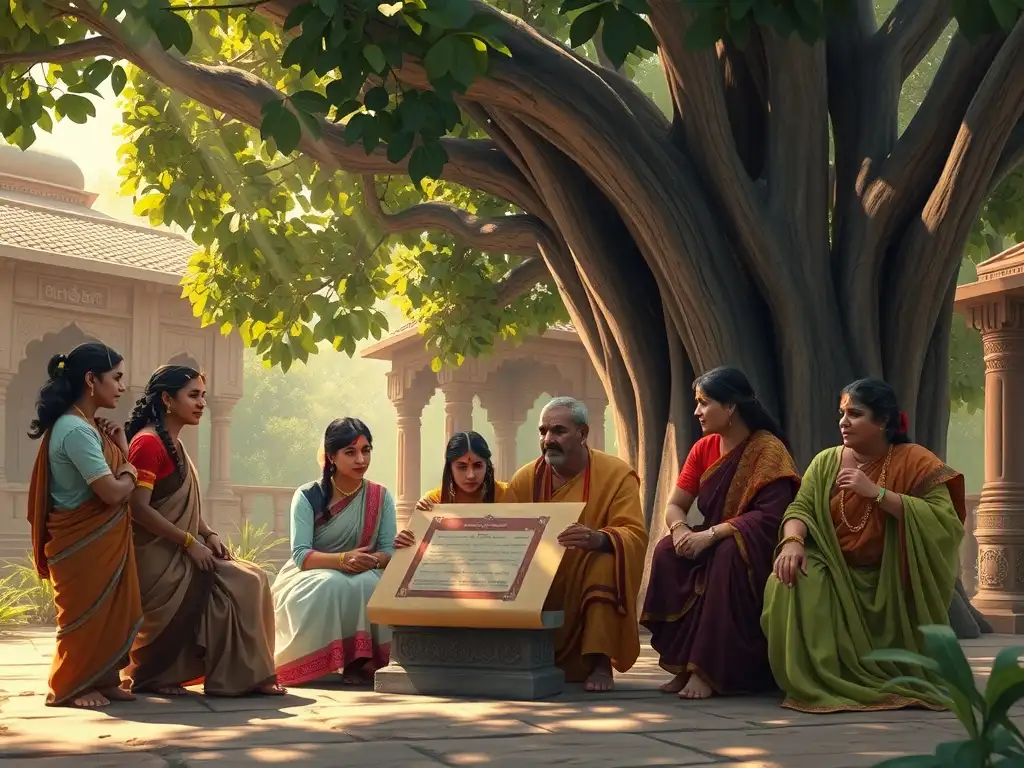
Throughout ancient Indian history, property rights were a crucial aspect of social structure, and various texts provide insights into how marginalized groups were included or excluded from these rights. The examination of these texts reveals a complex tapestry of legal norms that governed property ownership, inheritance, and the associated rights of different societal groups. Understanding ancient Indian property rights history provides a clearer picture of the socio-legal landscape that shaped the lives of the marginalized.
Inclusion of Lower Castes in Property Rights
The inclusion of lower castes in property rights has been a subject of significant debate among historians and legal scholars. Ancient texts, such as the Manusmriti and Arthashastra, present varying perspectives on the property rights of lower castes.
- Manusmriti: This text, a key Dharmashastra, often regarded as conservative, stipulates that lower castes had limited rights concerning property ownership. For instance, it suggests that land transactions and inheritances were primarily reserved for the higher castes, thus effectively marginalizing lower castes in terms of property rights.
- Arthashastra: In contrast, this ancient treatise on statecraft by Kautilya offers a more pragmatic approach to property rights. It acknowledges the economic contributions of lower castes and suggests that they should have some rights to property, particularly if they were engaged in agricultural production or trade.
This duality in perspectives indicates that while lower castes were often excluded from many property rights, there were instances where practical economic considerations allowed for their inclusion.
Women's Property Rights: A Study of Ancient Indian Texts
Women's property rights in ancient India were complex and varied across different texts and regions. The rights attributed to women in ancient Indian texts can be categorized into two main areas:
- Dowry and Stridhan: Many ancient texts recognized the concept of Stridhan, which refers to the property that a woman receives at the time of marriage. This could include gifts, jewelry, and other valuables. The significance of Stridhan is notable, as it was considered the woman's personal property, which she retained control over even after marriage.
- Inheritance Rights: Texts like the Yajnavalkya Smriti recognized women's rights to inherit property, albeit often subordinate to male relatives. For example, daughters were usually entitled to a share of their father's property, but this right was frequently contingent on factors such as the presence of sons and the family's social standing.
Despite some recognition of women's rights in various texts, these rights were often limited and subject to patriarchal interpretations. The existence of legal texts that acknowledged women's property rights indicates an awareness of gender equity, though the implementation of these rights varied widely.
Rights of Tribals and Indigenous Communities in Legal Texts
The rights of tribals and indigenous communities are another critical aspect of property rights in ancient Indian texts. These communities often had distinct systems of land ownership and usage, which were frequently overlooked or inadequately represented in mainstream legal texts.
- Recognition of Customary Rights: Certain texts, such as the Dharma Sutras, acknowledge the customary laws governing tribal land ownership. These texts suggest that land usage rights for tribals were based on traditional practices rather than formal legal entitlements. This recognition was crucial for maintaining the socio-economic stability of these communities.
- Land as a Collective Resource: Many indigenous communities viewed land as a communal resource. Ancient texts often reflect this understanding, emphasizing collective ownership over individual property rights. Such perspectives are essential for understanding how ancient legal frameworks interacted with the customs and practices of tribal societies.
The marginalization of tribal rights in later legal developments indicates a shift away from these traditional understandings, leading to conflicts over land ownership and usage that persist to this day. By exploring these ancient texts, we can gain valuable insights into the historical context of tribal and indigenous property rights in India.
This exploration of ancient Indian property rights history highlights the nuanced and often contradictory nature of legal texts concerning marginalized groups. The recognition—or lack thereof—of these rights serves as a reflection of the broader socio-political dynamics at play in ancient Indian civilization. Understanding this history is vital for comprehending contemporary issues surrounding property rights and social justice in India today.
Analysis of Key Ancient Indian Texts

Ancient Indian texts provide a profound insight into the property rights landscape, particularly for marginalized communities. These texts not only reflect the socio-economic norms of their time but also outline legal frameworks that governed property ownership and inheritance. Understanding these texts is crucial for deciphering the evolution of property rights within ancient Indian civilization.
Manusmriti and Its Views on Property Rights
The Manusmriti, one of the earliest and most influential texts on Dharma, outlines a comprehensive framework for property rights. While it primarily addresses the rights and duties of the four varnas (social classes), it also sheds light on the position of marginalized groups.
- Property Rights for Women: The Manusmriti acknowledges women's rights to property, albeit limited. It states that women can inherit property from their fathers and husbands, but their control over this property often depended on the male guardianship. This reflects a patriarchal structure but also indicates a recognition of women's ownership rights.
- Rights of Shudras: The text presents a complicated view of Shudras (the laboring class). While it emphasizes their subservient role in society, it also notes that they can possess property. However, the Manusmriti often limits their ability to transfer or inherit property, revealing the tension between social hierarchy and property rights.
- Caste Dynamics: The provisions regarding property rights in the Manusmriti illustrate the intersection of caste and economic rights, suggesting that marginalized communities faced systematic barriers in asserting their property claims.
Arthashastra: Governance and Property Rights
In contrast, the Arthashastra, attributed to Kautilya (Chanakya), provides a pragmatic approach to governance and property rights. This text emphasizes the importance of state intervention in property matters, particularly for the welfare of marginalized groups.
- State Regulation: The Arthashastra advocates for a proactive role of the state in property distribution. It suggests that the government should ensure equitable access to resources, which indirectly supports the property rights of marginalized communities. The text outlines mechanisms for protecting the rights of the poor against exploitation by the wealthy.
- Economic Policies: Kautilya underscores the significance of land revenue and taxation, which aims to balance wealth distribution. By implementing fair taxation policies, the Arthashastra attempts to create an environment where marginalized individuals can claim their economic rights without fear of oppression.
- Practical Solutions: The Arthashastra also emphasizes conflict resolution mechanisms, such as arbitration, to address property disputes. This reflects an early understanding of legal recourse available to those who may be disenfranchised.
Dharmashastras: Ethical Framework for Property Distribution
The Dharmashastras, a collection of ancient texts, provide a broader ethical framework regarding property rights and inheritance, emphasizing social justice and moral responsibilities.
- Equitable Distribution: These texts advocate for the fair distribution of property among family members, particularly among brothers. They establish guidelines for inheritance that consider the welfare of all family members, including women and lower caste individuals, thus promoting a more inclusive approach to property rights.
- Moral Obligations: The Dharmashastras emphasize the ethical implications of property ownership. They encourage individuals to use their wealth for the benefit of society, thereby suggesting a moral duty to assist marginalized groups. This perspective is crucial in understanding the ethical dimensions of property rights.
- Community Rights: Additionally, the Dharmashastras recognize the importance of community land and resources, suggesting that property rights are not solely individualistic but also communal. This highlights a nuanced understanding of belonging and entitlement in ancient Indian society.
The analysis of these key ancient Indian texts reveals a complex landscape of property rights that intertwines with social, ethical, and economic factors. The ancient Indian property rights history is marked by varying degrees of recognition and limitation for marginalized groups, reflecting the broader socio-political dynamics of the time.
Case Studies of Marginalized Groups
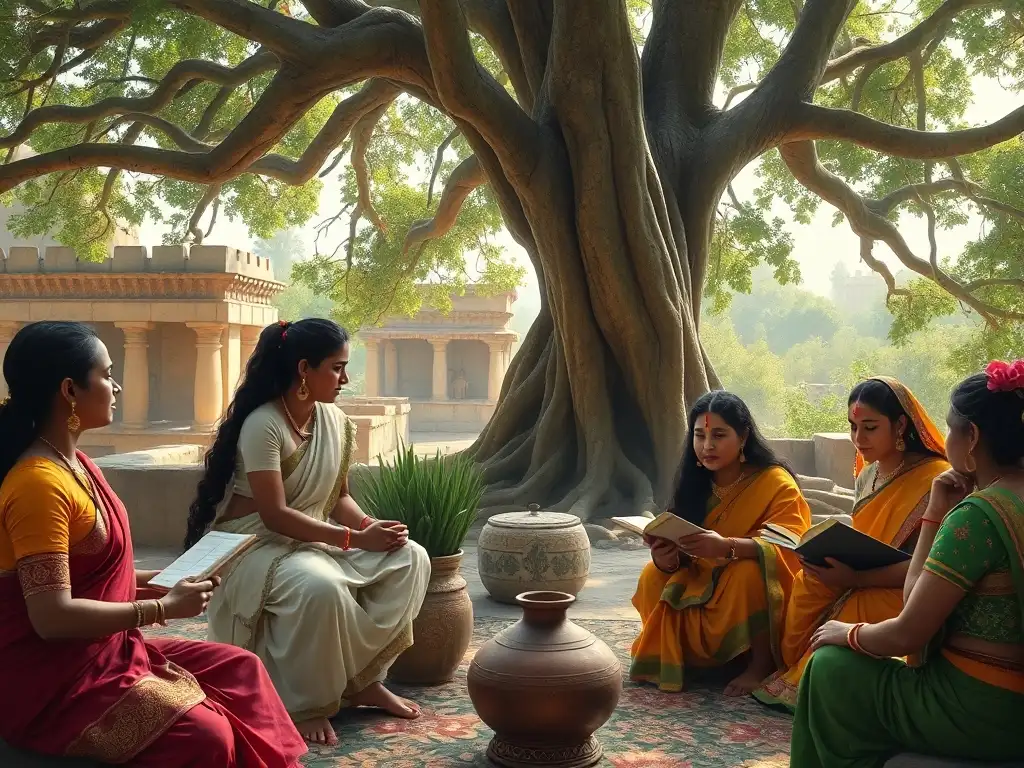
Property Rights of Women in Ancient Indian Society
The ancient Indian texts provide a nuanced understanding of women's property rights, which varied significantly across different periods and regions. Texts such as the Manusmriti and Yajnavalkya Smriti outline the legal status of women concerning property ownership and inheritance. Traditionally, women were expected to be under the guardianship of their male relatives, but these texts also indicate that women held certain rights to property.
- Stridhan: This term refers to the property that a woman receives before marriage, which she retains control over after marriage. It includes gifts, jewelry, and any wealth acquired during her lifetime. The Manusmriti explicitly states that Stridhan is a woman’s absolute property, which she can use as she desires.
- Inheritance Rights: Women's inheritance rights, while recognized, were often limited. In many cases, daughters were entitled to a share of their father's property, but this was not uniformly practiced. For instance, in some regions, daughters would only inherit if there were no male heirs.
- Legal Cases and Precedents: Historical records show instances where women successfully claimed their property rights, indicating that, despite societal norms, there were avenues for legal recourse. For example, in the early medieval period, women from royal families often retained significant property rights, reflecting their status.
The evolution of these rights highlights the complexities surrounding gender and property in ancient India, suggesting a dynamic interplay between legal codifications and societal practices.
Land Rights of Scheduled Castes and Tribes in Historical Context
The land rights of Scheduled Castes (SC) and Scheduled Tribes (ST) in ancient India reveal a stark contrast to the privileges enjoyed by higher castes. Ancient texts and inscriptions provide insights into the land tenure systems and the marginalization of certain groups.
- Land Ownership: Evidence suggests that while some tribes had communal land ownership structures, members of SC communities often faced restrictions in land ownership. The Dharmashastras indicate that land was primarily a privilege of the higher castes, leaving marginalized groups with limited access.
- Agrarian Systems: The agrarian systems, such as Zamindari and Ryotwari, often discriminated against SC and ST populations. Historical documents show that these groups were frequently relegated to tenant farming, with little to no rights over the land they cultivated.
- Resistance and Reclamation: There are accounts of SC and ST communities resisting land dispossession. For example, certain tribal groups would reclaim ancestral lands through collective action, showcasing their resilience against oppressive structures.
The property rights of SC and ST communities were intricately tied to the socio-political frameworks of ancient India, with legal texts often reflecting the prevailing hierarchies and prejudices of the time.
Comparative Analysis of Property Rights across Different Regions
The property rights in ancient India were not monolithic; they varied significantly across regions and communities. This comparative analysis highlights the diversity in property rights as documented in various ancient texts and local customs.
- North vs. South India: In Northern India, texts like the Manusmriti heavily influenced the delineation of property rights, often favoring male inheritance. In contrast, Southern Indian texts, such as the Thirukkural, recognized women's rights more extensively, allowing them certain claims to property.
- Regional Variations: Historical accounts show that in regions like Bengal, women had more considerable autonomy regarding property, often inheriting land as per local customs. Conversely, in Gujarat, stringent patriarchal norms limited women's access to property.
- Tribal vs. Caste Systems: In tribal regions, property rights were commonly communal, emphasizing collective ownership. In contrast, caste systems imposed strict hierarchies that dictated ownership and inheritance, with marginalized groups often excluded from property rights altogether.
This comparative lens illustrates how cultural, geographical, and social factors shaped the landscape of property rights in ancient India, further emphasizing the complexities of the ancient Indian property rights history.
Implications of Ancient Property Rights on Modern Legal Framework
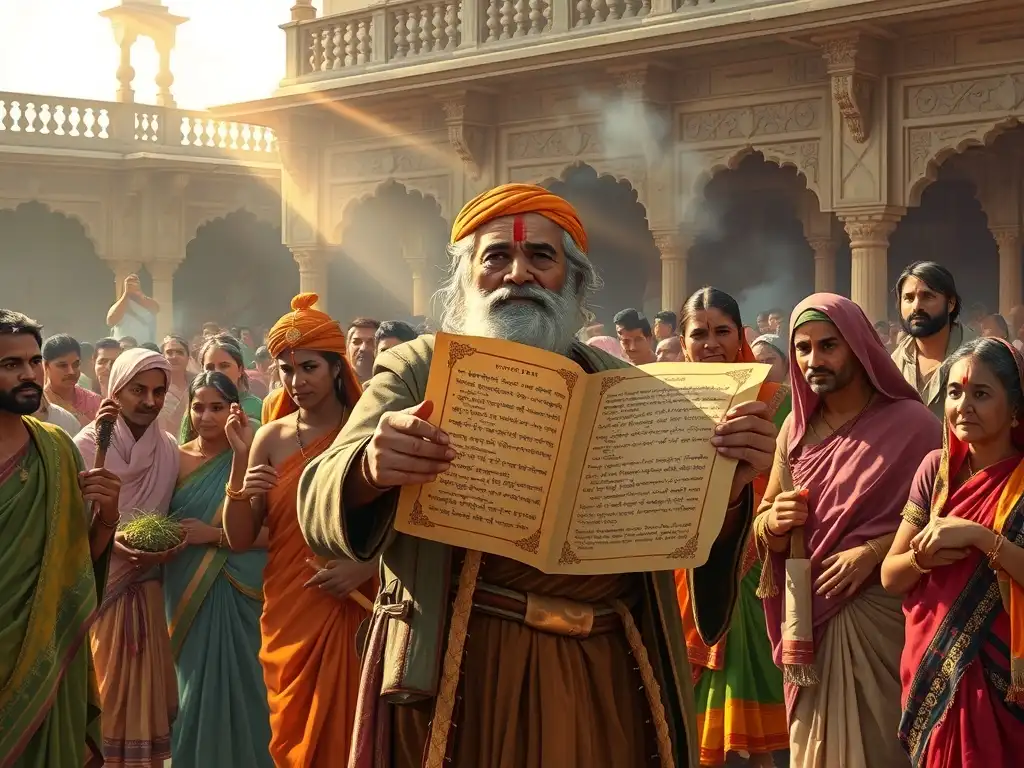
Influence of Ancient Indian Property Rights on Contemporary Laws
The ancient Indian property rights history is a crucial aspect that continues to influence contemporary legal frameworks. Ancient texts such as the Manusmriti, Arthashastra, and Dharmashastras provide insights into the property rights established in ancient Indian society, which were complex and multifaceted.
- Rights of Women and Marginalized Groups:
- Ancient texts acknowledged the property rights of women, albeit with certain limitations. For instance, the Manusmriti allowed women to inherit property but often tied those rights to their marital status.
- Similarly, marginalized communities, including the Shudras, had restricted property rights, which were often dictated by their social standing.
- Legal Principles Translated into Modern Law:
- The principles laid down in these ancient texts have been integrated into modern legal systems, particularly in personal laws governing inheritance and property rights.
- The Hindu Succession Act of 1956, for example, reflects a significant shift towards gender equality in property rights, which can be traced back to ancient practices and debates on women's rights to property.
- Judicial Interpretations:
- Courts in India have often referred to ancient texts to interpret modern property disputes. For example, the Supreme Court has cited the Manusmriti in decisions concerning inheritance laws, illustrating the enduring relevance of ancient property rights.
The historical context of ancient Indian property rights not only shapes the contemporary legal landscape but also provides a framework for understanding ongoing property disputes and the evolution of rights for marginalized groups.
The Relevance of Historical Context in Modern Property Disputes
Understanding the historical context of property rights in ancient India is essential for resolving modern property disputes. This relevance can be dissected into several key aspects:
- Cultural Legacy and Property Rights:
- The cultural heritage stemming from ancient Indian texts continues to influence societal attitudes towards property ownership. The values and norms established in these texts often inform the expectations and behaviors of individuals engaged in property disputes today.
- Precedents in Legal Disputes:
- Historical precedents established by ancient texts provide a foundation for legal arguments in contemporary courts. For instance, the differential treatment of property rights based on caste or gender in ancient laws can be invoked to highlight ongoing inequalities in modern contexts.
- Framework for Negotiation and Mediation:
- Knowledge of ancient property rights can facilitate negotiation and mediation in property disputes. Understanding the historical entitlements can help parties reach amicable settlements, drawing upon the established norms and practices that have evolved over centuries.
- Legislative Reforms:
- The historical analysis of property rights can also guide legislative reforms aimed at addressing existing inequalities. Lawmakers can look to ancient practices to craft more equitable property laws that consider the needs of marginalized communities.
The historical context of ancient Indian property rights provides essential insights that are relevant to contemporary property disputes, shaping both legal interpretations and societal norms surrounding property ownership. The integration of this rich history into modern legal frameworks continues to foster discussions about equity and justice in property rights.
Conclusion: The Legacy of Ancient Indian Property Rights History

The exploration of ancient Indian property rights history reveals a complex and nuanced understanding of property and inheritance, particularly concerning marginalized groups. The texts from various periods, such as the Vedas, Manusmriti, and Arthashastra, provide significant insights into how property rights were structured and the implications for different social strata.
The legacy of these ancient texts illustrates that while property rights were often favorably tilted towards the higher castes and patriarchal structures, there remained provisions that acknowledged the rights of marginalized communities, including women, lower castes, and other disenfranchised groups. This recognition, albeit limited, speaks to a historical consciousness that aimed to incorporate diverse social realities within the framework of law and property.
Reflection on the Treatment of the Marginalized in Ancient Texts
Ancient Indian texts often reflect a dual narrative regarding the treatment of marginalized groups. On one hand, texts like the Manusmriti articulate a rigid caste hierarchy that could restrict property ownership and inheritance rights for lower castes and women. For instance, the laws governing inheritance typically favored male heirs, often sidelining women’s rights to property.
However, a closer examination reveals instances where marginalized communities were granted certain rights. For example, the Arthashastra, attributed to Kautilya, outlines economic principles that advocate for the protection of the property rights of all subjects, irrespective of their social standing.
This duality prompts a deeper reflection on how ancient Indian property rights history not only influenced the socio-economic conditions of the time but also how these historical precedents continue to resonate in contemporary discussions around property laws and gender rights. The treatment of marginalized groups within these texts challenges modern scholars to reconsider the narratives of oppression and highlight the moments of advocacy embedded within ancient legal frameworks.
Future Research Directions on Property Rights in Ancient India
The study of ancient Indian property rights history presents numerous avenues for future research, particularly concerning the marginalized. Here are some potential directions:
- Comparative Analysis: Conducting comparative studies between ancient Indian property rights and those in other ancient civilizations can yield insights into how different cultures approached issues of property and inheritance.
- Focus on Women’s Rights: Further investigation into the specific provisions for women's property rights across different texts could illuminate the extent of their agency in ancient society and how these rights evolved over time.
- Regional Variations: Examining regional variations in property rights within ancient India could provide a more comprehensive view of how local customs and laws shaped the treatment of marginalized communities.
- Legal Evolution: Analyzing the transition from ancient property rights to contemporary legal frameworks can help in understanding the long-lasting impacts of these historical documents on present-day laws.
- Interdisciplinary Approaches: Incorporating perspectives from anthropology, sociology, and gender studies can enrich the discourse surrounding property rights and provide a more holistic understanding of the social dynamics at play.
Through these research endeavors, scholars can deepen the understanding of ancient Indian property rights history and its implications for today's societal structures, potentially leading to more equitable legal reforms.
Frequently Asked Questions
What are the key themes discussed in the article?
The article explores property rights as addressed in ancient Indian texts, focusing on how these rights impacted the marginalized sections of society throughout history.
How did ancient Indian texts influence property rights?
Ancient Indian texts provided frameworks that defined property ownership, inheritance, and the rights of various social classes, including those of the marginalized and lower castes.
What civilizations are highlighted in the article?
The article discusses various ancient Indian civilizations, particularly the Indus Valley and the Gupta Empire, and their contributions to the development of property rights.
Why is the history of property rights significant in ancient India?
Understanding the history of property rights sheds light on the socio-economic dynamics of ancient Indian society, revealing how laws and customs shaped the lives of the marginalized.
How does the article relate to modern issues of property rights?
The discussion of ancient Indian property rights provides insights into contemporary issues of economic inequality and the ongoing struggles for property rights among marginalized communities today.
Final Reflection: Revisiting Ancient Wisdom for Modern Justice
The exploration of ancient Indian property rights history reveals a profound connection between past and present, demonstrating how foundational texts addressed the rights of marginalized communities. In today’s world, where issues of inequality and social justice remain pressing, the insights gleaned from these ancient texts resonate powerfully. They remind us that the quest for equitable property rights is not a modern invention but a long-standing struggle that has shaped societies throughout history.
The influence of these ancient texts continues to permeate our cultural and social landscape, urging us to reflect on our values and practices regarding property rights. The teachings embedded in these texts serve as a guiding light, illuminating the path toward inclusivity and justice. As noted by a prominent scholar, The true measure of a society's progress is how it treats its most vulnerable members.
This sentiment underscores the ongoing relevance of ancient wisdom in fostering a more equitable society, encouraging us to honor the rights of all individuals, especially those who have been historically marginalized.
As we contemplate the lessons from ancient Indian property rights history, I invite you to reflect on your own role in advocating for justice and equality. Consider how you can contribute to a more inclusive society by championing the rights of the marginalized in your community. Let the wisdom of the past inspire you to take action today, ensuring that the principles of fairness and equity continue to thrive for generations to come.
✨ Empower Change and Inspire Justice!
Thank you for taking the time to explore the insightful connections between ancient Indian texts and the property rights of marginalized communities. Your engagement helps shed light on vital social issues that still resonate today. Now, let's channel that knowledge into meaningful action!
Here are some steps you can take to make a difference:
- Start a conversation: Share the insights you've gained with friends or local groups. Awareness is the first step toward change!
- Research further: Explore more texts and historical contexts to understand how the principles of equality can be applied in contemporary society. Expanding your knowledge can enhance your influence.
- Advocate for rights: Join or support local organizations that work towards empowering marginalized communities. Your voice can help amplify theirs.
What innovative ways do you think we can bridge the insights from ancient texts into modern advocacy for marginalized rights? 💬