
Southern India's Historical Figures: Leaders Who Shaped a Region

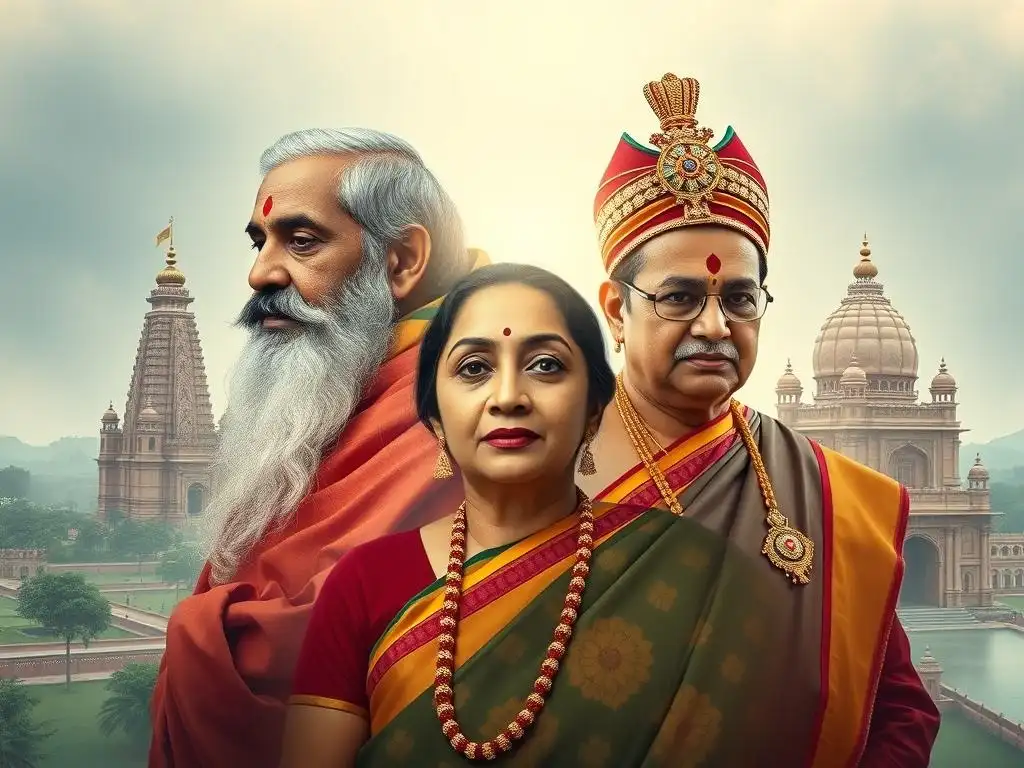
Welcome to Ancient India History, where we embark on a captivating journey through the remarkable tapestry of ancient Indian civilizations. Delve into the stories of Southern India's historical leaders, the visionary figures whose legacies have shaped this vibrant region. From the innovative rulers of the Indus Valley to the illustrious dynasties of the Gupta Empire, each article promises to unlock the secrets of a past rich in culture and contributions.
Are you ready to uncover the pivotal moments and influential personalities that defined an era? Join us as we explore the profound impact these leaders had on the heart of Southern India!
Introduction to Southern India Historical Leaders
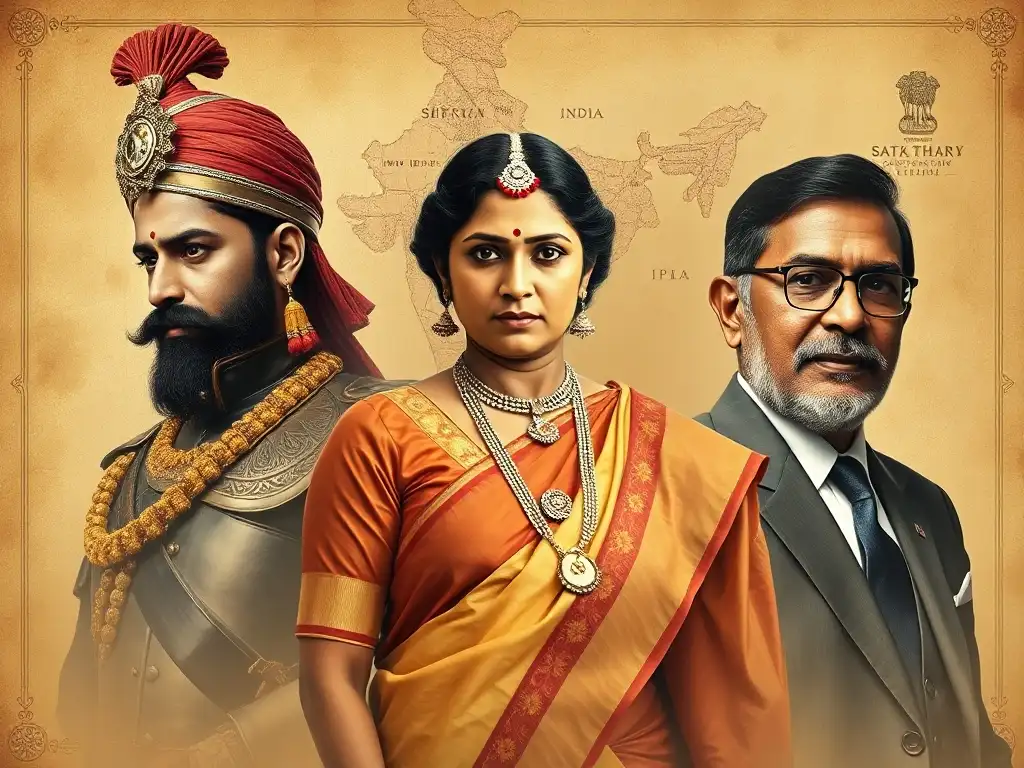
Southern India, a region steeped in a rich and diverse history, has been the cradle of numerous civilizations that have significantly influenced the cultural, political, and social landscape of India. From the early settlements of the Indus Valley to the grandeur of the Gupta Empire, Southern India has been home to remarkable historical figures whose leadership and vision have left an indelible mark on the region. This article delves into the lives and legacies of the historical leaders of Southern India, exploring how their contributions shaped not only their respective kingdoms but also the broader Indian civilization.
Overview of Southern India's Rich History
Southern India boasts a complex tapestry of history characterized by its unique cultures, languages, and traditions. The region has witnessed the rise and fall of powerful dynasties such as the Cholas, Pandyas, and the Vijayanagara Empire. Each of these dynasties produced leaders who were not only adept in governance but also patrons of art, architecture, and literature.
- Indus Valley Civilization: One of the world's earliest urban cultures, known for its advanced city planning and trade.
- Chola Dynasty: Renowned for its naval prowess and cultural contributions, especially in temple architecture and sculpture.
- Vijayanagara Empire: A major South Indian empire that became a cultural and economic hub, known for its architectural marvels and promotion of arts.
The historical narrative of Southern India is not just about battles and conquests; it is also about the evolution of a region that has been a melting pot of ideas, religions, and philosophies.
Importance of Historical Leaders in Shaping Culture
The influence of historical leaders in Southern India extends beyond political rule; they have played a crucial role in shaping the region's culture and identity. Through their policies, patronage, and vision, these leaders fostered advancements in various fields, including:
- Art and Architecture: Leaders commissioned grand temples and monuments that reflect the artistic excellence of the time.
- Literature and Philosophy: They supported scholars and poets, contributing to a rich literary heritage.
- Religion: Many leaders promoted religious tolerance and the flourishing of various faiths, including Hinduism, Buddhism, and Jainism.
These contributions laid the foundation for a vibrant cultural ethos that continues to thrive in Southern India today.
The Early Influencers of Southern India
Historical Leaders of the Ancient Tamil Kingdoms
The ancient Tamil kingdoms were pivotal in the early history of Southern India. Among the most notable leaders from this era were:
- Karikala Chola: A legendary king known for his military conquests and irrigation projects that transformed agriculture in the region.
- Kongu Chola: A significant figure who played a vital role in trade and cultural exchanges with Southeast Asia.
- Nedunjeliyan: Renowned for his valor and patronage of Tamil literature, he is often celebrated in classical Tamil poetry.
These leaders not only established political stability but also promoted cultural richness, setting the stage for future generations. Their legacies continue to influence the social and cultural fabric of Southern India, highlighting the enduring importance of their contributions in the annals of history.
Medieval Leaders Who Transformed Southern India
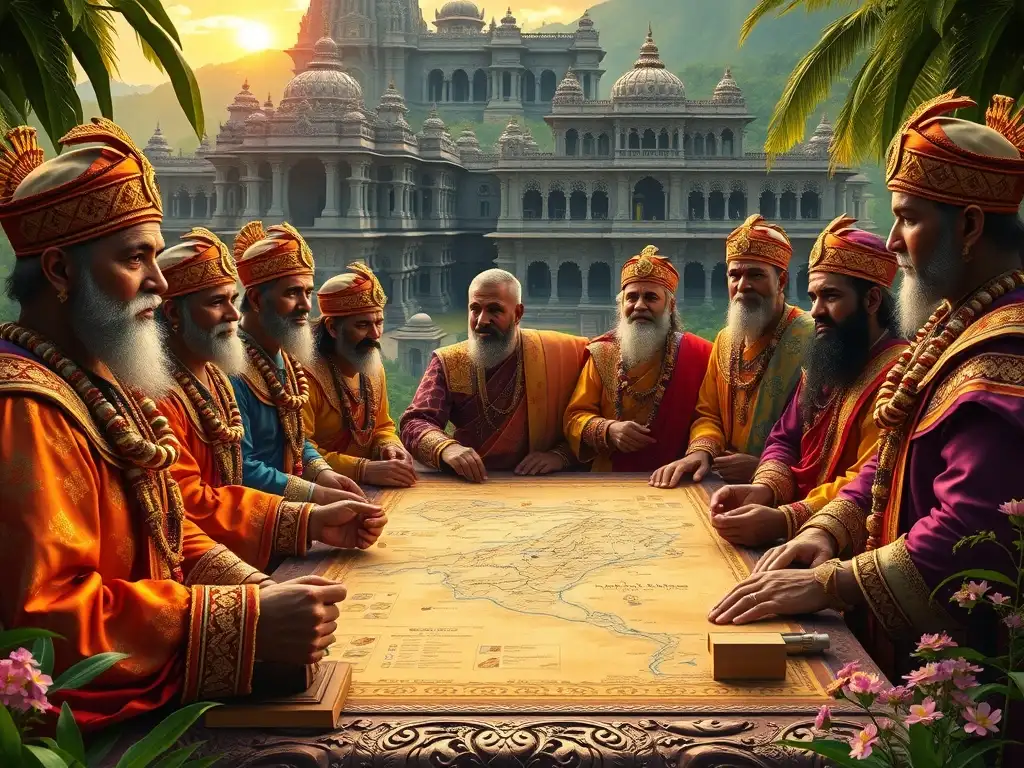
The medieval period of Southern India was marked by the rise of powerful dynasties and leaders who significantly influenced the region's political, cultural, and economic landscape. Among these leaders, the most notable was Krishnadevaraya of the Vijayanagara Empire, who ruled from 1509 to 1529. His reign is often considered a golden age for Southern India, characterized by military conquests, extensive trade networks, and a flourishing of the arts and literature. Krishnadevaraya's administrative reforms enhanced the efficiency of governance and ensured stability, allowing for the development of infrastructure such as roads and irrigation systems, which in turn boosted agricultural production.
In addition to Krishnadevaraya, other prominent leaders in this period included the Nayaks of Madurai and the Golconda Sultanate rulers, who played vital roles in promoting regional autonomy while contributing to the cultural synthesis of Hindu and Islamic traditions. The Nayaks, for instance, were known for their patronage of temple architecture and the arts, leading to a rich cultural heritage that is still evident in the region today. The Golconda rulers, particularly during the time of Ibrahim Quli Qutb Shah, established a vibrant center of trade and culture, fostering relationships with Persian and Arab traders.
The Role of the Vijayanagara Empire
The Vijayanagara Empire, founded in the 14th century, emerged as a formidable power in Southern India, promoting not only military strength but also cultural renaissance. The empire's capital, Hampi, became a hub of economic activity and artistic expression, attracting scholars, artists, and traders from various parts of the world. The empire was instrumental in resisting the expansion of neighboring Muslim sultanates, thereby preserving Hindu culture and religion during a period of considerable upheaval.
Under the leadership of figures like Krishnadevaraya, the Vijayanagara Empire expanded its territory significantly, encompassing much of Southern India. This expansion facilitated trade, with the empire becoming a crucial link between the East and West. The rulers actively supported agriculture, leading to increased productivity and wealth. This economic prosperity allowed for the construction of grand temples and monuments, which are celebrated for their architectural brilliance.
Moreover, the Vijayanagara Empire's legacy extends beyond its military and economic achievements. It fostered a unique cultural identity, blending various traditions and languages, which laid the groundwork for subsequent developments in Southern India. The empire's fall in the late 16th century marked a significant turning point, but its influence continued to resonate throughout the region's history.
Colonial Era Leaders and Their Legacy
The colonial era brought significant challenges to Southern India, with European powers, primarily the British, establishing control over the region. However, this period also witnessed the emergence of leaders who played pivotal roles in resisting colonial rule and advocating for social reforms. Figures such as Rani Velu Nachiyar of Sivaganga, who was among the first to fight against British colonization in the late 18th century, became symbols of resistance and resilience.
Another key leader was Subhas Chandra Bose, who, although more prominently associated with the Indian independence movement as a whole, had a significant impact on Southern India. His call for armed struggle inspired many in the region to join the fight against British rule, emphasizing the need for unity across diverse cultural and linguistic backgrounds.
Resistance Against Colonial Rule
The resistance against colonial rule in Southern India was characterized by a blend of traditional and modern strategies. Leaders like Rani Velu Nachiyar organized guerilla warfare tactics against British forces, employing local knowledge and alliances to bolster their efforts. This grassroots movement played a critical role in rallying local populations to the cause of independence, highlighting the importance of regional leaders in the broader national struggle.
Additionally, the rise of social reform movements, led by figures such as E.V. Ramasamy (Periyar), sought to address social inequalities and mobilize the masses against colonial oppression. These movements not only challenged British authority but also aimed to uplift marginalized communities, paving the way for a more inclusive approach to Indian nationalism.
The legacy of these colonial-era leaders continues to inspire contemporary movements for social justice and equality in Southern India, underscoring the significant role they played in shaping the region's historical narrative. Their contributions highlight the interconnectedness of local and national struggles for freedom, emphasizing that Southern India’s historical leaders were crucial in the fight against colonialism.
Modern Historical Leaders from Southern India
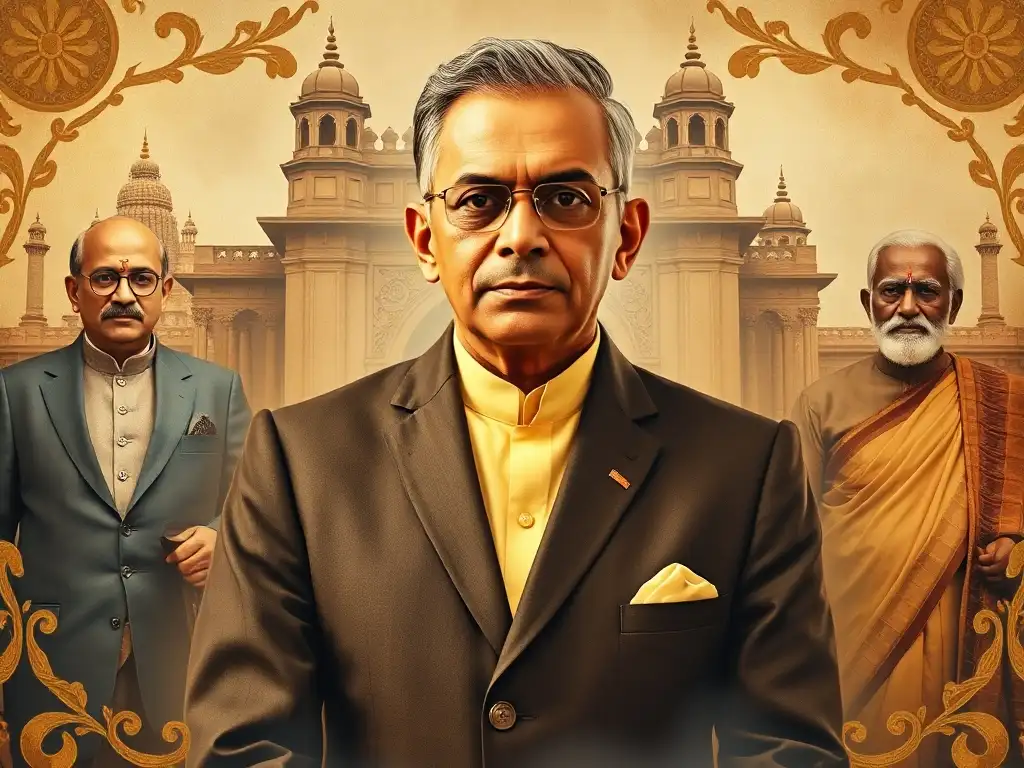
Southern India has been home to numerous influential leaders who have played pivotal roles in shaping the political, social, and cultural landscape of the region. These leaders emerged from various backgrounds, including politics, social reform, and education, significantly contributing to the modern identity of Southern India.
One of the most prominent figures is K. Kamraj, a key leader in the Indian National Congress and the Chief Minister of Tamil Nadu from 1954 to 1963. Known as the "Kingmaker" of Indian politics, Kamraj was instrumental in promoting education and rural development. His "Kamaraj Plan" focused on sending ministers back to the grassroots, which revitalized local governance and empowered the rural population.
Another significant leader is B. R. Ambedkar, who, although primarily associated with Maharashtra, had a profound impact on the Dalit movement in Southern India. As the principal architect of the Indian Constitution, Ambedkar advocated for the rights of the marginalized communities, emphasizing education and social reform. His teachings continue to inspire movements for social justice across Southern India.
M. K. Gandhi also made notable contributions during his visits to Southern India, where he galvanized support against British colonial rule. His philosophy of non-violence and civil disobedience laid the groundwork for future leaders in the region, influencing generations in their struggle for independence.
Leaders in the Fight for Independence
The struggle for India's independence saw many leaders from Southern India rise to prominence, each contributing uniquely to the movement against colonial rule.
Sardar Vallabhbhai Patel, though often associated with his work in Gujarat, had significant ties to Southern India. His efforts in integrating the princely states post-independence were crucial, as he worked tirelessly to ensure a unified India, which included the southern regions.
Lal Bahadur Shastri, who hailed from Uttar Pradesh, had roots in Southern India through his education and early political career. As Prime Minister, he led India during the 1965 Indo-Pakistan War, emphasizing the importance of national unity and resilience.
In Tamil Nadu, leaders like V. O. Chidambaram Pillai and Subramania Bharathi were instrumental in the freedom struggle. Chidambaram Pillai founded the Swadeshi Steam Navigation Company, promoting Indian goods and services, while Bharathi's poetry inspired many to join the freedom movement, emphasizing nationalism and self-respect.
Cultural Contributions of Southern India Historical Leaders
Southern India has produced a plethora of historical leaders who significantly shaped its cultural landscape. These leaders not only fought for independence but also nurtured the arts, literature, and social reforms, leaving lasting legacies.
Raja Raja Chola I is one such historical figure who contributed immensely to the cultural heritage of Southern India. His reign saw the flourishing of Tamil literature and the arts, with monumental architecture like the Brihadeeswarar Temple in Thanjavur, which stands as a UNESCO World Heritage site. His patronage of the arts led to a renaissance in Tamil culture, influencing the region's artistic expression for centuries.
Similarly, the Nayak rulers of Tamil Nadu played a crucial role in promoting temple architecture and dance forms like Bharatanatyam. Their support for artisans and performers helped preserve and evolve traditional art forms, ensuring their survival through generations.
Literature and Arts Influenced by Historical Figures
The literary and artistic expressions in Southern India have been significantly influenced by its historical leaders. The patronage of literature by rulers like Krishnadevaraya, the emperor of the Vijayanagara Empire, led to a golden age in Kannada and Telugu literature. His court was home to notable poets like Allasani Peddana, who became a symbol of literary excellence.
In the realm of music, leaders like Sarfoji II of Thanjavur were instrumental in the development of Carnatic music, fostering composers such as Thyagaraja and Muthuswami Dikshitar. The king's encouragement of music and dance helped elevate these art forms, which remain integral to Southern Indian culture today.
The Evolution of Language and Education in Southern India
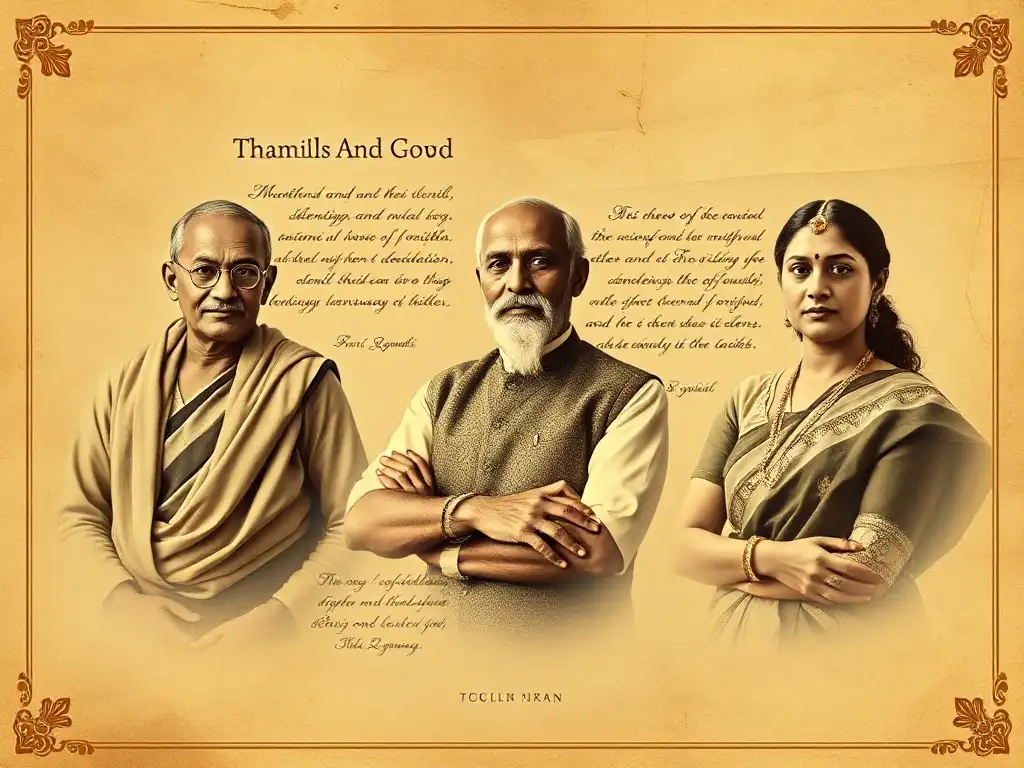
The evolution of language and education in Southern India has been profoundly influenced by its historical leaders, who recognized the importance of education in fostering social reforms and cultural identity.
During the British colonial period, leaders like M. Visvesvaraya advocated for technical education and industrial development. His efforts led to the establishment of engineering colleges and institutions that laid the foundation for modern education in the region.
In the realm of language, figures like Kumaraguruparar and Subramania Bharathi played crucial roles in promoting the Tamil language and literature. Their literary works not only celebrated the Tamil identity but also inspired movements for linguistic pride, ultimately influencing the formation of the Tamil Nadu state.
The contributions of these leaders to language and education have created a rich tapestry of knowledge that continues to evolve, reflecting the diverse heritage of Southern India.
Conclusion: The Enduring Legacy of Southern India Historical Leaders
The historical leaders of Southern India have left an indelible mark on the region's cultural, political, and social landscape. From the ancient kingdoms of the Cholas and Cheras to the formidable Vijayanagara Empire, these figures shaped not only their own time but also laid the foundations for future generations. Their governance, military strategies, and cultural patronage fostered an environment where art, architecture, and literature flourished. The enduring legacy of these leaders is evident in the continued reverence for their contributions and the ongoing influence they exert on contemporary Southern Indian society.
In addition to their military prowess and political acumen, these leaders were instrumental in promoting trade and cultural exchange with other regions, both within India and beyond. By establishing extensive trade networks, they helped integrate Southern India into a broader economic framework, which facilitated the exchange of ideas, technologies, and artistic styles. This interconnectedness enriched the region’s culture and helped to shape a unique Southern Indian identity that persists to this day.
Reflection on Their Impact on Modern Southern India
The impact of historical leaders from Southern India can be seen in various aspects of modern life, including governance, cultural practices, and social structures. Many contemporary political leaders in the region draw inspiration from the achievements and ideologies of their historical counterparts. For example, the emphasis on strong leadership and regional pride can be traced back to the legacies of rulers like Rajaraja Chola I and Krishnadevaraya, whose achievements are celebrated as examples of effective governance.
Moreover, the cultural expressions that flourished under these historical figures continue to thrive in modern Southern India. Traditional art forms, such as Bharatanatyam dance and Carnatic music, have roots in the patronage of ancient rulers who recognized the importance of art in society. Festivals and rituals that celebrate the achievements of these leaders reinforce their significance in the collective memory of Southern Indians, further solidifying their relevance in contemporary culture.
Encouraging Further Exploration of Southern Indian History
To truly appreciate the depth and richness of Southern India's history, it is essential to delve deeper into the lives and contributions of its historical leaders. Engaging with this topic not only enhances our understanding of the past but also sheds light on the complexities of the present. Readers are encouraged to explore various resources, including historical texts, documentaries, and museum exhibitions, to gain a more comprehensive perspective on the region’s heritage.
Furthermore, local heritage walks and community events often highlight the historical significance of various sites and figures, providing an immersive experience that connects individuals to their cultural roots. By continuing to explore and celebrate the achievements of Southern India’s historical leaders, we ensure that their legacies endure, inspiring future generations to recognize the importance of their cultural heritage and the lessons learned from history.
- Introduction to Southern India Historical Leaders
- Overview of Southern India's Rich History
- Importance of Historical Leaders in Shaping Culture
- The Early Influencers of Southern India
- Medieval Leaders Who Transformed Southern India
- The Role of the Vijayanagara Empire
- Colonial Era Leaders and Their Legacy
- Resistance Against Colonial Rule
- Modern Historical Leaders from Southern India
- Leaders in the Fight for Independence
- Cultural Contributions of Southern India Historical Leaders
- Literature and Arts Influenced by Historical Figures
- The Evolution of Language and Education in Southern India
- Conclusion: The Enduring Legacy of Southern India Historical Leaders
- Reflection on Their Impact on Modern Southern India
- Encouraging Further Exploration of Southern Indian History
- What are some prominent historical leaders from Southern India?
- How did the Chola Dynasty contribute to Southern India's history?
- What role did religion play in the leadership of Southern India?
- How did the Gupta Empire influence Southern India?
- What can we learn from the leadership styles of historical figures in Southern India?
Frequently Asked Questions
What are some prominent historical leaders from Southern India?
Southern India has been shaped by several influential leaders such as Chola, Pandya, and Cheras who played significant roles in politics, culture, and trade.
How did the Chola Dynasty contribute to Southern India's history?
The Chola Dynasty is renowned for its maritime prowess and cultural achievements, including the construction of iconic temples and advancements in art and architecture.
What role did religion play in the leadership of Southern India?
Religion was integral to the governance and influence of leaders, with many rulers promoting Hinduism, Buddhism, and Jainism, which shaped the cultural landscape.
How did the Gupta Empire influence Southern India?
Although primarily based in Northern India, the Gupta Empire impacted Southern India through trade, cultural exchanges, and the spread of ideas, leading to a rich socio-political landscape.
What can we learn from the leadership styles of historical figures in Southern India?
The leadership styles of historical figures in Southern India often emphasized administrative efficiency, military strategy, and cultural patronage, which are valuable lessons in governance and community-building today.
Final Reflection: The Enduring Legacy of Southern India's Historical Leaders
The exploration of Southern India's historical leaders reveals a rich tapestry of influence that continues to resonate in contemporary society. These figures, from ancient kings to modern reformers, have not only shaped the political landscape but have also laid the groundwork for cultural and social evolution. Their stories remind us that leadership is not merely about power; it is about vision, resilience, and the ability to inspire change. As we reflect on their contributions, we recognize that their legacies are not confined to the past but are woven into the fabric of our present and future.
The impact of these leaders extends far beyond their lifetimes, influencing the cultural and social dynamics of Southern India. Their stories serve as a source of inspiration, reminding us of the power of determination and the importance of standing up for one's beliefs. As Mahatma Gandhi once said, Be the change that you wish to see in the world.
This sentiment echoes through the actions of Southern India's historical figures, who have demonstrated that true leadership involves not just guiding others but also embodying the values one wishes to promote. Their legacies continue to inspire new generations to engage with their communities and strive for progress.
As we conclude this exploration, I invite you to reflect on the lessons imparted by these remarkable leaders. Consider how their courage and vision can inform your own path. What values do you hold dear, and how can you embody them in your daily life? Let their stories motivate you to take action, whether in your community or in your personal endeavors. Embrace the spirit of leadership that they exemplified, and remember that each of us has the potential to shape our world in meaningful ways.
Dive Deeper into Southern India's Legacy!
Thank you for exploring the remarkable leaders of Southern India with us! You've uncovered the rich tapestry of history and the pivotal figures that shaped the region. Now, let's transform that knowledge into action!
Here are some steps you can take to deepen your understanding and share this incredible history:
- Explore further: Dive into additional articles on our website to discover lesser-known figures and untold stories from Southern India's past.
- Share your thoughts: Engage with our community by leaving a comment—what historical figure inspired you the most and why?
- Start a discussion: Organize a local meetup or book club centered on Southern India's history and its influential leaders!
What aspect of Southern India's diverse history captivates you the most, and how will you share it with others?