
The Role of Agriculture in the Development of Southern Indian Civilizations

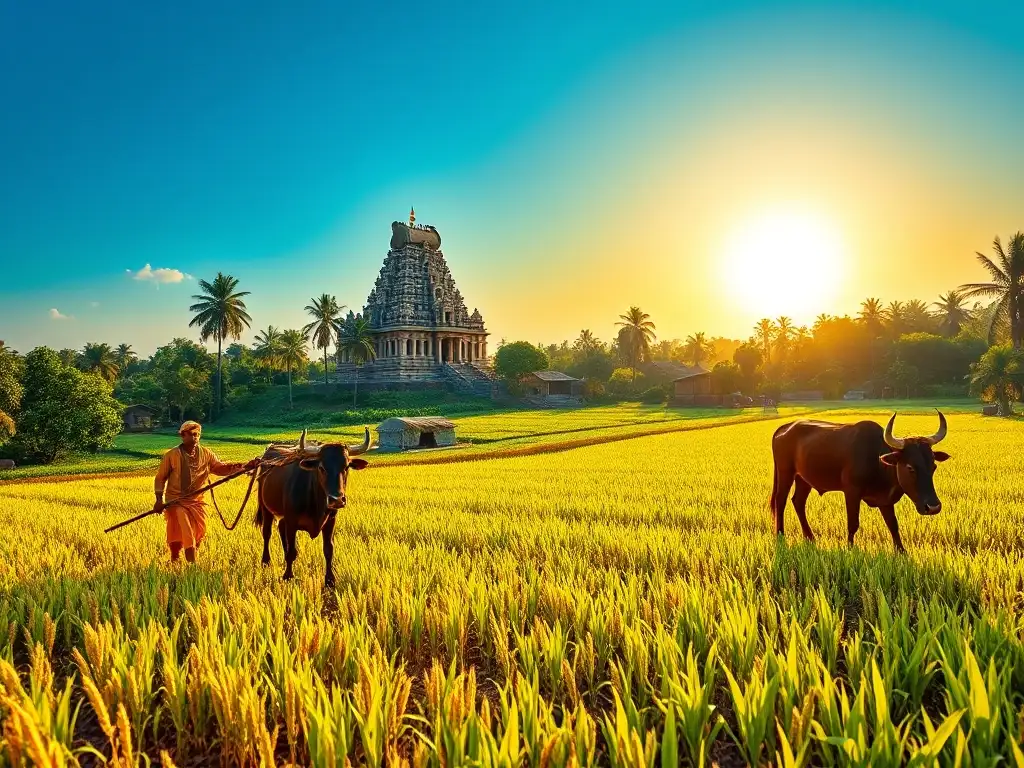
Welcome to Ancient India History, where we embark on an extraordinary journey through the rich tapestry of ancient Indian civilizations. In this exploration, we delve into the intriguing contributions of agriculture that shaped the development of Southern Indian cultures. Discover how the fertile lands and innovative practices of the time laid the groundwork for thriving societies. What secrets do these ancient agricultural methods hold? Join us as we uncover the profound impact of agriculture on regional histories and invite you to dive deeper into this captivating topic.
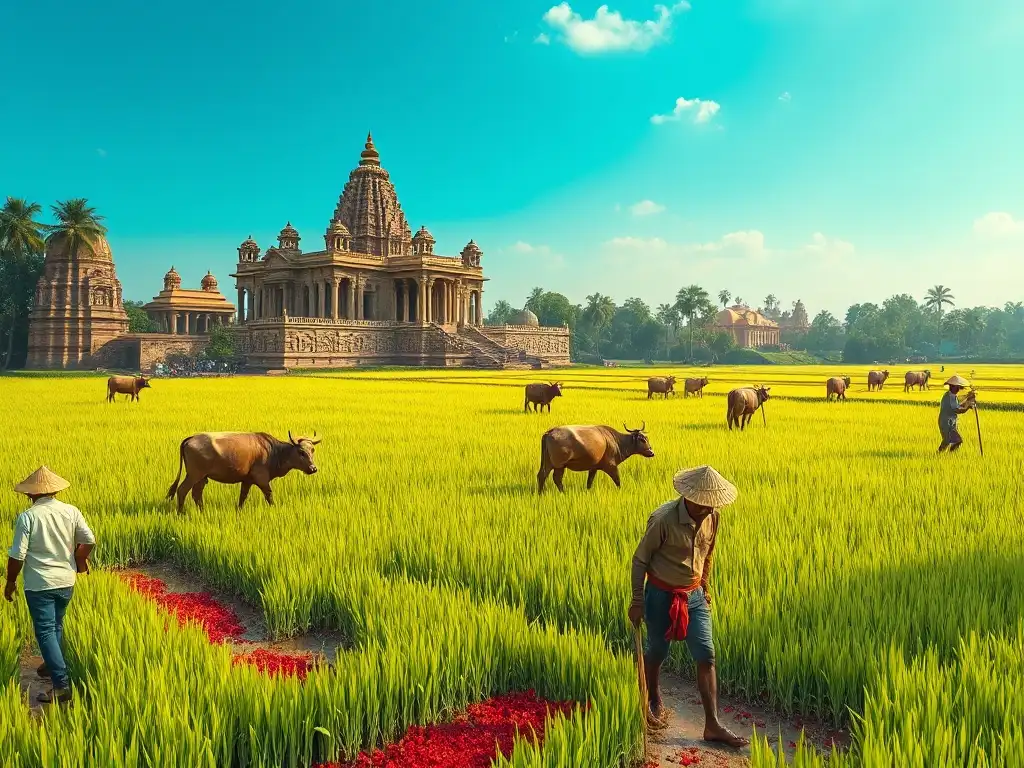
Agriculture has been a cornerstone of civilization throughout human history, serving as the foundation upon which societies build their economy, culture, and social structures. In ancient India, particularly in the southern regions, agriculture not only supported the population but also played a pivotal role in shaping the unique characteristics of the civilizations that thrived there.
This article delves into the various contributions of ancient Indian agriculture, examining how it influenced the development of Southern Indian civilizations from the Indus Valley period through to the Gupta Empire. By exploring the agricultural practices, innovations, and societal impacts, we aim to highlight the significance of this sector in the rich tapestry of Southern India's history.
Introduction to Ancient Indian Agriculture Contributions
Agriculture in ancient India was not merely a means of subsistence; it was a complex system that encompassed various practices, techniques, and innovations. The contributions of ancient Indian agriculture are manifold, ranging from the domestication of crops and animals to sophisticated irrigation techniques. These advancements not only provided food security but also laid the groundwork for trade, urbanization, and cultural development.
The agricultural practices of ancient India reflect a deep understanding of the environment and ecological balance. Farmers utilized diverse crops suited to different climate zones and soil types, which played a crucial role in sustaining the growing populations. The cultivation of staple crops like rice, millet, and pulses, along with cash crops such as cotton and spices, indicates a well-developed agricultural economy that contributed substantially to the wealth and stability of Southern Indian civilizations.
Overview of Agricultural Practices in Ancient India
Ancient Indian agriculture was characterized by several key practices:
- Crop Rotation: Farmers practiced rotating crops to maintain soil fertility and prevent pest infestations.
- Irrigation Systems: Ingenious irrigation methods, including wells, tanks, and canals, were developed to support agriculture, especially in regions with irregular rainfall.
- Farming Techniques: Use of plows made from wood and later from iron, along with the integration of animal husbandry, facilitated more efficient farming.
- Domestication of Plants and Animals: The domestication of important crops such as rice and wheat, as well as animals like cattle and goats, contributed to agricultural diversity and sustainability.
These practices not only enhanced agricultural productivity but also contributed to the social and economic fabric of early Indian societies.
Significance of Agriculture in Southern India
The significance of agriculture in Southern India cannot be overstated. It served as the backbone of the economy and influenced social structures, cultural practices, and even political power dynamics. Agricultural surplus allowed for the rise of urban centers, trade networks, and cultural exchanges.
- Economic Impact: Agricultural production generated wealth, which supported artisans, traders, and the ruling class, leading to the development of complex societies.
- Cultural Influence: Festivals, rituals, and social customs were often tied to agricultural cycles, reflecting the deep connection between farming and cultural identity.
- Political Power: Control over fertile land and water resources often determined political power, with kingdoms thriving on the agricultural wealth they could generate.
Historical Context of Southern Indian Civilizations
Southern India is home to a rich tapestry of civilizations, each contributing uniquely to the region's agricultural heritage. Understanding the historical context is essential to appreciate the evolution of agriculture in this area.
Major Civilizations in Southern India
Several significant civilizations flourished in Southern India, including:
- The Chola Dynasty: Known for their contributions to irrigation and rice cultivation, the Cholas implemented advanced farming techniques and established trade routes that expanded agricultural commerce.
- The Pandya Dynasty: Renowned for their agricultural policies and promotion of trade, the Pandyas enhanced the cultivation of spices and textiles, impacting both local and international markets.
- The Vijayanagara Empire: This empire saw vast agricultural advancements, including improved irrigation systems, which supported extensive agricultural production and trade.
These civilizations not only advanced agricultural practices but also fostered cultural and economic growth, establishing Southern India as a significant player in ancient Indian history.
Timeline of Agricultural Development in Southern Indian Regions
The development of agriculture in Southern India can be traced through several key periods:
| Period | Key Developments |
|---|---|
| Prehistoric Era | Domestication of crops and animals, early farming techniques. |
| 3rd Century BCE | Establishment of irrigation systems, rise of urban centers. |
| 1st Century CE | Expansion of trade networks, diversification of crops. |
| 9th-12th Century CE | Agricultural innovations under the Chola and Pandya dynasties. |
| 14th-17th Century CE | Flourishing of the Vijayanagara Empire and agricultural prosperity. |
This timeline showcases the evolution of agricultural practices and their enduring impact on Southern Indian civilizations.
The exploration of ancient Indian agriculture reveals its profound contributions to the development of Southern Indian civilizations. From innovative farming practices to the establishment of socio-economic structures, agriculture was not merely a means of sustenance but a driving force behind the region's historical trajectory. The intricate interplay between agriculture and civilization laid the foundation for a rich cultural heritage that continues to resonate today.
Key Agricultural Contributions of Ancient Indian Civilizations
Ancient Indian agriculture had a profound impact on the development of Southern Indian civilizations, shaping their economy, culture, and social structures. The innovative techniques and understanding of agricultural practices contributed significantly to the prosperity and sustainability of these societies. Notably, Southern India, with its diverse climate and geography, became a hub for various agricultural advancements and crop cultivation that laid the foundation for future civilizations.
Innovations in Farming Techniques
In ancient Southern India, several innovative farming techniques emerged that significantly enhanced agricultural productivity. One of the notable practices was the development of irrigation systems. Farmers constructed intricate canals, tanks, and wells to ensure a steady water supply, especially in regions with erratic rainfall. The use of bunds (earthen embankments) to retain water and prevent soil erosion was also prevalent.
Crop rotation became a common practice, allowing farmers to maintain soil fertility and control pests. By alternating crops such as millet, pulses, and oilseeds, they could optimize land use and harvest yields throughout the year. Additionally, the introduction of ploughs and tools made from iron around the 6th century BCE improved the efficiency of farming, enabling the cultivation of larger areas.
These innovations not only increased agricultural output but also fostered a deeper understanding of agronomy among farmers, which was passed down through generations.
Major Crops Cultivated in Southern India
Southern India was known for its diverse range of crops that were cultivated due to its favorable climate and rich soil. Key crops included:
- Rice: A staple food, rice was extensively cultivated in the fertile river deltas and plains. Varieties such as 'Swarna' and 'BPT' were popular among farmers.
- Millets: Varieties such as pearl millet (bajra) and finger millet (ragi) were drought-resistant and provided essential nutrition.
- Pulses: Legumes like chickpeas, lentils, and pigeon peas were integral to the diet and helped in nitrogen fixation in the soil.
- Spices: Southern India, particularly regions like Kerala, became famous for spices such as black pepper, cardamom, and turmeric, which were not only used locally but also traded extensively.
- Cotton: The cultivation of cotton for textiles emerged as a significant economic activity, contributing to trade and craftsmanship.
The diverse agricultural output supported the local economies and facilitated trade with neighboring regions, enhancing the cultural exchange and prosperity of Southern Indian civilizations.
The Socio-Economic Impact of Agriculture on Southern Indian Societies

Agriculture in ancient Southern India was not merely an economic activity; it was the backbone of society, influencing various aspects of life, from social hierarchy to community practices. The agricultural framework contributed to the stability and growth of regional economies, enabling complex social structures to evolve.
Agricultural Surplus and Trade Networks
The advancements in agricultural techniques led to surplus production, which played a crucial role in the development of trade networks. Surplus crops allowed societies to engage in barter and trade, not just locally but also with distant regions. Major trade routes emerged, connecting Southern India with other parts of the Indian subcontinent as well as with distant lands such as Rome and Southeast Asia.
Key trade goods included rice, spices, and textiles, which were highly valued commodities. The surplus also supported the rise of urban centers, where markets flourished, and artisans produced goods for trade. As trade expanded, so did the socio-economic complexity of Southern Indian societies, leading to the establishment of a merchant class that played a vital role in economic activities.
The Role of Agriculture in Social Structure and Community Life
Agriculture shaped the social structure of Southern Indian civilizations. Land ownership became a significant determinant of social status, with wealthy landowners often holding power and influence within the community. The agrarian lifestyle fostered communal ties, as farming was often a collective effort involving families and neighbors.
Festivals and rituals centered around agricultural cycles, such as sowing and harvesting, were prominent in community life, reinforcing social bonds. The sharing of agricultural knowledge and resources among community members contributed to a sense of identity and cohesion, essential for the resilience of these societies.
The contributions of agriculture to ancient Indian civilizations, particularly in Southern India, were multifaceted, influencing economic prosperity, social structures, and cultural practices that defined the region's historical narrative.
Religious and Cultural Influences of Agriculture
Agriculture in ancient Southern India was not merely an economic activity; it was deeply intertwined with the region's religious and cultural fabric. The agrarian lifestyle shaped the beliefs, rituals, and social structures of various communities. Farming was often seen as a sacred duty, with the land perceived as a goddess who needed to be revered and respected. Many agricultural practices were accompanied by religious ceremonies aimed at ensuring bountiful harvests.
The relationship between agriculture and the divine is evident in the veneration of deities associated with fertility and harvests. For instance, goddess Annapurna, who represents nourishment, and other local deities were worshipped to bless crops and safeguard them from calamities. Temples often served as centers for agricultural festivals, reinforcing the connection between spirituality and farming practices.
Additionally, the agricultural calendar dictated the rhythm of life in Southern India, influencing everything from daily routines to major life events. The seasonal changes marked by sowing and harvesting cycles were celebrated through cultural expressions such as music, dance, and art, illustrating the central role of agriculture in shaping the region's cultural identity.
Agriculture in Ancient Indian Texts and Scriptures
Ancient texts and scriptures from Southern India provide valuable insights into the agricultural practices and contributions of the time. The Arthashastra, written by Chanakya, details various aspects of agriculture, including crop rotation, irrigation techniques, and land management. This ancient treatise emphasizes the significance of agriculture in sustaining the economy and supporting the state.
Additionally, the Rigveda and other early scriptures contain references to agricultural practices, illustrating the importance of farming in daily life and spiritual beliefs. The Manusmriti also outlines rules governing land ownership, cultivation, and the rights of farmers, showcasing an early understanding of agrarian society's complexities.
These texts not only highlight the techniques and tools used but also reflect the deep-seated respect for the earth and its yield. They reveal how ancient Indian civilizations prioritized sustainable farming practices that have influenced modern agricultural methods.
Festivals and Rituals Related to Agricultural Practices
Festivals and rituals related to agriculture played a crucial role in the social and cultural life of ancient Southern India. Celebrations such as Pongal, which marks the harvest season, exemplify the integration of agricultural success with community and cultural identity. During this festival, families prepare special dishes using newly harvested rice, symbolizing gratitude to nature for its bounty.
Rituals such as Gudi Padwa and Vaishakha involved offerings to deities, seeking blessings for future crops. These events reinforced community bonds as people gathered to celebrate, share food, and participate in traditional dances and music.
Moreover, the agricultural calendar was punctuated by various rites of passage, such as the planting ceremony, where farmers sought divine favor for their crops. The communal aspect of these festivals highlighted the interconnectedness of agriculture, culture, and spirituality, fostering a sense of unity among the people.
Conclusion: The Enduring Legacy of Ancient Indian Agriculture Contributions
The contributions of ancient Indian agriculture have left an indelible mark on the civilizations of Southern India, shaping not only the economy but also the cultural and spiritual landscape. The innovative agricultural practices developed during this period laid the foundation for sustainable farming techniques that continue to influence modern agriculture.
The integration of spirituality into agricultural practices fostered a deep respect for the land, encouraging practices that promoted ecological balance. This legacy of reverence for nature can still be seen in contemporary agricultural communities that prioritize sustainability and ethical farming methods.
Lasting Impact on Modern Agricultural Practices
Ancient Indian agricultural practices have significantly influenced modern farming techniques in Southern India. The methods of irrigation, crop rotation, and organic farming that were developed centuries ago are still relevant today. For instance, the use of traditional water conservation techniques, such as tank irrigation and check dams, continues to be employed to manage water resources efficiently.
Moreover, the emphasis on biodiversity and the cultivation of indigenous crop varieties reflects the ancient understanding of maintaining a balanced ecosystem. This knowledge has been pivotal in addressing contemporary challenges such as climate change and food security, showcasing the relevance of ancient practices in today's agricultural discourse.
Recognition of Southern India’s Agricultural Heritage
The rich agricultural heritage of Southern India continues to garner recognition both nationally and internationally. Scholars and agricultural experts often cite ancient practices as exemplary models of sustainable farming. Initiatives aimed at documenting and preserving traditional agricultural knowledge have gained momentum, leading to the revival of interest in old techniques and crops.
Moreover, festivals celebrating agricultural heritage play a crucial role in raising awareness about the importance of preserving these traditions. Events that promote local produce and traditional farming methods encourage younger generations to reconnect with their roots, ensuring that the agricultural legacy of ancient Southern India endures for future generations.
Overall, the recognition of this heritage is vital in fostering a sense of pride and responsibility towards sustainable agriculture, acknowledging the invaluable contributions of ancient Indian agriculture to contemporary practices.
- Introduction to Ancient Indian Agriculture Contributions
- Historical Context of Southern Indian Civilizations
- Key Agricultural Contributions of Ancient Indian Civilizations
- The Socio-Economic Impact of Agriculture on Southern Indian Societies
- Religious and Cultural Influences of Agriculture
- Conclusion: The Enduring Legacy of Ancient Indian Agriculture Contributions
- What were the main agricultural practices in ancient Indian civilizations?
- How did agriculture influence the economy of southern Indian civilizations?
- What crops were primarily cultivated in ancient southern India?
- How did ancient Indian agriculture contribute to societal development?
- What legacy did ancient Indian agricultural practices leave for future generations?
Frequently Asked Questions
What were the main agricultural practices in ancient Indian civilizations?
Ancient Indian civilizations developed sophisticated agricultural techniques such as crop rotation, irrigation systems, and the use of organic fertilizers to enhance productivity.
How did agriculture influence the economy of southern Indian civilizations?
Agriculture was the backbone of the economy in southern Indian civilizations, providing sustenance and enabling trade with neighboring regions, which contributed to economic growth.
What crops were primarily cultivated in ancient southern India?
Farmers in ancient southern India primarily cultivated rice, millets, and cotton, which were essential for both domestic consumption and trade.
How did ancient Indian agriculture contribute to societal development?
The advancements in agriculture led to population growth, the establishment of settlements, and the development of social structures, significantly shaping the cultural landscape of ancient India.
What legacy did ancient Indian agricultural practices leave for future generations?
The innovative techniques and crop varieties developed in ancient India have had a lasting impact on modern agriculture and continue to influence farming practices in the region today.
Final Reflection: The Enduring Legacy of Ancient Indian Agriculture
The contributions of ancient Indian agriculture are not merely historical footnotes; they are the bedrock upon which the vibrant civilizations of Southern India were built. Today, as we grapple with modern agricultural challenges and the quest for sustainable practices, the innovations and techniques developed by our ancestors resonate with increasing relevance. The ingenuity of ancient farmers, who mastered the art of irrigation and crop rotation, reminds us that the solutions to contemporary issues often lie in the wisdom of the past.
Cultivating a deeper understanding of ancient agricultural practices not only enriches our historical knowledge but also shapes our cultural identity. The agricultural advancements of Southern India have left an indelible mark on its social fabric, influencing everything from cuisine to community structures. As Mahatma Gandhi once said, “The future depends on what you do today.” This quote encapsulates the ongoing impact of our agricultural heritage, urging us to recognize its significance in shaping our present and future.
As we reflect on the lessons from ancient Indian agriculture, I invite you to consider how these principles can be applied in your own life. What can you learn from the sustainable practices of the past to address the challenges we face today? Embrace the spirit of innovation and stewardship that characterized ancient farmers, and let it inspire you to contribute positively to your community and environment. Together, we can cultivate a future that honors our agricultural roots while nurturing the planet for generations to come.
Cultivate Your Knowledge and Impact the Future!
Thank you for diving into the fascinating role of agriculture in shaping Southern Indian civilizations! Your exploration of this rich history not only enhances your understanding but also connects you with the roots of cultural evolution. Now, let’s transform that knowledge into action!
Here are some ways you can engage further:
- Join a Local Community Garden to experience agricultural practices firsthand and understand their modern relevance.
- Share this article with friends or on social media to spread awareness about the importance of agriculture in historical contexts.
- Explore further by reading related articles or books on Indian history to deepen your knowledge and appreciation.
What agricultural practices from ancient civilizations do you think could be beneficial in today's world? Share your thoughts in the comments!