
The Role of Royal Women in Diplomacy and Politics of Ancient India

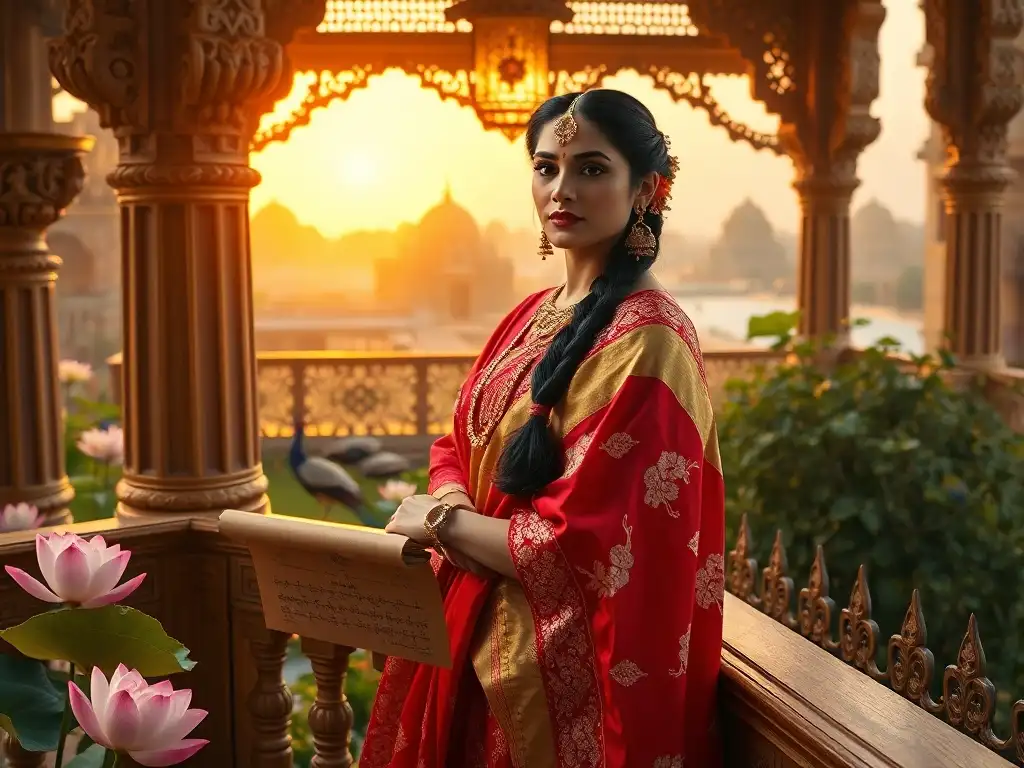
Welcome to Ancient India History, where we embark on a fascinating journey through time to uncover the rich tapestry of India's past. In this exploration, we delve into the often-overlooked yet powerful influence of royal women in ancient India. Discover how these remarkable figures shaped diplomacy and politics, wielding their influence in a world dominated by men. As we unravel their stories, you’ll find yourself captivated by the intrigue and resilience of these women who played pivotal roles in their civilizations. Join us as we unveil the unsung heroines of ancient India and their significant contributions to history!
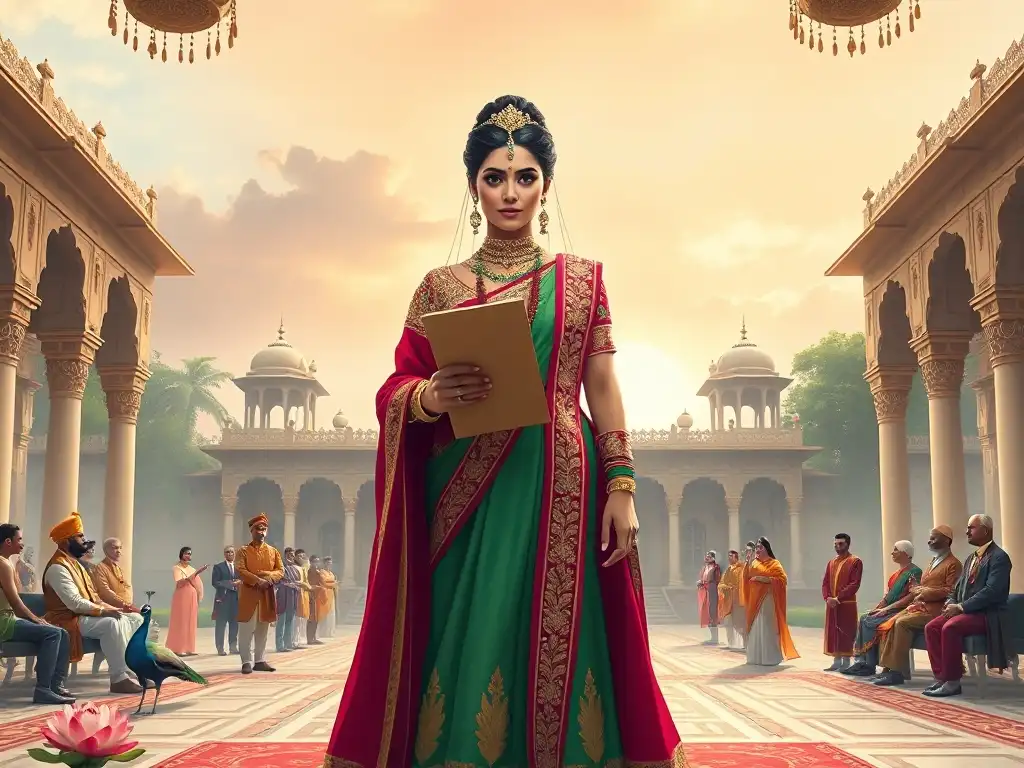
Introduction to Royal Women in Ancient India
The history of ancient India is not just a tapestry woven with the deeds of kings and warriors; it is also a narrative rich with the contributions and influence of royal women. These women played pivotal roles in shaping political landscapes and diplomatic relations, often acting as key figures in the intricate web of alliances and power struggles.
From the Indus Valley civilization through to the Gupta Empire, royal women in ancient India were not mere bystanders in the political arena; they were active participants whose decisions and actions had profound implications for their dynasties and the broader society. Understanding the multifaceted roles of these women provides a deeper insight into the complexities of ancient Indian politics and society.
Overview of Women's Roles in Ancient Indian Society
In ancient Indian society, women’s roles were often dictated by the prevailing cultural norms and the socio-economic structures of the time. While many women were primarily engaged in domestic responsibilities, royal women enjoyed a unique position that allowed them to transcend traditional boundaries. They were often educated, well-versed in political affairs, and possessed significant influence over their husbands and sons.
- Key Roles of Women:
- Matrimonial Alliances: Royal women were frequently married off to forge alliances between kingdoms.
- Advisory Positions: Many royal women served as trusted advisors to kings, influencing major decisions.
- Cultural Patronage: They supported arts and culture, which helped in shaping the identity of their realms.
This dynamic illustrates that while societal norms restricted many women, royal women often navigated these constraints adeptly, using their status to wield power and influence.
Importance of Royal Women in Historical Context
The significance of royal women in ancient India extends beyond their immediate families. They were instrumental in the stabilization of dynasties through strategic marriages and were often seen as symbols of fertility and continuity. Their involvement in political and diplomatic affairs was critical during times of war and peace, as they could leverage their familial connections to secure treaties and alliances.
- Impact on Diplomacy:
- Negotiators: Royal women often acted as negotiators in treaties, using their relationships to foster peace.
- Cultural Mediators: They helped bridge cultural divides, promoting cooperation between diverse groups.
Thus, the role of royal women in ancient India must be recognized as a vital aspect of the historical narrative, shaping the political landscape in ways that have long-lasting implications.
Historical Background of Royal Women in Ancient India
To fully appreciate the contributions of royal women in ancient India, it is essential to understand the historical context in which they operated. Various dynasties and their unique customs influenced the roles of women, providing different avenues for power and influence.
The Significance of Dynasties and Lineages
The structure of ancient Indian dynasties often placed royal women at the center of power dynamics. Lineages were crucial, as royal bloodlines were frequently emphasized in marital arrangements. Women from prominent families could elevate the status of their husbands, while also ensuring the continuation of powerful bloodlines.
- Prominent Dynasties:
- Maurya Dynasty: Women played a crucial role in forming alliances with neighboring states.
- Gupta Empire: Royal women served as regents and held substantial political sway during their husbands' absences.
This lineage-based significance highlights how royal women were not only key players but also integral to the survival and expansion of their families' influence.
Notable Royal Families and Their Influence
Throughout various periods of ancient India, certain royal families exemplified the critical roles women played in diplomacy and politics.
- The Mauryas: Women like Chandragupta's queens showcased the power of royal women in statecraft.
- The Guptas: Empresses such as Dattadevi wielded influence not just in domestic affairs but also in international diplomacy, often acting as emissaries and negotiators.
These families demonstrate how royal women were instrumental in the governance and cultural development of ancient Indian societies, making them a focal point for further exploration of their contributions and legacies.
Contributions of Royal Women in Diplomacy
Royal women in ancient India played a significant role in diplomacy, often acting as crucial mediators and negotiators in political alliances. Their contributions were not merely ceremonial; they actively influenced political landscapes through strategic marriages, alliances, and sometimes even direct involvement in governance. The intricate web of relationships that royal women fostered through diplomacy often had lasting impacts on the stability and prosperity of their kingdoms. By navigating complex political terrain, these women helped to secure peace treaties, foster trade relationships, and solidify alliances, demonstrating their importance in the political arena of ancient India.
Royal Marriages as Political Tools
One of the primary methods through which royal women exercised their influence in diplomacy was through marriage. Royal marriages were often orchestrated to forge alliances between powerful families or rival kingdoms. For instance, the marriage of a princess from the Kuru dynasty to a ruler from the Magadha kingdom could create a powerful coalition, ensuring mutual protection and trade benefits. Such unions were not based solely on love but were strategic decisions made to strengthen political ties.
In many cases, these marriages were accompanied by substantial dowries or land grants, further solidifying the alliance. The royal women, upon marriage, often retained their titles and influence, allowing them to act as intermediaries between their natal and marital families. This dual affiliation enabled them to negotiate terms, mediate conflicts, and advocate for their kin, showcasing their pivotal role in maintaining political stability.
Case Studies of Influential Royal Women in Diplomacy
Several royal women stand out in history for their diplomatic acumen. One notable example is Rani Durgavati of Gondwana, who actively engaged in diplomacy to fend off the Mughal invasion. She not only led her troops into battle but also sought alliances with neighboring rulers to strengthen her position.
Another significant figure is Chand Bibi, the regent of Bijapur. When the Mughals threatened her kingdom, she displayed remarkable diplomatic skills by negotiating with the Mughal emperor Akbar. Her efforts to maintain her kingdom's autonomy are a testament to the influential role women played in diplomacy during ancient India.
Additionally, the legendary figure of Rani Padmini, known for her beauty and intelligence, has been depicted as a diplomat who used her charm and wit to navigate complex political situations, although her story also reflects the tragic consequences of political conflict.
Strategies Used by Royal Women in Political Alliances
Royal women employed various strategies to enhance their political influence and secure alliances. They often utilized their positions to build networks with influential leaders, leveraging familial ties to create a supportive political environment. By hosting feasts, festivals, and ceremonies, they facilitated interactions among nobles, fostering goodwill and cooperation.
Additionally, royal women were adept at employing soft power techniques, such as cultural diplomacy. They promoted art, literature, and religious practices that could help bridge gaps between different factions or kingdoms. Their ability to patronize artists and scholars not only enriched their own courts but also established cultural connections that transcended political boundaries.
Moreover, royal women often engaged in direct negotiations, advocating for their interests and those of their families. This involvement was sometimes formalized through councils or advisory roles, highlighting their importance in the political discourse of their time.
The Role of Royal Women in Political Governance
Royal women were not only influential in diplomacy but also played significant roles in the governance of their kingdoms. Their participation in political matters often transcended traditional gender roles, allowing them to hold positions of authority and influence in decision-making processes.
Positions of Power Held by Royal Women
Throughout ancient Indian history, royal women held various positions of power. Some served as regents for their sons or husbands, effectively managing the affairs of state during times of transition or crisis. For example, Rani Durgavati ruled as a queen and led her kingdom against external threats, exemplifying the capability of women to govern effectively.
In addition to regency, some women were appointed as advisors or ministers, participating in councils that determined state policies. The documentation of such roles, though sparse, indicates that women were recognized for their political insights and governance skills, contributing to the administration of their realms.
Influence in the Decision-Making Process
Royal women's influence extended to the decision-making process within their kingdoms. They often acted as advisors to male rulers, providing counsel on matters of state. Their unique perspectives, shaped by their experiences and relationships, enabled them to contribute valuable insights, especially in matters related to social and cultural issues.
Furthermore, their roles in maintaining diplomatic relations often placed them at the center of political negotiations, allowing them to advocate for their interests and those of their people. This dual influence—both as rulers and as diplomats—demonstrates that royal women were integral to the political fabric of ancient India, shaping the course of history through their actions and decisions.
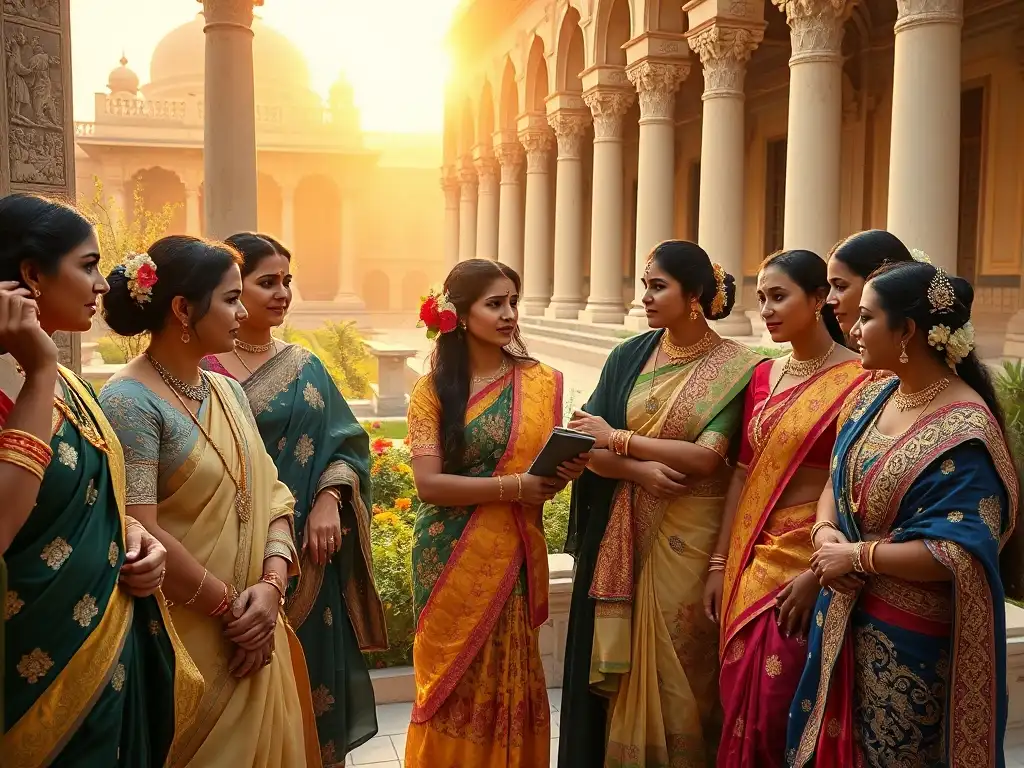
Royal women in ancient India wielded significant cultural and social influence that transcended their immediate political roles. They were not merely consorts or mothers; many became pivotal figures in shaping the cultural landscape of their times. The presence of royal women often signified alliance and stability within kingdoms, as their marriages could forge crucial political ties between different clans and regions. This strategic positioning allowed them to play a vital role in diplomacy and governance, impacting social norms and cultural practices that defined their realms.
Moreover, royal women actively participated in various social rituals and public ceremonies, which reinforced their status and authority. Their involvement in these events often highlighted their roles as protectors of cultural heritage and custodians of societal values. In many cases, they served as patrons of the arts, influencing the development of literature, music, and dance, thereby enriching the cultural fabric of ancient India.
Patronage of Arts and Culture
The patronage of arts and culture by royal women was a hallmark of their influence in ancient India. Many queens and princesses supported artists, poets, and musicians, fostering a vibrant cultural environment. For instance, the famous poet Kalidasa is believed to have received patronage from royal women, which allowed his works to flourish and become integral to Indian literature.
Royal women also commissioned architectural projects that showcased artistic skill and religious devotion. Temples, sculptures, and other forms of art created during their reign often served dual purposes: as expressions of devotion and as symbols of their power and influence. The construction of the grand temples in southern India, many of which were dedicated to goddesses, often had royal women as key patrons, reflecting their significant role in the spiritual and cultural life of the region.
Impact on Religion and Spirituality
The impact of royal women on religion and spirituality in ancient India was profound. They often acted as mediators between the divine and the earthly realms, participating in rituals that were crucial for the prosperity of their kingdoms. Their involvement in religious practices not only reinforced their status but also established them as essential figures in the spiritual lives of their subjects.
Additionally, royal women frequently served as temples' patrons, contributing to the construction and maintenance of sacred spaces. Many queens were deified, with temples erected in their honor, highlighting their perceived divine connection. This practice not only elevated their status but also encouraged the worship of female deities, which played a crucial role in the spiritual landscape of ancient India.
Case Studies of Cultural Contributions
Several notable case studies exemplify the cultural contributions of royal women in ancient India. One prominent figure is Rani Durgavati of Gondwana, who was not only a skilled warrior but also a patron of literature and arts. Her court attracted many poets and scholars, and she is celebrated for her contributions to the cultural heritage of her kingdom.
Another example is Rani Padmini of Chittor, whose legendary beauty and intelligence inspired numerous artistic works, including folk tales and songs. The cultural narratives surrounding her life and the events of her time reflect the significant impact royal women had on historical storytelling and the arts.
Comparisons of Royal Women’s Roles Across Different Kingdoms
The roles of royal women in ancient India varied significantly across different kingdoms and regions, shaped by local customs, traditions, and political structures. While their contributions were remarkable, the nature of their influence often depended on the specific cultural context of their domains.
Differences in Roles in Northern vs. Southern India
In northern India, royal women often held substantial power within the courts, frequently acting as regents or advisers. For example, during the Mughal era, women like Nur Jahan wielded considerable influence, effectively managing state affairs and even military campaigns. Their political acumen allowed them to engage actively in diplomacy and decision-making processes.
In contrast, southern India saw royal women engaging more prominently in religious and cultural patronage. For instance, the Chola dynasty featured queens who played key roles in temple building and the promotion of arts. Their contributions were often tied to the spiritual significance of the temples, underlining the different avenues through which royal women expressed their influence across regions.
Influence of Regional Cultures on Royal Women’s Responsibilities
Regional cultures significantly influenced the responsibilities and roles of royal women in ancient India. In regions where matrilineal systems prevailed, such as parts of Kerala, women often had greater autonomy and were integral to the governance structure. The Nair women, for instance, played pivotal roles in both familial and political decisions, showcasing the unique cultural dynamics at play.
Conversely, in patriarchal societies, royal women had to navigate strict social norms, often finding their power expressed through marriage alliances and familial ties rather than direct political engagement. This variance highlights how regional cultural practices shaped the roles, responsibilities, and influence of royal women in ancient Indian society, making their contributions diverse and multifaceted.
Challenges Faced by Royal Women in Politics
Royal women in ancient India played a significant role in the political landscape, often acting as influential figures in the courts of kings and as key players in diplomatic relations. However, despite their prominence, they faced numerous challenges that hindered their full participation in politics. The societal norms and limitations imposed on women, coupled with resistance to their leadership roles, created a complex environment in which royal women had to navigate their ambitions and responsibilities.
Societal Norms and Limitations
The societal framework of ancient India was primarily patriarchal, which placed significant restrictions on women's roles, even for those of royal lineage. Women were often viewed through the lens of traditional roles centered around family and domesticity. This perspective limited their visibility and authority in political matters.
- Cultural Expectations: Royal women were expected to embody ideal feminine virtues, including obedience, chastity, and nurturing. These cultural expectations often overshadowed their ambitions in politics, as their public engagements were scrutinized and judged against these norms.
- Marriage Alliances: Many royal women were married off to forge alliances between kingdoms. While these marriages were strategic and significant for diplomacy, they often relegated women to secondary roles, stripping them of direct political power and agency.
- Education and Knowledge: Access to education for women, even those in royal families, was limited. This lack of comprehensive education in political and administrative matters restricted their ability to engage effectively in governance and statecraft.
Resistance to Women's Leadership
Despite their potential for influence, royal women often encountered resistance from male counterparts and political factions. This resistance stemmed from deeply ingrained beliefs about gender roles and the perceived threats posed by powerful women.
- Patriarchal Opposition: Male officials and advisors frequently opposed the idea of women in significant political roles, perceiving it as a challenge to their authority. This opposition could manifest in undermining their initiatives or dismissing their contributions to political discourse.
- Rivalries and Jealousy: Within royal courts, rivalries were common, and women often found themselves in competition with one another for favor and influence. Such rivalries could lead to further marginalization, as factions aligned themselves against powerful women.
- Crisis Response: During times of crisis, such as war or political upheaval, royal women were sometimes called upon to lead or mediate. However, their actions were often met with skepticism, and their authority could be questioned, leading to limited recognition of their contributions.
Legacy of Royal Women in Ancient India
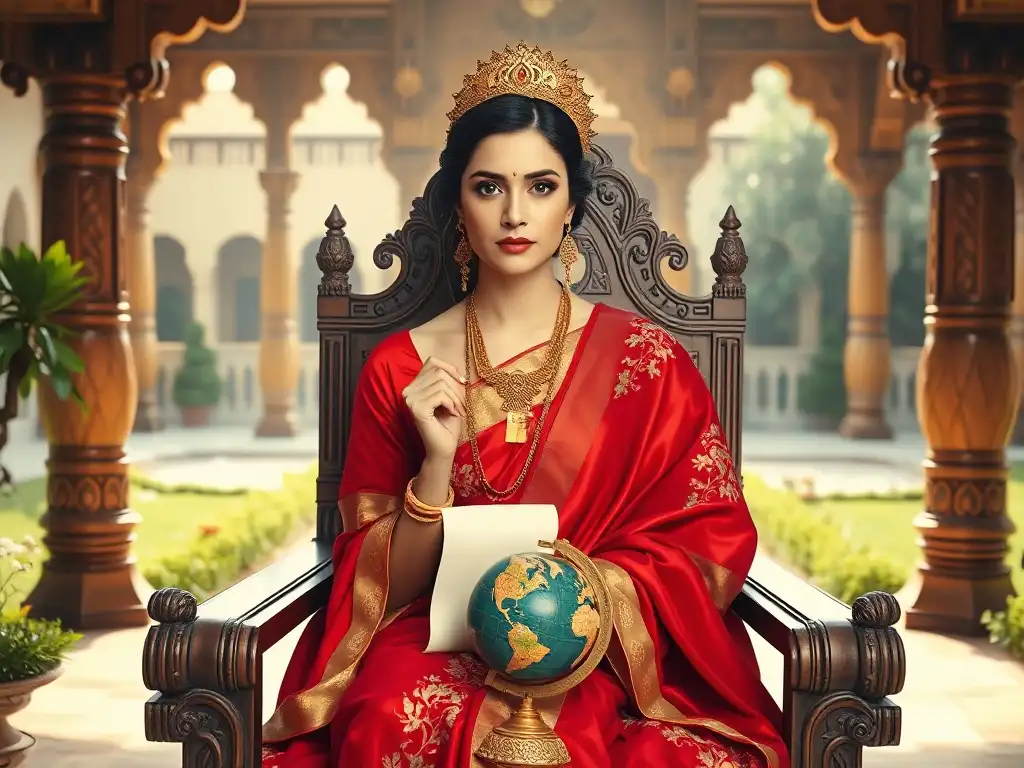
The influence of royal women in ancient Indian politics and diplomacy leaves a lasting legacy that can still be observed in contemporary society. Their efforts and struggles have contributed to the evolving narrative of women's roles in governance and leadership.
Long-term Effects on Indian Society and Governance
The actions of royal women have had profound long-term effects on Indian society and governance, shaping perceptions and expectations of female leadership.
- Precedents for Power: The involvement of royal women in political matters established precedents for female authority in governance. Figures like Razia Sultana, who became a ruler in the 13th century, drew inspiration from earlier royal women who had wielded influence.
- Cultural Shifts: Over time, the visibility of women in leadership roles has contributed to gradual shifts in cultural attitudes towards female governance. Their historical contributions have begun to be recognized and celebrated, inspiring future generations.
- Influence on Legal Frameworks: The recognition of royal women’s roles in history has also influenced modern discussions surrounding women’s rights and representation in governance, emphasizing the importance of inclusivity in leadership.
Modern Interpretations and Recognition of Their Roles
In recent years, there has been a growing interest in revisiting the narratives of royal women in ancient India, leading to a more nuanced understanding of their contributions.
- Cultural Renaissance: Contemporary literature, art, and cinema have started to highlight the stories of these women, celebrating their resilience and political acumen. This cultural renaissance has sparked discussions about gender equality and female empowerment.
- Historical Research: Scholars and historians are increasingly recognizing the importance of royal women in ancient Indian politics, leading to a reevaluation of historical texts and traditions that previously marginalized their contributions.
- Empowerment Movements: The legacy of royal women serves as a powerful reminder of the potential for women to lead and influence society. Modern movements advocating for women's rights draw inspiration from these historical figures, promoting the idea that women can and should play pivotal roles in politics and governance.
Overall, the contributions of royal women in ancient India not only shaped the political landscape of their time but continue to influence the ongoing dialogue about women's roles in society today.
Conclusion
The intricate tapestry of ancient Indian history reveals that royal women played a significant and often underappreciated role in diplomacy and politics. Their contributions were not merely confined to the domestic sphere but extended into statecraft, alliance-making, and the preservation of dynastic legacies. From the strategic marriages that solidified alliances to the influential positions they held in governance and counsel, royal women in ancient India exemplified political acuity and cultural significance.
Summary of the Role of Royal Women in Diplomacy and Politics
Royal women in ancient India were often at the forefront of diplomatic negotiations, using their unique positions to foster peace and cooperation among rival kingdoms. Marriages were a common tool for establishing alliances, with women acting as crucial links between different royal families. Notable figures, such as Chand Bibi, who defended the Ahmednagar Sultanate against the Mughal Empire, highlight how royal women could wield power in times of crisis. Additionally, women like Rani Durgavati and Maharani Jind Kaur actively participated in military campaigns and governance, demonstrating their capabilities beyond traditional gender roles.
Through patronage of arts, religion, and education, royal women influenced cultural developments, which in turn bolstered their political influence. Their involvement in temple building and commissioning works of art served not only to promote their family's status but also to legitimize their authority. This multifaceted role underscores the significance of royal women in shaping the political landscape of ancient India.
Reflection on the Importance of Understanding Women's Contributions in History
Recognizing the roles of royal women in ancient India is vital for a holistic understanding of history. Their contributions challenge the often male-dominated narratives that have prevailed through time. By studying these figures, we gain insight into the complexities of gender dynamics and the essential roles women played in political and diplomatic spheres.
Understanding the contributions of royal women also encourages a reevaluation of historical sources, revealing biases that may have overlooked or minimized women's influence. This reflection is crucial not only for appreciating the past but also for acknowledging the legacy of women in leadership and their impact on contemporary society.
References
Suggested Readings on Royal Women in Ancient India
- The Women of India: A Historical Survey by N. R. Sharma
- Royal Women in Ancient India: Power and Influence by Kavita S. Rao
- Queenship and Power in Medieval India by Anindita Mukherjee
Academic Sources and Historical Texts on Women's Roles in Ancient India
- The Role of Women in Ancient Indian Society by R. S. Sharma
- Women in Early Indian Societies by Kumkum Roy
- Historical Perspectives on Women in India by S. D. Joshi
These references provide a comprehensive overview of the roles and contributions of royal women in ancient India, offering valuable insights for anyone interested in the intricate dynamics of gender and power in historical contexts.
- Introduction to Royal Women in Ancient India
- Historical Background of Royal Women in Ancient India
- Contributions of Royal Women in Diplomacy
- The Role of Royal Women in Political Governance
- Cultural and Social Influence of Royal Women
- Comparisons of Royal Women’s Roles Across Different Kingdoms
- Challenges Faced by Royal Women in Politics
- Legacy of Royal Women in Ancient India
- Conclusion
- References
- What was the role of royal women in ancient Indian diplomacy?
- How did royal women influence political decisions?
- Were there any notable royal women in ancient Indian history?
- What were the social roles of royal women beyond politics?
- How did the status of royal women change over time in ancient India?
Frequently Asked Questions
What was the role of royal women in ancient Indian diplomacy?
Royal women played a significant role in diplomatic relations, often serving as marriage alliances to strengthen ties between kingdoms.
How did royal women influence political decisions?
They often acted as advisors to kings and held considerable influence over political matters, shaping policies through their connections and familial ties.
Were there any notable royal women in ancient Indian history?
Yes, figures like Rani Durgavati and Rani Padmavati are celebrated for their bravery and political acumen, showcasing the impact of royal women in ancient times.
In addition to their political influence, royal women participated in cultural patronage, supporting arts, literature, and religious practices, thus enriching the cultural fabric of society.
How did the status of royal women change over time in ancient India?
The status of royal women evolved, with some periods offering them more autonomy and influence, while others saw a decline in their political power due to changing societal norms.
Final Reflection: The Enduring Legacy of Royal Women in Ancient India
The role of royal women in ancient India is not just a historical curiosity; it is a powerful testament to their influence in diplomacy and politics that resonates profoundly in today's world. As we explore the intricate tapestry of ancient Indian history, it becomes clear that these women were not mere figures in the background but key players who shaped the course of their societies. Their stories remind us that leadership and agency are not confined to gender, and this realization is crucial in our ongoing discussions about equality and representation.
The impact of royal women in ancient India extends far beyond their time, continuing to inspire contemporary conversations about women's roles in leadership and governance. Their contributions challenge the traditional narratives that often overlook female agency in history. As noted by historian Romila Thapar, Women have always been part of the political landscape, influencing decisions and shaping policies, often from behind the scenes.
This observation highlights the importance of recognizing and celebrating the contributions of women throughout history, as their legacies continue to inform our understanding of power dynamics in society.
As we reflect on the lessons from the lives of these remarkable women, I invite you to consider how their stories can inspire action in your own life. Think about the ways you can advocate for inclusivity and representation in your community, drawing strength from the examples set by royal women in ancient India. Let their courage and resilience motivate you to challenge the status quo and strive for a world where every voice is heard and valued. By acknowledging and learning from the past, we can pave the way for a more equitable future.
Empower Your Knowledge: Dive Deeper into Ancient Diplomacy!
Thank you for exploring the fascinating role of royal women in the diplomacy and politics of ancient India! Your curiosity has uncovered the powerful influence these figures had on shaping history. Now, let’s take it a step further and engage with this captivating topic.
- Join a discussion in our community forum to share your insights on how these women influenced societal dynamics.
- Explore more articles on influential figures and significant events that reveal the complexities of ancient Indian politics.
- Don’t forget to share this article with friends who are passionate about history—let’s spread the knowledge!
In what ways do you think the contributions of royal women in ancient diplomacy could reshape modern views on gender roles in leadership?