
The Role of Women in Ancient Indian Festivals: Celebrations of Life and Culture

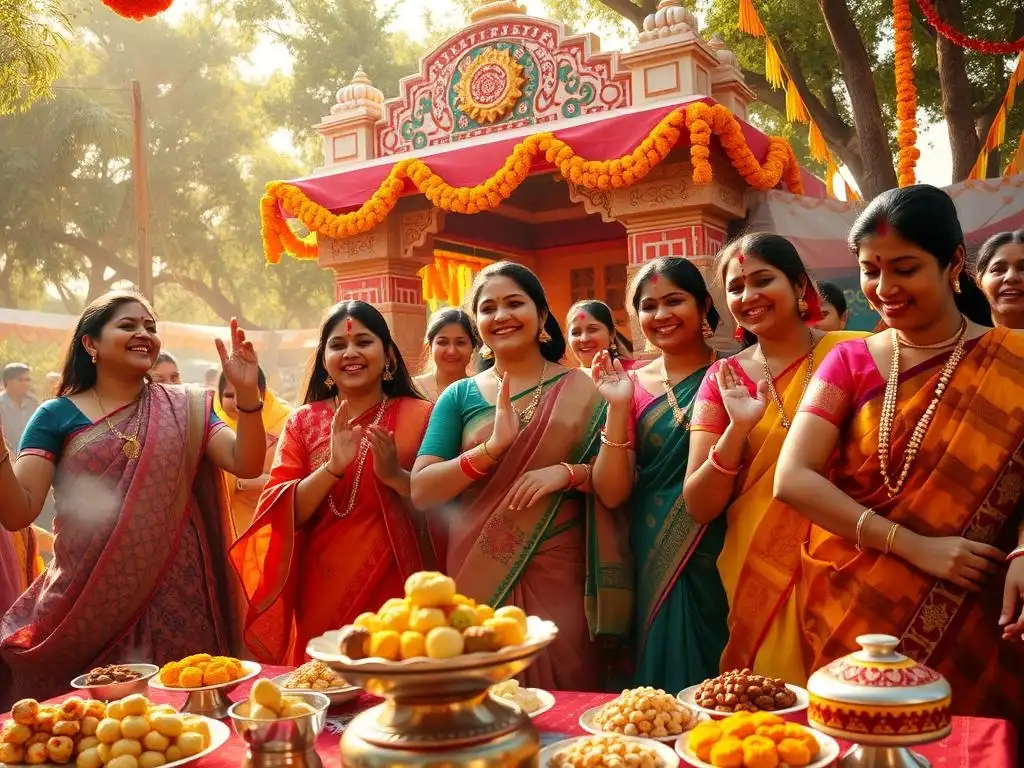
Welcome to Ancient India History, where we embark on a fascinating journey through the rich and diverse tapestry of ancient Indian civilizations. Here, we delve into the remarkable contributions and vibrant cultures that shaped this incredible land. In our featured article, “The Role of Women in Ancient Indian Festivals: Celebrations of Life and Culture,” we uncover the significant impact women had on these festive traditions, illuminating their vital presence in the rituals and celebrations that defined their communities.
Prepare to be inspired as we explore how these celebrations not only highlighted cultural values but also showcased the strength and resilience of women throughout history. Join us as we unravel the stories that have shaped the legacy of ancient India!
Introduction to Women in Ancient Indian Festivals
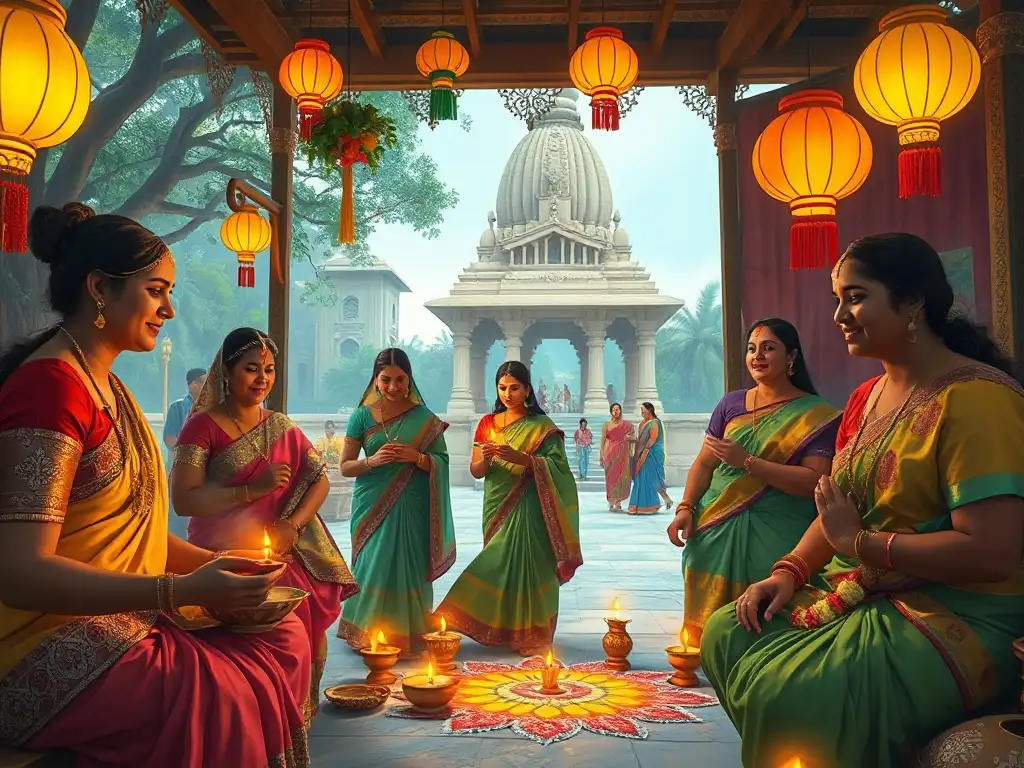
The vibrant tapestry of ancient Indian festivals is woven with threads of diverse cultural practices, beliefs, and communal celebrations. Central to these festivities is the indispensable role of women, who not only participated in the celebrations but often served as the driving force behind them.
From the ancient rituals of the Indus Valley civilization to the elaborate festivals of the Gupta Empire, women played a crucial part in preserving traditions, fostering community bonds, and celebrating life’s milestones. Understanding the role of women in ancient Indian festivals offers a glimpse into their societal status, cultural significance, and the deep-rooted connections between gender and tradition in ancient India.
Overview of Festivals in Ancient India
Ancient Indian festivals were rich in symbolism and variety, often linked to agricultural cycles, religious observances, and seasonal changes. Some notable festivals included:
- Diwali: The festival of lights, signifying the victory of light over darkness.
- Holi: A celebration of spring, characterized by vibrant colors and communal festivities.
- Navratri: A nine-night festival dedicated to the goddess Durga, celebrating her triumph over evil.
Each festival served as a time for communities to come together, offering an opportunity for renewal, gratitude, and joy. The participation of women in these festivals was not merely as spectators but as active participants, shaping the rituals and traditions that have endured through generations.
Importance of Women’s Participation in Celebrations
Women’s involvement in festivals was essential for several reasons:
- Cultural Transmission: Women were often the custodians of cultural knowledge, passing down traditions, songs, and rituals to future generations.
- Social Cohesion: The collective participation of women fostered a sense of community and belonging, strengthening familial and societal ties.
- Symbolic Representation: Women often embodied the values celebrated during festivals, such as fertility, prosperity, and devotion, thereby enhancing the spiritual significance of the events.
The active engagement of women in these celebrations highlights their pivotal role in maintaining the cultural fabric of ancient Indian society.
Historical Context of Women in Festivals
Societal Roles of Women in Ancient Indian Civilizations
In ancient Indian civilizations, women held various roles that were essential to the functioning of society. Their responsibilities extended beyond the household to encompass religious, agricultural, and social domains. Notably, women were often involved in:
- Ritual Preparation: Preparing offerings and performing rituals essential for festival celebrations.
- Artisan Crafts: Engaging in traditional crafts, such as weaving and pottery, contributing to the material culture of festivals.
- Leadership Roles: In some communities, women held positions of authority, guiding celebrations and rituals.
Despite varying degrees of freedom and societal status across different regions and eras, the active participation of women in festivals reflects their significance in shaping community identity and culture.
Women’s Influence on Cultural Practices and Rituals
Women were not only participants but also influential figures in the evolution of cultural practices and rituals associated with festivals. Their contributions included:
- Ritual Innovations: Women often introduced new customs and practices, enriching the festival experiences.
- Storytelling and Music: Women were primary storytellers and performers, using music and dance to convey cultural narratives during celebrations.
- Spiritual Leadership: In certain contexts, women acted as priestesses or spiritual leaders, guiding the community in worship and rituals.
This influence underscores the vital role women played in both preserving and transforming the cultural landscape of ancient India, making their contributions to festivals a rich area of exploration in understanding the broader context of women’s roles in society.
Key Festivals Celebrated by Women in Ancient India
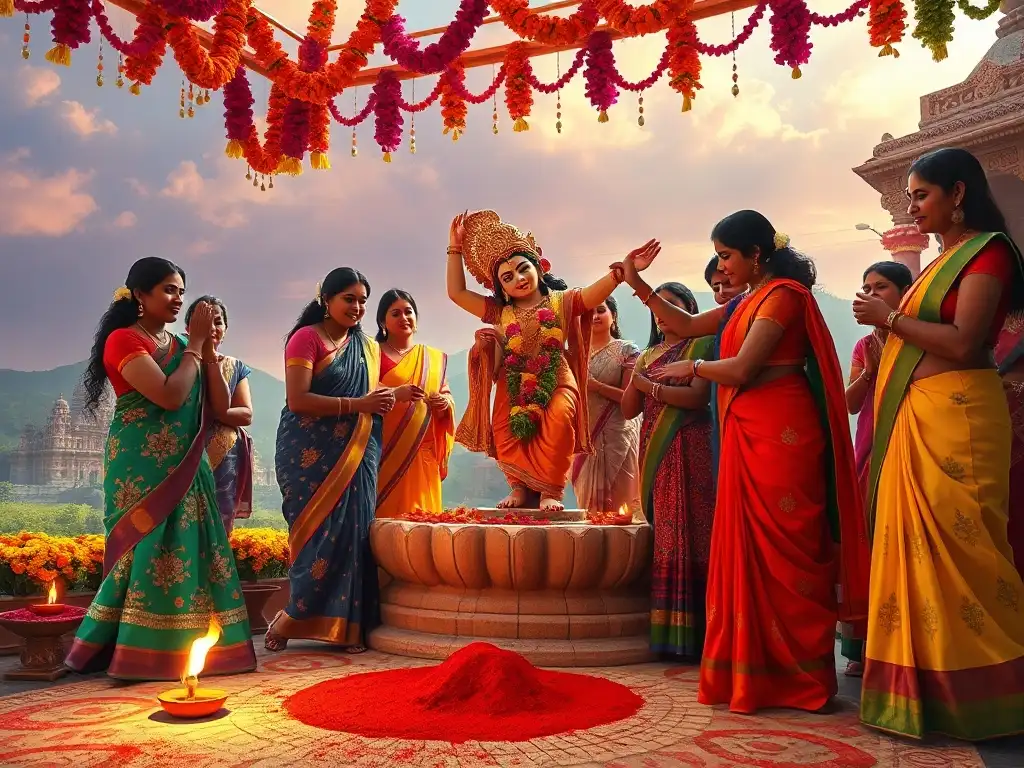
Women played a crucial role in the celebration of various festivals in ancient India, acting as the custodians of traditions and cultural practices. From agricultural celebrations to religious observances, women were involved in every aspect of festival preparation and execution. Key festivals such as Navaratri, Diwali, Makar Sankranti, and Holi held significant importance, with unique practices reflecting women's contributions and their societal roles.
- Navaratri: This nine-night festival dedicated to the goddess Durga saw women engaging in fasting, prayer, and traditional dances like Garba and Dandiya. These activities were not just spiritual but also fostered community bonding and cultural transmission.
- Diwali: The festival of lights involved women in decorating homes, creating intricate rangolis, and performing rituals to invite prosperity. The significance of Lakshmi Pujan during Diwali exemplifies women's centrality in invoking blessings for the family.
- Makar Sankranti: Celebrating the harvest, women participated in preparing traditional sweets like til laddoos and organizing community feasts, showcasing their culinary skills and importance in family sustenance.
- Holi: The festival of colors was marked by women playing a pivotal role in preparing the colors, organizing festive gatherings, and ensuring the vibrant spirit of the celebration was upheld within the community.
Harvest Festivals and Women’s Contributions
Harvest festivals in ancient India, such as Pongal and Baisakhi, were particularly significant as they celebrated the bounty of the land. Women were at the forefront, not only in the agricultural processes but also in the celebratory customs that followed.
During Pongal, women prepared the traditional dish of the same name, showcasing their culinary expertise. The festival involved rituals that honored the Sun God and involved the entire family, with women leading the prayers and offerings. Their roles were essential in ensuring that the festival was celebrated with reverence and joy.
Similarly, during Baisakhi, women participated in the harvesting of crops, contributing to the agricultural economy. The festivities included traditional dances like Bhangra and Gidda, where women expressed joy and shared stories through dance, highlighting their importance in cultural preservation and community coherence.
Religious Festivals and Women's Roles
Religious festivals in ancient India often revolved around specific deities and involved elaborate rituals and ceremonies. Women were not only participants but also key figures in performing rituals and maintaining the spiritual sanctity of these celebrations.
Women as Keepers of Tradition in Festival Celebrations
Women were considered the keepers of family traditions, ensuring that rituals were performed according to customs passed down through generations. During festivals, they meticulously prepared offerings, set up altars, and organized family gatherings. Their deep understanding of the rituals was critical in preserving the cultural heritage, as they often taught younger generations the significance of each practice.
For instance, during Karva Chauth, women fasted for the well-being of their husbands, showcasing their devotion and reinforcing marital bonds. This festival emphasized the role of women as nurturers and protectors of family unity.
The Role of Women in Religious Rites and Offerings
In the context of religious rites, women often took on the responsibility of making offerings to deities, preparing sacred foods, and conducting prayers. This involvement was not merely a duty but a profound expression of faith and spirituality.
For example, during Durga Puja, women participated in the creation of the idol, the decoration of puja spaces, and the performance of rituals that honored the goddess. Their contributions were vital in ensuring that the festivals were imbued with spiritual significance and communal harmony.
Women in ancient Indian festivals were pivotal in shaping and preserving cultural practices, reflecting their integral role in the societal and spiritual fabric of their communities. Their contributions to festival celebrations continue to resonate in the practices observed today, underscoring the enduring legacy of women in ancient Indian culture.
Symbolism of Women in Ancient Indian Festival Celebrations
In ancient Indian festivals, women held a central place not only as participants but also as symbols of various cultural and spiritual ideals. Festivals were often occasions to celebrate life, fertility, and prosperity, where women embodied the essence of these themes. Their roles transcended mere involvement; women were seen as vital links between the domestic sphere and the broader community, facilitating the transmission of traditions and rituals.
The presence of women during festivals signified harmony and balance within the family and society. In many rituals, women performed specific rites that were believed to invoke blessings and prosperity for the household. The active engagement of women in these celebrations was a reflection of their importance in sustaining cultural practices and preserving familial ties, solidifying their role as custodians of tradition.
Representation of Femininity in Cultural Narratives
Cultural narratives surrounding ancient Indian festivals often highlight the embodiment of femininity through mythological figures and local deities. Goddesses such as Durga, Lakshmi, and Saraswati are revered during various festivals, representing strength, wealth, and knowledge. Women participating in these festivities often drew inspiration from these divine figures, portraying ideals of femininity that were both nurturing and powerful.
Festivals like Navaratri and Durga Puja exemplify this representation, where women dress as goddesses and perform dances and rituals that celebrate feminine energy. Such representations have served to elevate the status of women within the community, allowing them to express their identities through cultural narratives that honor their contributions and roles in society.
Women as Symbols of Fertility and Prosperity
In many ancient Indian festivals, women were regarded as symbols of fertility and prosperity, essential for the continuity of family and agricultural cycles. Festivals such as Teej and Karva Chauth focus on women's roles in ensuring the well-being of their families and the success of harvests. During these celebrations, women engage in rituals that invoke blessings for fertility, health, and prosperity, reinforcing their integral role in the sustenance of life.
The symbolism of women in these contexts highlights the cultural reverence for their ability to nurture and sustain both families and communities. By participating in these rituals, women not only celebrate their own identities but also contribute to the collective cultural memory that emphasizes the importance of femininity in the broader spectrum of societal well-being.
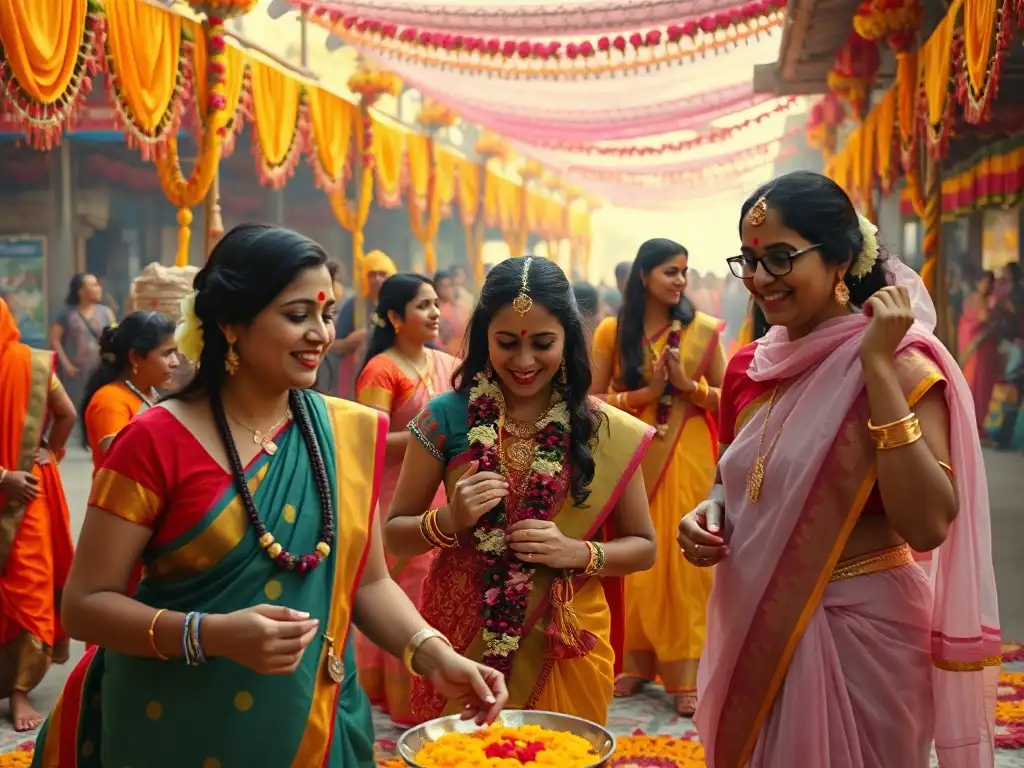
The involvement of women in ancient Indian festivals significantly impacted their social status and identity within the community. Festivals provided a platform for women to showcase their skills, creativity, and leadership in diverse roles, from organizing events to performing rituals. This participation often enhanced their visibility and respect in society, allowing them to claim a more prominent position in the social hierarchy.
Moreover, festivals facilitated networking opportunities for women, fostering connections among families and communities. This social interaction was crucial for women to cultivate relationships that extended beyond familial ties, contributing to a sense of solidarity and empowerment among them.
Empowerment Through Participation in Community Events
Participation in community events was a vital avenue for women's empowerment in ancient Indian society. Festivals encouraged women to step beyond traditional domestic roles and engage in public life. By taking part in celebrations, women could express their creativity and agency, whether through dance, music, or culinary skills, thereby challenging the norms that confined them to the household.
Such engagement not only fostered a sense of belonging and identity among women but also allowed them to assert their opinions and influence decision-making within their communities. The empowerment experienced during these events played a crucial role in reshaping perceptions of women's capabilities and contributions to society.
Changes in Women’s Roles Over Time in Festival Practices
Over time, the roles of women in festival practices have evolved, influenced by social, economic, and political changes. While ancient traditions upheld women's participation as central to festival celebrations, modern shifts have resulted in varying degrees of involvement. In some communities, women continue to play pivotal roles in organizing and leading festivals, while in others, changing societal norms have introduced new challenges.
The transformation of women's roles in festival practices reflects broader changes in society, such as increased awareness of gender equality and women's rights. Contemporary celebrations often celebrate both traditional and progressive aspects of femininity, allowing women to reclaim their narratives and roles in a rapidly changing world.
Ultimately, the historical and ongoing contributions of women in ancient Indian festivals underscore their significance in shaping cultural practices and societal structures, highlighting the importance of recognizing and honoring their roles in the rich tapestry of Indian heritage.
Conclusion: The Lasting Legacy of Women in Ancient Indian Festivals
The role of women in ancient Indian festivals is a testament to their integral contributions to cultural and social life. Through their participation in rituals, celebrations, and ceremonies, women not only upheld traditions but also enriched them with their creativity and resilience. From the vibrant decorations of homes during Diwali to the communal gatherings during harvest festivals, women were at the heart of these festivities, shaping the experiences and memories associated with them. Their legacy continues to influence modern celebrations, reminding us of the vital role women played in fostering community bonds and cultural continuity.
As we reflect on the past, it becomes evident that the participation of women in these ancient festivals was more than just a duty; it was a celebration of their identities, strengths, and societal roles. This legacy is crucial for understanding the evolution of gender roles in India and the significant contributions women made to the cultural fabric of society.
Reflection on the Cultural Contributions of Women
Women in ancient India were pivotal in transmitting cultural values and practices through festivals. Their involvement was not limited to mere participation; they were often the custodians of traditions, passing down knowledge and rituals through generations. Festivals served as a platform for women to express their artistic skills, whether through dance, music, or craftwork, showcasing their creativity and reinforcing their status within the community.
Moreover, women's roles in festivals often reflected broader societal values, such as fertility, prosperity, and harmony. Celebrations like Karva Chauth and Teej highlight women's agency and their centrality in family life and societal structures. These festivals not only honored the divine but also celebrated women's contributions to family and community well-being, underscoring their importance in maintaining social cohesion and cultural identity.
The Importance of Preserving Women’s Roles in Modern Celebrations
As society progresses, the roles of women in festivals can sometimes be overshadowed or diminished. Preserving the historical narratives of women's contributions to ancient Indian festivals is essential for fostering a more inclusive understanding of cultural heritage. Recognizing these roles encourages modern celebrations to reflect the diverse experiences and contributions of all community members, including women.
By honoring and integrating the historical significance of women in contemporary festivities, we ensure that future generations appreciate the depth and richness of their cultural heritage. This preservation not only empowers women today but also strengthens communal ties and fosters respect for gender equality within cultural contexts. It is through these efforts that we can create celebrations that are representative of the entire society, acknowledging the invaluable roles women have played and continue to play.
References and Further Reading on Women in Ancient Indian Festivals
Suggested Literature on Women’s Roles in Ancient Societies
- "Women in Ancient India" by Kumud Sharma – This book provides a comprehensive overview of women's roles across various aspects of ancient Indian society, including festivals, rituals, and daily life.
- "The Power of Women: A History of Women in India" by Rina Ramdev: – This work explores the significant yet often overlooked contributions of women throughout Indian history, including their participation in cultural celebrations.
- "Festivals of India: A Cultural History" by Arti Ghosh: – This text examines the various festivals in India, highlighting the participation of women and their contributions to these vibrant celebrations.
Additional Resources for Understanding Ancient Indian Festivals
- "Cultural Heritage of India" – A series that discusses the various aspects of Indian culture, including festivals and the roles played by women.
- Online Databases and Journals – Research papers and articles on platforms like JSTOR and Google Scholar can provide insights into specific festivals and the historical contributions of women.
- Documentaries and Educational Films – Visual media that showcase traditional festivals can be valuable resources for understanding the roles women played in these celebrations, offering a dynamic perspective on cultural practices.
- Introduction to Women in Ancient Indian Festivals
- Overview of Festivals in Ancient India
- Importance of Women’s Participation in Celebrations
- Historical Context of Women in Festivals
- Key Festivals Celebrated by Women in Ancient India
- Harvest Festivals and Women’s Contributions
- Religious Festivals and Women's Roles
- Symbolism of Women in Ancient Indian Festival Celebrations
- Impact of Festivals on Women’s Social Status
- Conclusion: The Lasting Legacy of Women in Ancient Indian Festivals
- References and Further Reading on Women in Ancient Indian Festivals
- What was the role of women in ancient Indian festivals?
- How did festivals empower women in ancient India?
- Were there specific festivals that highlighted women's contributions?
- What were some common practices involving women during these festivals?
- How did ancient texts reflect the role of women in festivals?
Frequently Asked Questions
What was the role of women in ancient Indian festivals?
Women played a vital role in ancient Indian festivals, often serving as custodians of traditions and actively participating in rituals and celebrations that honored deities and marked seasonal changes.
How did festivals empower women in ancient India?
Festivals provided women with an opportunity for social engagement, allowing them to express their creativity and participate in communal activities, thus enhancing their status within society.
Were there specific festivals that highlighted women's contributions?
Yes, certain festivals like Navratri and Karva Chauth celebrated women's roles in society, emphasizing their strength, devotion, and cultural significance in the family and community.
What were some common practices involving women during these festivals?
Women often engaged in preparations, such as cooking traditional foods and creating decorations. They also participated in singing, dancing, and performing rituals, showcasing their skills and cultural heritage.
How did ancient texts reflect the role of women in festivals?
Ancient texts often depicted women as central figures in festivals, illustrating their importance in rituals and their ability to influence the spiritual and social fabric of society during these celebratory times.
Final Reflection: Celebrating the Legacy of Women in Ancient Indian Festivals
The exploration of women's roles in ancient Indian festivals reveals a profound connection between culture and identity that remains relevant today. As we navigate a world that often overlooks the contributions of women, it becomes increasingly important to recognize and honor their historical significance in shaping our cultural narratives. The vibrant celebrations of life and culture in ancient India were not merely events; they were reflections of the strength, resilience, and creativity of women who played pivotal roles in these festivities.
The influence of women in ancient Indian festivals continues to resonate in contemporary society, reminding us of the essential contributions they make to our cultural fabric. From the rituals performed during Diwali to the songs sung during Holi, the essence of these celebrations is deeply intertwined with the feminine spirit. As noted by cultural historian Dr. Anjali Sharma, The legacy of women in festivals is not just a chapter in history; it is a living testament to their enduring spirit and influence in our collective consciousness.
As we reflect on the lessons drawn from the past, let us embrace the call to action: to celebrate and amplify the voices of women in our own lives and communities. Whether through participating in local festivals, sharing stories of women who inspire us, or advocating for gender equality, we can all contribute to a future where the roles of women in culture are recognized and cherished. Take a moment to reflect on how you can honor this legacy and ensure that the spirit of celebration, rooted in the contributions of women, continues to thrive for generations to come.
Celebrate and Honor Women's Contributions in Festivals!
Thank you for exploring the vibrant role of women in ancient Indian festivals! You've gained valuable insights into how their participation enriched our cultural heritage. Now, let's take that knowledge and make a difference!
- Start a conversation in your community about the importance of women's roles in cultural celebrations—host a gathering or discussion session.
- Share this article with friends and family to spread awareness about these remarkable contributions.
- Consider attending or organizing a local festival inspired by ancient traditions that highlights the essential role of women.
What unique ways can you think of to celebrate the contributions of women in your own community's festivals?