
The Relationship Between Ancient Indian Agriculture and Art

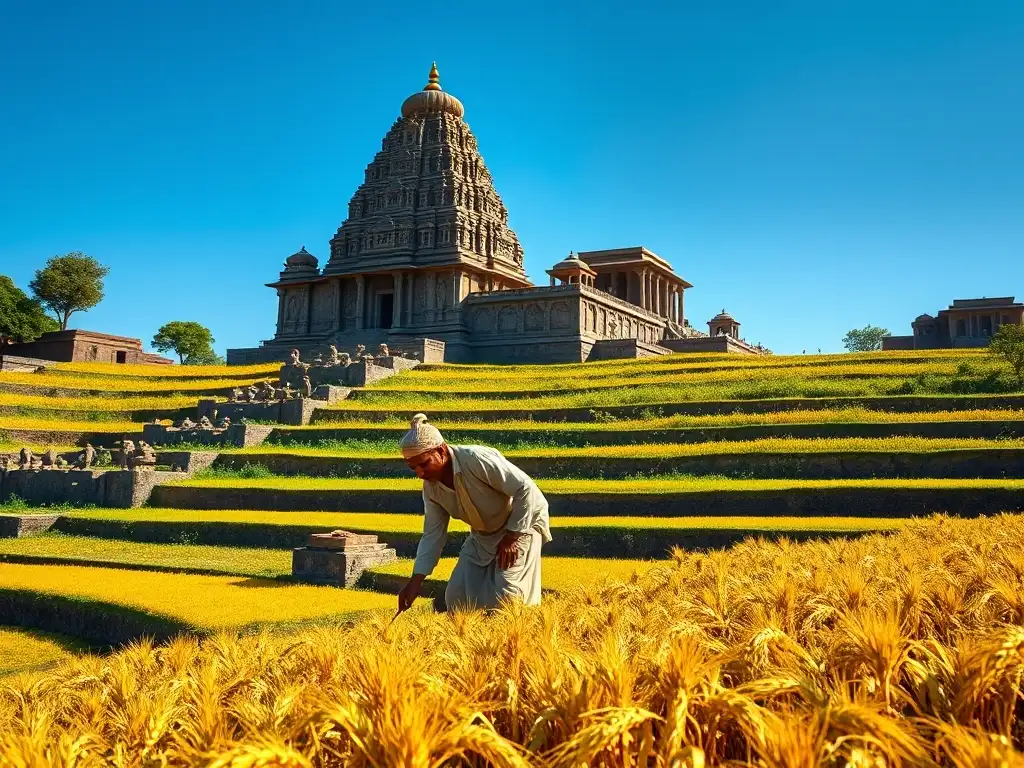
Welcome to Ancient India History, where we invite you to embark on a fascinating journey through time, delving into the rich tapestry of ancient Indian civilizations. In this exploration, we uncover the intriguing relationship between ancient Indian agriculture and art, revealing how these two fields interwove to shape the cultural landscape of a civilization that thrived for millennia. Discover how innovations in farming not only sustained life but also inspired remarkable artistic expressions.
Join us as we peel back the layers of history and unveil the profound connections that continue to influence our world today. Are you ready to uncover the secrets of this vibrant past?
Introduction to Ancient Indian Agriculture and Art
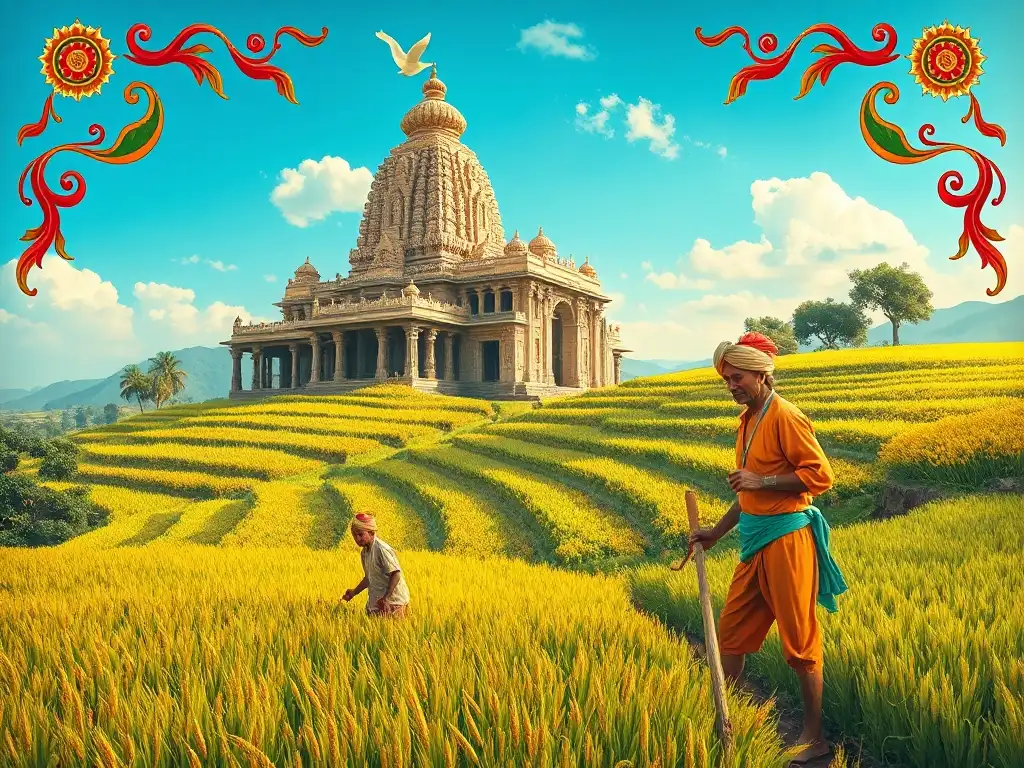
The relationship between ancient Indian agriculture and art represents a fascinating interplay of practical sustenance and creative expression. Agriculture served as the backbone of ancient Indian civilizations, providing not only the food necessary for survival but also the economic stability that allowed for cultural and artistic achievements to flourish.
From the sophisticated irrigation systems of the Indus Valley Civilization to the agricultural practices of the Gupta Empire, the methods of farming were deeply interwoven with the societal fabric, influencing various art forms that emerged over time. This article aims to explore the intricate connections between ancient Indian agriculture and art, highlighting how agrarian practices inspired artistic expression and contributed to the rich tapestry of Indian culture.
Overview of Ancient Indian Agriculture
Ancient Indian agriculture was characterized by its diversity and innovation, adapting to the varied climatic and geographical conditions across the subcontinent. The advent of agriculture in India dates back to the Neolithic period, with the domestication of several plant species and livestock. Key features of ancient Indian agriculture included:
- Crop Diversity: Ancient Indians cultivated a wide range of crops, including rice, wheat, barley, pulses, and millets.
- Irrigation Techniques: The development of advanced irrigation systems, such as canals and wells, played a crucial role in enhancing agricultural productivity, especially in arid regions.
- Farming Tools: The use of various tools, such as the plow, sickle, and grinding stones, significantly improved the efficiency of farming practices.
The agricultural techniques developed during this period laid the foundation for sustained food production and population growth, influencing the socio-economic dynamics of ancient Indian society.
Significance of Art in Ancient Indian Civilization
Art in ancient India was not merely a form of aesthetic expression; it served as a vital means of communication, religious worship, and cultural identity. The significance of art can be understood through various dimensions:
- Religious Expression: Many artistic forms, including sculpture, pottery, and painting, were closely linked to religious beliefs and practices, depicting deities, mythological stories, and rituals.
- Cultural Identity: Art served as a reflection of the local culture and traditions, often showcasing the unique styles and techniques of different regions.
- Social Commentary: Artistic expressions often conveyed social and political messages, illustrating the values, struggles, and aspirations of ancient Indian society.
This rich artistic heritage not only highlighted the creativity of ancient Indians but also contributed significantly to the cultural cohesion and continuity of their civilization.
Connection Between Agriculture and Artistic Expression
The connection between agriculture and artistic expression in ancient India is profound and multifaceted. The agrarian lifestyle inspired various art forms, including:
- Folk Art: Many folk art traditions, such as Warli and Madhubani painting, depict agricultural themes, showcasing the relationship between daily life and farming practices.
- Architectural Designs: Temples and monuments often incorporated motifs related to agriculture, symbolizing fertility and abundance.
- Ceramics and Pottery: Pottery designs frequently featured agricultural imagery, reflecting the significance of crops and farming in everyday life.
Through these artistic expressions, ancient Indian civilizations celebrated the bounty of the land, reinforcing the importance of agriculture in shaping their culture and identity.
Historical Context of Agriculture in Ancient India
Evolution of Agricultural Practices
The evolution of agricultural practices in ancient India is marked by significant milestones that transformed the way food was produced. Over centuries, farmers learned to adapt to different environments, leading to innovations such as:
- Crop Rotation: The practice of rotating different crops to maintain soil fertility and maximize yield.
- Mixed Farming: Combining crop cultivation with livestock rearing to enhance productivity and sustainability.
- Use of Fertilizers: The application of natural fertilizers, such as cow dung, to enrich the soil.
These advancements not only improved agricultural output but also laid the groundwork for urbanization and the development of complex societies.
Major Crops Cultivated in Ancient India
Ancient Indian agriculture was diverse, with several staple crops that played a crucial role in sustaining the population. Major crops included:
- Rice: Predominantly grown in the fertile river valleys, rice was a staple food for many regions.
- Wheat: Cultivated primarily in the northern plains, wheat served as a key grain for food and trade.
- Barley: Used for both food and brewing, barley was important in various cultural practices.
- Pulses: Lentils and chickpeas provided essential protein sources, complementing the diet of ancient Indians.
The cultivation of these crops not only supported local economies but also influenced cultural practices and artistic representations.
Influence of Geography on Agricultural Development
Geography played a pivotal role in shaping agricultural practices in ancient India. The diverse landscapes, ranging from the Himalayan mountains to the vast plains and deserts, created distinct agricultural zones. Factors such as:
- Climate: Varying climatic conditions across regions influenced the types of crops that could be cultivated.
- Soil Fertility: The alluvial plains of the Indus and Ganges rivers provided fertile ground for intensive farming.
- Water Resources: Proximity to rivers and monsoon patterns determined irrigation methods and agricultural productivity.
Understanding these geographical influences is essential to grasp how they shaped not only the agricultural landscape but also the artistic expressions that arose in response to the environment.
Artistic Representations of Agriculture in Ancient India
Art in ancient India serves as a crucial lens through which we can understand the significance of agriculture in the daily lives and spiritual practices of its people. From the intricate carvings of the Indus Valley Civilization to the frescoes of the Ajanta Caves, agricultural themes are prominently featured, illustrating not only the importance of farming as a livelihood but also its deep-rooted connection to the cultural identity of ancient Indian society.
These artistic representations often depict farmers engaged in various stages of agricultural activities, highlighting the communal aspect of farming and the reverence for nature that permeated ancient Indian life.
Agricultural Themes in Ancient Indian Art
Agricultural themes in ancient Indian art manifest in several forms, incorporating both functional and decorative elements. Pottery, murals, and sculptures frequently showcase farming tools, crops, and the processes of sowing, harvesting, and irrigation. For instance, the red and black pottery of the Neolithic period often features motifs that resemble agricultural practices. Furthermore, temple carvings frequently illustrate scenes of plowing and harvest, portraying the cycle of life and the divine connection to fertility and abundance. These artistic expressions not only celebrate the agricultural bounty but also serve to educate future generations about the significance of these practices.
Symbolism of Agriculture in Sculpture and Painting
In ancient Indian sculpture and painting, agriculture is imbued with rich symbolism that reflects the agrarian lifestyle's spiritual and cultural dimensions. Crops such as rice and wheat symbolize sustenance and life, often associated with deities of fertility and prosperity. The imagery of the plow and the farmer is frequently represented as a metaphor for labor, perseverance, and the cyclical nature of existence.
For example, sculptures found in ancient temples depict deities blessing the land and its inhabitants, reinforcing the belief that agriculture is a divine gift. This intertwining of agriculture with spirituality emphasizes its essential role in sustaining both the physical and metaphysical realms of ancient Indian life.
Case Studies: Notable Artworks Depicting Agriculture
Several notable artworks exemplify the relationship between agriculture and art in ancient India. One such piece is the "Harvest Scene" fresco found in the Ajanta Caves, which beautifully captures the collective efforts of villagers during the harvest season. Another significant example is the "Dance of the Harvesters" from the Chola dynasty, which illustrates the joyous celebration of the harvest through intricate bronze sculptures.
Additionally, the terracotta figurines from the Indus Valley Civilization, often depicting farmers with their tools, provide insight into the agricultural practices of that era. These artworks not only showcase artistic skill but also serve as historical documents that reveal the agrarian roots of ancient Indian societies.
The Role of Agriculture in Shaping Cultural Identity
Agriculture has played a pivotal role in shaping the cultural identity of ancient India, influencing various aspects of life, including social structures, festivals, and artistic expressions. The agrarian lifestyle fostered close-knit communities, with shared practices and traditions centered around farming and harvest cycles. As such, agriculture became a fundamental element of identity, intertwining with the region's mythology, art, and daily rituals.
Festivals and Rituals Related to Agriculture
Festivals and rituals centered around agriculture are abundant in ancient Indian culture, celebrating the changing seasons and the agrarian calendar. Festivals like Makar Sankranti, Pongal, and Baisakhi are deeply rooted in agricultural cycles, marking the harvest season and expressing gratitude for the earth's bounty. These events often involve traditional dances, songs, and artistic displays that reflect the joy of successful farming. Rituals such as "Aadi Perukku" in Tamil Nadu or "Holi" in North India incorporate agricultural themes, reinforcing the significance of farming in cultural celebrations and community bonding.
Influence of Agriculture on Literature and Performing Arts
The influence of agriculture extends beyond visual arts into literature and performing arts, where agricultural themes frequently appear in poetry, drama, and folk narratives. Ancient texts like the Rigveda and the Mahabharata include references to agricultural practices, emphasizing their importance in sustaining society. Furthermore, traditional performances such as folk dances and dramas often depict agricultural stories, showcasing the labor and love involved in farming. This artistic representation not only preserves the cultural memory of agrarian life but also serves as a medium for storytelling that resonates with contemporary audiences.
Agricultural Practices as Reflected in Folk Art
Folk art in ancient India serves as a vibrant documentation of agricultural practices and rural life. Various regional forms of folk art, such as Madhubani and Warli paintings, depict agricultural scenes, tools, and crops, reflecting the community's relationship with the land. These artworks often highlight the seasonal cycles of sowing and harvesting, showcasing the interconnectedness of nature and human activity.
Through folk art, the legacy of ancient agricultural practices is preserved, fostering a sense of identity and continuity within local communities. This rich tapestry of artistic expressions ultimately underscores the enduring significance of agriculture in shaping the cultural landscape of ancient India.
Innovations in Ancient Indian Agriculture and Their Artistic Depictions
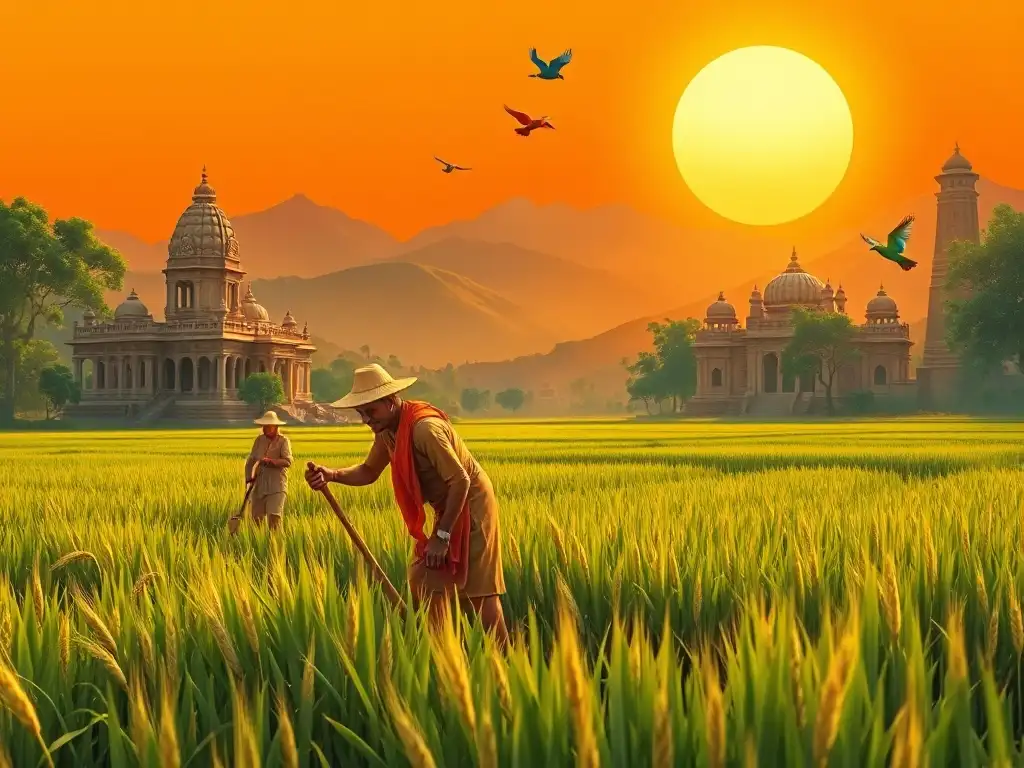
Ancient Indian agriculture underwent numerous innovations that not only enhanced productivity but also influenced artistic expression throughout the region. These innovations were often documented and celebrated through various art forms, highlighting the integral relationship between agriculture and art in ancient Indian civilization. From the sophisticated irrigation systems of the Indus Valley to the introduction of crop rotation during the Vedic period, each advancement was captured in sculptures, paintings, and textiles, reflecting the importance of agriculture in daily life and culture.
Technological Advances in Agriculture
The technological advancements in ancient Indian agriculture were significant and multifaceted. Key innovations included:
- Irrigation Systems: The construction of canals and reservoirs allowed for the effective management of water resources, which was crucial for crop production, especially during dry seasons.
- Ploughing Techniques: The introduction of the wooden plough, often depicted in ancient art, transformed farming practices by enabling deeper tillage of the soil, leading to better yields.
- Crop Diversity: Ancient texts suggest the cultivation of various crops such as rice, wheat, barley, and pulses, reflecting an understanding of biodiversity that is often illustrated in murals and pottery.
These advancements not only boosted agricultural output but also provided themes for artistic creation, showcasing the harmony between innovation and cultural expression.
Artistic Interpretations of Agricultural Tools and Techniques
Artistic interpretations of agricultural tools and techniques can be seen across multiple forms of ancient Indian art. For instance:
- Sculptures and Reliefs: Many temples and public structures feature carvings that depict farmers using tools like the plough and sickle, emphasizing the reverence for agricultural labor.
- Frescoes and Paintings: Frescoes from the Ajanta Caves illustrate scenes of agricultural life, showcasing the tools and methods used by farmers in a vibrant and dynamic manner.
- Textiles: Traditional textiles often include motifs inspired by agricultural practices, representing the connection between the land and the cultural identity of the communities.
These artistic representations serve as vital historical documents that reflect the everyday life of ancient agrarian societies.
The Role of Art in Documenting Agricultural Innovations
Art played a crucial role in documenting agricultural innovations throughout ancient India. By capturing the latest farming techniques and tools, artists not only contributed to the cultural narrative but also helped preserve knowledge for future generations. The various forms of art acted as visual records, enabling the transmission of agricultural practices across regions and time periods. This documentation was vital in an era when oral traditions prevailed, ensuring that advancements in agriculture were recognized and celebrated within the society.
The Impact of Agriculture on Urban Development and Artistic Growth
Agriculture had a profound impact on urban development in ancient India, which in turn spurred artistic growth. As agricultural productivity increased, it facilitated the rise of urban centers, leading to a flourishing of culture and the arts.
Agricultural Surplus and Urbanization
The surplus generated by agricultural advancements led to the growth of cities, as populations migrated to urban areas in search of better opportunities. This urbanization brought about:
- Economic Prosperity: A stable food supply allowed for specialization in various crafts and trades, leading to a more complex economy.
- Cultural Exchange: As people from different regions gathered in cities, cultural interactions increased, inspiring new artistic styles and forms.
- Infrastructure Development: With an increase in population density, cities developed infrastructure such as roads, markets, and workshops, which further supported artistic endeavors.
The resulting urban landscapes became vibrant centers of art and culture, reflecting the successes of agricultural innovation.
Patronage of the Arts by Agricultural Societies
Agricultural societies often played a crucial role in the patronage of the arts. Wealth generated from agriculture allowed for the sponsorship of artists and craftsmen, leading to:
- Public Art Projects: Temples, palaces, and public spaces were adorned with intricate artwork, reflecting the prosperity derived from agriculture.
- Cultural Festivals: Many agricultural festivals celebrated the harvest and included artistic performances, thereby integrating art into the fabric of agrarian life.
- Support for Artisans: Successful agricultural families often commissioned works of art, ensuring the continuation of traditional crafts and the evolution of new styles.
This patronage demonstrated the interconnectedness of agriculture and art, as both were seen as essential to the identity and legacy of ancient Indian societies.
Artistic Flourishing in Agrarian Communities
Agrarian communities were often hubs of artistic flourishing, where daily life and spirituality intertwined with creative expression. The relationship between agriculture and art can be observed in various ways:
- Ritualistic Art: Many agricultural practices were accompanied by rituals that inspired unique artistic expressions, such as pottery adorned with agricultural motifs.
- Community Collaboration: Agricultural labor often involved communal efforts, which fostered communal creativity, leading to the development of local art forms and styles.
- Nature-Inspired Art: The close relationship with the land and cycles of nature inspired artists to create works that celebrated the natural world, resulting in art that resonated with agrarian themes.
These artistic expressions not only reflected the significance of agriculture in the daily lives of ancient Indians but also enriched the cultural landscape, showcasing the dynamic interplay between agriculture and art.
Conclusion: The Interconnectedness of Agriculture and Art
The relationship between ancient Indian agriculture and art is a profound reflection of how civilizations intertwine practical sustenance with cultural expression. Throughout history, agricultural practices not only provided the necessary resources for survival but also inspired artistic endeavors that encapsulated the ethos of society. The vibrant motifs found in pottery, textiles, and sculptures often depicted agricultural scenes, rituals, and the bountiful harvests, symbolizing the reverence for the earth and its cycles. This interconnectedness illustrates how agriculture shaped not only the economy but also the cultural and spiritual lives of ancient Indian communities.
Summary of Key Insights on Ancient Indian Agriculture and Art
Ancient Indian agriculture was characterized by innovative practices such as crop rotation, irrigation systems, and the domestication of various plants and animals. These advancements significantly influenced artistic expressions. Key insights include:
- Symbolism in Art: Agricultural themes were prevalent in sculptures and paintings, representing fertility, abundance, and the connection between humans and nature.
- Ritualistic Expressions: Many artistic forms were rooted in agricultural rituals, celebrating seasonal changes and harvest festivals, which were integral to community life.
- Materials and Techniques: The materials used in art, like clay and textiles, were often sourced from agricultural products, showcasing the direct relationship between the two domains.
The Legacy of Ancient Indian Agricultural Practices in Art Today
The legacy of ancient Indian agricultural practices continues to resonate in contemporary art forms. Modern artists often draw inspiration from traditional agricultural motifs, integrating them into various media. Examples include:
- Mural Paintings: Many contemporary muralists incorporate agricultural scenes, reflecting the ongoing significance of farming in rural communities.
- Textiles: The use of natural dyes derived from plants and the revival of traditional weaving techniques highlight the enduring influence of agricultural practices on textile art.
- Performing Arts: Dance forms and folk theatre often depict agricultural narratives, keeping the connection alive in cultural storytelling.
This enduring influence serves as a reminder of the rich agricultural history that has shaped India's artistic landscape.
Final Thoughts on the Cultural Significance of Agriculture and Art in Ancient India
The cultural significance of agriculture and art in ancient India is a testament to the ingenuity and resilience of its civilizations. Agriculture provided the foundation for societal development, while art served as a medium for expression, communication, and preservation of cultural identity. The duality of these elements underscores the importance of understanding how practical life and creative endeavors are intertwined.
As we explore ancient Indian agriculture and art, we gain insight into the values, beliefs, and innovations that have shaped the trajectory of Indian civilization, leaving a lasting impact on both its heritage and contemporary practices. This interconnectedness continues to inspire and educate future generations about the importance of sustaining both agricultural practices and artistic expressions in a holistic manner.
- Introduction to Ancient Indian Agriculture and Art
- Historical Context of Agriculture in Ancient India
- Artistic Representations of Agriculture in Ancient India
- The Role of Agriculture in Shaping Cultural Identity
- Innovations in Ancient Indian Agriculture and Their Artistic Depictions
- The Impact of Agriculture on Urban Development and Artistic Growth
- Conclusion: The Interconnectedness of Agriculture and Art
- What was the significance of agriculture in ancient Indian civilization?
- How did art reflect agricultural practices in ancient India?
- What were some key contributions of ancient Indian agriculture?
- In what ways did agricultural festivals influence art in ancient India?
- How did the Gupta Empire contribute to the relationship between agriculture and art?
Frequently Asked Questions
What was the significance of agriculture in ancient Indian civilization?
Agriculture played a pivotal role in sustaining ancient Indian societies, providing food security and enabling economic growth. It also influenced artistic expressions, reflecting the agrarian lifestyle.
How did art reflect agricultural practices in ancient India?
Ancient Indian art often depicted agricultural scenes and rituals, showcasing the interdependence between farming and cultural expressions. This connection is evident in sculptures, paintings, and pottery.
What were some key contributions of ancient Indian agriculture?
Ancient Indian agriculture introduced advanced farming techniques, such as crop rotation and the use of irrigation systems. These innovations significantly influenced the economic stability and cultural development of the region.
In what ways did agricultural festivals influence art in ancient India?
Agricultural festivals were celebrated through various art forms, including dance, music, and visual arts. These festivities often inspired creative works that depicted the celebration of harvests and the bounty of nature.
How did the Gupta Empire contribute to the relationship between agriculture and art?
The Gupta Empire witnessed significant advancements in both agriculture and art, with a strong emphasis on land cultivation and the patronage of artists. This period is known for its iconic sculptures and temples, often depicting themes related to nature and farming.
Final Reflection: The Enduring Legacy of Ancient Indian Agriculture and Art
The intricate relationship between ancient Indian agriculture and art remains profoundly relevant today, as it not only highlights the ingenuity of our ancestors but also underscores the importance of sustainability and creativity in modern practices. The agricultural techniques and artistic expressions of ancient India were not merely functional; they were deeply intertwined, reflecting a holistic understanding of life, nature, and community. This connection invites us to reconsider how we approach our own agricultural practices and artistic endeavors, urging us to cultivate a balance that honors both tradition and innovation.
The influence of ancient Indian agriculture and art continues to resonate in contemporary society, shaping our cultural identity and inspiring new generations of artists and farmers alike. The vibrant motifs and themes drawn from agricultural life can be seen in modern art, while sustainable farming practices echo the wisdom of ancient techniques.
As Mahatma Gandhi once said, "> The future depends on what you do today." This sentiment rings true as we look to the past for guidance in creating a sustainable future, reminding us that our cultural heritage is a wellspring of knowledge that can inform our present and future choices.
As you reflect on the themes presented in this article, consider how you can integrate the lessons of ancient Indian agriculture and art into your own life. Embrace the beauty of creativity in your daily practices, whether through gardening, cooking, or artistic expression. Let the wisdom of the past inspire you to cultivate not just the land, but also your own creativity and connection to the world around you. In doing so, you contribute to a legacy that honors the rich tapestry of human experience and the enduring bond between nature and art.
Unveil the Connection Between Agriculture and Art!
Thank you for exploring the fascinating ties between ancient Indian agriculture and art! Your journey into this rich history not only enhances your understanding but also highlights the creativity that flourished alongside agricultural practices centuries ago. Now, it's time to take your interest further and immerse yourself in these vibrant connections.
Here are some steps you can take today:
- Dive Deeper: Explore ancient agricultural techniques by checking out our in-depth articles and resources available on ancientindiahistory.com . Understanding these methods can enrich your appreciation of the art inspired by those traditions.
- Share Your Insights: Engage with friends or family by discussing the unique ways agriculture influenced cultural expressions in art. Bring these discussions into your community to inspire further exploration!
- Create Your Art: Inspired by what you've learned? Try your hand at creating an artwork that reflects the interweaving of nature and culture, just as ancient artists did.
What artistic techniques do you think would best represent the ancient agricultural practices of India? Your thoughts could inspire a lively discussion in our comments section!