
How Ayurveda Can Help Manage Diabetes: Ancient Strategies for Modern Challenges

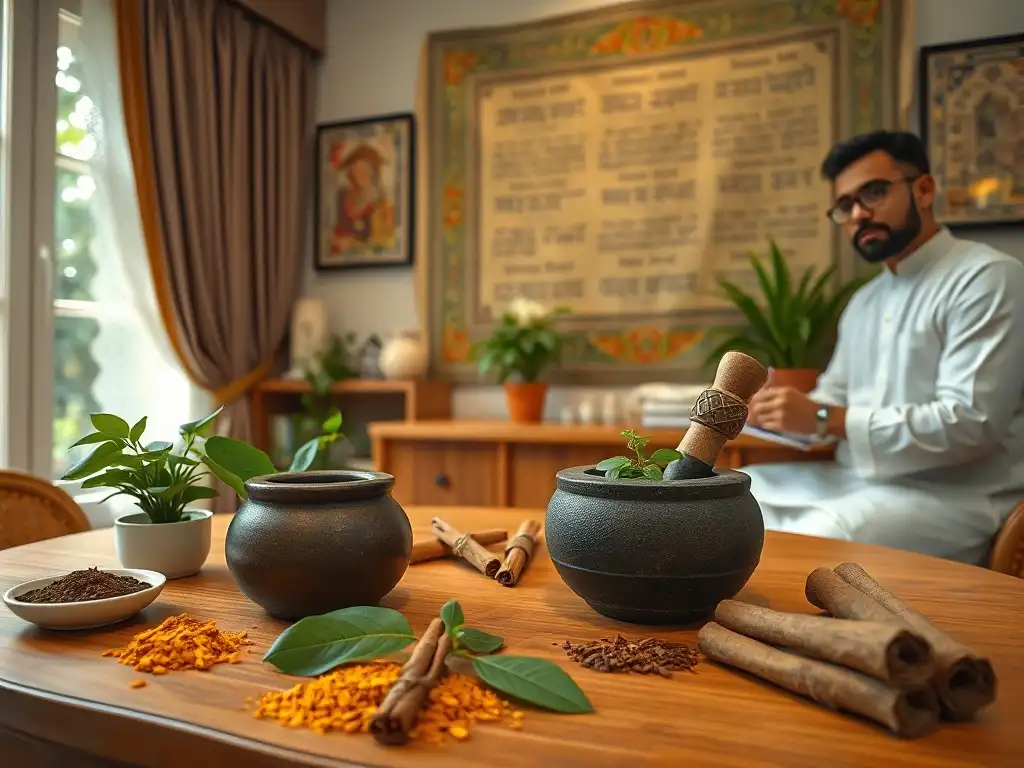
Welcome to Ancient India History, where we embark on an enlightening journey through the vibrant tapestry of India's past! Today, we delve into the fascinating world of Ancient Ayurvedic diabetes management, uncovering time-tested strategies that have transcended the ages. How did the sages of yore tackle the modern afflictions we face today?
Prepare to be intrigued as we explore the wisdom of Ayurveda, revealing insights that not only honor our rich heritage but also offer practical solutions for contemporary health challenges. Join us as we unlock the secrets of ancient practices that may hold the key to managing diabetes in today's fast-paced world!

Introduction to Ancient Ayurvedic Diabetes Management
The increasing prevalence of diabetes in contemporary society has led to a surge in interest in holistic and alternative approaches to health management. Among these, Ayurveda—an ancient system of medicine that originated in India over 5,000 years ago—offers valuable insights and strategies for managing diabetes. Rooted in the principles of balance and harmony within the body, Ayurveda emphasizes the importance of individualized treatment plans, dietary modifications, and lifestyle practices that can effectively support diabetes management.
In ancient texts, such as the Charaka Samhita and Sushruta Samhita, practitioners outlined various natural remedies and lifestyle adjustments aimed at addressing metabolic disorders. This knowledge is particularly relevant today as we seek to combine traditional wisdom with modern scientific understanding. By exploring the foundations of ancient Ayurvedic diabetes management, we can uncover strategies that not only focus on blood sugar regulation but also promote overall well-being.
Understanding how Ayurveda addresses diabetes involves delving into its core concepts, including doshas, dietary guidelines, herbal remedies, and therapeutic practices such as yoga and meditation. This article will explore these ancient strategies and their application in today’s context, highlighting how the timeless wisdom of Ayurveda can provide effective solutions for modern challenges.
As we navigate the complexities of diabetes management, it is essential to consider the holistic approach Ayurveda offers, aiming not just for symptom relief but for a deeper understanding of the body’s needs and the interconnectedness of health. Through this exploration, we hope to provide readers with practical insights that bridge ancient practices with contemporary health challenges.
Understanding Diabetes in the Context of Ayurveda

Definition of Diabetes According to Ayurveda
In Ayurveda, diabetes is referred to as "Prameha," which translates to "excessive urination." This condition is characterized by the presence of sweet urine, a result of the body's inability to properly metabolize sugars. Ayurvedic texts describe Prameha as a disorder that can affect various bodily functions, particularly the doshas (body energies: Vata, Pitta, and Kapha).
Ayurveda categorizes diabetes into different types based on the predominant dosha:
- Kapha Prameha: This is the most common type, associated with weight gain, lethargy, and a sweet taste in the mouth.
- Pitta Prameha: Characterized by burning sensations, excessive thirst, and irritability.
- Vata Prameha: Often linked to weight loss, anxiety, and a dry mouth.
The ancient texts emphasize that diabetes is not merely a metabolic disorder, but a complex interplay of physical, emotional, and environmental factors. This holistic perspective underlines the importance of individualized treatment and lifestyle modifications in managing diabetes effectively.
The Causes of Diabetes from an Ayurvedic Perspective
From an Ayurvedic standpoint, the causes of diabetes are multifaceted and can be broadly classified into internal and external factors. Here are some of the key contributors:
- Dietary Habits:
- Excessive sugar intake: Regular consumption of sweet, processed foods leads to an imbalance in the body’s doshas.
- Overeating: Consuming large quantities of food, especially heavy, oily, or sweet dishes, can disturb digestion (Agni) and contribute to the accumulation of toxins (Ama).
- Lifestyle Factors:
- Sedentary lifestyle: Lack of physical activity can lead to weight gain and poor metabolism, aggravating Kapha dosha.
- Stress and emotional factors: Chronic stress can disturb the balance of doshas and lead to unhealthy eating patterns, further exacerbating the condition.
- Genetic Predisposition:
- A family history of diabetes can increase the risk, as inherited traits can influence one's metabolic tendencies and digestive capabilities.
- Environmental Factors:
- Seasonal changes: Each season impacts the doshas differently, and neglecting seasonal dietary adjustments can lead to imbalances.
- Pollution and toxins: Environmental factors can accumulate in the body, leading to the formation of Ama, which is a root cause of many diseases, including diabetes.
- Imbalance of Doshas:
- When Vata, Pitta, and Kapha are not in harmony, it can lead to metabolic disorders. For instance, an aggravated Kapha dosha can manifest as obesity, while an imbalance in Pitta can result in inflammation and excess heat in the body.
The Ayurvedic perspective on diabetes highlights the importance of understanding the underlying causes of the condition. By addressing these factors with a holistic approach, including dietary changes, lifestyle modifications, and herbal remedies, individuals can effectively manage diabetes and promote overall well-being.
Ancient Ayurvedic Strategies for Diabetes Management

Herbal Remedies for Diabetes Control
Ayurveda, the ancient Indian system of medicine, offers a plethora of herbal remedies that have been traditionally used to manage diabetes. These remedies focus on balancing the body’s energies and enhancing metabolic functions. Some of the most notable herbs include:
- Bitter Gourd (Momordica charantia): Known for its antidiabetic properties, bitter gourd contains compounds that mimic insulin and help lower blood sugar levels. Regular consumption in the form of juice or cooked dishes can be beneficial.
- Fenugreek (Trigonella foenum-graecum): Fenugreek seeds are rich in soluble fiber, which helps control blood sugar levels by slowing down carbohydrate absorption. Soaking the seeds overnight and consuming them in the morning is a common practice.
- Turmeric (Curcuma longa): The active compound curcumin has been shown to improve insulin sensitivity, making turmeric an excellent addition to the diet. It can be incorporated into food or taken as a supplement.
- Neem (Azadirachta indica): Neem leaves are renowned for their blood-purifying and anti-inflammatory properties. They can help reduce insulin resistance and stabilize blood sugar levels.
Incorporating these herbs into a daily routine can enhance overall health and support effective diabetes management. Consulting with a qualified Ayurvedic practitioner is recommended to tailor these remedies to individual needs.
Dietary Guidelines from Ayurveda for Diabetic Patients
Ayurvedic dietary guidelines emphasize the importance of a balanced diet tailored to an individual's dosha (body constitution) and current health conditions. For diabetic patients, the following dietary recommendations are particularly relevant:
- Emphasize Whole Foods: Focus on whole grains like quinoa, barley, and brown rice, which have a lower glycemic index compared to refined grains.
- Increase Fiber Intake: Incorporate a variety of fruits and vegetables, particularly those that are low in sugar, such as leafy greens, berries, and cucumbers. Fiber helps in regulating blood sugar and promotes digestive health.
- Healthy Fats: Avocado, nuts, and seeds provide essential fatty acids that support metabolic functions. However, moderation is key to avoid excess calorie intake.
- Regular Meal Timing: Ayurveda advocates for regular meal times to stabilize blood sugar levels. Eating at consistent intervals helps in maintaining metabolic balance.
- Spices and Flavorings: Incorporate spices such as cinnamon and ginger, known for their blood sugar-lowering effects. These can be added to various dishes to enhance flavor and health benefits.
- Hydration: Drink plenty of water and herbal teas to stay hydrated. Herbal infusions like cinnamon tea can be particularly beneficial for diabetes management.
By adhering to these dietary guidelines, individuals can align their eating habits with Ayurvedic principles, facilitating better control over their diabetes.
Lifestyle Changes Promoted by Ayurveda
Ayurveda not only addresses dietary and herbal aspects but also emphasizes the importance of lifestyle changes in managing diabetes effectively. Here are some key lifestyle modifications recommended by Ayurveda:
- Regular Physical Activity: Engaging in daily exercise, such as yoga or brisk walking, aids in maintaining a healthy weight and improving insulin sensitivity. Certain yoga poses can specifically target pancreatic health.
- Mindfulness and Stress Management: Practices like meditation and pranayama (breath control) help reduce stress, which is crucial, as stress can adversely affect blood sugar levels. Regular mindfulness practices promote emotional balance and overall well-being.
- Adequate Sleep: Quality sleep is essential for metabolic health. Ayurveda advocates for a regular sleep schedule, ensuring 7-8 hours of restful sleep each night to support hormonal balance and energy levels.
- Detoxification: Periodic detoxification through Ayurvedic cleansing methods, such as Panchakarma, can help eliminate toxins from the body and improve metabolic functions.
- Personalized Health Routines: Ayurveda emphasizes the notion of dinacharya (daily routine) tailored to individual needs. Establishing a consistent routine that includes meal times, exercise, and relaxation can significantly enhance diabetes management.
By integrating these lifestyle changes, individuals can cultivate a holistic approach to managing diabetes, promoting both physical and mental health in alignment with ancient Ayurvedic wisdom.
Case Studies and Historical Practices in Ayurvedic Diabetes Management

Historical Texts on Diabetes Management
Ancient Ayurveda has a rich repository of knowledge addressing various health conditions, including diabetes, referred to in Ayurvedic texts as "Prameha." The foundational texts like the Charaka Samhita and Sushruta Samhita provide detailed descriptions of symptoms, causes, and treatment methodologies for managing diabetes.
In the Charaka Samhita, diabetes is categorized into different types based on the dosha imbalances (Vata, Pitta, and Kapha) that contribute to its development. Each type is associated with specific symptoms and dietary recommendations. For instance:
- Kapha Prameha: This type is characterized by excessive weight gain and lethargy. Treatments often involve:
- Herbal remedies: Such as Gurmar (Gymnema sylvestre) and Bitter melon (Momordica charantia), both known for their blood sugar-lowering properties.
- Lifestyle changes: Emphasis on light diets and regular exercise.
- Vata Prameha: Typically presents with weight loss and excessive thirst. Recommended treatments focus on:
- Nourishing foods: Incorporating sweet and oily substances to balance Vata.
- Herbal formulations: Like Ashwagandha to reduce stress and improve metabolism.
The Sushruta Samhita further elaborates on surgical interventions and detoxification practices that can benefit individuals suffering from diabetes. These ancient texts serve as the foundation for understanding how Ayurveda approaches diabetes management.
Modern Adaptations of Ancient Ayurvedic Practices
In contemporary settings, the principles of Ancient Ayurvedic diabetes management are being adapted to fit modern lifestyles and scientific understanding. Practitioners are integrating traditional methods with modern healthcare practices, creating a holistic approach to diabetes management. Here are some notable adaptations:
- Personalized Treatment Plans: Modern Ayurvedic practitioners utilize the ancient concept of Prakriti (individual constitution) to tailor treatment plans that consider a patient’s unique body type and lifestyle factors. This personalized approach enhances the effectiveness of dietary recommendations and herbal treatments.
- Dietary Guidelines: In line with ancient texts, modern Ayurveda emphasizes whole, unprocessed foods rich in fiber and low in glycemic index. Common recommendations include:
- Whole grains: Such as barley and quinoa.
- Legumes: Including lentils and chickpeas.
- Non-starchy vegetables: Like leafy greens and cruciferous vegetables.
- Mindfulness and Stress Management: Recognizing the impact of stress on blood sugar levels, modern Ayurvedic practices incorporate techniques like yoga, meditation, and breathing exercises. These practices align with ancient strategies to promote overall well-being and emotional balance.
- Herbal Supplements: Many ancient herbs known for their anti-diabetic properties are now available in supplement form. For instance:
- Fenugreek seeds: Used for their ability to improve insulin sensitivity.
- Turmeric: Known for its anti-inflammatory properties that may benefit metabolic health.
- Integrative Healthcare: Many clinics now offer integrative services that combine Ayurveda with Western medicine, allowing for comprehensive diabetes management. This approach often includes regular monitoring of blood sugar levels alongside guided Ayurvedic treatments.
The synthesis of ancient wisdom with modern scientific advancements illustrates the enduring relevance of Ayurveda in managing diabetes today, showcasing its adaptability to contemporary health challenges.
Frequently Asked Questions
What is Ayurveda?
Ayurveda is an ancient Indian system of medicine that emphasizes a holistic approach to health, focusing on balancing the body, mind, and spirit through natural remedies and lifestyle changes.
How does Ayurveda approach diabetes management?
Ayurveda offers ancient strategies for managing diabetes by promoting dietary adjustments, herbal remedies, and lifestyle modifications to help regulate blood sugar levels and improve overall health.
What are some Ayurvedic herbs used for diabetes?
Common Ayurvedic herbs for diabetes include bitter melon, fenugreek, and cinnamon, which are known for their potential to aid in blood sugar control and improve insulin sensitivity.
Can Ayurveda be used alongside conventional diabetes treatments?
Yes, Ayurveda can be used as a complementary approach to conventional treatments. However, it's essential to consult with healthcare professionals to ensure a coordinated care plan is in place.
What lifestyle changes does Ayurveda recommend for diabetes management?
Ayurveda recommends regular physical activity, balanced meals, stress management techniques such as yoga and meditation, and maintaining a consistent routine to support diabetes management effectively.
Final Reflection: Embracing Ancient Wisdom for Modern Health Challenges
In an age where chronic diseases like diabetes are on the rise, the integration of ancient Ayurvedic practices into contemporary health management is more relevant than ever. The wisdom of Ayurveda offers a holistic approach that not only addresses the symptoms of diabetes but also targets the root causes, promoting overall well-being. As we navigate the complexities of modern lifestyles, the timeless strategies of Ayurveda remind us that sometimes, looking back can lead us forward.
The influence of Ayurveda on our cultural and social landscape is profound and enduring. As we witness a growing interest in natural and holistic health solutions, the principles of Ayurveda resonate with those seeking balance in their lives. The teachings of Ayurveda encourage us to view health as a dynamic interplay of body, mind, and spirit. The greatest wealth is health.
– Virgil. This quote encapsulates the essence of Ayurvedic philosophy, emphasizing that true wealth lies not in material possessions, but in our well-being.
As you reflect on the insights shared in this article, consider how you can incorporate Ayurvedic principles into your daily routine. Embrace the opportunity to explore natural remedies, mindful eating, and lifestyle adjustments that honor your body’s unique needs. By doing so, you not only take charge of your health but also connect with a rich tradition that has stood the test of time. Let the ancient wisdom of Ayurveda guide you on your journey toward managing diabetes and achieving a harmonious life.
Embrace Your Path to Rejuvenation!
Thank you for exploring the world of Ayurveda and its timeless wisdom for managing diabetes. You've uncovered valuable insights that can empower your health journey. Now, it's time to integrate these lessons into your daily life!
Here’s how you can get started:
- Incorporate Ayurvedic herbs such as bitter melon and cinnamon into your meals to help regulate blood sugar levels.
- Join a local or online community centered around Ayurveda; share your experiences and learn from others.
- Keep a health journal to track your diet, emotions, and the impact of these ancient practices on your well-being.
What commitment will you make today that can transform your health and deepen your connection to these ancient strategies?