
The Influence of Ancient Indian Women on Contemporary Spiritual Practices

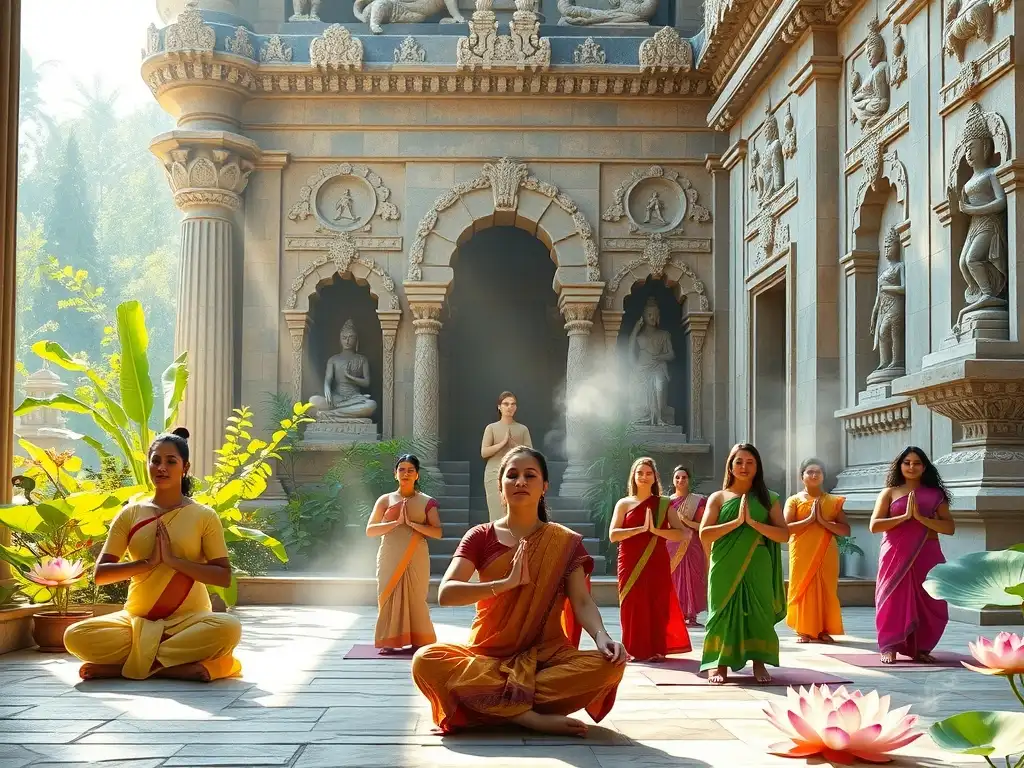
Welcome to Ancient India History, where we embark on a captivating journey through the rich tapestry of India's past. In this exploration, we delve deep into the influence of ancient Indian women on contemporary spiritual practices, uncovering the profound impact these remarkable figures had on the spiritual landscape we know today. As we unravel their stories, you'll discover how their wisdom and contributions continue to resonate, shaping modern spirituality in ways you might never have imagined. Join us as we illuminate the often-overlooked roles of these extraordinary women and invite you to explore the depths of their legacy.
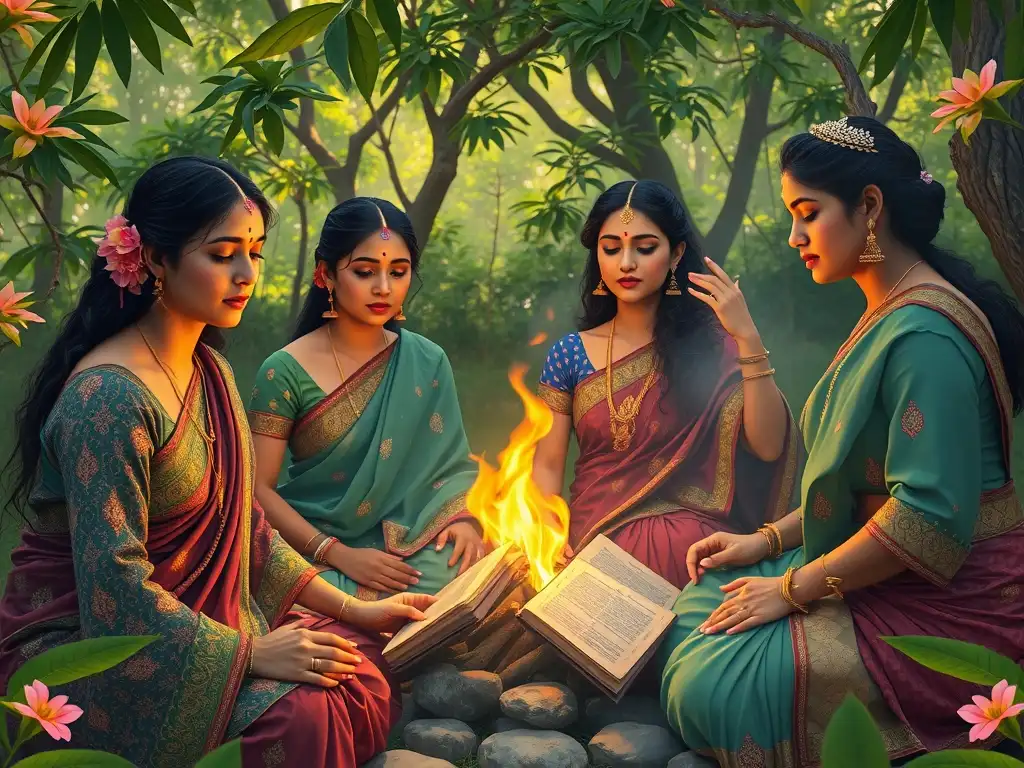
Introduction to Ancient Indian Women and Spirituality
The legacy of ancient Indian women is profound, particularly when examining their influence on contemporary spiritual practices. From the earliest civilizations, women played multifaceted roles that transcended mere domesticity, actively participating in spiritual and religious spheres. This exploration reveals how ancient Indian women's spirituality influence resonates through time, shaping modern religious practices and beliefs. By understanding their contributions, we gain insights into the foundations of spiritual traditions that continue to thrive today.
Overview of Women's Roles in Ancient Indian Societies
In ancient India, women were not just passive recipients of cultural and spiritual teachings; they were active participants and leaders in their communities. Their roles varied significantly across different periods and regions, often shaped by sociopolitical contexts and religious frameworks.
- Cultural Contributors: Women engaged in various cultural practices, including music, dance, and storytelling, often imbued with spiritual significance.
- Educators and Scholars: Many women were revered as scholars and educators, transmitting knowledge that encompassed philosophy, spirituality, and ethics.
- Religious Practitioners: Women participated in rituals and ceremonies, sometimes assuming roles as priestesses or spiritual guides.
These roles highlight the integral part women played in shaping the spiritual landscape of ancient India, establishing a legacy that influences contemporary practices.
Significance of Spiritual Practices in Ancient India
Spiritual practices in ancient India were deeply intertwined with daily life and societal norms. They served as a means to connect with the divine, seek enlightenment, and foster community bonds. Key aspects of these practices included:
- Rituals and Offerings: Rituals were often conducted at household shrines, with women playing a central role in maintaining these sacred spaces.
- Meditation and Philosophy: Women were involved in philosophical discourses, contributing to schools of thought that emphasized self-realization and spirituality.
- Festivals and Celebrations: Many festivals celebrated feminine deities, highlighting the reverence for women in spiritual contexts.
These practices not only reflect the spiritual ethos of the time but also underscore the vital contributions of women in preserving and transmitting these traditions.
Historical Context of Women's Spiritual Influence
To understand the influence of ancient Indian women on contemporary spirituality, it is essential to examine the historical context in which they operated. Their presence in spiritual narratives and practices laid a foundation that resonates through centuries.
Women in Early Indian Texts and Scriptures
Ancient texts, such as the Vedas, Upanishads, and the epics, contain references to women who were not only participants but also pivotal figures in spiritual discourses. For instance:
- Saraswati: The goddess of knowledge, often depicted as a woman, symbolizes the pursuit of wisdom and learning.
- Gargi and Maitreyi: Renowned philosophers mentioned in the Upanishads, these women engaged in profound discussions about existence and the universe, showcasing their intellectual prowess.
Their representations in these texts illustrate the respect and authority that women held in spiritual matters, a legacy that continues to inspire contemporary spiritual thought.
Prominent Ancient Indian Women as Spiritual Leaders
Throughout history, several women emerged as spiritual leaders, shaping the spiritual landscape of ancient India. Their influence was marked by:
- Social Reformers: Figures like Savitribai Phule, who advocated for women's rights and education, intertwined social reform with spiritual awakening.
- Mystics and Saints: Women like Mirabai, a poet-saint, expressed profound devotion and spirituality through their poetry, influencing bhakti movements that resonate today.
- Religious Figures: The siddha tradition included women who were revered as spiritual practitioners, often viewed as conduits of divine knowledge.
These women not only contributed to their communities but also laid pathways for future generations, ensuring that the spiritual wisdom of ancient Indian women continues to influence contemporary practices.
Key Contributions of Ancient Indian Women to Spiritual Practices
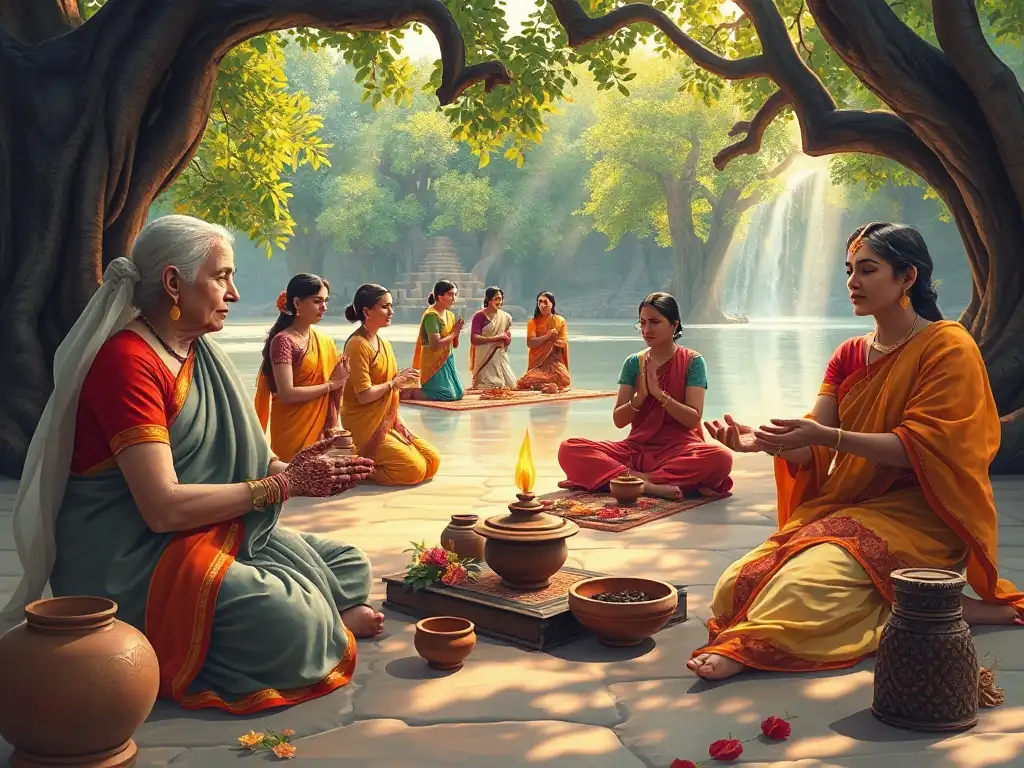
Ancient Indian women played a pivotal role in shaping spiritual practices and philosophies that resonate in contemporary spirituality. Their contributions span various dimensions including rituals, philosophical discourse, and sacred texts, establishing a foundation that continues to influence modern spiritual thought.
Women in ancient India were not merely participants in religious practices; they were often the architects of spiritual wisdom, fostering a rich tapestry of traditions that emphasized both individual and communal spiritual development. Their insights and teachings have persisted through centuries, serving as a source of inspiration for contemporary spiritual seekers and practitioners.
The Role of Women in Rituals and Worship
In ancient Indian society, women were integral to the performance of rituals and worship, often serving as the primary custodians of family and community spiritual practices. They were responsible for conducting daily pujas (worship), observing fasts, and celebrating various festivals that held spiritual significance. This active participation not only reinforced their spiritual authority but also highlighted their role as nurturers of tradition and culture.
Women often engaged in rituals that emphasized the feminine aspects of divinity, celebrating goddesses and embodying their attributes within spiritual practices. For instance, festivals like Navaratri (dedicated to the worship of the goddess Durga) allowed women to take center stage, reinforcing their vital role in the spiritual landscape. Their involvement in these rituals contributed to a deeper understanding of the sacred feminine, paving the way for contemporary feminist spiritual movements that seek to honor and revive these ancient traditions.
Contributions to Philosophy and Spiritual Thought
The philosophical contributions of ancient Indian women are profound and often overlooked. Women like Gargi and Maitrayi were not only engaged in philosophical discourse but were also pivotal in shaping the spiritual narrative of their time. Their dialogues often focused on existential questions, the nature of the self, and the divine, providing a unique perspective that challenged the predominantly male philosophical discourse.
These women philosophers contributed to the development of concepts such as Brahman (the ultimate reality) and Atman (the individual soul), emphasizing the interconnectedness of all beings and the importance of self-realization. Their teachings encouraged a more inclusive approach to spirituality, recognizing the inherent divinity within all individuals, regardless of gender. This legacy of philosophical inquiry continues to inspire contemporary spiritual practices that advocate for equality and universal consciousness.
Influence of Women on Spiritual Texts and Teachings
Ancient Indian women have had a significant impact on spiritual texts and teachings, often serving as the voices of wisdom within sacred literature. Their insights, though sometimes overshadowed by their male counterparts, provided crucial teachings on ethics, morality, and the nature of devotion. The Upanishads, for instance, contain dialogues featuring women philosophers that challenge and expand upon traditional spiritual concepts.
Moreover, texts like the Devi Bhagavata Purana highlight the importance of the goddess in spiritual teachings, reflecting the reverence for feminine energy in the divine. This representation of women in spiritual literature not only validates their contributions but also serves as a source of empowerment for contemporary spiritual practices that emphasize the sacred feminine.
Case Studies of Prominent Ancient Indian Women
Gargi: A Philosopher and Spiritual Thinker
Gargi Vachaknavi stands out as one of the earliest recorded female philosophers in ancient India, known for her wisdom and intellect. She participated in philosophical debates during the Vedic period, often challenging eminent sages and scholars. Gargi's discussions centered around the nature of the cosmos and the ultimate reality, showcasing her profound understanding of metaphysics and spirituality.
Her most famous appearance is in the Brihadaranyaka Upanishad, where she poses critical questions about the essence of Brahman, reflecting her deep spiritual inquiry and philosophical acumen. Gargi's contributions have had a lasting impact on the intellectual landscape of spirituality, inspiring future generations to explore philosophical thought beyond traditional boundaries.
Maitrayi: The Voice of Women's Spirituality
Maitrayi is another prominent figure in ancient Indian philosophy, known for her insightful dialogues in the Brihadaranyaka Upanishad. She engaged in discussions with her husband, Yajnavalkya, about the nature of the self and the pursuit of immortality, advocating for women's rights to philosophical understanding and spiritual knowledge.
Maitrayi's profound statement, "Whereby one knows the blissful, immortal Brahman," exemplifies her deep spiritual insight and understanding of the ultimate truths of existence. Her legacy as a voice of women's spirituality continues to resonate in contemporary discussions about gender and spirituality, highlighting the importance of inclusivity in spiritual practices.
Other Notable Figures and Their Impact
In addition to Gargi and Maitrayi, there are several other notable women who have influenced ancient Indian spirituality. For instance, the poet-saint Mirabai dedicated her life to the worship of Lord Krishna, using her poetry to express her devotion and spiritual experiences. Her songs continue to inspire spiritual seekers today, emphasizing the power of love and devotion in one's spiritual journey.
Similarly, the contributions of women like Andal, a Tamil poetess, and Lalleshwari, a Kashmiri mystic, showcase the diverse expressions of spirituality among women. Their teachings and poetic expressions reflect the spiritual struggles and triumphs of women, contributing to a broader understanding of spirituality that transcends gender.
Through these case studies, it becomes evident that ancient Indian women have significantly shaped the spiritual practices and philosophical discourse that inform contemporary spirituality, encouraging a deeper exploration of the divine and the self.
The Continuity of Ancient Spiritual Influence
The influence of ancient Indian women on contemporary spiritual practices can be traced through a continuous thread that links past traditions to present-day beliefs and rituals. Ancient Indian women, often revered as spiritual leaders and practitioners, played pivotal roles in shaping the spiritual landscape of their times. Their teachings, philosophies, and practices have transcended generations, creating a rich tapestry of influence that continues to resonate in modern spirituality.
These women were not merely passive participants in religious life; rather, they actively contributed to the development of spiritual thought. Figures such as Gargi and Maitreyi, who engaged in philosophical debates and discussions, set the stage for women's intellectual contributions to spirituality. Their legacies are echoed in the modern-day recognition of women's roles in spiritual leadership, where the continuity of their influence is evident in various practices and beliefs.
How Ancient Practices Shaped Contemporary Spirituality
Ancient spiritual practices rooted in the Vedic and Upanishadic traditions have profoundly shaped contemporary spiritual frameworks. Rituals such as meditation, yoga, and the worship of feminine deities highlight the respect for the divine feminine that was prevalent in ancient times. These practices emphasize inner transformation, self-realization, and the interconnectedness of all beings, principles that are foundational to many modern spiritual movements.
Moreover, ancient texts and scriptures, often written or interpreted by women, provide insights into the spiritual roles women held within society. The teachings found in texts like the "Rigveda," which includes hymns authored by female sages, continue to inspire modern practitioners, fostering a deeper understanding of spirituality that honors women's contributions. Contemporary spiritual practices often draw upon these ancient texts, echoing their teachings about balance, harmony, and the sacred feminine.
The Legacy of Ancient Indian Women in Modern Spiritual Movements
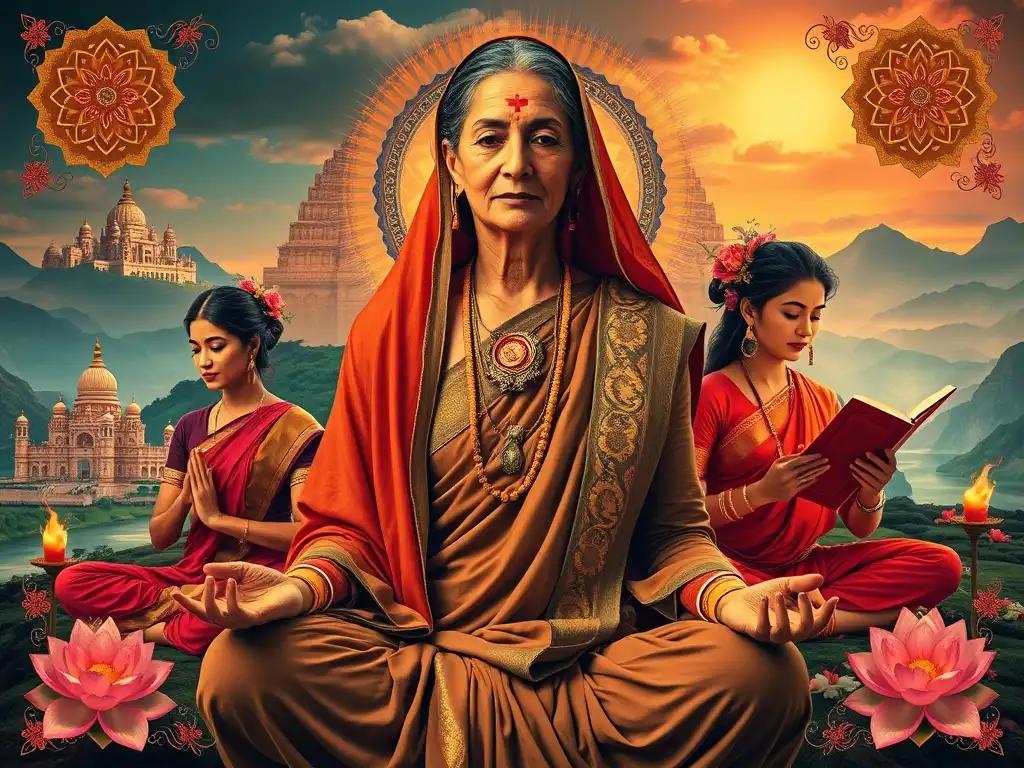
The legacy of ancient Indian women is prominently visible in various modern spiritual movements. Many contemporary spiritual leaders acknowledge their indebtedness to the teachings and philosophies established by women in ancient India. The resurgence of interest in goddess worship, for instance, can be traced back to the reverence for deities like Durga and Kali, who embody strength and wisdom.
Additionally, women's roles in spiritual communities today often reflect the pioneering efforts of their ancient counterparts. Spiritual organizations and movements, such as the feminist spirituality movement, emphasize the empowerment of women and the reclamation of feminine wisdom, an idea that resonates deeply with the teachings of ancient Indian women. Their legacy serves as a foundation for current practices that seek to elevate women's voices and experiences within spiritual contexts.
Modern Interpretations of Ancient Spirituality
Modern interpretations of ancient spirituality often involve a reevaluation of traditional practices through a contemporary lens. As society evolves, so too does the understanding of ancient teachings. Many spiritual practitioners today integrate elements of ancient Indian spirituality with modern psychological insights, creating a holistic approach that appeals to a diverse audience.
For example, mindfulness practices derived from ancient meditation techniques are now widely embraced in therapeutic settings. This synthesis of ancient wisdom and modern psychology emphasizes the importance of mental well-being, self-awareness, and emotional balance, showcasing the adaptability of ancient spiritual practices to contemporary life.
Contemporary Spiritual Leaders Inspired by Ancient Indian Women
Numerous contemporary spiritual leaders have drawn inspiration from the rich heritage of ancient Indian women. Figures such as Amma (Mata Amritanandamayi) and Sadhvi Bhagawati Saraswati exemplify how ancient teachings can inform modern spiritual leadership. They embody the principles of compassion, service, and wisdom, which resonate with the teachings of ancient sages.
These leaders often reference the teachings of their female predecessors, integrating ancient philosophies into their practices and emphasizing the importance of women's spiritual roles. Their influence extends beyond traditional boundaries, encouraging a more inclusive approach to spirituality that honors the contributions of women throughout history.
The Role of Women in Current Spiritual Practices
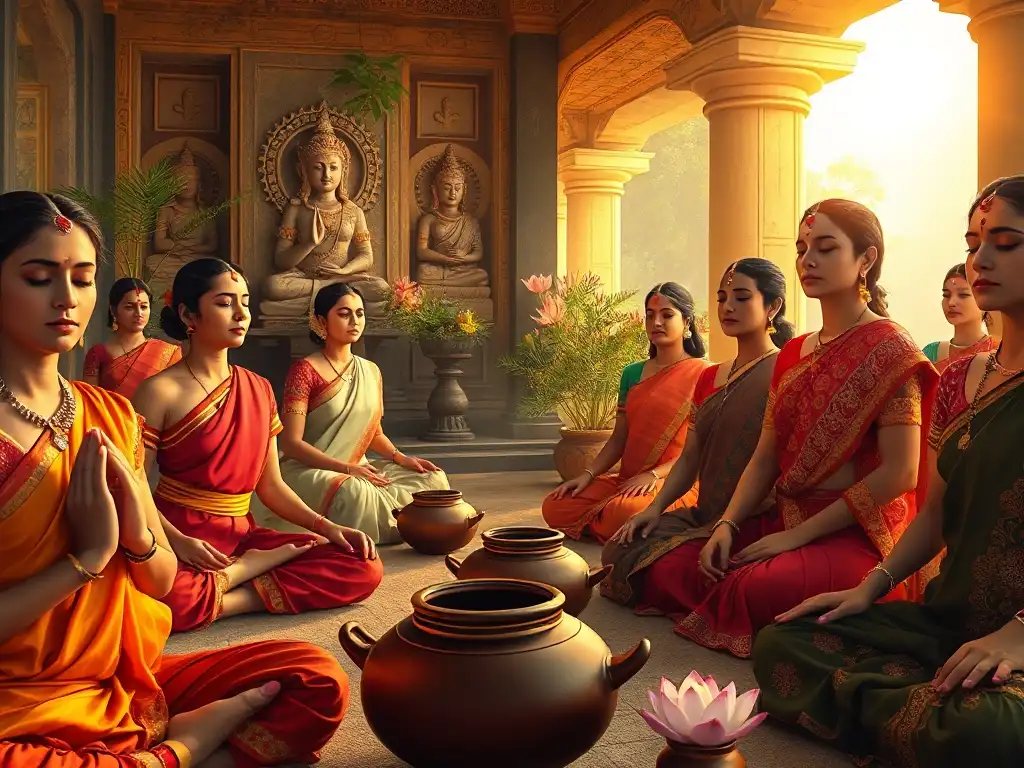
Women continue to play a vital role in current spiritual practices, often at the forefront of community building and spiritual leadership. Whether through organizing rituals, leading meditation sessions, or engaging in discussions about spiritual philosophy, women are integral to the vibrancy of modern spiritual communities.
In addition, the rise of women's circles and gatherings reflects a growing recognition of the need for spaces where women can explore spirituality together. These gatherings often draw upon ancient practices, fostering a sense of connection to ancestral wisdom while addressing contemporary issues faced by women today. This phenomenon not only honors the legacy of ancient Indian women but also empowers a new generation to explore and express their spirituality in meaningful ways.
Conclusion: The Unbroken Link Between Ancient and Contemporary Spirituality
The spiritual landscape of contemporary India is deeply intertwined with the legacies left by ancient Indian women. These women, through their teachings, practices, and philosophical contributions, have shaped not just the spiritual practices of their time but also those that continue to resonate today. From the visionary insights of sages like Gargi and Maitreyi to the poetic expressions of mystics such as Mirabai, their influence is a testament to the enduring power of female spirituality.
This connection reveals an unbroken link that transcends time, reinforcing the idea that women have always played a pivotal role in spiritual evolution. As we explore contemporary spiritual practices, it is essential to recognize and honor the foundational contributions of these ancient women, ensuring their wisdom and insights remain a vibrant part of our spiritual heritage.
Summary of Ancient Indian Women’s Spiritual Influence
Ancient Indian women, through various channels such as philosophy, poetry, and religious practice, significantly influenced the spiritual realm. Many women were not just passive participants but active leaders and thinkers who challenged societal norms. Figures like Gargi and Maitreyi were known for their intellectual prowess, engaging in philosophical debates that laid foundational concepts for later spiritual thought.
Additionally, the Bhakti movement, characterized by devotional singing and poetry, saw women like Mirabai and Akka Mahadevi emerge as powerful voices, advocating for personal devotion over ritualistic practices. Their contributions fostered a more inclusive spiritual environment that emphasized emotional connection and individual experience, elements that continue to thrive in contemporary practice. Furthermore, the role of women in rituals and community spiritual life nurtured collective spiritual identities, emphasizing the communal aspect of spirituality that remains vital today.
Final Thoughts on the Importance of Recognizing Their Contributions
Acknowledging the contributions of ancient Indian women to spirituality is not merely an academic exercise; it is essential for understanding the full tapestry of Indian spiritual traditions. Their insights and practices have shaped core values in contemporary spirituality, including inclusivity, emotional depth, and personal experience. By recognizing these contributions, we not only honor their legacy but also inspire future generations to explore and integrate these teachings into their spiritual journeys.
This acknowledgment can foster a richer, more nuanced understanding of spirituality that respects historical contexts while embracing modern interpretations. Ultimately, the recognition of ancient Indian women's spiritual influence serves as a reminder of the diverse voices that have shaped spiritual thought, urging us to continue this dialogue in our contemporary spiritual practices.
References and Further Reading
Recommended Texts on Ancient Indian Women and Spirituality
- "Women in Ancient India" by R. S. Sharma: This book delves into the roles and representations of women in ancient Indian society, providing context for their spiritual contributions.
- "The Women Saints of India" by K. R. Srinivasa Iyengar: A compilation of stories and teachings from various women saints, illustrating their influence on spirituality and culture.
- "The Feminine Principle in the Upanishads" by G. P. Bhatt: This text explores the philosophical contributions of women in ancient Indian texts, particularly the Upanishads, highlighting their spiritual significance.
Additional Resources for Exploring Women's Roles in Religion and Philosophy
- "Women’s Spirituality: Power and Politics in the Study of Religion" edited by Rita M. Gross: This anthology provides a comprehensive overview of women's roles in various religious traditions, including Indian spirituality.
- Online archives of ancient texts: Many universities and cultural organizations host digitized versions of ancient texts that can be accessed for deeper exploration of women's contributions.
- Documentaries and lectures on the Bhakti movement: These resources often highlight the significant roles women played in the spiritual revolutions of India, emphasizing their lasting impact on contemporary practices.
By engaging with these resources, readers can further appreciate the rich contributions of ancient Indian women to spirituality and continue to explore their relevance in today's spiritual discourse.
- Introduction to Ancient Indian Women and Spirituality
- Overview of Women's Roles in Ancient Indian Societies
- Significance of Spiritual Practices in Ancient India
- Historical Context of Women's Spiritual Influence
- Key Contributions of Ancient Indian Women to Spiritual Practices
- Case Studies of Prominent Ancient Indian Women
- The Continuity of Ancient Spiritual Influence
- How Ancient Practices Shaped Contemporary Spirituality
- The Legacy of Ancient Indian Women in Modern Spiritual Movements
- Modern Interpretations of Ancient Spirituality
- Contemporary Spiritual Leaders Inspired by Ancient Indian Women
- The Role of Women in Current Spiritual Practices
- Conclusion: The Unbroken Link Between Ancient and Contemporary Spirituality
- References and Further Reading
- What role did ancient Indian women play in spirituality?
- How did the spiritual contributions of women in ancient India impact contemporary practices?
- Can you name some influential women figures in ancient Indian spirituality?
- What are some examples of spiritual practices initiated by women in ancient India?
- How does the influence of ancient Indian women relate to current discussions on gender in spirituality?
Frequently Asked Questions
What role did ancient Indian women play in spirituality?
Ancient Indian women were pioneers in spiritual practices, often serving as spiritual leaders and philosophers, influencing religious thought and traditions.
How did the spiritual contributions of women in ancient India impact contemporary practices?
The spiritual contributions of women established foundational ideas and rituals that continue to influence modern spirituality, emphasizing gender inclusivity and diverse practices.
Can you name some influential women figures in ancient Indian spirituality?
Prominent figures include Maitreyi and Gargi, who were known for their philosophical discussions and contributions to Vedic texts, showcasing the intellectual prowess of women.
What are some examples of spiritual practices initiated by women in ancient India?
Women initiated practices such as ritualistic worship and spiritual gatherings, which fostered community bonds and spiritual growth, influencing modern ceremonies.
How does the influence of ancient Indian women relate to current discussions on gender in spirituality?
The influence of ancient Indian women highlights the importance of gender representation in spirituality, prompting contemporary discussions about equality and inclusivity in spiritual communities.
Final Reflection: The Enduring Legacy of Ancient Indian Women in Spirituality
The influence of ancient Indian women on contemporary spiritual practices is not just a historical footnote; it is a vibrant thread woven into the fabric of modern spirituality. As we navigate a world increasingly seeking meaning and connection, the teachings and legacies of these women remind us of the profound wisdom that has shaped spiritual traditions for centuries. Their contributions resonate today, urging us to honor and integrate their insights into our personal and communal spiritual journeys.
The impact of ancient Indian women on spirituality is a testament to their resilience and vision, which continue to inspire generations. From the revered sages to the nurturing mothers of spiritual thought, their voices echo in the practices we embrace today. As we reflect on their teachings, we recognize that "the essence of spirituality lies in the balance of strength and compassion," a sentiment that captures the duality of their influence. Their stories encourage us to explore the depths of our own spiritual paths, reminding us that the wisdom of the past is a guiding light for the present.
As you ponder the lessons drawn from the lives of these remarkable women, consider how you can incorporate their teachings into your own spiritual practice. Take a moment to reflect on the values of strength, compassion, and wisdom that they embodied. Challenge yourself to integrate these principles into your daily life, fostering a deeper connection to your spiritual self and the world around you. In doing so, you not only honor their legacy but also contribute to the ongoing evolution of spirituality in our contemporary landscape.
Embrace the Wisdom of Ancient Women!
Thank you for joining us on this enlightening exploration of the profound influence ancient Indian women have had on contemporary spiritual practices. We hope you’re inspired by their legacy and are eager to deepen your own spiritual journey.
Now, here’s how you can take action and continue this enriching path:
- Dive deeper into ancient texts: Explore writings by influential women such as Gargi and Maitreyi. Dedicate some time each week to reflect on their teachings and how they can apply to your life.
- Join a local spiritual group: Connect with others who share your interest in ancient wisdom and its modern applications. Engaging with a community can significantly enhance your understanding and experiences.
- Share your insights: Consider writing a blog post or a social media update about how the teachings of these historical figures influence your spiritual journey today.
Which teachings or practices from ancient Indian women resonate most with you in your spiritual path? We’d love to hear your thoughts!