
Ancient Texts and Modern Interpretations: Women’s Roles in Religion

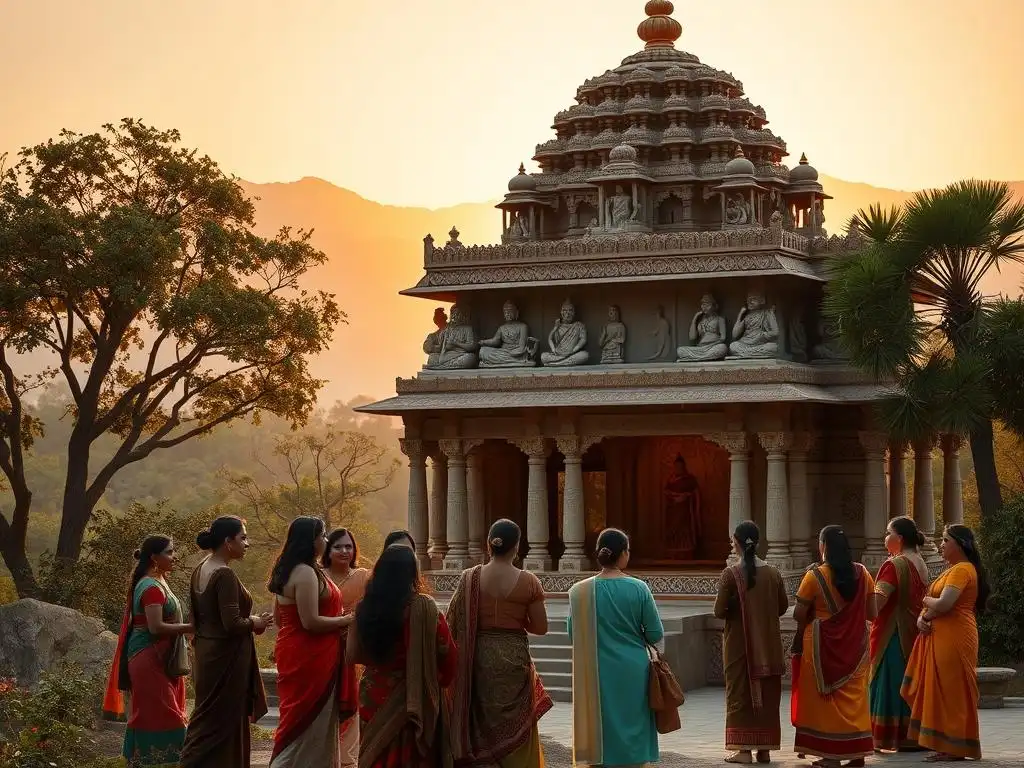
Welcome to Ancient India History, where we embark on a captivating journey through the rich tapestry of India's past. In this exploration, we delve into the often-overlooked roles of women in ancient India, a subject that unveils the profound influence and contributions of women throughout various eras. Our featured article, "Ancient Texts and Modern Interpretations: Women’s Roles in Religion," invites you to discover how ancient scriptures and societal norms shaped the spiritual and cultural landscapes of India.
As you navigate through the stories and insights that follow, prepare to uncover the powerful narratives that highlight women's integral positions in shaping history. Join us as we unravel the complexities and celebrate the legacies that continue to resonate today!
- Introduction to Women's Roles in Ancient India
- Ancient Texts Depicting Women's Roles in Religion
- Historical Context of Women's Roles in Ancient Indian Religions
- Modern Interpretations of Women's Roles in Ancient India
- Myths and Realities: Common Misconceptions about Women in Ancient Indian Religion
- Conclusion: The Legacy of Women's Roles in Ancient India
- Further Reading and Resources on Women's Roles in Ancient India
-
Frequently Asked Questions
- What were women's roles in ancient Indian religions?
- How did ancient texts portray women in society?
- Were women allowed to participate in religious ceremonies?
- What influence did women have on ancient Indian culture?
- How do modern interpretations of women's roles in ancient India differ from ancient texts?
- Final Reflection: Unveiling the Timeless Influence of Women's Roles in Ancient India
- Unveil the Power of Women in Religion Today!
Introduction to Women's Roles in Ancient India
The study of women's roles in ancient India presents a compelling narrative of strength, spirituality, and influence. From the sacred texts of the Vedas to the philosophical discourses of the Gupta period, women played pivotal roles that shaped religious practices and societal norms.
Understanding these roles not only illuminates the status of women in ancient Indian civilizations but also offers insights into the broader cultural and religious frameworks that defined their lives. In this article, we will explore how ancient texts serve as vital resources for interpreting women's contributions to religion, highlighting their significance and the evolving perceptions of gender roles throughout history.
Overview of Women's Contributions in Religion
Women in ancient India were not merely passive observers in the religious landscape; they were actively engaged in various religious practices and rituals.
- Spiritual Leaders: Many women emerged as spiritual leaders and philosophers, contributing to the development of religious thought. For instance, the Brahmanas and Upanishads mention women sages like Gargi and Maitreyi, who participated in philosophical debates and discussions on metaphysics.
- Rituals and Worship: Women played essential roles in domestic rituals and temple worship. They were often responsible for performing daily pujas (worship rituals) and had significant roles during festivals.
- Literary Contributions: The Mahabharata and Ramayana feature strong female characters who embody virtues and moral strength, thereby influencing societal values. Their stories often reflect the complexities of women's lives and their agency within the family and society.
These contributions indicate that women were integral to the spiritual fabric of ancient Indian society, challenging the notion that their roles were limited to the domestic sphere.
Significance of Ancient Texts in Understanding Gender Roles
Ancient texts serve as crucial windows into the past, providing context and insight into the lives of women in ancient India.
- Preservation of Knowledge: Texts such as the Vedas, Puranas, and various philosophical treatises preserve knowledge about women's roles and their contributions to religious practices. These documents serve as primary sources for historians and scholars analyzing gender dynamics.
- Cultural Reflections: The representation of women in these texts reflects the cultural attitudes towards gender and societal roles. For instance, the Dharmashastras outline both the duties and rights of women, offering a nuanced view of their societal status.
- Modern Interpretations: Contemporary scholars utilize these ancient texts to challenge traditional narratives, illustrating how women's roles were more complex and multifaceted than previously understood. By interpreting these texts from modern perspectives, researchers can better appreciate the evolving nature of gender roles in ancient India.
The exploration of women’s roles in religion through ancient texts not only highlights their contributions but also provides a deeper understanding of the societal constructs that influenced their lives. This examination is essential for appreciating the rich tapestry of women's history in ancient India and its implications for modern discussions on gender and spirituality.
Ancient Texts Depicting Women's Roles in Religion
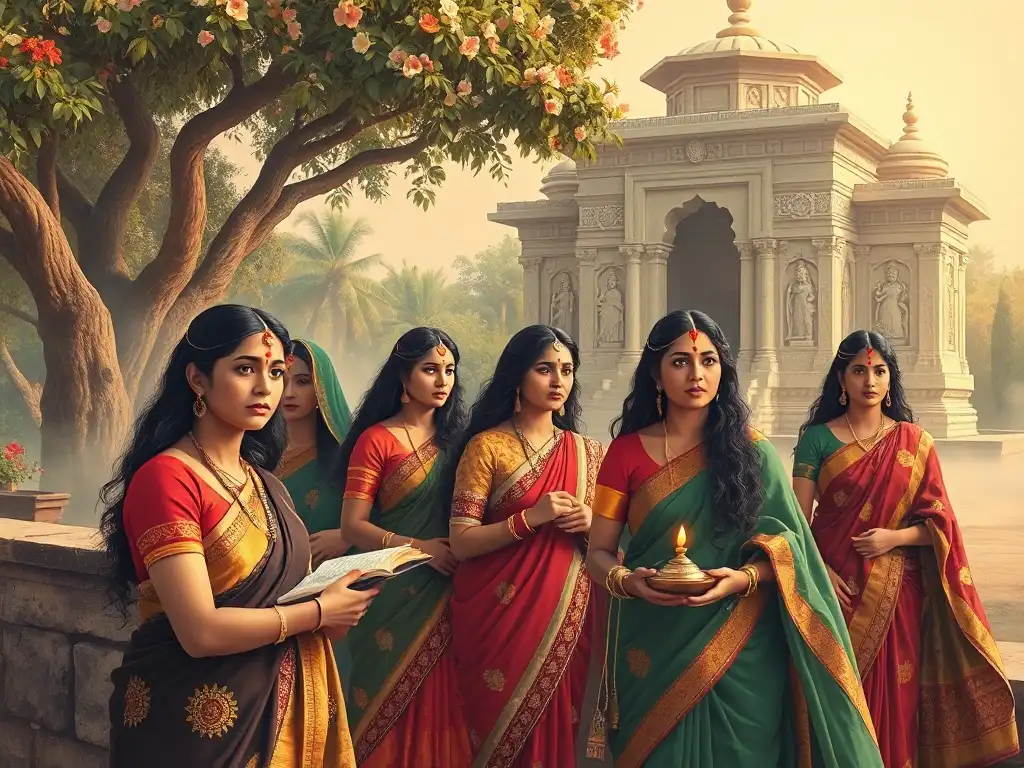
The Vedas, the oldest sacred texts of Hinduism, provide a complex view of women's roles in ancient Indian society, particularly in the realm of spirituality and religion. Though traditionally patriarchal, these texts reveal that women held significant spiritual authority and were active participants in religious rituals.
- Ritual Participation: Women, referred to as "Sādhvī" or virtuous ones, were not only considered essential for household rituals but also participated in Vedic sacrifices (yajnas). Their involvement was crucial for the success of these ceremonies, indicating a recognized spiritual role.
- Education and Knowledge: The Rigveda mentions women sages and philosophers, such as Gargi and Maitreyi, who were known for their wisdom. The emphasis on women receiving education in the Vedic period underscores their capacity for intellectual contributions to spiritual discourse.
- Hymns and Chants: Several hymns in the Vedas are composed by women, indicating that they were not merely passive recipients of religious teachings but active creators of spiritual literature. For example, the Rigveda contains verses attributed to female sages, showcasing their voice in the religious landscape.
The Upanishads: Philosophical Perspectives on Women
The Upanishads, which delve into philosophical inquiries and interpretations of the Vedas, offer profound insights into women's roles in spirituality and metaphysics.
- Metaphysical Equality: The Upanishads present a more egalitarian view of women, especially in relation to concepts like Brahman (the ultimate reality). Texts like the Brahadaranyaka Upanishad illustrate that individuals, regardless of gender, possess the same potential for enlightenment and understanding of the divine.
- Women's Spiritual Journeys: The narratives within the Upanishads often illustrate women’s quests for knowledge and liberation (moksha). For instance, Maitreyi, in her dialogue with her husband, questions the nature of immortality and ultimately seeks her own path of spiritual realization, emphasizing women's agency in philosophical thought.
- Role in Family and Society: The Upanishads also highlight the importance of women in familial structures, often linking their roles to the success of spiritual practices within the household. A woman's adherence to her duties (Dharma) in the family is seen as essential for cosmic order.
Epics and Puranas: Narratives of Women in Religious Contexts
The great Indian epics, such as the Mahabharata and Ramayana, along with numerous Puranas, provide rich narratives that depict women's roles within religious contexts, illustrating their complexities and contributions.
- Strong Female Characters: In the Mahabharata, figures like Draupadi and Kunti embody strength, resilience, and moral authority. Draupadi’s pivotal role in the Kurukshetra War and her call for justice highlights the significant influence women had in shaping the narrative and moral outcomes of the epic.
- Divine Feminine: The Puranas often celebrate the Divine Feminine, depicting goddesses such as Durga, Lakshmi, and Saraswati as embodiments of power, knowledge, and prosperity. These depictions not only elevate the status of women in religious contexts but also serve to reinforce the idea of female divinity as central to spiritual practices.
- Morality and Ethics: Stories within the epics often explore themes of morality, duty, and sacrifice, with women frequently positioned as moral compasses. Their actions and decisions are portrayed as crucial to the ethical frameworks of their societies, thus showcasing their indispensable roles in both familial and societal contexts.
Through these ancient texts, it becomes evident that women's roles in ancient India were multifaceted, characterized by spiritual authority, philosophical inquiry, and significant narrative presence in religious contexts. This complex portrayal challenges simplistic notions of gender roles in ancient societies, revealing a deeper understanding of women's contributions to spirituality and culture.
Historical Context of Women's Roles in Ancient Indian Religions
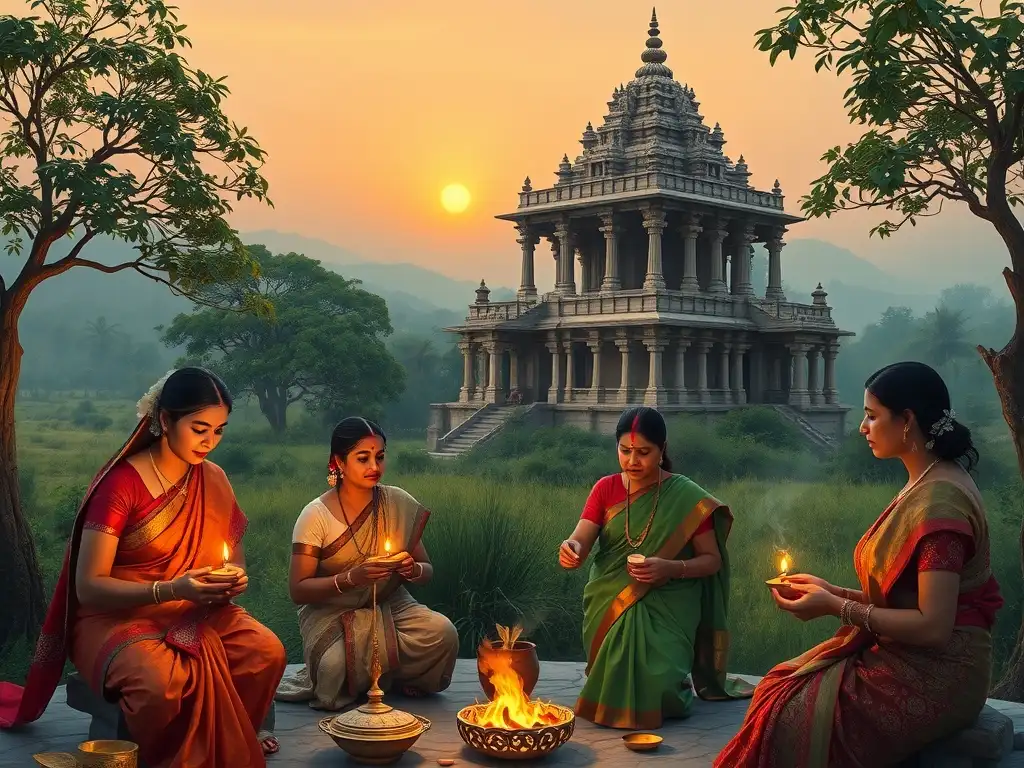
The historical context of women's roles in ancient Indian religions is deeply intertwined with the socio-cultural, political, and economic frameworks prevalent during various periods. Women's positions were not monolithic; they varied significantly depending on the time, region, and religious practices. In ancient India, from the Vedic period through the rise of the Gupta Empire, the roles of women were shaped by prevailing ideologies, texts, and societal norms, which often dictated their participation in religious activities.
Socio-Political Structure and Its Impact on Women
The socio-political structure of ancient India played a crucial role in defining women's roles within religious contexts. In the early Vedic period, women enjoyed considerable autonomy and were often seen participating in rituals and ceremonies. The Rigveda, one of the oldest texts, mentions women like Gargi and Maitreyi, who were philosophers and scholars, thus indicating that women had a voice in religious and philosophical discourses.
However, as society evolved, particularly during the later Vedic period and subsequent kingdoms, patriarchal norms began to dominate. This shift led to a decline in women's public roles, confining them largely to domestic spheres. The Manusmriti, a key legal text, further codified these changes, emphasizing women's subservience to male relatives and limiting their participation in religious rituals. This shift was reflective of a broader trend in the socio-political landscape, where women's roles became increasingly restricted as kingdoms centralized power and established rigid hierarchies.
Key Points:
- Early Vedic texts indicate women's participation in religious and philosophical discussions.
- The rise of patriarchal structures in later periods led to diminished roles for women.
- Legal texts like Manusmriti codified women's subordinate status in society.
Influence of Caste on Women's Religious Participation
Caste significantly influenced women's roles and participation in religious practices in ancient India. The caste system established distinct social hierarchies, which also extended to religious observances. Higher-caste women, particularly Brahmins, were often allowed greater access to religious education and rituals, while lower-caste women faced severe restrictions.
Women of higher castes were often groomed to perform specific rituals and maintain household religious practices, often through the guidance of male relatives. Conversely, women from lower castes, such as Shudras, were frequently marginalized and excluded from many religious ceremonies. Their religious practices were often relegated to folk traditions, which were less documented but rich in cultural significance.
This stratification meant that women's experiences of religion were not uniform. For instance, while a Brahmin woman might engage in the recitation of sacred texts, a lower-caste woman might be involved in local temple worship or community rituals. Thus, caste not only dictated the type of religious participation available to women but also shaped the broader cultural narratives surrounding their roles.
Key Points:
- Caste hierarchy influenced women's access to religious education and practices.
- Higher-caste women enjoyed more significant roles in religious rituals.
- Lower-caste women were often excluded from formal religious participation.
Comparative Analysis: Women in Different Ancient Indian Religions
The roles of women in ancient Indian religions varied significantly, reflecting the diverse philosophies and practices within Hinduism, Buddhism, and Jainism.
- Hinduism: In Hindu texts, women's roles are complex. While texts like the Rigveda highlight women's contributions, later texts often depict them in more restrictive roles. Rituals often emphasized women's duties within the household, with some exceptions where women could hold positions of spiritual authority.
- Buddhism: Buddhism offered a different perspective, allowing for the ordination of women as nuns (bhikkhunis). Women in Buddhism could attain spiritual enlightenment and participate in monastic life, suggesting a more egalitarian approach within this religious framework. However, cultural practices often varied, affecting the status of female practitioners.
- Jainism: Jain texts also reflect a more progressive stance toward women, acknowledging their ability to attain liberation (moksha). Jain nuns (sadhvis) played vital roles in spreading teachings and engaging in religious practices, thus highlighting a significant aspect of women's contributions in this religious tradition.
This comparative analysis shows that women's roles in ancient Indian religions were not fixed but rather dynamic, influenced by the prevailing religious ideologies and social structures.
Key Points:
- Hinduism reflects a dual narrative of empowerment and restriction for women.
- Buddhism recognized women's potential for spiritual attainment, albeit with cultural variations.
- Jainism provided avenues for women's active participation in religious life.
The historical context of women's roles in ancient Indian religions reveals a complex interplay of socio-political dynamics, caste influences, and diverse religious philosophies. This multifaceted landscape underscores the significant contributions and challenges faced by women throughout ancient Indian history.
Modern Interpretations of Women's Roles in Ancient India
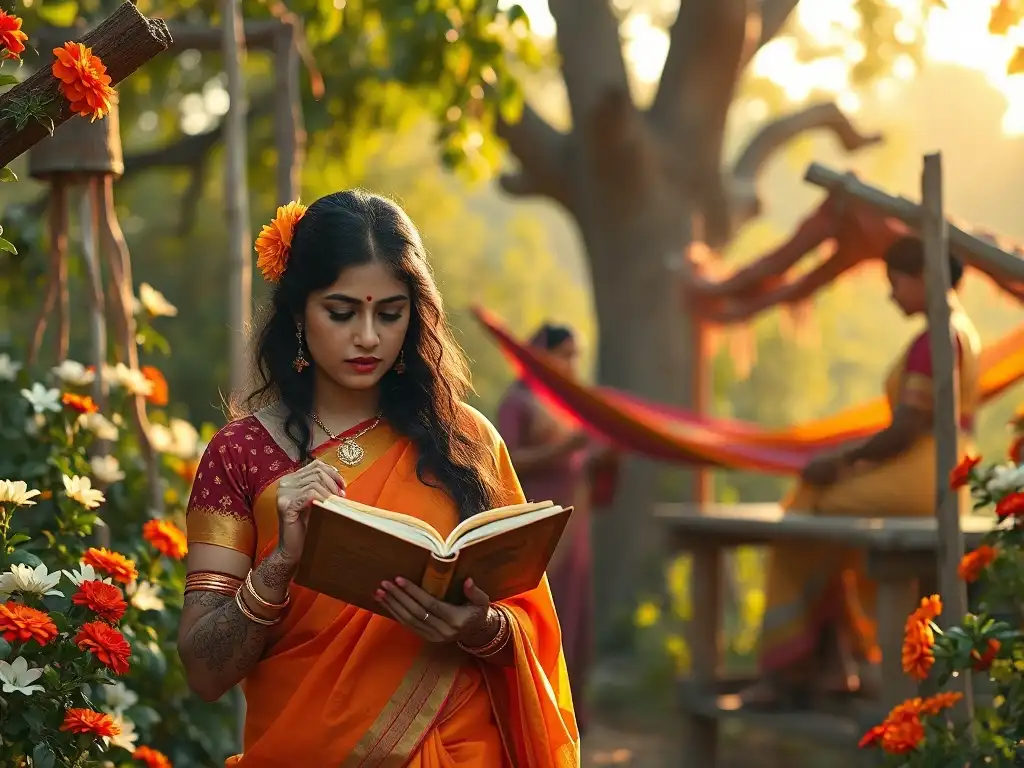
The examination of women's roles in ancient India has evolved significantly over time, particularly through modern interpretations influenced by contemporary sociocultural contexts. Scholars and activists are increasingly recognizing that ancient texts often contain nuanced depictions of women's lives that can challenge traditional narratives. These reinterpretations are essential in understanding the multifaceted roles women played in religious, social, and philosophical realms of ancient Indian civilizations.
Feminist Perspectives on Ancient Texts
Feminist scholars have taken a critical approach to ancient texts, arguing for a reevaluation of how women are portrayed in religious scriptures and philosophical writings. Traditional interpretations often emphasize patriarchal frameworks, which can obscure the agency and influence of women.
- Reinterpretation of Roles:
- Feminists argue that many ancient texts, such as the Vedas and Upanishads, reflect a more complex reality where women held significant spiritual and social roles. For instance, the Rigveda mentions female sages like Gargi and Maitreyi, highlighting their participation in philosophical discourse.
- Challenging Stereotypes:
- By examining context and language, feminist interpretations often reveal that women's roles were not merely confined to domestic spheres but extended to ritualistic and communal participation, challenging stereotypes of passivity.
- Intersectionality:
- Modern feminist analysis incorporates intersectionality, acknowledging that factors such as caste, class, and geography influenced women's experiences. This approach helps in understanding the diverse roles women occupied in various regions and periods of ancient India.
The Role of Scholars in Reinterpreting Women’s Contributions
Scholars play a crucial role in reinterpreting the contributions of women in ancient India by employing interdisciplinary methods that combine archaeology, anthropology, and textual analysis. This scholarly endeavor has led to a richer understanding of women's roles beyond traditional narratives.
- Textual Analysis:
- Researchers analyze ancient texts with a focus on language and symbolism, uncovering layers of meaning that highlight women's contributions to rituals and religious practices. For example, the portrayal of women in epics like the Mahabharata suggests their active participation in both domestic and public spheres.
- Field Research:
- Archaeological findings, such as inscriptions and artifacts, have provided tangible evidence of women's roles in society. For instance, the discovery of ancient female figurines indicates the reverence for femininity and possibly the goddess worship prevalent in ancient cultures.
- Interdisciplinary Collaboration:
- Collaboration between historians, sociologists, and gender studies experts has enriched the understanding of women's roles in ancient India. This interdisciplinary approach enables a comprehensive view that encompasses socio-economic and religious dimensions.
Case Studies: Modern Applications of Ancient Teachings
Modern interpretations of ancient texts have led to practical applications in contemporary society, reshaping discussions around gender roles and spirituality.
- Revival of Female Deities:
- The resurgence of interest in goddess worship reflects ancient reverence for feminine divinity. Modern movements often draw from ancient practices to empower women, promoting rituals that honor goddesses like Durga and Kali as symbols of strength.
- Education and Empowerment:
- Initiatives inspired by ancient philosophies emphasize women's education and leadership. Programs that teach principles derived from ancient texts encourage women to claim their voices and assert their rights, fostering a sense of agency.
- Community Practices:
- Some communities have reintroduced ancient practices that celebrate women's roles in rituals, allowing for a revival of cultural heritage while promoting gender equity. These practices serve as a reminder of the significance of women's contributions in shaping spiritual and cultural identities.
The modern interpretation of women's roles in ancient India not only enriches our understanding of history but also provides valuable insights for contemporary discussions on gender equality and empowerment. The ongoing dialogue between ancient texts and modern feminist perspectives continues to illuminate the vital contributions of women throughout history.
Myths and Realities: Common Misconceptions about Women in Ancient Indian Religion
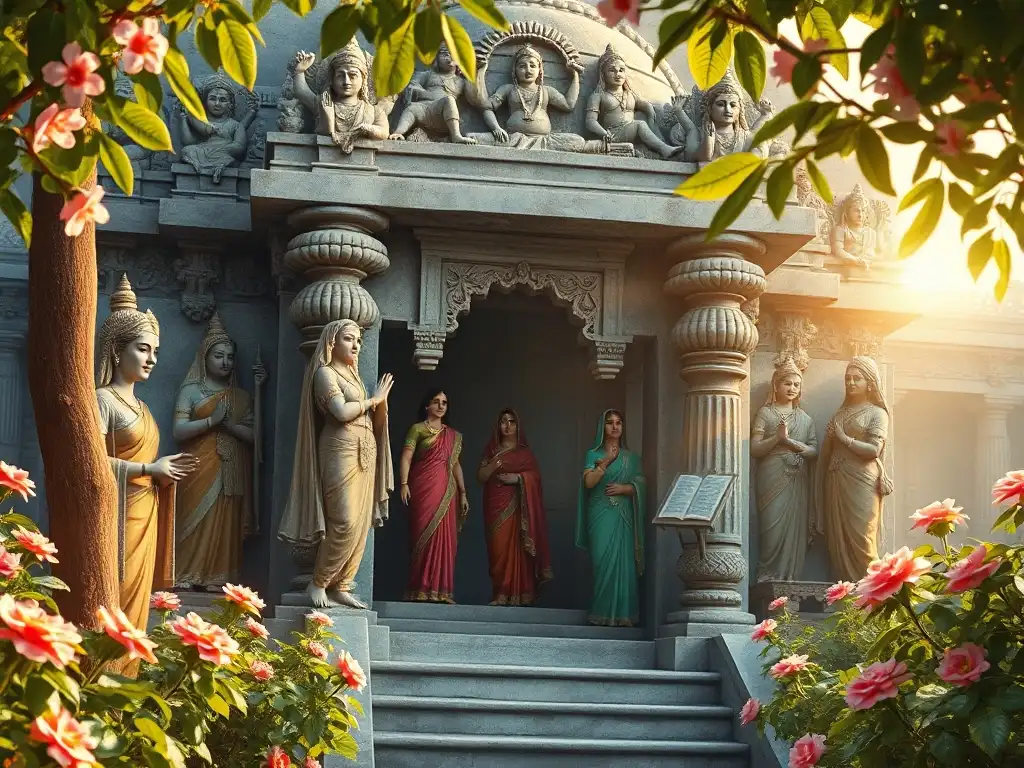
Myth: Women Were Marginalized in Religious Practices
One of the prevalent misconceptions about women's roles in ancient Indian religion is the belief that they were largely marginalized and excluded from religious practices. This idea often stems from a modern interpretation of ancient texts that highlight patriarchal structures within society. However, this view overlooks the multifaceted nature of women's involvement in religious life.
In fact, evidence from various ancient texts and archaeological findings indicates that women actively participated in rituals, ceremonies, and other religious activities. For instance, the Rigveda, one of the oldest sacred texts of Hinduism, contains hymns composed by women, notably by the sage Gargi, who is revered for her philosophical insights. Additionally, many inscriptions and sculptures depict women engaged in worship, offering prayers alongside men in temples and sacred spaces.
Moreover, women played vital roles as priestesses and custodians of sacred traditions. They were often responsible for rites of passage, such as marriages and childbirth ceremonies, thereby holding significant influence over domestic religious practices. This challenges the notion that ancient Indian religion was solely a male-dominated sphere.
Reality: Women's Influence in Rituals and Worship
The reality of women's roles in ancient Indian religious practices is complex and nuanced. Women were not merely passive participants; they were influential figures in shaping religious experiences and community rituals.
- Ritual Participation: Women were integral in household rituals, maintaining the sanctity of their homes through daily pujas (worship rituals) and celebrations of festivals. They performed rituals to ensure prosperity and well-being, highlighting their active engagement in spiritual life.
- Spiritual Leaders: Historical records reveal that women like the philosopher and poet Mirabai, who dedicated her life to the worship of Lord Krishna, inspired countless followers through their spiritual teachings. Mirabai’s songs reflect the depth of devotion and spiritual authority women held in the Bhakti movement.
- Literary Contributions: Ancient texts such as the Manusmriti and the Mahabharata, while often criticized for their patriarchal views, also illustrate women's roles as wise advisors and influential characters. The character of Draupadi, for example, plays a crucial role in the Mahabharata, showcasing the strength and resilience of women in challenging patriarchal norms.
Women's involvement in ancient Indian religion was characterized by active participation, leadership, and the ability to influence both personal and communal spiritual practices.
Myth: Ancient Texts Provide a Monolithic View of Women
Another common myth is that ancient texts present a singular, monolithic view of women's roles in society, often depicting them as submissive and confined to domestic spheres. This oversimplification fails to recognize the diversity of perspectives and experiences documented in various texts.
- Diverse Representations: Ancient Indian literature encompasses a wide range of voices, reflecting differing attitudes toward women. For example, texts from the Buddhist tradition, such as the Therigatha, include verses composed by nuns who articulate their spiritual journeys and experiences, displaying a more progressive view of women's potential.
- Regional Variations: The portrayal of women also varied significantly across different regions and time periods in ancient India. In some cultures, women were venerated as goddesses and held high status, while in others, they faced restrictions. This regional diversity illustrates that women's roles were not static but evolved with cultural and societal changes.
- Interpreting Texts: Modern interpretations of ancient texts should consider historical context, authorial intent, and the intended audience. Many texts were written by male authors, reflecting their perspectives, yet they also contain references to women's agency and contributions. Recognizing these complexities allows for a more balanced understanding of women's roles in ancient Indian society.
While ancient texts do contain patriarchal elements, they also offer a rich tapestry of narratives that highlight the diverse roles women played in religion and society, challenging the notion of a monolithic perspective.
Reality: Diverse Experiences and Roles of Women
The roles of women in ancient India were not monolithic; they varied widely across different regions, social classes, and religious contexts. Contrary to the common perception that ancient Indian women were universally oppressed, historical evidence reveals a complex tapestry of experiences.
- Varied Social Status: Women in ancient Indian society often held different statuses based on their caste and community. In some communities, women enjoyed significant autonomy, property rights, and were even involved in governance. For instance, the Rigveda mentions women such as Gargi and Maitreyi, who were not only scholars but also participated in philosophical debates, illustrating that intellectual engagement was accessible to some women.
- Religious Participation: Women's roles within religious practices also differed. In many traditions, women were not merely passive observers but active participants in rituals and religious ceremonies. Texts such as the Manusmriti indicate that women could engage in Vedic rituals, albeit with certain restrictions. This reflects a level of recognition of their spiritual agency within specific contexts.
- Patronage and Influence: Historical records show that women from affluent backgrounds, including queens and noblewomen, played a crucial role as patrons of art, literature, and religion. For example, the Gupta period saw women like Prabhavati Gupta, who was instrumental in the promotion of Buddhism and the arts. Their influence extended beyond domestic roles, allowing them to shape cultural and religious landscapes.
- Literary Contributions: Women contributed to ancient Indian literature, with some texts attributed to female poets and writers. The works of poets like Akka Mahadevi and Mirabai highlight women's experiences and spiritual journeys, reflecting their significant, although often overlooked, contributions to religious and philosophical discourse.
- Continuity and Change: The roles of women evolved over time, influenced by socio-political changes, invasions, and the rise of different empires. While some periods saw a decline in women's rights and roles, others provided opportunities for greater agency. Understanding these dynamics is crucial for a nuanced view of women's contributions to ancient Indian religion and society.
The reality of women's roles in ancient India was characterized by diversity and complexity. While certain societal norms limited their freedoms, many women found ways to assert their influence in religious, intellectual, and cultural spheres. Recognizing these varied experiences challenges the simplistic narratives often associated with women's history in ancient India.
Conclusion: The Legacy of Women's Roles in Ancient India
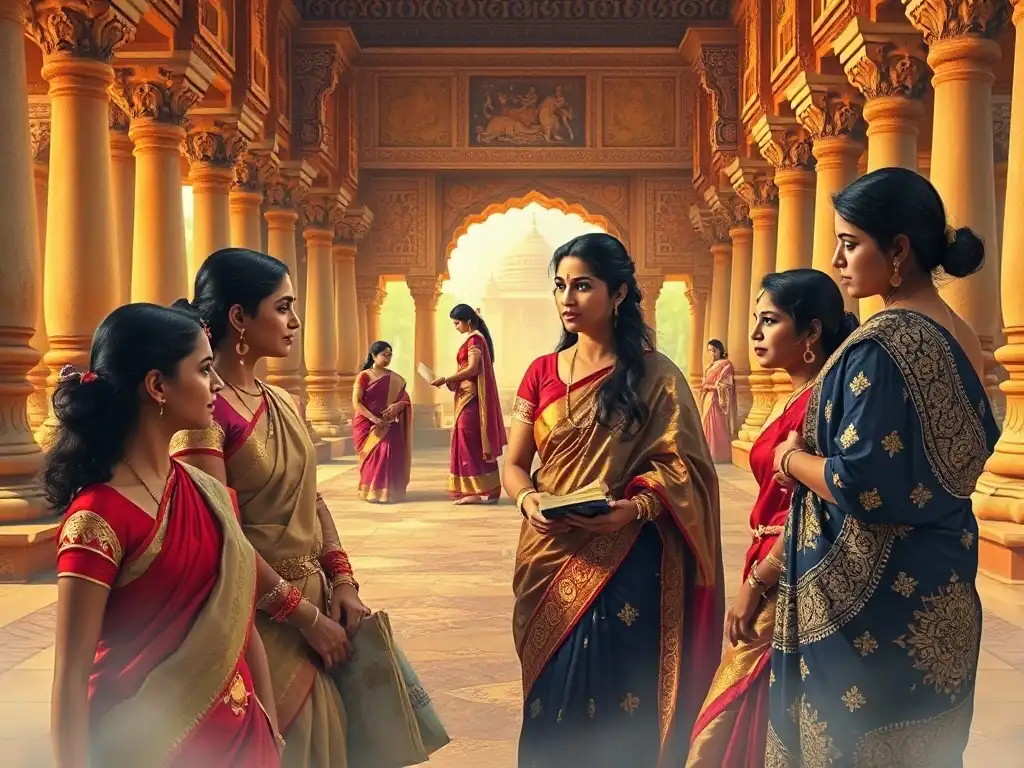
The exploration of women's roles in ancient India reveals a complex tapestry of contributions, particularly in the realms of religion and philosophy. Throughout history, women have not only participated in religious practices but have also shaped spiritual narratives and philosophical discourses. Their influence can be traced from the early Vedic texts to the philosophical treatises of the Gupta Empire, showcasing a legacy that intertwines with the spiritual fabric of Indian civilization.
Reflections on Women's Contributions to Religion and Philosophy
Women's participation in ancient Indian religious life was multifaceted. They served as priestesses, poets, and philosophers, often acting as custodians of sacred knowledge. For instance, the Rigveda, one of the oldest sacred texts, includes hymns authored by female sages known as Rishikas. This acknowledgment of women as thinkers and creators signifies a progressive understanding of gender roles in spiritual contexts.
Moreover, texts such as the Mahabharata and Ramayana depict women in pivotal roles that influence moral and ethical decisions. Characters like Draupadi and Sita not only symbolize virtues but also embody the struggles and resilience of women in patriarchal settings. Their stories resonate with contemporary discussions on gender equality, emphasizing the importance of women's voices in both historical and modern narratives.
The philosophical traditions of ancient India also reflect women's intellectual contributions. Schools of thought, such as Advaita Vedanta, include discussions that highlight the significance of feminine perspectives. Notably, Vachana poetry, attributed to women saints in the 12th century, challenged societal norms and advocated for spiritual equality, reinforcing the idea that women's insights are vital to philosophical discourse.
Implications for Contemporary Understanding of Gender in Religion
Understanding women's roles in ancient India provides critical insights into contemporary gender dynamics within religious practices. The historical recognition of women as active participants in spiritual life encourages a re-examination of their roles today. It challenges the often one-dimensional portrayal of women in current religious narratives, advocating for a more inclusive perspective that honors their historical significance.
Contemporary scholars and practitioners can draw from these ancient insights to foster a more equitable representation of women in religious contexts. By acknowledging the diverse roles women played, we can advocate for their rightful place in modern religious discourse. Additionally, this historical context encourages a dialogue about the evolving nature of gender roles in spirituality and philosophy, prompting further exploration into how these roles can be redefined in light of ancient wisdom.
The legacy of women's roles in ancient India is not merely a historical footnote; it is a vibrant and essential part of the cultural and spiritual heritage that continues to influence contemporary discussions on gender and religion. By reflecting on these contributions, we can cultivate a deeper understanding of the importance of inclusivity in both historical and modern religious practices.
Further Reading and Resources on Women's Roles in Ancient India
Recommended Books and Articles
When exploring women's roles in ancient India, several scholarly works provide valuable insights into the social, religious, and philosophical contexts that shaped their lives. Here are some essential readings:
-
"Women in Early Indian Societies" by Upinder Singh
This book examines women's status and roles from the Vedic period through the early medieval era, emphasizing their contributions to society and religion.
-
"The Feminine Principle in the Indian Tradition" by Kamaladevi Chattopadhyay
Chattopadhyay explores the representation of women in various religious texts and philosophical discourses, highlighting their spiritual significance.
-
"Indian Women: From Purdah to Modernity" by R. B. Jain
This work analyzes the transformation of women's roles in Indian society, particularly in relation to religious practices and cultural expectations.
-
"Gender and Religion in the Indian Context" by Nandita Haksar
This collection of essays discusses the intersection of gender and religion, providing a comprehensive view of women’s experiences in various religious traditions in India.
-
"The Hindu Woman" by Ramesh Chandra Dutta
Dutta's book provides a historical perspective on the roles of Hindu women throughout ancient Indian history, focusing on their religious duties and societal expectations.
Online Resources for Deeper Insights into Women in Religion
For those seeking to expand their understanding of women's roles in ancient India through digital platforms, a variety of online resources are available:
-
Digital South Asia Library
This extensive resource offers access to a wide range of historical texts, including ancient scriptures and scholarly articles on women's roles in ancient Indian society.
-
Internet Archive
A treasure trove of historical texts, the Internet Archive has digitized many books and journals that focus on women's contributions to religion and philosophy in ancient India.
-
The Indian Philosophical Congress
Their website features papers and discussions on Indian philosophy, including topics related to women's roles and feminist interpretations of ancient texts.
-
Women’s Studies in India
This portal provides research articles, theses, and reports on various aspects of women’s studies in India, including historical perspectives on women's roles in religion.
-
YouTube Educational Channels
Various channels feature lectures and discussions focusing on ancient Indian history and women’s contributions. Channels like "The History Guy" and "Indus Valley Civilization" often touch upon women's roles in their content.
These resources serve as a foundation for anyone interested in delving deeper into the significant yet often overlooked roles of women in ancient Indian religious practices and philosophies.
Frequently Asked Questions
What were women's roles in ancient Indian religions?
Women's roles in ancient Indian religions were diverse, ranging from priestesses in rituals to vital participants in family and community spiritual practices.
How did ancient texts portray women in society?
Ancient texts often depicted women as nurturers and caretakers, highlighting their responsibilities in family life while also recognizing their spiritual significance in various rituals.
Were women allowed to participate in religious ceremonies?
Yes, women were allowed to participate in religious ceremonies, although their roles varied significantly based on cultural and regional practices in ancient India.
What influence did women have on ancient Indian culture?
Women influenced ancient Indian culture through their contributions to art, literature, and spirituality, shaping the societal norms and values of their time.
How do modern interpretations of women's roles in ancient India differ from ancient texts?
Modern interpretations often emphasize empowerment and agency, contrasting with some ancient texts that may present women primarily as subservient figures within a patriarchal society.
Final Reflection: Unveiling the Timeless Influence of Women's Roles in Ancient India
The exploration of women's roles in ancient India reveals a profound connection to contemporary society, demonstrating that the narratives woven into ancient texts continue to resonate today. As we dissect these historical accounts, we uncover not only the challenges faced by women in religious contexts but also their enduring strength and resilience. This reflection invites us to recognize that the past is not merely a series of events but a living tapestry that shapes our present and future.
Cultural narratives surrounding women's roles in religion have significantly influenced societal norms and expectations, echoing through generations. The stories of women in ancient texts serve as both a mirror and a lens, reflecting the complexities of gender dynamics in our modern world. As noted by feminist scholar Devaki Jain, The stories of women in history are not just about the past; they are blueprints for the future.
This observation underscores the importance of revisiting these narratives, as they provide insights into the ongoing struggle for gender equality and empowerment.
As we conclude this exploration, I invite you to reflect on the lessons gleaned from these ancient texts and consider how they can inspire action in your own life. What role can you play in shaping a more equitable future, drawing from the strength of those who came before us?
Embrace the stories of women in ancient India not just as historical accounts, but as powerful reminders of the potential for change and the importance of amplifying women's voices in all spheres of life. Together, let us honor the past while actively participating in the creation of a more inclusive and just world.
Unveil the Power of Women in Religion Today!
Thank you for exploring the crucial roles women have played in religious narratives throughout history. Your interest in this vital topic empowers conversations that can last through generations. Now, let’s take that understanding a step further and drive positive change within our communities!
- Dive deeper into this topic by researching influential women in ancient religions and how their legacies continue to inspire modern practices.
- Share your insights from this article with friends and family, sparking discussions that challenge traditional perspectives.
- Join our community by commenting below to share your thoughts on the ongoing influence of women in contemporary religious practices.
What are your views on how historical perceptions of women in religion shape our current beliefs and practices?