
Exploring the Therapeutic Use of Essential Oils in Ayurveda

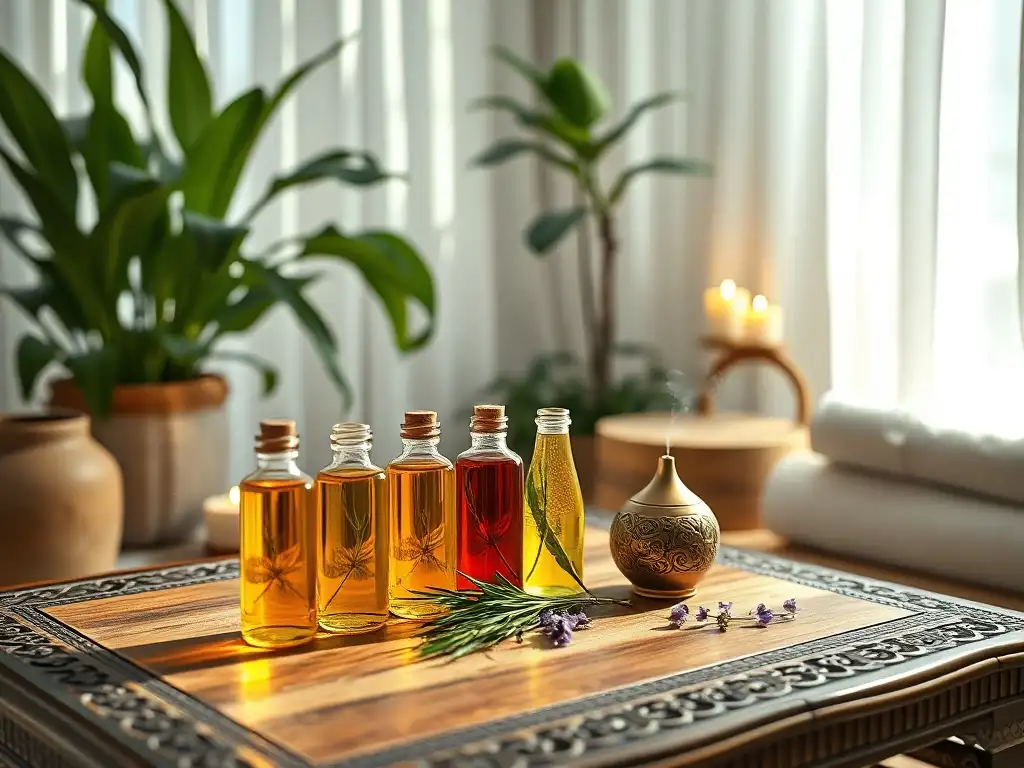
Welcome to Ancient India History, where we embark on a journey through the rich tapestry of ancient Indian civilizations. In our featured article, "Exploring the Therapeutic Use of Essential Oils in Ayurveda," we delve into the fascinating intersection of science, medicine, and holistic healing practices. Discover how the wisdom of Ayurveda harnesses the power of therapeutic essential oils to promote health and well-being, drawing on centuries of knowledge. Are you ready to unlock the secrets of this ancient practice? Join us as we explore the profound contributions of Ayurvedic traditions to modern wellness!
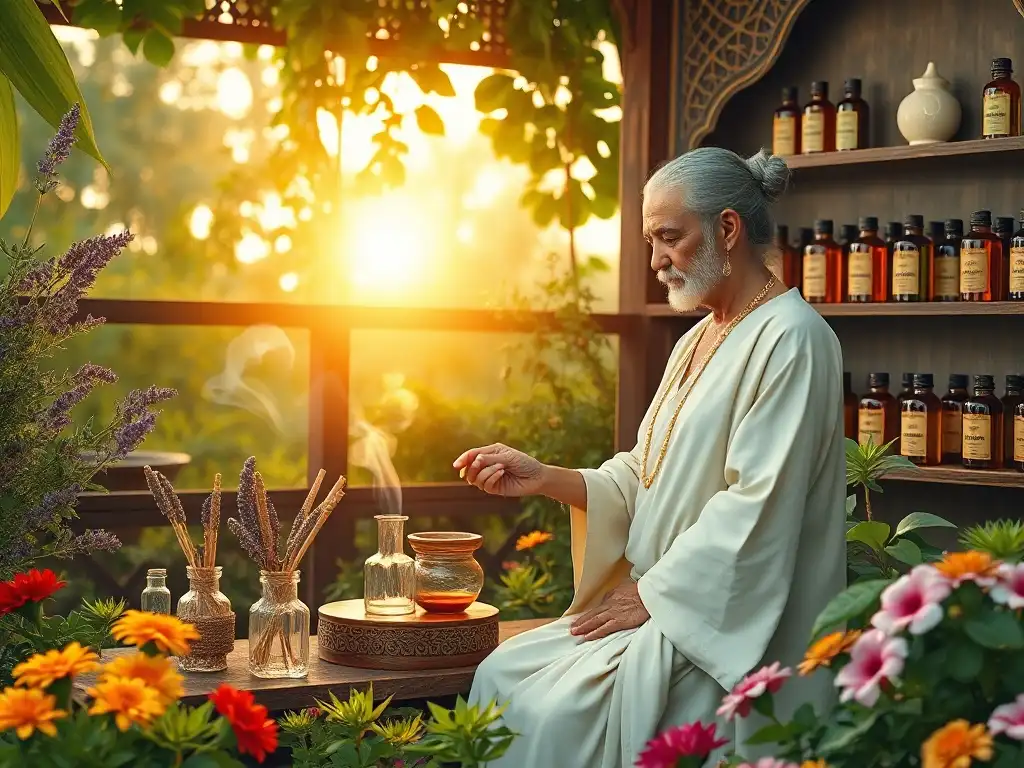
Introduction to Therapeutic Essential Oils in Ayurveda
The practice of Ayurveda, often regarded as one of the oldest holistic healing systems in the world, is deeply rooted in the principles of balance, harmony, and the interconnectedness of mind, body, and spirit. Within this extensive framework, therapeutic essential oils emerge as powerful tools that harness the healing properties of plants to promote wellness. This article delves into the rich tradition of essential oils in Ayurveda, exploring their historical significance, therapeutic applications, and the profound impacts they have on health and well-being.
Understanding Ayurveda and Its Principles
Ayurveda, which translates to "the science of life," is a comprehensive system of medicine that originated in ancient India over 5,000 years ago. It emphasizes the importance of balance among the body's three doshas— Vata, Pitta, and Kapha—which represent different energies and physical characteristics.
- Vata: Associated with air and space, influencing movement and communication.
- Pitta: Comprising fire and water, governing digestion and metabolism.
- Kapha: Linked to earth and water, representing structure and stability.
In Ayurveda, health is perceived as a state of equilibrium, where both physical and mental aspects must be harmonized. The therapeutic use of essential oils aligns perfectly with these principles, as they offer natural remedies that can help restore balance and enhance well-being.
The Role of Essential Oils in Ayurvedic Practices
Essential oils have been utilized in Ayurvedic practices for centuries, serving various therapeutic purposes. These concentrated plant extracts are believed to contain the life force of the plant, providing not only aromatic benefits but also medicinal properties.
Some of the key roles of essential oils in Ayurveda include:
- Promoting Relaxation and Stress Relief: Oils like lavender and sandalwood are often used in aromatherapy to calm the mind and reduce anxiety.
- Enhancing Digestion: Peppermint and ginger essential oils can aid in digestive health, alleviating discomfort and promoting appetite.
- Supporting Skin Health: Oils such as tea tree and neem are known for their antimicrobial properties, making them effective in treating skin conditions.
Through targeted applications, essential oils play a vital role in enhancing the efficacy of Ayurvedic treatments, providing holistic approaches to health concerns.
Historical Context of Essential Oils in Ancient Indian Medicine
Ancient Texts and References to Essential Oils
The historical context of essential oils in Ayurveda can be traced back to ancient texts, where essential oils were not only recognized for their aromatic properties but also for their therapeutic benefits. Texts such as the Charaka Samhita and Sushruta Samhita document the use of various plant-based extracts, highlighting their medicinal applications in treatments.
- Charaka Samhita: Discusses the medicinal properties of over 300 herbs and their essential oils, emphasizing their role in maintaining health and treating diseases.
- Sushruta Samhita: Focuses on surgical techniques but also addresses the use of essential oils in post-operative care and healing.
These ancient references showcase the foundational role that essential oils played in the medical practices of ancient India, laying the groundwork for their continued use in modern Ayurvedic therapies.
Evolution of Essential Oil Use in Ayurveda Through the Ages
As Ayurvedic practices evolved, so did the understanding and application of essential oils. From their initial use in ritualistic ceremonies to their incorporation into daily health regimens, the evolution of essential oil use reflects a growing appreciation for their therapeutic properties.
- Medieval Period: The integration of essential oils into Ayurvedic practices became more pronounced, with detailed methods of extraction and usage documented by scholars.
- Modern Era: The resurgence of interest in natural remedies has led to a renewed focus on therapeutic essential oils within Ayurveda, blending ancient wisdom with contemporary practices.
This evolution not only underscores the timeless relevance of essential oils in Ayurveda but also highlights their adaptability to modern health practices, ensuring their place in the future of holistic healing.
The Science Behind Essential Oils and Their Therapeutic Properties
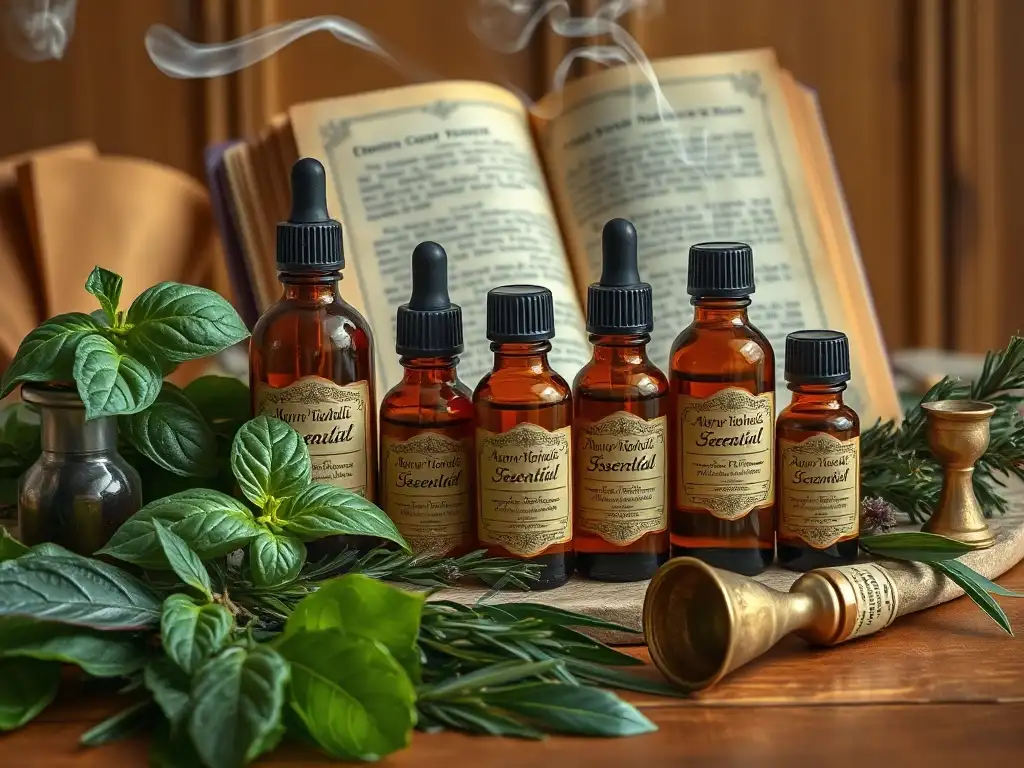
Essential oils have been integral to various healing traditions, particularly in Ayurveda, where they are used to balance the body, mind, and spirit. The therapeutic properties of essential oils are primarily derived from their complex chemical compositions, which contain numerous compounds that contribute to their unique aromas and health benefits. Scientific research has begun to substantiate the traditional claims around essential oils, revealing how these concentrated plant extracts can influence physiological and psychological processes.
Research has shown that essential oils possess antimicrobial, anti-inflammatory, and analgesic properties, among others. These effects are attributed to the various phytochemicals present in the oils, including terpenes, phenols, and esters. Understanding the interactions between these compounds and the human body is crucial for harnessing their full therapeutic potential within the framework of Ayurveda.
Chemical Composition of Essential Oils
The chemical composition of essential oils varies significantly depending on the plant source, extraction methods, and environmental factors. Typically, essential oils are composed of a mix of volatile organic compounds (VOCs), which are responsible for their distinctive scents and therapeutic properties. Key components include:
- Monoterpenes: These are simple hydrocarbons that can have uplifting effects, such as in lemon and pine oils.
- Sesquiterpenes: These compounds often exhibit anti-inflammatory properties, commonly found in oils like chamomile and sandalwood.
- Phenols: Known for their antiseptic qualities, phenols are prevalent in oils such as clove and thyme.
- Esters: These compounds are associated with calming effects and are found in oils like lavender and bergamot.
By carefully analyzing these components, practitioners in Ayurveda can tailor essential oil applications to address specific health concerns, enhancing the overall efficacy of treatments.
How Essential Oils Interact with the Body in Ayurveda
In Ayurveda, the interaction of essential oils with the body is understood through the lens of doshas—Vata, Pitta, and Kapha. Each dosha represents a combination of the five elements and governs various physiological functions. Essential oils can influence these doshas in several ways:
- Inhalation: When inhaled, essential oils stimulate the olfactory system, which is linked to the limbic system in the brain. This interaction can evoke emotional responses and influence mood, thereby helping to balance mental states.
- Topical Application: Essential oils can be absorbed through the skin, where they enter the bloodstream and exert their therapeutic effects. The choice of carrier oil is also significant in Ayurveda, as it can enhance or modify the properties of the essential oil.
- Energetic Properties: Each essential oil is believed to carry specific energies that can harmonize or balance the doshas, promoting holistic well-being.
This multidimensional approach underscores the importance of understanding both the scientific and traditional aspects of essential oils in Ayurvedic practices.
Common Therapeutic Essential Oils Used in Ayurveda
Ayurveda employs a variety of essential oils, each with unique therapeutic properties. Here are some of the most commonly used oils and their applications:
Lavender Oil: Benefits and Uses in Ayurvedic Healing
Lavender oil is renowned for its calming and soothing properties, making it a staple in Ayurvedic practices. It is primarily used to balance Pitta dosha, which is associated with heat and irritability. The benefits of lavender oil include:
- Stress Relief: Inhalation of lavender oil can significantly reduce stress and anxiety levels, promoting relaxation.
- Sleep Aid: Lavender is often used to improve sleep quality and combat insomnia, making it a popular choice for bedtime routines.
- Skin Health: Lavender oil possesses antiseptic and anti-inflammatory properties, aiding in the treatment of minor burns and skin irritations.
Its versatility and gentle nature make lavender oil a favored choice in both personal and clinical settings.
Eucalyptus Oil: Therapeutic Properties in Ayurvedic Practices
Eucalyptus oil is celebrated for its invigorating and purifying effects, particularly beneficial for Kapha dosha, which is linked to congestion and lethargy. Key therapeutic properties include:
- Respiratory Support: Eucalyptus oil is commonly used to alleviate respiratory issues, such as colds and sinusitis, by acting as a decongestant.
- Antimicrobial Action: Its strong antimicrobial properties help to cleanse and purify the environment, making it effective for maintaining hygiene.
- Pain Relief: When diluted and applied topically, eucalyptus oil can provide relief from muscular aches and pains, often used in massage therapies.
The refreshing aroma of eucalyptus also contributes to mental clarity and focus.
Peppermint Oil: Applications and Effects in Ayurveda
Peppermint oil is another key essential oil in Ayurveda, known for its cooling and refreshing properties, primarily benefiting Pitta and Vata doshas. Its applications include:
- Digestive Aid: Peppermint oil is widely recognized for its ability to soothe digestive discomfort, including bloating and indigestion.
- Headache Relief: The cooling effect of peppermint oil can alleviate tension headaches when applied to the temples.
- Mental Stimulation: Inhalation of peppermint oil can enhance alertness and concentration, making it a popular choice for studying or working.
Its invigorating scent and versatile benefits make peppermint oil an essential component in Ayurvedic healing practices.
Methods of Application of Essential Oils in Ayurveda
In Ayurveda, essential oils are utilized through various methods that align with holistic practices aimed at promoting physical, emotional, and spiritual well-being. The therapeutic essential oils Ayurveda employs can be used topically, through aromatherapy, and, in some cases, ingested. Each method is tailored to enhance the body’s natural healing processes while addressing specific ailments or imbalances in the doshas (Vata, Pitta, and Kapha). Understanding these methods is essential for maximizing the benefits of essential oils in Ayurvedic treatments.
Topical Application Techniques for Essential Oils
Topical application is one of the most direct ways to use essential oils in Ayurveda. This method involves applying diluted oils on specific areas of the body to promote healing and balance. Common techniques include:
- Massage: Combining essential oils with carrier oils (such as coconut or sesame oil) to create a blend that can be massaged into the skin. This is particularly effective for muscle tension and improving circulation.
- Compresses: Soaking a cloth in a warm or cold infusion of essential oils mixed with water and placing it on affected areas. This method is beneficial for localized pain relief or inflammation.
- Baths: Adding essential oils to bath water can create a relaxing environment that promotes detoxification and soothes the mind. Oils like lavender or chamomile are often used for their calming effects.
- Inhalation: Directly inhaling essential oils from a bottle or using a diffuser allows for localized benefits, especially for respiratory issues.
When using essential oils topically, it is crucial to perform a patch test to avoid skin irritation and to follow proper dilution guidelines.
Aromatherapy: Utilizing Essential Oils for Emotional and Physical Healing
Aromatherapy is a significant aspect of Ayurveda that harnesses the power of essential oils to enhance mental and emotional well-being. This practice involves using essential oils through inhalation or diffusion to affect mood and psychological states. The benefits include:
- Stress Reduction: Oils like bergamot and frankincense have been shown to lower cortisol levels, promoting relaxation and reducing anxiety.
- Mood Enhancement: Citrus oils, such as lemon and orange, can uplift spirits and alleviate feelings of depression.
- Cognitive Function: Certain oils, like rosemary and peppermint, are believed to improve concentration and memory retention.
In Ayurvedic practices, aromatherapy is often combined with meditation or yoga to create a holistic approach to mental health, fostering an environment conducive to healing and self-awareness.
Ingestion of Essential Oils: Guidelines and Precautions in Ayurveda
Ingesting essential oils is a more advanced practice in Ayurveda and should be approached with caution. While certain oils can be beneficial internally, it's essential to follow specific guidelines:
- Consultation: Always consult an experienced Ayurvedic practitioner before ingesting essential oils, as they can guide the selection of oils and appropriate dosages based on individual constitution and health conditions.
- Quality of Oils: Only high-quality, food-grade essential oils should be considered for ingestion. Contaminants or synthetic additives can lead to adverse effects.
- Dilution: Essential oils should never be taken undiluted. They must be mixed with a carrier oil or added to food or beverages for safe consumption. For example, a drop of peppermint oil may be added to honey or warm water.
Improper ingestion can result in toxicity, digestive issues, or allergic reactions, so adherence to these guidelines is paramount for safe usage.
Case Studies: Success Stories of Essential Oils in Ayurvedic Treatment
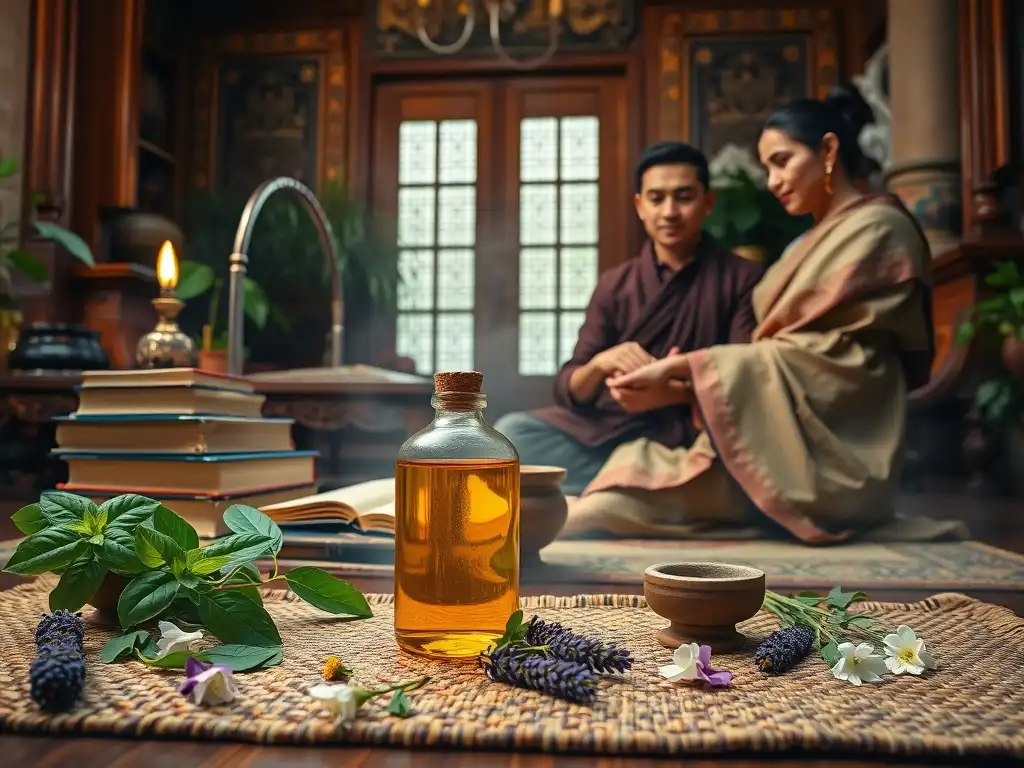
The therapeutic potential of essential oils in Ayurveda is illustrated through various case studies that highlight their effectiveness in treating specific health concerns. These cases provide valuable insights into how essential oils can be integrated into traditional Ayurvedic practices to enhance healing outcomes.
Case Study 1: Essential Oils for Stress Relief in Ayurveda
In a clinical observation, a group of patients experiencing chronic stress was treated with a combination of lavender and chamomile essential oils. These oils were applied during weekly massage sessions aimed at relaxation. Patients reported significant reductions in stress levels, improved sleep quality, and a greater sense of well-being after four weeks of treatment. The study concluded that the calming properties of these essential oils, when combined with massage, effectively alleviated symptoms of stress, demonstrating the benefits of integrating essential oils into Ayurvedic practices.
Case Study 2: Essential Oils in Managing Chronic Pain
A separate case study focused on patients suffering from chronic pain conditions, such as arthritis and fibromyalgia. The participants received topical applications of eucalyptus and peppermint essential oils in a carrier oil, alongside traditional Ayurvedic therapies like herbal remedies and dietary modifications. After eight weeks, participants reported a noticeable decrease in pain intensity and an improvement in mobility. The combination of essential oils with holistic treatment strategies showcased the potential of therapeutic essential oils Ayurveda in managing chronic pain effectively.
Pros and Cons of Using Essential Oils in Ayurvedic Practices
The integration of essential oils within Ayurvedic practices presents a range of benefits and challenges. Understanding both the advantages and potential risks is essential for practitioners and patients alike. This knowledge allows for a more informed approach to holistic healing, ensuring that the use of therapeutic essential oils aligns with individual health needs and conditions.
Advantages of Integrating Essential Oils into Ayurvedic Treatments
- Enhanced Therapeutic Effects: Essential oils possess potent therapeutic properties that can enhance traditional Ayurvedic treatments. For instance, oils like lavender and chamomile can provide calming effects, complementing Ayurvedic practices aimed at reducing stress and anxiety.
- Personalization of Treatments: Ayurvedic medicine emphasizes personalized treatment plans based on an individual's dosha (body constitution). Essential oils can be tailored to suit these doshas, such as using peppermint oil for pitta types who may experience heat-related issues.
- Natural and Holistic Approach: Essential oils are derived from plants, making them a natural solution that aligns well with Ayurvedic principles. This holistic approach supports not only physical health but also emotional and spiritual well-being.
- Ease of Use: Essential oils can be easily incorporated into daily routines, whether through diffusion, topical application, or inclusion in massage oils. This versatility makes them accessible for individuals seeking to enhance their Ayurvedic practices.
- Support for Specific Conditions: Certain essential oils have demonstrated effectiveness in addressing specific health issues, such as tea tree oil for antimicrobial properties or eucalyptus oil for respiratory support, which can be integrated into Ayurvedic treatments for targeted relief.
Potential Risks and Limitations of Essential Oils in Ayurveda
- Allergic Reactions: Some individuals may experience allergic reactions or sensitivities to specific essential oils. It is crucial to conduct patch tests before widespread use to avoid adverse effects.
- Quality and Purity Concerns: The market for essential oils is rife with variations in quality. Using adulterated or synthetic oils can lead to ineffective results or harmful side effects. Practitioners must ensure they source high-quality, pure essential oils.
- Interactions with Medications: Essential oils can interact with certain medications, potentially diminishing their effectiveness or causing harmful side effects. Consultation with healthcare professionals is essential before incorporating essential oils into treatment regimens.
- Misunderstanding of Dosage: Unlike traditional Ayurvedic herbs, which often come with established dosage guidelines, the appropriate use of essential oils may not be well understood, leading to misuse or overuse.
- Cultural Considerations: The introduction of essential oils into traditional practices may sometimes conflict with established Ayurvedic beliefs and methods, potentially creating confusion among practitioners and patients.
Conclusion: The Future of Therapeutic Essential Oils in Ayurveda
The future of therapeutic essential oils in Ayurveda holds promise as interest in holistic approaches to health continues to grow. As more individuals seek natural remedies, the integration of essential oils may evolve, blending ancient wisdom with modern understanding.
Integrating Modern Science with Traditional Ayurvedic Practices
Emerging research on the efficacy of essential oils is paving the way for a more science-backed approach to their use in Ayurveda. By conducting clinical studies and validating traditional claims, practitioners can better understand the mechanisms of action for essential oils. This integration not only enhances the credibility of Ayurvedic practices but also fosters a collaborative environment among traditional healers and modern healthcare professionals.
Final Thoughts on the Role of Essential Oils in Holistic Healing
Therapeutic essential oils offer a valuable addition to Ayurvedic practices, enhancing the depth and efficacy of holistic healing approaches. While there are potential risks to consider, informed and careful integration of these oils can lead to significant benefits. As Ayurveda continues to adapt to contemporary health needs, the role of essential oils will likely become increasingly important, encouraging a harmonious balance between tradition and innovation.
- Introduction to Therapeutic Essential Oils in Ayurveda
- Understanding Ayurveda and Its Principles
- The Role of Essential Oils in Ayurvedic Practices
- Historical Context of Essential Oils in Ancient Indian Medicine
- The Science Behind Essential Oils and Their Therapeutic Properties
- Common Therapeutic Essential Oils Used in Ayurveda
- Methods of Application of Essential Oils in Ayurveda
- Case Studies: Success Stories of Essential Oils in Ayurvedic Treatment
- Pros and Cons of Using Essential Oils in Ayurvedic Practices
- Conclusion: The Future of Therapeutic Essential Oils in Ayurveda
Frequently Asked Questions
What are therapeutic essential oils in Ayurveda?
Therapeutic essential oils in Ayurveda are natural plant extracts used for their healing properties. They play a significant role in enhancing physical and mental well-being.
How are essential oils used in Ayurvedic practices?
In Ayurveda, essential oils are often used for aromatherapy, massage, and in medicinal formulations to balance the body's energies and promote holistic health.
Can anyone use essential oils from Ayurveda safely?
While many can benefit from Ayurvedic essential oils, it is essential to consult a qualified Ayurvedic practitioner to ensure safe and effective use, especially for those with specific health conditions.
What are some common essential oils used in Ayurveda?
Common essential oils in Ayurveda include sandalwood, lavender, and eucalyptus, each known for their unique therapeutic benefits and contributions to physical and emotional health.
How do essential oils complement Ayurvedic treatments?
Essential oils enhance Ayurvedic treatments by providing additional therapeutic effects that help in detoxification, stress relief, and maintaining overall balance in the body and mind.
Final Reflection: Embracing the Healing Power of Therapeutic Essential Oils in Ayurveda
The exploration of therapeutic essential oils in Ayurveda is not just a journey into ancient practices; it is a vital reminder of the interconnectedness of mind, body, and spirit in our modern lives. In an age where stress and anxiety are prevalent, the wisdom of Ayurveda offers a holistic approach that resonates deeply with contemporary wellness seekers. The therapeutic potential of essential oils serves as a bridge between traditional knowledge and modern therapeutic practices, highlighting the importance of natural remedies in our quest for balance and well-being.
The influence of therapeutic essential oils in Ayurveda extends beyond individual health; it shapes our cultural understanding of wellness and self-care. As more people turn to holistic practices, the integration of essential oils into daily routines fosters a deeper connection to nature and self-awareness. Nature itself is the best physician,
said Hippocrates, and this sentiment rings true as we recognize the healing properties inherent in the natural world around us. The revival of Ayurvedic principles in the context of essential oils encourages a collective shift towards more mindful living, where we honor our bodies and the earth.
As you reflect on the insights shared in this article, consider how you can incorporate therapeutic essential oils into your own life. Take a moment to explore the scents that resonate with you, and allow them to guide your journey towards healing and balance. Whether it's through meditation, self-care rituals, or simply enhancing your environment, let the wisdom of Ayurveda inspire you to embrace the transformative power of nature. Your path to wellness is uniquely yours—may it be fragrant, fulfilling, and deeply nourishing.
Embrace Wellness: Harness the Power of Essential Oils!
Thank you for diving into the fascinating world of essential oils in Ayurveda with us! You've uncovered the incredible potential these natural remedies hold for enhancing well-being. Now, it's time to take the next step on your healing journey.
Here’s how you can continue exploring the benefits of essential oils and incorporate them into your life:
- Start your journey today by selecting one essential oil that resonates with you and experimenting with its uses in your daily routine.
- Join a community of wellness enthusiasts! Share your progress and learn from others by engaging in an online forum or local group focused on Ayurveda and essential oils.
- Surprise yourself by creating your own blends! Research popular combinations and take a weekend challenge to craft personalized essential oil mixtures that cater to your unique preferences.
Which essential oil are you excited to try first, and how do you envision it enhancing your daily life? We would love to hear your thoughts!