
The Great Mothers of Ancient India: Their Impact on Religion and Society

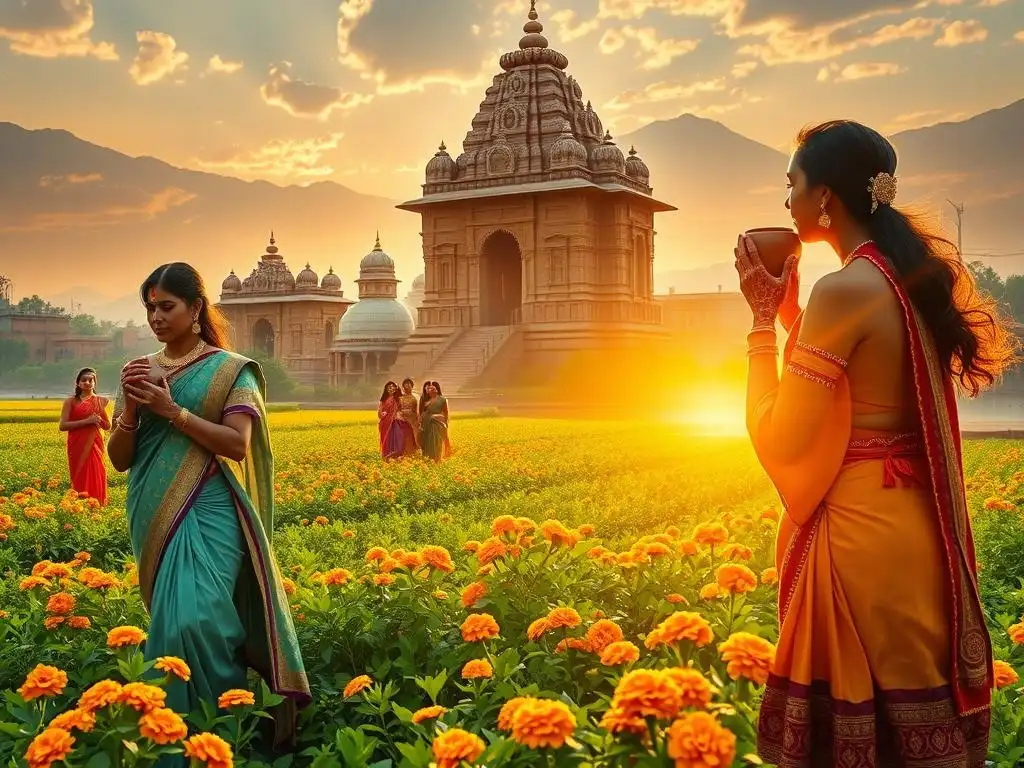
Welcome to Ancient India History, where we invite you to embark on a captivating journey through the vibrant tapestry of India's past. In our featured article, "The Great Mothers of Ancient India: Their Impact on Religion and Society," we delve into the powerful narratives of women who shaped the course of civilizations. Discover how these remarkable figures not only influenced religious practices but also forged societal structures that resonate through time.
Join us as we explore the legacies of these great mothers, and uncover the profound impact they had on the fabric of ancient Indian society. Your adventure into the rich and diverse history of India begins here—are you ready to dive deeper?
Introduction to the Great Mothers of Ancient India
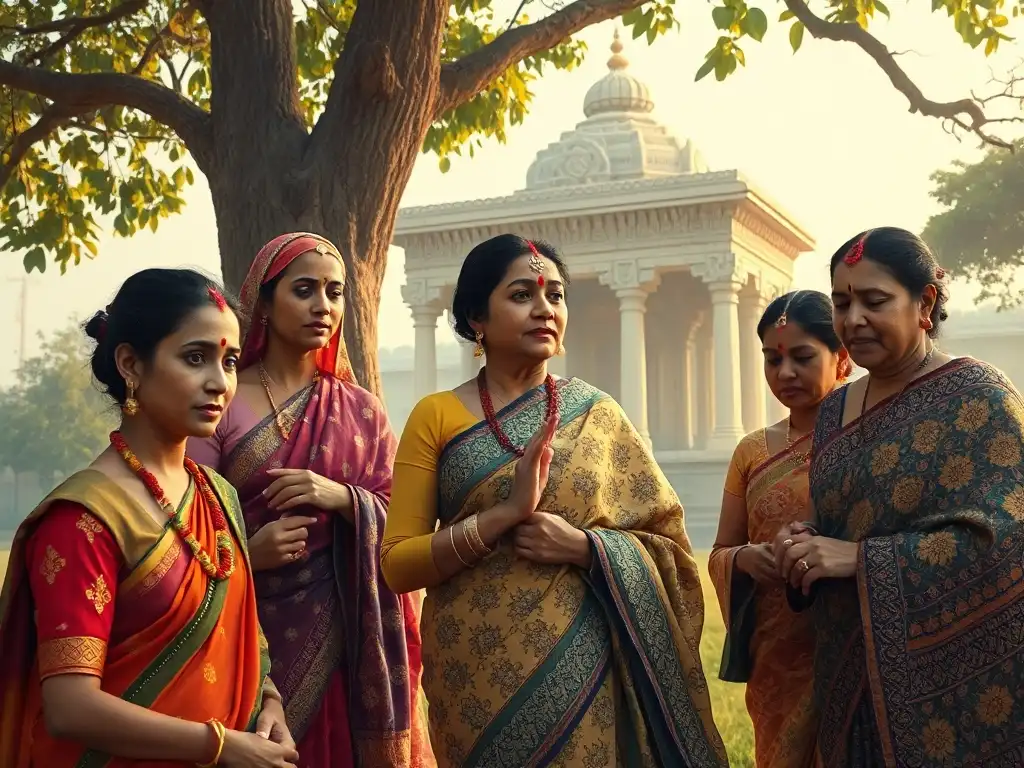
The legacy of the Great Mothers of Ancient India is woven intricately into the fabric of the subcontinent's history, culture, and spiritual life. These formidable women not only shaped the domestic spheres of their families but also significantly influenced the religious and philosophical landscapes of their time.
From the nurturing figures in the Indus Valley Civilization to the revered goddesses and wise sages of later periods, the contributions of these mothers have been pivotal in establishing social norms, ethical values, and religious practices. In examining their roles, we uncover a rich tapestry of influence that extends beyond motherhood, illuminating the vital positions women held within ancient Indian society.
Overview of Ancient Indian Society and Culture
Ancient Indian society was characterized by a complex interplay of social hierarchies, religious beliefs, and cultural practices. The Vedic period, for instance, marked a time of significant societal evolution, where the roles of women began to crystallize within the larger framework of family and religion. Women were often seen as symbols of virtue, devotion, and strength, embodying the principles of Dharma (righteousness) within their households.
- Key aspects of ancient Indian culture include:
- The caste system and its implications for women.
- Various religious practices, such as rituals and festivals that honored maternal figures.
- The influence of art and literature, which often celebrated women as embodiments of wisdom and virtue.
Significance of Women in Ancient Indian Religion and Philosophy
Women in ancient India held multifaceted roles that transcended domestic duties. They were not only participants in religious rituals but also pivotal in the transmission of spiritual knowledge. The portrayal of mothers in religious texts often mirrored the values of compassion, sacrifice, and wisdom.
- Notable contributions of women include:
- Philosophical teachings attributed to women, such as Maitreyi and Gargi, who engaged in dialogues about the nature of reality and consciousness.
- The worship of goddesses in various forms, such as Durga and Saraswati, reflecting the reverence for feminine divine power and wisdom.
- The role of women in upholding traditions, preserving oral histories, and passing down spiritual practices through generations.
Historical Context of Motherhood in Ancient India
The concept of motherhood in ancient India was deeply revered, with mothers often depicted as the cornerstone of family and society. Understanding this context is essential to appreciate the profound impact these maternal figures had on their contemporary world.
The Role of Mothers in Early Indian Civilizations
In early Indian civilizations, mothers were seen as nurturers and educators, shaping the moral and ethical framework of their children. Their influence extended beyond the immediate family, often impacting community values and social structures.
- Key roles of mothers included:
- Educators: Instilling values, cultural practices, and religious beliefs in their children.
- Stabilizers: Maintaining family unity and social cohesion during times of change or upheaval.
- Advocates: Representing women's rights and interests, albeit within the constraints of their societal roles.
Maternal Figures in Ancient Indian Texts and Literature
Ancient texts and literature abound with references to maternal figures who have left a lasting imprint on the collective consciousness of Indian civilization. These narratives often celebrate the virtues of motherly love, sacrifice, and strength.
- Examples of maternal figures include:
- Sita, revered for her devotion and strength in the Ramayana.
- Kunti, a symbol of resilience and wisdom in the Mahabharata.
- Mythological goddesses like Durga, representing the fierce protective nature of motherhood.
By exploring the rich narratives and historical contexts surrounding the Great Mothers of Ancient India, we can gain deeper insights into their enduring impact on religion, philosophy, and society at large. Their stories continue to resonate, reminding us of the vital roles women have played throughout history.
Prominent Great Mothers of Ancient India
The concept of motherhood in ancient Indian culture is deeply intertwined with spirituality, mythology, and societal structure. Ancient texts and scriptures often depict mothers not only as nurturing figures but also as powerful deities embodying various aspects of life. These Great Mothers, as seen in Hindu mythology, played vital roles in shaping religious beliefs and societal values. Notable among them are Aditi, Durga, and Saraswati, each contributing uniquely to the spiritual landscape of ancient India.
Aditi: The Cosmic Mother and Her Influence
Aditi, known as the Cosmic Mother, is a key figure in Vedic literature. She is revered as the mother of the gods (Devas) and represents the infinite and the boundless. In the Rigveda, Aditi's significance is underscored through hymns that celebrate her as the source of all creation. Her role extends beyond mere maternity; she symbolizes the nurturing aspect of the universe and embodies the principles of unity and harmony.
Aditi's influence is profound in various religious practices. She is often associated with the dawn and is invoked during rituals aimed at seeking blessings for prosperity and protection. Her connection to the cosmos emphasizes the importance of motherhood as a foundational element in the understanding of creation and existence in Vedic philosophy.
Durga: The Warrior Mother and Her Symbolism
Durga, the formidable warrior goddess, exemplifies strength, courage, and protection. She is depicted riding a tiger or lion, symbolizing her mastery over fear and the chaotic forces of the universe. Durga's most celebrated narrative is the defeat of the buffalo demon Mahishasura, which represents the triumph of good over evil.
Durga's impact on society is significant, as she embodies the ideals of feminine power and resilience. Festivals such as Durga Puja celebrate her victory and are marked by elaborate rituals that invoke her blessings for strength and protection. Through her fierce and nurturing attributes, Durga represents the duality of motherhood—capable of both nurturing and fierce protection.
Saraswati: The Goddess of Knowledge and Learning
Saraswati is revered as the goddess of knowledge, music, art, and wisdom. Often depicted with a veena (musical instrument) and a book, she embodies the pursuit of learning and intellectual growth. Saraswati's significance in ancient Indian culture extends to education and the arts, where she is worshipped by students and scholars alike.
Her role as a Great Mother emphasizes the importance of knowledge in spiritual and societal development. Festivals like Vasant Panchami, dedicated to her, highlight her contributions to the academic and artistic spheres. By promoting learning and creativity, Saraswati has profoundly influenced the cultural and religious landscape of ancient India.
Other Notable Mothers in Ancient Indian Mythology
In addition to Aditi, Durga, and Saraswati, several other notable mothers in ancient Indian mythology have left an indelible mark on cultural narratives. For instance, Kunti, the mother of the Pandavas, is celebrated for her strength and wisdom in the Mahabharata, while Devaki, the mother of Lord Krishna, exemplifies the deep emotional bonds of motherhood amidst trials and tribulations.
These figures, along with others, showcase the diverse representations of motherhood in ancient Indian texts, emphasizing their roles as nurturers, warriors, and sources of wisdom. Their stories continue to inspire and resonate within the cultural consciousness, serving as symbols of strength and devotion.
The Impact of Great Mothers on Religion
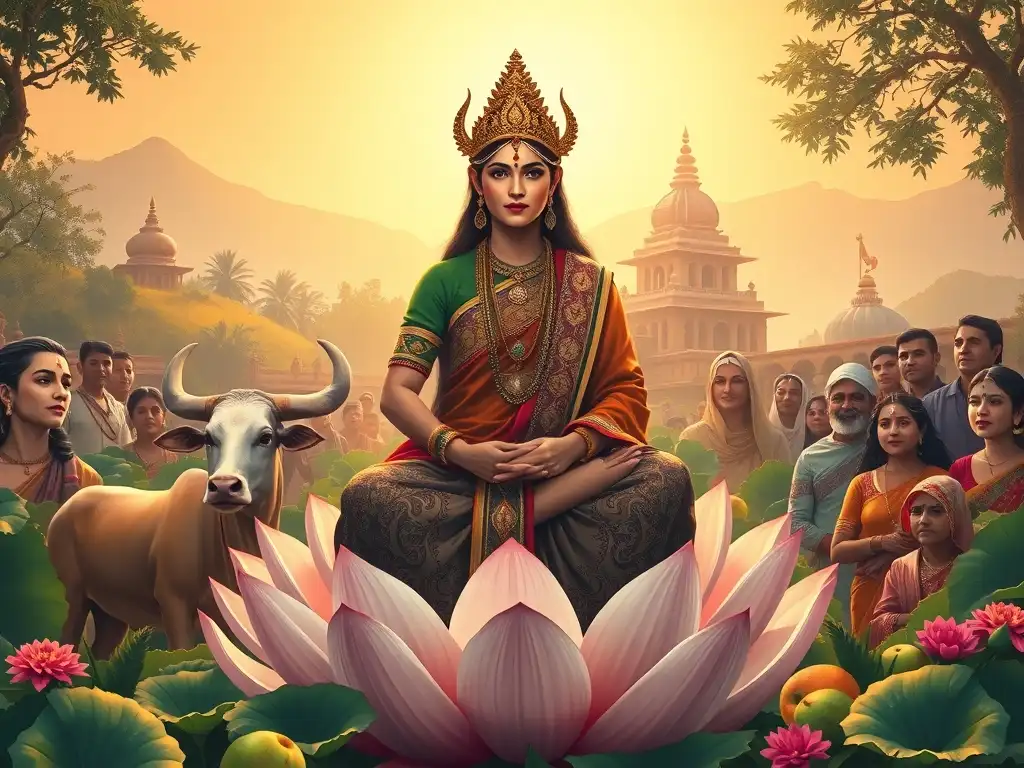
The Great Mothers of ancient India have significantly influenced religious beliefs and practices, shaping the spiritual landscape of the region. Their narratives echo through time, impacting rituals, values, and the perception of women within society.
Mothers as Divine Figures in Hinduism
In Hinduism, mothers are venerated as divine figures, embodying various attributes of the divine feminine. Great Mothers like Aditi, Durga, and Saraswati are not just mythological figures; they represent the ideals of motherhood—nurturance, strength, and wisdom. This perception elevates the status of women in society, associating them with divine qualities that transcend the ordinary.
The reverence for maternal figures plays a crucial role in the cultural ethos, where the divine feminine is celebrated in various forms. This connection reinforces the idea that motherhood is a sacred and powerful force, integral to the fabric of Hindu spirituality.
The Influence of Great Mothers on Religious Practices and Rituals
The impact of Great Mothers extends to religious practices and rituals that honor their qualities and narratives. Celebrations like Navaratri, dedicated to Durga, involve elaborate rituals, fasting, and prayers that invoke her strength and protection. Similarly, Saraswati Puja emphasizes the pursuit of knowledge, encouraging educational endeavors among devotees.
These rituals serve as a means of connecting with the divine feminine, reinforcing the values associated with motherhood and its significance in spiritual life. They create communal bonds and foster a sense of identity rooted in shared beliefs and practices.
The Role of Mothers in Shaping Spiritual Narratives
The spiritual narratives surrounding Great Mothers have played a critical role in shaping the moral and ethical frameworks of ancient Indian society. Their stories often highlight virtues such as sacrifice, resilience, and wisdom, serving as moral lessons for individuals and communities.
By portraying mothers as central figures in religious texts and traditions, ancient Indian culture underscores the importance of maternal influence in shaping character and spirituality. This legacy continues to resonate today, as the narratives of these Great Mothers inspire contemporary discussions on gender roles and spirituality, reinforcing their lasting impact on religion and society.
The Societal Contributions of Great Mothers
The Great Mothers of Ancient India played a pivotal role in shaping societal norms and values. These maternal figures were not just caregivers but also key influencers in education, community cohesion, and governance. Their contributions spanned various aspects of life, from the family unit to the broader social structure. Through their nurturing nature, they laid the foundation for future generations, instilling values of compassion, resilience, and wisdom. Moreover, their involvement in religious practices and rituals helped preserve cultural heritage, making them central to the identity of ancient Indian society.
Mothers as Educators and Nurturers in Ancient Society
In ancient Indian society, mothers were recognized as the primary educators of their children. This role extended beyond mere academic instruction; it involved imparting moral values, cultural traditions, and social responsibilities. The teachings of great mothers were often rooted in religious texts and folklore, allowing children to learn through stories and rituals. For instance, figures like Maitreyi and Gargi not only nurtured their children but also engaged in philosophical discourses, highlighting the importance of women in intellectual pursuits.
Furthermore, the nurturing aspect of motherhood fostered emotional intelligence and interpersonal skills in children, enabling them to thrive in their communities. Mothers were instrumental in shaping the character and identity of the next generation, ensuring that the values of respect, kindness, and integrity were passed down through familial lines.
The Influence of Maternal Figures on Family and Community Dynamics
Maternal figures in ancient India held significant sway over family dynamics. They were often the decision-makers in household matters, guiding family members in their choices and actions. This influence extended to community interactions, where mothers acted as mediators and peacekeepers. Their roles in festivals, rituals, and communal gatherings solidified their status as pillars of support within the community.
Moreover, the presence of strong maternal figures contributed to the establishment of social cohesion, as they would often lead initiatives that promoted collective welfare. Their ability to nurture relationships among families and foster unity was essential in times of conflict or distress, showcasing the integral role of mothers in maintaining harmony within society.
Great Mothers and Their Role in Political and Social Structures
The Great Mothers of Ancient India were not only nurturing figures but also active participants in political and social structures. Many women from royal families wielded significant influence, acting as regents or advisors to kings. For example, Rajmata Jijabai, the mother of Shivaji Maharaj, played a crucial role in instilling values of bravery and leadership in her son, which had a lasting impact on the Maratha Empire.
Additionally, these mothers often used their positions to advocate for social reforms and champion the rights of women and the underprivileged. Their involvement in governance and public life is a testament to the recognition of women as vital contributors to the socio-political landscape of ancient India.
Legacy of the Great Mothers of Ancient India
The legacy of the Great Mothers of Ancient India continues to resonate in modern society. Their values and teachings have been passed down through generations, influencing contemporary social structures and family dynamics. The respect for maternal figures remains deeply ingrained in Indian culture, reflecting the enduring impact of these great women.
How Their Influence Persists in Modern Indian Society
In modern Indian society, the influence of the Great Mothers is evident in the continued reverence for motherhood and the maternal role. The values instilled by these figures—such as selflessness, resilience, and wisdom—are celebrated during various festivals and cultural practices. Moreover, the depiction of maternal figures in literature and media often draws inspiration from their ancient counterparts, emphasizing their significance in shaping societal norms.
Additionally, many families uphold traditions that honor the contributions of women in their lineage, showcasing the lasting legacy of great mothers in fostering respect and admiration for maternal roles within contemporary society.
The Role of Great Mothers in Contemporary Religious Practices
Contemporary religious practices in India often pay homage to the Great Mothers of the past. Festivals such as Navratri and Durga Puja celebrate the divine feminine, symbolizing strength and nurturing through various goddesses. These celebrations not only honor the historical significance of maternal figures but also reinforce their essential role in spirituality and community bonding.
Moreover, many religious texts and rituals continue to emphasize the importance of maternal virtues, encouraging modern women to embody the qualities of the Great Mothers. This connection ensures that the legacy of ancient maternal figures remains alive, influencing spiritual practices and communal values in today's society.
Continuing the Legacy: Modern Interpretations of Ancient Maternal Figures
Modern interpretations of the Great Mothers of Ancient India reveal an evolving understanding of femininity and motherhood. Contemporary feminist movements have sought to reclaim and reinterpret the narratives surrounding these maternal figures, highlighting their strength, intellect, and contributions beyond traditional roles.
In literature, art, and popular culture, the representations of great mothers are being reimagined to reflect the complexities of their lives and the multifaceted roles they played. This ongoing dialogue not only honors their legacy but also serves to inspire new generations to recognize and appreciate the profound impact of women in shaping history and society.
Conclusion: The Enduring Significance of the Great Mothers
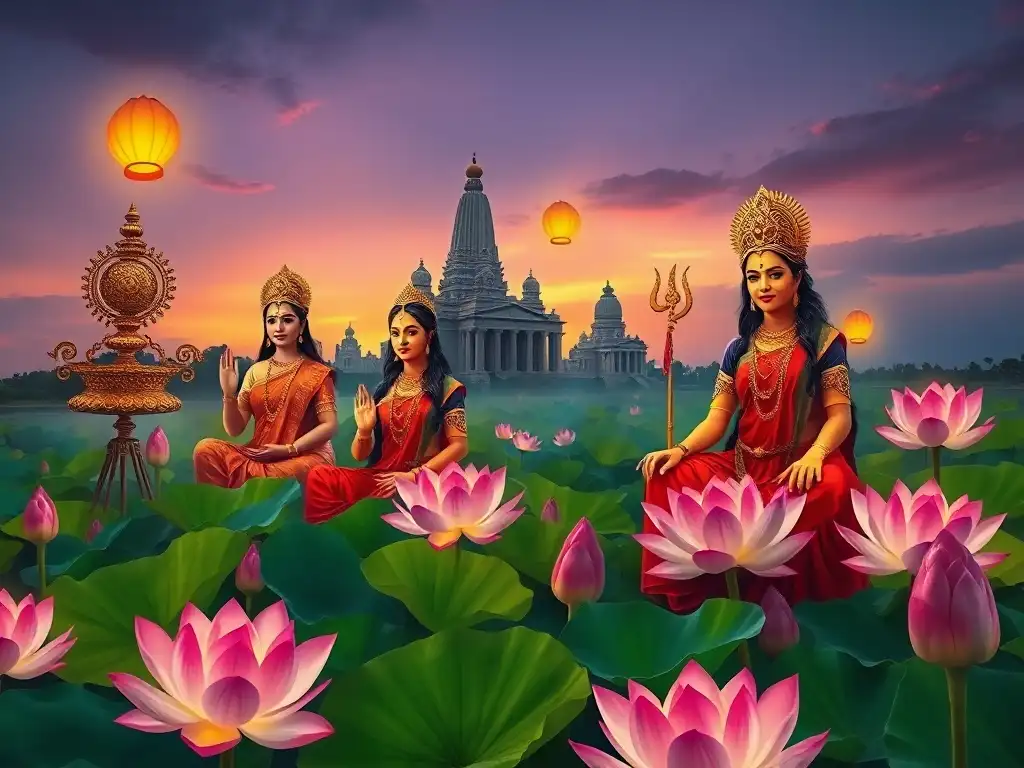
The legacy of the Great Mothers of Ancient India is profound and enduring, shaping not only the religious landscape but also the societal structures that define Indian culture today. These women, revered as embodiments of strength, wisdom, and compassion, played pivotal roles in the development of spiritual and philosophical thought. Their contributions transcended their immediate families and communities, influencing generations and inspiring movements that sought to uplift the status and dignity of women.
From the goddess figures in Hindu mythology to the historical figures such as Gargi and Maitreyi, the Great Mothers have provided a framework for understanding the divine feminine. Their stories and teachings continue to resonate, serving as guiding principles for contemporary discussions on gender, spirituality, and social equity. By examining their lives and legacies, we can appreciate the intricate tapestry of ancient Indian society, where women's roles were not only vital but also celebrated.
Reflection on the Impact of Great Mothers on Religion and Society
The Great Mothers of Ancient India significantly impacted both religion and society, fostering a spiritual environment where women were not merely passive recipients of religious teachings but active contributors to the discourse. Figures like Durga and Kali symbolize the fierce and protective aspects of femininity, encouraging women to embrace their strength and assert their rights within both familial and societal contexts.
Moreover, the philosophical contributions of women such as Gargi and Maitreyi challenge the long-standing narrative of male dominance in intellectual pursuits. Their dialogues and reflections on ethics, metaphysics, and the nature of reality have opened avenues for a more inclusive understanding of ancient Indian philosophy. This inclusion has catalyzed changes in how modern scholars perceive women's roles in historical contexts, recognizing them as pivotal to the evolution of religious thought and societal norms.
The impact of these Great Mothers extends beyond the realm of spirituality. Their teachings have inspired social reform movements, emphasizing the need for gender equality and the empowerment of women. As society continues to grapple with issues of gender bias and discrimination, revisiting the lessons from these remarkable figures can provide valuable insights into creating a more equitable world.
The Importance of Recognizing Women's Contributions in Historical Narratives
Recognizing the contributions of women in historical narratives, particularly those of the Great Mothers of Ancient India, is crucial for a holistic understanding of history. Traditional narratives often marginalize or overlook women's roles, focusing instead on male-centric perspectives. This oversight not only distorts our understanding of the past but also diminishes the significance of women's contributions to societal development.
Incorporating the stories and achievements of women into the historical discourse enriches our comprehension of cultural dynamics and social structures. It fosters a more accurate representation of the past, highlighting the collaborative nature of human history. Furthermore, acknowledging women's roles encourages future generations to value diversity and inclusivity in all spheres of life, including religion, philosophy, and governance.
By emphasizing the contributions of the Great Mothers, we challenge the prevailing narratives that have historically sidelined women's voices. This recognition serves as a powerful reminder that women's experiences and perspectives are integral to the tapestry of history, deserving of celebration and respect. As we continue to explore the rich history of Ancient India, it is imperative to honor these Great Mothers, ensuring that their legacies inspire and empower future generations.
- Introduction to the Great Mothers of Ancient India
- Historical Context of Motherhood in Ancient India
- Prominent Great Mothers of Ancient India
- The Impact of Great Mothers on Religion
- The Societal Contributions of Great Mothers
- Legacy of the Great Mothers of Ancient India
- Conclusion: The Enduring Significance of the Great Mothers
- Reflection on the Impact of Great Mothers on Religion and Society
- The Importance of Recognizing Women's Contributions in Historical Narratives
- What is the significance of the Great Mothers of Ancient India?
- How did the Great Mothers influence religious practices?
- Can you name some prominent Great Mothers from ancient Indian history?
- In what ways did these figures contribute to societal norms?
- How are the Great Mothers of Ancient India remembered today?
Frequently Asked Questions
What is the significance of the Great Mothers of Ancient India?
The Great Mothers of Ancient India played a crucial role in shaping religion and society, symbolizing fertility, nurturing, and divine power.
How did the Great Mothers influence religious practices?
These figures were often venerated in various cultures and regions, leading to the incorporation of their myths and rituals into religious traditions, thus impacting spiritual beliefs.
Can you name some prominent Great Mothers from ancient Indian history?
Some notable Great Mothers include Goddess Durga, Goddess Kali, and Goddess Parvati, each representing different aspects of womanhood and divine femininity.
In what ways did these figures contribute to societal norms?
The Great Mothers established ideals of motherhood, sacrifice, and strength, which influenced gender roles and social structures within ancient Indian society.
How are the Great Mothers of Ancient India remembered today?
Today, the Great Mothers are celebrated in festivals, literature, and art, reflecting their enduring legacy and continued relevance in Indian culture.
Final Reflection: The Enduring Legacy of the Great Mothers of Ancient India
The Great Mothers of Ancient India have left an indelible mark on both religion and society, shaping cultural narratives that resonate even today. Their stories are not merely relics of the past; they are vibrant threads woven into the fabric of contemporary life, reminding us of the power of maternal influence and the strength of feminine wisdom. As we navigate a world that often overlooks the contributions of women, we must recognize that these great mothers were not just figures of their time; they were pioneers who paved the way for future generations.
The impact of these remarkable women continues to echo through our cultural and social landscapes, inspiring movements for equality and justice. Their legacies challenge us to reconsider the roles of women in society and to honor the sacrifices made by those who came before us. As we reflect on their stories, we are reminded of the words of Mahatma Gandhi: To call woman the weaker sex is a slander; it is man's injustice to woman.
This observation underscores the ongoing relevance of the Great Mothers, who exemplified strength, resilience, and the transformative power of love.
As we conclude our exploration of the Great Mothers of Ancient India, I invite you to reflect on their lessons and consider how you can embody their spirit in your own life. Embrace the qualities of compassion, strength, and wisdom that these great mothers exemplified, and let them guide you in your interactions with others. In a world that often demands more from us, let us honor their legacy by nurturing our communities and fostering a culture of respect and empowerment for all.
Embrace the Legacy of Ancient Indian Mothers!
Thank you for exploring the profound impact of the great mothers of ancient India with us. Their stories not only shaped religion and society but continue to inspire countless lives today. Now, it’s time to take that inspiration and make it your own!
Here are a few actions you can take to honor this legacy:
- Dive deeper into their stories: Explore more about these remarkable figures by reading books or watching documentaries that highlight their contributions.
- Share your insights: Discuss what you’ve learned with friends or on social media to spread awareness about these influential mothers.
- Join a community: Connect with like-minded individuals through forums or groups that celebrate the rich heritage of ancient India to engage in enriching discussions.
How will you draw from the strength and wisdom of these great mothers in your life today?