
Cultural Practices Surrounding Property Inheritance in Ancient India


Welcome to Ancient India History, where we embark on a fascinating journey through time to unveil the rich tapestry of culture and civilization that shaped ancient India. In our latest article, we delve into the intriguing realm of property inheritance practices, exploring how these customs reflected the values and social structures of the era. What secrets lie within the legal systems and law codes of ancient India?
Join us as we unravel the complexities of inheritance traditions that have left a lasting impact on the subcontinent. Prepare to be captivated and inspired as you explore the legacy of our ancestors.
- Introduction to Ancient Indian Property Inheritance Practices
- Historical Context of Property Inheritance in Ancient India
- Types of Property in Ancient Indian Societies
- Cultural Practices Surrounding Property Inheritance
- Legal Framework Governing Property Inheritance
- Rituals and Customs Associated with Inheritance
- Case Studies of Inheritance Practices in Different Regions
- Impact of Ancient Indian Property Inheritance Practices on Modern Laws
- Conclusion
-
Frequently Asked Questions
- What were the primary property inheritance practices in ancient India?
- How did gender roles affect property inheritance in ancient India?
- What role did the caste system play in property inheritance?
- Were there any legal texts that guided property inheritance in ancient India?
- How did property inheritance practices evolve during the Gupta Empire?
- Final Reflection: The Enduring Legacy of Ancient Indian Property Inheritance Practices
- Uncover the Legacy: Take Action on Cultural Inheritance!
Introduction to Ancient Indian Property Inheritance Practices
The study of ancient Indian property inheritance practices offers a fascinating glimpse into the socio-economic fabric of one of the world's oldest civilizations. From the meticulously planned cities of the Indus Valley to the culturally vibrant courts of the Gupta Empire, property and inheritance were integral to the sustenance and evolution of these societies.
In ancient India, the transmission of property was not just a matter of economic concern; it was deeply intertwined with cultural, religious, and legal principles that shaped familial and societal structures. This article delves into the diverse inheritance practices that governed property distribution throughout ancient Indian history, highlighting their significance and implications for the communities involved.
Overview of Property Inheritance in Ancient India
Property inheritance in ancient India varied significantly across time periods and regions, influenced by prevailing social norms, religious beliefs, and legal codes. The major sources of law included the Vedas, Smritis, and various regional customs. Inheritance practices were predominantly patrilineal, where property was passed down from father to son, ensuring the continuation of family lineage and the preservation of wealth within the patriarchal structure.
Some key aspects of property inheritance in ancient India included:
- Patrilineal and Matrilineal Systems: While many communities followed a patrilineal approach, certain regions, particularly among tribal and some South Indian communities, practiced matrilineal inheritance, where property was transferred through the female line.
- Types of Property: Inheritance included not only land but also movable property, livestock, and other assets, with specific rules governing how each category could be passed down.
- Legal Framework: The Manusmriti, a key ancient legal text, outlined various inheritance rules, emphasizing the importance of dharma (duty) in property distribution.
Overall, these diverse practices reflect the complexity and adaptability of ancient Indian society in managing property and inheritance.
Importance of Inheritance Practices in Ancient Indian Society
The significance of inheritance practices in ancient India extends beyond mere property distribution; they played a critical role in shaping social hierarchies, gender roles, and familial relationships.
- Economic Stability: Proper inheritance practices contributed to economic stability within families, ensuring that resources were effectively managed and passed on to future generations.
- Social Structure: Inheritance laws reinforced the patriarchal social structure, as property typically remained within male lineage, thereby maintaining power dynamics and family prestige.
- Cultural Identity: The way property was inherited often reflected the cultural identity of a community, with customs and rituals surrounding inheritance practices highlighting local traditions and values.
- Legal Precedents: These practices laid the groundwork for later legal systems, influencing contemporary property laws and inheritance rights in modern India.
The cultural practices surrounding property inheritance in ancient India encapsulate a rich tapestry of legal, economic, and social dimensions, underscoring their profound impact on the civilization's development. Understanding these practices is crucial for comprehending the broader historical context of ancient Indian society.
Historical Context of Property Inheritance in Ancient India
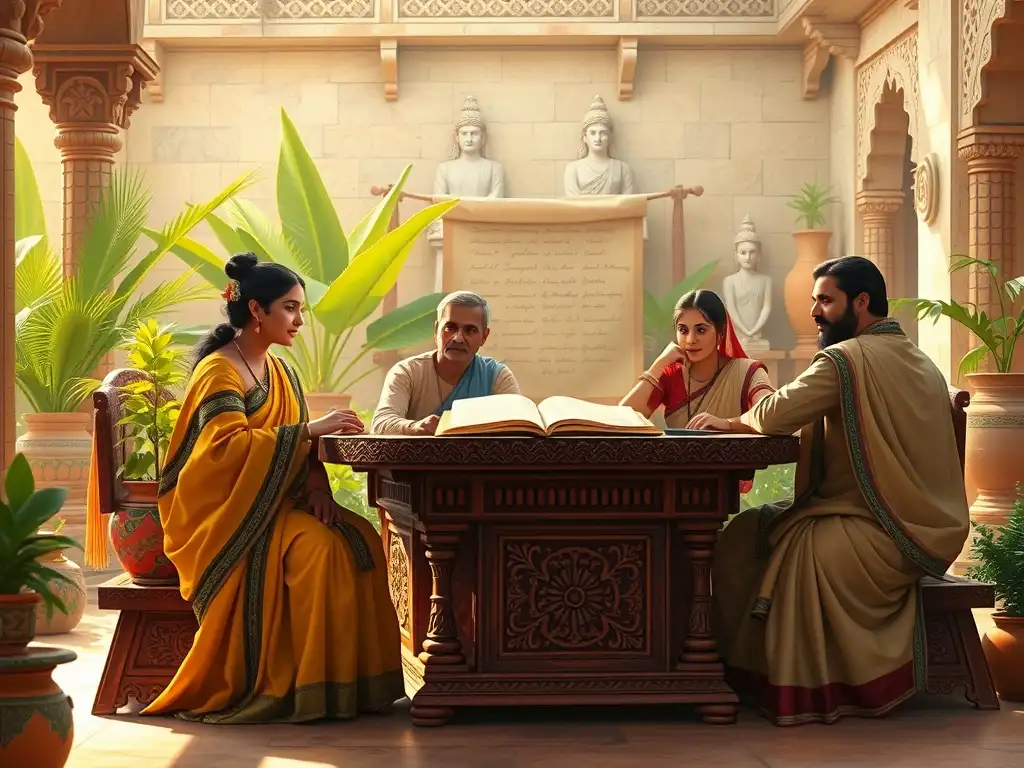
Evolution of Property Rights in Ancient Indian Civilizations
The evolution of property rights in ancient Indian civilizations reflects a complex interplay between social norms, economic needs, and legal frameworks. Initially, property ownership was predominantly a communal affair, with land and resources managed collectively by families or clans. The agrarian society of the Indus Valley Civilization (circa 3300–1300 BCE) demonstrated early forms of property usage, where land allocation was likely based on communal agreements rather than individual ownership.
As societies transitioned into more structured urban settlements, the concept of individual property began to take shape, particularly during the Vedic period (circa 1500–500 BCE). This period saw the emergence of written texts that codified various aspects of life, including property rights. With the rise of agriculture, the accumulation of wealth became significant, leading to the establishment of property as a status symbol.
By the time of the Maurya Empire (circa 322–185 BCE), property rights had further evolved. The Arthashastra, attributed to Kautilya (Chanakya), provided a detailed examination of economic policies, including the management of property. It emphasized the importance of property ownership in the context of statecraft, taxation, and trade, marking a significant development in the legal recognition of property rights.
As we move into the Gupta Empire (circa 320–550 CE), property rights became more stratified, influenced by social hierarchies and caste systems. Land ownership was increasingly linked to social status, with Brahmins and Kshatriyas typically holding larger landholdings. Women’s rights to inheritance also began to be documented, indicating a gradual but significant shift towards recognizing their roles in property ownership.
Key Texts Influencing Inheritance Practices (e.g., Manusmriti, Arthashastra)
Several key texts from ancient India have profoundly influenced property inheritance practices, shaping the legal and cultural landscape. Among these, the Manusmriti stands out as one of the most significant legal texts, composed around 200 BCE to 200 CE. This text codified various aspects of Hindu law, including inheritance, and established foundational principles regarding property rights.
- Manusmriti's Inheritance Guidelines:
- Male Preference: The Manusmriti primarily favored male heirs, dictating that property should generally be inherited by sons. Daughters were often excluded from inheritance unless there were no male heirs.
- Women’s Rights: Despite the male-centric approach, the text recognized certain rights for women, particularly in the context of stridhan (property a woman brings into marriage), which remains hers independently.
Another crucial text, the Arthashastra, complements the Manusmriti by providing a pragmatic approach to governance and economics. Kautilya’s work outlines regulations concerning property transactions, land taxes, and disputes, emphasizing the role of the state in managing property rights. Key points from the Arthashastra include:
- State Involvement in Property Matters: Kautilya advocated for the state's active role in regulating property disputes and ensuring fair taxation, indicating an early form of governmental control over property rights.
- Economic Implications: The text highlights the economic importance of property, suggesting that effective management and clear inheritance laws are vital for the prosperity of the state and its citizens.
The interplay of these texts illustrates the evolving nature of property inheritance in ancient India, reflecting broader societal changes and the increasing complexity of economic relationships. As these texts were interpreted and applied over centuries, they laid the groundwork for enduring legal principles that would influence property inheritance practices well into the future.
Types of Property in Ancient Indian Societies

Classification of Property: Moveable vs. Immovable
In ancient Indian societies, property was classified into two primary categories: moveable and immovable. This classification was crucial in determining the rights of inheritance and succession.
- Moveable Property: This includes items that could be easily transported from one place to another, such as:
- Household Goods: Utensils, clothing, and personal artifacts.
- Livestock: Cattle, sheep, and other domesticated animals.
- Jewelry and Precious Items: Gold, silver, and gemstones, which were often considered valuable assets.
- Immovable Property: This encompasses assets that were fixed in location and could not be moved, such as:
- Land: Agricultural fields and plots were the most significant form of wealth.
- Buildings: Houses, temples, and community structures.
The distinction between these two types of property played a vital role in inheritance practices. For instance, immovable property, particularly land, was often passed down through generations, forming the backbone of familial wealth and social status. In contrast, moveable property was typically divided among heirs based on personal preferences and circumstances.
Community Property vs. Individual Property Rights
The concept of property rights in ancient India was nuanced, involving varying degrees of community ownership and individual rights. This dual framework influenced how property was inherited and managed.
- Community Property: Many ancient Indian societies operated under a system where property was held communally. Key aspects include:
- Joint Family System: Families often lived together, pooling resources and sharing property. Inheritance was typically collective, with the eldest male member (Karta) managing the family estate.
- Cultural Significance: Land and resources were viewed as belonging to the community, emphasizing cooperation and mutual support over individual accumulation.
- Individual Property Rights: Despite the communal aspects, individual property rights were also recognized. Important points include:
- Personal Assets: Individuals could own personal items, such as jewelry or livestock. These could be bequeathed according to the owner's wishes, often through wills or verbal agreements.
- Women’s Rights: While traditionally limited, women in some texts were granted the right to inherit property, particularly in cases where there were no male heirs. This highlights the evolving nature of individual rights within the inheritance system.
The interplay between community and individual property rights created a complex legal landscape in ancient India, reflecting broader social dynamics and cultural values surrounding property inheritance. Understanding these distinctions helps illuminate the practices and norms that governed ancient Indian property inheritance practices.
Cultural Practices Surrounding Property Inheritance
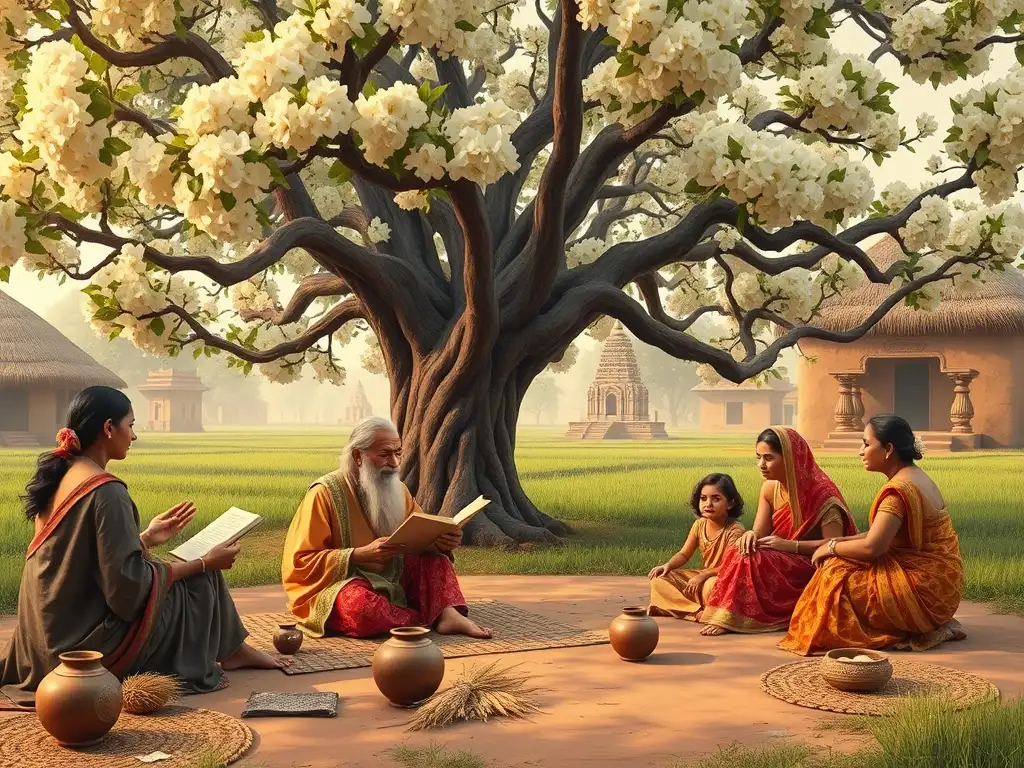
The cultural practices surrounding property inheritance in ancient India are deeply intertwined with the social, religious, and economic fabric of the time. Understanding these practices provides insight into the values and beliefs that shaped ancient Indian society. Inheritance was not merely a legal matter; it encompassed a complex web of customs and traditions that dictated how property was distributed among family members. This section explores the dichotomy of patrilineal and matrilineal inheritance traditions, as well as the role of female heirs in ancient Indian property inheritance.
Patrilineal vs. Matrilineal Inheritance Traditions
Throughout ancient India, the predominant system of property inheritance was patrilineal, where property was passed down through the male lineage. Patrilineal inheritance reinforced male authority and ensured that the family lineage continued through sons. This practice was prevalent across various regions and communities, including the Brahmins, Kshatriyas, and Vaishyas, who viewed male heirs as essential for maintaining family honor and legacy.
In contrast, certain communities practiced matrilineal inheritance, where lineage and property rights were traced through female members. This practice was notably observed among the Nairs of Kerala and the Gonds in central India. In matrilineal systems, women retained significant control over property, and inheritance flowed from mothers to daughters. This created a more equitable distribution of wealth among genders and allowed women to play a crucial role in economic decision-making.
| Inheritance Tradition | Description | Communities Practicing It |
|---|---|---|
| Patrilineal | Property inherited through male lineage, emphasizing male heirs. | Brahmins, Kshatriyas, Vaishyas |
| Matrilineal | Property inherited through female lineage, emphasizing female heirs. | Nairs, Gonds |
These traditions illustrate the diversity of ancient Indian property inheritance practices and reflect the varying values placed on gender roles within different communities.
Role of Female Heirs in Ancient Indian Property Inheritance
The role of female heirs in ancient Indian property inheritance was often complex and nuanced. While patrilineal systems generally limited women's rights to inherit property directly, women still played significant roles in property management and utilization. In many cases, women were given stridhan, or personal property, which included gifts received at marriage and could be independently owned and managed by women.
In matrilineal societies, women had a more pronounced role in inheritance. They not only inherited property but also held the power to make decisions regarding its use and transfer. For instance, among the Nairs, women could own land and other assets, which provided them with financial independence and social status.
Despite these empowering aspects, female heirs often faced societal pressures that constrained their inheritance rights. Cultural norms frequently dictated that women should prioritize their roles as wives and mothers over their rights to property. This duality led to a paradox where women could inherit and manage property, yet societal expectations often marginalized their contributions.
The cultural practices surrounding property inheritance in ancient India were characterized by a rich interplay of patrilineal and matrilineal traditions, influencing the roles and rights of female heirs. Understanding these practices not only sheds light on the legal systems of ancient India but also helps us appreciate the evolving status of women in historical contexts.
Legal Framework Governing Property Inheritance
The legal framework governing property inheritance in ancient India was shaped by a complex interplay of cultural, religious, and socio-economic factors. Various texts and scriptures laid the foundation for inheritance laws, influencing how property was passed down through generations. The most significant among these texts were the Dharmashastras, which provided guidelines on legal matters, including inheritance.
Key texts such as the Manusmriti and the Yajnavalkya Smriti outlined the principles of property division, specifying the rights of heirs and the roles of different family members in the inheritance process. These codes emphasized the importance of family lineage, often prioritizing male heirs, but also offered rights to women, particularly in specific contexts.
Ancient Indian Law Codes and Their Influence on Inheritance
Ancient Indian law codes were pivotal in shaping property inheritance practices. The Manusmriti, composed around the 2nd century BCE, is perhaps the most well-known code. It outlined the concept of dharma (duty/righteousness), which included guidelines on inheritance. Key provisions included:
- Primacy of Male Heirs: Sons generally had the first claim to inheritance, ensuring the continuation of the family lineage.
- Rights of Daughters: Although daughters were often sidelined in favor of sons, they were entitled to a share of their father's property, especially if they remained unmarried.
Another important text, the Yajnavalkya Smriti, provided a more nuanced approach, recognizing the rights of women more explicitly. It stated that women should not be deprived of their share in ancestral property, thus allowing for a better balance in inheritance rights.
These codes were not uniform and were subject to interpretation and adaptation across different regions and communities. The influence of regional customs, caste systems, and local traditions often led to variations in the application of these laws.
Regional Variations in Property Inheritance Laws
The practices surrounding property inheritance varied significantly across ancient India, reflecting the diversity of its cultural landscape. Several factors contributed to these regional variations, including local customs, the prominence of different religious practices, and the socio-economic conditions of the time.
- North India:
- In many northern regions, the inheritance system predominantly favored male heirs, with property primarily passed down through the male line. However, the practice of stridhan (property gifted to women at marriage) provided women with some economic security.
- South India:
- Southern states exhibited a more egalitarian approach in certain communities, particularly among the Nairs of Kerala, where women could inherit property and maintain control over their assets. This matrilineal system allowed for the transfer of property through the female line.
- Eastern India:
- In regions like Bengal, women had rights to inherit property, especially in the absence of male heirs. The Hindu Succession Act of 1956, which aimed to rectify long-standing inequalities, found its roots in these earlier practices of recognizing women’s rights.
- Western India:
- The Maratha community practiced a unique form of inheritance where both sons and daughters were recognized as heirs, although sons often received a larger share.
These regional differences illustrate the adaptability of ancient Indian property inheritance practices, reflecting the social dynamics and cultural priorities of various communities. As such, property inheritance in ancient India was not merely a legal issue but also a reflection of the societal values and norms that defined the lives of its people.
Rituals and Customs Associated with Inheritance

In ancient India, property inheritance was not merely a legal transaction; it was deeply intertwined with the cultural and spiritual beliefs of society. The rituals and customs surrounding inheritance played a crucial role in ensuring that property transfer not only upheld familial ties but also adhered to religious and societal norms. These practices served to legitimize the transfer of property, affirm the continuity of family legacies, and maintain the social order.
Significance of Rituals in Property Transfer
Rituals associated with property inheritance were significant for several reasons:
- Legal Validity: In many cases, the performance of specific rituals was essential to validate the transfer of property. These rituals often involved the participation of family members, local elders, or priests, who acted as witnesses to the transaction. This process was crucial for preventing disputes and ensuring that the inheritance was recognized by the community.
- Spiritual Blessings: Rituals were often conducted to seek divine blessings for the new property holder. For instance, offerings to deities and the recitation of specific mantras were common practices intended to invoke prosperity and protection over the inherited property. This spiritual dimension emphasized the belief that property was not merely material wealth but also a divine trust.
- Familial Unity: Inheritance rituals served as a means to reinforce family bonds. Gatherings for these ceremonies brought together relatives and community members, fostering a sense of unity and shared identity. This was particularly important in societies where lineage and heritage played a significant role in social standing.
- Cultural Identity: The specific customs and rituals associated with inheritance varied across different regions and communities within ancient India. These practices were integral to cultural identity and reflected the diversity of beliefs and traditions. For example, in some communities, the passing of property was accompanied by elaborate feasts and festivities, while others may have involved simpler, more solemn observances.
Cultural ceremonies surrounding property inheritance in ancient India were diverse and rich in symbolism. Some notable ceremonies include:
- Antyesti (Last Rites): Inheritance often began with the performance of last rites for the deceased. This ritual was not only a farewell to the departed but also a formal acknowledgment of the transfer of their estate to the heirs. Traditionally, the eldest son or nearest relative would assume responsibility for the deceased's property, symbolizing the continuation of the family's lineage.
- Homa (Fire Ritual): The Homa ceremony, involving offerings to the sacred fire, was a significant part of property transfer. This ritual was believed to purify the new owner and the property itself, ensuring that it was free from negative influences. Family members would participate actively, reinforcing their collective support for the new property holder.
- Vedic Chanting: Specific Vedic hymns and chants were recited during the property transfer process. These chants were intended to invoke blessings and prosperity for the heirs. The choice of verses often depended on the type of property being transferred—agricultural land, residential buildings, or other assets.
- Griha Pravesh (Housewarming Ceremony): When inheriting a home, the Griha Pravesh ceremony marked the formal entry of the new owner into the property. This event often involved rituals to cleanse the space and invite positive energy, establishing a sense of belonging and ownership.
These ceremonies and rituals not only celebrated the act of inheritance but also reinforced the values and beliefs that governed ancient Indian society. They highlighted the importance of respect for ancestors, the sanctity of property, and the interconnectedness of family and community. The legacy of these practices continues to influence modern property inheritance customs in India today.
Case Studies of Inheritance Practices in Different Regions

Northern India: Practices in Ancient Kingdoms
In ancient Northern India, property inheritance practices were largely influenced by the prevailing social and cultural norms of the time. The Vedic texts and later legal codes, such as the Manusmriti, played a significant role in shaping these practices. Property rights were primarily determined by gender, caste, and regional customs, leading to a complex tapestry of inheritance laws.
- Patrilineal System:
- The predominant practice in many northern kingdoms was patrilineal inheritance, where property was passed down through the male line. Sons inherited the family estate, while daughters were typically married off and received a dowry instead.
- This system reinforced the notion of male authority and ensured that property remained within the paternal lineage.
- Role of Manusmriti:
- The Manusmriti, a key text in Dharmashastra, emphasized the importance of male heirs. It stated that a father must provide for his sons, and if he dies without male heirs, his property would be distributed among the kin.
- Specific verses dictated that daughters could only receive a share if there were no male heirs, underscoring the patriarchal framework.
- Regional Variations:
- While the overarching trend was patrilineal, certain regions exhibited variations. For instance, in the Kshatriya and Brahmin communities, there were instances where women held rights to property, especially in cases where there were no male heirs.
- Some historical records indicate that women could inherit property in specific circumstances, highlighting a degree of flexibility in inheritance practices.
- Land Grants and Royal Decrees:
- Kings often granted land to their subjects, which could complicate inheritance. For example, land granted to Brahmins for religious purposes could be inherited by their descendants, while military grants might be contingent on service.
Southern India: Unique Inheritance Customs
Southern India, with its rich tapestry of cultures and languages, exhibited distinct inheritance practices that varied significantly from those in the north. The region's history of trade, local governance, and diverse communities contributed to a unique approach to property inheritance.
- Matrilineal and Matrilocal Practices:
- In some communities, particularly among the Nayars of Kerala, matrilineal inheritance was prevalent. Property was inherited through the female line, and women had significant rights over family assets.
- The system allowed for women to own and manage property independently, leading to a unique social structure where men often moved into their wives' households after marriage.
- Joint Family System:
- The joint family system was common in Southern India, where property was held collectively by all male members of the family. Upon the death of the patriarch, the property was divided among the sons, with daughters typically receiving a smaller share or a dowry.
- This system reinforced familial ties and collective responsibility, often ensuring that property remained within the extended family.
- Legal Codes and Regional Texts:
- Ancient legal texts such as the Yajnavalkya Smriti provided guidelines on property distribution, emphasizing equitable treatment of sons and daughters. However, local customs often dictated the actual practices.
- In some instances, daughters were granted the right to inherit property, especially if they remained unmarried or were caretakers of aging parents.
- Impact of Colonialism:
- The British colonial era introduced legal changes that affected traditional inheritance practices. The Hindu Succession Act of 1956, though enacted later, was influenced by colonial legal frameworks that attempted to codify and regulate property rights, impacting both northern and southern practices.
These case studies illustrate that while there were overarching themes in ancient Indian property inheritance practices, regional customs and cultural nuances played a significant role in shaping the specific laws and norms governing property rights in different parts of the subcontinent. Understanding these practices provides valuable insight into the social dynamics and legal systems of ancient Indian civilizations.
Impact of Ancient Indian Property Inheritance Practices on Modern Laws
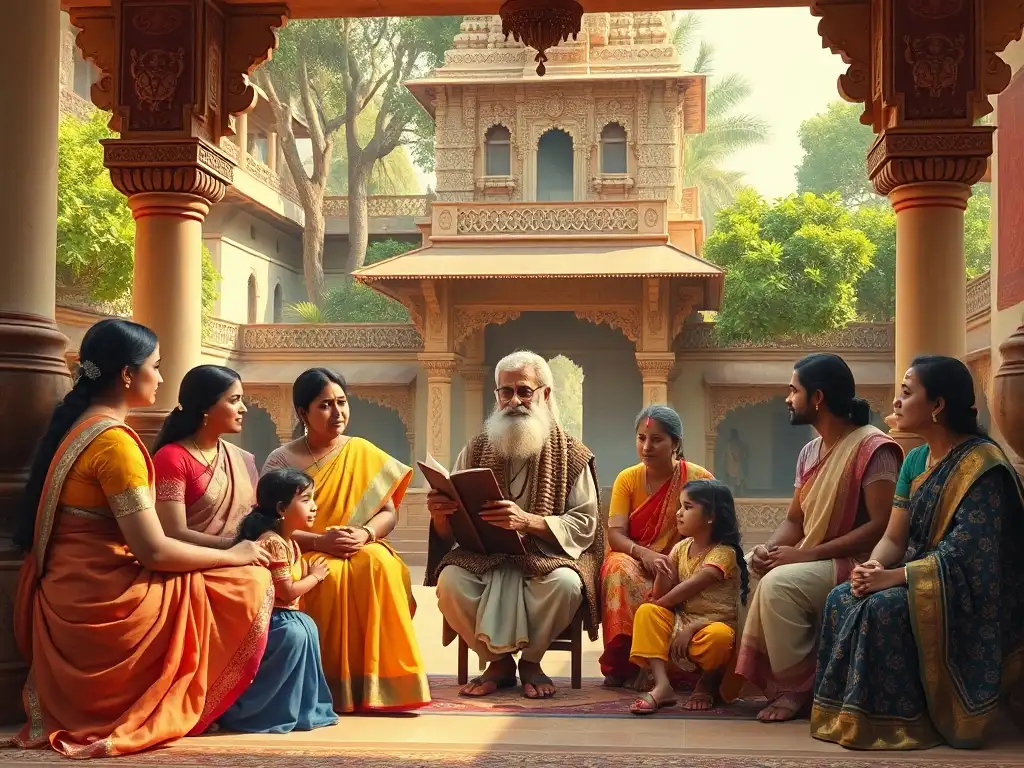
Continuity and Changes in Inheritance Laws from Ancient to Modern India
The property inheritance practices in ancient India laid a foundational framework that continues to influence modern legal systems. Ancient Indian property inheritance practices were characterized by a mix of customs, religious laws, and local traditions, which varied significantly across different regions and communities. These practices primarily revolved around the concept of joint families and the division of property among heirs.
Key Aspects of Ancient Practices:
- Joint Family System: In ancient India, the joint family was the nucleus of social and economic life. Property was typically owned collectively, and decisions regarding inheritance were made collectively, ensuring that family assets remained within the family unit.
- Gender Norms: Historically, women had limited rights to inheritance. Under the Manusmriti, a key legal text, daughters were often excluded from property rights unless there were no male heirs. This created a patriarchal structure that influenced inheritance laws for centuries.
- Religious Influences: The Vedic texts and later religious scriptures shaped the inheritance customs, emphasizing familial obligations and duties. For instance, Hindu law traditionally emphasized the role of sons in maintaining the family lineage, which in turn affected property distribution.
As India transitioned into modernity, especially during the colonial period, significant changes were made to these ancient practices. The British colonial administration introduced codified laws that aimed to standardize inheritance practices, leading to a more egalitarian approach.
| Aspect | Ancient Practices | Modern Practices |
|---|---|---|
| Family Structure | Joint family system | Nuclear family system |
| Gender Rights | Limited rights for women | Equal rights for women under laws like the Hindu Succession Act (1956) |
| Legal Codification | Customary laws without formal codification | Codified laws governing property rights |
Influence of Ancient Practices on Contemporary Legal Systems
The influence of ancient Indian property inheritance practices on contemporary legal systems is profound and multifaceted. While significant reforms have been introduced, the legacy of ancient customs still permeates various aspects of modern inheritance laws.
Continuing Influences:
- Cultural Context: The emphasis on family unity and collective ownership remains prominent in many communities. Even today, many families prefer to keep property within the family, reflecting the ancient practice of joint ownership.
- Legal Framework: Despite the introduction of modern laws, certain principles from ancient customs continue to exist. For example, the Hindu Succession Act of 1956, while progressive in granting daughters equal rights, still reflects some of the traditional notions regarding family property and lineage.
- Judicial Interpretations: Courts in India often reference ancient texts and customs while interpreting property disputes. This indicates a continued recognition of the historical context in which contemporary laws operate.
While the ancient Indian property inheritance practices have evolved significantly, their impact on modern laws is undeniable. The transition from customary to codified laws illustrates a dynamic interplay between tradition and modernity, reflecting the rich tapestry of India's legal heritage.
Conclusion
Summary of Cultural Practices Surrounding Property Inheritance in Ancient India
The cultural practices surrounding property inheritance in ancient India were deeply intertwined with the social, religious, and economic structures of the time. Various texts, including the Dharmashastras, outlined the principles of inheritance, emphasizing the importance of familial ties and the continuity of lineage. Here are some key points regarding these practices:
- Patrilineal System: The predominant system of inheritance was patrilineal, where property was passed down through the male line. Sons were typically favored as heirs, while daughters received a lesser share or were often excluded from inheritance altogether. This system reflected the societal norms of male authority in family structures.
- Role of Women: Despite the prevailing patrilineal norms, women played significant roles in property management. In certain texts, women were entitled to inherit property, particularly in the absence of male heirs. For instance, the Mitakshara and Dayabhaga texts acknowledged women's rights to property, granting them a share, especially upon the death of their parents.
- Gift and Will Practices: Property could also be transferred through gifts or wills, which were recognized by law. The act of gifting property during one's lifetime was seen as a means to ensure the well-being of family members. This practice reflected the importance of personal agency in property distribution.
- Caste and Regional Variations: Inheritance practices varied significantly across different regions and among various castes. For instance, among certain tribal communities, matrilineal inheritance was practiced, where property descended through the female line. This diversity highlights the complexity of ancient Indian inheritance systems.
Reflections on the Legacy of Ancient Indian Property Inheritance Practices
The legacy of ancient Indian property inheritance practices continues to influence contemporary legal frameworks and societal norms in India. The historical context of these practices provides insights into the evolution of property rights and gender roles in modern society.
- Legal Reforms: The recognition of women's rights to inherit property has been a significant aspect of legal reforms in India. The Hindu Succession Act of 1956 was a landmark legislation that aimed to rectify the historical biases against women in property inheritance, granting them equal rights alongside their male counterparts.
- Cultural Shifts: There has been a gradual shift in societal attitudes towards property inheritance. Increasing awareness and advocacy for gender equality have prompted many families to reconsider traditional practices, leading to more equitable distributions of property among heirs.
- Continued Relevance: The principles established in ancient texts still resonate today, as they provide a philosophical foundation for understanding property rights and inheritance in a modern context. The debates surrounding inheritance laws continue to reflect the ongoing negotiation between tradition and modernity.
The cultural practices surrounding property inheritance in ancient India not only shaped the societal framework of the time but also left a lasting impact on contemporary inheritance laws and gender dynamics. The evolution of these practices underscores the importance of historical context in understanding current legal and social systems.
Frequently Asked Questions
What were the primary property inheritance practices in ancient India?
In ancient India, property inheritance was often governed by customary laws and religious texts, with practices varying between different communities and regions.
How did gender roles affect property inheritance in ancient India?
Gender roles significantly influenced property inheritance, with patrilineal systems predominantly favoring male heirs, while some communities allowed inheritance rights for women under specific circumstances.
What role did the caste system play in property inheritance?
The caste system shaped property inheritance practices, often determining who could inherit property and under what terms, thereby reinforcing social hierarchies.
Were there any legal texts that guided property inheritance in ancient India?
Yes, texts like the Manusmriti and Yajnavalkya Smriti provided guidelines on property inheritance, detailing rules and norms that governed these practices.
How did property inheritance practices evolve during the Gupta Empire?
During the Gupta Empire, property inheritance practices became more codified, reflecting a shift towards legal frameworks that allowed for more equitable distribution among heirs, including women in some cases.
Final Reflection: The Enduring Legacy of Ancient Indian Property Inheritance Practices
The cultural practices surrounding property inheritance in ancient India remain profoundly relevant today, as they shape our understanding of familial bonds and societal structures. In a world where the dynamics of wealth distribution and inheritance continue to evolve, reflecting on these ancient practices offers invaluable insights into how they have influenced contemporary norms and legal frameworks. The principles established in ancient India not only governed material wealth but also reinforced social hierarchies and familial responsibilities, highlighting the intricate relationship between culture and property.
The impact of these inheritance practices can be seen in the ongoing discussions about gender equality and property rights in modern India. As we navigate the complexities of inheritance laws today, it is essential to recognize the historical context that has shaped them. The echoes of ancient practices resonate in contemporary debates, reminding us that the fight for equitable inheritance is not merely a legal issue but a cultural one as well. Tradition is not the worship of ashes, but the preservation of fire.
This quote encapsulates the idea that while we honor our past, we must also ignite change for a more just future.
As you reflect on the lessons from ancient Indian property inheritance practices, consider how these insights can inspire you to advocate for fairness and equality in your own community. Take a moment to examine your beliefs about property, inheritance, and familial ties, and think about how you can contribute to a legacy that promotes inclusivity and justice. By engaging with these historical narratives, we can forge a path toward a more equitable society, ensuring that the lessons of the past illuminate the way forward.
Uncover the Legacy: Take Action on Cultural Inheritance!
Thank you for diving into the intriguing world of property inheritance in ancient India! We hope you’ve gained valuable insights into the cultural practices that shaped familial structures and heritage. Now is the perfect moment to deepen your understanding and engage with this fascinating topic.
Here are some steps you can take to continue your journey:
- Explore further: Read more about the various regional practices and their implications on modern inheritance laws. Check out related articles for a broader perspective!
- Join the conversation: Share your thoughts on the importance of cultural inheritance in today’s society. Comment below or discuss with friends and family to keep the dialogue alive.
- Participate in a local history group: Seek out or create a community that explores historical practices and their modern relevance. You might even discover unique insights from others.
As you reflect on these practices, consider this: How do you think the cultural values surrounding property inheritance in ancient India continue to influence current family dynamics and legal frameworks today? We’d love to hear your thoughts!