
The Historical Significance of Trials in Ancient India: A Cultural Insight

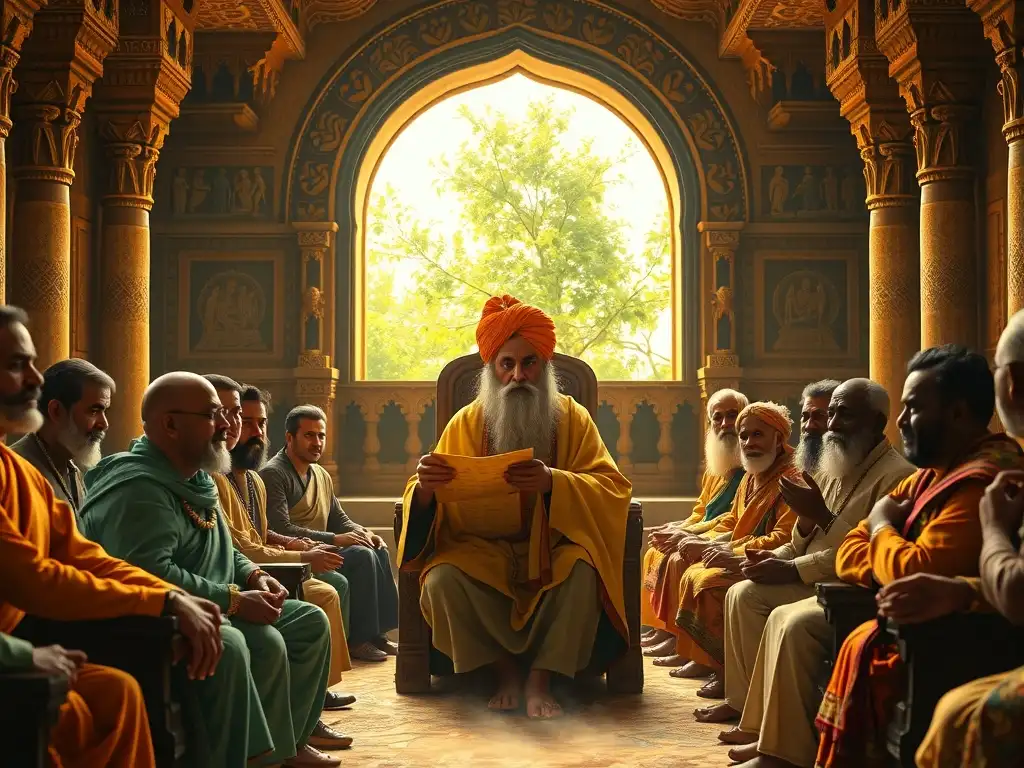
Welcome to Ancient India History, where we embark on a journey through the rich tapestry of India's past. In this exploration, we delve into the trials in ancient India, uncovering the intricate legal systems and law codes that shaped a civilization renowned for its depth and diversity. What did justice look like in a time when morality and legality intertwined? Join us as we unravel the historical significance of these trials and their lasting impact on culture and society. Prepare to be intrigued and inspired as you discover the stories that have laid the foundation for modern legal thought!
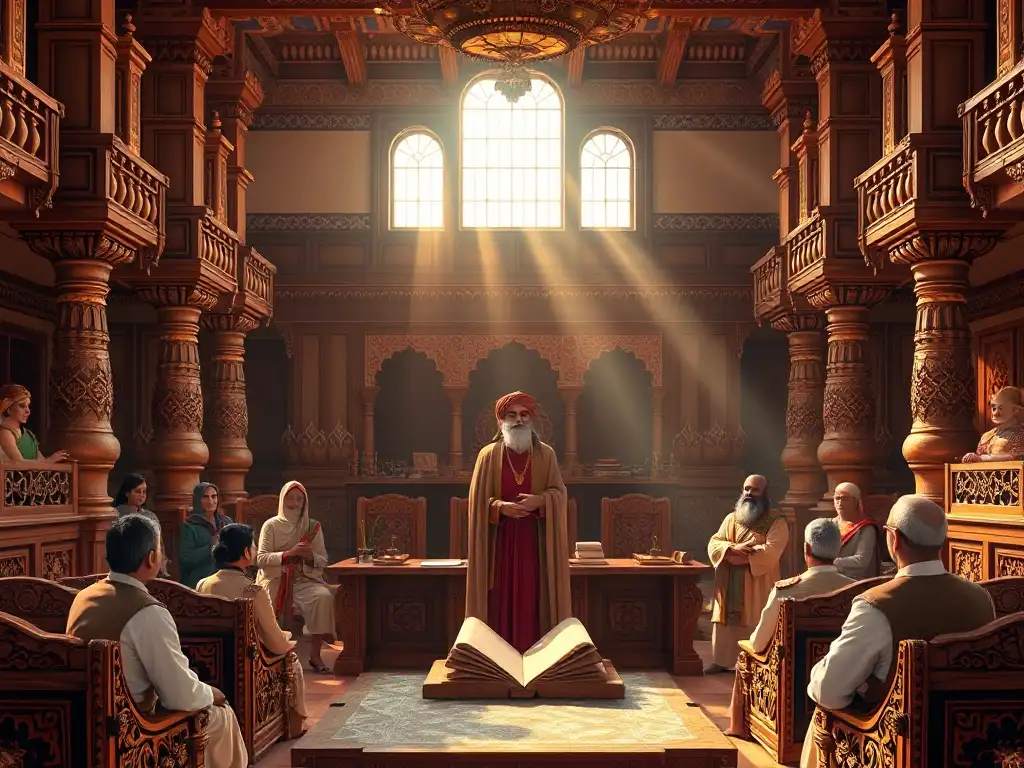
Introduction to Trials in Ancient India
The concept of trials in ancient India is a profound reflection of the legal, social, and cultural frameworks that defined its civilizations. From the sophisticated urban centers of the Indus Valley to the philosophical richness of the Gupta Empire, ancient Indian societies developed intricate judicial practices that governed their interactions and upheld societal norms.
This article delves into the historical significance of trials in ancient India, exploring how these processes not only resolved disputes but also shaped the moral and ethical fabric of the community. Understanding these trials provides insight into the broader legal systems and law codes that emerged from ancient Indian traditions, laying the groundwork for contemporary legal practices.
Overview of Judicial Practices in Ancient India
Judicial practices in ancient India were deeply rooted in the religious and philosophical beliefs of the time. The ancient texts, such as the Manusmriti and Arthashastra, provide a glimpse into the principles guiding legal proceedings. Courts were not merely venues for justice; they were integral to maintaining social order and were often presided over by learned Brahmins or local leaders who possessed a deep understanding of law and ethics.
- Types of Trials: Trials varied widely, encompassing:
- Civil Trials: Addressing disputes between individuals over property, contracts, and family matters.
- Criminal Trials: Dealing with offenses against the state or individuals, where punishments could be severe.
- Religious Trials: Often intertwined with moral questions, reflecting the spiritual dimensions of justice.
The judicial system was characterized by a combination of oral traditions and written codes, where evidence was presented, and testimonies were taken to ascertain the truth.
Importance of Trials in Ancient Indian Society
Trials played a pivotal role in ancient Indian society, serving not only as a means of conflict resolution but also as an instrument of social control and moral guidance. They were essential in:
- Maintaining Social Order: By addressing grievances and ensuring accountability, trials fostered a sense of justice and deterrence against wrongdoing.
- Cultural Reflection: The outcomes of trials often mirrored the societal values and norms, reinforcing the collective conscience of the community.
- Empowerment of Individuals: Trials provided a platform for individuals, regardless of their status, to voice their grievances and seek redress, thereby promoting a sense of agency within the populace.
The Evolution of Trials in Ancient Indian Civilization
As ancient Indian civilization progressed, so too did its judicial practices. The evolution of trials can be traced through various historical contexts, adapting to the changing sociopolitical landscapes and philosophical advancements.
Historical Context of Trials and Legal Systems
The emergence of trials in ancient India cannot be divorced from the historical context in which they developed. Various dynasties and empires, such as the Mauryan and Gupta, contributed to the refinement of legal systems.
- Influential Dynasties:
- Mauryan Empire: Established a centralized judicial structure with a focus on Dharma (moral law).
- Gupta Empire: Known for its advancements in arts and sciences, also saw the codification of laws that influenced trial procedures.
This historical backdrop laid the foundation for more structured legal practices and the establishment of courts, which became centers of justice and governance.
Key Ancient Texts on Judicial Practices
Several ancient texts are crucial to understanding the judicial practices of ancient India, as they encapsulate the legal philosophy and codes of conduct of the time.
- Manusmriti: This seminal text outlines the duties of individuals and the legal responsibilities of the rulers, emphasizing the importance of Dharma in judicial matters.
- Arthashastra: Authored by Kautilya, this treatise provides detailed insights into statecraft, including legal strategies and the administration of justice.
These texts not only served as legal manuals but also reflected the cultural ethos that governed trials, embodying the interplay between law, morality, and society in ancient India. The examination of these texts reveals the depth and complexity of judicial practices that have significantly influenced modern legal systems.
Types of Trials in Ancient India
Ancient India had a complex and diverse legal system that catered to various societal needs, reflecting the intricate social fabric of its time. Trials were categorized primarily into civil, criminal, and special trials, each with its own distinct structures, procedures, and cultural significance. Understanding these types is crucial to grasp the broader implications of judicial practices in ancient Indian civilizations.
Civil Trials: Structure and Procedures
Civil trials in ancient India primarily dealt with disputes between individuals or entities regarding rights, obligations, and property. The structure of these trials was often formalized, with a clear set of procedures laid out in legal texts such as the Manusmriti and other Dharmashastras.
- Initiation of a Civil Case: A civil case typically began when a party, known as the plaintiff, approached the local court or assembly (panchayat) to resolve a dispute. The plaintiff would present their case, often accompanied by witnesses and evidence.
- Role of the Panchayat: The panchayat, a council of elders or respected members of the community, played a crucial role in mediating civil disputes. Their authority stemmed from tradition and local customs, which often favored reconciliation over litigation.
- Procedural Steps: The procedures included the examination of evidence, witness testimonies, and the final judgment delivered by the panchayat. In some cases, written documentation was required, while in others, oral arguments were sufficient.
- Appeals and Enforcement: If a party was dissatisfied with the outcome, they could appeal to a higher court or authority. Enforcement of the judgment relied heavily on societal norms and the community's willingness to uphold the decision.
Criminal Trials: Methods and Consequences
Criminal trials in ancient India were critical in maintaining social order and addressing offenses against individuals and the state. The methods employed in these trials varied significantly based on the nature of the crime and local customs.
- Accusation and Investigation: A criminal trial would commence with an accusation, often reported to local authorities or the king's representatives. Investigative processes could involve gathering evidence, questioning witnesses, and, in some cases, utilizing torture to extract confessions.
- Trial Proceedings: The proceedings were conducted before a judge, who was responsible for ensuring fairness and adherence to legal norms. In some instances, trials were public events, allowing community members to witness the process.
- Punishments and Consequences: The outcomes of criminal trials could range from fines and restitution to severe penalties like imprisonment or even capital punishment. The severity of the punishment often reflected the crime's gravity and the accused's social status.
- Influence of Dharma: The concept of Dharma, or moral duty, permeated criminal trials, influencing both the procedures and the judgments. Judges were expected to align their decisions with Dharma, ensuring justice not only for the individual but also for society at large.
Special Trials: Cases of Royal and Religious Significance
Special trials in ancient India addressed cases with significant royal or religious implications, often involving high-ranking officials, royalty, or matters pertaining to religious law. These trials were distinct in their procedures and the weight of their consequences.
- Royal Trials: When a member of royalty was accused of a crime, the trial was typically conducted with heightened scrutiny. The king or an appointed high official would oversee these proceedings to ensure that the royal family's integrity remained intact.
- Religious Trials: Cases involving religious figures or matters of faith were often tried in ecclesiastical courts. The outcomes could have profound implications for religious communities and societal norms.
- Public Interest: Special trials frequently attracted public interest, with community members gathering to witness the proceedings. The outcomes were often seen as reflections of divine justice or royal authority, reinforcing the cultural values of the time.
- Legal Texts and Precedents: Historical texts provided guidelines for handling these special cases, emphasizing the importance of fairness, thorough investigation, and adherence to established precedents.
The Role of Judges and Legal Professionals in Ancient India
Judges and legal professionals were integral to the judicial system in ancient India, serving as the arbiters of justice and facilitators of legal proceedings. Their roles encompassed a wide range of responsibilities, and their qualifications were crucial for effective governance.
Qualifications and Responsibilities of Judges
Judges in ancient India were expected to possess a deep understanding of legal texts, moral principles, and the customs of the community. Their qualifications often included:
- Knowledge of Dharmashastras: Judges were typically well-versed in the Dharmashastras, which provided the legal framework for adjudication. This knowledge was essential for interpreting laws and applying them to specific cases.
- Moral Integrity: Personal integrity and moral character were paramount for judges. They were expected to be impartial, wise, and capable of making decisions that aligned with Dharma, thereby earning the community's trust.
- Experience: Many judges gained experience through years of practice in lower courts before ascending to higher positions. This experience was vital in developing their judgment and handling complex cases.
- Community Respect: Judges often held a respected position within the community, which facilitated their role in mediating disputes and ensuring compliance with legal rulings.
The Function of Legal Practitioners in Trials
Legal practitioners, including advocates and advisors, played a significant role in the trials of ancient India, aiding both plaintiffs and defendants in navigating the legal system.
- Representation: Legal practitioners represented parties in trials, presenting evidence, arguing cases, and advocating for their clients' interests. Their expertise was crucial for effective legal representation.
- Advisory Role: In addition to representation, legal professionals often served as advisors, guiding clients through the intricacies of the legal process and helping them understand their rights and obligations.
- Drafting and Documentation: Legal practitioners were responsible for drafting legal documents, including petitions, contracts, and appeals, ensuring that all necessary paperwork was in order for the trial.
- Mediation and Settlement: Many legal practitioners facilitated mediation between parties, striving to reach settlements outside of formal trials. This approach not only saved time and resources but also maintained community harmony.
Through these roles, judges and legal practitioners contributed significantly to the development and functioning of the legal system in ancient India, reflecting the civilization's commitment to justice and social order.
Cultural Implications of Trials in Ancient Indian Society
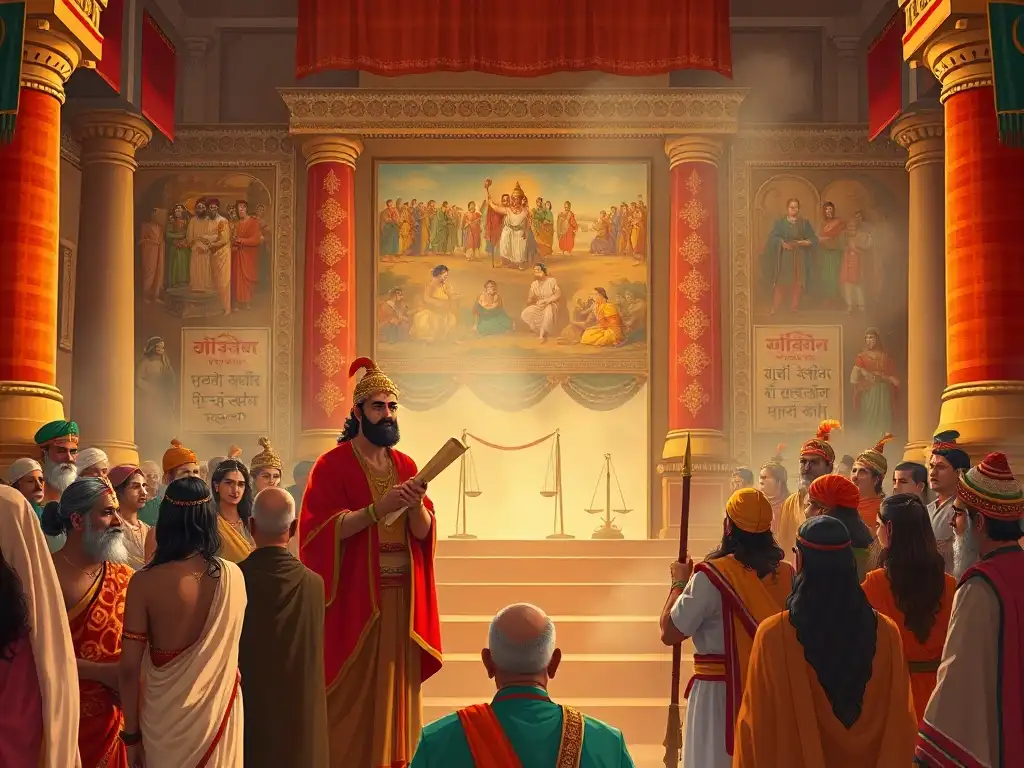
Trials in ancient India served not only as a mechanism for justice but also as a reflection of the intricate social fabric and cultural values of the time. The judicial practices were deeply intertwined with various aspects of life, including religion, morality, and community welfare. These trials were often conducted in public settings, emphasizing transparency and communal involvement, which reinforced the collective social consciousness regarding right and wrong.
The significance of trials extended beyond mere legal outcomes; they were platforms for societal discourse. They provided opportunities for the community to engage in moral deliberation, reinforcing shared values and expectations. The outcomes of trials frequently influenced societal norms, as they set precedents for acceptable behavior and the consequences of transgressions. This interplay between justice and culture highlighted the importance of collective responsibility in maintaining social order.
Trials as a Reflection of Social Norms and Values
The trials in ancient India were a mirror reflecting the prevailing social norms and values. They often embodied the principles found in religious texts, such as the Manusmriti, which outlined various aspects of Dharma (moral law) and justice. For instance, the roles of judges, witnesses, and the accused were heavily influenced by caste, gender, and social standing, showcasing how societal hierarchy permeated judicial processes.
Moreover, certain trials were governed by specific customs and traditions unique to different regions and communities. These localized practices underscored the diversity of legal thought in ancient India, allowing for a variety of interpretations of justice based on cultural context. The emphasis on restorative justice in many trials highlighted communal harmony over punitive measures, illustrating a societal value placed on reconciliation rather than mere retribution.
The Impact of Trials on Community Justice
Trials played a crucial role in fostering community justice in ancient Indian society. They were not merely transactional processes but communal events that involved various stakeholders, including family members, village elders, and sometimes even spiritual leaders. This collective approach ensured that the community had a say in the justice process, reinforcing social bonds and a sense of shared responsibility.
The outcomes of these trials often had profound implications for community dynamics. A favorable judgment could restore an individual’s honor and strengthen communal ties, while an unfavorable one could lead to ostracism or social upheaval. This interconnectedness emphasized the importance of maintaining social harmony and the consequences of legal decisions on the wider community, thus making trials a pivotal aspect of ancient Indian social structure.
Comparisons with Contemporary Judicial Practices
The judicial practices of ancient India offer a fascinating lens through which to view the evolution of legal systems. While many modern judicial systems have diverged significantly, certain elements remain reminiscent of those ancient practices. Understanding these similarities and differences sheds light on how societal values and contexts shape legal frameworks across time.
Similarities Between Ancient and Modern Trials
Both ancient and modern trials share the fundamental goal of seeking justice, albeit through vastly different means. Key similarities include the presence of a neutral arbiter, the necessity for evidence presentation, and the right to a defense, which can be traced back to ancient judicial practices.
Additionally, the influence of community sentiment plays a role in both contexts. In modern trials, public opinion can shape perceptions of justice and influence legal outcomes, similar to how communal involvement in ancient trials ensured that justice was not only served but was also seen to be fair by the society.
Differences in Legal Procedures and Cultural Contexts
Despite these similarities, there are stark differences in legal procedures and cultural contexts between ancient and contemporary trials. Ancient Indian trials often relied heavily on oral traditions, with witnesses recounting events in front of community members, while modern systems utilize written laws, formalized procedures, and legal representation.
Furthermore, the cultural context of ancient trials was deeply rooted in religious beliefs and societal norms, which dictated not only the process but also the types of cases brought to trial. In contrast, contemporary judicial practices tend to emphasize individual rights and formal equality, often devoid of the communal and moral dimensions that characterized ancient trials. This shift reflects broader changes in societal values, moving from communal responsibility to individual accountability in legal matters.
Conclusion: The Legacy of Trials in Ancient India
The trials in ancient India have left an indelible mark on the legal landscape of the nation and beyond. These judicial practices were not merely mechanisms for dispute resolution; they were deeply embedded in the cultural and social fabric of the time. The principles of justice that emerged from ancient Indian trials, including fairness, transparency, and the right to a fair hearing, continue to resonate in contemporary legal frameworks.
The historical context of these trials reflects a society that valued ethical conduct and moral accountability. The diverse systems of justice, from the localized village panchayats to the more formalized courts during empires like the Maurya and Gupta, illustrate a sophisticated understanding of law and governance. The records of these trials, as seen in texts such as the Manusmriti and Arthashastra, reveal a commitment to the rule of law that transcends time, influencing not just the Indian subcontinent but also adjacent cultures and legal systems.
Lasting Influence on Modern Legal Systems
The influence of trials in ancient India is palpable in many modern legal systems, particularly in South Asia. Key concepts such as the presumption of innocence, the importance of evidence, and the role of witnesses have roots in ancient judicial practices. For instance, the panchayat system, a form of village council, continues to exist in various forms today, providing a platform for community-based dispute resolution that emphasizes local customs and traditions.
Moreover, the ancient texts that outlined legal codes and procedures have been referenced in the development of contemporary legal principles. The integration of customary laws with formal legal structures showcases a blend of ancient wisdom with modern legal practices, ensuring that the ethical dimensions of justice remain relevant. Many legal scholars and practitioners today refer to ancient Indian jurisprudence to understand the evolution of legal thought and its application in current justice systems.
The Cultural Significance of Judicial Practices in Today's Society
Judicial practices from ancient India continue to hold cultural significance today, influencing societal norms and values surrounding justice. The emphasis on mediation and reconciliation in ancient trials reflects a cultural inclination towards harmony and community cohesion, which is still relevant in modern dispute resolution methods. This cultural legacy encourages individuals to seek amicable solutions rather than solely relying on adversarial legal proceedings.
Additionally, the stories and outcomes of ancient trials are woven into the fabric of Indian literature and folklore, serving as moral lessons that resonate with contemporary audiences. They foster a sense of historical continuity and cultural identity, reminding people of the importance of justice and ethical behavior. As society grapples with modern legal challenges, the foundational ideals established through ancient trials provide a guiding framework for navigating complex ethical dilemmas and societal conflicts.
The legacy of trials in ancient India is a testament to the enduring nature of justice and its cultural significance, shaping not only the legal systems of today but also the values and beliefs that define society.
- Introduction to Trials in Ancient India
- The Evolution of Trials in Ancient Indian Civilization
- Types of Trials in Ancient India
- The Role of Judges and Legal Professionals in Ancient India
- Cultural Implications of Trials in Ancient Indian Society
- Comparisons with Contemporary Judicial Practices
- Conclusion: The Legacy of Trials in Ancient India
Frequently Asked Questions
What were the trials in ancient India primarily focused on?
The trials in ancient India often centered around issues such as property disputes, criminal accusations, and matters of personal conduct. These trials aimed to uphold social order and justice within diverse communities.
How were trials conducted in ancient Indian civilizations?
Trials in ancient India were typically overseen by a panchayat or council of elders. They utilized both oral evidence and witness testimonies to make fair decisions, reflecting the community's values and customs.
What role did religion play in these trials?
Religion played a significant role in ancient Indian trials, as many legal practices were influenced by scriptures and religious texts. Judges often considered moral and ethical principles derived from these texts when reaching verdicts.
Were there any punishments associated with the trials?
Yes, the punishments resulting from trials in ancient India varied widely, ranging from fines and restitution to more severe penalties like exile or corporal punishment. The severity often depended on the nature of the crime and the social status of the individuals involved.
How did the trial system evolve over time in ancient India?
The trial system in ancient India evolved significantly, influenced by various dynasties and cultural exchanges. Over time, it incorporated more formalized legal codes and procedures, particularly during the Gupta Empire, reflecting a move towards a more structured legal framework.
Final Reflection: The Enduring Legacy of Trials in Ancient India
The trials in ancient India serve as a profound testament to the evolution of justice and societal norms, illustrating how legal frameworks shaped cultural identity. In today's world, where justice systems are continuously scrutinized and reformed, the historical significance of these trials reminds us of the foundational principles that govern our societies. The intricate balance between law and morality established in ancient times resonates with contemporary debates on justice, equity, and human rights, urging us to reflect on how far we have come and how far we still need to go.
The impact of trials in ancient India extends beyond mere historical curiosity; they have woven themselves into the very fabric of our cultural and social landscape. These trials not only provided a mechanism for conflict resolution but also reflected the values and beliefs of their time. As we navigate our modern legal systems, we can draw inspiration from the past. Justice delayed is justice denied,
a sentiment echoed through ages, reminds us that the pursuit of justice is a timeless endeavor, one that requires vigilance and commitment from each generation.
As we conclude this exploration of trials in ancient India, I invite you to reflect on the lessons learned from our ancestors. Consider how the principles of fairness, accountability, and community engagement can be applied in your own life. Whether advocating for justice in your community or simply striving to embody these values in your daily interactions, remember that the legacy of ancient trials is not just a historical account; it is a call to action for us all to contribute to a more just and equitable society.
Unveil the Legacy of Ancient Indian Trials!
Thank you for diving into the profound history of trials in ancient India with us! Your curiosity about this cultural cornerstone highlights your commitment to understanding our past. Now, let’s take that knowledge a step further!
Here’s how you can deepen your connection with this fascinating history:
- Dive Deeper: Explore additional resources on the legal systems of ancient cultures to see how they compare to today's practices.
- Share Your Thoughts: Join our community discussion and share what aspect of ancient trials resonated with you the most or any questions you might have.
- Engage Creatively: Illustrate an ancient trial based on your understanding and share it on social media using #AncientIndiaHistory.
What aspect of historical trials in ancient India do you find most intriguing, and how do you think it influences modern justice systems?