
The Great Drainage Systems of the Indus Valley: Pioneering Urban Infrastructure

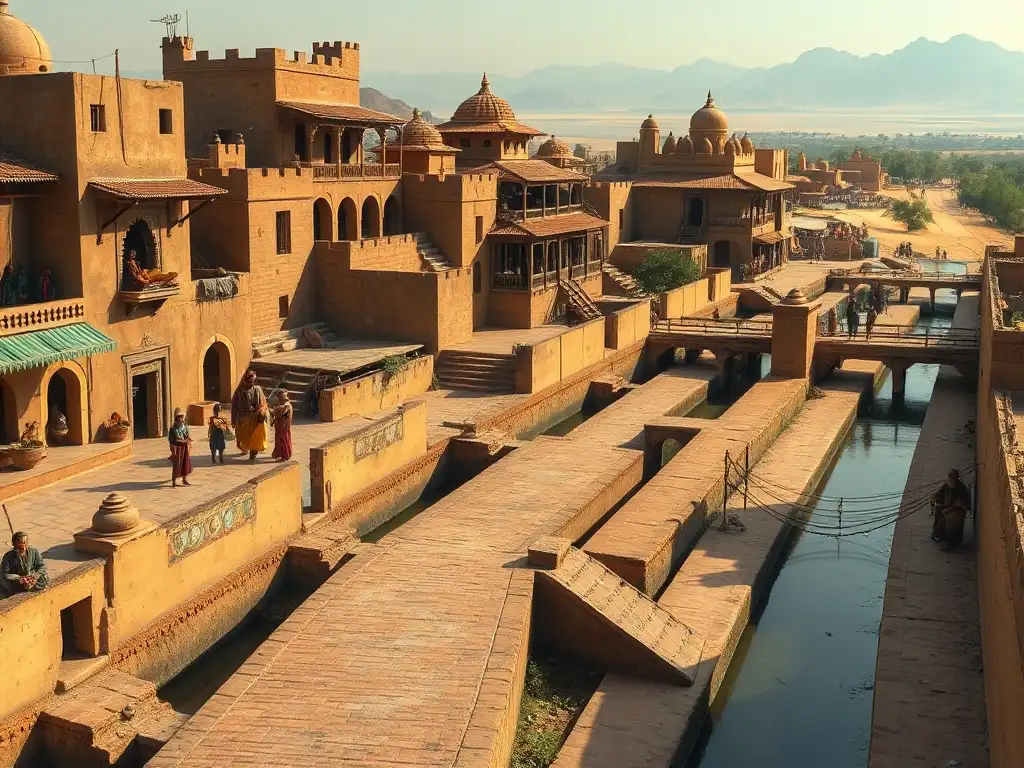
Welcome to Ancient India History, where we embark on a captivating journey through the rich tapestry of ancient Indian civilizations. Today, we delve into a remarkable aspect of urban ingenuity with our feature article on the Indus Valley drainage systems history. Discover how these pioneering infrastructural marvels not only reflect the ingenuity of the Indus Valley inhabitants but also set a precedent for urban planning that resonates through the ages.
As you explore, prepare to be intrigued by the complexities and innovations that shaped one of the world's earliest urban societies. Join us in uncovering the secrets of the past and the legacy that continues to influence modern civilization!
Introduction to Indus Valley Civilization
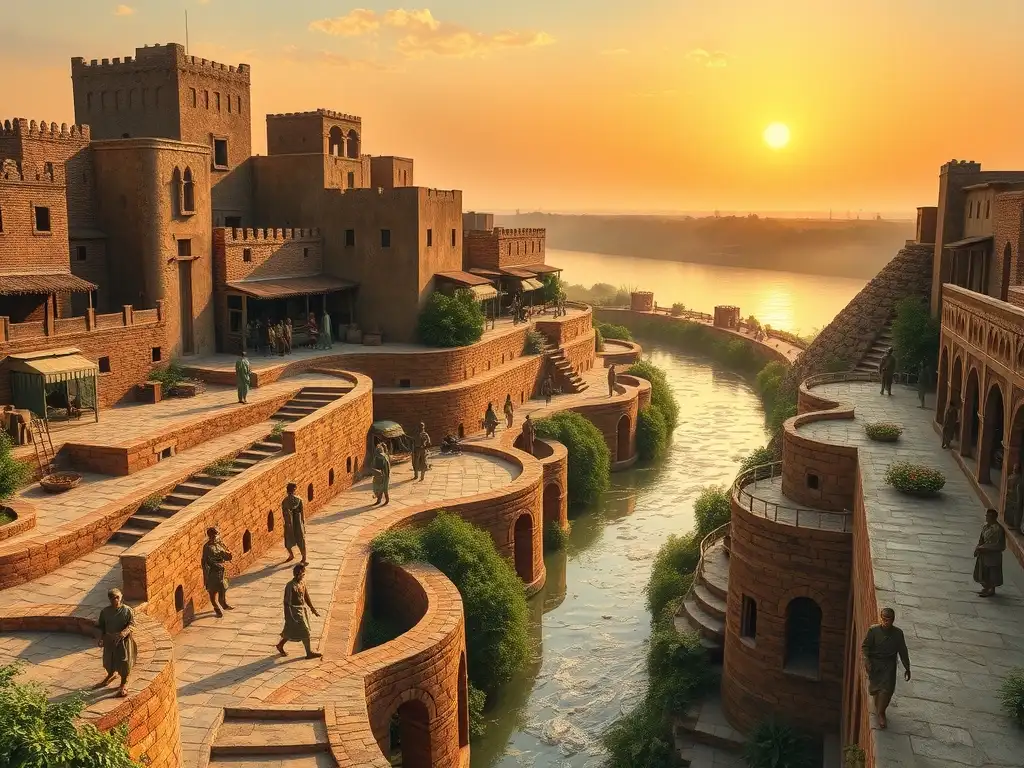
The Indus Valley Civilization (IVC), flourishing around 2500 BCE, is renowned for its advanced urban planning and engineering marvels. One of the most striking features of this ancient civilization is its sophisticated drainage systems, which set a precedent for urban infrastructure in the ancient world. The Indus Valley drainage systems history reflects not only the architectural ingenuity of its people but also their understanding of hygiene and public health. In this article, we will explore these remarkable drainage systems, examining their significance within the broader context of the IVC and their lasting impact on subsequent urban development.
Overview of the Indus Valley Civilization
The Indus Valley Civilization, primarily located in present-day Pakistan and northwest India, is celebrated as one of the earliest urban cultures in human history. Key cities like Harappa and Mohenjo-Daro were characterized by meticulously planned layouts, featuring grid-like streets and standardized baked bricks. The civilization thrived on agriculture, trade, and craft production, showcasing an impressive level of organization and social structure.
- Key Features:
- Urban Planning: Grid patterns and organized street systems.
- Architecture: Use of fired bricks and sophisticated building techniques.
- Economy: Based on agriculture, trade, and craftsmanship.
The emergence of these cities marked a significant leap in human civilization, highlighting the complex social, economic, and political dynamics that governed life in the Indus Valley.
Importance of Urban Infrastructure in Ancient India
Urban infrastructure was crucial not only for the functionality of cities but also for the overall health and well-being of their inhabitants. In ancient India, effective infrastructure systems facilitated trade, communication, and governance.
- Key Aspects:
- Public Health: Efficient drainage systems reduced the risk of waterborne diseases.
- Economic Growth: Well-planned cities attracted trade and commerce.
- Social Order: Infrastructure supported the administration and control of urban populations.
By prioritizing urban infrastructure, the Indus Valley Civilization laid the foundational principles for future city planning in India and beyond, influencing civilizations for centuries to come.
Historical Context of Indus Valley Drainage Systems
The drainage systems of the Indus Valley Civilization represent a remarkable feat of engineering, showcasing their advanced understanding of hydraulics and urban planning. These systems were not merely functional; they were a testament to the civilization's commitment to sustainability and public health.
Evolution of Urban Planning in the Indus Valley
The evolution of urban planning in the Indus Valley can be traced through various archaeological findings. Early settlements gradually transformed into complex urban centers, characterized by sophisticated drainage solutions.
- Key Developments:
- Early Settlements: Simple drainage channels evolved into extensive networks.
- Centralized Planning: Municipal authorities likely oversaw the construction and maintenance of these systems.
- Innovative Techniques: Use of sloped streets and covered drains to manage stormwater.
The drainage systems were an integral part of the urban layout, ensuring that waste and rainwater were efficiently channeled away from living areas, thus promoting a healthier environment.
Key Archaeological Sites Featuring Drainage Systems
Several archaeological sites have revealed the intricate drainage systems that once operated in the Indus Valley. Notable locations include:
| Site | Features |
|---|---|
| Harappa | Complex drainage networks with brick-lined channels. |
| Mohenjo-Daro | Elaborate public baths and covered drains. |
| Dholavira | Advanced water conservation techniques. |
These sites not only illustrate the ingenuity of the Indus Valley engineers but also serve as vital evidence of the civilization's approach to urban life, highlighting their commitment to creating sustainable and hygienic living conditions.
Through the exploration of these drainage systems, we gain valuable insights into the daily lives and priorities of the people who once inhabited this remarkable civilization, emphasizing their pioneering contributions to urban infrastructure.
Key Features of Indus Valley Drainage Systems
The drainage systems of the Indus Valley Civilization are recognized as one of the most advanced urban infrastructures of the ancient world. The key features of these systems reveal a sophisticated understanding of urban planning and engineering.
- Comprehensive Network: The drainage systems comprised an extensive network of covered and uncovered drains. These drains were strategically placed in residential and commercial areas to manage wastewater effectively.
- Gradient Design: The drains were built with a slight gradient, allowing for the efficient flow of water. This design ensured that waste and rainwater could easily be directed away from homes and public spaces.
- Access Points: Manholes and inspection chambers were incorporated into the drainage design. These access points allowed for maintenance and cleaning, highlighting the foresight of the engineers in ensuring the longevity of the system.
- Connection to Larger Drains: Smaller household drains connected to larger main drains, which ultimately led to the rivers or outside the city limits. This centralization of waste disposal minimized contamination risks within urban areas.
- Use of Standardized Dimensions: Drains were typically constructed with uniform dimensions, which facilitated smoother flow and easier construction. This standardization indicates a high level of planning and organization within the civilization.
Layout and Design of Drainage Infrastructure
The layout and design of the drainage infrastructure in the Indus Valley Civilization were characterized by meticulous planning and an understanding of hydrology. Cities like Mohenjo-Daro and Harappa showcased a grid-like layout, which allowed for organized drainage systems that were integrated into the urban framework.
- Grid Pattern: Streets were laid out in a grid pattern, with drains running parallel or perpendicular to them. This systematic approach ensured that all parts of the city had access to drainage, illustrating an advanced urban planning strategy.
- Elevated Streets: Many streets were elevated above the level of the drainage systems. This elevation prevented flooding during the monsoon season and ensured that runoff could be effectively channeled into the drains.
- Integration with Building Designs: Residential structures were designed with drainage considerations in mind, featuring sloped roofs that directed rainwater into the drainage system. This integration of drainage into architectural design reflects the sophisticated understanding of both urban and architectural planning.
Materials and Engineering Techniques Used in Construction
The construction of the drainage systems in the Indus Valley utilized various materials and innovative engineering techniques, showcasing the advanced technological capabilities of the civilization.
- Burnt Brick and Stone: The primary materials used in constructing drains were kiln-fired bricks and stone, which provided durability and resistance to weathering. These materials were essential for maintaining the integrity of the drainage systems over time.
- Mortar and Sealants: Engineers employed mortar made from lime and clay to bind bricks and seal joints, preventing leaks and ensuring that water flowed through the system without infiltration.
- Innovative Slope Design: The precise engineering involved in creating the correct slope for drains demonstrated an understanding of fluid mechanics. This careful attention to detail ensured that the drainage systems functioned effectively.
Functionality of the Drainage Systems in Ancient Cities
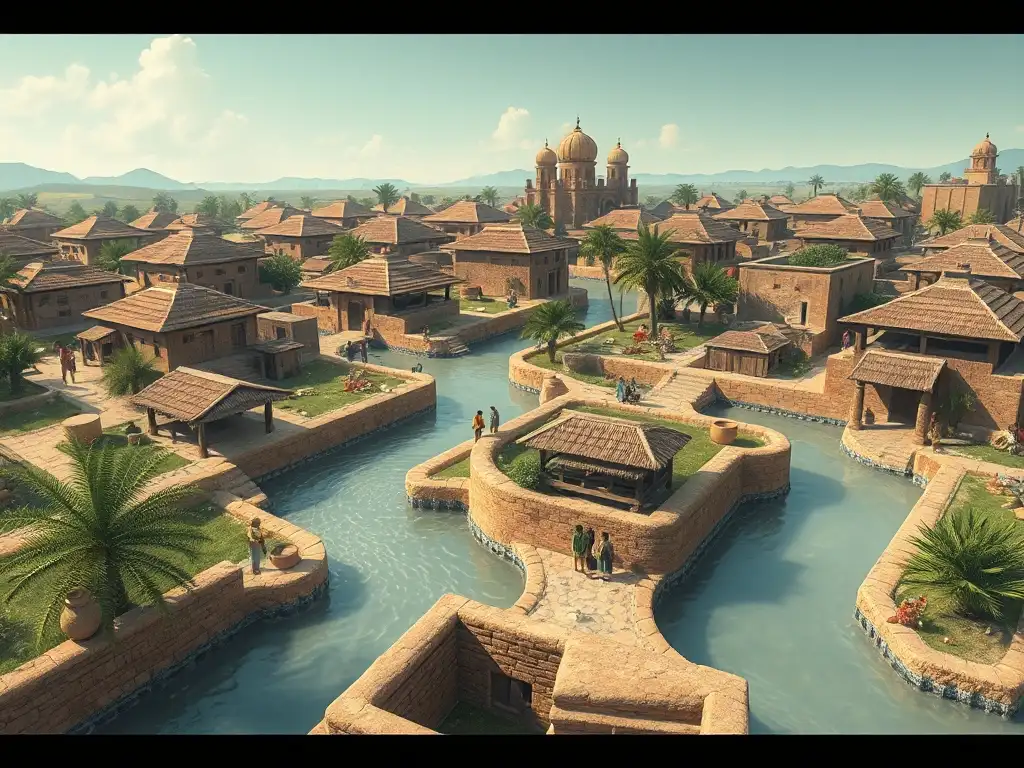
The functionality of the drainage systems played a crucial role in the daily lives of the inhabitants of the Indus Valley Civilization. These systems were not merely for waste disposal; they were essential for maintaining urban hygiene and facilitating a thriving community.
Waste Management and Public Health Benefits
The sophisticated waste management practices enabled by the drainage systems significantly improved public health in ancient cities.
- Reduction of Stagnant Water: By efficiently channeling wastewater away from living areas, the drainage systems minimized the occurrence of stagnant water, which is a breeding ground for disease-carrying insects.
- Sanitation: The separation of waste from residential areas contributed to better sanitation practices. This emphasis on cleanliness is evident in the layout of the cities, where public baths and latrines were often connected to the drainage systems.
- Healthier Living Conditions: Improved waste management and sanitation contributed to healthier living conditions, allowing the population to thrive and reducing the incidence of waterborne diseases.
Impact on Daily Life and Urban Living Conditions
The impact of the drainage systems on daily life in the Indus Valley was profound, influencing everything from urban planning to social interactions.
- Enhanced Urban Experience: The presence of a reliable drainage system allowed for more complex urban experiences, as citizens could engage in commerce and community activities without the concerns of flooding or sanitation issues.
- Civic Pride: The advanced infrastructure likely fostered a sense of civic pride among residents. The impressive engineering feats would have been a point of pride and a reflection of the civilization’s achievements.
- Social Cohesion: Efficient waste management contributed to the overall quality of life, fostering social cohesion as communities thrived in cleaner, healthier environments.
The drainage systems of the Indus Valley Civilization were not only a technical marvel but also a vital component of urban life that facilitated public health, enhanced living conditions, and underscored the advanced nature of one of the world’s earliest urban societies.
Comparison with Contemporary Drainage Systems
The drainage systems of the Indus Valley Civilization (IVC) showcase remarkable engineering prowess that can be compared to contemporary urban drainage solutions. Ancient cities like Mohenjo-Daro and Harappa were equipped with sophisticated underground drainage networks that effectively managed water and waste, setting a precedent for future urban planning. These systems not only helped in maintaining hygiene but also reflected an advanced understanding of hydraulic engineering that resonates in today's urban infrastructure.
In many ways, the IVC drainage systems can be considered precursors to current methods used in modern cities. For instance, the use of covered drains in the Indus Valley mirrors the sewer systems found in contemporary urban settings, where waste is transported away from residential areas to prevent contamination and maintain public health. This comparison highlights the enduring legacy of the Indus Valley engineers, whose innovative designs continue to influence urban sanitation practices.
Similarities with Modern Urban Drainage Solutions
Modern urban drainage systems prioritize effective water management, particularly in densely populated areas. Similar to the IVC, these contemporary systems utilize a network of pipes and channels to efficiently manage stormwater and wastewater. Key similarities include:
- Use of Covered Drains: Just as the IVC featured covered drainage channels to prevent blockages and maintain hygiene, modern systems employ similar designs to safeguard against debris and protect public health.
- Separation of Waste and Stormwater: The practice of separating sewage from stormwater, seen in many modern cities, echoes the drainage principles of the Indus Valley, where distinct pathways were created for different types of waste.
- Access Points for Maintenance: The IVC drainage systems included inspection holes for cleaning and maintenance, a concept that is equally crucial in today’s urban drainage infrastructure to ensure functionality and efficiency.
These similarities illustrate not only the ingenuity of ancient engineers but also the timeless principles of urban planning that continue to evolve while retaining foundational concepts.
Innovations Introduced by Indus Valley Engineers
The engineers of the Indus Valley Civilization were pioneers in urban infrastructure, introducing several innovations that laid the groundwork for future developments in drainage systems. Some of the notable advancements included:
- Advanced Materials: The use of kiln-fired bricks in constructing drainage channels was innovative at the time, providing durability and resistance to corrosion. This practice is mirrored in modern construction, which often employs reinforced concrete and other resilient materials.
- Gradient Design for Flow: The strategic design of drainage systems with a slight gradient ensured effective water flow. This principle is essential in contemporary drainage engineering, where gravity is utilized to direct water to treatment facilities or natural bodies.
- Wastewater Treatment: Evidence suggests that the IVC had rudimentary forms of wastewater treatment, pointing to an understanding of the need to purify water before discharge into the environment. This insight resonates with modern practices aimed at minimizing environmental impact through effective wastewater management.
These innovations reflect not only technical skill but also a foresight regarding public health and environmental stewardship that is increasingly relevant in today's urban contexts.
The Cultural Significance of Drainage Systems
The drainage systems of the Indus Valley were not merely utilitarian; they held substantial cultural significance, reflecting the values, social organization, and governance of the civilization. Their presence underscores the interconnectedness of urban infrastructure and societal development in ancient India.
Reflection of Social Organization and Governance
The complexity of the drainage systems serves as a testament to the advanced social organization of the Indus Valley Civilization. The ability to design and implement such infrastructure indicates a centralized governance structure capable of mobilizing resources and labor effectively. Key points include:
- Community Collaboration: The construction and maintenance of drainage systems likely involved collective efforts from various segments of society, indicating a well-organized community structure with shared responsibilities.
- Regulation and Oversight: The existence of these systems suggests that there were governing bodies or leaders who enforced regulations to ensure the proper functioning of urban infrastructure. This reflects an understanding of civic responsibility and the importance of public health.
- Urban Planning: The systematic layout of drainage systems within the urban fabric indicates a degree of foresight in city planning, showcasing the administrative skills necessary for managing a complex urban environment.
These aspects highlight how the drainage infrastructure was integral to the civilization’s social fabric, influencing every aspect of life within the IVC.
Influence on Trade and Economic Activities
In addition to their social implications, the drainage systems of the Indus Valley had significant ramifications for trade and economic activities. Efficient water management facilitated not only urban living but also commercial exchanges. Key influences included:
- Enhanced Trade Routes: The presence of clean and accessible drainage systems improved the overall sanitation of urban areas, making them more desirable for traders and merchants. This likely contributed to the growth of trade routes, fostering economic prosperity.
- Agricultural Productivity: By effectively managing water resources, the drainage systems supported agricultural activities in the surrounding areas, ensuring a steady supply of crops. This agricultural surplus would have been critical for trade, allowing the civilization to exchange goods with neighboring regions.
- Urban Economy: The infrastructure contributed to the overall urban economy by attracting skilled labor and artisans who settled in these cities, thus enhancing economic diversity and activity.
In essence, the drainage systems were instrumental in shaping the economic landscape of the Indus Valley Civilization, illustrating the profound impact of urban infrastructure on trade and commerce.
Challenges and Decline of the Indus Valley Drainage Systems
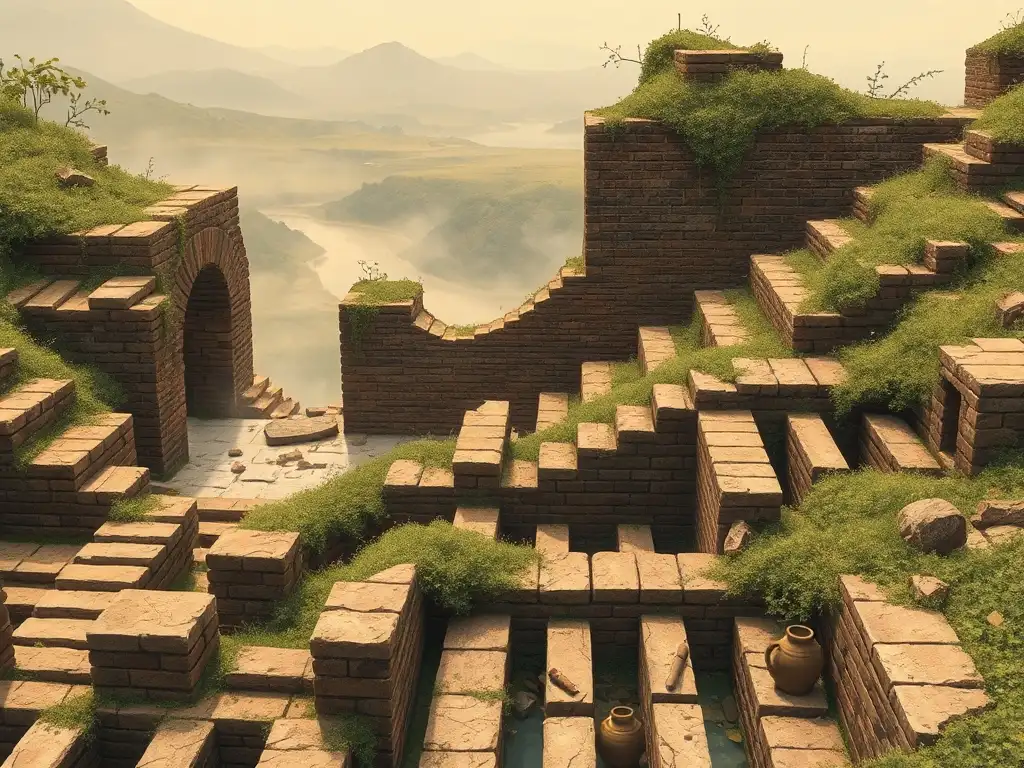
The Indus Valley drainage systems were remarkable achievements of ancient engineering, but they faced significant challenges that ultimately contributed to their decline. Over time, various factors, both environmental and societal, played a role in compromising the effectiveness of these systems.
Environmental Factors Affecting Infrastructure
One of the primary environmental challenges was the changing climate. Archaeological evidence suggests that the region experienced fluctuations in monsoon patterns, leading to periods of drought and excessive rainfall. These climatic shifts resulted in:
- Sedimentation: Heavy rainfall could cause increased sediment flow, clogging drainage systems and reducing their efficiency.
- Flooding: In contrast, periods of intense monsoon rain could overwhelm the drainage capabilities, leading to urban flooding, which damaged infrastructure and affected daily life.
- Soil Salinization: Changes in agricultural practices and water management may have led to salinization of the soil, reducing crop yields and prompting population shifts away from urban centers.
Such environmental stressors weakened the foundations of the drainage systems, leading to their gradual decline as maintenance became increasingly difficult.
Societal Changes and Their Impact on Urban Planning
As the Indus Valley Civilization evolved, societal changes also contributed to the decline of the drainage systems. Several factors included:
- Population Shifts: With the onset of environmental challenges, populations began migrating from urban centers to more sustainable rural areas. This migration led to a decrease in the workforce available for maintaining complex urban infrastructure.
- Economic Decline: The decline in agriculture due to salinization and climate shifts led to economic instability. As resources became scarce, the focus shifted away from maintaining urban amenities, including drainage systems, which were crucial for sustaining large populations.
- Political Fragmentation: The rise of smaller, localized communities may have disrupted the centralized governance that had initially facilitated the construction and maintenance of these advanced urban systems. Without a coordinated effort, infrastructure deteriorated.
These societal dynamics, coupled with environmental pressures, ultimately led to the challenges and decline of the once-innovative drainage systems of the Indus Valley.
Conclusion: Legacy of the Indus Valley Drainage Systems
Despite their eventual decline, the drainage systems of the Indus Valley left a profound legacy that shaped urban planning and infrastructure in future civilizations. Their innovative approaches to water management and urban design have been studied and admired for centuries.
Lasting Influence on Future Civilizations
The drainage systems of the Indus Valley set a precedent that influenced subsequent cultures and civilizations in the Indian subcontinent and beyond. Key aspects of this legacy include:
- Urban Planning: The principles of efficient drainage and urban organization demonstrated by the Indus Valley Civilization were reflected in later cities, such as those in the Maurya and Gupta periods.
- Water Management Techniques: Innovations in drainage and water management became integral to subsequent agricultural practices, influencing the development of irrigation systems across ancient India.
These contributions underscore the significance of the Indus Valley drainage systems as a foundation for urban infrastructure in later periods.
Importance in Understanding Ancient Indian Urban Development
Studying the Indus Valley drainage systems is crucial for understanding the broader context of ancient Indian urban development. They represent:
- Technological Advancement: The complexity of these systems showcases the advanced engineering skills and understanding of hydrology possessed by the Indus Valley people.
- Cultural Values: The emphasis on urban sanitation and public health reflects cultural priorities that valued community well-being and environmental stewardship.
The history of the Indus Valley drainage systems provides valuable insights into the achievements of ancient Indian civilizations, illustrating their ingenuity and adaptability in the face of environmental and societal challenges. Their legacy continues to inform modern urban planning and environmental management practices.
References and Further Reading on Indus Valley Drainage Systems History
The study of the Indus Valley drainage systems not only offers valuable insights into the urban planning and engineering skills of ancient civilizations but also illuminates the broader socio-economic and environmental contexts of the time. Below are some suggested resources that delve deeper into the history and significance of these remarkable drainage systems.
Suggested Books and Articles
-
"The Indus Civilization: A Contemporary Perspective" by Gregory L. Possehl
This book provides a comprehensive overview of the Indus Valley Civilization, including detailed discussions on urban planning and drainage systems. Possehl discusses how these systems played a critical role in the daily lives of the inhabitants.
-
"Indus Valley Civilization: An Overview" by J. M. Kenoyer
Kenoyer's work focuses on the technological advancements of the Indus Valley, including the engineering marvels of their drainage systems. It highlights the effectiveness of these systems in managing water and sanitation.
-
"Cities of the Indus Valley Civilization" by Rita Lucarelli
This article explores the urban design of major cities like Mohenjo-Daro and Harappa, emphasizing the sophisticated drainage layouts that contributed to their functionality and sustainability.
-
“The Archaeology of the Indus Valley Civilization” by Richard H. Meadow
Meadow examines archaeological findings related to the Indus Valley drainage systems, providing evidence of their construction methods and maintenance practices.
-
"Water Management in the Indus Valley Civilization" by R. S. Sharma
This research paper discusses the importance of water management systems in the Indus Valley and how they reflect the civilization's advanced understanding of hydraulics and urban infrastructure.
Online Resources for Further Exploration
-
The Archaeological Survey of India (ASI)
The ASI website features reports and research papers on various archaeological sites, including those from the Indus Valley, detailing excavation findings related to drainage systems.
-
The British Museum - Indus Valley Civilization
This online resource offers a collection of articles, images, and other educational materials that highlight the contributions of the Indus Valley Civilization, including their innovative drainage systems.
-
Khan Academy - Indus Valley Civilization
Khan Academy provides free educational content on the Indus Valley Civilization, featuring videos and articles that cover urban planning and drainage systems.
-
National Geographic - The Lost Cities of the Indus
This article explores the urban landscapes of the Indus Valley, with specific attention to the infrastructure that supported large populations, including drainage and waste management systems.
-
ResearchGate - Publications on Indus Valley Drainage Systems
A platform for researchers to share papers, where users can find a variety of studies focusing on the engineering and historical significance of drainage systems in the Indus Valley Civilization.
These references and resources collectively provide a solid foundation for understanding the history and significance of the Indus Valley drainage systems, their innovative designs, and their impact on urban life during this remarkable period in ancient Indian history.
- Introduction to Indus Valley Civilization
- Historical Context of Indus Valley Drainage Systems
- Key Features of Indus Valley Drainage Systems
- Functionality of the Drainage Systems in Ancient Cities
- Comparison with Contemporary Drainage Systems
- The Cultural Significance of Drainage Systems
- Challenges and Decline of the Indus Valley Drainage Systems
- Conclusion: Legacy of the Indus Valley Drainage Systems
- References and Further Reading on Indus Valley Drainage Systems History
- What were the drainage systems of the Indus Valley?
- How did the Indus Valley drainage systems compare to those of other ancient civilizations?
- What materials were used in the construction of the drainage systems?
- What impact did the drainage systems have on urban life in the Indus Valley?
- Are there any archaeological sites that showcase the drainage systems of the Indus Valley?
Frequently Asked Questions
What were the drainage systems of the Indus Valley?
The drainage systems of the Indus Valley were advanced urban infrastructures designed to manage water and waste. They included excellent sewage systems and drainage channels that highlighted the engineering ingenuity of these ancient civilizations.
How did the Indus Valley drainage systems compare to those of other ancient civilizations?
The Indus Valley drainage systems were among the most sophisticated of the time, often surpassing those of Mesopotamia and Egypt. Their well-planned urban layouts included covered drains, which were a significant advancement in urban planning.
What materials were used in the construction of the drainage systems?
The drainage systems were primarily made of baked bricks and mortar, showcasing the engineering skills of the Indus Valley people. These materials ensured durability and effective water management over time.
What impact did the drainage systems have on urban life in the Indus Valley?
The drainage systems greatly improved sanitation and public health in Indus Valley cities, allowing for cleaner living conditions. This infrastructure facilitated the growth of dense urban settlements and supported a thriving civilization.
Are there any archaeological sites that showcase the drainage systems of the Indus Valley?
Yes, sites like Mohenjo-Daro and Harappa exhibit the remnants of their drainage systems. Archaeological findings reveal well-designed streets and drainage channels that emphasize the city's urban planning and engineering capabilities.
Final Reflection: The Enduring Legacy of Indus Valley Drainage Systems
The innovative drainage systems of the Indus Valley Civilization stand as a testament to human ingenuity and urban planning, showcasing how ancient societies prioritized sanitation and public health. In today's world, where urbanization continues to challenge infrastructure and environmental sustainability, we can draw vital lessons from these early engineers. Their foresight in creating complex drainage solutions not only improved the quality of life for their inhabitants but also laid the groundwork for modern urban infrastructure.
The impact of the Indus Valley drainage systems resonates deeply within our contemporary cultural and social landscape. These ancient practices remind us of the importance of sustainable urban development and the need for effective waste management systems. As cities around the globe grapple with the consequences of rapid growth and climate change, we can look to the past for inspiration. Civilizations are not defined by their monuments, but by their ability to adapt and innovate.
This quote encapsulates the essence of the Indus Valley's legacy, urging us to embrace innovative solutions in our own communities.
As we reflect on the remarkable achievements of the Indus Valley Civilization, I invite you to consider how these lessons can be applied to our modern challenges. Let us take a moment to think about our own environments and the systems we rely on daily. How can we advocate for better infrastructure, prioritize sustainability, and learn from the past to create a healthier future? The story of the Indus Valley drainage systems is not just a chapter in history; it is a call to action for all of us to build a more resilient and sustainable world.
Unleash Your Curiosity: Discover the Wonders of Ancient Engineering!
Thank you for delving into the extraordinary world of the Indus Valley's drainage systems! You've gained insights into one of the most advanced urban infrastructures of ancient times. Now, let’s take that knowledge further and explore the marvels of ancient engineering!
Here’s how you can continue your journey:
- Dive Deeper: Research the infrastructure of another ancient civilization, such as the Roman aqueducts or the Egyptian pyramids, and compare it to the Indus Valley. What innovations did they implement?
- Share the Knowledge: Engage in discussions about this topic with friends or family who have an interest in history. These conversations can lead to exciting new insights!
- Join the Community: Get involved in online forums or social media groups dedicated to ancient history. Share your thoughts and learn from the diverse perspectives of others!
What aspect of ancient engineering surprises you the most, and why do you think it’s essential for us today?