
The Importance of Water Management in Indus Valley Daily Life


Welcome to Ancient India History, where we embark on a captivating journey through the rich tapestry of ancient Indian civilizations. Delve into the remarkable Indus Valley water management practices, a testament to the ingenuity and foresight of a society that thrived thousands of years ago. Discover how these sophisticated systems shaped daily life and contributed to the prosperity of one of history's most enigmatic cultures.
Curious to learn how they mastered the art of water management? Join us as we uncover the secrets behind their enduring legacy and explore the profound impact of these practices on their civilization. Let's dive in!
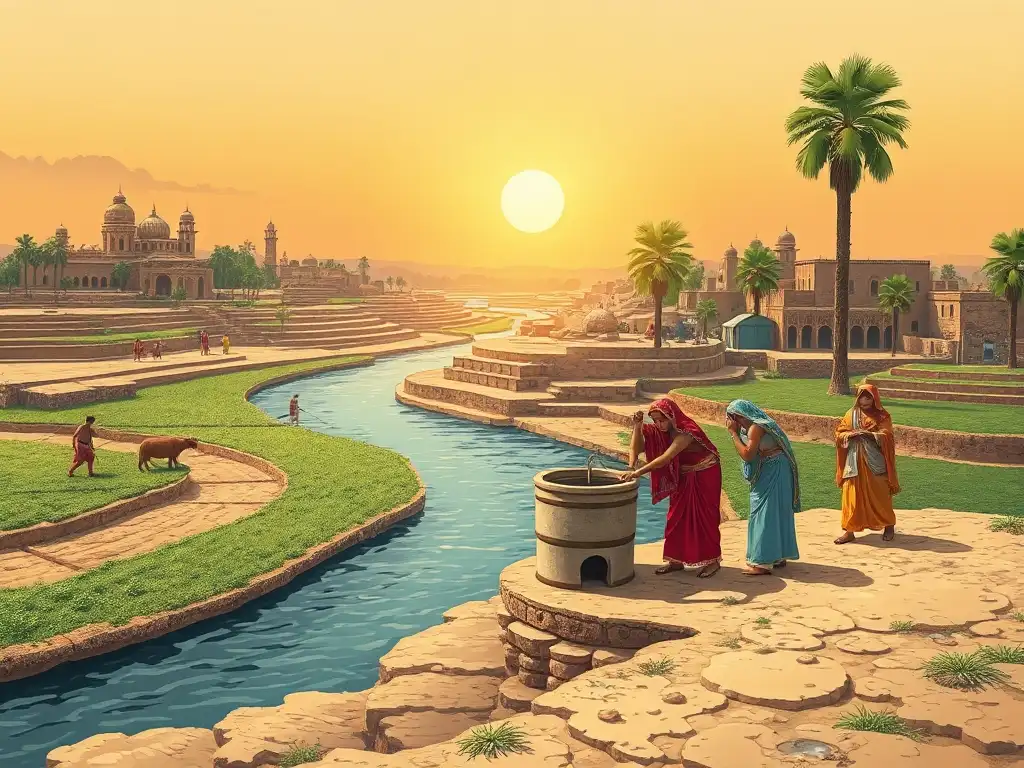
Introduction to Indus Valley Civilization
The Indus Valley Civilization, one of the world's earliest urban cultures, flourished between approximately 3300 BCE and 1300 BCE in what is now modern-day Pakistan and northwest India. Renowned for its advanced city planning, architecture, and social organization, this civilization also exhibited remarkable ingenuity in water management practices. Water was a vital resource, intricately woven into the fabric of daily life and sustenance. Understanding the methods employed by the Indus Valley inhabitants not only illuminates their technological prowess but also sheds light on how they adapted to their environment, ensuring their society thrived amid geographical challenges.
Overview of the Indus Valley Civilization
The Indus Valley Civilization, often referred to as the Harappan Civilization due to the discovery of its first major site, Harappa, is characterized by its sophisticated urban layouts and extensive trade networks. Major cities like Mohenjo-Daro and Lothal showcased advanced engineering, including grid-pattern streets and public baths. The civilization's remarkable ability to harness and manage water resources was critical to their agricultural and urban success.
- Key Features:
- Well-planned cities with advanced drainage systems
- Evidence of trade with neighboring cultures
- A script that remains undeciphered, hinting at a complex society
Significance of Water in Ancient Societies
Water has always played a central role in the development of ancient civilizations. In the context of the Indus Valley, it was not only essential for drinking and sanitation but also pivotal for agriculture, trade, and daily activities. The availability and management of water influenced settlement patterns, social structures, and economic stability.
- Key Aspects:
- Agriculture: Irrigation practices enabled the cultivation of crops, supporting a growing population.
- Trade: Water routes facilitated commerce, enhancing connections with distant regions.
- Health: Effective sanitation practices promoted public health and well-being.
Indus Valley Water Management Practices
The ingenuity of the Indus Valley Civilization is particularly evident in their sophisticated water management practices. These systems were integral to the functioning of urban life, demonstrating a profound understanding of hydrology and environmental management.
Key Water Management Techniques
The Indus Valley inhabitants employed various techniques to manage their water resources efficiently. These methods were not only practical but also indicative of a society that prioritized sustainability and communal well-being.
- Rainwater Harvesting:
- Utilizing drainage systems to capture and store rainwater for later use.
- Irrigation Channels:
- Constructed to divert river water to agricultural fields, ensuring consistent crop yields.
- Drainage Systems:
- Advanced underground drainage networks that prevented flooding and maintained sanitation.
The Role of Wells and Reservoirs
Wells and reservoirs were crucial components of the Indus Valley's water management strategy. They served multiple purposes, from everyday water supply to agricultural irrigation, reflecting a comprehensive approach to resource management.
- Wells:
- Strategically located within urban centers, wells provided accessible drinking water and were essential for daily life.
- Reservoirs:
- Large storage facilities that collected rainwater, ensuring a steady supply even during dry seasons.
Through these practices, the Indus Valley Civilization not only survived but thrived, laying the groundwork for future societies to understand the critical importance of water management in sustaining urban life.
Impact of Water Management on Agriculture
Water management was a cornerstone of agricultural success in the Indus Valley Civilization. The region's arid climate and seasonal monsoons demanded sophisticated irrigation techniques to ensure a reliable water supply for agriculture. The advanced water management practices not only supported the cultivation of staple crops such as wheat, barley, and legumes but also increased agricultural productivity.
The construction of extensive canal systems and reservoirs allowed for the storage and distribution of water, enabling farmers to irrigate their fields efficiently. These practices minimized the reliance on unpredictable rainfall, ultimately leading to a surplus in crop production, which was crucial for the sustenance and growth of urban centers. The ability to cultivate more land through effective water management practices contributed to the economic stability of the society, allowing for trade and the development of a complex social structure.
Enhancing Crop Yields through Efficient Water Use
Efficient water use was paramount for maximizing crop yields in the Indus Valley. The civilization implemented several irrigation techniques that showcased their ingenuity and understanding of hydrology. For instance, they developed a network of canals that diverted water from rivers to agricultural fields, ensuring that crops received adequate hydration during critical growing periods.
This meticulous attention to water distribution allowed farmers to cultivate multiple crops per season, enhancing food security and supporting a growing population. The use of well-planned drainage systems also prevented waterlogging, which could damage crops and reduce yields. By optimizing water resources, the Indus Valley farmers were able to produce surplus food, which not only sustained local communities but also facilitated trade with neighboring regions.
Seasonal Agricultural Practices Linked to Water Availability
The agricultural calendar of the Indus Valley was intricately linked to seasonal water availability. Farmers closely monitored monsoon patterns and river flows to determine the optimal times for planting and harvesting. The successful cultivation of summer crops depended on the timely arrival of the monsoon rains, which replenished soil moisture and filled irrigation channels.
During the dry season, the reliance on stored water from reservoirs and canals became critical. Farmers employed crop rotation and diversified their planting strategies to adapt to varying water conditions. This adaptability ensured that agricultural practices remained resilient, allowing communities to thrive even in the face of climatic uncertainties. The synchronization of agricultural activities with water availability was a testament to the advanced understanding of environmental factors that the Indus Valley civilization possessed.
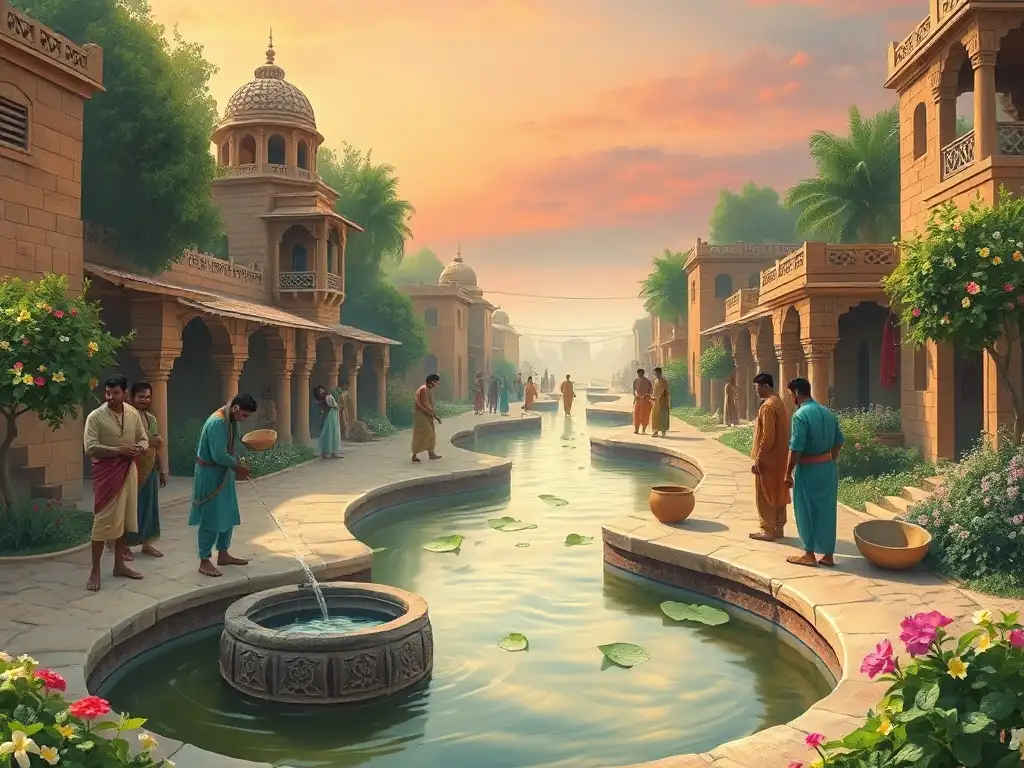
Water management in the Indus Valley Civilization was not just a technical endeavor; it played a significant role in shaping the social structure of the society. The organization and distribution of water resources fostered a sense of community and responsibility among its inhabitants.
The management of water resources created a system of cooperation and governance, as individuals worked together to maintain the canals and irrigation systems that were vital for their livelihoods. This communal effort was essential for ensuring equitable access to water, which in turn influenced social hierarchies and relationships among different groups within the civilization.
Community Involvement in Water Management
Community involvement was integral to the effective management of water resources in the Indus Valley. Local farmers and families participated in the maintenance and operation of irrigation systems, fostering a sense of collective ownership and responsibility. This cooperation likely led to the establishment of local governance structures, where decisions regarding water distribution and agricultural practices were made collaboratively.
Moreover, communal efforts in water management helped to strengthen social ties within communities. Festivals and rituals may have arisen around water conservation activities, reinforcing cultural values and promoting unity. The active participation of community members in water management ensured that resources were utilized sustainably and efficiently, allowing society to adapt to the challenges posed by their environment.
Hierarchical Organization of Water Distribution
The hierarchical organization of water distribution in the Indus Valley Civilization was a reflection of its complex societal structure. Evidence suggests that there were designated roles and responsibilities related to water management, indicating a level of administrative oversight. This organization likely involved local leaders or officials who were tasked with overseeing irrigation practices and ensuring equitable access to water resources among farmers.
Such a hierarchy was essential in managing the distribution of water, particularly during times of scarcity or flooding. It allowed for coordinated responses to environmental challenges and ensured that the most vulnerable members of society received the support they needed. The structured approach to water management not only optimized agricultural productivity but also stabilized social relations by mitigating conflicts over water access, solidifying the importance of water management in daily life within the Indus Valley Civilization.
Economic Implications of Water Management
Water management in the Indus Valley Civilization was pivotal for the economic stability and growth of its cities. The sophisticated systems of irrigation and drainage not only ensured agricultural productivity but also supported the development of trade and commerce. With ample water supply, the agricultural output was maximized, allowing for surplus production. This surplus was essential for sustaining urban populations and facilitating trade with neighboring regions.
Agriculture was the backbone of the Indus economy, with crops such as wheat, barley, and cotton being cultivated extensively. Efficient water management practices, including the construction of reservoirs and canals, enabled farmers to irrigate their fields effectively, even during dry spells. This agricultural strength translated into economic power, as surplus grains could be traded for goods and services, fostering a vibrant marketplace within urban centers like Harappa and Mohenjo-Daro.
Trade and Commerce Linked to Water Resources
The intricate relationship between water resources and trade in the Indus Valley cannot be overstated. The civilization's strategic location, combined with its advanced water management systems, facilitated significant trade networks that extended beyond the subcontinent. Rivers served as vital transportation routes, allowing merchants to move goods efficiently. The Indus River and its tributaries provided not only water but also access to trade routes with regions such as Mesopotamia and Persia.
The abundance of water contributed to the production of high-value goods, including textiles and metalwork, which were sought after in regional and international markets. Artifacts such as seals and weights discovered at Indus Valley sites indicate a well-organized system of trade, where goods were exchanged and commerce flourished. The ability to manage water resources effectively thus played a crucial role in enhancing the economic prosperity of the Indus Valley Civilization.
The Role of Water in Urban Planning

Urban planning in the Indus Valley was significantly influenced by water management practices. The cities were meticulously designed with a focus on drainage and sanitation, demonstrating an advanced understanding of urban infrastructure. Streets were laid out in a grid pattern, and houses were equipped with private wells and bathrooms that drained into a centralized sewage system. This layout not only facilitated efficient water use but also ensured public health and hygiene.
The presence of large public baths, such as the Great Bath of Mohenjo-Daro, indicates the cultural importance of water in daily life and its role in social gatherings. These facilities were likely used for ritualistic purposes as well, highlighting the multifaceted significance of water in urban settings. The careful consideration of water sources in urban planning underscores how integral water management was to the overall success and sustainability of Indus Valley cities.
Environmental Considerations of Water Management
The environmental context of water management in the Indus Valley was shaped by the region's climatic conditions and geographical features. The civilization thrived in a semi-arid climate, where water scarcity was a persistent challenge. Effective water management practices were essential for adapting to these environmental constraints and ensuring the longevity of agricultural and urban systems.
Adaptation to Climate Variability
The Indus Valley Civilization demonstrated remarkable adaptability to climate variability through its innovative water management strategies. Evidence suggests that the inhabitants developed techniques to capture and store rainwater, particularly during the monsoon season. This practice not only mitigated the impacts of drought but also enhanced agricultural resilience.
Furthermore, the construction of irrigation channels and the selective breeding of drought-resistant crops reveal a sophisticated understanding of environmental dynamics. By adjusting their agricultural practices in response to climate changes, the Indus people ensured food security and supported their growing populations, showcasing their ingenuity in water management.
Sustainable Practices in Ancient Water Management
Sustainability was a guiding principle in the water management practices of the Indus Valley Civilization. The emphasis on conservation and efficient use of water resources is evident in the construction of wells, reservoirs, and irrigation systems that minimized waste. Such practices ensured a continuous supply of water for both agricultural and domestic purposes.
Moreover, the community-oriented approach to water management fostered a sense of collective responsibility among the inhabitants. The maintenance of irrigation systems and communal wells indicates a system of governance that prioritized environmental stewardship. This sustainable mindset not only supported immediate needs but also laid the groundwork for future generations, reflecting the civilization's deep-rooted respect for their natural resources.
The water management practices of the Indus Valley Civilization were not merely functional; they were intricately linked to economic prosperity, urban development, and environmental sustainability, underscoring the importance of water in daily life.
Conclusion
The significance of water management in the daily lives of the Indus Valley Civilization cannot be overstated. Their innovative practices and systems laid the groundwork for sustainable living in an era where water resources were paramount for agriculture, hygiene, and urban planning. The intricate networks of wells, drainage systems, and reservoirs not only supported the thriving cities of Mohenjo-Daro and Harappa but also reflected a profound understanding of hydrology and environmental stewardship.
The expertise demonstrated in their water management practices showcases the advanced engineering capabilities of the Indus Valley inhabitants and their commitment to communal well-being. This attention to water resources contributed to the civilization's prosperity and stability, allowing it to flourish for centuries.
Summary of Key Points on Indus Valley Water Management Practices
- Sophisticated Urban Planning: The cities of the Indus Valley were meticulously designed with a grid layout, including streets that facilitated efficient drainage and water flow.
- Extensive Drainage Systems: The civilization developed complex drainage systems that directed waste and rainwater away from residential areas, significantly improving public health.
- Reservoirs and Wells: Large reservoirs and individual wells provided a reliable source of fresh water, essential for both drinking and agricultural irrigation.
- Rainwater Harvesting: Techniques for collecting and storing rainwater indicate a proactive approach to managing water scarcity during dry periods.
- Community-Centric Practices: The water management systems were not only functional but also emphasized community cooperation, reflecting a shared responsibility for maintaining these vital resources.
Lasting Legacy of Indus Valley Water Management in Ancient Indian Civilization
The water management practices of the Indus Valley Civilization established a lasting legacy that influenced subsequent Indian societies and civilizations. Their methods were not merely practical; they embodied principles of sustainability and environmental awareness that resonate even today.
The knowledge and skills developed during this period laid the foundation for later advancements in hydraulic engineering throughout ancient India. Subsequent civilizations, including the Maurya and Gupta Empires, drew inspiration from these practices, further refining and expanding upon them.
Moreover, the emphasis on sanitation and public health initiated by the Indus Valley continues to be relevant in modern water management discussions. The historical significance of their water management practices is a testament to the ingenuity and foresight of the Indus Valley people, highlighting their critical role in shaping not just their own civilization, but also the broader narrative of ancient Indian history.
- Introduction to Indus Valley Civilization
- Indus Valley Water Management Practices
- Impact of Water Management on Agriculture
- Social Structure and Water Management
- Economic Implications of Water Management
- Trade and Commerce Linked to Water Resources
- The Role of Water in Urban Planning
- Environmental Considerations of Water Management
- Conclusion
- What were the main water management practices in the Indus Valley?
- How did water management impact daily life in the Indus Valley?
- What innovations in water management emerged from the Indus Valley?
- How did the geography of the Indus Valley influence its water management?
- What lessons can modern society learn from Indus Valley water management practices?
Frequently Asked Questions
What were the main water management practices in the Indus Valley?
The Indus Valley civilization implemented advanced water management practices such as drainage systems, reservoirs, and well construction to efficiently manage water resources.
How did water management impact daily life in the Indus Valley?
Water management was crucial for agriculture, sanitation, and trade, ensuring that the civilization thrived in a challenging environment with limited water sources.
What innovations in water management emerged from the Indus Valley?
The Indus Valley civilization is known for its innovative drainage systems and water storage facilities, which set a precedent for future urban planning and civil engineering.
How did the geography of the Indus Valley influence its water management?
The geographical features of the Indus Valley, including rivers and floodplains, necessitated sophisticated water management techniques to mitigate flooding and ensure a stable water supply.
What lessons can modern society learn from Indus Valley water management practices?
Modern society can learn from the sustainable practices of the Indus Valley, particularly the importance of efficient resource management and infrastructure planning in urban development.
Final Reflection: The Enduring Legacy of Indus Valley Water Management Practices
The significance of water management in the Indus Valley civilization remains profoundly relevant today, as we grapple with the challenges of climate change and resource scarcity. The sophisticated techniques developed by the Indus Valley people not only highlight their ingenuity but also serve as a reminder of the critical role that sustainable practices play in our survival. As we face increasing water shortages and environmental degradation, the lessons from the past become more crucial than ever.
The innovative water management practices of the Indus Valley have left an indelible mark on our cultural and social landscapes, influencing modern approaches to sustainability and resource management. The meticulous planning of urban drainage systems and the construction of reservoirs demonstrate an understanding of water's vital role in community health and agriculture. Water is the driving force of all nature.
– Leonardo da Vinci. This quote encapsulates the essence of how the Indus Valley civilization recognized water not just as a resource, but as a lifeblood that sustained their society.
As we reflect on the importance of water management, let us take inspiration from the Indus Valley's legacy and commit ourselves to responsible stewardship of our water resources. Consider how you can integrate sustainable practices into your daily life, whether through conservation efforts or advocating for better water management policies in your community. Together, we can honor the wisdom of those who came before us and ensure that future generations inherit a world where water is cherished and preserved.
Transform Your Understanding of Ancient Water Systems!
Thank you for diving into the fascinating world of water management in the Indus Valley! Your engagement with this vital topic has equipped you with insights into how these ancient civilizations thrived. Now, it's time to take action and apply what you've learned!
Here are some simple yet impactful steps you can take:
- Explore your local water systems: Investigate how water is managed in your community. Reflect on the lessons we can learn from historical practices in ancient societies.
- Share your knowledge: Discuss the importance of sustainable water management with friends or on social media. Educating others empowers communities!
- Get involved: Consider volunteering for local environmental initiatives focused on water conservation. Be the change you wish to see.
What aspects of ancient water management do you find most inspiring, and how can you incorporate those lessons into today's environmental practices?