
How Ancient Farmers in India Used Observation for Agricultural Innovations

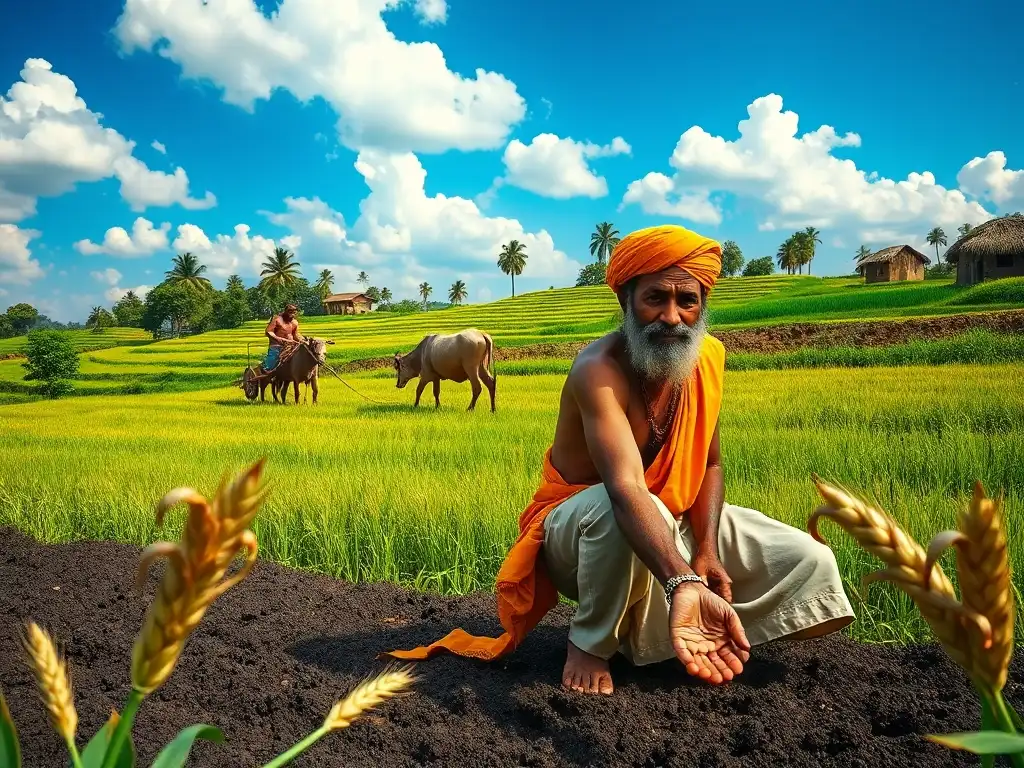
Welcome to Ancient India History, where we embark on a fascinating journey through the rich tapestry of ancient Indian civilizations. Today, we delve into the remarkable world of ancient Indian agricultural practices—a testament to the ingenuity and resourcefulness of our ancestors. Discover how ancient farmers harnessed the power of observation to drive innovations that transformed their landscapes and societies. Are you ready to uncover the secrets behind these time-honored techniques? Join us as we explore the impact of agriculture on the development of one of the world's oldest cultures!
- Introduction to Ancient Indian Agricultural Practices
- Historical Context of Agriculture in Ancient India
- Key Observation Techniques Used by Ancient Indian Farmers
- Case Studies of Agricultural Innovations
- The Role of Community Knowledge in Agricultural Practices
- Conclusion: Legacy of Ancient Indian Agricultural Practices
-
Frequently Asked Questions
- What were some key innovations in ancient Indian agricultural practices?
- How did the Indus Valley Civilization contribute to agriculture?
- What role did monsoons play in ancient Indian agriculture?
- Were there any crops that were particularly significant in ancient India?
- How did the Gupta Empire influence agricultural practices?
- Final Reflection: The Timeless Wisdom of Ancient Indian Agricultural Practices
- Embrace the Wisdom of Ancient Farming Techniques!
Introduction to Ancient Indian Agricultural Practices
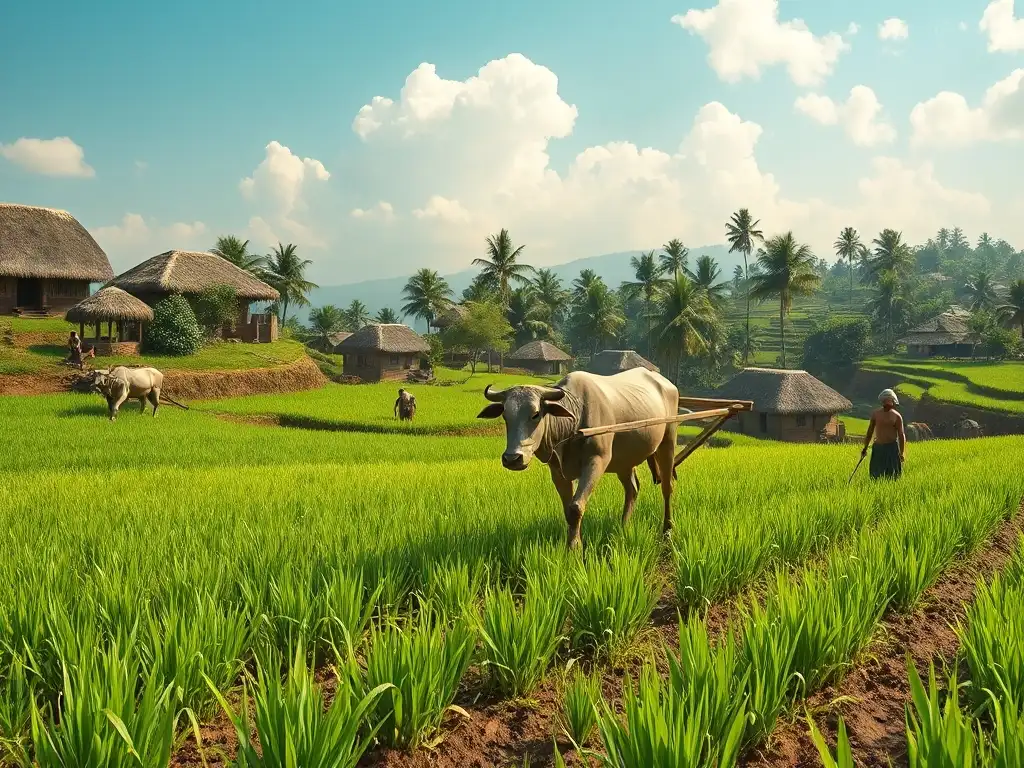
Agriculture has been a cornerstone of human civilization for millennia, and ancient India boasts a rich tapestry of agricultural practices that laid the foundation for modern farming. Understanding how ancient farmers in India utilized keen observation to innovate their agricultural methods provides crucial insights into the evolution of agronomy. These practices not only reflect the ingenuity of early Indian civilizations but also their deep connection with the environment.
From the sophisticated irrigation systems of the Indus Valley to the crop rotation techniques employed during the Gupta Empire, ancient Indian agricultural practices demonstrate a remarkable blend of tradition, knowledge, and innovation. This article explores how careful observation shaped these practices and fueled advancements in agriculture, ultimately contributing to the prosperity of ancient Indian societies.
Overview of Agriculture in Ancient India
Agriculture in ancient India can be traced back to the Indus Valley Civilization (circa 2500-1900 BCE), where evidence suggests that the inhabitants cultivated a variety of crops, including wheat, barley, and cotton. This period marked a significant transition from nomadic lifestyles to settled agricultural communities. Key aspects of ancient Indian agriculture included:
- Crop Diversity: Farmers grew multiple crops, adapting to regional climates, which enhanced food security.
- Irrigation Techniques: Sophisticated irrigation systems, such as canals and wells, allowed for the effective use of water resources.
- Soil Fertility Management: Ancient farmers employed methods to enrich soil, including crop rotation and the use of animal manure.
These practices not only supported the sustenance of early civilizations but also laid the groundwork for the agricultural advancements that followed.
Importance of Observation in Farming Techniques
The role of observation in ancient Indian agricultural practices cannot be overstated. Farmers relied heavily on their ability to observe natural patterns and adapt their techniques accordingly. Key points to consider include:
- Seasonal Changes: Farmers observed climatic variations and seasonal changes to determine the optimal times for planting and harvesting.
- Pest Management: By closely monitoring crops, they identified pest infestations early and developed organic methods to control them.
- Crop Selection: Observation of plant behaviors, such as growth rates and drought resistance, led to the selection of more resilient crop varieties.
This method of continuous observation not only fostered innovation but also encouraged a sustainable approach to farming that respected the balance of nature. By learning from their surroundings, ancient Indian farmers were able to maximize yields and ensure their communities thrived, showcasing the profound impact of observation on agricultural practices.
Historical Context of Agriculture in Ancient India
The Indus Valley Civilization and Early Farming
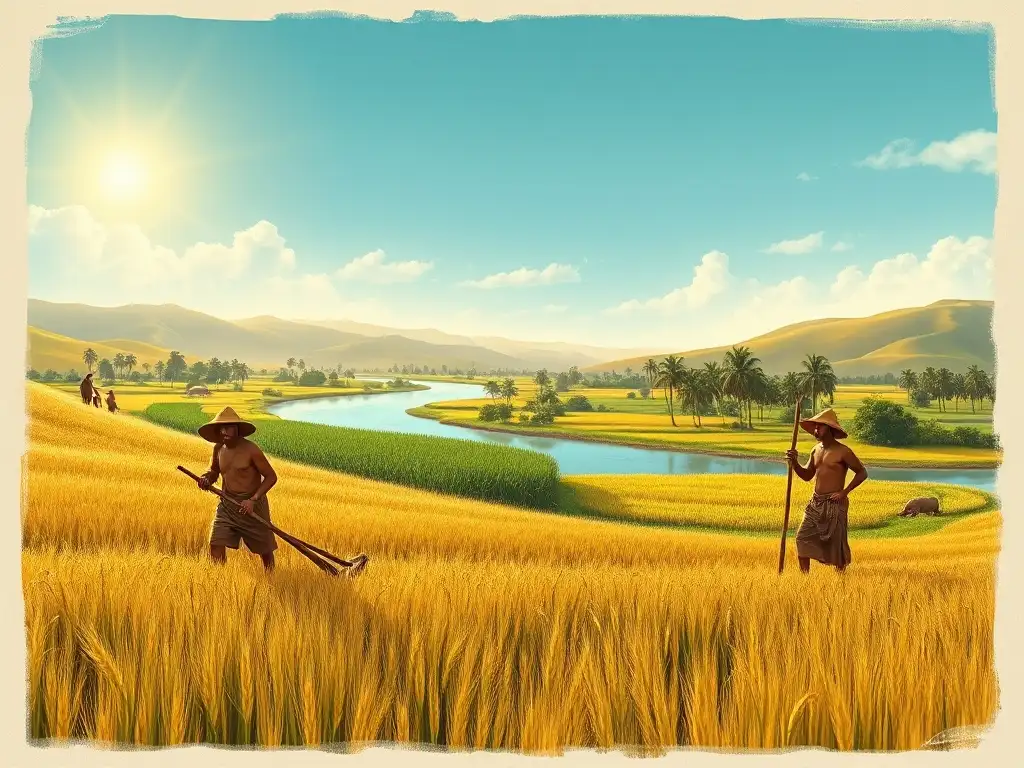
The Indus Valley Civilization (IVC), flourishing around 2500 BCE, is one of the earliest urban cultures known for its sophisticated agricultural practices. The inhabitants of this civilization adeptly utilized the fertile alluvial plains of the Indus River, cultivating a variety of crops that included wheat, barley, peas, and cotton.
Key Features of IVC Agriculture:
- Irrigation Techniques: The farmers developed advanced irrigation systems, including canals and reservoirs, which allowed them to manage water supply effectively. This innovation was crucial for sustaining agriculture during periods of low rainfall.
- Crop Rotation and Diversity: The agriculturalists practiced crop rotation, which helped maintain soil fertility and reduce pest infestations. They cultivated multiple crops simultaneously, ensuring food security and dietary diversity.
- Use of Tools: Archaeological findings indicate the use of wooden plows, sickles, and grinding stones, which enhanced productivity and efficiency in farming practices.
The extensive trade networks established by the IVC also facilitated the exchange of agricultural products, contributing to both local and regional economies. The farmers’ keen observations of seasonal cycles and weather patterns enabled them to optimize planting and harvesting times, laying the groundwork for future agricultural innovations in ancient India.
Agricultural Innovations During the Vedic Period
The Vedic period, roughly spanning from 1500 BCE to 500 BCE, witnessed significant advancements in agricultural practices, driven largely by the socio-cultural and religious transformations of the time. The texts from this period, particularly the Vedas, reflect a growing understanding of farming techniques and the importance of agriculture to society.
Innovations and Practices:
- Yajñas and Agriculture: Rituals known as yajñas were performed to invoke blessings for bountiful harvests. These practices not only showcased the spiritual connection to agriculture but also encouraged community participation in farming activities.
- Improved Tools and Techniques: The introduction of iron tools during this period led to enhanced agricultural productivity. Farmers began using iron plows, which were more durable and efficient compared to their wooden counterparts.
- Crop Specialization: Agricultural practices evolved to include specialized crops such as rice and sugarcane, which were well-suited to the diverse climatic conditions across different regions of ancient India.
The Vedic texts also emphasize the significance of observation in agriculture, highlighting how farmers noted the effects of weather, soil types, and crop rotations on yield, which contributed to better farming decisions.
Contributions from the Maurya and Gupta Empires
The Maurya (322-185 BCE) and Gupta (c. 320-550 CE) Empires marked a golden age of agricultural development in ancient India, characterized by both technological and administrative innovations. These empires recognized the importance of agriculture as a backbone of their economies and employed various strategies to enhance productivity.
Noteworthy Contributions:
- Land Reforms and Taxation: The Mauryan administration implemented land reforms that regulated land ownership and taxation, ensuring that farmers received fair treatment and support for their agricultural efforts. This stability encouraged increased agricultural output.
- Agricultural Manuals: The period produced significant agrarian texts, such as "Krishi Parashara," which provided guidelines on farming techniques, crop rotation, and pest management. These manuals were based on empirical observations and offered practical advice to farmers.
- Irrigation and Water Management: The construction of large-scale irrigation projects, including canals and reservoirs, was prioritized. The Gupta Empire, in particular, excelled in water management, which facilitated the cultivation of rice and other water-intensive crops.
Farmers during these empires also employed observational skills to adapt to changing environmental conditions, leading to innovative practices that would influence agricultural methods for centuries to come. The legacy of these ancient Indian agricultural practices continues to be a foundation for modern farming techniques in the region.
Key Observation Techniques Used by Ancient Indian Farmers

Crop Rotation and Its Impact on Soil Fertility
Ancient Indian farmers were adept at observing soil conditions and plant health, leading to the innovative practice of crop rotation. This technique involved alternating the types of crops grown on a particular piece of land in successive seasons. The primary aim was to enhance soil fertility and minimize nutrient depletion.
- Nutrient Cycling: By rotating crops, farmers could effectively utilize different nutrients from the soil. For instance, legumes were often planted after cereal crops. Legumes, such as lentils and chickpeas, have the ability to fix nitrogen in the soil, enriching it for subsequent crops. This observation-led practice not only improved yields but also promoted sustainable agriculture.
- Pest and Disease Management: Crop rotation also helped in managing pests and diseases. Different crops attract different pests; thus, by changing crops seasonally, farmers could disrupt the life cycles of pests that thrived on specific plants. This method reduced reliance on chemical pesticides, which were not available at the time, fostering a natural balance in the ecosystem.
In essence, the practice of crop rotation was an astute observation of nature that allowed ancient Indian farmers to maintain soil health and boost agricultural productivity sustainably.
Observing Natural Indicators for Planting Seasons
Ancient Indian farmers relied heavily on natural indicators to determine the optimal times for planting crops. By closely observing environmental cues, they developed a profound understanding of seasonal changes, climate patterns, and the behavior of flora and fauna.
- Monsoons and Rain Patterns: The arrival of the monsoon was a significant indicator for planting rice and other water-intensive crops. Farmers would watch for changes in wind patterns, cloud formations, and humidity levels to predict rainfall. This keen observation ensured that crops were planted at the right time to maximize water use and crop growth.
- Floral and Faunal Indicators: Certain flowers blossoming or specific bird migrations were also critical cues for planting. For example, the blooming of the mustard flower signaled the right time to plant other crops. Additionally, the appearance of specific insects was taken as an indication of the changing season, guiding farmers in their planting decisions.
Through these observations, ancient Indian farmers not only optimized their agricultural practices but also developed a deep connection with their environment, highlighting the harmony between nature and agriculture.
Traditional Pest Management Through Observation
The management of pests was another area where ancient Indian farmers excelled through observation. Without modern pesticides, they relied on their knowledge of the ecosystem to develop effective pest management strategies.
- Companion Planting: Farmers observed that certain plants could repel pests or attract beneficial insects. For instance, marigolds were commonly planted alongside vegetables as they deterred nematodes and other pests. This practice demonstrated an understanding of the interrelationships between different plant species and their effects on pest populations.
- Natural Predators: Ancient farmers also recognized the importance of natural predators in controlling pest populations. By observing the behaviors of birds, insects, and other animals, they could identify which species served as natural pest controllers. Encouraging these predators by creating habitats, such as birdhouses or insect hotels, was a method to maintain a balanced ecosystem.
Traditional pest management in ancient India was a testament to farmers' keen observational skills. By understanding the dynamics of their agricultural environment, they developed sustainable practices that effectively controlled pests while preserving the integrity of their crops.
Case Studies of Agricultural Innovations
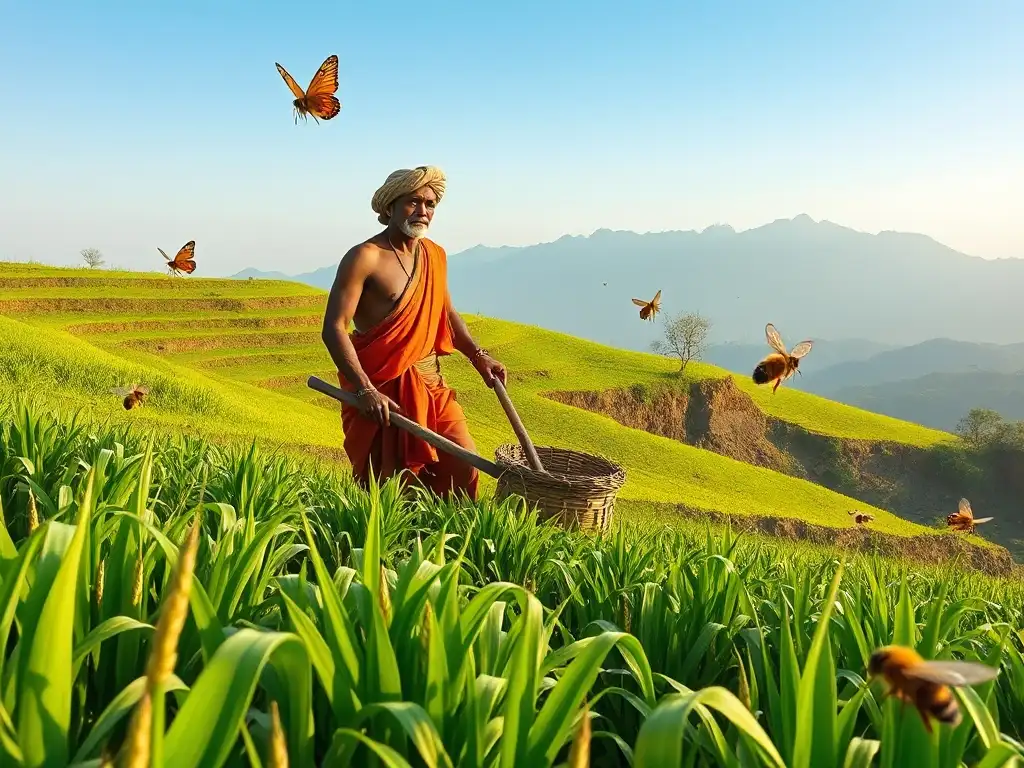
Ancient Indian agricultural practices were marked by innovation and adaptation, deeply rooted in the natural environment and the needs of the population. The following case studies highlight significant agricultural innovations that emerged through careful observation and experimentation by ancient farmers.
The Use of Water Management Systems
Water management was crucial in ancient Indian agriculture, especially given the variability of monsoon rains. Farmers developed sophisticated systems to harness water efficiently, ensuring the sustainability of their crops.
- Irrigation Techniques: Ancient civilizations, notably the Indus Valley Civilization, constructed intricate canal systems. By channeling river water, these farmers expanded arable land and supported diverse crops.
- Check Dams and Tanks: Farmers built check dams and tanks to capture and store rainwater. This practice not only conserved water but also allowed for controlled irrigation, enhancing crop yields during dry spells.
- Observation of Natural Water Flow: By observing the seasonal flow of rivers and the behavior of local flora, farmers learned to identify optimal times for planting and harvesting, closely aligning their agricultural practices with the natural rhythms of the environment.
The effectiveness of these water management systems is evidenced by archaeological findings, which suggest that areas like the Indus Valley sustained large populations through well-planned agricultural practices.
Development of Early Plowing Techniques
The transition from foraging to farming in ancient India was significantly influenced by the development of plowing techniques. This innovation allowed for more efficient land preparation and contributed to increased agricultural productivity.
- The Wooden Plow: Early farmers utilized simple wooden plows, which were pulled by oxen. This method of tilling the soil improved aeration, reduced weed growth, and facilitated the incorporation of organic matter into the soil.
- Observation of Soil Conditions: Farmers observed various soil types and their responses to different cultivation techniques. By experimenting with plowing depths and patterns, they optimized soil health and crop output.
- Shift to Iron Tools: The eventual introduction of iron-tipped plows in later periods revolutionized agricultural practices. These tools enhanced the ability to till harder soils and expanded the range of cultivable land.
The advancements in plowing techniques not only increased the efficiency of farming but also allowed for the cultivation of diverse crops, ultimately leading to surplus production.
Innovations in Seed Selection and Crop Diversity
A critical aspect of ancient Indian agricultural practices was the emphasis on seed selection and the cultivation of diverse crops. This approach was rooted in the understanding of plant genetics and environmental adaptability.
- Selective Breeding: Farmers practiced selective breeding, choosing seeds from the healthiest and most productive plants. This method resulted in improved crop resilience and higher yields.
- Crop Rotation and Diversity: Ancient farmers employed crop rotation techniques to maintain soil fertility and reduce pest infestations. By alternating between legumes and cereals, they enhanced soil nitrogen levels and minimized the risk of crop failure.
- Traditional Knowledge: The rich tradition of oral knowledge sharing among communities facilitated the exchange of information regarding the best practices for growing various crops. This communal approach to agriculture fostered innovation and adaptation to local conditions.
Through these practices, ancient Indian farmers not only increased their agricultural output but also laid the groundwork for future agricultural innovations, highlighting the importance of observation and adaptation in their practices.
These case studies illustrate the ingenuity of ancient Indian agricultural practices, showcasing how observation and innovation were central to the development of sustainable farming techniques. By understanding the past, we can appreciate the foundational contributions of ancient Indian civilizations to modern agriculture.
The Role of Community Knowledge in Agricultural Practices
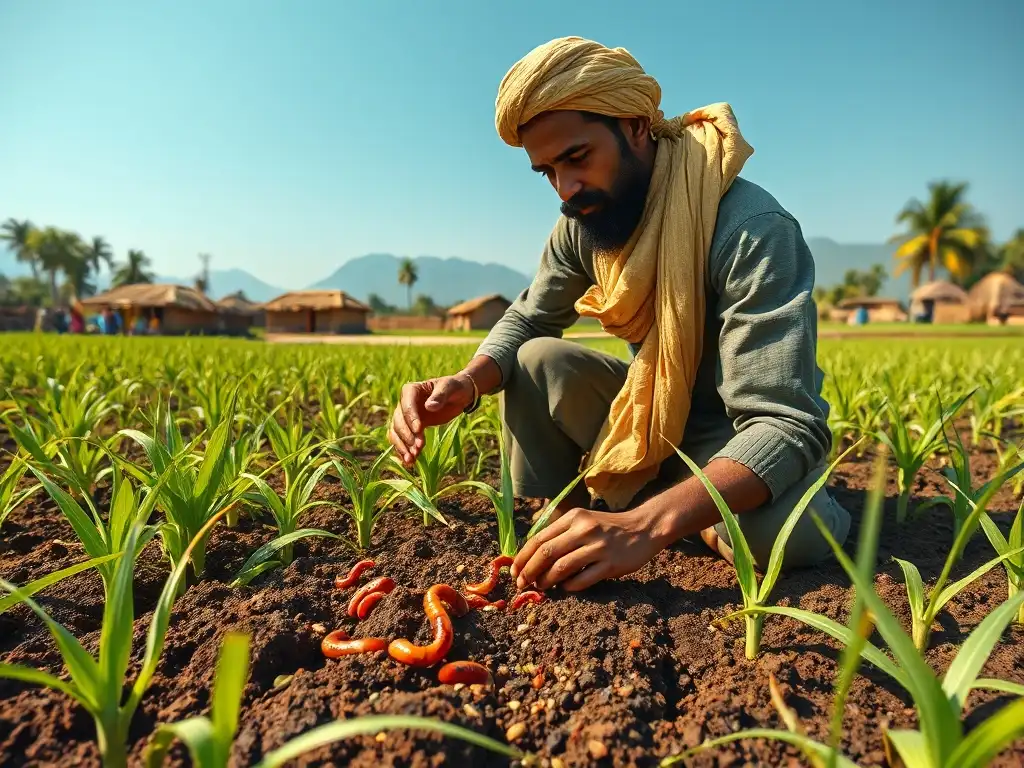
The agricultural landscape of ancient India was profoundly shaped by the collective wisdom and practices of local communities. Farmers relied heavily on shared knowledge, passed down through generations, which enabled them to adapt to environmental changes and enhance their agricultural productivity. This community-driven approach fostered resilience and innovation in ancient Indian agricultural practices.
Oral Traditions and Knowledge Sharing Among Farmers
Oral traditions played a crucial role in disseminating agricultural knowledge among ancient Indian farmers. These traditions encompassed a variety of practices and insights, which included:
- Crop Rotation Techniques: Farmers shared information on the benefits of rotating crops to maintain soil fertility and reduce pest infestations. This practice was particularly important in regions where monoculture could lead to diminished yields.
- Seasonal Planting Guides: The timing of planting and harvesting was critical for ensuring successful crop production. Farmers relied on community wisdom to determine the best times for sowing seeds based on local climate patterns and celestial events.
- Pest Management Strategies: Local farmers exchanged knowledge on natural pest control methods, utilizing indigenous plants and animals to protect their crops. This communal sharing of pest management techniques minimized reliance on harmful chemicals, aligning with sustainable practices.
- Water Conservation Techniques: Communities developed and shared techniques for water management, such as rainwater harvesting and building irrigation systems. These methods were essential for maximizing the utility of available water resources, especially in arid regions.
The oral transmission of agricultural practices not only preserved valuable knowledge but also fostered a sense of identity and unity among farming communities. As farmers gathered during social events or communal activities, they engaged in discussions that reinforced these agricultural traditions.
Festivals and Their Influence on Agricultural Timing
Festivals in ancient India were closely linked to agricultural cycles, serving as markers for critical farming activities. They played a significant role in organizing the agricultural calendar and influencing the timing of various practices. Key aspects include:
- Harvest Festivals: Celebrations such as Makar Sankranti and Pongal were pivotal in marking the end of the harvest season. These festivals were not merely festivities; they provided an opportunity for farmers to express gratitude for bountiful crops, reinforcing community ties and shared agricultural success.
- Planting Festivals: Festivals like Akshaya Tritiya coincided with the onset of the planting season. Farmers believed that initiating agricultural activities on auspicious days would lead to successful yields. This belief system influenced planting schedules, culminating in collective agricultural endeavors.
- Rituals and Offerings: Many festivals included rituals and offerings to deities associated with fertility and agriculture. These practices were rooted in the understanding that divine favor was essential for favorable weather and bountiful harvests. By integrating spiritual beliefs with agricultural practices, ancient farmers cultivated a holistic approach to farming.
- Community Gatherings: Festivals served as a platform for farmers to come together, share experiences, and exchange agricultural techniques. These gatherings fostered innovation, as farmers discussed successful practices and adapted them to their local contexts.
The interplay between community knowledge and agricultural practices in ancient India was marked by oral traditions and the influence of festivals. Together, they created a rich tapestry of agricultural innovations that not only sustained communities but also laid the foundation for future generations to build upon.
Conclusion: Legacy of Ancient Indian Agricultural Practices
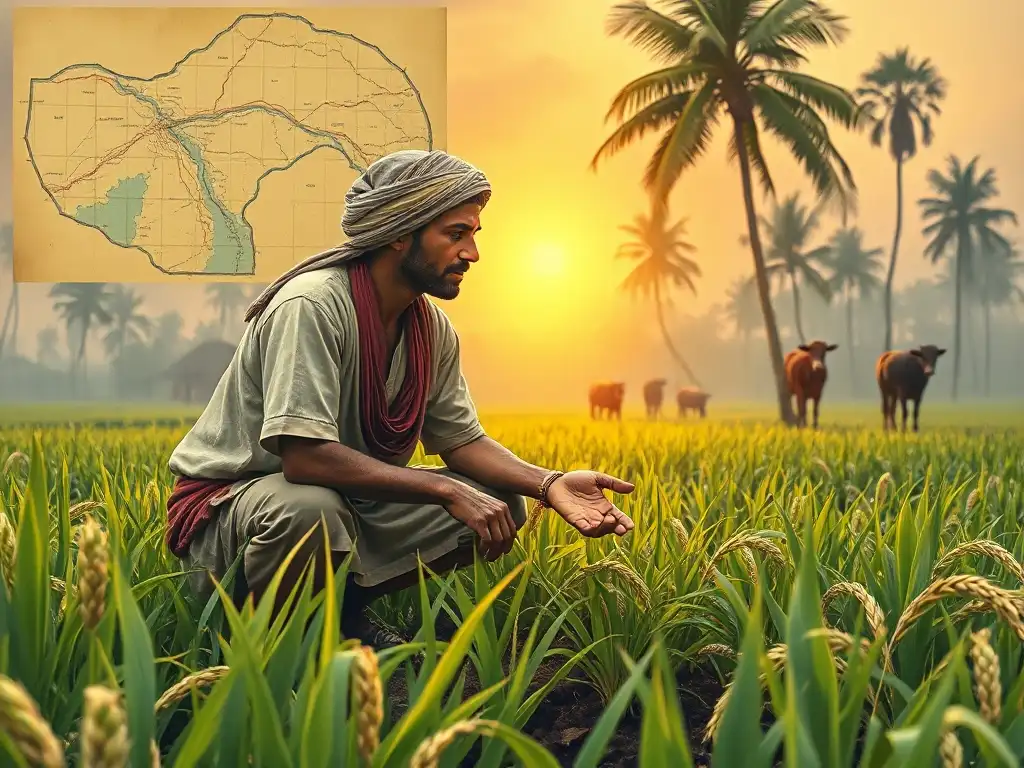
The legacy of ancient Indian agricultural practices is a profound testament to the ingenuity and observational skills of early farmers. This body of knowledge, cultivated over millennia, reflects an intricate understanding of the land, climate, and crops. These farmers were not mere laborers; they were keen observers of nature, adept at adapting their methods to the environmental conditions surrounding them.
The contributions of ancient Indian civilizations, particularly during the Indus Valley Civilization and later periods, laid the groundwork for various agricultural techniques that continue to influence modern practices. Techniques such as crop rotation, intercropping, and the use of organic fertilizers can trace their origins back to these early agricultural innovators. Their ability to observe and learn from nature fostered a sustainable approach to farming that prioritized harmony with the ecosystem.
Lasting Impact on Modern Agriculture
Ancient Indian agricultural practices have left an indelible mark on contemporary farming techniques worldwide. The principles of permaculture and agroecology echo the methods employed by ancient farmers, emphasizing biodiversity, soil health, and the cyclical nature of agricultural processes.
- Crop Rotation:
- Ancient farmers recognized the importance of rotating crops to maintain soil fertility and reduce pest infestations. Today, this practice is widely adopted to enhance agricultural productivity and sustainability.
- Intercropping:
- The practice of growing different crops in proximity has its roots in ancient Indian agriculture. This method not only maximizes space but also improves resilience against pests and diseases, contributing to higher yields.
- Organic Farming:
- The reliance on natural fertilizers, such as compost and animal manure, originated from ancient practices. Modern organic farming movements draw heavily from these age-old methods, promoting healthier ecosystems and reducing chemical dependency.
The innovations of ancient Indian farmers have transcended time, offering valuable lessons that resonate within modern agricultural paradigms. Their legacy is a rich tapestry of knowledge that informs sustainable practices today.
Reflection on Sustainable Practices Derived from Ancient Wisdom
The sustainable practices derived from ancient Indian agricultural wisdom offer critical insights into modern challenges such as climate change, biodiversity loss, and food security. By reflecting on these time-tested methods, contemporary farmers can adopt strategies that not only enhance productivity but also safeguard the environment.
- Nature as a Teacher: Ancient farmers understood the significance of observing natural systems. This holistic view is essential for modern agricultural practices that aim to work with, rather than against, nature.
- Biodiversity: The emphasis on planting a variety of crops ensures ecological balance, a principle that modern agriculture is increasingly recognizing as vital for resilience against pests and diseases.
- Water Management: Ancient irrigation techniques, such as the use of canals and wells, highlight the importance of water conservation, a practice that is especially relevant in today’s context of global water scarcity.
Ultimately, the sustainable agricultural practices rooted in ancient Indian agricultural innovations provide a blueprint for addressing contemporary challenges. By embracing these principles, we can cultivate a more sustainable future that honors the legacy of those who cultivated the land long ago.
Frequently Asked Questions
What were some key innovations in ancient Indian agricultural practices?
Ancient farmers in India used observation of nature, seasonal changes, and crop cycles to develop techniques like crop rotation and irrigation systems, which significantly improved yields.
How did the Indus Valley Civilization contribute to agriculture?
The Indus Valley Civilization is known for its advanced drainage systems and the cultivation of crops such as wheat and barley, showcasing early agricultural sophistication that influenced future practices.
What role did monsoons play in ancient Indian agriculture?
Monsoons provided essential rainfall for crop cultivation, and ancient farmers developed methods to predict and utilize these seasonal rains, ensuring successful harvests.
Were there any crops that were particularly significant in ancient India?
Yes, rice, wheat, and millets were among the most significant crops cultivated, forming the basis of the diet and economy in ancient Indian civilizations.
How did the Gupta Empire influence agricultural practices?
The Gupta Empire saw advancements in agricultural sciences, including the use of fertilizers and improved plowing techniques, leading to increased productivity and the flourishing of agriculture during this period.
Final Reflection: The Timeless Wisdom of Ancient Indian Agricultural Practices
The ingenuity of ancient Indian farmers, who relied on keen observation to innovate their agricultural practices, resonates profoundly in today's world. As we face modern challenges such as climate change and food security, the sustainable methods employed by these early cultivators remind us that nature's wisdom is timeless. Their ability to adapt and thrive in harmony with their environment serves as a powerful lesson for contemporary agricultural practices.
The influence of these ancient techniques is still palpable in our cultural and social landscapes, shaping not only farming methods but also our relationship with the earth. The principles of sustainability and observation that guided these farmers continue to inspire modern agricultural innovations. As Mahatma Gandhi once said, "> The earth provides enough to satisfy every man's needs, but not every man's greed." This quote encapsulates the essence of ancient practices that prioritized balance and respect for nature, urging us to reconsider our current approaches to agriculture and resource management.
As we reflect on the lessons from ancient Indian agricultural practices, I invite you to consider how you can incorporate these principles into your own life. Embrace observation in your daily routines, whether in gardening, cooking, or simply appreciating the natural world around you. By fostering a deeper connection with our environment, we can honor the legacy of those ancient farmers and contribute to a more sustainable future. Let their wisdom guide us as we navigate the complexities of modern life, reminding us that sometimes, the answers lie in the simplicity of nature.
Embrace the Wisdom of Ancient Farming Techniques!
Thank you for diving into the fascinating world of ancient Indian agricultural practices! By exploring how farmers relied on keen observation to innovate, you’ve unlocked valuable insights that can inspire modern approaches to farming and sustainability. Now, let’s take these lessons to heart and make a difference in our own lives.
Here are some empowering steps you can take:
- Implement observational farming techniques in your garden or community to cultivate crops more effectively.
- Share this knowledge with others—start a conversation with friends or on social media about the importance of traditional farming methods.
- Join a local agricultural group or forum to exchange ideas and resources, fostering a community centered around sustainable practices.
What new farming technique will you experiment with in your next gardening project? We’d love to hear your thoughts in the comments below!