
The Role of Community in Ancient Indian Agricultural Development

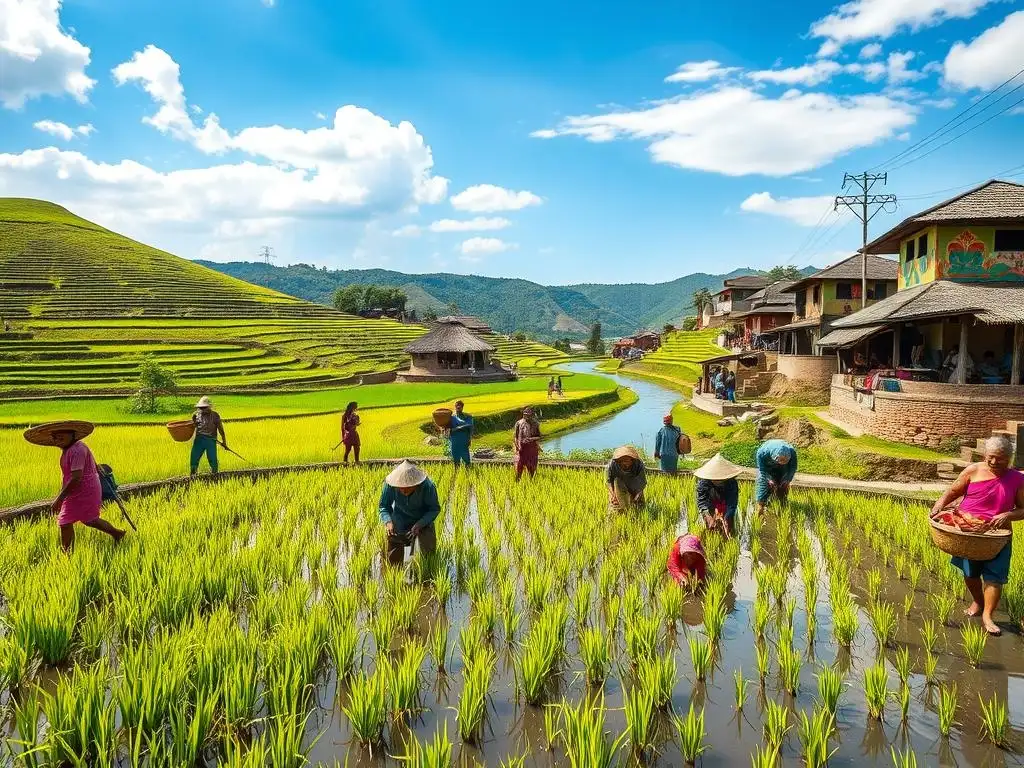
Welcome to Ancient India History, where we embark on a fascinating journey through the rich tapestry of India’s past. Dive deep into the innovative agricultural practices that shaped the livelihoods and communities of ancient civilizations. In our featured article, "The Role of Community in Ancient Indian Agricultural Development," we unravel the intricate connections between society and farming techniques, revealing how these practices not only sustained populations but also fostered growth and innovation. Prepare to be intrigued as we explore how the past continues to influence our present, and let your curiosity guide you through the remarkable stories that await!
Introduction to Ancient Indian Agricultural Practices
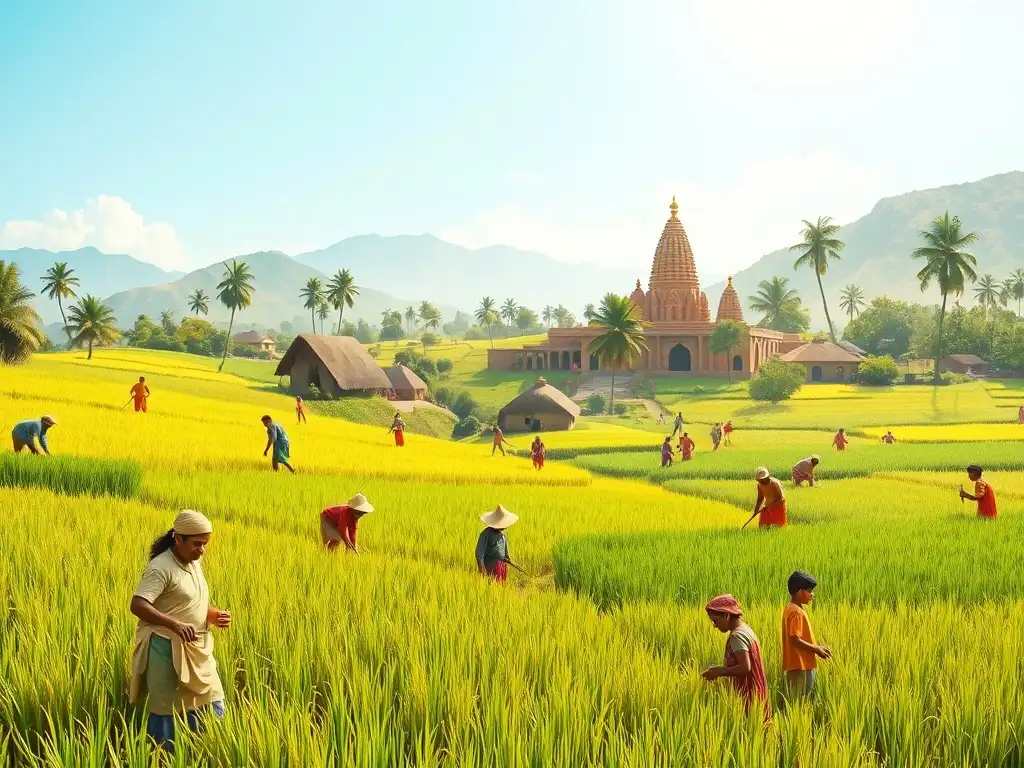
Agriculture has always been at the heart of civilization, serving as a foundation for societal development, economic stability, and cultural richness. In ancient India, agricultural practices were not merely individual endeavors; they thrived within the context of community cooperation and shared knowledge. This collaborative approach significantly shaped the evolution of farming techniques, crop diversity, and sustainability practices. By exploring the communal aspects of ancient Indian agricultural practices, we gain insights into how these civilizations adapted to their environment, enhanced productivity, and laid the groundwork for future innovations in agriculture.
Overview of Agriculture in Ancient India
The agricultural landscape of ancient India was characterized by its vast diversity, both in terms of crops and farming techniques. From the fertile plains of the Indus Valley to the lush riverbanks of the Ganges, various climatic conditions supported a wide range of agricultural activities. Key aspects include:
- Crop Cultivation: Major crops included rice, wheat, barley, lentils, and various fruits and vegetables.
- Irrigation Techniques: Ancient Indians developed sophisticated irrigation systems, including canals and wells, to optimize water use.
- Farming Implements: Tools like the plow were innovated to enhance productivity.
The integration of these practices was often facilitated by community collaboration, as farmers shared resources, labor, and knowledge to maximize their agricultural output.
Importance of Community in Agriculture
The role of community in ancient Indian agriculture cannot be overstated. Communities formed the backbone of agricultural development through various means:
- Collective Labor: Farmers often worked together during planting and harvesting seasons, sharing the labor and reducing individual burdens.
- Knowledge Sharing: Traditional agricultural knowledge was passed down through generations, with communities gathering to discuss techniques, pest control, and crop rotation.
- Cultural Practices: Festivals and rituals centered around agricultural cycles reinforced community bonds and encouraged collective participation in farming activities.
This emphasis on community not only improved agricultural efficiency but also fostered social cohesion, which was vital for the survival and prosperity of ancient Indian societies.
Historical Context of Agricultural Development
Understanding the evolution of agricultural practices in ancient India requires a look at the historical context in which they developed. Different civilizations contributed to agricultural advancements through unique methods tailored to their environments.
The Indus Valley Civilization and Early Farming Techniques
The Indus Valley Civilization (circa 3300–1300 BCE) is often regarded as one of the earliest examples of organized agricultural practices. Key features include:
- Urban Planning: Cities like Harappa and Mohenjo-Daro showcased advanced urban planning with designated farming areas.
- Crop Domestication: Evidence suggests that the Indus Valley people cultivated wheat, barley, and pulses extensively.
- Irrigation Systems: The civilization developed intricate drainage and irrigation systems to support agriculture in arid regions.
The community-centric approach facilitated not just farming but also trade and cultural exchange, which were integral to the civilization's success.
Agricultural Innovations during the Vedic Period
Following the decline of the Indus Valley Civilization, the Vedic period (circa 1500–500 BCE) saw significant agricultural innovations:
- Crop Rotation: Farmers began practicing crop rotation to maintain soil fertility and enhance yields.
- Use of Animal Power: The introduction of oxen for plowing marked a major technological advancement, allowing for more efficient farming.
- Sacred Agriculture: Agricultural practices were often intertwined with religious rituals, promoting a sense of community and shared responsibility towards the land.
These innovations laid the groundwork for more complex agricultural systems and further strengthened community ties.
Contributions from the Maurya and Gupta Empires
The Maurya (circa 322–185 BCE) and Gupta Empires (circa 320–550 CE) further advanced agricultural practices in ancient India:
- State Support: The Mauryan Empire implemented state policies to support agriculture, including irrigation projects and granaries.
- Technological Advances: The use of new tools and techniques, such as improved plowing methods, contributed to increased productivity.
- Cultural Integration: The Gupta period is noted for its cultural and technological integration, where agricultural knowledge from various regions was shared and adapted.
These contributions not only enhanced agricultural output but also reflected the central role that communities played in fostering innovation and sustaining agricultural practices throughout ancient Indian history.
Community-Based Agricultural Practices
Community-based agricultural practices played a crucial role in shaping ancient Indian agricultural development. The cooperation among farmers not only enhanced productivity but also fostered a sense of unity and shared responsibility towards managing the land and its resources. These practices were primarily characterized by collective action, where communities would come together to tackle challenges such as irrigation, pest control, and crop selection.
The pooling of resources enabled communities to invest in larger-scale agricultural projects, which individual farmers might not have been able to undertake alone. This collaboration often led to innovations in farming techniques and helped in the dissemination of knowledge, ensuring that traditional practices were preserved and adapted over generations.
Cooperative Farming in Ancient India
Cooperative farming was deeply embedded in ancient Indian society. Villages often operated as cooperative units where farmers shared land, tools, and labor. This system allowed for the efficient use of resources and minimized risks associated with individual farming. For instance, during the sowing and harvest seasons, community members would come together to assist each other, thereby ensuring that no one farmer was overwhelmed by the workload.
Evidence from texts such as the Arthashastra indicates that rulers encouraged cooperative farming as a means to enhance agricultural output and stabilize the economy. This approach not only improved food security but also promoted social cohesion, as shared success in agricultural endeavors strengthened community bonds.
Role of Local Knowledge and Tradition
Local knowledge and traditions were integral to ancient Indian agricultural practices. Farmers relied on centuries of accumulated wisdom regarding seasonal cycles, soil types, and suitable crops. This traditional ecological knowledge was often specific to the local environment, enabling communities to adapt their farming practices to their unique circumstances.
For example, some regions developed specific crop rotation techniques that optimized soil fertility and reduced pest infestations. Additionally, the use of indigenous seeds and organic fertilizers, passed down through generations, showcased the importance of local resource management. Such practices not only contributed to sustainable agriculture but also maintained the biodiversity essential for resilient farming systems.
Festivals and Communal Activities Associated with Agriculture
Festivals and communal activities were vital in reinforcing the agricultural calendar in ancient India. Events like Makar Sankranti and Pongal celebrated the harvest and were occasions for communities to come together in gratitude for the bounty of the land. These festivals involved rituals, music, dance, and feasting, which helped strengthen social ties and cultural identity.
Communal activities such as village fairs and markets also played a significant role in agricultural development. They provided platforms for farmers to exchange goods, share knowledge, and promote local produce. These gatherings not only enhanced the economic well-being of communities but also fostered a sense of pride in local agricultural practices, ensuring that traditions were preserved and passed down.
Technological Innovations Driven by Community Needs
Technological innovations in ancient India were often driven by the collective needs of communities. As agricultural challenges arose, communities collaborated to develop solutions that enhanced productivity and sustainability. This continuous cycle of innovation was crucial for adapting to changing environmental conditions and population growth.
Tools and Techniques Developed through Community Collaboration
The development of farming tools and techniques was a community effort in ancient India. Villagers would share insights and skills, leading to the creation of tools that were better suited to local conditions. For instance, the plough was adapted to different soil types and farming practices, allowing for efficient tillage.
Communities also experimented with various planting and harvesting techniques, such as transplanting rice, which significantly improved yields. The sharing of these innovations not only increased agricultural output but also encouraged a culture of learning and adaptation, vital for the longevity of farming practices.
Irrigation Systems and Their Community Impact
Irrigation systems in ancient India were often community-driven projects that showcased the collaborative spirit of local farmers. The construction of canals, tanks, and wells required significant labor and coordination, leading to the establishment of communal governance structures to oversee these efforts.
These irrigation systems had a profound impact on agricultural productivity, allowing communities to cultivate crops year-round rather than being limited by seasonal rainfall. The benefits of improved irrigation extended beyond individual farms, contributing to the overall prosperity of villages and regions. This collective investment in water management not only ensured food security but also fostered resilience against droughts and floods.
Crop Diversity and Its Benefits to Local Societies
Crop diversity was another hallmark of ancient Indian agricultural practices, largely stemming from community collaboration. Farmers recognized the advantages of growing a variety of crops, which mitigated risks associated with crop failure due to pests or disease. Communities would often share seeds and knowledge about different varieties, leading to a rich tapestry of agricultural biodiversity.
The cultivation of diverse crops also enhanced soil health and reduced dependency on a single crop, promoting ecological balance. Furthermore, this diversity supported local economies, as communities could cater to different markets and dietary needs, thereby fostering trade and connectivity within and between regions. The communal approach to crop diversity ensured that agricultural practices were sustainable and resilient, benefiting society as a whole.
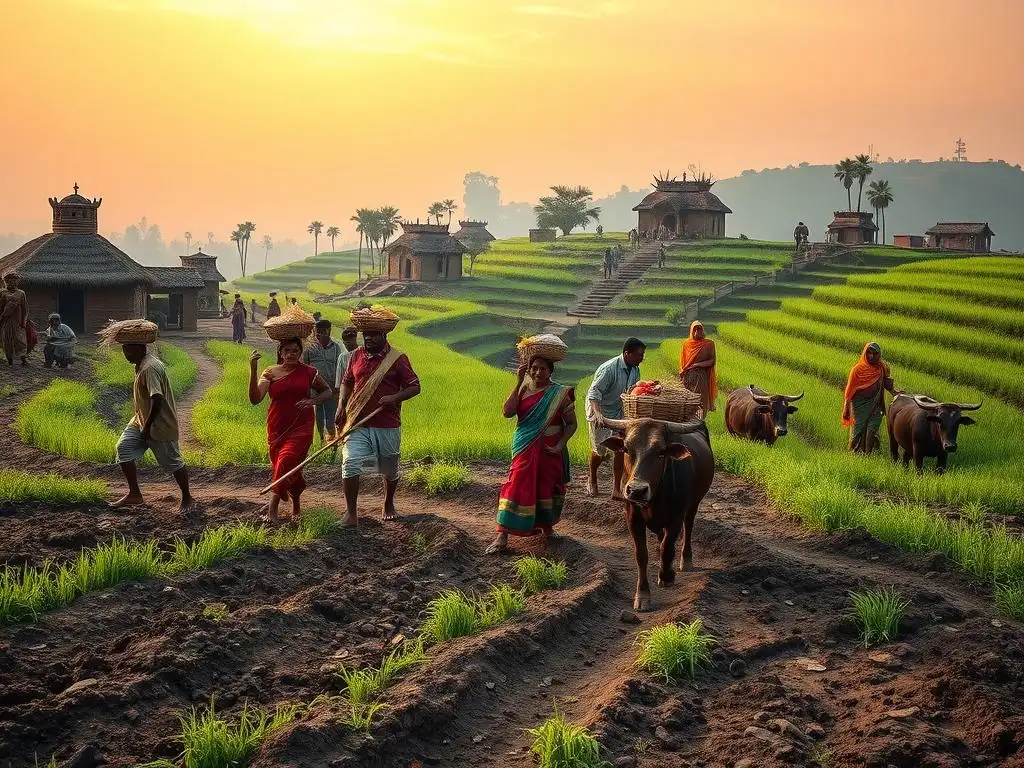
The agricultural landscape of ancient India was significantly shaped by its social structures, which influenced how communities engaged with farming practices. The integration of agriculture into the social fabric was essential for survival, sustenance, and economic prosperity. Communities often worked together, sharing knowledge and labor, which facilitated the development of sophisticated agricultural techniques. The collaboration among various social groups allowed for diverse agricultural practices tailored to specific regional conditions, thus optimizing productivity.
Social hierarchies within these communities also played a crucial role in agricultural development. Certain groups were tasked with specific agricultural functions based on their social status, which contributed to the specialization of labor. For instance, higher caste groups often controlled land and resources, while lower caste groups performed the physical labor associated with farming. This division of labor not only maximized efficiency but also ensured that agricultural practices were deeply rooted in community identity and tradition.
Role of Caste and Community in Farming
Caste systems in ancient India profoundly influenced agricultural practices. The land was often owned by the higher castes, who engaged in strategic agricultural planning and resource management, while the lower castes provided the labor force necessary for farming activities. This hierarchical arrangement meant that knowledge and agricultural innovations were often disseminated within caste groups, which could limit the spread of best practices across different communities.
Moreover, caste associations often formed cooperative groups that enabled the sharing of resources and agricultural knowledge. For example, certain castes specialized in specific crops or techniques, creating a network of expertise that benefited the entire community. These social ties fostered a sense of collective responsibility toward agricultural sustainability, allowing communities to thrive despite varying climatic and economic challenges.
Gender Roles in Ancient Indian Agriculture
Gender roles were another critical aspect of ancient Indian agricultural practices. Women played a vital role in farming, often engaging in tasks such as sowing, weeding, and harvesting. Their contributions were essential, yet their work was frequently undervalued and overlooked in historical narratives.
Women were also instrumental in the preservation of indigenous knowledge related to crop management, pest control, and seed selection. This knowledge was often passed down through generations, ensuring that communities remained resilient in the face of agricultural challenges. Furthermore, the involvement of women in agriculture facilitated their participation in local governance and decision-making processes, reinforcing their importance within the community structure.
Community Governance in Agricultural Practices
Community governance was essential in regulating agricultural practices and managing resources in ancient India. Local councils or assemblies, often composed of elders and influential community members, played a pivotal role in decision-making regarding land use, crop selection, and irrigation practices. These governing bodies ensured that agricultural activities were conducted in a manner that balanced individual needs with collective welfare.
The governance structures also facilitated conflict resolution among community members regarding land disputes or resource allocation. By fostering cooperation and mutual support, these systems contributed to the sustainability of agricultural practices, ensuring that communities could adapt to changing environmental conditions and maintain food security.
Case Studies of Successful Community Farming
Examining specific case studies of community farming in ancient India provides valuable insights into the effectiveness of collective agricultural practices. These examples illustrate how communities leveraged social structures and governance to enhance agricultural productivity and resilience.
Example 1: The Agricultural Practices of the Tamil Nadu Farmers
The farmers of Tamil Nadu are notable for their innovative agricultural practices rooted in community collaboration. Historically, these farmers utilized a system of shared irrigation known as "Kudimaramath," where local communities collectively managed water resources. This cooperative approach allowed for efficient water distribution, enabling farmers to cultivate rice and other crops in a sustainable manner.
The Tamil Nadu farmers also engaged in crop rotation and intercropping, which enhanced soil fertility and reduced pest infestations. Their traditional knowledge and practices have been passed down through generations, demonstrating the importance of community involvement in maintaining agricultural diversity and resilience against climatic variations.
Example 2: The Cooperative Farming Model in Punjab
In Punjab, cooperative farming emerged as a successful model during the Green Revolution. Farmers formed cooperatives to pool resources, share equipment, and access better seeds and fertilizers. This collective effort significantly increased productivity and allowed smallholder farmers to compete in the market.
The cooperative model not only improved agricultural output but also fostered a sense of community among farmers. By working together, they could share knowledge, strategies, and innovations, leading to a more sustainable approach to farming. The success of these cooperatives highlights the critical role of community in enhancing agricultural practices and ensuring food security in ancient Indian societies.
Conclusion: Legacy of Community in Ancient Indian Agricultural Practices
The legacy of community in ancient Indian agricultural practices is profound and multifaceted. Communities played a pivotal role in the development, dissemination, and evolution of agricultural techniques that not only sustained their immediate populations but also influenced future generations. The cooperation among farmers, sharing of knowledge, and collective labor were fundamental to achieving agricultural success in ancient India.
These practices fostered a sense of belonging and interdependence, which was crucial for managing resources, especially in challenging environments. The social structures built around agriculture laid the groundwork for the rich tapestry of Indian civilization, emphasizing the importance of community in sustaining agricultural innovation.
Furthermore, the traditional knowledge systems developed through community practices have been handed down through generations, providing a reservoir of wisdom that continues to inform modern agricultural methods. This legacy serves as a reminder of the importance of cooperative efforts in enhancing productivity and ensuring food security, reinforcing the idea that agriculture is not just an individual endeavor but a collective responsibility.
Lasting Impacts on Modern Agricultural Techniques
The agricultural practices of ancient India have left an indelible mark on modern techniques. Many contemporary farming methods can trace their roots back to community-driven innovations that emphasized sustainable practices. For instance, the use of crop rotation, intercropping, and organic fertilization has its origins in ancient agricultural strategies designed to maintain soil health and maximize yields.
Moreover, the communal approach to water management, such as the construction of irrigation systems and water harvesting techniques, has been crucial in shaping modern irrigation practices. Today, many regions in India still rely on traditional methods of water conservation that were developed centuries ago, highlighting the resilience and adaptability of these ancient practices.
The emphasis on biodiversity, which was a cornerstone of ancient agricultural systems, has also influenced modern organic farming movements. By promoting a variety of crops and livestock, ancient communities not only ensured food security but also preserved the ecosystem, a practice that is being revisited in today’s efforts to combat climate change and promote sustainable agriculture.
The Role of Community in Sustainable Agriculture Today
Today, the role of community in sustainable agriculture has gained renewed focus as societies recognize the interconnection between agriculture, the environment, and social well-being. Modern agricultural initiatives often incorporate community participation, ensuring that farming practices are not only productive but also socially equitable and environmentally sustainable.
Community-supported agriculture (CSA) programs, for instance, embody the ancient principles of shared resources and collective responsibility. These programs connect local farmers with consumers, fostering a sense of community while promoting sustainable farming practices that prioritize local ecosystems and biodiversity.
Furthermore, the revival of traditional agricultural practices, such as organic farming and permaculture, is often driven by community efforts that emphasize sustainability and the preservation of indigenous knowledge. By encouraging collaboration among farmers, researchers, and consumers, these initiatives aim to create resilient agricultural systems that honor the legacy of ancient Indian agricultural practices while addressing contemporary challenges.
References
Key Texts on Ancient Indian Agricultural Practices
- "The Agrarian System of Mughal India" by R. C. Dutt - This book provides an in-depth exploration of agricultural practices during the Mughal era, offering insights into the community-driven approaches to farming.
- "Indian Agriculture: A Historical Perspective" by R. R. Dhanagare: - This text traces the evolution of agricultural practices in India, highlighting the role of community in shaping these developments.
- "The Science of Agriculture in Ancient India" by R. B. Singh - A comprehensive look at the agricultural techniques and innovations of ancient Indian societies, focusing on communal practices.
Suggested Readings on Community in Agriculture
- "Farming as a Community: The Role of Collective Efforts in Agriculture" by A. K. Jain: - This book discusses the significance of community in agricultural development and its implications for modern practices.
- "Sustainable Agriculture: Lessons from Ancient Practices" by M. P. Sharma: - A comparative analysis of ancient agricultural methods and their relevance to contemporary sustainable practices, emphasizing community involvement.
- "Community Resilience in Agriculture: A Historical Perspective" by L. N. Gupta: - This work examines how community resilience has shaped agricultural practices throughout history, with a focus on ancient Indian societies and their contributions.
- Introduction to Ancient Indian Agricultural Practices
- Historical Context of Agricultural Development
- Community-Based Agricultural Practices
- Technological Innovations Driven by Community Needs
- Social Structures and Agricultural Development
- Case Studies of Successful Community Farming
- Conclusion: Legacy of Community in Ancient Indian Agricultural Practices
- References
Frequently Asked Questions
What were some key ancient Indian agricultural practices?
Ancient Indian agricultural practices included crop rotation, irrigation systems, and the use of natural fertilizers. These techniques enhanced soil fertility and crop yields.
How did community play a role in agricultural development?
Communities in ancient India worked together to develop irrigation systems and share farming techniques, which led to improved food security and sustainable agricultural practices.
What crops were primarily cultivated in ancient India?
Farmers in ancient India primarily cultivated rice, wheat, barley, and millets. These staples were crucial for sustaining the growing populations and contributed to trade.
How did ancient Indian agriculture influence society?
Agriculture fostered the development of settled communities, leading to the rise of cities and trade networks. This shift significantly impacted social structures and cultural practices.
What innovations in agriculture emerged during the Gupta Empire?
During the Gupta Empire, innovations such as advanced plowing techniques and the introduction of new crop varieties were significant. These developments contributed to agricultural prosperity and economic stability.
Final Reflection: The Enduring Legacy of Community in Ancient Indian Agricultural Practices
The significance of community in ancient Indian agricultural practices remains profoundly relevant today, as it underscores the importance of collaboration and shared knowledge in fostering sustainable development. In an era where individualism often takes precedence, the collective efforts that shaped ancient agricultural methods remind us that progress is seldom a solitary endeavor. The intricate web of relationships among farmers, artisans, and local leaders played a pivotal role in cultivating not only crops but also a sense of belonging and resilience within communities.
The influence of these ancient practices continues to resonate in our cultural and social landscapes, emphasizing the value of cooperation and mutual support in addressing contemporary challenges. As we navigate the complexities of modern agriculture, the lessons learned from our ancestors serve as a guiding light. The greatest strength of a community lies in its ability to unite for a common purpose.
This quote encapsulates the essence of how ancient Indian agricultural practices were not merely about farming techniques but about the very fabric of society, woven together through shared goals and collective wisdom.
As we reflect on the lessons of the past, I invite you to consider how the principles of community and collaboration can be applied in your own life. How can you foster connections and support systems that echo the spirit of ancient Indian agricultural practices? By embracing the power of community, we can cultivate not only our fields but also our relationships, paving the way for a more sustainable and interconnected future. Let us honor the legacy of those who came before us by nurturing our communities and working together towards a common goal.
Unearth the Power of Community in Agriculture!
Thank you for diving into the fascinating world of ancient Indian agricultural development! You've uncovered the pivotal role that community played in fostering growth and sustainability. Now, let’s take these insights and turn them into action!
Here’s how you can further explore and contribute to this rich legacy:
- Join a local gardening or farming group to experience firsthand the strength that community brings to agriculture.
- Share this article with friends and family to ignite discussions about sustainable practices and the importance of community involvement.
- Explore historical texts or documentaries to gain a deeper understanding of ancient techniques that can inspire modern agricultural practices.
How has your own experience with community in agriculture influenced your perspective? We invite you to share your thoughts below!