
The Nyaya Sutras: Key Texts and Their Impact on Indian Philosophy


Welcome to Ancient India History, where we embark on a fascinating journey through the rich tapestry of Indian civilization. From the awe-inspiring Indus Valley to the illustrious Gupta Empire, our exploration reveals the profound cultural and intellectual contributions that have shaped the world. In today’s featured article, we delve into the Nyaya Sutras and their significant impact on Indian philosophy.
What insights do these ancient texts offer, and how have they influenced philosophical thought throughout the ages? Join us as we uncover the layers of wisdom embedded in these key texts and spark your curiosity to learn more about the profound legacy of ancient Indian thought.
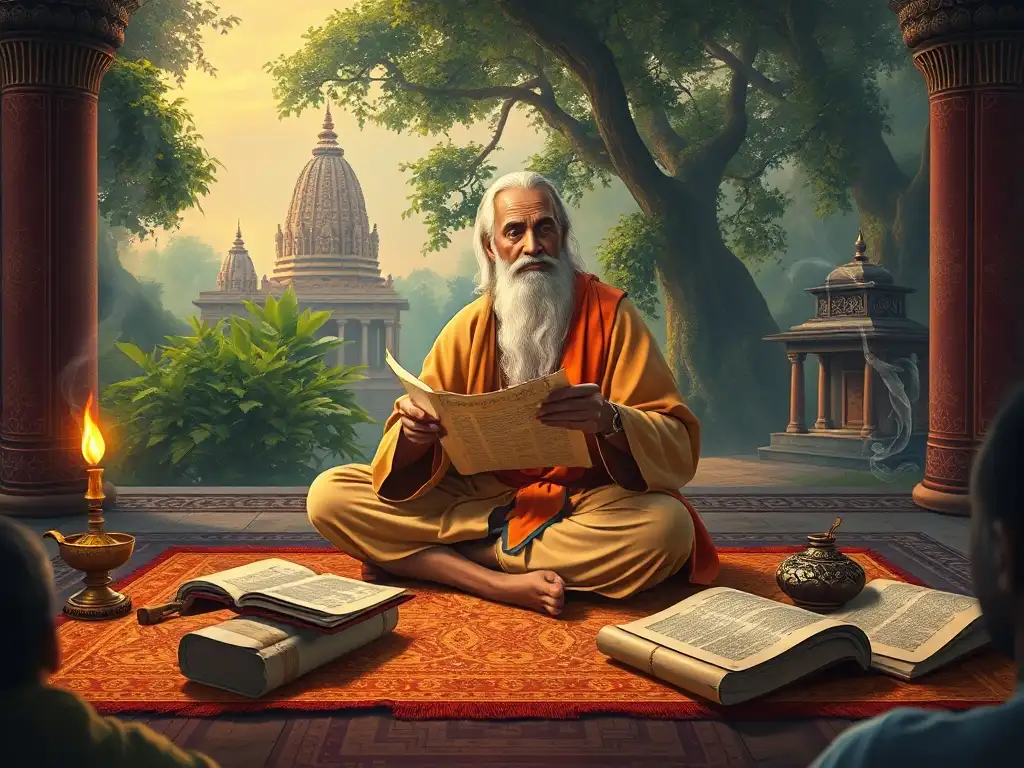
The Nyaya Sutras represent a cornerstone of the Nyaya School of Thought, one of the six orthodox schools of Indian philosophy. These ancient texts, attributed to the philosopher Gautama, delve into the principles of logic and epistemology, shaping the way knowledge is understood and analyzed in Indian philosophical traditions.
By exploring the Nyaya Sutras, we uncover not only the framework of reasoning and argumentation established in ancient India but also the profound influence these texts have had on the development of Indian philosophy as a whole. This article will provide an in-depth exploration of the Nyaya Sutras, their historical context, and their lasting impact on the trajectory of philosophical thought in India.
Introduction to Nyaya Sutras
Overview of the Nyaya School of Thought
The Nyaya School, often regarded as the "school of logic," emphasizes the importance of rational inquiry and the use of logical methods to attain knowledge. The term “Nyaya” itself translates to "rule" or "method," underscoring the school's focus on systematic reasoning. The foundational texts, known as the Nyaya Sutras, are structured aphoristically and serve as a guide for students and practitioners in understanding the pathways to valid knowledge (prama).
Key elements of the Nyaya School include:
- Pramanas (means of knowledge): The school identifies four primary means of knowledge: perception, inference, comparison, and testimony.
- Logical analysis: Nyaya philosophy encourages rigorous debate and analysis, allowing for the refinement of ideas through discourse.
- Epistemological foundations: It lays the groundwork for discussions on the nature of reality and the processes through which knowledge can be acquired and verified.
Importance of the Nyaya Sutras in Indian Philosophy
The Nyaya Sutras are not merely texts of logic; they have significantly shaped the broader philosophical landscape in India. Their influence extends to various fields, including epistemology, metaphysics, ethics, and even theology. Here are some notable aspects of their importance:
- Framework for debate: The Sutras provide a methodology for philosophical discussions, fostering a culture of inquiry that remains vital in Indian intellectual traditions.
- Engagement with other schools: The Nyaya philosophy engages critically with other schools of thought, including Buddhism and Vedanta, offering counterarguments and enhancing the richness of philosophical discourse.
- Foundation for later thinkers: The concepts and arguments found in the Nyaya Sutras laid the groundwork for subsequent philosophers, inspiring figures such as Udayana and Vachaspati Mishra to build upon these ideas in their works.
Historical Context of the Nyaya Sutras
Background of the Nyaya School
The Nyaya School emerged during a period of intense intellectual activity in ancient India, roughly around the 2nd century BCE. This era witnessed the composition of various philosophical texts, leading to the establishment of distinct schools of thought. The Nyaya Sutras were crafted in response to the prevailing philosophical challenges of the time, particularly those posed by Buddhism and the Ajivika sects. The Nyaya philosophers aimed to refine logical reasoning and establish a coherent system for understanding truth and reality.
Key Figures in the Development of Nyaya Philosophy
Several influential thinkers have played a pivotal role in the evolution of Nyaya philosophy. Among them are:
- Gautama (also known as Akshapada): The founder of the Nyaya School, credited with composing the Nyaya Sutras, he emphasized the importance of logic in the pursuit of knowledge.
- Vatsyayana: An important commentator on the Nyaya Sutras, his work helped clarify and elaborate on the original texts, bridging gaps between ancient and later interpretations.
- Udayana: A prominent philosopher who integrated Nyaya principles with other philosophical traditions, Udayana's contributions expanded the scope of Nyaya thought and its applicability to various philosophical problems.
Through these figures and their contributions, the Nyaya Sutras continue to resonate within Indian philosophy, providing a vital framework for understanding knowledge and truth.
Key Texts of the Nyaya Sutras
The Nyaya Sutras, composed by the sage Gautama around the 2nd century BCE, serve as the foundational text of the Nyaya school of philosophy. This work is primarily concerned with the nature of knowledge, the process of inference, and the criteria for valid reasoning. The Sutras consist of 528 aphorisms that are concise and often cryptic, requiring extensive commentary for clarity.
The Nyaya Sutras are divided into five books, which focus on various aspects of logic and epistemology. The first book introduces the concept of "pramana" (means of knowledge), while subsequent books delve into areas such as the nature of the self, the types of valid and invalid inference, and the characteristics of different categories of existence. This structured approach not only lays the groundwork for the Nyaya school but also influences subsequent philosophical discourse in India.
Structure and Composition of the Nyaya Sutras
The structure of the Nyaya Sutras is marked by its systematic arrangement and brevity. Each Sutra is an aphoristic statement that encapsulates a particular philosophical idea or principle. The Sutras are often grouped thematically, addressing different aspects of logic, cognition, and reality.
The composition is characterized by a specific linguistic style, employing Sanskrit with precision. Gautama’s method involves a logical progression from definitions to propositions, making it easier for scholars and students to engage with the material. The text is not merely a theoretical treatise; it serves as a practical guide for reasoning and debate, establishing rules for argumentation that are still relevant in modern philosophical discussions.
Major Themes Explored in the Nyaya Sutras
The Nyaya Sutras explore several major themes that are essential to understanding Indian philosophy. One key theme is the concept of "pramana," which refers to the means by which knowledge is acquired. The Sutras categorize valid sources of knowledge into perception, inference, comparison, and testimony, each with its own criteria for validity.
Another significant theme is the nature of reality and existence. The Sutras discuss the categories of being, including the self, matter, and the universe, examining their interrelations and how they can be understood through logical inquiry. Additionally, the text addresses the importance of language and its role in shaping thought, emphasizing the connection between linguistic precision and philosophical clarity.
Notable Commentaries on the Nyaya Sutras
Throughout history, the Nyaya Sutras have been the subject of numerous commentaries that seek to elucidate their complex ideas. One of the most significant commentaries is by Vatsyayana, known as the "Nyaya Bhashya," which provides extensive explanations of the Sutras and incorporates insights from various philosophical traditions.
Other notable commentators include Uddyotakara and Jayanta Bhatta, who further developed the ideas presented in the Sutras and addressed critiques from rival schools of thought. Their works not only preserved the original text's relevance but also expanded its interpretations, contributing to a richer understanding of Nyaya philosophy within the broader context of Indian thought.
Impact of the Nyaya Sutras on Indian Philosophy
The impact of the Nyaya Sutras on Indian philosophy is profound and far-reaching. As a cornerstone of logical reasoning and epistemology, the Sutras have shaped discussions on knowledge, argumentation, and philosophical inquiry throughout the centuries. Their influence extends beyond the confines of the Nyaya school, permeating various philosophical traditions in India.
Influence on Logic and Epistemology
One of the most significant contributions of the Nyaya Sutras is the establishment of a formal system of logic and epistemology. The Sutras introduced rigorous methodologies for evaluating arguments, distinguishing between valid and invalid reasoning. This systematization of logic laid the groundwork for subsequent philosophical developments, not only in India but also in later global philosophical thought.
The emphasis on pramana and the classification of knowledge sources have deeply influenced the study of epistemology in Indian philosophy. Scholars from other schools, such as Buddhism and Advaita Vedanta, engaged with Nyaya concepts, leading to a rich dialogue on the nature of knowledge and belief.
Contributions to Ethical Thought in Indian Philosophy
The Nyaya Sutras also contribute significantly to ethical thought within Indian philosophy. The discussions on the nature of the self and moral responsibility are pivotal in understanding ethical behavior. The Nyaya school posits that knowledge is instrumental in achieving liberation and ethical living, emphasizing the importance of right reasoning in moral decisions.
Furthermore, the interactions between Nyaya and other philosophical schools have fostered a nuanced approach to ethics, where concepts of justice, virtue, and duty are debated and refined. This inter-school dialogue has enriched the ethical landscape of Indian philosophy, making it more comprehensive and dynamic.
Interaction with Other Schools of Thought
The Nyaya Sutras have not only influenced the Nyaya school but have also engaged in a vibrant intellectual exchange with other philosophical traditions. The debates between Nyaya and other schools, such as Buddhism, Jainism, and Advaita Vedanta, have led to the refinement of ideas and the development of new theories.
For example, the Nyaya school’s emphasis on logic and inference has prompted critiques and responses from Buddhist philosophers, who often challenge the concept of inherent existence as posited by Nyaya. This interaction has stimulated deeper analysis and has contributed to a more robust philosophical discourse in ancient India, fostering a culture of inquiry and debate that remains a hallmark of Indian philosophy today.
Comparative Analysis of Nyaya Sutras with Other Philosophical Texts
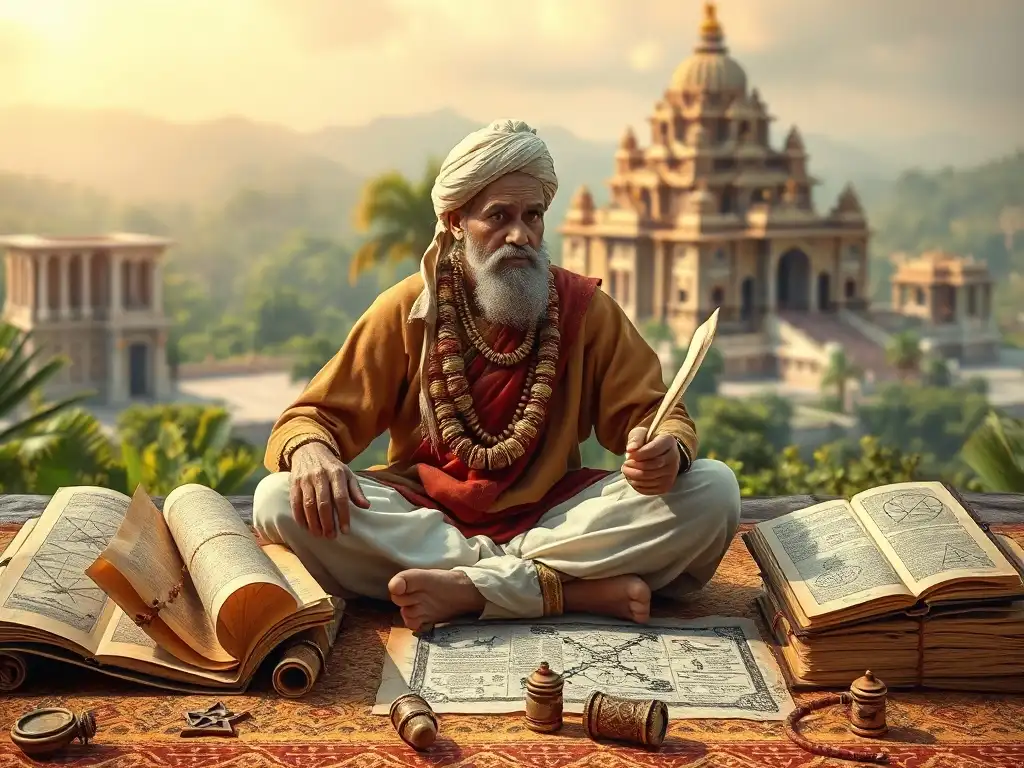
The Nyaya Sutras, composed by Gautama, are foundational texts in the Nyaya school of Indian philosophy that focus on logic, epistemology, and metaphysics. When compared to other philosophical texts, such as the Brahma Sutras and the Yoga Sutras, the Nyaya Sutras present unique features that emphasize analytical reasoning and systematic inquiry.
In contrast to the Brahma Sutras, which primarily address the nature of Brahman and the relationship between the individual soul and the absolute, the Nyaya Sutras prioritize the methods of obtaining knowledge (pramana) and the validity of arguments. This focus on epistemology distinguishes Nyaya from other schools that may place more emphasis on metaphysical speculation.
Similarly, when contrasted with the Yoga Sutras of Patanjali, which emphasize meditation and the path to liberation through practice and discipline, the Nyaya Sutras advocate for a rigorous logical framework to understand reality. This analytical approach allows for a more structured examination of philosophical problems, making it a vital complement to the more experiential methodologies found in other schools.
Nyaya Sutras vs. Other Indian Philosophical Schools
The Nyaya Sutras are often compared with various other Indian philosophical schools, such as Vedanta, Buddhism, and Jainism, each of which offers distinct perspectives on knowledge and existence.
- Vedanta, which focuses on the ultimate nature of reality and the self, often engages in metaphysical discussions that the Nyaya school critiques for their lack of rigorous analysis. While Vedanta relies heavily on scriptural authority, Nyaya emphasizes logical reasoning and debate.
- Buddhism presents a different epistemological stance, particularly in its rejection of the permanent self (anatta) and its focus on the impermanence of phenomena. The Nyaya Sutras, on the other hand, argue for the existence of a permanent self and maintain a more structured approach to reality.
- Jain philosophy shares some similarities with Nyaya, particularly in its emphasis on logic and debate. However, Jainism's non-absolute truth and the concept of anekantavada (the doctrine of multiple viewpoints) contrast sharply with the Nyaya's more definitive stance on logical consistency and the validity of arguments.
This comparative analysis underscores the Nyaya Sutras' unique position within the broader landscape of Indian philosophy, showcasing their critical engagement with other philosophical traditions.
Global Influence of Nyaya Thought
The impact of Nyaya thought extends beyond the boundaries of Indian philosophy, influencing various global philosophical traditions. The emphasis on logic and analytical thinking within the Nyaya Sutras resonates with Western philosophical traditions, particularly during the Enlightenment era, where reason and empirical inquiry were paramount.
Philosophers such as Gottfried Wilhelm Leibniz and later Immanuel Kant explored themes of causation and perception that parallel the discussions found in Nyaya. The analytical rigor of Nyaya has also influenced contemporary fields, such as cognitive science and artificial intelligence, where the examination of reasoning processes and epistemic frameworks are critical.
Furthermore, the resurgence of interest in Eastern philosophies in Western academia has led to a greater appreciation of the Nyaya Sutras and their contributions to logical discourse, fostering cross-cultural dialogues that enrich both Eastern and Western philosophical landscapes.
Legacy of the Nyaya Sutras in Modern Philosophy
The legacy of the Nyaya Sutras in modern philosophy is profound, as their analytical approach has shaped contemporary philosophical discourse. The principles laid down by Gautama regarding the nature of knowledge, argumentation, and logic continue to be relevant in various fields, including philosophy, law, and science.
The rigorous examination of pramanas (means of knowledge) found in the Nyaya Sutras provides a framework for evaluating truth claims and arguments, which is essential in today’s critical thinking and reasoning practices. As modern philosophers grapple with complex issues in epistemology, the Nyaya Sutras offer valuable insights that bridge ancient wisdom with contemporary thought.
Relevance of Nyaya Sutras in Contemporary Philosophical Discourse
The Nyaya Sutras remain relevant in contemporary philosophical discourse, particularly in discussions around the nature of knowledge, belief, and argumentation. In an age where misinformation and subjective interpretations of truth abound, the principles articulated in the Nyaya Sutras serve as a guide for evaluating the validity of arguments and the reliability of sources.
Furthermore, the Nyaya emphasis on debate and dialogue encourages a collaborative approach to philosophical inquiry, fostering an environment where diverse viewpoints can be examined critically. This relevance is evident in modern epistemological debates where the concepts of justification and belief are central.
Influence on Indian Legal and Logical Thought
The influence of the Nyaya Sutras extends into Indian legal and logical thought, as their principles have been foundational in the development of legal reasoning and jurisprudence. The systematic approach to argumentation and logic found in the Nyaya tradition has informed Indian legal practices, emphasizing the importance of evidence, reasoning, and logical consistency in judicial proceedings.
Moreover, the Nyaya Sutras have contributed to the formulation of legal principles that prioritize rational adjudication, aligning legal processes with philosophical inquiry. This intersection of philosophy and law highlights the enduring impact of Nyaya thought in shaping not only philosophical discussions but also practical applications in society.
The Nyaya Sutras have left an indelible mark on various facets of thought, ensuring their continued relevance and influence in both philosophical and practical domains.
Conclusion: The Enduring Impact of Nyaya Sutras on Indian Philosophy
The Nyaya Sutras, attributed to the sage Gautama, represent a foundational text in Indian philosophy, particularly within the Nyaya school of thought. Their profound influence is evident not only in the development of logical reasoning and epistemology but also in the broader landscape of Indian philosophical discourse. The systematic approach to knowledge and inquiry presented in the Sutras has fostered a culture of critical thinking, debate, and intellectual rigor that continues to resonate in contemporary philosophical discussions.
The enduring legacy of the Nyaya Sutras is reflected in their ability to integrate various aspects of knowledge, such as perception, inference, and testimony, into a cohesive framework. This has allowed later philosophers to build upon these concepts, leading to rich dialogues that bridge ancient and modern thought. Furthermore, the emphasis on logical analysis has made the Nyaya school a vital reference point for understanding not only Indian philosophy but also its interactions with other philosophical traditions worldwide.
Summary of Key Contributions
The Nyaya Sutras have made several key contributions that have significantly shaped Indian philosophy:
- Development of Logic: The Sutras introduce rigorous methodologies for reasoning, establishing principles that govern valid inference and argumentation. This logical framework has influenced not only Nyaya philosophers but also other Indian schools, such as Buddhism and Vedanta.
- Epistemological Insights: The Sutras provide a comprehensive examination of the means of knowledge (pramanas), categorizing them into perception, inference, comparison, and testimony. This classification has laid the groundwork for discussions on how knowledge is acquired and validated.
- Influence on Ethics and Metaphysics: Beyond logic and epistemology, the Nyaya Sutras also explore ethical considerations and metaphysical doctrines, asserting that a correct understanding of reality is essential for achieving liberation (moksha). This holistic view has enriched the philosophical landscape of ancient India.
- Interdisciplinary Engagement: The impact of the Nyaya Sutras extends beyond philosophy, influencing fields such as linguistics, law, and science in ancient India. Their analytical approach has encouraged interdisciplinary dialogues that continue to inspire scholars today.
Future Directions for the Study of Nyaya Philosophy
As the study of Nyaya philosophy evolves, several promising directions can be pursued to further explore its depth and relevance:
- Comparative Studies: Scholars can engage in comparative analyses between Nyaya philosophy and other philosophical traditions, such as Western logic and epistemology. This could illuminate shared themes and divergent approaches, fostering a richer understanding of global philosophical discourse.
- Historical Contextualization: Investigating the historical context of the Nyaya Sutras and their reception over time can provide insights into how the text has adapted and influenced various philosophical movements within India and beyond.
- Modern Applications: Analyzing how Nyaya principles can be applied to contemporary philosophical issues, such as ethics in technology and scientific reasoning, can demonstrate the Sutras' continued relevance and utility.
- Interdisciplinary Research: Collaborating with scholars from other fields, such as cognitive science and linguistics, may yield new interpretations and applications of Nyaya concepts, bridging ancient wisdom with modern inquiries.
The Nyaya Sutras remain a vital part of the philosophical heritage of India, and ongoing research into their teachings will undoubtedly continue to enrich both the understanding of Indian philosophy and its global impact.
- Introduction to Nyaya Sutras
- Historical Context of the Nyaya Sutras
- Key Texts of the Nyaya Sutras
- Impact of the Nyaya Sutras on Indian Philosophy
- Comparative Analysis of Nyaya Sutras with Other Philosophical Texts
- Legacy of the Nyaya Sutras in Modern Philosophy
- Conclusion: The Enduring Impact of Nyaya Sutras on Indian Philosophy
- What are the Nyaya Sutras?
- How did the Nyaya Sutras influence Indian philosophy?
- What role did Gautama play in the development of the Nyaya Sutras?
- How do the Nyaya Sutras compare to other philosophical texts in ancient India?
- What is the modern relevance of the Nyaya Sutras in contemporary philosophy?
Frequently Asked Questions
What are the Nyaya Sutras?
The Nyaya Sutras are a foundational text of Indian philosophy, primarily focusing on logic, epistemology, and metaphysics. They lay the groundwork for the Nyaya school of thought, which emphasizes critical reasoning.
How did the Nyaya Sutras influence Indian philosophy?
The Nyaya Sutras significantly impacted Indian philosophy by introducing systematic approaches to logic and debate. Their principles helped shape various philosophical discussions and laid the groundwork for later schools of thought.
What role did Gautama play in the development of the Nyaya Sutras?
Gautama, also known as Akṣapāda, is credited as the author of the Nyaya Sutras. His insights into logic and argumentation have been pivotal in establishing the Nyaya school as a vital component of Indian philosophy.
How do the Nyaya Sutras compare to other philosophical texts in ancient India?
Unlike texts such as the Vedas or the Upanishads, which focus on spirituality and metaphysics, the Nyaya Sutras are more analytical, emphasizing logic and the process of reasoning as essential to understanding reality.
What is the modern relevance of the Nyaya Sutras in contemporary philosophy?
The Nyaya Sutras remain relevant today as they contribute to discussions on logic, epistemology, and the philosophy of science, influencing both Indian and Western thought in areas such as critical thinking and argumentation theory.
Final Reflection: The Enduring Legacy of the Nyaya Sutras in Indian Philosophy
The Nyaya Sutras stand as a cornerstone of Indian philosophy, illuminating the path of logical reasoning and epistemology that continues to resonate in contemporary thought. In an era where critical thinking and analytical skills are paramount, the teachings of the Nyaya Sutras remind us of the profound importance of clarity, debate, and the pursuit of truth. Their relevance is not confined to ancient texts; rather, they echo in our current discussions on logic, ethics, and the very foundations of knowledge.
The impact of the Nyaya Sutras extends beyond philosophy into the broader cultural and social landscape of India and beyond. These texts have shaped not only philosophical discourse but also the way we approach questions of justice, knowledge, and existence. As we navigate the complexities of modern life, the principles laid out in the Sutras encourage us to engage thoughtfully with our surroundings. The pursuit of knowledge is a journey, not a destination,
a sentiment that encapsulates the essence of the Nyaya Sutras and their enduring influence.
As we reflect on the teachings of the Nyaya Sutras, I invite you to consider how these ancient principles can be applied in your own life. Embrace the spirit of inquiry and critical thinking that the Sutras advocate. Challenge assumptions, engage in meaningful dialogue, and seek clarity in your understanding of the world. Let the wisdom of the Nyaya Sutras inspire you to cultivate a mindset that values reason and reflection, ensuring that their legacy continues to thrive in our ever-evolving society.
Uncover the Wisdom of the Nyaya Sutras Today!
Thank you for diving into the enlightening world of the Nyaya Sutras! Your interest in these key texts has equipped you with a deeper understanding of Indian philosophy and its profound impact. Now, it’s time to take your exploration further.
Here are some actions you can take right now:
- Join a study group to discuss and interpret the Nyaya Sutras with others who share your passion for philosophy.
- Explore related texts from other schools of thought in Indian philosophy to broaden your understanding; consider diving into works such as the Brahma Sutras or the writings of key Buddhist philosophers.
- Share this article with friends or on social media to spark conversations about the richness of Indian philosophical traditions.
What insights from the Nyaya Sutras resonate most with you, and how do you think they can be applied in today's world? We encourage you to reflect on these questions and engage with others in meaningful discussions.