
Water Management Systems of the Indus Valley: Engineering Marvels of the Ancient World

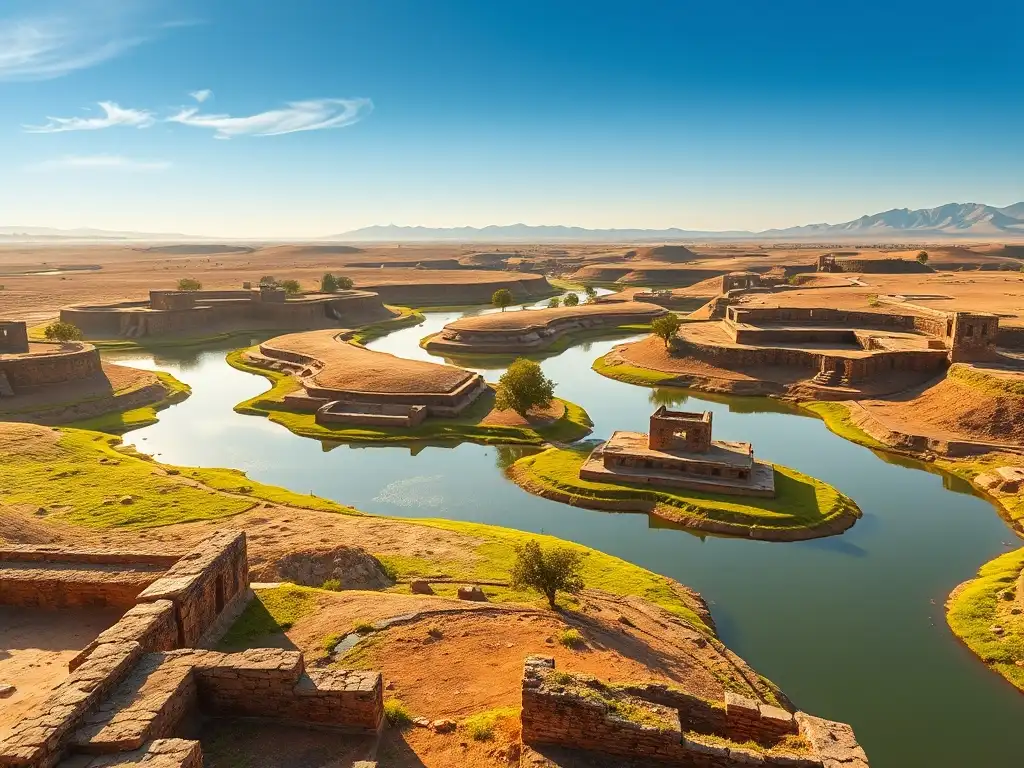
Welcome to Ancient India History, where we embark on a fascinating journey through the rich tapestry of ancient Indian civilizations. In this exploration, we uncover the Indus Valley water management systems, a testament to the ingenuity and sophistication of one of the world's earliest urban societies. These engineering marvels not only highlight the advanced technological skills of the time but also reveal the intricate relationship between the environment and human innovation. Dive deeper into this captivating subject and discover how these ancient systems laid the groundwork for sustainable living that resonates even today. Your adventure through history awaits!
- Introduction to Indus Valley Water Management Systems
- Historical Context of Water Management in the Indus Valley
- Key Features of Indus Valley Water Management Systems
- Engineering Marvels of the Indus Valley Water Systems
- Societal Impact of Water Management in the Indus Valley
- Comparison with Other Ancient Civilizations' Water Management
- Challenges and Decline of the Indus Valley Water Management Systems
- Legacy of Indus Valley Water Management Systems
- Conclusion: The Enduring Significance of Indus Valley Water Management
- References and Further Reading on Indus Valley Water Management Systems
-
Frequently Asked Questions
- What are the Indus Valley water management systems known for?
- How did the Indus Valley civilization utilize water resources?
- What impact did the water management techniques have on the civilization?
- What materials were used in the construction of water management systems?
- How do modern engineers view the Indus Valley's engineering practices?
- Final Reflection: The Enduring Legacy of Indus Valley Water Management Systems
- Unveil the Secrets of Ancient Engineering!
Introduction to Indus Valley Water Management Systems
The Indus Valley Civilization, one of the world's earliest urban cultures, flourished between approximately 3300 BCE and 1300 BCE in what is now modern-day Pakistan and northwest India. Known for its advanced city planning and societal organization, this civilization demonstrated remarkable ingenuity, particularly in its water management systems.
The Indus Valley water management systems were not merely practical solutions to the challenges of arid environments; they represented a sophisticated understanding of hydraulics and urban infrastructure. From well-designed drainage systems to expertly constructed reservoirs, the innovations of the Indus Valley people laid the groundwork for future civilizations and remain a subject of fascination for historians and archaeologists alike.
In this article, we will delve into the intricacies of the water management systems of the Indus Valley, exploring their engineering marvels and their significance in sustaining one of the most advanced societies of the ancient world. Understanding these systems provides insight into the technological prowess and environmental adaptability of the Indus Valley Civilization, and highlights the importance of water management in shaping urban life.
Overview of the Indus Valley Civilization
The Indus Valley Civilization, also referred to as the Harappan Civilization, emerged around 2500 BCE and extended across a vast geographical area, including prominent cities like Harappa and Mohenjo-Daro. This civilization is renowned for its planned cities, standardized brick sizes, and complex social organization.
Key features of the Indus Valley Civilization include:
- Urban Planning: Cities were laid out in a grid pattern, with streets that followed a north-south and east-west orientation, indicative of advanced urban planning.
- Architecture: Notable structures included public baths, granaries, and residential houses, many of which were equipped with bathing facilities and drainage systems.
- Trade and Economy: The civilization had a robust economy based on agriculture, trade, and craft production, which facilitated interaction with other ancient cultures.
Water played a crucial role in the development of the Indus Valley Civilization, as it was essential for agriculture, sanitation, and daily living. The effectiveness of their water management systems directly contributed to their ability to support large urban populations.
Importance of Water Management in Ancient Civilizations
Water management has always been a critical aspect of human civilization, especially in arid regions where the availability of water can dictate the success of agriculture and urban development. In the context of the Indus Valley Civilization, effective water management was integral for several reasons:
- Sustaining Agriculture: The success of crop cultivation depended heavily on irrigation systems that could channel water from rivers to fields, ensuring a stable food supply.
- Urban Sanitation: Advanced drainage systems helped maintain hygiene and reduce the risk of waterborne diseases, showcasing an understanding of public health.
- Flood Control: The ability to manage seasonal flooding from monsoons helped protect urban areas from potential disasters, ensuring the safety and continuity of society.
By examining the Indus Valley water management systems, we can appreciate how these ancient engineers overcame environmental challenges and laid the foundations for sustainable urban living. These historical innovations continue to inspire modern water management practices, underscoring the enduring legacy of the Indus Valley Civilization.
Historical Context of Water Management in the Indus Valley

The water management systems of the Indus Valley Civilization stand as a testament to the ingenuity and advanced engineering capabilities of one of the world's earliest urban societies. Emerging around 2500 BCE, the Indus Valley Civilization thrived in a region characterized by diverse geographical features that posed both challenges and opportunities for water management. Understanding the historical context of these systems is crucial to appreciating their significance in ancient engineering.
The Indus Valley, encompassing modern-day Pakistan and northwest India, relied on the seasonal monsoons and the river systems, notably the Indus River and its tributaries, as primary water sources. The civilization's inhabitants faced the dual challenge of managing floodwaters during the monsoon season and ensuring a reliable water supply during dry spells. Thus, the development of sophisticated water management systems became essential for agriculture, sanitation, and urban planning.
The archaeological findings at key sites such as Mohenjo-Daro and Harappa reveal extensive infrastructure dedicated to water management. These included large reservoirs, drainage systems, and wells, indicating that the inhabitants had a comprehensive understanding of hydrology and engineering principles. The integration of these systems into urban layouts suggests a societal acknowledgment of the importance of water management for sustaining life and promoting public health.
Origins of Water Management Techniques
The origins of water management techniques in the Indus Valley can be traced back to the early agricultural practices of its inhabitants. As communities transitioned from nomadic lifestyles to settled farming, the need for effective irrigation systems arose. The fertile plains surrounding the Indus River offered rich soil for agriculture, but harnessing water effectively was crucial for maximizing crop yields.
- Irrigation Practices: Early farmers likely utilized simple irrigation channels to divert river water to their fields. Archaeological evidence suggests that these channels evolved into more complex systems, allowing for controlled water flow and distribution.
- Rainwater Harvesting: Given the reliance on seasonal rains, techniques for capturing and storing rainwater also emerged. This practice was vital for ensuring water availability during the dry seasons, especially in regions that received less annual rainfall.
- Use of Natural Geography: The inhabitants adeptly leveraged the natural geography of the region. They constructed terraces and bunds (embankments) to manage runoff and prevent soil erosion, showcasing their understanding of the landscape's hydrological dynamics.
Evolution of Water Systems in the Indus Valley Civilization
The evolution of water systems in the Indus Valley Civilization reflects an increasing sophistication in engineering and urban planning. As cities grew, the need for more elaborate and efficient water management solutions became evident.
- Urban Drainage Systems: One of the most remarkable features of Indus Valley cities like Mohenjo-Daro is their advanced drainage systems. These consisted of brick-lined drains that efficiently removed wastewater from streets and homes, illustrating a commitment to public hygiene. The drains were often covered and positioned at a slight incline, allowing for gravity-driven flow.
- Centralized Water Reservoirs: Large reservoirs were constructed to collect and store water for communal use. These reservoirs not only catered to domestic needs but also played a crucial role in irrigation. The design of these structures indicates a systematic approach to water storage and distribution.
- Standardization of Materials: The use of standardized fired bricks in constructing water management systems exemplifies the organized nature of the society. This standardization facilitated the maintenance and repair of infrastructure, contributing to the longevity of the water systems.
- Integration with Urban Planning: The water management systems were intricately woven into the urban fabric of Indus Valley cities. Streets were laid out to optimize drainage, and public baths—such as the Great Bath of Mohenjo-Daro—demonstrated the importance of water for ritual and social purposes.
The Indus Valley water management systems not only reflect the civilization's advanced engineering skills but also underscore their ability to adapt to environmental challenges. These innovations laid the groundwork for future water management practices, highlighting the significance of the Indus Valley as a crucial chapter in the history of engineering and urban development.
Key Features of Indus Valley Water Management Systems
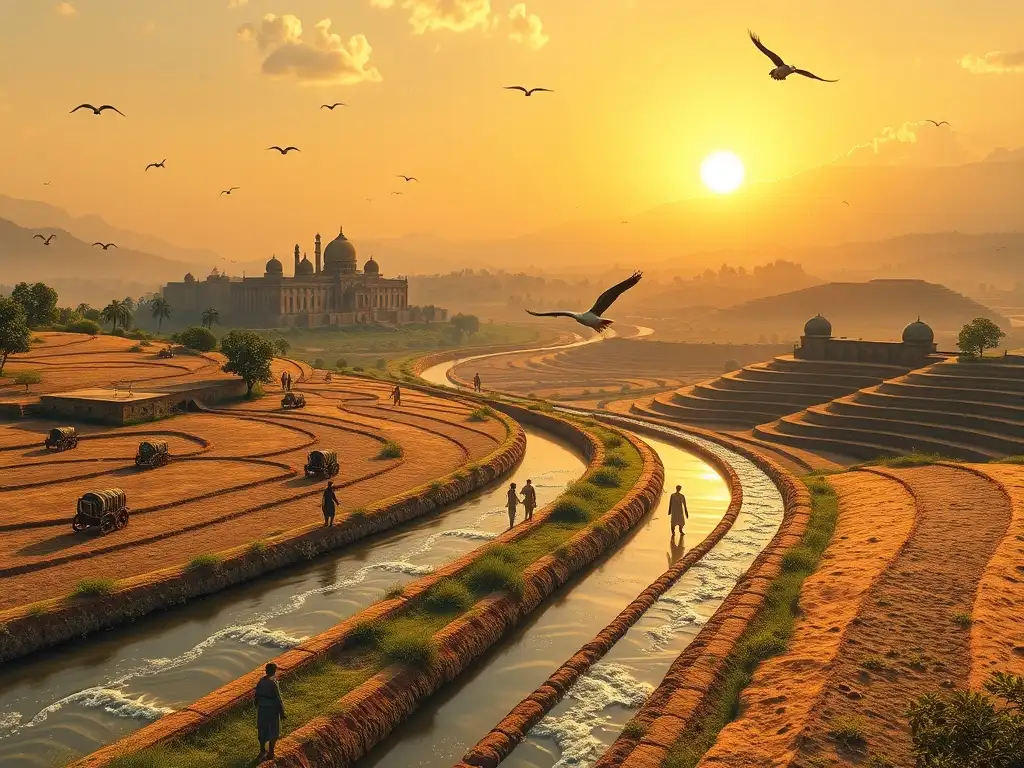
The Indus Valley Civilization (IVC) is renowned for its remarkable advancements in urban planning and engineering, particularly in its water management systems. These systems reflect an intricate understanding of hydrology, engineering, and environmental adaptation.
The Indus Valley water management systems were key to supporting agriculture, sustaining urban populations, and protecting against floods. Here, we explore the key features that made these systems stand out in the ancient world.
Advanced Drainage Systems
The drainage systems of the Indus Valley cities, such as Harappa and Mohenjo-Daro, were among the most sophisticated of their time.
- Design and Structure:
- The drainage network consisted of covered drains made of baked brick, which were often lined with plaster to prevent leakage and ensure durability.
- Streets were equipped with brick-lined drains that ran parallel to them, allowing for efficient water disposal.
- Functionality:
- Wastewater from homes was channeled directly into these drains, which connected to larger systems leading outside the city.
- The drainage systems were designed to prevent flooding and maintain hygiene, indicating a high level of public health awareness.
- Maintenance:
- Evidence suggests that these drainage systems included access points for cleaning and maintenance, demonstrating an organized approach to urban sanitation.
The advanced drainage systems not only illustrate the engineering expertise of the Indus Valley people but also their commitment to maintaining a clean and functional urban environment.
Dams and Reservoirs
Water conservation was crucial for agricultural productivity in the arid regions of the Indus Valley. The civilization constructed various dams and reservoirs to manage water resources effectively.
- Dams:
- Archaeological findings indicate the presence of earthen dams built to regulate river flow and prevent flooding during monsoon seasons.
- These structures acted as barriers to control water levels, ensuring a steady supply for irrigation.
- Reservoirs:
- Large reservoirs were created to store rainwater and river water, facilitating irrigation during dry periods.
- The reservoirs were often strategically located to maximize their capacity and accessibility.
- Impact on Agriculture:
- The use of dams and reservoirs significantly boosted agricultural output, enabling the cultivation of various crops, including wheat and barley.
- This agricultural surplus supported the growth of urban centers and trade networks.
The construction of dams and reservoirs exemplifies the innovative spirit of the Indus Valley civilization in harnessing natural resources for sustainable development.
Wells and Water Storage Solutions
To ensure a consistent water supply for domestic use, the Indus Valley Civilization developed sophisticated well systems and water storage solutions.
- Wells:
- Deep, cylindrical wells were constructed using bricks, often lined with plaster to prevent collapse and contamination.
- The placement of wells was strategic, ensuring that they were within easy access of residential areas.
- Water Storage:
- Storage cisterns and tanks were built to collect and store rainwater, providing a reliable water source throughout the year.
- Some of these storage solutions were even equipped with terracotta pipes for easy distribution.
- Community Efforts:
- The management of wells and water storage systems reflects a communal effort, with evidence of collective maintenance and regulation.
- This shared responsibility highlights the societal organization and cooperation among the inhabitants.
The wells and water storage solutions underscore the importance of water management in daily life within the Indus Valley Civilization, showcasing their ingenuity and foresight in planning for water needs.
The Indus Valley water management systems were a testament to the engineering prowess of one of the world's earliest urban civilizations. Their innovative approaches to drainage, water conservation, and storage laid the groundwork for sustainable living in a challenging environment, influencing future generations in water management practices.
Engineering Marvels of the Indus Valley Water Systems
Construction Techniques and Materials Used
The Indus Valley water management systems are a testament to the advanced engineering capabilities of the ancient civilizations that thrived between 3300 and 1300 BCE. The construction techniques and materials used in these systems were remarkable for their time, demonstrating a sophisticated understanding of hydrology and urban planning.
- Materials Utilized:
- Baked Brick: The primary construction material for water systems was baked brick, which offered durability and resistance to water damage. The bricks were uniform in size, enabling precise construction.
- Stone and Mortar: In certain areas, stone was used in combination with mortar to create robust structures, especially in larger drainage systems and wells.
- Plaster: A special plaster was used to line water channels, enhancing their waterproofing and durability.
- Techniques:
- Grid-Based Planning: The urban layout featured a grid pattern that facilitated efficient water flow. Streets were often elevated to avoid flooding, and drainage was designed to carry excess water away from buildings.
- Sewage Systems: The use of underground drains constructed with brick and stone allowed for effective waste management. These drains were often covered with large stones to prevent blockages while allowing easy access for cleaning.
The combination of these materials and techniques highlights the Indus Valley Civilization's commitment to sustainable urban living and their innovative approach to managing water resources.
Case Studies of Major Urban Centers (e.g., Mohenjo-Daro, Harappa)
The significance of Indus Valley water management systems can be observed through detailed case studies of major urban centers such as Mohenjo-Daro and Harappa. These cities exemplified the sophisticated engineering feats that characterized the civilization.
Mohenjo-Daro
- Water Wells: Mohenjo-Daro featured numerous public and private wells, which were meticulously constructed. The wells had a deep cylindrical shape and were lined with bricks, ensuring a reliable source of water.
- Drainage System: The city boasted an extensive drainage system that included covered drains running along the streets, which directed wastewater away from residential areas into larger drainage channels. This system was so effective that many of the drains still exist today.
Harappa
- Water Reservoirs: Harappa is notable for its large water reservoirs, which were strategically designed to collect rainwater and store it for dry seasons. These reservoirs showcased the community's foresight in water conservation.
- Advanced Toilets: The presence of toilets connected to a sophisticated drainage system indicated a high standard of sanitation. The toilets were constructed over drains that transported waste away from living areas, reflecting a commitment to public health.
These case studies underline the Indus Valley water management systems as significant engineering accomplishments, establishing the foundation for future urban planning.
Innovations in Water Distribution and Sanitation
The Indus Valley Civilization displayed groundbreaking innovations in water distribution and sanitation that set them apart from other contemporary societies. These innovations not only catered to the immediate needs of the population but also ensured long-term sustainability.
- Complex Water Distribution Networks:
- Gravity-Driven Systems: The engineers of the Indus Valley utilized gravity to direct water flow through a network of canals and channels. This method minimized the need for mechanical devices and relied on the natural topography of the land.
- Water Flow Regulation: The construction of sluices and gates allowed for the regulation of water flow, ensuring that agricultural fields received adequate irrigation without flooding.
- Sanitation Innovations:
- Public Bathing Areas: The existence of large public baths, such as the Great Bath in Mohenjo-Daro, indicates an advanced understanding of hygiene and sanitation. These baths were connected to an intricate drainage system, showcasing the civilization’s emphasis on cleanliness.
- Waste Management: The systematic approach to waste disposal included the use of covered drains that prevented contamination of water sources. This was a revolutionary concept, highlighting the civilization's awareness of health and hygiene.
The Indus Valley water management systems reflect a sophisticated understanding of hydraulic engineering and urban planning, which not only addressed the needs of the population but also laid the groundwork for sustainable practices that are still relevant today.
Societal Impact of Water Management in the Indus Valley
Role of Water Systems in Urban Planning
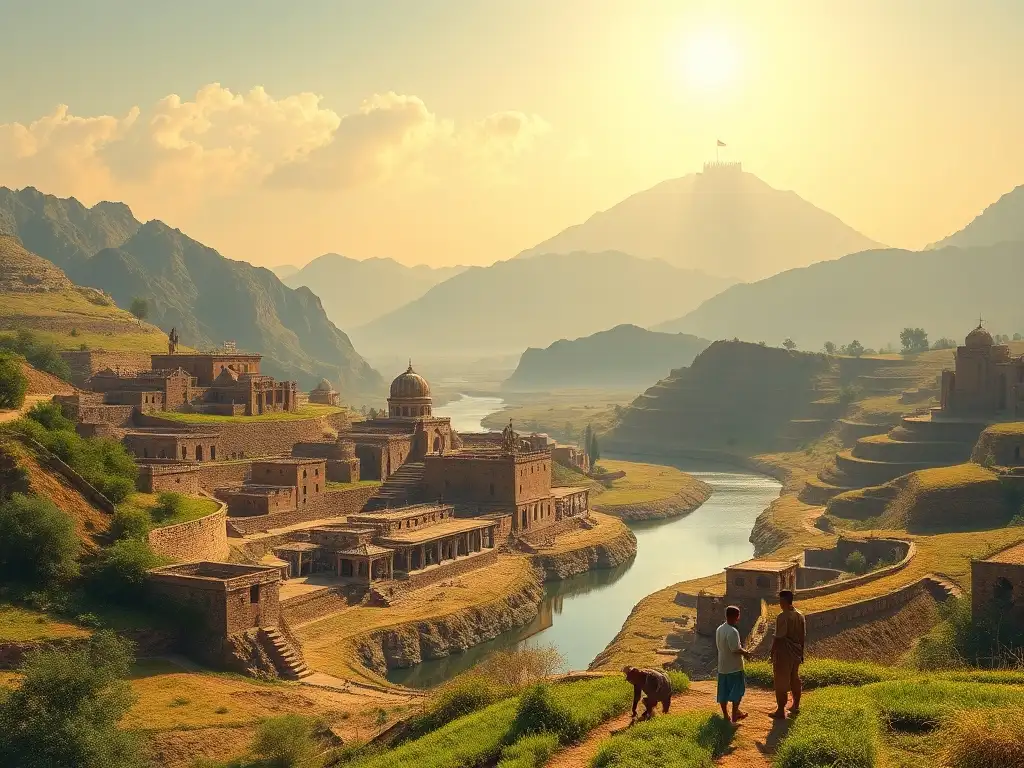
The Indus Valley water management systems served as a cornerstone for urban planning in the ancient cities of Harappa and Mohenjo-Daro. The meticulous design of these cities reflects an advanced understanding of hydrology and civil engineering. Central to their layout were elaborate drainage systems and public wells that catered to the needs of a growing population.
- Drainage Systems: The drainage systems were highly sophisticated, featuring covered drains made of baked bricks that ran along major streets. This not only facilitated effective wastewater management but also reduced the risk of flooding. The average gradient of the streets ensured that rainwater drained efficiently away from public spaces and residential areas.
- Water Supply: Public wells were strategically placed throughout the cities, allowing easy access to clean water. The wells were constructed deep enough to tap into sub-surface aquifers, demonstrating a keen awareness of sustainable water sourcing. This emphasis on hygiene and sanitation was crucial in maintaining public health in densely populated urban centers.
- Urban Layout: The organization of the cities around water sources indicates that access to water was a primary consideration in urban planning. Residential blocks were often arranged around communal water facilities, fostering a sense of community while ensuring that water was accessible to all.
Influence on Agriculture and Irrigation Practices
The Indus Valley water management systems significantly influenced agricultural practices, which were vital for sustaining the civilization's economy. The management of water resources allowed for the cultivation of crops in an otherwise arid landscape.
- Irrigation Techniques: The Indus people developed an intricate network of canals and embankments that diverted river water to agricultural fields. These irrigation techniques enabled the cultivation of staple crops such as wheat, barley, and cotton. The ability to control water flow ensured that crops received adequate moisture, even during dry spells.
- Crop Diversity: The efficient water management supported a diverse range of crops, contributing to robust agricultural output. Archaeological evidence indicates that the Indus Valley farmers practiced crop rotation and selective breeding, enhancing yield quality and quantity. This agricultural diversity played a crucial role in the civilization's economic stability.
- Sustainability: The emphasis on sustainable practices in water management can be observed in the way the Indus Valley civilization utilized seasonal flooding to enrich soil fertility. By planning agricultural activities around the natural cycles of the rivers, they minimized the risks associated with droughts and floods, ensuring food security for the population.
Implications for Trade and Economy
The Indus Valley water management systems had profound implications for trade and the broader economy of the civilization. Access to reliable water sources not only supported agriculture but also facilitated trade routes and economic interactions.
- Trade Routes: Well-managed waterways acted as transportation routes, enabling the movement of goods between urban centers and beyond. The rivers served as highways for traders and merchants, allowing the exchange of agricultural products, textiles, and crafted goods with neighboring regions.
- Economic Prosperity: The surplus in agricultural production, made possible by effective irrigation, contributed to economic prosperity. The availability of excess crops allowed for trade surpluses, which could be exchanged for resources not available in the Indus Valley, such as precious metals and gemstones.
- Cultural Exchange: The trade networks established through efficient water management also facilitated cultural exchanges with other civilizations, including Mesopotamia. This interaction likely influenced various aspects of Indus Valley culture, including art, technology, and even religious practices.
The Indus Valley water management systems were not merely functional; they were integral to urban planning, agricultural practices, and the economic framework of ancient Indian civilization, illustrating the sophistication of the Indus Valley culture and its lasting legacy.
Comparison with Other Ancient Civilizations' Water Management
Water Management in Mesopotamia vs. Indus Valley
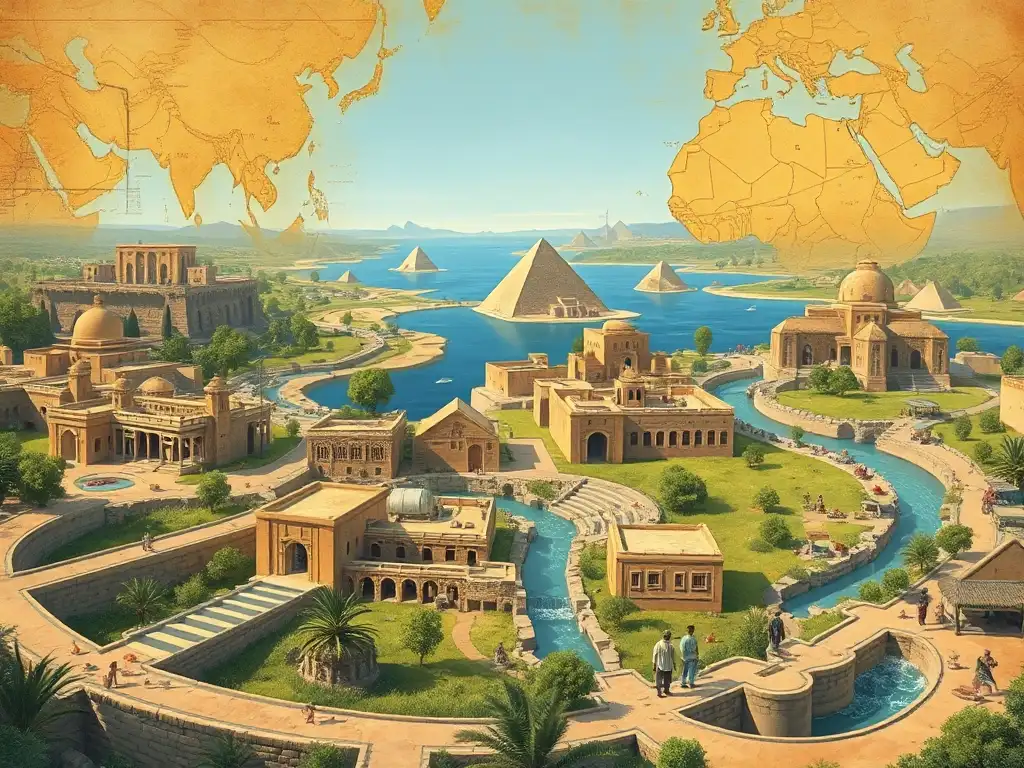
The water management systems of the Indus Valley Civilization (IVC) are often compared to those of Mesopotamia due to their contemporaneous existence and reliance on river systems for agricultural productivity. While both civilizations devised sophisticated methods for managing water, their approaches and technologies reflected their distinct environmental challenges and cultural priorities.
- Source of Water:
- Indus Valley: Relied primarily on the Indus River and its tributaries. The region's seasonal monsoons necessitated efficient water storage and drainage systems to manage flooding and ensure agricultural stability.
- Mesopotamia: Depended on the Tigris and Euphrates rivers, which were prone to unpredictable flooding. Mesopotamians developed extensive irrigation networks to channel water from these rivers to their fields.
- Techniques and Innovations:
- Indus Valley: The IVC is renowned for its advanced drainage systems, which included:
- Covered Drains: Streets were equipped with covered drains leading to larger sewer systems, effectively managing waste and stormwater.
- Water Wells: Public and private wells were strategically placed for easy access to fresh water.
- Mesopotamia: Innovations included:
- Canal Systems: Canals were dug to divert river water, often requiring substantial labor and engineering skills.
- Dikes and Levees: These were constructed to protect agricultural lands from flooding and to manage water levels.
- Indus Valley: The IVC is renowned for its advanced drainage systems, which included:
- Impact on Society:
- Indus Valley: The efficient management of water resources led to urban planning that supported a high standard of living, evidenced by the layout of cities like Mohenjo-Daro and Harappa.
- Mesopotamia: While effective irrigation supported agricultural surplus, it also led to social stratification, as control over water resources became a source of power for ruling elites.
Innovations in Ancient Egypt's Water Systems
Ancient Egypt's water management systems were characterized by their dependence on the Nile River, which provided a predictable annual flooding that enriched the surrounding land. This reliability allowed Egyptians to develop unique innovations tailored to harness the river's benefits effectively.
- Basin Irrigation:
- Egyptians created basins or floodplains to capture and store the Nile's floodwaters. These basins allowed for controlled flooding that replenished soil nutrients, making the land fertile for agriculture.
- Shadufs:
- The shaduf, a hand-operated device for lifting water, was widely used in ancient Egypt. This simple yet effective tool enabled farmers to irrigate their fields by drawing water from the Nile and distributing it as needed.
- Canal Systems:
- Much like Mesopotamia, Egypt developed extensive canal networks, but these were often less complex due to the predictable flooding of the Nile. Canals facilitated irrigation and transportation, linking agricultural areas with urban centers.
- Water Storage:
- Egyptians constructed cisterns and reservoirs to store water during drought periods, ensuring a steady supply for agriculture and domestic use.
Lessons Learned from Indus Valley Water Management
The Indus Valley water management systems provide valuable insights for contemporary societies facing similar challenges related to water scarcity and urbanization. Here are some key lessons:
- Integrated Urban Planning:
- The IVC exemplifies the importance of integrating water management into urban planning. By designing cities with effective drainage and water supply systems, modern urban planners can mitigate flooding and ensure sustainable water access.
- Sustainable Practices:
- The use of natural topography for drainage and water flow management in the IVC highlights the need for sustainable practices that work with the environment rather than against it. This approach can be applied to current water management strategies.
- Decentralized Water Systems:
- The presence of numerous wells and drainage systems in the IVC suggests that decentralized water management can be effective in urban areas. This principle can be adapted to modern contexts, where localized systems may enhance resilience against water shortages.
- Community Involvement:
- The successful management of water resources in the Indus Valley required community cooperation and participation. Engaging local populations in water management practices can foster stewardship and ensure the long-term sustainability of water resources.
By studying the sophisticated Indus Valley water management systems, we can draw parallels with our current challenges and implement solutions that honor the engineering marvels of the past while addressing contemporary needs.
Challenges and Decline of the Indus Valley Water Management Systems
The Indus Valley water management systems were remarkable feats of engineering that enabled the flourishing of one of the world's earliest urban civilizations. However, these systems faced significant challenges that ultimately contributed to their decline. Understanding these factors is crucial for comprehending the eventual fate of the Indus Valley Civilization.
Environmental Factors Affecting Water Supply
The water management systems of the Indus Valley were intricately designed to harness the region’s rivers, particularly the Indus River and its tributaries. However, several environmental factors played a crucial role in the challenges these systems faced:
- Climate Change: Evidence suggests that around 2000 BCE, the region experienced a shift toward a drier climate. This change reduced the monsoon rains that were essential for replenishing river systems, leading to decreased water flow.
- River Dynamics: The Indus River and its tributaries are known for their shifting courses. Changes in river pathways due to sediment deposition and flooding could disrupt the established water management systems, affecting irrigation and access to water.
- Soil Salinization: Intensive agriculture practices, coupled with inadequate drainage, led to soil salinization. This phenomenon decreased agricultural productivity, making it difficult to sustain the population and putting additional pressure on water resources.
The interplay of these environmental factors significantly strained the water management systems, leading to inefficiencies in irrigation and water distribution that were critical for urban centers.
Societal Changes Leading to System Decline
In addition to environmental challenges, societal changes within the Indus Valley Civilization contributed to the decline of its water management systems:
- Urban Decline: Archaeological evidence shows that many major urban centers, such as Mohenjo-Daro and Harappa, began to decline around 1900 BCE. This urban decline was marked by a reduction in population, which led to decreased maintenance and utilization of the sophisticated water management infrastructure.
- Economic Shifts: The decline of long-distance trade and economic instability might have led to reduced investment in public works, including the upkeep of water management systems. As trade networks diminished, the resources necessary for maintaining these systems became scarce.
- Social Disintegration: The complex social structures that supported the maintenance of these water systems may have weakened. As communities became smaller and more fragmented, collective efforts required for the upkeep of extensive infrastructure diminished.
The challenges faced by the Indus Valley water management systems were multifaceted, stemming from both environmental factors and societal changes. These challenges ultimately played a pivotal role in the decline of one of the most advanced civilizations of the ancient world. Understanding these dynamics not only sheds light on the fate of the Indus Valley Civilization but also offers insights into the resilience and vulnerability of ancient water management practices.
Legacy of Indus Valley Water Management Systems
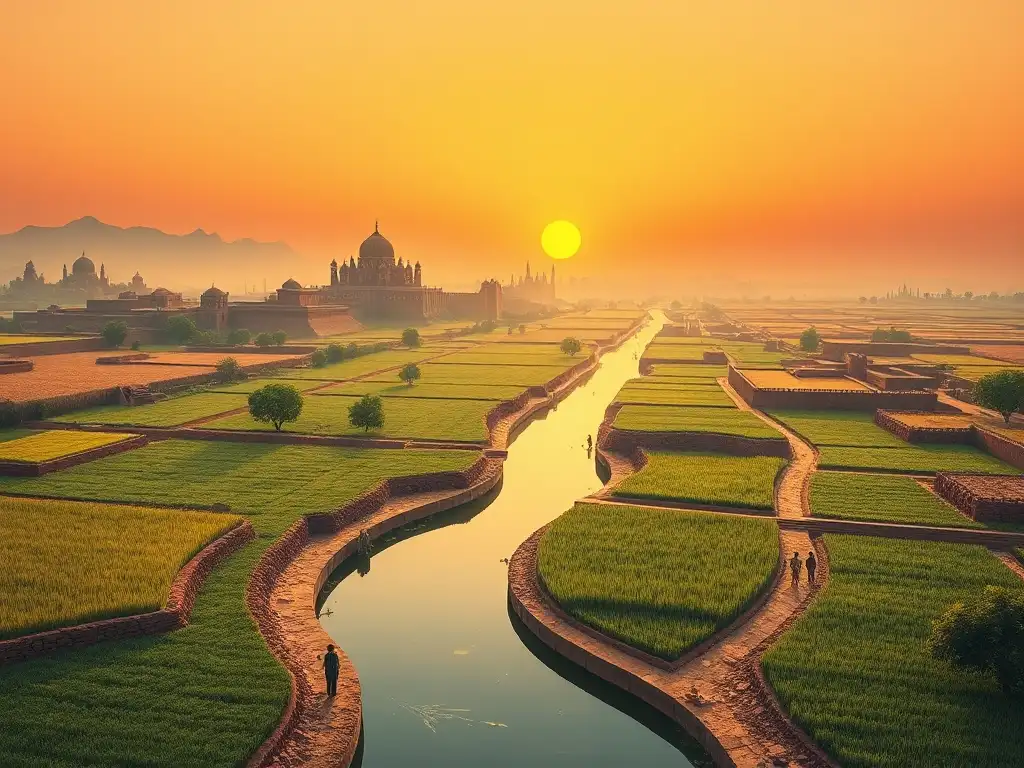
The legacy of the Indus Valley water management systems is a testament to the ingenuity and foresight of one of the world’s earliest urban civilizations. The Indus Valley Civilization (IVC), which flourished around 3300–1300 BCE in present-day Pakistan and northwest India, developed advanced techniques for managing water resources that not only supported agriculture and urban life but also laid foundational principles for modern water management practices.
Influence on Modern Water Management Concepts
The engineering marvels of the Indus Valley water management systems have had a lasting impact on contemporary water management concepts. Key features include:
- Drainage Systems: The cities of Harappa and Mohenjo-Daro exhibited sophisticated drainage systems, with covered drains running along major streets. This approach to urban sanitation significantly influenced modern urban planning, emphasizing the importance of waste management in public health.
- Water Storage and Distribution: The IVC employed large reservoirs and carefully constructed wells to store and distribute water efficiently. These practices underscore the significance of reliable water supply systems, which are vital in today's water-scarce regions.
- Irrigation Techniques: The use of canals and irrigation systems for agriculture demonstrated advanced understanding of hydrology. The principles of gravity-fed irrigation systems utilized in the IVC are mirrored in contemporary agricultural practices, particularly in arid and semi-arid regions.
- Sustainable Practices: The Indus people practiced rainwater harvesting, which is increasingly relevant in modern discussions about sustainability and water conservation. This ancient method is being revived in many parts of the world as a solution to water scarcity.
The influence of these ancient systems is evident in water management frameworks adopted by many countries today. The integration of historical techniques with modern technology continues to inspire innovations aimed at addressing current environmental challenges.
Continued Relevance in Today's Sustainable Practices
The relevance of Indus Valley water management systems extends beyond historical significance; they serve as a crucial reference point for sustainable practices in today's world.
- Rainwater Harvesting: Techniques developed by the IVC for capturing and utilizing rainwater can be seen in modern sustainable architecture and urban planning. Many cities are now implementing similar systems to reduce dependency on conventional water sources.
- Ecosystem-Based Management: The holistic approach of the IVC to water management—accounting for the interdependence of water resources, agriculture, and urban living—aligns with the contemporary ethos of ecosystem-based management. This approach promotes the sustainable use of resources while protecting ecological integrity.
- Resilience to Climate Change: As the climate crisis intensifies, lessons drawn from the IVC's adaptive water management strategies are crucial. Their ability to cope with varying water availability offers insights for building resilient communities in the face of climate fluctuations.
- Community Involvement: The collaborative water management practices of the Indus Valley Civilization highlight the importance of community involvement. Current sustainable practices advocate for local engagement and governance in water resource management, echoing the communal spirit of the IVC.
The legacy of the Indus Valley water management systems not only informs modern practices but also emphasizes the need for sustainable approaches to water usage. By learning from ancient innovations, contemporary societies can work towards a more sustainable and resilient future in water management.
Conclusion: The Enduring Significance of Indus Valley Water Management
Summary of Key Points
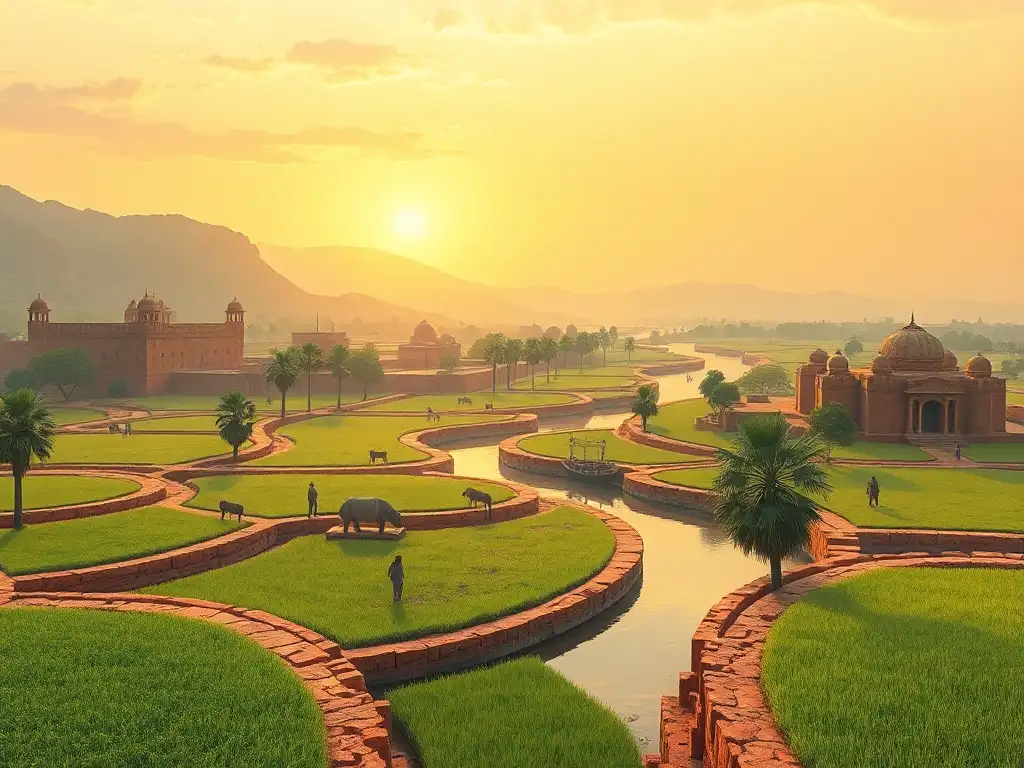
The Indus Valley water management systems stand as a testament to the engineering prowess of ancient civilizations. Key points to consider include:
- Advanced Drainage Systems: The cities of Mohenjo-Daro and Harappa featured sophisticated drainage systems that included covered drains and soak pits. These systems were meticulously designed to manage both stormwater and wastewater, reflecting a deep understanding of hydrology.
- Efficient Water Storage: Large reservoirs and wells were constructed to ensure a consistent water supply for agriculture and daily life. The Great Bath of Mohenjo-Daro is a prime example of communal water usage, indicating the importance of ritual and hygiene.
- Agricultural Practices: The Indus Valley Civilization relied heavily on agriculture, supported by these water management systems. The strategic use of irrigation techniques allowed for the cultivation of crops in a region where water availability was often a limiting factor.
- Urban Planning and Architecture: The layout of Indus Valley cities was influenced by their water systems. Streets were organized around water channels, and buildings were constructed with an awareness of drainage and water flow, demonstrating an integrated approach to urban design.
Reflection on the Engineering Marvels of the Ancient World
The Indus Valley water management systems not only highlight the technological advancements of their time but also set a precedent for future civilizations. The complexity and foresight behind these systems reflect a remarkable understanding of environmental challenges and urban needs. Comparing these ancient technologies to contemporary water management practices reveals both the ingenuity of ancient engineers and the ongoing relevance of sustainable water management solutions in today's world.
In essence, the Indus Valley Civilization's achievements in water management remain an enduring symbol of human innovation. As we delve deeper into their engineering marvels, we uncover insights that resonate with modern challenges, emphasizing the importance of learning from our historical predecessors. The legacy of the Indus Valley continues to inspire contemporary discussions on sustainable development and resource management, proving that these ancient systems remain crucial in understanding our relationship with water.
References and Further Reading on Indus Valley Water Management Systems
Suggested Books and Articles
-
"The Indus Civilization: A Contemporary Perspective" by Gregory L. Possehl
This comprehensive book explores the archaeological findings and their implications for understanding the Indus Valley water management systems. The author discusses the engineering techniques employed by the ancient inhabitants and how these innovations supported urban life.
-
"Water Management in Ancient Civilizations: The Indus Valley" by A. R. Khan
In this article, Khan delves into the sophisticated irrigation and drainage systems of the Indus Valley, highlighting specific case studies of cities like Harappa and Mohenjo-Daro. The analysis includes comparisons with other ancient civilizations, providing a broader context for the significance of these systems.
-
"The Urban Landscape of the Indus Valley Civilization" by R. S. Sharma
Sharma's work illustrates the interrelationship between urban planning and water management in ancient cities. The book includes maps and diagrams that showcase the layout of drainage systems and wells, offering a visual representation of the engineering prowess of the Indus Valley inhabitants.
-
"Hydraulic Engineering in Harappan Civilization" by M. K. Thakur
This paper focuses on the hydraulic engineering techniques used by the Harappans. Thakur provides a detailed examination of the construction and maintenance of their water management systems, emphasizing the role of community participation in these efforts.
Online Resources for Ancient Indian Civilizations
-
Indus Valley Civilization Research Network
This online platform hosts a collection of research papers, articles, and resources dedicated to the study of the Indus Valley Civilization. Users can access a variety of materials related to water management systems, including recent discoveries and ongoing research projects.
-
Ancient India: History and Culture
This website offers an extensive overview of ancient Indian civilizations, including the Indus Valley. It features sections specifically dedicated to water management, urban planning, and engineering feats, along with curated links to further reading and scholarly articles.
-
Digital Archaeological Archives of the Indus Valley
A valuable resource for scholars and enthusiasts alike, this digital archive contains photographs, excavation reports, and detailed descriptions of various archaeological sites in the Indus Valley. It includes sections on water management systems, providing insights into their construction and functionality.
-
YouTube: "Engineering Marvels of the Indus Valley"
This educational channel features documentaries and short videos that explore the engineering achievements of the Indus Valley, including their advanced water management systems. These visual resources can help viewers understand the complexities and significance of these ancient technologies.
By utilizing these references and resources, readers can deepen their understanding of the Indus Valley water management systems, their engineering marvels, and their impact on the development of ancient civilizations.
Frequently Asked Questions
What are the Indus Valley water management systems known for?
The Indus Valley water management systems are renowned for their advanced engineering, which included complex drainage systems, reservoirs, and wells that supported agriculture and urban life.
How did the Indus Valley civilization utilize water resources?
The Indus Valley civilization effectively utilized water resources through well-planned irrigation systems, which allowed for sustainable agriculture and supported large urban populations.
What impact did the water management techniques have on the civilization?
The water management techniques significantly contributed to the economic prosperity and urbanization of the Indus Valley, allowing cities like Harappa and Mohenjo-Daro to thrive.
What materials were used in the construction of water management systems?
The water management systems were primarily constructed using baked bricks and clay, showcasing the engineering skills and resourcefulness of the Indus Valley people.
How do modern engineers view the Indus Valley's engineering practices?
Modern engineers regard the Indus Valley's engineering practices as a source of inspiration, recognizing their innovative approaches to drainage, sanitation, and water conservation, which are still relevant today.
Final Reflection: The Enduring Legacy of Indus Valley Water Management Systems
The ingenuity of the Indus Valley water management systems remains profoundly relevant today, as we grapple with the challenges of water scarcity and climate change. These ancient engineering marvels not only showcase the advanced understanding of hydrology and urban planning possessed by the Indus Valley civilization but also serve as a blueprint for sustainable water management practices in our modern world. As we face unprecedented environmental challenges, the lessons from the past become increasingly vital in shaping our future.
The influence of these ancient systems extends beyond their historical context; they resonate deeply within our contemporary cultural and social landscapes. The principles of efficient water use and community-centered management that were integral to the Indus Valley civilization can inspire modern societies to adopt more sustainable practices. The greatest threat to our planet is the belief that someone else will save it.
– Robert Swan. This quote encapsulates the urgency of taking responsibility for our water resources, echoing the collaborative spirit that characterized the Indus Valley's approach to water management.
As we reflect on the remarkable achievements of the Indus Valley civilization, let us be inspired to take action in our own lives. Consider how you can contribute to sustainable water practices in your community, whether through conservation efforts, advocacy for better policies, or simply raising awareness about the importance of water management. The legacy of the Indus Valley is not just a story of the past; it is a call to action for the present and future, urging us to honor and protect our most precious resource: water.
Unveil the Secrets of Ancient Engineering!
Thank you for exploring the fascinating world of water management systems in the Indus Valley with us! We hope you’ve gained a deeper appreciation for these engineering marvels that shaped one of history's great civilizations. Now, it’s time to take your newfound knowledge and put it into action!
- Dive deeper into the history of the Indus Valley by reading more articles on our website. Discover how these innovations continue to influence modern engineering practices!
- Share your thoughts with friends and family—discuss what surprises you most about the Indus water systems and their impact on society.
- Consider visiting a local museum or historical site that showcases ancient engineering to create a more personal connection with the past.
Which aspect of the Indus Valley's water management inspired you the most, and how do you think those lessons could be applied to address today's water challenges?