
Indus Valley Civilization: Where Art and Science Coexisted Harmoniously

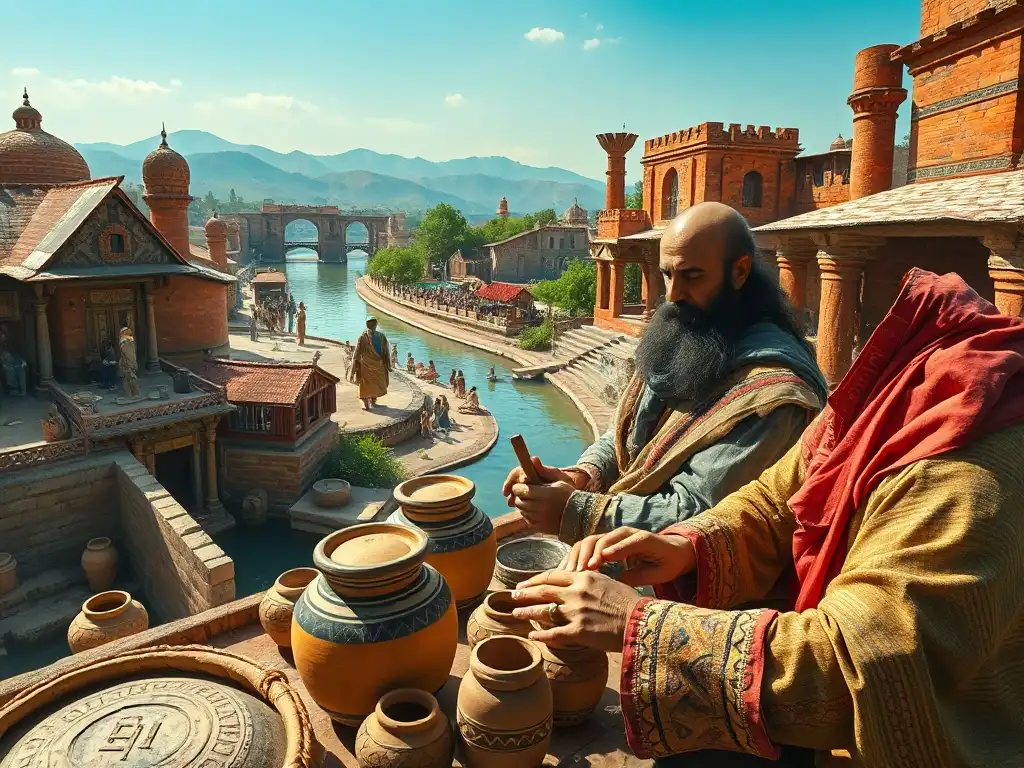
Welcome to Ancient India History, where we embark on a fascinating journey through time to uncover the rich tapestry of ancient Indian civilizations. In our featured article, “Indus Valley Civilization: Where Art and Science Coexisted Harmoniously,” we delve into the extraordinary achievements of the Indus Valley, a society that seamlessly blended creativity with innovation. What secrets lie within their artistic expressions and scientific advancements? Join us as we explore the profound legacy of this remarkable era, sparking your curiosity and inviting you to discover the wonders of ancient India's enduring influence.
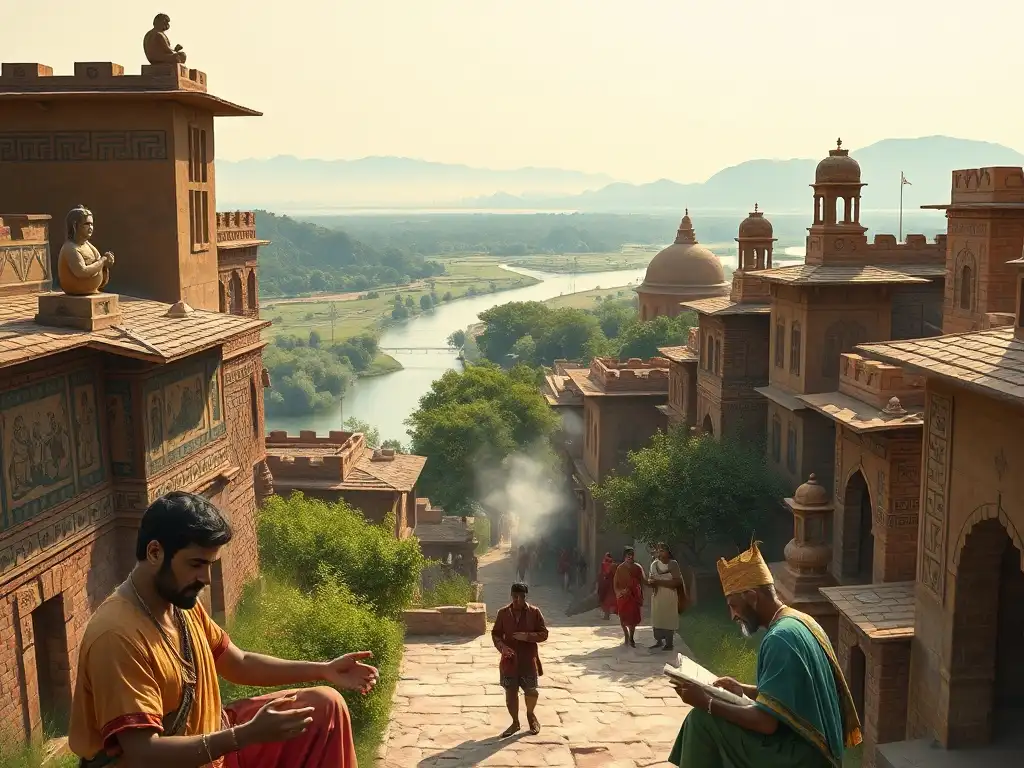
Introduction to the Indus Valley Civilization
The Indus Valley Civilization (IVC), one of the earliest urban cultures in the world, flourished around 2500 BCE in the northwestern regions of South Asia, primarily in modern-day Pakistan and northwest India. This remarkable civilization is known not only for its advanced urban planning and architectural prowess but also for its profound contributions to art and science, which were intricately interwoven into the fabric of daily life. By exploring the harmonious coexistence of these two domains, we can better understand the legacy of the Indus Valley Civilization and its lasting impact on subsequent cultures.
Overview of the Indus Valley Civilization
The Indus Valley Civilization is renowned for its sophisticated city structures, exemplified by well-planned cities like Harappa and Mohenjo-Daro. Featuring grid layouts, advanced drainage systems, and standardized fired-brick construction, these cities reflect a high level of organization and engineering skill. Additionally, the civilization exhibited remarkable prowess in various crafts, producing intricate pottery, seals, and jewelry that showcase a keen artistic sensibility.
The economy of the IVC was based on agriculture, trade, and crafts, with evidence suggesting a rich network of commercial relations extending as far as Mesopotamia. The inhabitants of this civilization engaged in various forms of artistic expression, including sculpture, metalwork, and textiles, indicating a rich cultural life. However, the most fascinating aspect of the Indus Valley Civilization lies in its integration of scientific principles into its artistic practices, which has been a subject of extensive research and admiration.
Significance of Art and Science in Ancient India
Art and science in ancient India were not viewed as separate entities; rather, they were interconnected pursuits that contributed to the overall advancement of society. The ancient Indians believed that art had a role in understanding the cosmos and human existence, while science provided the tools to explore and articulate these beliefs. This synergy fostered a unique cultural environment that allowed for innovations in various fields, including mathematics, astronomy, metallurgy, and architecture.
In the context of the Indus Valley Civilization, this interplay between art and science can be seen in the meticulous planning of their cities and the artistic details embedded within their functional designs. The artistic expressions were not merely decorative; they served practical purposes and embodied scientific principles, illustrating how these two realms coalesced to enhance the overall quality of life.
The Intersection of Art and Science in the Indus Valley
Understanding the Unique Blend of Art and Science
The Indus Valley Civilization exemplifies a unique blend of art and science, with each domain enriching the other. For example, the geometric patterns found in their pottery and seals often reflect an understanding of mathematical concepts, such as symmetry and proportion. These artistic choices were not random; they were deeply rooted in the scientific knowledge the Indus people possessed.
Moreover, the craftsmanship exhibited in their metalwork and terracotta figures indicates a sophisticated understanding of materials and techniques. Artisans demonstrated expertise in metallurgy, producing tools and ornaments that showcased both aesthetic appeal and functional utility. This intersection of creativity and technical skill was a hallmark of the civilization, setting it apart from contemporaneous cultures.
The Role of Art in Scientific Endeavors
Art played a pivotal role in the scientific advancements of the Indus Valley Civilization. The intricate seals, often adorned with animal motifs and scripts, served not only as artistic representations but also as tools for trade and communication. These seals provide insights into the economic and social structures of the time while reflecting the artistic capabilities of the civilization.
Additionally, the architectural marvels of the Indus Valley, including their sophisticated drainage systems and granaries, were products of careful planning and scientific inquiry. The artistic elements in these structures, such as decorative bricks and carvings, enhanced their functionality while providing a visual narrative of the civilization's values and beliefs.
The Indus Valley Civilization serves as a compelling case study of how art and science coexisted harmoniously, each enriching the other and contributing to the overall societal progress. As we delve deeper into this fascinating civilization, we can appreciate the richness of their contributions to the broader tapestry of ancient Indian history.
Indus Valley Art: A Reflection of Culture and Innovation
The art of the Indus Valley Civilization is a profound testament to the cultural and innovative spirit of its people. This ancient civilization, which flourished around 2500 BCE in what is now Pakistan and northwest India, produced a variety of artistic expressions that reflect their daily lives, beliefs, and technological prowess.
The art found in this region portrays not only aesthetic beauty but also a sophisticated understanding of materials and techniques. The artifacts discovered range from intricate pottery and seals to sculptures and jewelry, showcasing a rich tapestry of artistic creativity intertwined with the social and technological advancements of the time.
The Indus Valley artists employed their skills to create works that served both functional and ceremonial purposes. Their art often depicted animals, human figures, and motifs that held significant meaning within their culture. This artistic output is not merely ornamental but reveals insights into their social structure, trade practices, and religious beliefs. The harmony between art and science in the Indus Valley is evident in how artisans used their knowledge of materials and engineering to create artworks that were both durable and aesthetically pleasing.
Key Features of Indus Valley Art
The art of the Indus Valley Civilization is characterized by several distinctive features that set it apart from other contemporary cultures. Among these features are:
- Terracotta Figurines: These small sculptures, often depicting women, animals, and deities, showcase a high level of craftsmanship and attention to detail. They are believed to have had religious significance or were used in domestic rituals.
- Seals: The seals, often made of steatite, feature intricate carvings of animals, mythical creatures, and script. These seals were likely used for trade and administrative purposes, indicating a complex economic system.
- Pottery: The pottery of the Indus Valley is renowned for its geometric designs and red-black color scheme. The use of wheel-turned pottery demonstrates advanced techniques and an understanding of material properties.
- Sculptures: Large sculptures, such as the famous "Dancing Girl" bronze figurine, highlight the artistic skill and aesthetic sensibilities of the civilization. These works often reflect the elegance and dynamism of human form.
These features collectively reveal a society that valued artistry and innovation, integrating them into daily life.
Iconography and Symbolism in Indus Valley Art
Iconography in Indus Valley art is rich with symbolism that reflects the civilization's beliefs and values. Animals, particularly the bull, elephant, and tiger, frequently appear in their art and are thought to represent strength, fertility, and power. The presence of certain motifs, such as the swastika, suggests a connection to spiritual or religious beliefs that may have permeated their culture.
Moreover, the use of human figures in art often portrays individuals engaged in various activities, indicating a society that appreciated not only beauty but also the depiction of everyday life. Scholars believe that the recurring themes in their iconography may have also served as a form of communication, conveying messages about status, trade, or spirituality.
Scientific Achievements of the Indus Valley Civilization
The scientific achievements of the Indus Valley Civilization are remarkable and reflect a highly organized and advanced society. Their innovations spanned various fields, including urban planning, water management, and trade, demonstrating a sophisticated understanding of both the natural and built environments.
Urban Planning as a Scientific Marvel
The cities of the Indus Valley, such as Mohenjo-Daro and Harappa, exhibit advanced urban planning that is considered a scientific marvel of ancient times. Streets were laid out in a grid pattern, and houses were constructed using standardized baked bricks, showcasing an early understanding of urban design principles. The uniformity in construction materials and city layout indicates a high level of governance and an organized approach to urban development.
Furthermore, the cities featured public baths and drainage systems, suggesting an awareness of hygiene and public health. The meticulous planning of these urban centers reveals the civilization's ability to implement scientific methods in architecture and city planning, contributing to the overall efficiency and functionality of urban life.
Innovations in Water Management and Sanitation
Water management was a critical aspect of life in the Indus Valley, and the civilization demonstrated remarkable ingenuity in this area. They developed sophisticated systems for irrigation, which allowed for agricultural expansion and supported a growing population. The construction of wells, reservoirs, and water channels highlights their understanding of hydrology and resource management.
Sanitation practices were equally advanced, with many cities equipped with drainage systems that channeled waste away from living areas. This focus on cleanliness and efficient waste management reflects a proactive approach to public health, underscoring the civilization's commitment to maintaining a high standard of living for its citizens.
Advancements in Weights and Measures
The Indus Valley Civilization also made significant advancements in weights and measures, facilitating trade and commerce across the region. They used a standardized system of weights, often made of stone, which enabled fair trading practices. This uniformity in measurements indicates a level of economic organization that was crucial for the flourishing trade networks that connected various cities.
The weights found in archaeological excavations suggest that the civilization engaged in long-distance trade, exchanging goods such as textiles, metals, and agricultural products. This system of weights and measures not only facilitated commerce but also reflects a sophisticated understanding of mathematics and measurement principles, further demonstrating the harmonious coexistence of art and science in the Indus Valley Civilization.
The Influence of Indus Valley Art on Science
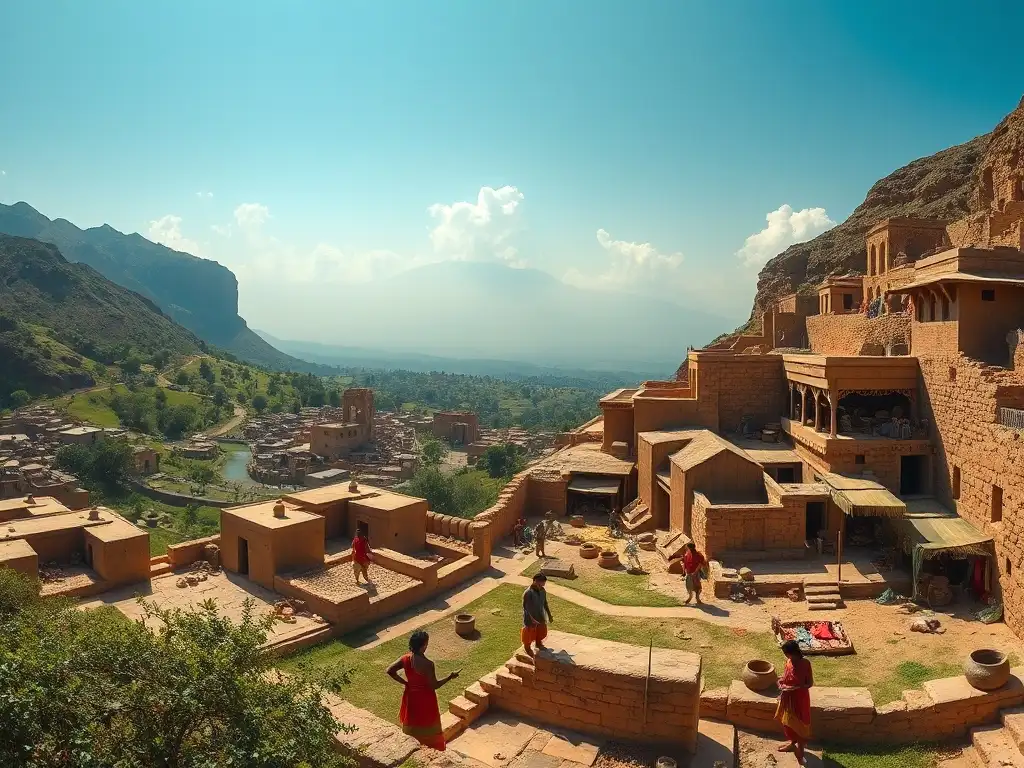
The Indus Valley Civilization, flourishing around 2500 BCE to 1900 BCE, is renowned for its remarkable achievements in both art and science. The interplay between these two fields was not merely coincidental; rather, it was a symbiotic relationship that fostered innovation and creativity. Artistic expression in the form of pottery, seals, and sculptures often paved the way for scientific advancements, demonstrating how aesthetics and functionality coalesced in this ancient society.
The meticulous craftsmanship seen in Indus Valley artifacts illustrates a profound understanding of materials and techniques, which also informed scientific thought. The artisans of this civilization utilized local resources effectively, exhibiting a sophisticated knowledge of the physical properties of clay, metals, and dyes. This knowledge was crucial in the development of various scientific disciplines, such as metallurgy and urban planning, showcasing an inherent connection between art and science in their societal framework.
How Artistic Expression Enhanced Scientific Thought
Artistic expression in the Indus Valley served as a catalyst for scientific thought by encouraging observation and experimentation. The creation of intricate seals and figurines required a deep understanding of geometry and symmetry, which likely influenced mathematical concepts. For instance, the use of grid patterns in city planning and the layout of streets reflects a sophisticated grasp of spatial organization, hinting at a scientific approach to urban design that was aesthetically pleasing yet functional.
Moreover, the vibrant colors used in pottery were derived from natural resources, indicating an early form of chemistry. The processes of mixing pigments and ensuring durability in ceramics required not only artistic intuition but also scientific inquiry. This blend of creativity and rationality exemplifies how art can stimulate scientific exploration, leading to advancements in technology and methodology.
Examples of Art Influencing Technological Developments
Several tangible examples illustrate the influence of Indus Valley art on technological developments. The famous terracotta figurines, such as the Dancing Girl, exhibit not only artistic finesse but also a keen understanding of posture and balance. This attention to detail may have inspired advancements in materials science, particularly in the crafting of more durable and flexible materials for various applications.
Furthermore, the creation of seals, many adorned with intricate animal motifs, speaks to both artistic skill and practical utility. These seals served multiple purposes, including trade and administrative functions, highlighting how artistic designs could enhance the efficacy of economic activities. The development of these seals likely involved technological advancements in engraving techniques and material selection, showcasing a direct link between artistic production and technological progress.
Cultural Significance of Art and Science Coexistence
The coexistence of art and science in the Indus Valley Civilization reflects a holistic approach to understanding the world. This culture appreciated beauty not just for its aesthetic value but as an integral part of daily life and societal function. The seamless integration of artistic endeavors with scientific inquiry underpinned a vibrant cultural environment where innovation flourished.
Art in the Indus Valley was a reflection of their values, beliefs, and social structure, while scientific achievements contributed to the practical aspects of life. This duality played a crucial role in shaping the identity of the civilization, allowing them to thrive in various domains, from agriculture to urban planning.
The Impact of Art and Science on Daily Life in the Indus Valley
The impact of art and science on daily life in the Indus Valley was profound. The architectural prowess seen in cities like Harappa and Mohenjo-Daro, characterized by well-planned streets, drainage systems, and residential structures, was a testament to both artistic vision and scientific application. The aesthetic appeal of these urban centers, combined with their functional design, illustrates how art and science worked together to enhance living conditions.
Moreover, the use of art in religious and cultural practices, such as the creation of pottery and figurines for rituals, demonstrates its significance in community life. Scientific knowledge, particularly in agriculture and water management, supported these practices, ensuring that the society could sustain its artistic traditions. As a result, art and science shaped a rich cultural tapestry that defined the Indus Valley way of life.
The Legacy of Indus Valley Civilization in Modern India
The legacy of the Indus Valley Civilization continues to resonate in modern India, particularly in its art and scientific endeavors. Contemporary Indian artists often draw inspiration from the motifs and techniques of their ancient predecessors, ensuring that the artistic heritage remains vibrant. This influence can be seen in various forms, from textiles to pottery, where traditional methods are fused with modern aesthetics.
In the realm of science, the engineering principles and urban planning concepts established by the Indus Valley Civilization are still relevant today. Modern architects and urban planners look to this ancient civilization for inspiration in creating sustainable and efficient living spaces. The emphasis on harmony between the built environment and natural resources echoes the Indus Valley's legacy, highlighting the timeless relevance of their innovative spirit.
The Indus Valley Civilization's art and science not only coexisted but thrived in tandem, shaping a culture that valued creativity and inquiry. Their contributions continue to influence contemporary society, underscoring the enduring impact of this remarkable civilization in both artistic and scientific realms.
Conclusion: The Harmonious Coexistence of Art and Science
The Indus Valley Civilization stands as a remarkable testament to the harmonious coexistence of art and science, showcasing the innovative spirit and aesthetic sensibilities of its people. This ancient civilization, which flourished between 2600 and 1900 BCE, demonstrated an exceptional understanding of urban planning, architecture, and craftsmanship. Their cities, meticulously designed with advanced drainage systems, grid layouts, and standardized fired bricks, reflect a profound knowledge of engineering and urban management.
Artistic expression was equally prominent in the Indus Valley, as evidenced by the intricate seals, pottery, and sculptures that have survived through the ages. These artifacts not only exhibit technical skill but also convey cultural narratives and religious beliefs, indicating a society that valued both beauty and functionality. The seamless integration of artistic elements within utilitarian objects signifies a worldview where art and science were not distinct entities but intertwined aspects of daily life.
This unique blend of art and science fostered an environment of creativity and innovation that laid the groundwork for future civilizations. As we explore the legacy of the Indus Valley, it becomes clear that their contributions to art and science continue to influence contemporary society, emphasizing the importance of interdisciplinary approaches in fostering cultural advancement.
Reflecting on the Indus Valley Contributions to Global Culture
The contributions of the Indus Valley Civilization extend far beyond their geographic boundaries, significantly influencing global culture. Their sophisticated urban layouts and architectural practices served as an inspiration for subsequent civilizations, including the Persian and Mesopotamian empires. The craftsmanship of Indus seals, often adorned with animal motifs and script, has been found as far afield as Mesopotamia, indicating extensive trade networks and cultural exchanges.
Moreover, the emphasis on hygiene and urban planning in the Indus Valley set a precedent for public health and city design in later societies. The civilization's advanced drainage systems and water management techniques are considered pioneering, and they laid the groundwork for urban infrastructure in future cultures. These innovations underscore the Indus Valley's role as a cradle of civilization, where artistic expression and scientific inquiry flourished in tandem.
The art of the Indus Valley, with its unique styles and symbolic motifs, has also found its way into modern artistic practices, influencing contemporary artists and designers who seek inspiration from ancient cultures. Thus, the legacy of the Indus Valley continues to resonate, reminding us of the enduring impact of their contributions to global culture.
The Lasting Impact of Indus Valley Art and Science on Future Generations
The enduring impact of Indus Valley art and science on future generations is both profound and multifaceted. Their achievements in various domains have inspired countless civilizations, demonstrating the vital role that art and science play in the advancement of human society. The emphasis on creativity and innovation in the Indus Valley has encouraged a holistic approach to knowledge, where artistic pursuits are seen as complementary to scientific endeavors.
In education, the interdisciplinary methods adopted by the Indus Valley can be observed in modern curricula that encourage students to explore the connections between art and science. This approach nurtures critical thinking and creativity, skills that are essential in today's rapidly evolving world. Additionally, archaeological studies of Indus artifacts continue to provide insights into ancient technologies and artistic techniques, fostering a deeper appreciation for the interplay between these fields.
Furthermore, the preservation and study of Indus Valley artifacts contribute to cultural heritage conservation efforts. As researchers and historians uncover the intricacies of this civilization, they inspire future generations to value and protect their cultural legacies. The art and science of the Indus Valley serve as a reminder of the potential for creativity and innovation to shape societies, emphasizing that the pursuit of knowledge is enriched by a commitment to artistic expression.
The legacy of the Indus Valley Civilization is a powerful illustration of how art and science can coexist harmoniously, leaving an indelible mark on the tapestry of global history.
- Introduction to the Indus Valley Civilization
- The Intersection of Art and Science in the Indus Valley
- Indus Valley Art: A Reflection of Culture and Innovation
- Scientific Achievements of the Indus Valley Civilization
- The Influence of Indus Valley Art on Science
- Cultural Significance of Art and Science Coexistence
- Conclusion: The Harmonious Coexistence of Art and Science
- What is the significance of Indus Valley art and science?
- How did art and science coexist in the Indus Valley?
- What are some examples of artistic achievements in the Indus Valley?
- How did the scientific advancements of the Indus Valley impact their society?
- What can we learn from the art and science of the Indus Valley today?
Frequently Asked Questions
What is the significance of Indus Valley art and science?
The Indus Valley Civilization is known for its innovative art forms and advanced scientific practices, which reflect a society that valued both creativity and intellect.
How did art and science coexist in the Indus Valley?
In the Indus Valley, artistic expression was often intertwined with scientific understanding, evident in their sophisticated urban planning and intricate craftsmanship.
What are some examples of artistic achievements in the Indus Valley?
The Indus Valley is renowned for its pottery, sculptures, and seals, showcasing highly skilled craftsmanship and a deep appreciation for aesthetic beauty.
How did the scientific advancements of the Indus Valley impact their society?
The scientific advancements in areas like urban drainage systems and metallurgy played a crucial role in improving the quality of life and economic stability of Indus Valley society.
What can we learn from the art and science of the Indus Valley today?
The art and science of the Indus Valley Civilization offer valuable insights into the importance of cultural integration and innovation, which can inspire modern societies to foster creativity alongside scientific progress.
Final Reflection: The Harmonious Legacy of Indus Valley Art and Science
The Indus Valley Civilization stands as a testament to the profound connection between art and science, a relationship that remains strikingly relevant in our contemporary world. As we navigate an era characterized by rapid technological advancements and artistic expression, the lessons from this ancient civilization remind us that innovation thrives when creativity and analytical thinking coexist. The Indus Valley's ability to blend these disciplines offers a powerful reminder that the most enduring legacies are those that embrace both beauty and functionality.
The influence of the Indus Valley Civilization on our cultural and social landscape is profound and ongoing. From urban planning to intricate craftsmanship, the principles established by this ancient society continue to inspire modern architects, artists, and scientists alike. The seamless integration of aesthetic and practical elements in their artifacts and urban designs encourages us to reflect on our own practices. As the philosopher Albert Einstein once said, Creativity is intelligence having fun.
This notion resonates deeply with the Indus Valley's legacy, urging us to explore the synergy between our creative impulses and scientific endeavors.
As we conclude our exploration of the Indus Valley Civilization, I invite you to reflect on how you can embody this harmonious coexistence in your own life. Consider how you might integrate artistic creativity with scientific inquiry in your daily pursuits, whether in your career, hobbies, or personal projects. Embrace the idea that art and science are not opposing forces but rather complementary pathways to understanding and enriching our world. Let the legacy of the Indus Valley inspire you to seek balance and innovation in all that you do, forging a future where creativity and intellect thrive together.
Unlock the Secrets of Ancient Innovation!
Thank you for diving into the fascinating world of the Indus Valley Civilization! You've uncovered the incredible ways in which art and science intertwined to create a remarkable society. Now, it's time to take the next steps in your journey of discovery.
- Explore further: Visit our interactive map of the Indus Valley sites to visualize this incredible civilization’s expanse.
- Share the knowledge: Discuss your insights with friends or on social media. Encourage others to appreciate the wonders of ancient history!
- Join the community: Participate in our upcoming online forum to connect with fellow history enthusiasts and share your thoughts on how ancient innovations still influence our world today.
What aspect of the Indus Valley Civilization intrigues you the most—its art, engineering, or perhaps its mysterious decline? We invite you to share your thoughts below!