
The Artistic Heritage of Ancient India: A Luxurious Tour of Masterpieces

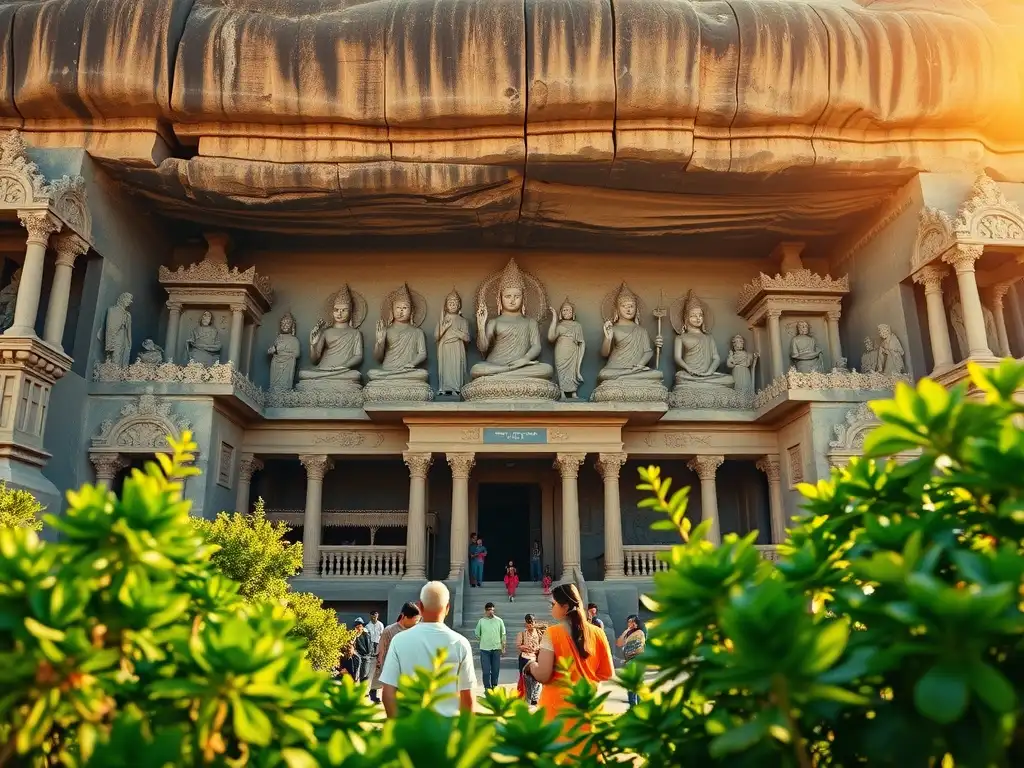
Welcome to Ancient India History, where we invite you to embark on a captivating journey through time, exploring the rich tapestry of cultures and civilizations that shaped the Indian subcontinent. In our featured article, "The Artistic Heritage of Ancient India: A Luxurious Tour of Masterpieces," we delve into the stunning artistic masterpieces that stand as testaments to the ingenuity and creativity of ancient Indian artisans.
Prepare to be enchanted as we uncover the stories behind these remarkable works, each a window into a world of elegance and historical significance. Join us as we unlock the secrets of the past and inspire your next adventure in luxury and historical travel!
- Introduction to Ancient Indian Artistic Masterpieces
- The Evolution of Artistic Styles in Ancient India
- Iconic Artistic Masterpieces of Ancient India
- Exploring the Regions of Ancient Indian Art
- Luxury Tours to Experience Ancient Indian Artistic Masterpieces
- Incorporating Modern Amenities in Historical Travel
- The Role of Museums in Preserving Ancient Indian Art
- Conclusion: The Lasting Impact of Ancient Indian Artistic Masterpieces
-
Frequently Asked Questions
- What are some examples of ancient Indian artistic masterpieces?
- How did ancient Indian civilizations influence art and culture?
- What materials were commonly used in ancient Indian art?
- How did religion impact artistic expression in ancient India?
- What legacy do ancient Indian artistic masterpieces leave today?
- Final Reflection: Embracing the Timeless Legacy of Ancient Indian Artistic Masterpieces
- Unveil the Treasures of Ancient India!
Introduction to Ancient Indian Artistic Masterpieces
Ancient India boasts a vibrant tapestry of art and culture, showcasing the incredible creativity and skilled craftsmanship of its civilizations. From the intricate carvings of the Indus Valley to the grand architecture of the Gupta Empire, the artistic heritage of India is a reflection of its diverse history and cultural richness.
This article embarks on a luxurious tour of the most significant artistic masterpieces that have emerged from ancient Indian civilizations, highlighting their historical context, artistic techniques, and the philosophical ideologies that inspired them. By exploring these masterpieces, we not only celebrate the creativity of ancient artisans but also gain insights into the societal values and traditions that have shaped India's cultural landscape.
Overview of Ancient Indian Art and Heritage
Ancient Indian art is characterized by its diversity, influenced by various regions, religions, and historical periods. The timeline of Indian art can be traced back to the Indus Valley Civilization (c. 3300–1300 BCE), where terracotta figurines and seals displayed an early form of artistic expression. Key highlights of ancient Indian art include:
- Sculpture: Notable for its intricate details and lifelike representations, ancient Indian sculpture often depicted deities, animals, and humans. The Buddhist caves of Ajanta and Ellora are prime examples of this artistry.
- Architecture: The architectural marvels of ancient India, such as the Brihadeeswarar Temple and the Sun Temple at Konark, illustrate advanced engineering skills and aesthetic sensibilities.
- Painting: Frescoes and murals, particularly in places like Ajanta, showcase vibrant colors and elaborate storytelling techniques, often depicting religious themes.
This rich artistic heritage serves as a testament to the ingenuity and spiritual depth of ancient Indian civilizations, reflecting their cultural values and beliefs.
Significance of Artistic Masterpieces in Indian History
The artistic masterpieces of ancient India are not merely aesthetic creations; they hold profound historical and cultural significance. These masterpieces:
- Reflect Cultural Identity: Each artwork embodies the values, beliefs, and practices of its time, serving as a mirror to the social dynamics and cultural ethos of ancient India.
- Convey Philosophical Themes: Many masterpieces, especially those related to Buddhism and Hinduism, encapsulate complex philosophical ideas, guiding individuals in their spiritual journeys.
- Serve as Historical Documents: Artistic works provide valuable insights into the daily lives, attire, and customs of ancient people, making them essential for understanding the historical narrative of India.
In essence, the study of ancient Indian artistic masterpieces is crucial for appreciating the depth and breadth of India's historical journey, offering a luxurious glimpse into a world where art and culture intertwined seamlessly.
The Evolution of Artistic Styles in Ancient India
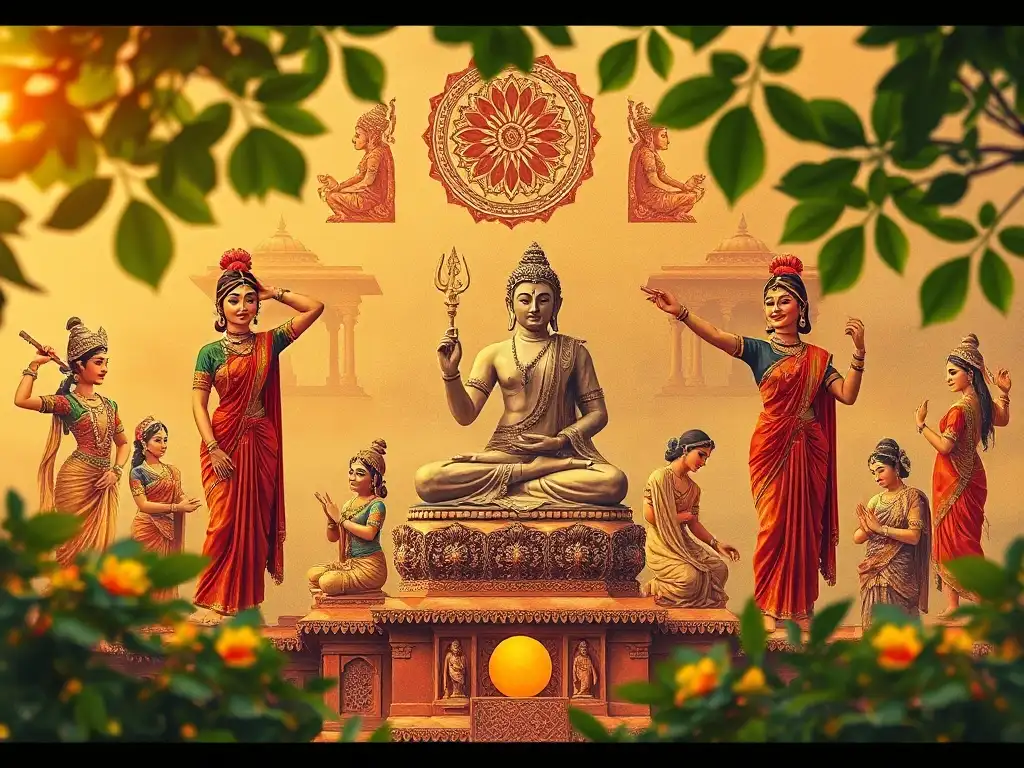
Indus Valley Civilization: The Birth of Artistic Expression
The Indus Valley Civilization, thriving from approximately 3300 to 1300 BCE, marked the inception of artistic expression in ancient India. Known for its advanced urban planning and architecture, this civilization also laid the groundwork for artistic endeavors that would flourish in later periods.
Key Artistic Features:
- Terracotta Figurines: The Indus Valley is famous for its intricate terracotta figurines, which often depicted animals, women, and dancers. These figurines showcased a keen sense of proportion and detail, indicating a sophisticated understanding of aesthetics.
- Seals and Inscriptions: The civilization produced seals made of steatite, often engraved with animal motifs and script. These seals served both practical and ceremonial purposes, reflecting the culture's artistic flair.
The art of the Indus Valley is a testament to the civilization's creativity and societal organization.
Urban Artistry:
The cities of Harappa and Mohenjo-Daro featured public baths and granaries, adorned with artistic elements that demonstrated the integration of functionality and beauty. The layout of these cities reflects a deep appreciation for symmetry and harmony, pivotal themes that persisted throughout Indian art history.
Mauryan Period: Grand Sculptures and Pillars
The Mauryan period, spanning from 322 to 185 BCE, is characterized by monumental art and architecture. Under the reign of Emperor Ashoka, the period saw the proliferation of grand sculptures and intricately carved stone pillars that served religious and political purposes.
Pillars of Ashoka:
- Ashokan Pillars: These iconic pillars, made of sandstone, stand as a symbol of Mauryan artistry. Each pillar is adorned with intricate carvings, including animal motifs and edicts promoting ethical governance.
- Lion Capital of Ashoka: The most notable example, the Lion Capital, features four lions standing back-to-back, symbolizing power and unity. This masterpiece is now India's national emblem.
Sculptural Advancements:
Mauryan art also saw the emergence of rock-cut sculptures, particularly in places like Barabar Caves. These sculptures, often depicting Buddhist themes, illustrated the rich narrative style that would evolve in subsequent centuries.
Gupta Empire: The Golden Age of Indian Art
The Gupta Empire, flourishing from approximately 320 to 550 CE, is often referred to as the Golden Age of Indian art. This period is marked by a renaissance in various forms of artistic expression, including sculpture, painting, and architecture.
Iconic Sculptures:
- The Gupta Style: Characterized by graceful figures and expressive poses, Gupta sculpture reached new heights in depicting Hindu deities and Buddhist figures. The iconic standing Buddha, for instance, exemplifies serenity and composure, showcasing the period's mastery of form.
- Ajanta Caves: The frescoes found in the Ajanta Caves are among the finest examples of ancient Indian painting. These murals, depicting jataka tales and divine beings, combine intricate details with vibrant colors, illustrating the artistic prowess of the time.
Architectural Marvels:
The Gupta period also witnessed the construction of temples that reflected architectural ingenuity. The use of shikhara (spire) in temple design became prominent during this time, influencing the structural aesthetics of future temple architecture across India.
The Gupta Empire's contributions to art and architecture not only enriched Indian culture but also influenced artistic movements across Southeast Asia.
The evolution of artistic styles in ancient India showcases a rich tapestry of creativity that spans several millennia. From the intricate terracotta of the Indus Valley to the grandeur of the Gupta sculptures, each period contributed uniquely to the legacy of ancient Indian artistic masterpieces, making India a vital hub of artistic heritage in the ancient world.
Iconic Artistic Masterpieces of Ancient India
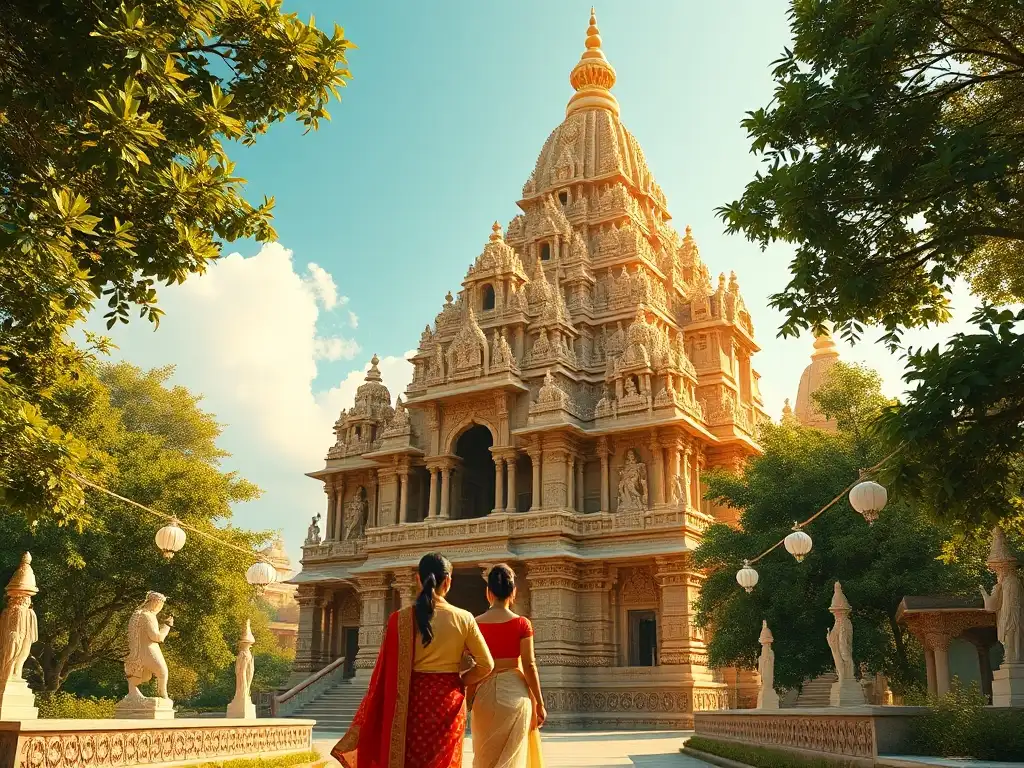
The Great Stupa at Sanchi: A Marvel of Buddhist Architecture
The Great Stupa at Sanchi, located in Madhya Pradesh, is one of the most significant and well-preserved monuments of ancient Indian architecture, dating back to the 3rd century BCE. Commissioned by Emperor Ashoka, this stupa is a perfect example of the early Buddhist architectural style and serves as a key pilgrimage site.
- Architectural Features: The stupa is characterized by its massive dome, which symbolizes the universe. It is surrounded by a circular path, known as the pradakshina, that pilgrims use during their circumambulation. The four gateways, or toranas, that mark the cardinal directions are exquisitely carved with intricate reliefs depicting Jataka tales (stories of the Buddha’s previous lives) and various symbols of Buddhism.
- Cultural Significance: The Great Stupa at Sanchi is not just an architectural marvel; it also serves as a testament to the spread of Buddhism across India and beyond. It embodies the ideals of peace and enlightenment, making it a central focus for Buddhist art and culture.
- Visiting Experience: Touring the Great Stupa offers a unique insight into the spiritual and artistic accomplishments of ancient India. As you walk around the stupa, you'll be captivated by the detailed carvings and the serene atmosphere, providing a sense of tranquility and reflection.
The Ajanta Caves: Ancient Frescoes and Sculptures
The Ajanta Caves, located in Maharashtra, are a remarkable collection of rock-cut Buddhist cave monuments that date back to the 2nd century BCE to the 6th century CE. These caves are renowned for their stunning frescoes and sculptures, which depict the life of the Buddha and various bodhisattvas.
- Frescoes and Artistry: The frescoes of Ajanta are considered among the finest examples of ancient Indian painting. They showcase vibrant colors and intricate details, illustrating stories from Buddhist texts and everyday life during that era. The technique used in these paintings involved natural pigments and a meticulous application process.
- Sculptural Masterpieces: The caves also feature impressive sculptures, including life-sized figures of the Buddha and various deities. These sculptures exhibit a mastery of form and proportion, illustrating the high level of skill possessed by ancient Indian artists.
- Cultural Impact: The Ajanta Caves not only reflect the artistic brilliance of ancient India but also serve as a historical record of the socio-religious milieu of the time. Their significance extends beyond mere aesthetics, offering insights into the spread of Buddhism and its integration into Indian culture.
The Khajuraho Temples: Erotic Art and Architectural Brilliance
The Khajuraho Temples, located in Madhya Pradesh, are famous for their intricate sculptures and carvings that represent a unique blend of eroticism and spirituality. Built between 950 and 1050 CE during the Chandela dynasty, these temples are a UNESCO World Heritage Site and a testament to the artistic prowess of ancient Indian craftsmen.
- Architectural Excellence: The temples are renowned for their impressive Nagara style of architecture. Each temple is adorned with detailed carvings that cover the facades, shikhara (tower), and interior walls, creating a visually stunning experience for visitors. The design and layout of the temples reflect a high degree of planning and artistry.
- Erotic Sculptures: Perhaps the most striking feature of the Khajuraho Temples is their erotic sculptures, which portray various aspects of love and sensuality. These works of art are not merely titillating; they are believed to express the celebration of life, love, and the human experience. The way these sculptures are integrated into the overall design of the temple demonstrates a sophisticated understanding of art and architecture.
- Cultural Resonance: The Khajuraho Temples serve as a reminder of the cultural and spiritual diversity of ancient India. They reflect the philosophical and artistic ideas of the time, offering a glimpse into the complex interplay between spirituality and sensuality in Indian thought.
These iconic artistic masterpieces of ancient India not only showcase the rich heritage and craftsmanship of the time but also invite modern visitors to explore the profound cultural narratives that continue to resonate today. From the tranquil Great Stupa at Sanchi to the vibrant frescoes of Ajanta and the intricate sculptures of Khajuraho, each site offers a unique and luxurious journey into India's artistic legacy.
The Iron Pillar of Delhi: An Engineering Marvel
The Iron Pillar of Delhi, standing at a towering height of 7.21 meters, is a remarkable example of ancient Indian metallurgy and engineering. Erected during the reign of Chandragupta II around the 4th century CE, this pillar is not only a testament to the advanced skills of artisans of that era but also a significant artifact that has captivated historians and scientists alike.
One of the most striking features of the Iron Pillar is its resistance to corrosion, which has puzzled experts for centuries. Made of wrought iron, the pillar has withstood the test of time, demonstrating an extraordinary level of craftsmanship. The iron used in its construction contains a high phosphorus content, which is believed to contribute to its rust-resistant qualities. This unique property has drawn attention to the metallurgical techniques employed in ancient India, highlighting the sophisticated understanding of materials that artisans possessed at the time.
The pillar is adorned with intricate inscriptions in Sanskrit, which celebrate the achievements of Chandragupta II and provide insights into the political and cultural landscape of ancient India. These inscriptions not only serve as a historical record but also showcase the artistic talents of the period, combining literary elegance with aesthetic appeal. The calligraphy, characterized by its flowing curves and precise form, reflects the high level of literacy and artistic expression prevalent in Gupta society.
In addition to its artistic and engineering significance, the Iron Pillar has become a symbol of India's rich cultural heritage and a focal point for tourists and scholars interested in ancient Indian history. It stands majestically in the Qutb complex, a UNESCO World Heritage site, attracting visitors from all over the world who come to admire its grandeur and ponder the mysteries of its creation.
The Iron Pillar of Delhi is not just an artifact; it is a narrative of human ingenuity and a celebration of the cultural achievements of ancient India. Its continued preservation serves as a reminder of the remarkable advancements in technology and artistry that define the subcontinent’s historical legacy.
Exploring the Regions of Ancient Indian Art
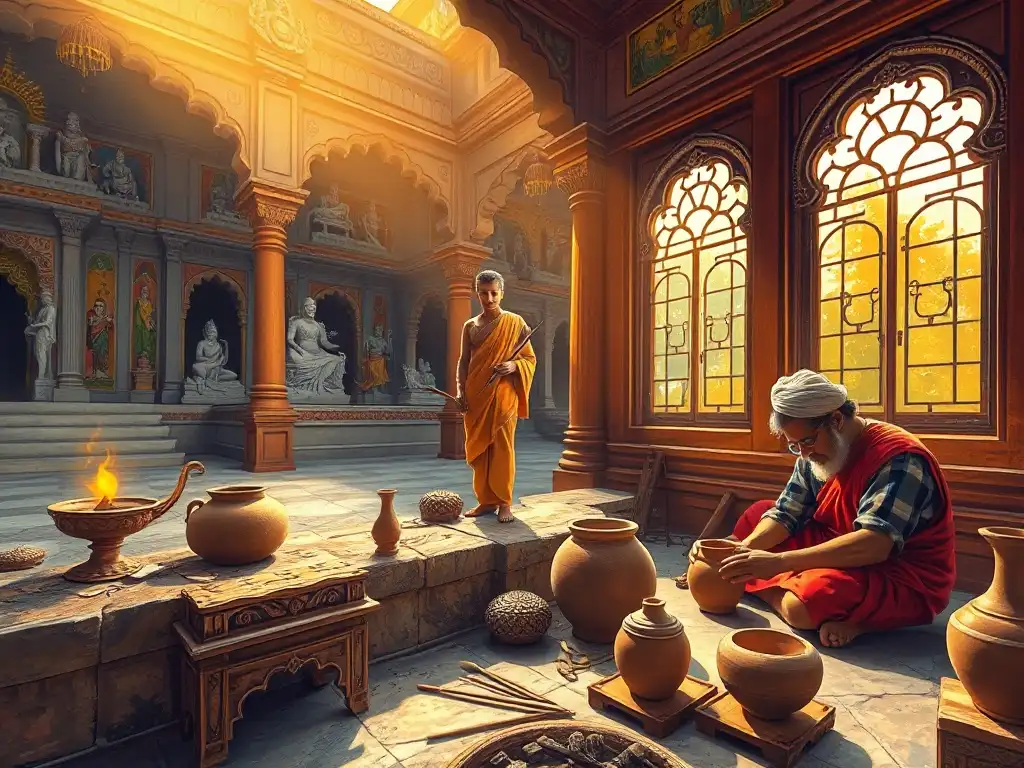
Rajasthan: A Journey through Palatial Art and Architecture
Rajasthan, often referred to as the "Land of Kings," is a treasure trove of ancient Indian artistic masterpieces. The region is characterized by its stunning palaces, fortresses, and intricate frescoes that reflect the opulence of its royal heritage. Notable sites include:
- City Palace, Udaipur: A magnificent complex that showcases a blend of Rajasthani and Mughal architecture, featuring ornate peacock mosaics and sprawling courtyards.
- Hawa Mahal, Jaipur: Known as the "Palace of Winds," this iconic structure is renowned for its unique honeycomb facade, designed to allow royal women to observe street festivities without being seen.
- Jaisalmer Fort: A UNESCO World Heritage site, this living fort is constructed from yellow sandstone, which glows golden at sunset, embodying the region's architectural brilliance.
Rajasthan's rich artistic tradition extends to miniature paintings, which often depict historical events and royal life. The vibrant colors and meticulous detail in these artworks are a testament to the skilled artisans of the region.
Madhya Pradesh: The Heart of Ancient Indian Masterpieces
Madhya Pradesh, often regarded as the cradle of ancient Indian civilization, boasts some of the finest ancient Indian artistic masterpieces. This region is home to numerous rock-cut temples and ancient cave paintings that date back thousands of years. Key highlights include:
- Khajuraho Temples: Famous for their intricate sculptures and erotic carvings, these temples are a UNESCO World Heritage site. The artistry reflects the cultural ethos of ancient India, with themes encompassing love, nature, and spirituality.
- Buddhist Caves of Ajanta and Ellora: These rock-cut caves feature exquisite murals and sculptures that narrate the life of Buddha and various Jataka tales. The detailed craftsmanship and spiritual significance make them an essential part of India's artistic heritage.
- Sanchi Stupa: This ancient Buddhist complex is known for its stupas, gateways, and pillars adorned with intricate carvings that depict scenes from the life of Buddha, showcasing the region's historical significance.
Madhya Pradesh serves as a vital link in understanding the evolution of Indian art, reflecting a fusion of religious devotion and artistic expression.
Tamil Nadu: Temples that Showcase Dravidian Art
Tamil Nadu is a vibrant canvas of ancient Indian artistic masterpieces, best known for its towering temples adorned with intricate sculptures and carvings. The Dravidian architectural style, prominent in this region, is a hallmark of ancient Indian artistry. Noteworthy examples include:
- Brihadeeswarar Temple, Thanjavur: A UNESCO World Heritage site, this temple is a masterpiece of Dravidian architecture, featuring a massive vimana (tower) and intricate bronze sculptures. The temple stands as a testament to the Chola dynasty's architectural prowess.
- Meenakshi Temple, Madurai: Renowned for its stunning gopurams (gateway towers) adorned with thousands of colorful sculptures, this temple is a vibrant representation of the artistic traditions of Tamil Nadu.
- Gangaikonda Cholapuram: This temple complex, another UNESCO site, showcases the architectural brilliance of the Chola dynasty, with its grand scale and detailed stone carvings.
The temples of Tamil Nadu not only serve as places of worship but also as living museums of ancient Indian art, reflecting the region's rich cultural and spiritual heritage.
Luxury Tours to Experience Ancient Indian Artistic Masterpieces
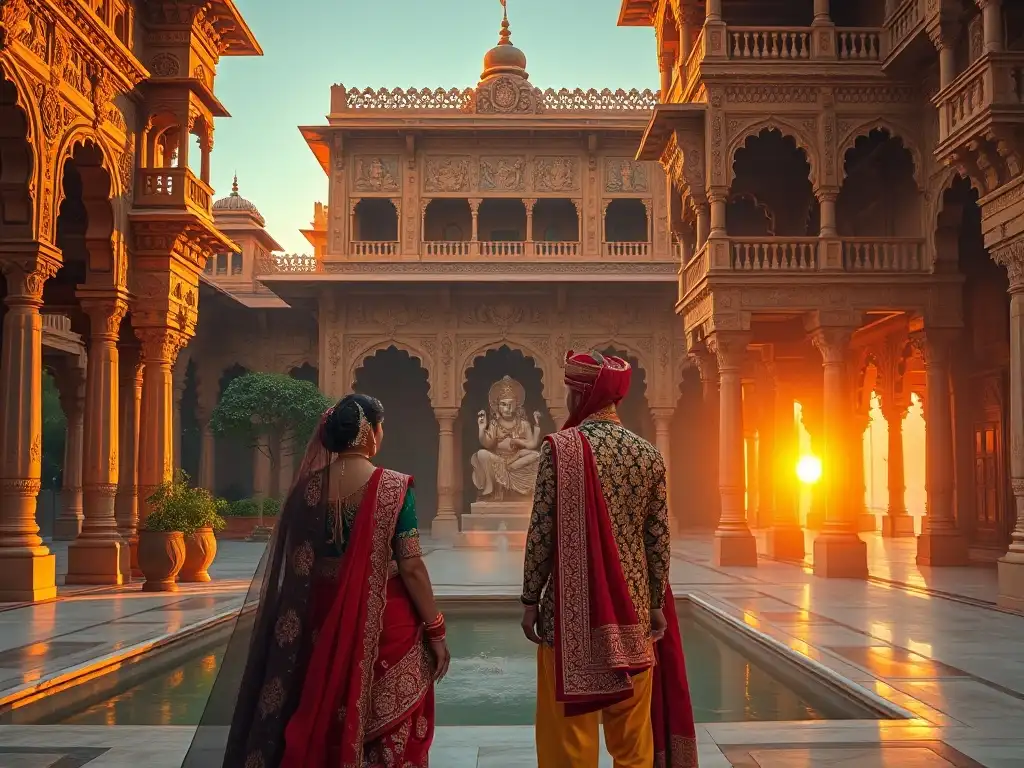
Curated Heritage Tours: Discover the Best of Ancient Indian Art
When exploring the artistic heritage of ancient India, curated heritage tours provide an exceptional way to experience the rich tapestry of art and architecture that defines this civilization. These tours are meticulously designed to immerse travelers in the vibrant history and aesthetics of ancient Indian artistic masterpieces, ensuring that every detail is tailored for a luxurious experience.
These curated tours often include visits to iconic sites such as:
- Indus Valley Civilization: Discover the urban planning and intricately designed seals that highlight the early artistic expressions of this civilization.
- Ajanta and Ellora Caves: Marvel at the stunning rock-cut architecture and intricate frescoes that date back to the 2nd century BCE.
- Khajuraho Temples: Explore the exquisite sculptures that celebrate life and love, showcasing a unique blend of spirituality and sensuality.
- Rajasthan Forts and Palaces: Experience the regal art forms, including frescoes and intricate carvings, that adorn the majestic structures of this region.
These tours often feature expert guides who provide in-depth knowledge about the historical context and significance of each site, enhancing the overall experience. The combination of luxury accommodations, gourmet dining, and personalized itineraries ensures that travelers enjoy the finest comforts while delving into the depths of ancient Indian artistry.
Example Tour: Luxury Rajasthan Heritage Tour
The Luxury Rajasthan Heritage Tour is a prime example of a curated journey through India's artistic past. This tour typically includes:
- Duration: 10 days
- Destinations:
- Jaipur: Visit the City Palace and Hawa Mahal, where the intricate architecture tells tales of the royal families.
- Udaipur: Explore the stunning Lake Palace and marvel at the artistic frescoes in the City Palace.
- Jaisalmer: Experience the golden city with its intricate sandstone carvings and the majestic Jaisalmer Fort.
This tour offers exclusive access to art workshops, where travelers can engage with local artisans and learn traditional techniques, thus deepening their understanding of ancient Indian craftsmanship.
Example Tour: Madhya Pradesh Cultural Expedition
The Madhya Pradesh Cultural Expedition focuses on the heart of ancient Indian art. This tour highlights destinations like:
- Khajuraho: Known for its temples adorned with intricate erotic sculptures, offering insights into the cultural and artistic expressions of the time.
- Sanchi: Home to remarkable stupas and monuments that represent the Buddhist art of ancient India.
Travelers on this expedition can enjoy luxury accommodations in heritage hotels and guided visits to museums showcasing ancient artifacts, providing a comprehensive view of Madhya Pradesh's artistic legacy.
Private Guided Tours: Personalized Experiences of Ancient Art
For those seeking a more tailored exploration of ancient Indian artistic masterpieces, private guided tours offer the flexibility and intimacy that group tours cannot provide. These tours allow travelers to customize their itinerary based on their interests, whether that involves visiting specific sites or engaging in unique art experiences.
Private tours ensure that travelers can spend more time at each location, allowing for a deeper appreciation of the art and context. With a dedicated guide, guests can ask detailed questions and receive personalized insights into the significance of various artistic works.
Example Service: Exclusive Ajanta Caves Tour
One notable option is the Exclusive Ajanta Caves Tour, which provides an unparalleled experience of this UNESCO World Heritage site. This service typically includes:
- Private Transportation: Comfortable luxury vehicles for a smooth journey to and from the caves.
- Expert Guide: A knowledgeable guide specializing in Buddhist art and history, who will lead the exploration of the stunning rock-cut caves.
- Special Access: Opportunities to visit lesser-known caves and sections that are often overlooked by larger tourist groups.
- Art Workshops: Engage in workshops with local artists focusing on traditional painting techniques inspired by the frescoes of Ajanta.
With such personalized experiences, travelers can enjoy a luxurious and insightful journey into the artistic heritage of ancient India, creating memories that last a lifetime.
Incorporating Modern Amenities in Historical Travel
When embarking on a journey to explore the Ancient Indian artistic masterpieces, travelers often seek a blend of luxury and authenticity. Incorporating modern amenities into historical travel enhances the overall experience, allowing visitors to immerse themselves in the rich culture while enjoying contemporary comforts. This seamless integration creates an unforgettable tour that respects the past while embracing the conveniences of today.
Luxury Accommodations near Historical Sites
Choosing the right accommodation is crucial for a luxurious historical travel experience. Here are two highly recommended hotels that provide opulence and proximity to some of India's most iconic historical sites.
Recommended Hotel: Heritage Hotel in Jaipur
Nestled in the heart of Jaipur, the Heritage Hotel offers a lavish experience that reflects the grandeur of the city's royal past. This hotel is designed to echo the architectural styles of the Rajput era, featuring intricately carved facades and opulent interiors.
- Key Features:
- Authentic Royal Experience: Guests can enjoy traditional Rajasthani hospitality, complete with welcoming ceremonies.
- Cultural Activities: The hotel organizes guided tours to nearby forts and palaces, ensuring a deep dive into the region's artistic heritage.
- Wellness Facilities: A spa offering treatments inspired by ancient Indian practices, allowing guests to relax after a day of exploration.
Recommended Hotel: Luxury Resort near Khajuraho
The Luxury Resort near Khajuraho provides a tranquil escape amidst the stunning backdrop of ancient temples, famous for their intricate erotic sculptures. This resort blends modern luxury with historical significance, making it an ideal choice for travelers seeking comfort while exploring the ancient Indian artistic masterpieces.
- Key Features:
- Scenic Views: The resort is set against lush landscapes, offering breathtaking views of the temples and surrounding nature.
- Culinary Delights: Guests can savor exquisite dishes that reflect the region's culinary heritage, prepared with fresh, local ingredients.
- Cultural Tours: The resort provides exclusive access to guided tours of the UNESCO World Heritage-listed Khajuraho temples, ensuring an enriching experience.
Gourmet Dining Experiences Inspired by Ancient Culture
Food is an integral part of experiencing a culture, and ancient Indian cuisine is no exception. Luxury travel in India offers gourmet dining experiences that not only delight the palate but also provide a glimpse into the culinary arts of ancient civilizations.
Top Restaurant: Fine Dining in Udaipur
In Udaipur, the fine dining restaurant located in a palatial setting combines exquisite cuisine with an ambiance that reflects the royal heritage of the Mewar dynasty. This dining experience is perfect for travelers looking to indulge in the flavors of ancient India.
- Menu Highlights:
- Traditional Dishes: A selection of royal Mughlai and Rajasthani dishes, prepared using recipes passed down through generations, focusing on authentic flavors and presentation.
- Culinary Workshops: Guests can participate in workshops to learn about the ancient cooking techniques and spices used in traditional Indian cuisine.
- Scenic Views: Dining on a terrace overlooking the shimmering Lake Pichola adds an enchanting touch to the culinary experience, making each meal memorable.
By incorporating these modern amenities into your travel plans, you can fully immerse yourself in the historical and artistic wonders of ancient India while enjoying the luxuries that today’s world has to offer.
The Role of Museums in Preserving Ancient Indian Art
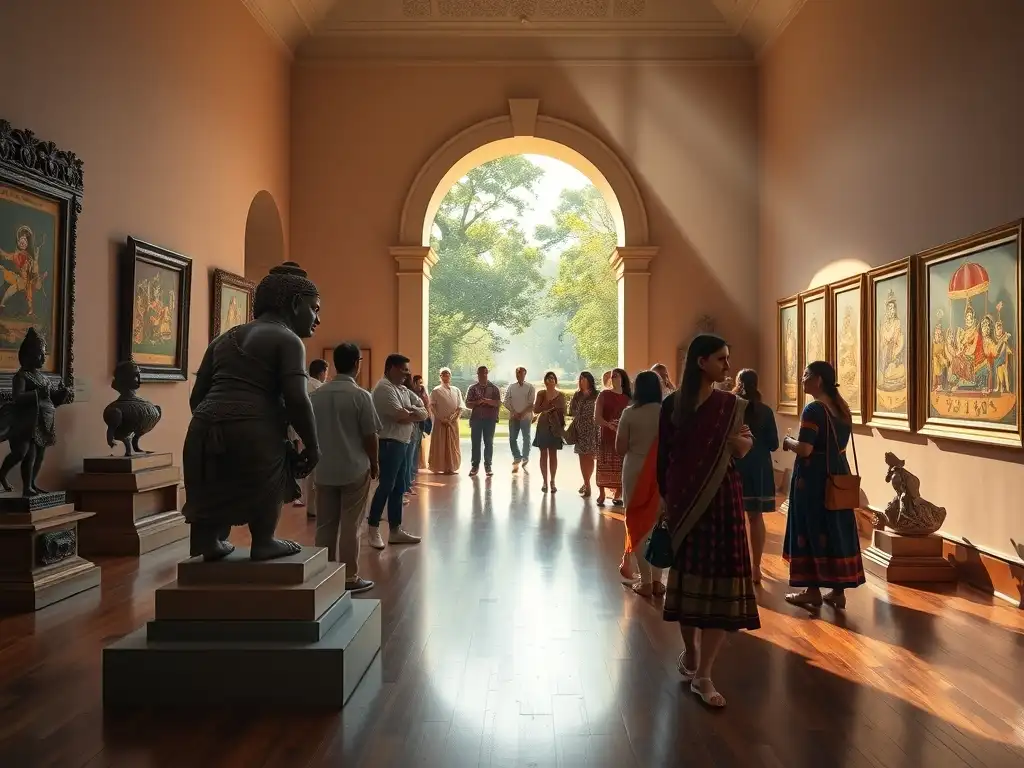
The preservation of ancient Indian artistic masterpieces is a critical endeavor that museums across the country undertake. These institutions not only safeguard invaluable artifacts but also provide a platform for education and appreciation of India's rich artistic heritage. Museums play a multifaceted role in preserving the past, engaging the public, and fostering a deeper understanding of ancient Indian civilizations.
Through meticulous conservation practices, museums ensure that artworks, sculptures, and artifacts are maintained in optimal conditions. They utilize innovative techniques and materials to restore damaged pieces while preserving their integrity. Furthermore, museums often collaborate with international organizations to implement best practices in preservation and conservation.
In addition to physical preservation, museums contribute to the dissemination of knowledge about ancient Indian art through exhibitions, workshops, and educational programs. By showcasing ancient Indian artistic masterpieces, they help cultivate a sense of pride and identity among the visitors, encouraging a connection to the cultural legacy of India.
National Museum, New Delhi: A Repository of Ancient Masterpieces
The National Museum in New Delhi stands as one of the most significant repositories of ancient Indian artistic masterpieces. Established in 1949, the museum houses over 200,000 artworks, artifacts, and historical objects that span India's extensive history.
Highlights of the Collection
- Indus Valley Civilization Artifacts: The museum features an impressive collection of seals, pottery, and terracotta figurines that offer insights into the sophisticated urban culture of the Indus Valley Civilization.
- Buddhist Art: A notable section dedicated to Buddhist art showcases intricate sculptures and stupas that reflect the spiritual and artistic evolution from the Mauryan to the Gupta period.
- Miniature Paintings: The collection of miniature paintings highlights the diverse styles that emerged from various regions, including Mughal, Rajput, and Pahari traditions.
The National Museum not only preserves these ancient masterpieces but also regularly organizes exhibitions that allow visitors to engage with the artworks in dynamic ways. For instance, special exhibitions focusing on themes like "The Evolution of Indian Sculpture" provide a deep dive into the artistic techniques and cultural contexts of different periods.
The Chhatrapati Shivaji Maharaj Vastu Sangrahalaya: Art and History Combined
Formerly known as the Prince of Wales Museum, the Chhatrapati Shivaji Maharaj Vastu Sangrahalaya (CSMVS) in Mumbai is another cornerstone of preserving ancient Indian art. Opened in 1923, this museum merges art, history, and culture, creating a holistic experience for visitors.
Unique Features of CSMVS
- Architectural Marvel: The museum itself is an architectural gem, showcasing Indo-Saracenic design that reflects the fusion of Indian and Gothic styles.
- Diverse Collections: CSMVS boasts a rich collection that includes ancient Indian sculptures, artifacts from the Harappan civilization, and exquisite examples of traditional textiles.
- Interactive Exhibitions: The museum frequently hosts interactive exhibitions that allow visitors to explore ancient Indian artistic techniques through hands-on activities, enhancing their understanding and appreciation of the art forms.
The CSMVS also plays a pivotal role in educational outreach, offering programs tailored for students and art enthusiasts alike. Through lectures, workshops, and guided tours, the museum fosters a deeper understanding of the cultural significance of the ancient artistic masterpieces it houses.
Museums like the National Museum and CSMVS are vital in preserving and showcasing the ancient Indian artistic masterpieces. They contribute significantly to cultural heritage preservation, offering visitors an invaluable opportunity to connect with India's rich history and artistic traditions.
Conclusion: The Lasting Impact of Ancient Indian Artistic Masterpieces
The artistic heritage of ancient India is not just a testament to its rich history; it is a reflection of the diverse cultures and philosophies that have shaped the subcontinent over millennia. From the intricate carvings of the Indus Valley civilization to the ornate sculptures of the Gupta Empire, ancient Indian artistic masterpieces encapsulate the spiritual and aesthetic values of their time. These creations serve as portals to understanding the societal dynamics, religious beliefs, and historical contexts of their creators, making them invaluable to both scholars and travelers alike.
Why Touring Ancient Indian Art Enhances Cultural Understanding
Embarking on a journey to explore ancient Indian artistic masterpieces offers travelers a unique opportunity to engage with the cultural narratives embedded within these works. Each piece tells a story, reflecting the zeitgeist of its era and the influences that shaped it. For instance, the exquisite murals of Ajanta Caves illustrate Buddhist narratives, while the intricate designs of temples like Brihadeeswarar speak to the grandeur of Chola architecture.
- Immersive Learning Experience:
- Interactive Tours: Many heritage tours offer guided experiences where experts provide insights into the techniques, symbolism, and historical significance of the artworks.
- Workshops: Participating in traditional art workshops allows travelers a hands-on experience of ancient techniques, fostering a deeper appreciation for the craftsmanship involved.
- Cultural Exchange:
- Local Engagement: Engaging with local artisans and communities helps preserve traditional practices and offers travelers a chance to learn from those who continue these age-old crafts.
- Diverse Perspectives: Meeting individuals from various backgrounds enriches the travel experience, providing multiple viewpoints on the significance of art in society.
- Reflection of Societal Values:
- Religious Art: Understanding the religious context of artistic masterpieces, such as the sculptures at Khajuraho, reveals the complex interplay between spirituality and daily life in ancient India.
- Cultural Identity: The art forms serve as markers of cultural identity, showcasing regional diversity through styles, materials, and themes.
Final Thoughts on Experiencing the Luxurious Heritage of Ancient India
Experiencing the luxurious heritage of ancient India through its artistic masterpieces is an enriching journey that transcends mere observation. Travelers can appreciate not only the beauty of these works but also the deep-rooted philosophies and histories that breathe life into them. The intertwining of art with luxury travel creates a unique narrative—one that appeals to both the aesthetic senses and the intellectual curiosity of visitors.
Indulging in the exploration of ancient Indian artistic masterpieces presents an opportunity to witness the grandeur of a civilization that has made profound contributions to art, culture, and humanity. Whether wandering through the serene corridors of ancient temples or marveling at the detailed frescoes of bygone eras, the experience offers a luxurious passage into the heart of India's historical legacy. Each masterpiece serves as a reminder of the timelessness of art and its ability to connect us across generations, making it an essential aspect of any heritage tour in India.
Frequently Asked Questions
What are some examples of ancient Indian artistic masterpieces?
Ancient Indian artistic masterpieces include intricate sculptures, paintings, and architecture such as the Ajanta Caves, Khajuraho Temples, and the intricate carvings of the Sun Temple at Konark.
How did ancient Indian civilizations influence art and culture?
Ancient Indian civilizations, particularly during the Indus Valley and the Gupta Empire, contributed significantly to art and culture by developing unique styles, techniques, and themes that blended spirituality with everyday life.
What materials were commonly used in ancient Indian art?
Artists in ancient India utilized a variety of materials, including stone, metal, clay, and textiles, to create their masterpieces, showcasing their craftsmanship and artistry.
How did religion impact artistic expression in ancient India?
Religion played a crucial role in artistic expression, as many masterpieces were created to depict deities, mythological stories, and spiritual themes, reflecting the deep connection between art and spirituality.
What legacy do ancient Indian artistic masterpieces leave today?
The legacy of ancient Indian artistic masterpieces continues to inspire contemporary artists and scholars, highlighting the cultural richness and historical significance of ancient Indian civilization in the global art narrative.
Final Reflection: Embracing the Timeless Legacy of Ancient Indian Artistic Masterpieces
The exploration of ancient Indian artistic masterpieces is not merely a journey through history; it is a profound reminder of our cultural roots and the enduring power of creativity. In today's fast-paced world, where trends come and go, the timeless beauty and intricate craftsmanship of these artworks serve as a testament to the rich heritage that continues to inspire generations. The masterpieces we discussed are not just relics of the past; they are vibrant expressions of human emotion and ingenuity that resonate with our contemporary experiences.
The influence of ancient Indian art extends far beyond its geographical boundaries, shaping the cultural and social landscapes of societies around the globe. From the intricate carvings of temples to the vibrant colors of traditional paintings, these masterpieces reflect a deep connection to spirituality, nature, and the human experience. As we immerse ourselves in this artistic legacy, we recognize that "Art is the most beautiful of all lies," a sentiment echoed by the great French painter Claude Monet. Every artist dips his brush in his own soul, and paints his own nature into his pictures.
This ongoing dialogue between the past and present invites us to appreciate the depth and diversity of artistic expression.
As we conclude this exploration of ancient Indian artistic masterpieces, I invite you to reflect on how these timeless works can enrich your own life. Consider the stories behind each piece, the emotions they evoke, and the cultural significance they hold. Let this be a call to action: seek out art in your surroundings, engage with it, and allow it to inspire your own creativity.
Embrace the lessons of the past, and carry forward the legacy of artistic expression that transcends time and space. Your journey into the world of art can be a transformative experience, one that connects you to a lineage of creativity that is as vibrant today as it was centuries ago.
Unveil the Treasures of Ancient India!
Thank you for taking the time to explore the artistic heritage of Ancient India with us! You've gained a deeper appreciation for the masterpieces that have shaped history and culture. Now, it’s time to take that inspiration further and experience this beauty for yourself.
Here are some exciting actions you can take right now:
- Plan a visit: Immerse yourself in the artistry of Ancient India by booking a tour to renowned heritage sites and galleries.
- Join a community: Connect with fellow history enthusiasts by participating in online forums or local meetups dedicated to Ancient Indian art and culture.
- Share your journey: Post your thoughts or favorite discoveries about Ancient Indian art on social media to inspire others to explore!
What aspect of Ancient Indian artistry resonates with you the most, and how would you like to experience it firsthand?