
A Culinary Heritage Tour: Exploring Ancient Indian Flavors in Luxury

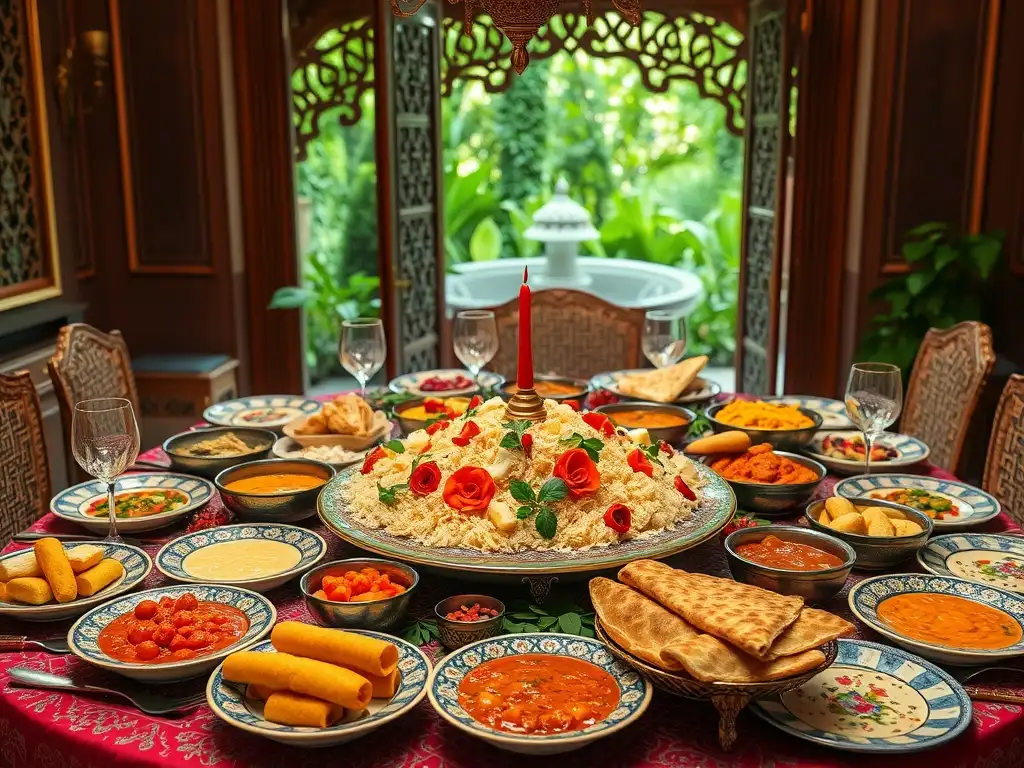
Welcome to Ancient India History, where we embark on an extraordinary journey through time to uncover the rich tapestry of India's past. In this exploration, we delve into ancient Indian culinary traditions, revealing how the flavors and techniques of yesteryear shaped the opulent dining experiences of today. Join us as we guide you through a luxurious culinary heritage tour, where every dish tells a story and every bite is steeped in history. Are you ready to savor the essence of ancient India? Let the exploration begin!
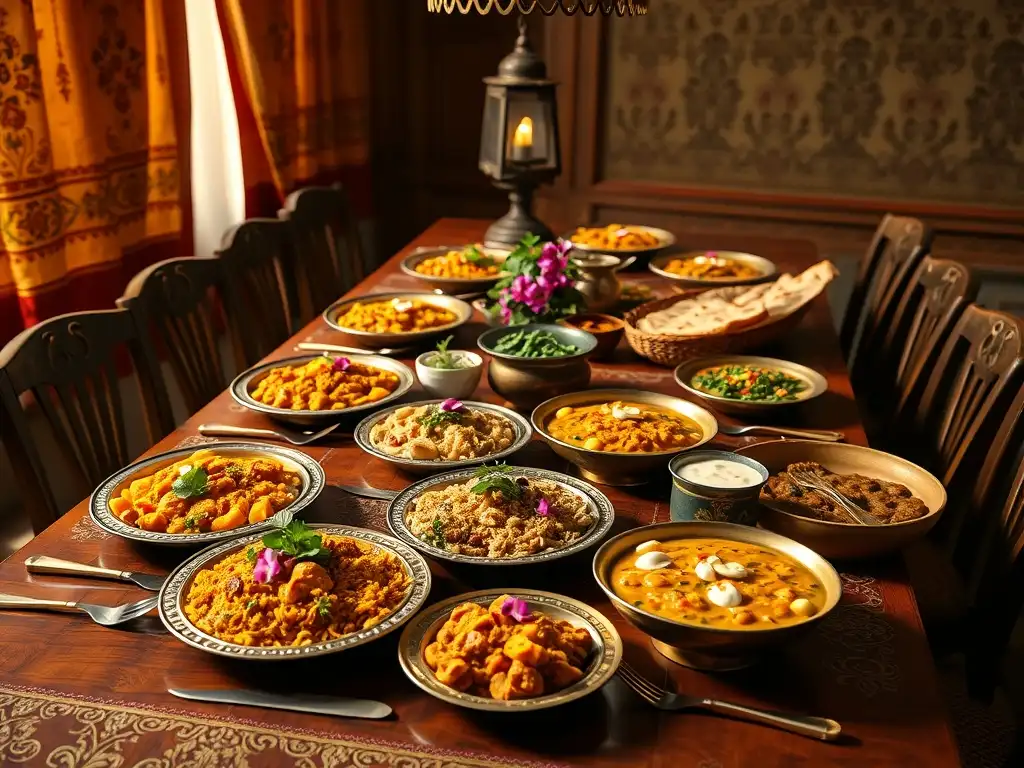
Exploring the rich tapestry of ancient Indian culinary traditions is akin to embarking on a journey through time, where each dish tells a story steeped in history, culture, and innovation. From the opulent kitchens of royal palaces to the humble hearths of ancient households, the flavors and techniques of Indian cuisine have evolved over millennia, reflecting the diverse influences that shaped the subcontinent.
This article takes you through a luxurious culinary heritage tour, highlighting the intricate connections between ancient Indian history and its vibrant gastronomy. Through this exploration, we aim to uncover how these culinary traditions not only tantalize the palate but also serve as a gateway to understanding the profound cultural legacy of ancient India.
Introduction to Ancient Indian Culinary Traditions
Ancient Indian culinary traditions are distinguished by their regional diversity and the use of unique ingredients, cooking methods, and flavor profiles. The subcontinent's geography, climate, and historical trade routes have all contributed to a rich culinary landscape. From the aromatic spices that defined the flavors of the Indus Valley Civilization to the sophisticated techniques practiced during the Gupta Empire, ancient Indian cuisine is a reflection of a society that revered food as an essential part of life.
In this section, we will delve into the historical roots of Indian cuisine, exploring its evolution and the influences that shaped its development. The intricacies of these culinary traditions not only illustrate the artistry of ancient cooks but also reveal the socio-economic and cultural dynamics of the time.
The Historical Roots of Indian Cuisine
The roots of Indian cuisine can be traced back to the earliest civilizations that inhabited the subcontinent. Archaeological findings from the Indus Valley Civilization (c. 3300–1300 BCE) reveal evidence of agricultural practices, trade, and the use of various grains, suggesting that food preparation and culinary practices were well-established.
As we move through history, various empires and dynasties, such as the Mauryas, Guptas, and Mughals, brought their own culinary influences, introducing new ingredients and techniques. The blending of local traditions with foreign influences resulted in a dynamic culinary landscape that continues to evolve today.
Ancient Indian Culinary Traditions: A Timeline
- Indus Valley Civilization (c. 3300–1300 BCE): Established advanced agricultural techniques; evidence of wheat and barley cultivation.
- Vedic Period (c. 1500–500 BCE): Emergence of religious texts that included references to food and dietary customs.
- Mauryan Empire (c. 322–185 BCE): Introduction of royal kitchens and the concept of gourmet cuisine.
- Gupta Empire (c. 240–550 CE): Flourishing of arts, including culinary arts; use of spices in both sweet and savory dishes.
- Medieval Period (c. 600–1700 CE): Influence of Persian and Central Asian flavors due to trade and conquest.
Key Ingredients in Ancient Indian Cooking
The essence of ancient Indian culinary traditions lies in its rich array of ingredients, many of which are still staples in contemporary cooking. Here are some of the key components:
- Spices: Turmeric, cumin, coriander, and black pepper were widely used to enhance flavors and preserve food.
- Grains: Wheat, rice, and millet formed the basis of most meals, providing sustenance and energy.
- Legumes: Lentils and beans were crucial for protein intake, especially in vegetarian diets.
- Fruits and Vegetables: Seasonal produce, including mangoes, eggplants, and leafy greens, contributed to a balanced diet.
- Dairy: Ghee (clarified butter), yogurt, and cheese played vital roles in cooking and religious rituals.
Through this culinary journey, we will uncover not only the flavors that defined ancient Indian cuisine but also the stories behind the ingredients and their significance in the cultural heritage of the region.
Luxury Culinary Experiences in Historical Settings
Embarking on a culinary heritage tour in ancient India offers a unique blend of luxury and history, inviting travelers to indulge in the vibrant flavors of the past while surrounded by the splendor of historical landmarks. These experiences are designed to immerse guests in the rich tapestry of India's culinary traditions, all set against a backdrop of opulent palaces, ancient forts, and serene temples.
Luxury culinary experiences often include private dinners hosted in restored heritage properties, where chefs expertly recreate dishes that have been passed down through generations. Guests can savor these meals while enjoying personalized service that reflects the region's hospitality. Additionally, many tours offer cooking classes led by skilled chefs who guide participants through the preparation of ancient recipes, highlighting the techniques and ingredients that define Indian cuisine.
Moreover, such experiences often incorporate exclusive wine and spice tastings, showcasing the unique flavors that have influenced Indian cooking over centuries. Participants can learn about the origins of spices like saffron, cardamom, and cumin, which were once traded along the Silk Road, and discover how these ingredients were utilized in ancient dishes. Overall, luxury culinary experiences in historical settings provide a feast for the senses and a deep appreciation for the cultural significance of ancient Indian culinary traditions.
Exclusive Culinary Tours: A Luxurious Approach to History
Exclusive culinary tours offer a sophisticated approach to exploring the history of ancient Indian culinary traditions. These tours typically feature small group sizes, ensuring personalized attention and a tailored experience for each participant. Travelers are guided by knowledgeable historians and culinary experts who share insights on the evolution of regional cuisines and their historical contexts.
These tours often include visits to ancient kitchens and royal palaces, where guests can witness traditional cooking methods firsthand. Additionally, participants may have the opportunity to dine with local families, allowing for an intimate glimpse into home-cooked meals that echo ancient recipes. This direct engagement with local culture enriches the experience, as travelers gain a deeper understanding of the significance of food in social and religious practices throughout India’s history.
Furthermore, exclusive culinary tours often incorporate luxury accommodations, allowing guests to unwind in style after a day of exploration. Whether it’s a stay in a lavish heritage hotel or a boutique retreat, the overall experience is designed to cater to discerning travelers seeking both comfort and cultural authenticity.
Fine Dining Restaurants Inspired by Ancient Recipes
Fine dining restaurants across India are increasingly drawing inspiration from ancient recipes, merging traditional flavors with contemporary culinary techniques. These establishments often curate menus that reflect the historical significance of various dishes, showcasing ingredients that have been staples in Indian kitchens for centuries.
Some renowned restaurants collaborate with historians and chefs to reconstruct ancient meals, ensuring that the essence of the original recipes is preserved. For instance, diners might enjoy a dish featuring a unique blend of spices that were popular during the Mauryan Empire, or sample a royal banquet inspired by the culinary traditions of the Mughal era.
Moreover, the ambiance of these fine dining venues often reflects the grandeur of historical settings, with decor that pays homage to ancient Indian art and architecture. This immersive experience not only tantalizes the taste buds but also transports diners back in time, allowing them to appreciate the rich culinary heritage of ancient India while enjoying luxurious surroundings.
Regional Flavors of Ancient Indian Cuisine
Ancient Indian cuisine is characterized by its diversity, with each region boasting its own distinct flavors, ingredients, and cooking techniques. This regional variation is a testament to the rich cultural tapestry of India, where local traditions and agricultural practices have shaped culinary practices over millennia.
Exploring Diverse Regional Cuisines
Travelers on a culinary heritage tour have the opportunity to explore this diversity through curated experiences that highlight the unique offerings of different regions. From the robust and spicy dishes of the South to the rich, creamy gravies of the North, each region tells its own story through its food.
For example, the coastal regions are known for their seafood, often infused with coconut and tamarind, while the arid deserts of Rajasthan feature dishes that utilize lentils and dried fruits, reflecting the availability of local ingredients. Additionally, the flavors of Punjab, with its use of dairy and spices, contrast sharply with the subtlety of Bengali cuisine, which emphasizes fish and mustard oil.
By engaging with local chefs and artisans, travelers can learn about the historical influences that shaped these regional cuisines, including trade routes, invasions, and migrations that introduced new ingredients and cooking methods.
Signature Dishes from Ancient Times
No exploration of ancient Indian cuisine would be complete without sampling signature dishes that have withstood the test of time. Some of these dishes date back thousands of years and are often associated with specific festivals or rituals, highlighting their cultural importance.
For instance, Biryani, believed to have originated during the Mughal era, is a fragrant rice dish layered with marinated meat and spices, showcasing the sophisticated culinary techniques of ancient India. Similarly, Khichdi, a humble mix of rice and lentils, is often considered the "comfort food" of India, with references found in ancient texts, symbolizing nourishment and simplicity.
Other notable dishes include Dhokla from Gujarat, a savory steamed cake made from fermented rice and chickpea batter, and Dal Makhani, which boasts a creamy texture and deep flavors, reflecting the rich agricultural history of North India. These signature dishes not only provide a culinary experience but also a connection to the cultural and historical narratives that define ancient Indian culinary traditions.
Engaging Culinary Experiences
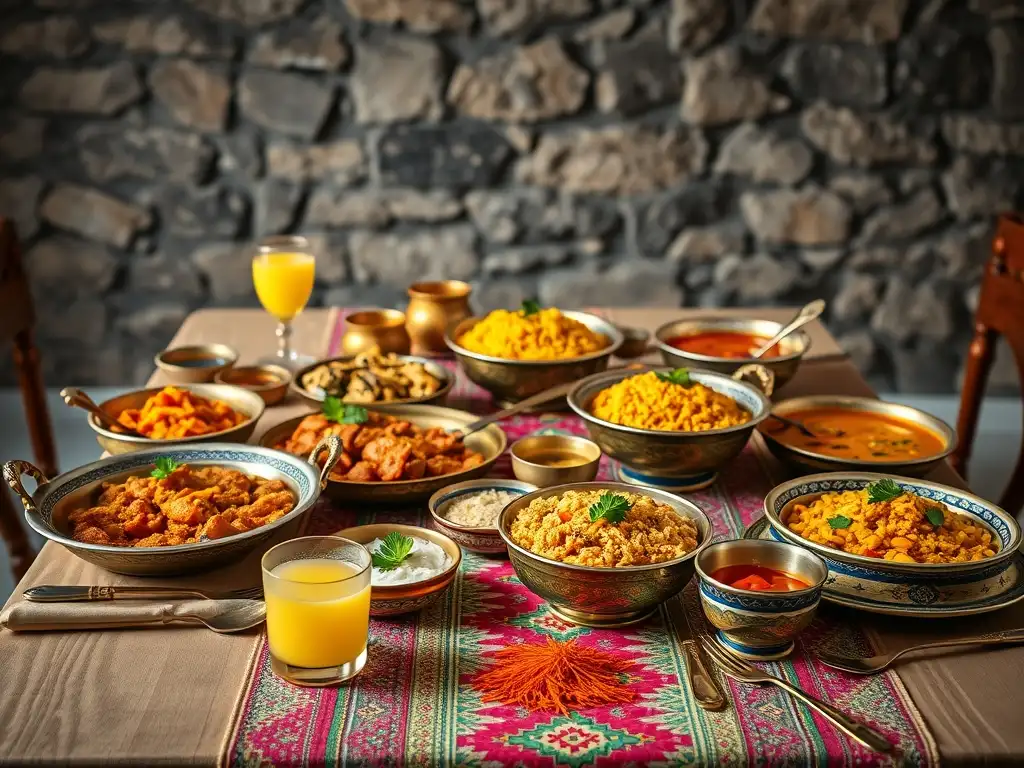
Embarking on a culinary heritage tour in ancient India allows travelers to dive deep into the rich tapestry of flavors and cooking techniques that have evolved over thousands of years. These experiences are not merely about tasting food; they are immersive journeys into the historical and cultural significance of each dish. From interactive cooking classes to vibrant food festivals, visitors can engage directly with the culinary practices that have shaped the Indian palate. This unique combination of luxury and tradition offers a profound appreciation for ancient Indian culinary traditions, making each meal a celebration of heritage.
Cooking Classes Focused on Ancient Techniques
One of the most captivating aspects of experiencing ancient Indian culinary traditions is participating in cooking classes that emphasize traditional techniques passed down through generations. These classes often take place in scenic settings, such as heritage homes or royal palaces, where the ambiance itself tells a story of the past.
- Authentic Ingredients: Participants are often introduced to local markets where they can source fresh, traditional ingredients. Learning to identify spices and herbs that have been staples in ancient Indian kitchens adds depth to the experience.
- Time-Honored Recipes: Instructors typically guide participants through age-old recipes, such as those used in royal kitchens or village feasts. Mastering techniques like slow cooking in clay pots or preparing dishes with specific regional spices helps preserve the culinary heritage while allowing participants to create their own masterpieces.
- Cultural Context: Many classes incorporate storytelling, explaining the significance of each dish within the broader context of India's history and culture. This educational component enriches the cooking experience, making it not just a class but a journey through time.
Food Festivals Celebrating Ancient Indian Culinary Traditions
Food festivals serve as vibrant showcases of ancient Indian culinary traditions, bringing together flavors, aromas, and cooking styles from various regions. These festivals are often held in picturesque locations and feature a plethora of activities that celebrate India's rich gastronomic heritage.
- Diverse Offerings: Attendees can indulge in a variety of dishes that reflect the diversity of ancient Indian cuisines, from the spicy curries of the South to the fragrant biryanis of the North. Each stall offers a taste of history, presenting recipes that date back to ancient times.
- Culinary Demonstrations: Many festivals include live cooking demonstrations led by renowned chefs or local food artisans who share their expertise in ancient cooking methods. These demonstrations often highlight forgotten techniques, such as the use of traditional clay ovens or the art of hand-ground spices.
- Cultural Performances: In addition to food, these festivals often incorporate music and dance performances that celebrate Indian culture, creating a holistic experience that engages all the senses. This blend of culinary and cultural immersion allows participants to appreciate the interconnectedness of food and tradition.
Conclusion: Embracing Ancient Indian Culinary Traditions in Luxury Travel
As travelers seek more meaningful and enriching experiences, luxury tours focused on ancient Indian culinary traditions offer a unique opportunity to connect with the past. By engaging in cooking classes that highlight traditional techniques and participating in vibrant food festivals, visitors can savor the flavors of India while gaining a deeper understanding of its rich cultural heritage.
These culinary experiences not only satisfy the palate but also nurture a sense of appreciation for the history, artistry, and diversity of ancient Indian cuisine. Embracing these traditions in a luxurious travel setting ensures that each meal becomes a celebration of India's culinary legacy, making it an unforgettable part of any heritage tour.
Call to Action
Embarking on a culinary heritage tour is not just about tasting exquisite dishes; it's an immersive journey into the heart of Ancient Indian culinary traditions. From the intricate flavors of the Indus Valley to the rich spices of the Gupta Empire, each bite tells a story of the cultural and historical evolution of India.
Are you ready to indulge in this unique experience and savor the flavors of ancient civilizations? Join us on a luxurious tour that takes you through time, exploring the culinary techniques, ingredients, and recipes that have been preserved through generations.
Why Choose Our Culinary Heritage Tour?
- Exclusive Access: Enjoy guided tours through ancient kitchens and local markets where you can learn about traditional cooking methods.
- Expert Chefs: Interact with renowned chefs who specialize in ancient recipes and culinary techniques, giving you firsthand knowledge of these age-old traditions.
- Cultural Experiences: Participate in local festivals and culinary events that celebrate the rich heritage of Indian cuisine.
Don't miss out on the opportunity to taste the legacy of ancient Indian flavors. Book your culinary heritage tour today and embark on a journey that tantalizes your taste buds and enriches your understanding of India's illustrious past.
Ready to Explore?
Click below to discover our tour packages and customize your culinary adventure tailored to your preferences. Your journey into the rich tapestry of Ancient Indian culinary traditions awaits! 🌍🍽️
- Introduction to Ancient Indian Culinary Traditions
- The Historical Roots of Indian Cuisine
- Luxury Culinary Experiences in Historical Settings
- Regional Flavors of Ancient Indian Cuisine
- Engaging Culinary Experiences
- Conclusion: Embracing Ancient Indian Culinary Traditions in Luxury Travel
- Call to Action
- Ready to Explore?
Frequently Asked Questions
What are ancient Indian culinary traditions?
Ancient Indian culinary traditions refer to the diverse cooking practices and flavors that have evolved over centuries, influenced by geography, culture, and trade.
How did the Indus Valley Civilization contribute to Indian cuisine?
The Indus Valley Civilization laid the groundwork for agriculture, which introduced staple foods like wheat and barley, forming the basis of many traditional Indian dishes.
What role did spices play in ancient Indian cooking?
Spices were crucial in ancient Indian cooking, not just for flavor but also for their preservative qualities and medicinal benefits, enhancing the overall health aspect of meals.
How did the Gupta Empire influence culinary practices?
During the Gupta Empire, there was a significant advancement in agriculture and trade, leading to a more diverse diet and the introduction of new ingredients and cooking methods.
What are some examples of ancient Indian dishes?
Examples include biryani, dal, and curry, which have roots in ancient recipes and continue to be integral to modern Indian cuisine, showcasing the depth of culinary heritage.
Final Reflection: Embracing Ancient Indian Culinary Traditions for a Luxurious Experience
The exploration of ancient Indian culinary traditions is not just a journey through flavors; it is a profound connection to our cultural roots that remains remarkably relevant today. As we navigate a world increasingly dominated by fast food and fleeting trends, the rich tapestry of India's culinary heritage offers a refreshing reminder of the depth and complexity that food can embody. This journey into the past is not merely about savoring exquisite dishes; it is about understanding the stories, rituals, and philosophies that have shaped our gastronomic landscape.
The influence of ancient Indian culinary traditions extends far beyond the kitchen, permeating our social interactions and cultural identity. By embracing these age-old practices, we not only honor our ancestors but also foster a sense of community and belonging in our modern lives. The flavors of ancient recipes serve as a bridge, connecting generations and inviting us to share in the collective experience of food. Food is not just what we eat; it is a reflection of who we are.
This sentiment encapsulates the essence of our culinary heritage, reminding us that every meal is an opportunity to celebrate our history and identity.
As you reflect on the lessons of this culinary journey, I invite you to take action: seek out these ancient flavors in your own kitchen, share them with loved ones, and immerse yourself in the stories behind each dish. Let the richness of ancient Indian culinary traditions inspire you to create not just meals, but memorable experiences that honor the past while enriching the present. By doing so, you contribute to the preservation of a vibrant heritage that deserves to be celebrated and cherished for generations to come.
Savor the Journey: Dive Deeper into Ancient Indian Flavors!
Thank you for joining us on this delicious exploration of ancient Indian culinary heritage! We hope you’ve uncovered the rich tapestry of flavors and traditions that embody India’s luxurious dining experiences. Now, it’s time to take your passion for food and history to the next level!
Here are a few exciting ways you can continue your journey:
- Embark on your own culinary adventure: Try recreating one of the traditional Indian dishes you’ve learned about. Gather the ingredients and discover the joy of cooking these ancient recipes in your kitchen!
- Share your experiences: Connect with fellow food enthusiasts by sharing your culinary creations and experiences on social media. Use the hashtag #AncientFlavorJourney to inspire others with your journey!
- Join a local cooking class: Explore workshops in your area that focus on Indian cuisine. It's a fantastic way to meet new people and delve even deeper into the vibrant culinary traditions of India.
Have you ever tasted a dish that transported you back in time? What was it, and how did it make you feel? We invite you to share your thoughts in the comments below!